Here’s the myth: every animal in a textbook is backed by drawers full of specimens, decades of fieldwork, and airtight genetics. Here’s the reality: a startling number of species exist in the record because one scientist looked at one broken body – a cracked skull, a torn skin, a smashed jaw – and decided it was different enough to deserve a name.
Some of those gambles turned out to be dead right. Others are now quietly viewed as embarrassing mistakes, and a few still sit in scientific purgatory, cited in papers nobody wants to touch. These are 11 creatures that owe their entire existence to a single, questionable specimen – and the closer you look, the shakier some of them get.
#11 – The Dingiso: A “Teddy Bear” Kangaroo From One Hunter’s Trophy
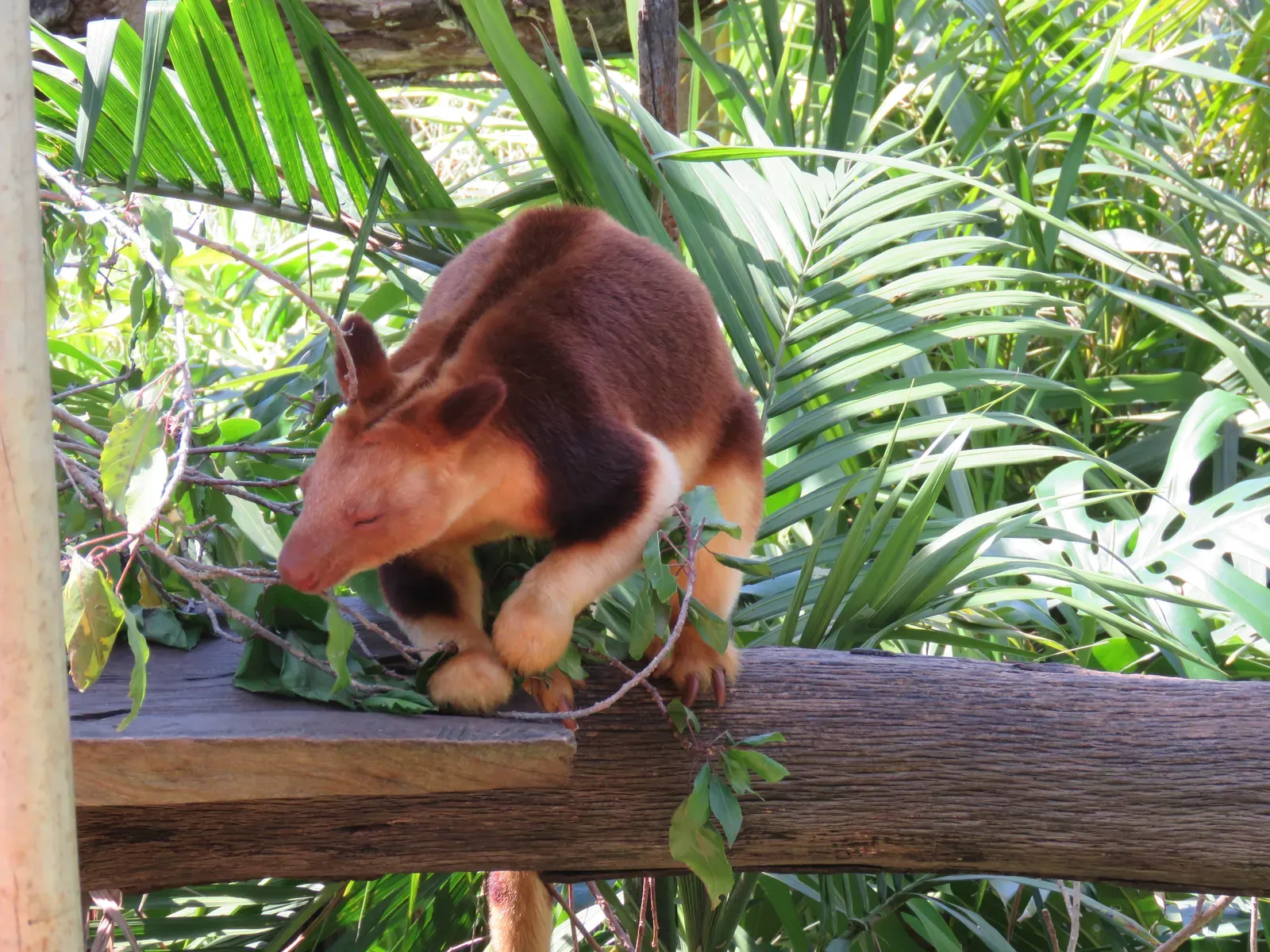
When the dingiso (Dendrolagus mbaiso) first showed up in Western science, it looked almost too cute to be real. The entire species was built from a single hunted specimen collected in the remote highlands of Papua, Indonesia, backed only by scattered local reports. That one skin and skull suggested a tree-kangaroo with striking black-and-white fur and a slow, oddly trusting demeanor – or maybe just a weird variant of something already known.
Here’s the unsettling part: for years, nobody could find another one. Zoologists were stuck defending a species based entirely on one damaged mount and village folklore, knowing full well that a single odd animal can just as easily be a mutant, a hybrid, or simply sick. More recent fieldwork and photographs have finally backed up the original claim. That’s a happy ending – but it’s nothing compared to what’s waiting at #10.
#10 – The Giant Oarfish: A Sea-Serpent Legend Turned One-Off Anatomy Lesson
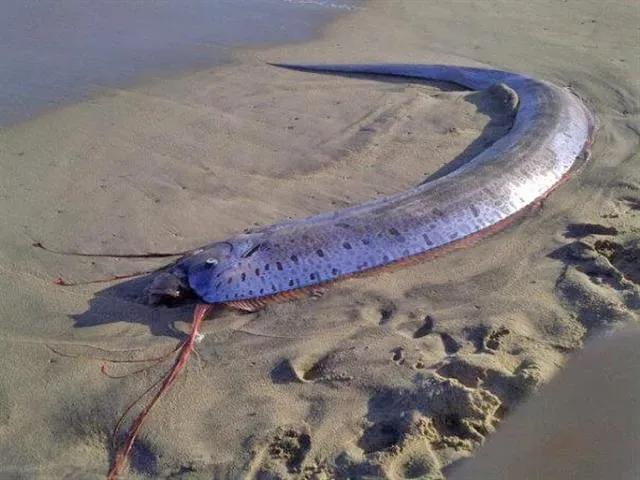
The giant oarfish (Regalecus glesne) is a viral sensation today, but early science treated it almost like folklore. The first scientifically described oarfish were one-off strandings of badly decomposed, ribbon-like fish – bodies already hacked apart by curious locals long before a naturalist ever arrived to measure them.
Those original “type specimens” were stretched, cut, salted, and sometimes mismeasured, yet they anchored the species in zoological literature for decades anyway. Oarfish flesh is gelatinous and collapses fast, leaving warped skulls and torn fins that make anatomy nearly impossible to trust. Some 19th-century illustrations – drawn from a single mangled body – fed directly into “sea serpent” stories in newspapers. Modern genetics has sorted out several real Regalecus species since, but the original descriptions were basically forensic reconstructions of shipwrecked fish. Still, that’s more solid ground than the single-specimen reptile waiting at #9.
Fast Facts
- Scientific name Regalecus glesne, first formally described in 1772
- Reported lengths up to 11 meters (36 feet), making it the longest known bony fish
- Typically lives in the mesopelagic zone, roughly 200 to 1,000 meters deep
- Rarely seen alive; most encounters involve dead or dying fish at the surface
#9 – Ramphotyphlops hatmaliyeb: A Blind Snake Named From One Tiny Body
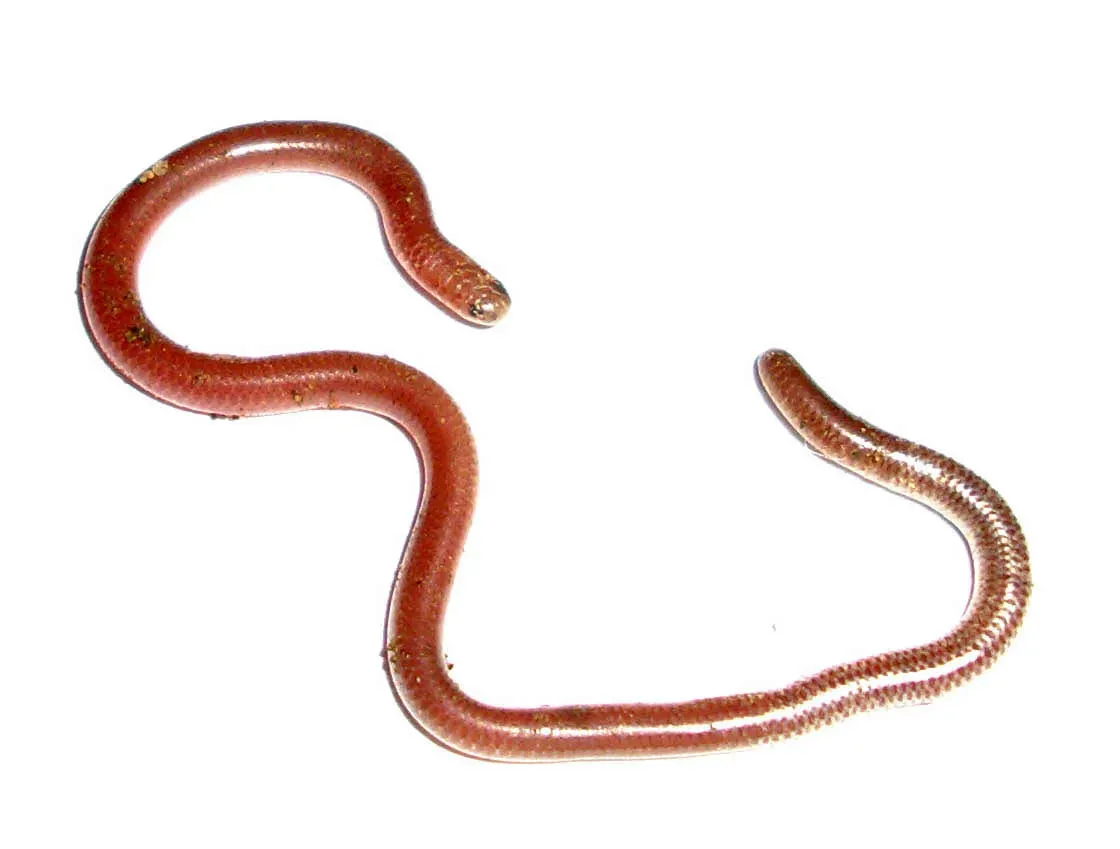
In 2013, herpetologists described a brand-new blind snake from the tiny Western Pacific island of Ngeruktabel in Palau, naming it Ramphotyphlops hatmaliyeb. The catch: the entire species rests on one preserved specimen barely longer than a pencil, plucked from under a rock during a short survey. No one has widely reported finding another since.
Because that single snake is the official “type,” every defining detail – scale counts, head shape, coloration – comes from one individual’s body. Blind snakes are notorious for subtle variation that blurs species lines, and without a series of specimens, there’s no reliable way to know if this is a genuine lineage or just a local quirk of an existing species. The name stands in the books regardless. But that uncertainty is nothing compared to the storm of doubt swirling around the battered dinosaur at #8.
#8 – Nanotyrannus: A “New” Tyrannosaur Many Paleontologists Say Never Existed
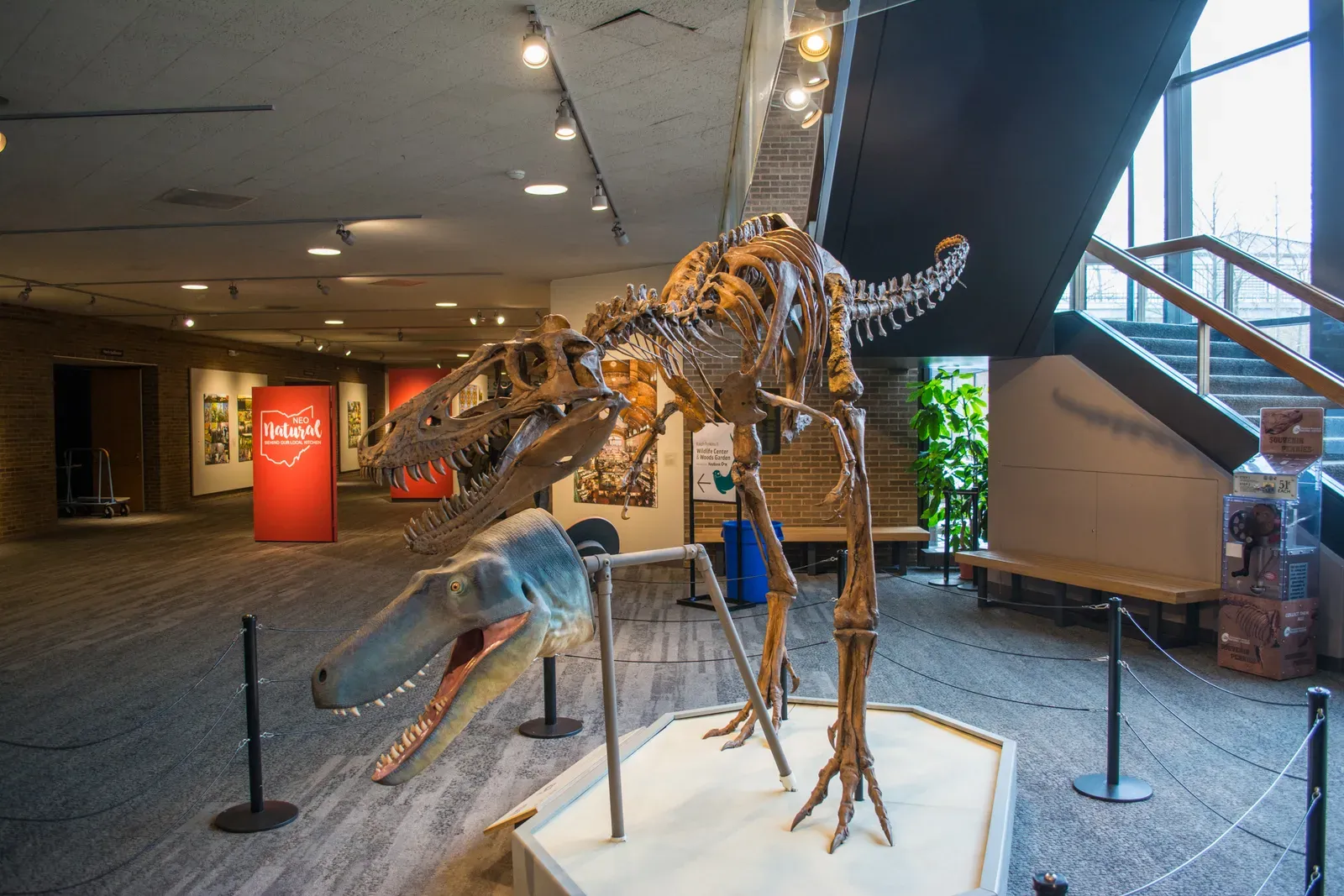
Nanotyrannus is the dinosaur that refuses to die, at least on paper. It was named from a single, incomplete skull found in Montana, originally pitched as a small, fast, distinct tyrannosaur species. For years, museum placards proudly labeled it a miniature cousin of Tyrannosaurus rex.
Then more juvenile T. rex skulls turned up, and the story started falling apart. Most paleontologists now argue the Nanotyrannus “holotype” is almost certainly just a teenage T. rex, its thinner jaws and sharper teeth simply reflecting youth, not a separate lineage. This is single-specimen taxonomy at its most treacherous: one skull can’t show you growth stages or natural variation. Supporters still insist the differences are real; skeptics call it a classic case of over-splitting. But even that fight looks tame next to the marine “monster” rebuilt from one shattered jaw at #7.
Quick Compare
- Nanotyrannus holotype skull: roughly 57 centimeters long
- Adult T. rex skulls: can exceed 1.5 meters in length
- Nanotyrannus jaw: more numerous, blade-like teeth than an adult T. rex
- Both found in Montana’s Hell Creek Formation, alongside full-grown T. rex remains
#7 – Leedsichthys: The Giant Fish Rebuilt From Shards and Guesses
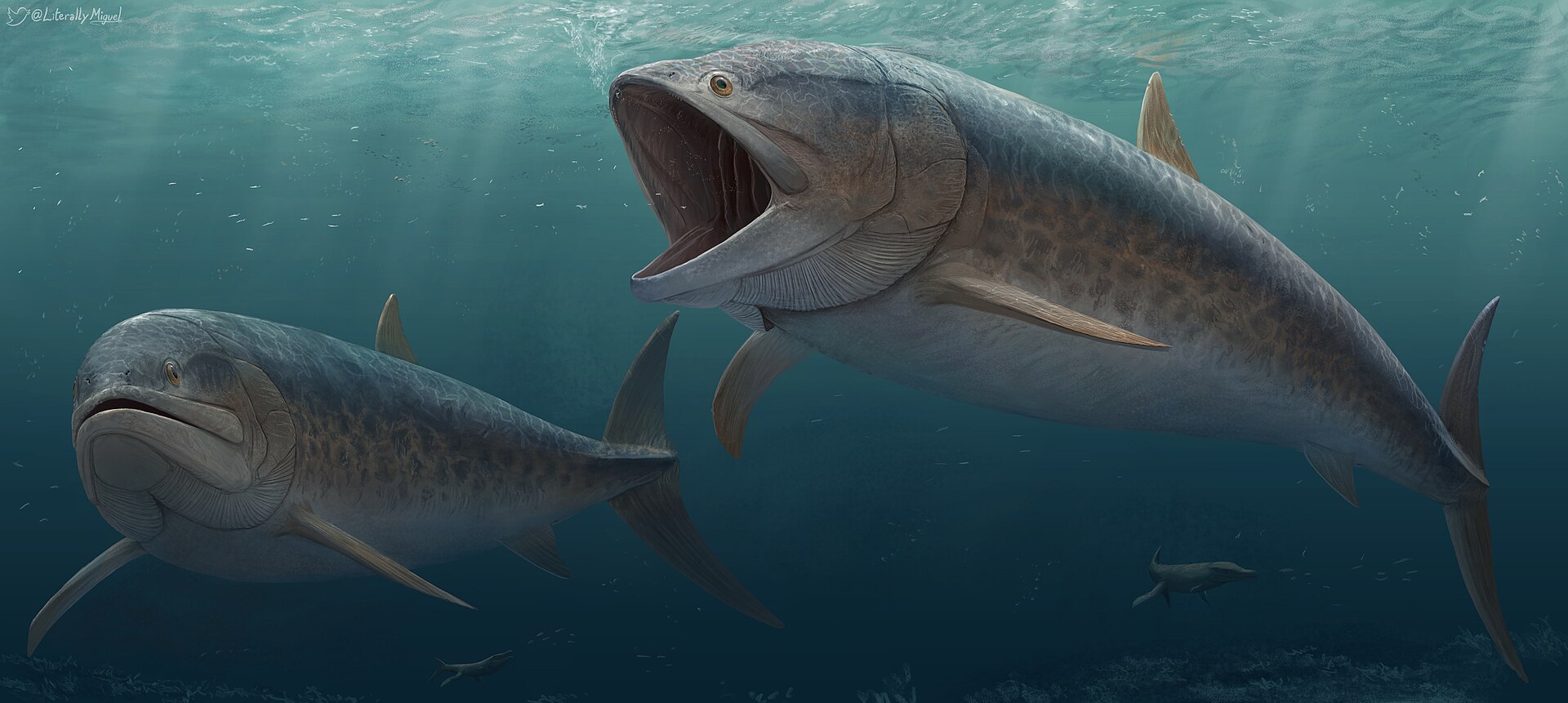
Leedsichthys problematicus might have the most honest name on this entire list – “problematicus” literally means “full of problems.” It was erected in the late 19th century from a single, horribly incomplete Jurassic fossil dug up in England, representing what might be the largest bony fish that ever lived.
The original find was mostly a jumble of isolated bones and fin rays with no complete skull anywhere in sight. Paleontologists had to reconstruct an animal that could have been anywhere from 9 to over 20 meters long, leaning on scaling comparisons with living filter-feeding fish. More fragments have surfaced since, but that first jigsaw puzzle still anchors its identity – and its exaggerated “bus-sized fish” reputation in pop science. Size estimates have quietly shrunk as better data arrived. Even that shaky giant, though, looks well-documented next to the dubious ocean reptile at #6.
#6 – Shonisaurus popularis: A Giant Ichthyosaur Pieced Together From Broken Bones
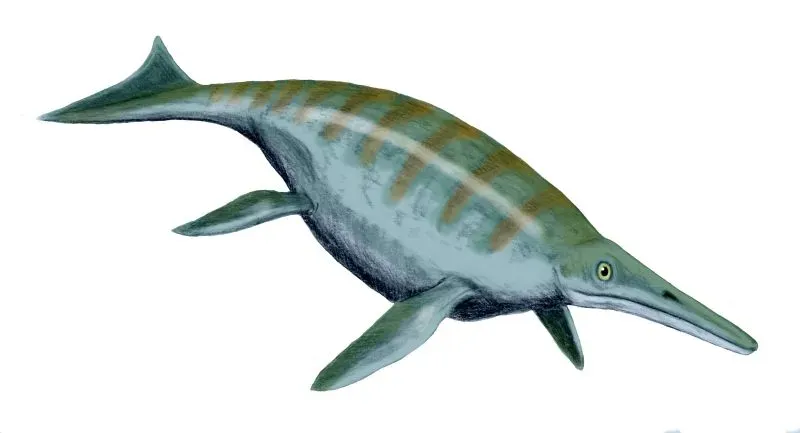
Shonisaurus popularis, a massive Triassic ichthyosaur, was effectively built from a few scattered skeletons dominated by one particularly important – but still incomplete – specimen found in Nevada’s Shoshone Mountains. The bones were disarticulated, weathered, and often broken or missing outright.
Early reconstructions leaned hard on that primary find to define the animal’s bizarre, deep-bodied shape and its jaw-dropping length of over 15 meters. But as more complete relatives were discovered, some researchers started arguing the original Shonisaurus material might actually be a chimera – bones from several individuals, maybe even different species, jumbled together in one ancient bone bed. With no pristine “type skeleton” to point to, scientists are still fighting over what Shonisaurus really looked like. That’s nothing, though, compared to the flying reptile almost entirely known from one crushed fossil at #5.
#5 – Quetzalcoatlus northropi: The Giant Pterosaur Built Around One Fragile Skeleton
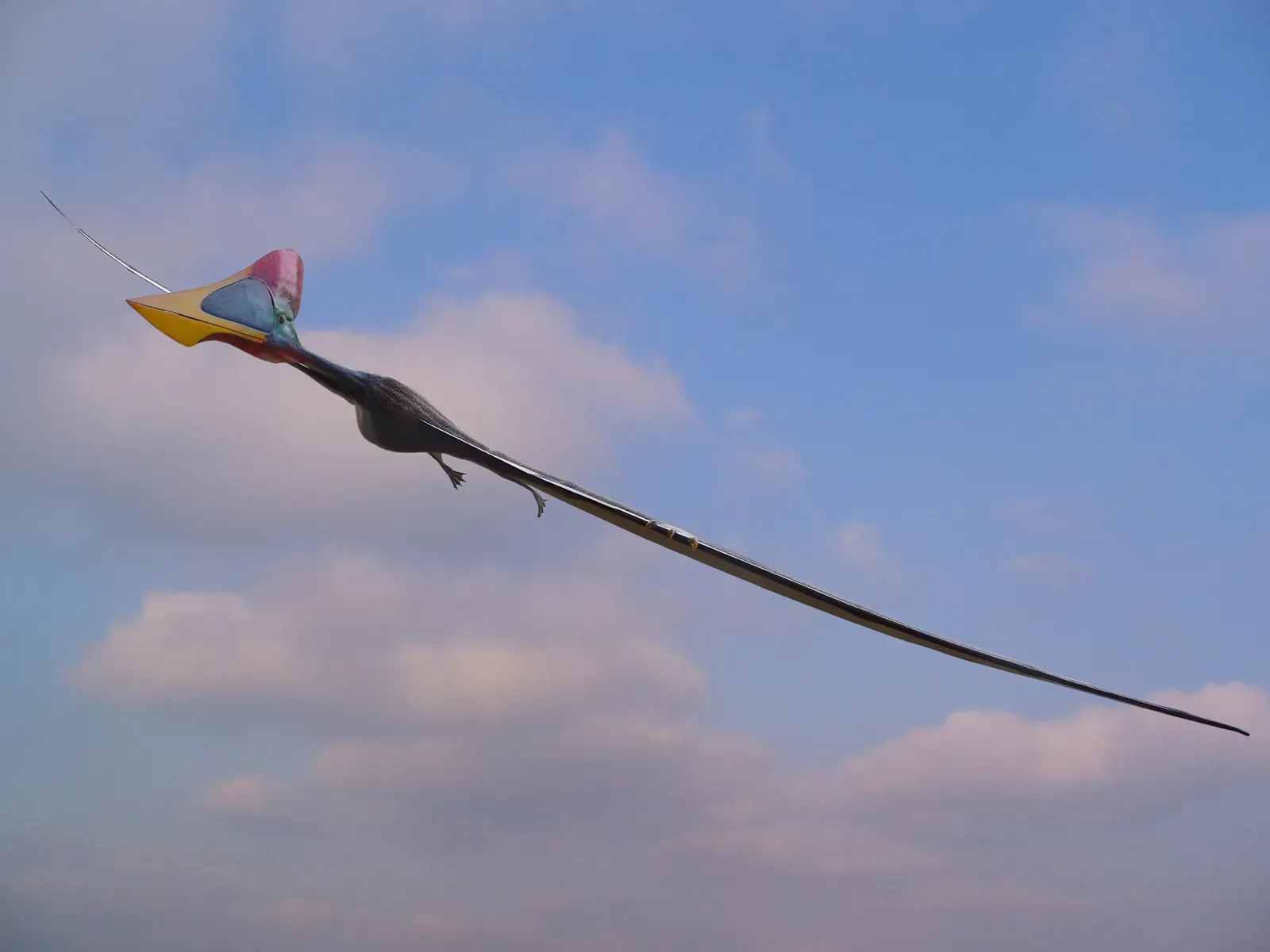
Quetzalcoatlus northropi is the poster child for “giant flying reptile,” yet its formal description leans heavily on one giant, incomplete skeleton from Texas, later padded out with smaller, probably related specimens. The type individual is mostly limb bones and partial vertebrae – the skull that dominates every popular reconstruction was never even fully preserved in that original find.
Those missing pieces gave artists and scientists uncomfortable creative freedom. Early reconstructions imagined a massive, crane-like animal with a spear-shaped head stalking Cretaceous floodplains, built almost entirely from extrapolation and guesswork. Wingspan estimates swung wildly, from around 10 meters up to 12 or more, because tiny measurement choices on a single specimen get magnified enormously at that scale. Recent work has tightened the numbers, but big parts of Quetzalcoatlus remain “best guesses” wrapped around one irreplaceable, damaged fossil. Even that feels safer than the probably nonexistent big cat waiting at #4.
At a Glance
- Type specimen unearthed in Big Bend National Park, Texas, in 1971
- Wingspan estimates range from about 10 to 12 meters (33 to 39 feet)
- Standing height estimated around 3 meters at the shoulder, roughly giraffe-sized
- Named after Quetzalcoatl, the feathered serpent god of Aztec mythology
#4 – The “King Cheetah”: A Wildcat Pattern That Fooled Zoologists For Decades
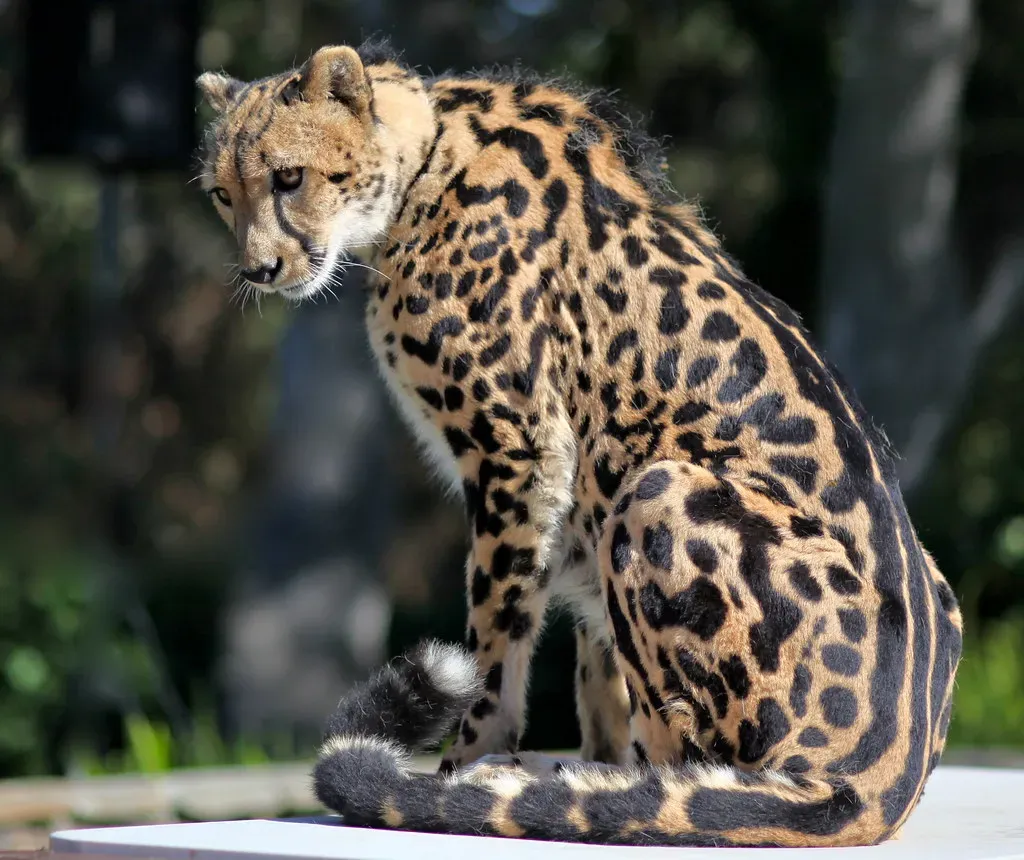
For years, the so-called “king cheetah” was treated as its own species or subspecies, based largely on a tiny handful of skins and one especially striking, damaged specimen sporting bold, blotched stripes instead of typical cheetah spots. Early 20th-century taxonomists were confident enough to catalog it under its own scientific name in museum collections.
Only later did captive breeding and genetics reveal the truth: the king cheetah pattern is just a rare mutation, essentially a dramatic fur-coat glitch inside ordinary African cheetahs, not a separate species at all. Decades of taxonomic labels and field notes had been built on a few odd pelts – and they were simply wrong. It’s a textbook case of how one visually extreme specimen can seduce scientists hungry to name something new. But that error looks tame next to the perhaps-mythical human relative sketched from a single skull at #3.
#3 – Homo floresiensis: “The Hobbit” Human From One Tiny, Fragile Skeleton
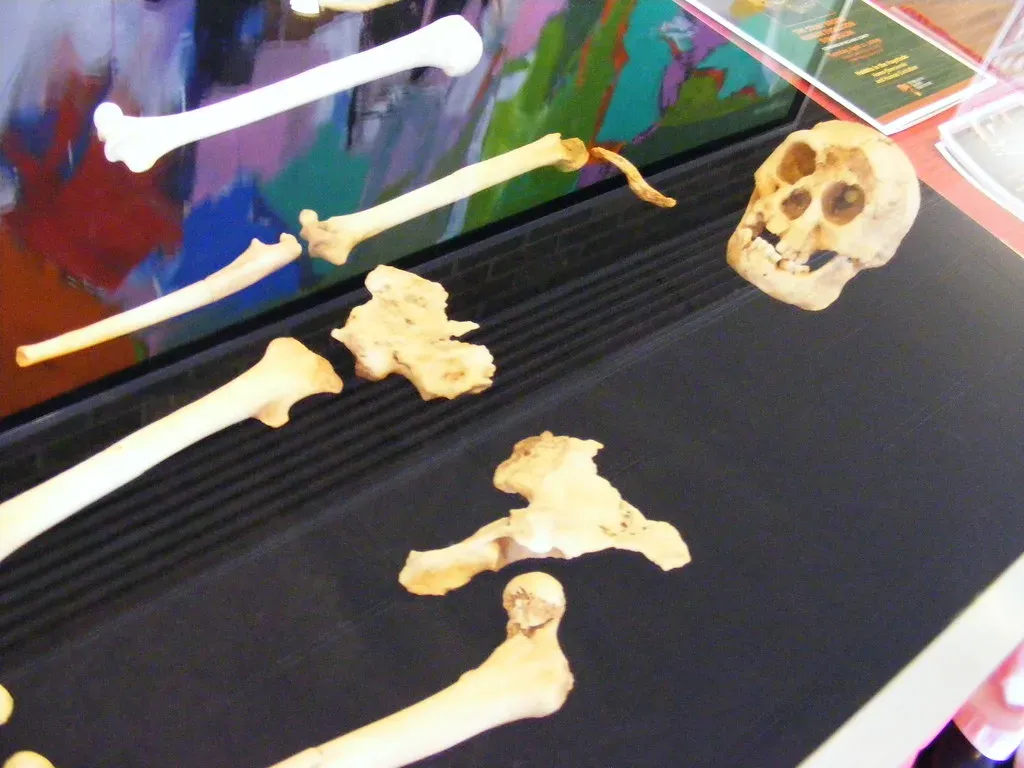
When Homo floresiensis was announced in 2004 from the Indonesian island of Flores, it sounded like science fiction: a tiny, child-sized adult hominin nicknamed “the hobbit,” known initially from one damaged, partial skeleton and a scattering of other bones. The skull and postcranial remains, all from a single cave site, were fragile, distorted, and frustratingly incomplete.
Some researchers embraced it immediately as a genuine, small-bodied branch of human evolution. Others pushed back hard, arguing the type specimen might just be a diseased or developmentally abnormal modern human, pointing to conditions like microcephaly or dwarfism. The debate got messy and personal fast, because an entire chapter of the human story hung on one skeleton’s interpretation. Later finds on Flores have strengthened the case that Homo floresiensis was real, but skeptics still point out how risky it was to redraw the human family tree from one damaged individual. Even this controversy, though, feels tidy compared to the dragon-like amphibian rethought at #2.
#2 – Gerrothorax pulcherrimus: The “Permanent Tadpole” Built From Flattened Fossils
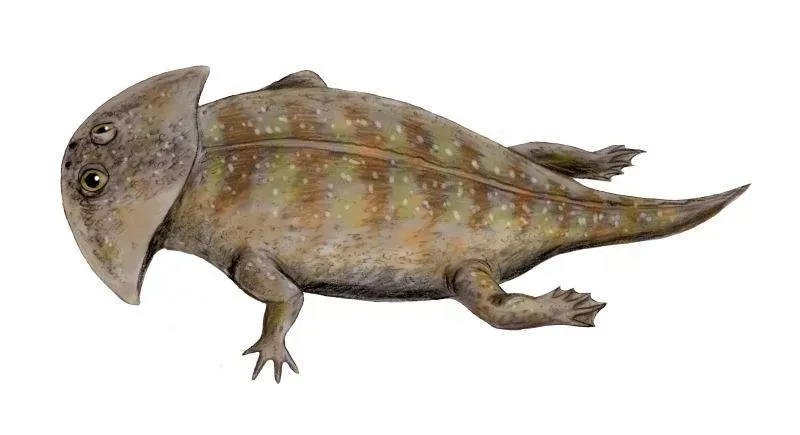
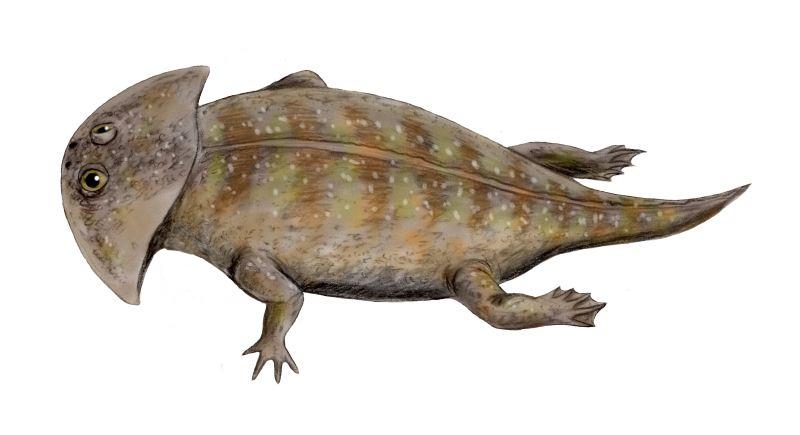
Gerrothorax pulcherrimus, a Triassic amphibian, earned its weird fame from a handful of heavily compressed skeletons dominated by a single key specimen that seemed to show an animal frozen in its tadpole stage forever. The original material preserved external gill impressions and a broad, flattened skull, leading to the striking claim that Gerrothorax never left the water for its entire life.
The problem is that crushed fossils lie. Better-preserved material later suggested that some of those “larval” traits were exaggerated by the way the fossil got flattened and distorted over millions of years, meaning Gerrothorax may not have been quite as bizarre as those early reconstructions promised. Yet the image of a bathtub-sized, salamander-dragon with external gills still persists in popular science books, rooted entirely in a handful of flattened bones. Which brings us to #1 – the ultimate cautionary tale in single-specimen zoology.
#1 – Pelagornis sandersi: The Monster Bird Built From One Skeleton
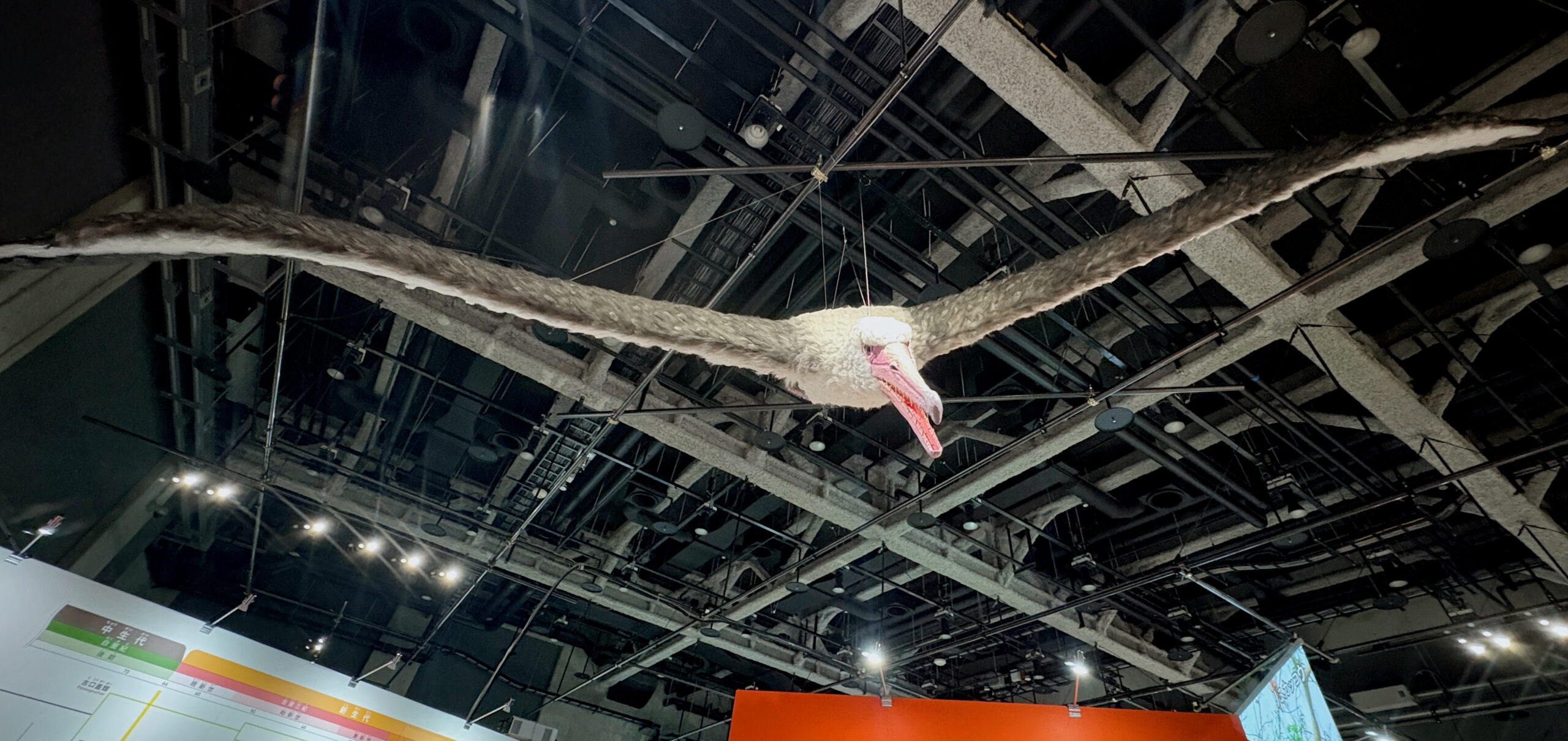
Pelagornis sandersi might be the single most extreme example of how far zoologists will stretch one lucky find. This giant seabird from South Carolina was described from one exceptionally large but still incomplete skeleton, with no known duplicates anywhere to cross-check the numbers. From that one set of bones, researchers inferred a wingspan potentially over 6 meters – possibly the largest flying bird ever discovered.
Nearly everything we “know” about Pelagornis sandersi – its flight style, its ocean-soaring lifestyle, even how it hauled itself into the air – is modeled off that solitary individual plus comparisons to distant modern relatives like albatrosses. Its bizarre “pseudoteeth,” bony spikes along the beak used to grab slippery prey, are known only from this specimen and a handful of relatives, leaving huge questions about how it actually fed. If a second, better-preserved fossil ever shows this bird was smaller or built differently, decades of confident artwork and assumptions could collapse overnight. Few creatures on Earth illustrate more clearly how much of zoology still balances on a single, damaged pedestal.
Why It Stands Out
- Estimated wingspan of 6.1 to 7.4 meters (20 to 24 feet), larger than any living bird
- Discovered in 1983 during construction of Charleston International Airport
- Lived roughly 25 to 28 million years ago, during the Oligocene epoch
- Named in honor of Albert Sanders, the museum curator who recovered the fossil
The Bottom Line
Taken together, these 11 creatures expose an uncomfortable truth: a shocking amount of zoological “fact” began life as an educated guess wrapped around one damaged specimen. Sometimes the guess holds up beautifully – dingisos and oarfish turned out to be exactly what scientists claimed, not myths at all.
Sometimes it collapses in embarrassing fashion, like the king cheetah’s brief and completely mistaken career as its own species. And in the gray middle, cases like Nanotyrannus and Homo floresiensis show how personalities, careers, and scientific fashions can cling to a single skull or skeleton long after the data stops fully justifying it.
Personally, I think we badly underestimate how many “species” currently sitting in textbooks will quietly vanish once better samples and genetics finally arrive to check the math. Which one on this list do you think is most overrated – and which one would you fight to defend?