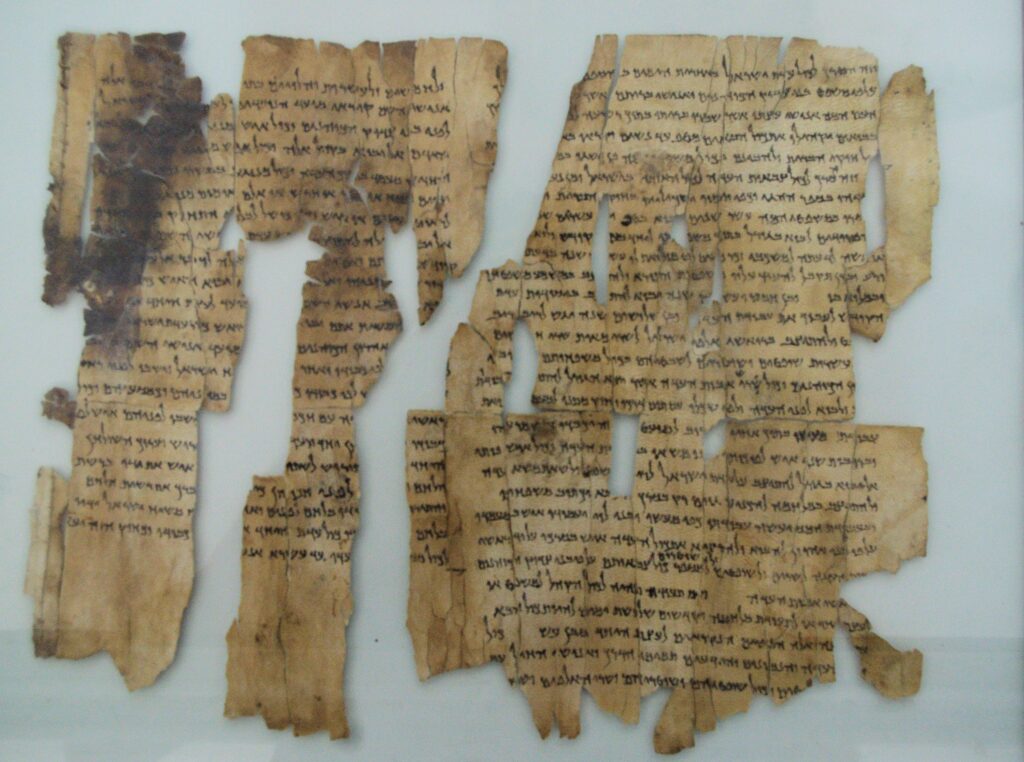
You were probably taught that the great texts of history sprang fully formed from a lone genius, pen in hand, in a single burst of inspiration. That story is mostly a comforting myth. A surprising number of the most influential documents ever written – Gospels, histories, sagas, even the Torah – are now understood by scholars to be careful copies, edits, and remixes of older texts that no longer exist in any form.
These missing originals have a name: hypothetical sources, or “ghost texts.” We only know they existed because of the fingerprints they left behind – odd seams, repeated scenes, citations to books nobody has seen in two thousand years. Some of these lost manuscripts, if we ever recovered them, could quietly rewrite entire chapters of religious and literary history. Here are the 14 cases where the paper trail goes cold, and the evidence scholars found anyway.
#14 – The “Q Source” Behind Matthew and Luke
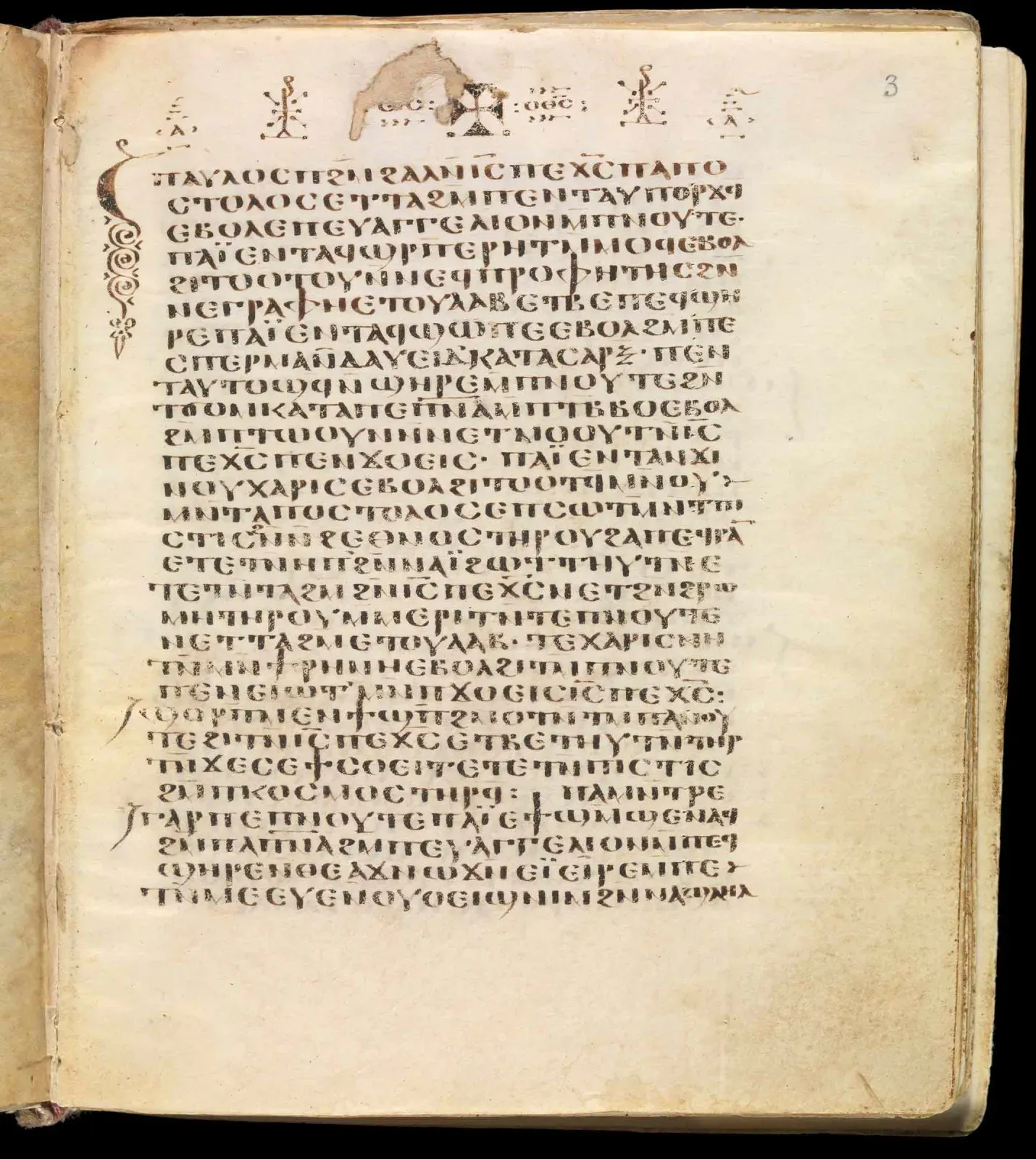
Scholars now broadly accept that Matthew and Luke weren’t written in a vacuum. They share a large block of Jesus’s sayings and teachings that doesn’t appear in Mark at all, yet often matches word-for-word between the two. That level of overlap is almost impossible to explain without a common written source sitting on both authors’ desks.
Researchers call this missing document Q, from the German word for “source,” and it has quietly become one of the most argued-over ghost texts in biblical studies. Parts of Matthew and Luke line up so precisely that many experts think the two writers were copying the same Greek document, not just riffing on shared oral tradition. Others push back, insisting a vibrant storytelling culture could produce that kind of echo on its own – but the working assumption in mainstream scholarship is that something like Q was real, and it’s gone.
Fast Facts
- Name origin: Q comes from the German word Quelle, meaning “source.”
- Size: Roughly 200 to 235 verses are shared by Matthew and Luke but absent from Mark.
- Origin of the theory: The two-source hypothesis was first proposed by scholar Christian Hermann Weisse in 1838 and remains the most widely accepted solution to the Synoptic Problem today.
- Status: No manuscript, fragment, or quotation of Q has ever been physically found – it exists only as a reconstruction.
#13 – “Proto-Mark”: The Gospel Before the Gospel
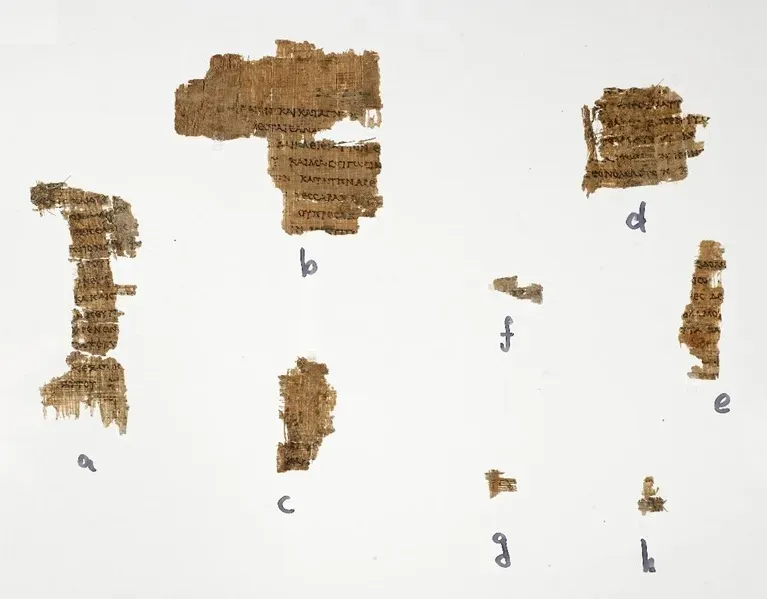
Most people have heard that Mark is the earliest written Gospel. Fewer know that a growing number of scholars think Mark itself may be a patchwork stitched from one or more earlier passion narratives and miracle collections. Read it closely in Greek and strange seams appear: abrupt transitions, repeated episodes, tonal shifts that feel like someone gluing documents together.
The passion story – Jesus’s arrest, trial, and crucifixion – has a tighter arc and a different feel than the earlier Galilean ministry chapters. That has led many scholars to argue Mark copied and edited a pre-existing written passion account, possibly one already used in early Christian worship, along with separate source sheets of miracle stories. Not everyone accepts a single clean Proto-Mark, but the idea that Mark leaned hard on now-lost written material is getting harder to dismiss.
#12 – The Mysterious “Signs Source” Behind John
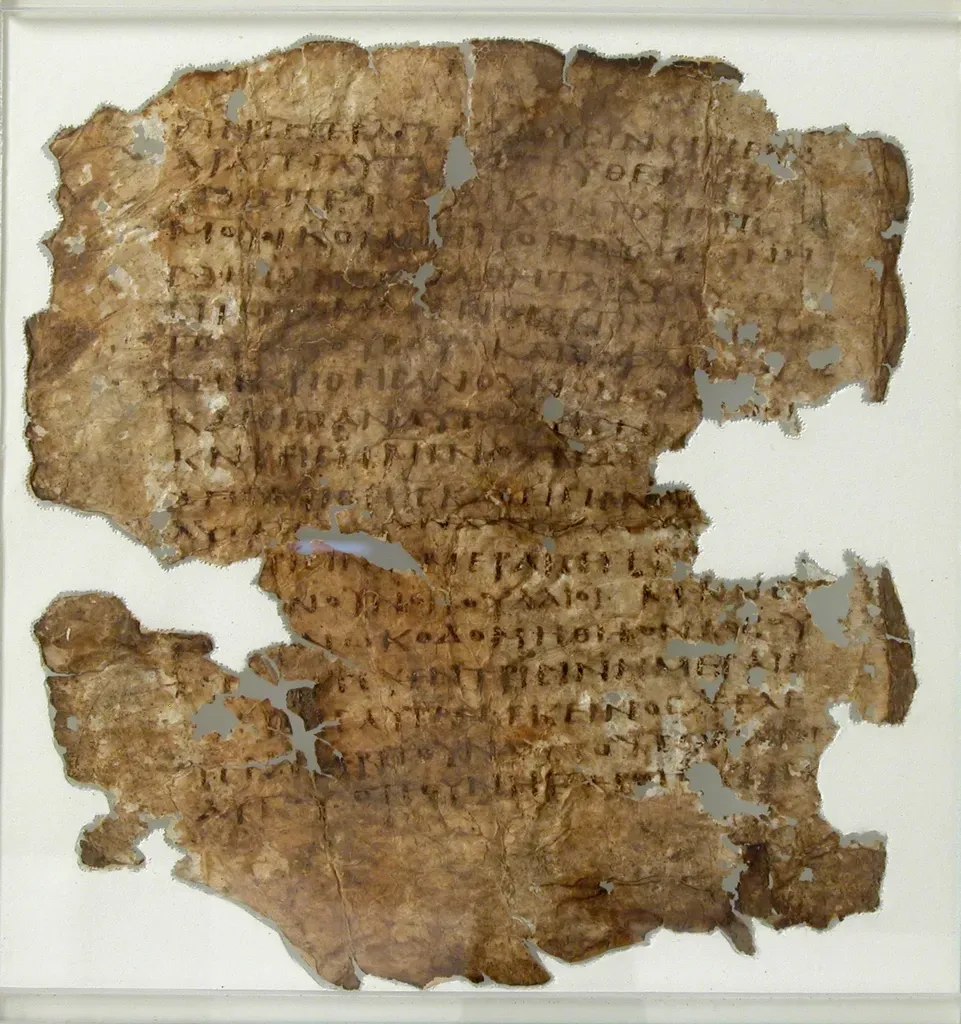
The Gospel of John feels so distinctive that people assume it must be entirely original. Look closer, though, and the first half follows a pattern: a sequence of major miracles, or “signs,” each followed by dialogue or discourse. That rhythm has pushed Johannine scholars to propose a lost Signs Source, a written collection of miracle stories the final author reshaped with his own theology.
The giveaway is how some miracle stories feel complete on their own, while the surrounding speeches sometimes interrupt the flow or repeat earlier themes. That suggests the evangelist took a pre-existing book of signs – water to wine, healing, feeding, raising the dead – and wrapped it in reflective commentary. Critics call this over-reading editorial quirks, but the theory neatly explains why John keeps swinging between tight action and sweeping monologue.
#11 – The “Chronicle of the Kings” Hiding Behind Samuel-Kings
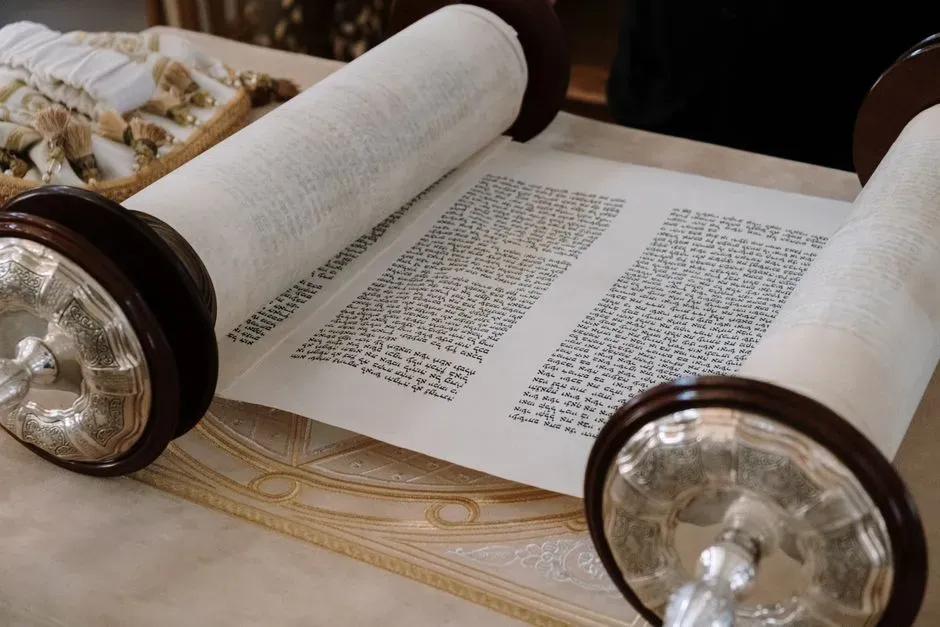
Casual readers assume 1-2 Samuel and 1-2 Kings are straightforward histories. Actually, the authors repeatedly cite other works by name: “the book of the acts of Solomon,” “the chronicles of the kings of Judah,” “the chronicles of the kings of Israel.” None of them survive. Those aren’t decorative flourishes – they read exactly like embedded footnotes.
Many historians think the Deuteronomistic historian leaned heavily on these royal records, pulling court annals and reshaping them to fit a theological agenda. The compressed, formulaic reign-summaries especially resemble scribal digests of detailed administrative logbooks we no longer have. That means part of what believers hold as sacred scripture is, structurally, edited political paperwork – the source books are gone, but their ghost is baked into the text we still read.
#10 – Lost Sources Behind Luke-Acts’ Travel Narratives
Luke’s Gospel and the Acts of the Apostles read like careful history. In Acts, the author suddenly shifts into “we” language during several sea-voyage sections – “we traveled,” “we set sail.” Many scholars suspect these “we-passages” come from a lost travel diary kept by an associate of Paul, later folded into Acts.
The tone is vivid, the nautical details are sharp, the geography is unusually precise. Some conservative interpreters think “we” simply means Luke was on those journeys himself. But stylistic studies find micro-differences between the “we” sections and the rest of Acts that fit better with an incorporated written source. Ironically, the very passages many people cite as proof of eyewitness authorship may actually be proof of careful copying from a logbook that vanished from history.
#9 – The “E” and “J” Documents Underneath the Pentateuch
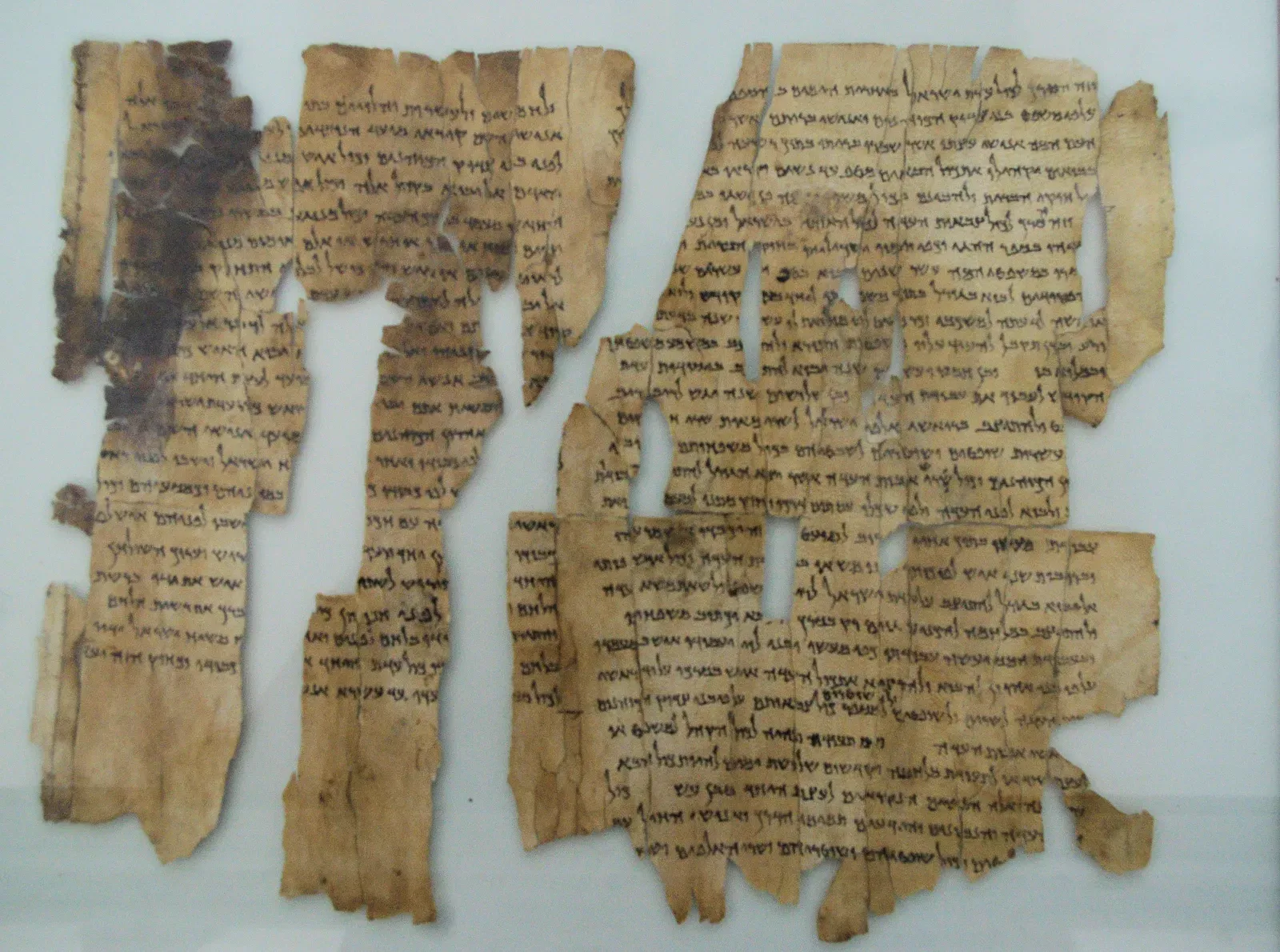
For generations, Genesis through Deuteronomy was treated as a single work by Moses. Modern biblical criticism flipped that upside down. The dominant, though debated, view is that the Pentateuch is a braided tapestry of multiple written sources – most famously the so-called J and E documents, plus Priestly and Deuteronomic layers.
None of these survive on their own; they’re reconstructed from patterns like double stories, shifting names for God, and clashing theological emphases. Genesis gives us two creation accounts and two versions of Hagar’s wilderness encounter, exactly what you’d expect if an editor wove together two or more already-written national histories now lost as standalone works. Critics say the source labels are too tidy, but even skeptics admit the Pentateuch’s seams are hard to explain any other way. The original scrolls are gone; the stitches remain in plain sight.
Quick Compare
- J (Yahwist): Uses the divine name YHWH, vivid and earthy storytelling, associated with the southern kingdom of Judah.
- E (Elohist): Prefers “Elohim” for God, more formal and prophet-centered, associated with the northern kingdom of Israel.
- P (Priestly): Heavy on genealogies, rituals, and structured lists; concerned with law and temple order.
- D (Deuteronomic): Sermon-like tone, focused on covenant renewal and centralized worship.
#8 – Herodotus Copying Local Logbooks and Temple Records
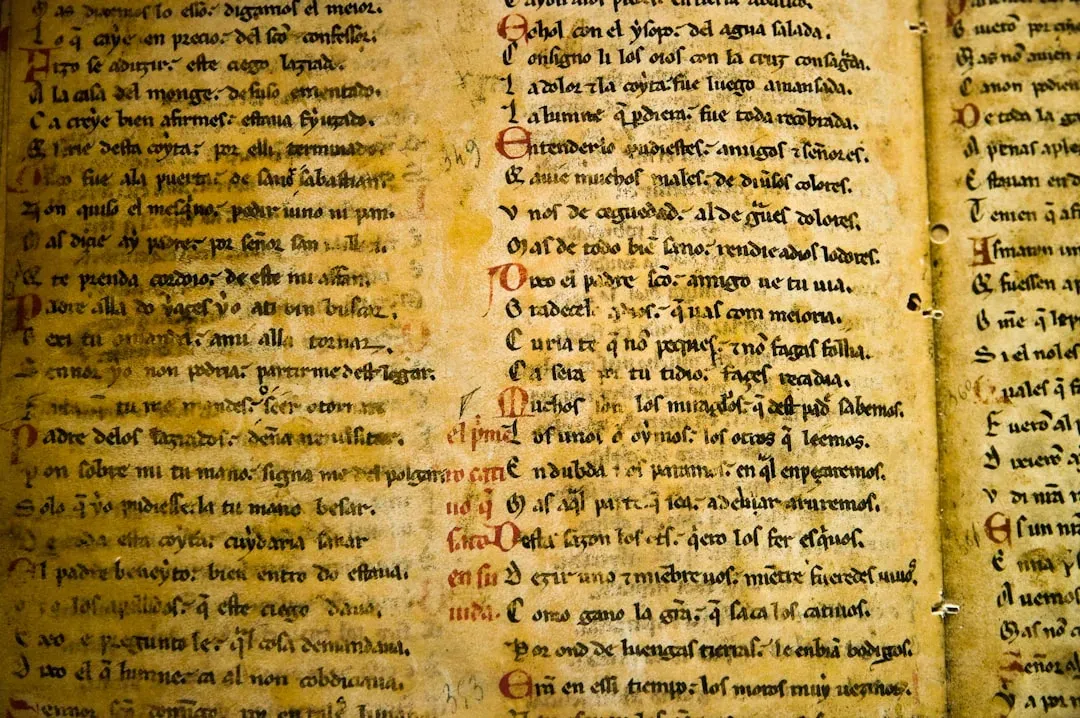
Herodotus is called “the father of history,” but plenty of classicists quietly think of him as the father of remixing other people’s paperwork. His Histories are packed with ethnographic detail, tribute lists, and long catalogues of names and ships – material that doesn’t spring from memory. It smells like local archives, temple records, and now-lost regional chronicles he consulted, or simply copied, during his travels.
He rarely names his written sources outright, but he drops hints, mentioning that “the Egyptians say” or “according to the records.” Many scholars think he leaned hard on city archives in places like Samos, Miletus, and Tyre, plus Persian royal lists that no longer exist. People still mock Herodotus for his myths and gossip, yet his most verifiable sections likely descend from administrative documents destroyed in later wars and fires. In trying to preserve those records, he accidentally became their only surviving copy.
#7 – Livy and the Lost Annalists of Early Rome
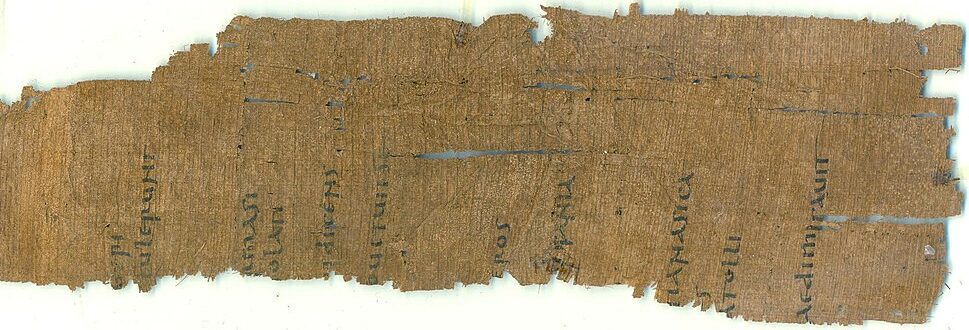
When you open Livy’s Ab Urbe Condita to read about early Rome, you’re not really reading Livy – you’re reading his reconstruction of older Roman historians whose original texts no longer exist. He openly cites annalists like Fabius Pictor, Cato the Elder, and the shadowy Licinius Macer, yet their writing is essentially gone.
For the archaic period, Livy is effectively our only gateway into what those earlier historians thought they knew. Scholars suspect he cherry-picked and rewrote his predecessors to serve a moralizing, pro-Augustan agenda, which means our image of Rome’s early kings and wars depends on how he filtered, compressed, and occasionally contradicted vanished annalists. Some experts now argue that what people call “Roman tradition” is really first-century-BC editorial spin, resting on books nobody alive has ever read.
Worth Knowing
- Livy’s Ab Urbe Condita originally ran to 142 book-scrolls; today only about 35 survive complete.
- That means roughly three-quarters of Livy’s own history is itself lost, on top of the vanished annalists he was copying.
- Most of the missing books survive only as brief ancient summaries known as the Periochae.
- Earlier historians he cites, like Fabius Pictor and Cato the Elder, exist today only in scattered quotations found inside later authors’ works.
#6 – Plutarch’s Biographies Built on Vanished Lives
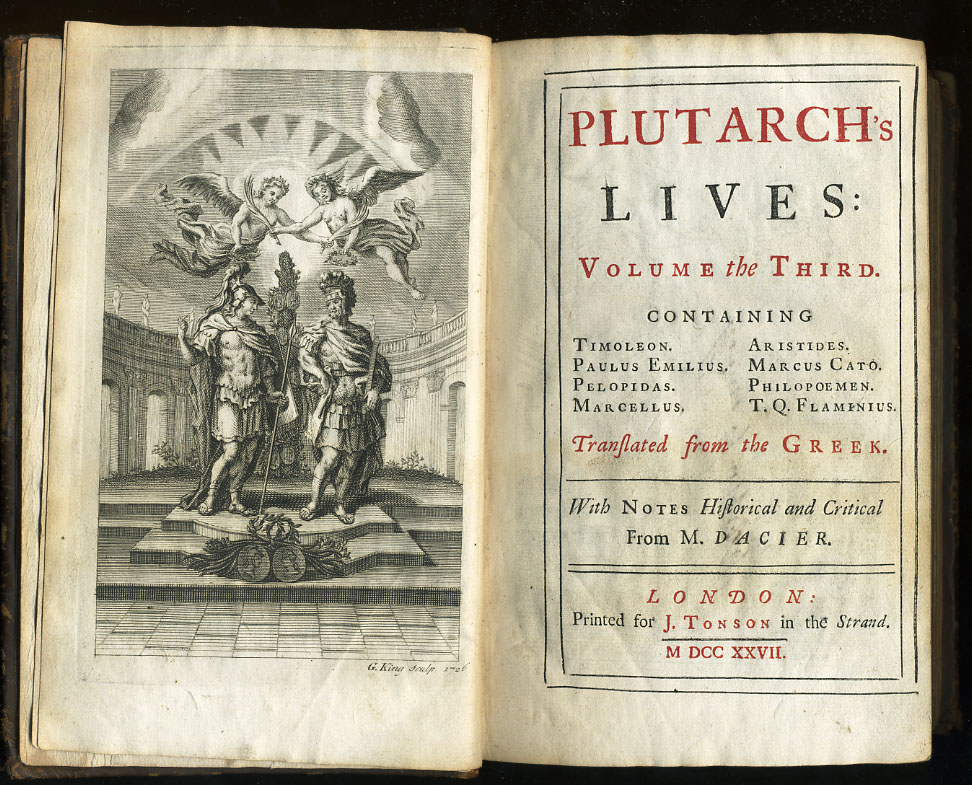
Plutarch’s Lives shape how we picture Alexander the Great, Julius Caesar, and dozens of other legends. Yet Plutarch constantly references earlier biographies, official commentaries, and memoirs that are no longer extant. For Alexander alone, he cites Aristobulus, Ptolemy, and unnamed “others” whose original accounts would be priceless today.
Modern classicists handle Plutarch carefully, knowing he sometimes collides conflicting sources into one smooth narrative, sanding down contradictions to make a better story. That means our mental image of these historical figures is doubly filtered: first by the original biographers, then by Plutarch’s own selective copying. In a few cases, he preserves a stray quote or anecdote that’s probably the last surviving fragment of a text otherwise erased from the world.
#5 – The Lost “Ur-Text” Behind the Synoptic Problem
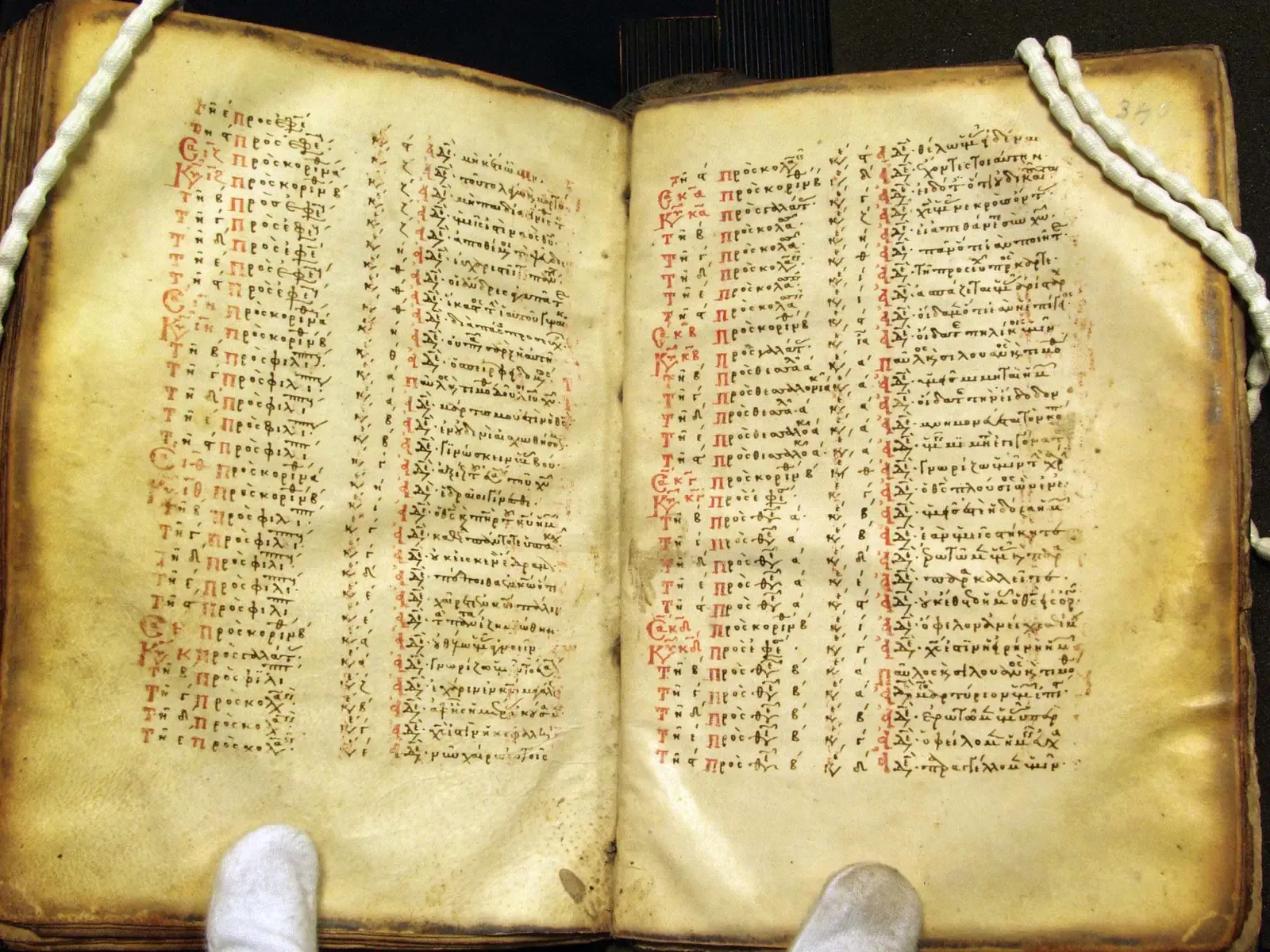
The classic “Synoptic Problem” – why Matthew, Mark, and Luke read so similarly – is usually explained as Mark plus Q plus special material. A minority of scholars argue for something stranger: an earlier Gospel or narrative “Ur-text” that all three writers drew from. In this view, Mark isn’t necessarily the first Gospel, but a shorter reworking of an even earlier account we’ve never seen.
This theory tries to explain the odd spots where Matthew and Luke agree against Mark, or where all three share awkward wording that doesn’t fit their individual styles. If they all tapped a common prototype, those oddities finally make sense. The catch is that this hypothetical Ur-text has to be reconstructed purely from overlaps and leftovers, which makes plenty of scholars uneasy. Still, the more closely researchers map the micro-agreements, the more it looks like our Gospels may all trace back to one now-vanished master narrative.
#4 – Medieval Chronicles Copying Lost Monastery Annals
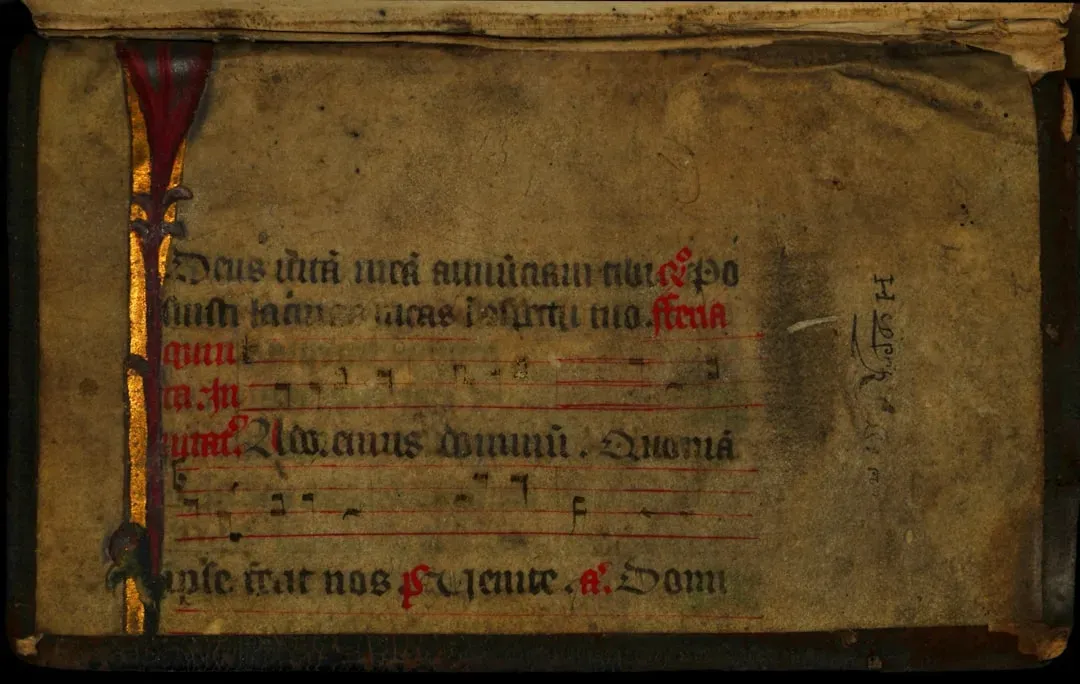
Most people scrolling past a medieval chronicle assume one monk sat down and wrote it year by year. In reality, many later medieval historians were compilers, cannibalizing older monastic annals, regional histories, and house chronicles that no longer exist. You can sometimes catch the splice points – abrupt jumps, duplicate entries for the same year, or accounts that clearly come from opposing political camps.
Some 13th- and 14th-century English chronicles preserve details about Viking raids or early Norman administration that almost certainly come from earlier Latin notes kept by local monks, later destroyed in fires, wars, or Henry VIII’s dissolution of the monasteries. The copying was never neutral, either; compilers rewrote sources to flatter their patrons or smear their rivals. That means our “primary sources” for whole chunks of medieval history are already second- or third-hand, filtered through editors whose raw material is gone for good.
#3 – The Lost Sagas Under the Icelandic Sagas We Read Today
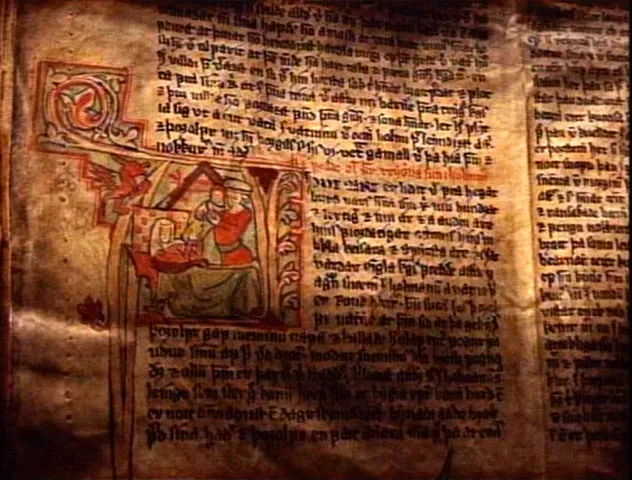
Icelandic sagas feel uncannily vivid, almost like transcribed campfire tales. But philologists have long noticed that some sagas reuse set scenes, legal phrases, and genealogies with a precision you’d expect from copying written texts, not just retelling stories from memory. That’s led to the idea that many 13th-century sagas were built on earlier written “proto-sagas” or family books now lost.
Certain feuds, lawcourt proceedings, and family trees appear almost verbatim across multiple sagas – less like oral improvisation, more like scribes excerpting and rearranging a shared written archive of clan histories. Icelandic tradition loves the image of the lone storyteller by the fire, but the manuscript evidence points to a scribal culture quietly copying its own prior written work. The “authentic Viking voice” millions of readers love may be reaching us through a long chain of editorial borrowing from texts we’ll never see.
At a Glance
- The Sagas of Icelanders describe events from the so-called “Saga Age,” roughly the 9th through 11th centuries.
- Almost all of them were actually written down in the 13th and 14th centuries, generations after the events they describe.
- Around 40 major Sagas of Icelanders survive today, nearly all by anonymous authors.
- Scholars still debate how much of this material came from earlier written family records versus pure oral memory.
#2 – The Book of Enoch and Other Second Temple Ghost Texts
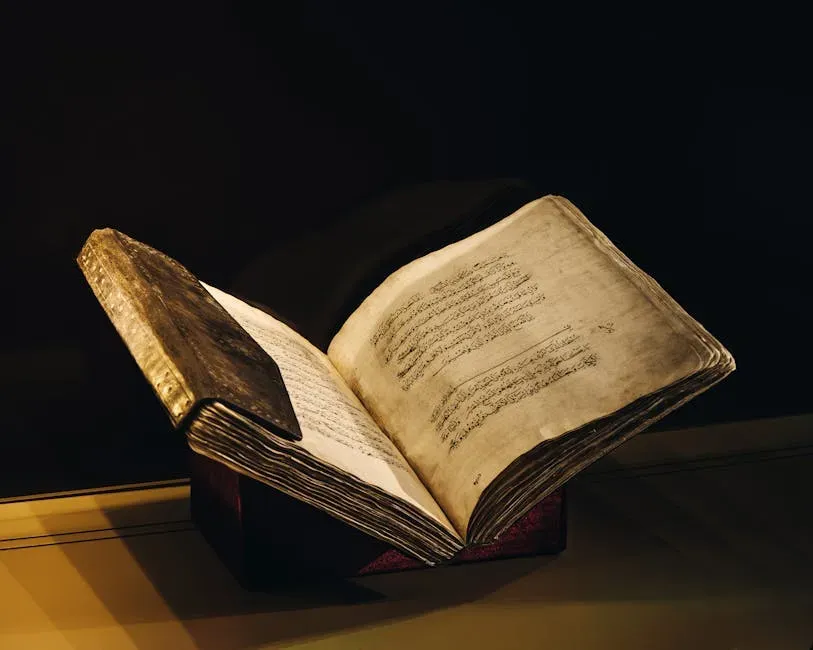
The New Testament Epistle of Jude casually quotes “Enoch, the seventh from Adam,” referencing a text that, for centuries, seemed completely lost. We now have Ethiopic manuscripts of 1 Enoch, but it’s clear early Jewish and Christian writers had access to a whole ecosystem of apocalyptic and wisdom writings, many of which never made it into any canon and vanished in their original languages.
Scattered fragments in Greek and Aramaic hint at a once-rich library. A growing number of scholars believe some New Testament authors, especially those obsessed with angels, judgment, and cosmic visions, were borrowing phrases and imagery from apocalyptic works like Enoch, Jubilees, and now-lost cousins. The tragedy is that we only glimpse these ghost texts where later authors quietly leaned on them. Once church politics sidelined the originals, they disappeared, leaving their DNA buried inside “orthodox” books people still read every Sunday.
#1 – The Lost Gospels and Acts Behind Early Christianity’s Story
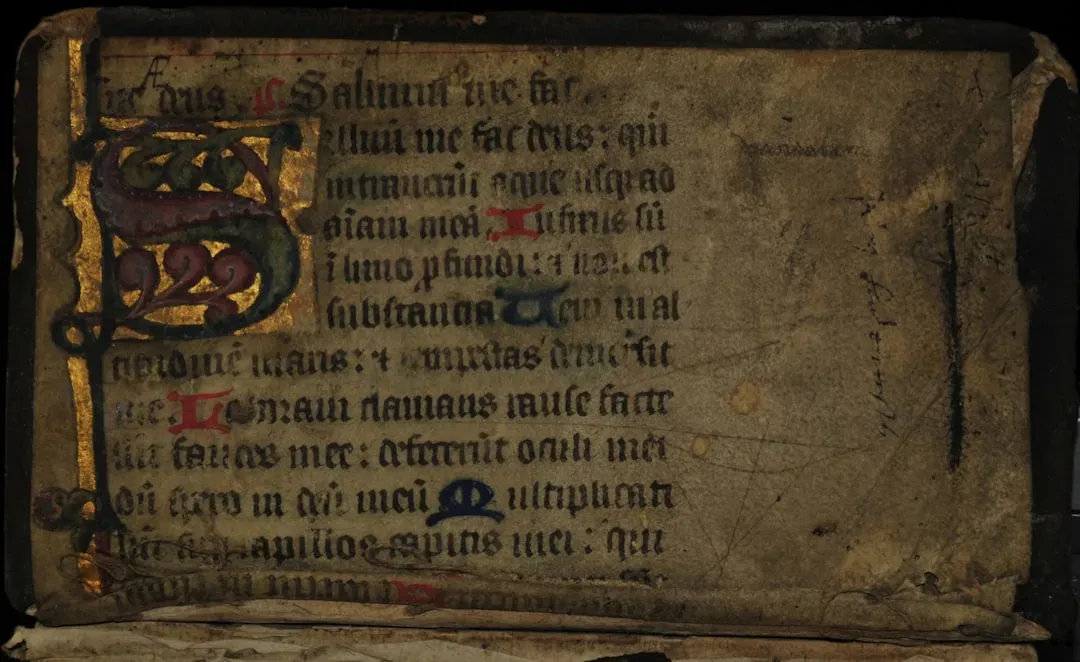
The most explosive case of all may be the swarm of lost early Christian gospels, acts, and letters sitting behind our surviving New Testament. Church fathers mention texts like the Gospel of the Hebrews, the Gospel of the Egyptians, and various “Acts” of individual apostles that are now gone or survive only in tiny fragments quoted by their critics.
Many scholars believe canonical authors knew at least some of these texts and wrote in direct response to them, either to compete with rival communities or to correct their theology. Luke’s emphasis on universal salvation and respectability in the Roman world looks, to some historians, like a deliberate counter-narrative to more radical, fringe stories of Jesus circulating at the same time. The pastoral epistles may do the same thing, reining in chaotic charismatic movements described in letters and prophetic tracts that no longer exist. If that’s right, the “official” Christian story we inherited is partly a curated answer to a flood of alternative manuscripts that once cluttered early churches and then quietly disappeared.
The Bottom Line
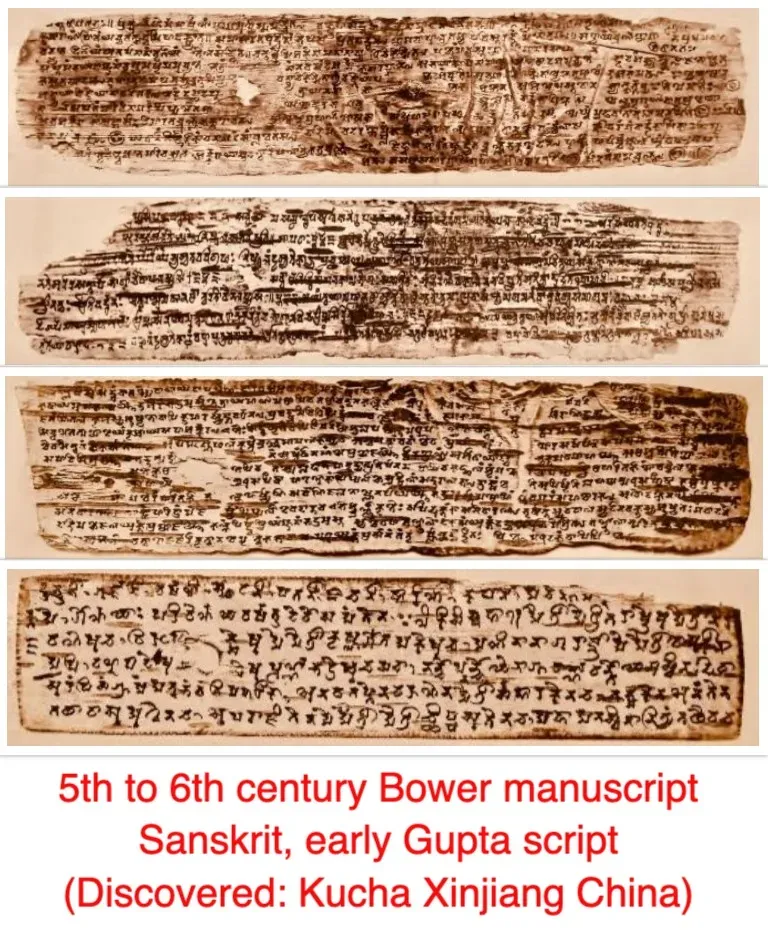
Put all fourteen of these together and a blunt truth emerges: a huge share of what we treat as foundational texts are, in practice, curated copies of books we will never be able to read. From the Gospels and the Pentateuch to Herodotus, Livy, and the Icelandic sagas, the manuscripts that survived usually sit at the end of a long, messy chain of copying, cutting, and arguing with earlier work that didn’t make it.
That doesn’t make these texts worthless. It does mean the idea of a pure, untouched “original” is mostly a fantasy we tell ourselves because the alternative feels uncomfortable. Every one of these ghost sources is proof that history’s most trusted books were built by editors, not oracles – and the next time someone quotes a single ancient text as the final word on anything, it’s worth remembering how much of it was already secondhand before the ink dried.