You’ve stood in a museum hallway and taken the label on faith. Latin name, display case, confident little paragraph about habitat and behavior – it looks like settled science. But for a surprising number of “animals,” that confidence was borrowed, not earned.
Some of these creatures shared shelf space with actual dinosaur bones and whale skeletons for decades. Curators are only now rewriting the signage, and a few of the admissions are more embarrassing than you’d expect – including one that fooled the scientific establishment for over 40 years.
#12 – The Ahool: Java’s “Giant Bat” That Never Landed
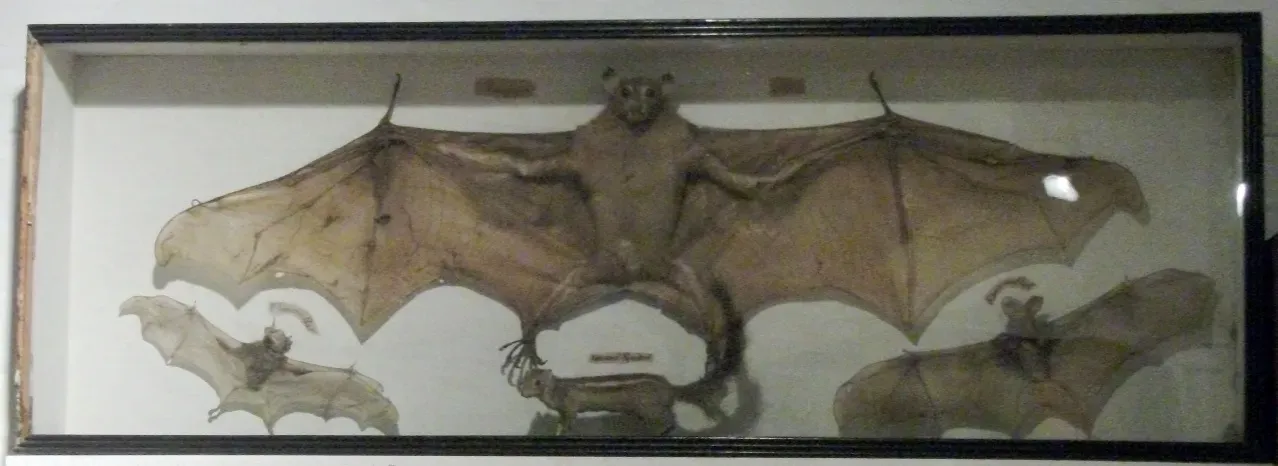
The ahool gets sold as Indonesia’s undiscovered giant bat, with a wingspan wider than a grown adult is tall. It’s turned up in old travelogues, fringe zoology books, and more than a few museum side exhibits dedicated to “mystery megafauna.” Strip those displays down to hard evidence, though, and there’s almost nothing left standing.
No skin. No skull. No guano. No verified photograph. Every description ultimately traces back to a small circle of 20th-century adventurers who were, essentially, repeating each other’s campfire stories. When curators revisit those old ahool panels now, many quietly relabel them as folklore instead of “pending species.” Java does have large fruit bats and echoing waterfalls at night – plenty of raw material for an eerie sound to become a legend.
#11 – The Mongolian Death Worm: Desert Horror, Zero Data
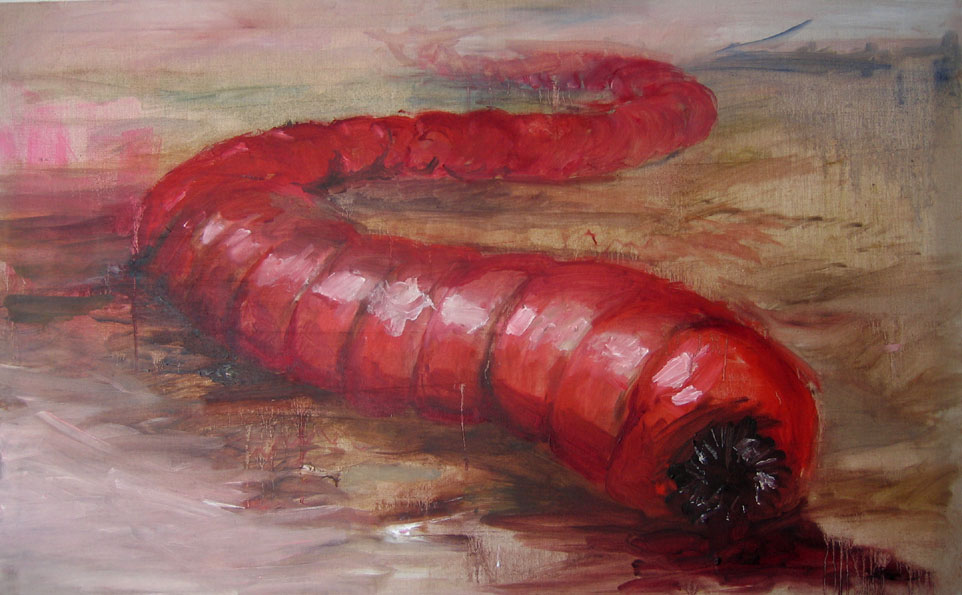
The Mongolian death worm might be the single most over-marketed nonexistent animal on this list. Museums and traveling exhibits love it: a bright red, underground killer that supposedly spits acid or electricity across the Gobi Desert. It sounds like a creature designed for a movie poster, because in practice, that’s basically all it ever was.
When biologists and serious expeditions actually went looking, they didn’t just fail to find the worm – they couldn’t even identify a biological niche where it would make sense. Some institutions once filed it under headings like “Unconfirmed Megafauna of the Gobi,” implying real fieldwork was still pending. That framing hasn’t aged well. The tales are second-hand, mostly from outside writers, and wildly inconsistent on size and behavior – closer to regional folklore filtered through Western pulp magazines than to a missing entry in annelid taxonomy.
#10 – The Buru: Swamp Monster Born From Misread Memories
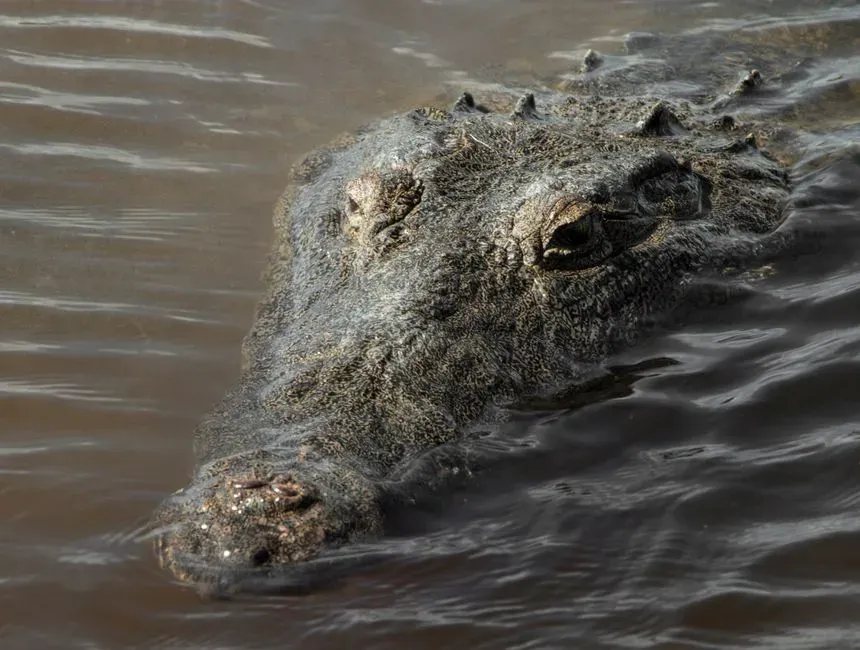
For a while, some natural-history displays treated the buru as a tantalizing “possible survivor” of an unknown reptile. It was described from Arunachal Pradesh in India as a huge, semi-aquatic creature lurking in marshes and lakes, supposedly driven extinct within living memory – a crocodile-sized species science had somehow just missed.
The problem is that no bones, skins, tracks, or consistent descriptions ever turned up. When anthropologists re-interviewed local communities, they found something more mundane and honestly more interesting: overlapping memories of crocodiles, large lizards, and flooding events, all compressed into one “lost animal” story. What early writers read as eyewitness zoology now looks a lot like myth-making shaped by colonial-era outsiders. Museums that once floated the buru as a “maybe” now tend to shift it into exhibits about how oral history forms around real landscapes.
#9 – The Sea Monk: When Bad Drawings Became “Evidence”

The sea monk is a perfect case study in how a bad illustration can harden into museum fact. Sixteenth-century sailors drew a bizarre sea creature that looked suspiciously like a person wearing monastic robes. Naturalists catalogued it, later writers embellished it, and by the 19th century some museum catalogs actually listed the sea monk alongside whales and sharks as an unresolved marine species.
Not one verifiable specimen, skeleton, or preserved part has ever surfaced. Most modern zoologists suspect the original sighting was a misidentified shark, ray, or decaying seal, and that an ambiguous carcass got turned into a humanoid monster by an artist’s imagination. Older museum panels used to hedge with phrases like “possibly based on an unknown species.” Updated signage is blunter: the sea monk is now used to teach visitors how fear and artistic license can hijack an entire branch of taxonomy.
#8 – The Vegetable Lamb of Tartary: Half-Plant, Half-Sheep, All Fiction

Some 19th-century natural-history collections actually debated where the “vegetable lamb” might fit in nature. Medieval and early modern writers described a plant that grew lambs as fruit, tethered by a stalk like an umbilical cord. Travelers’ tales got passed down, cabinets of curiosities repeated them, and for a stretch, this was discussed in the same breath as genuine exotic animals.
The zoological evidence for a lamb-plant hybrid was always exactly zero. What we do have are clear, unglamorous explanations: misunderstood cotton plants, symbolic art, and creative attempts to explain unfamiliar plant fibers using familiar animal wool. Some museums once referenced it as a “hypothetical organism” while discussing the edges of the known world. Most visitors today assume it was obviously a joke, with no idea that serious naturalists once wrestled with it in earnest.
#7 – The Beast of Gévaudan: Serial Killer, Not Super-Wolf
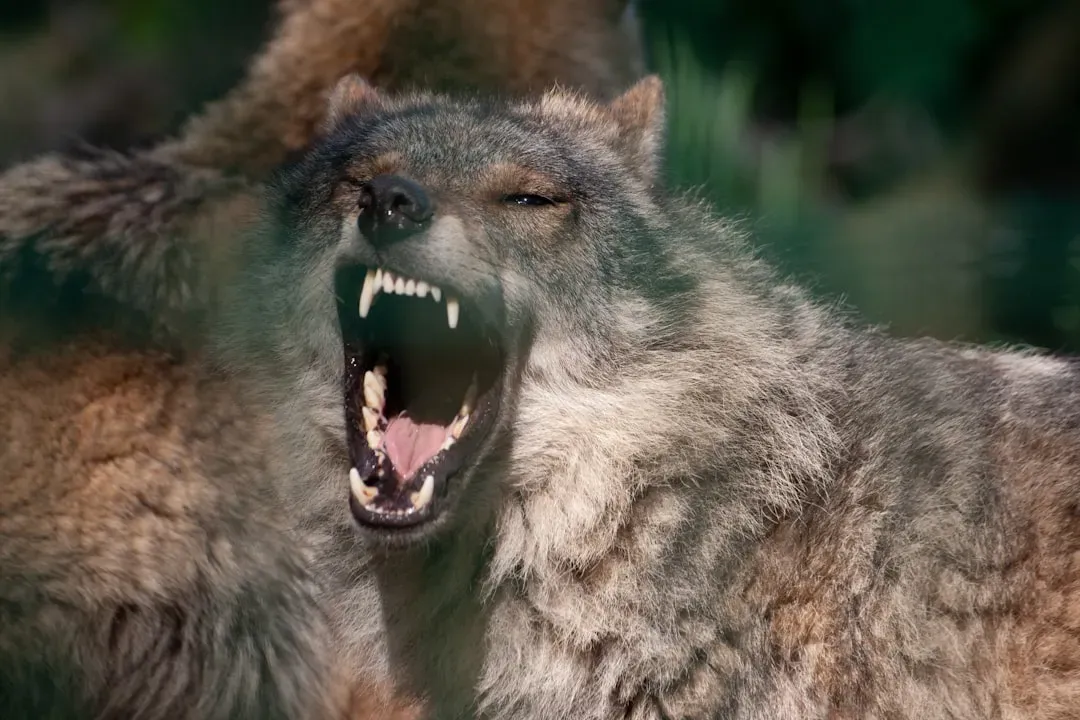
The Beast of Gévaudan is usually framed as a single, monstrous wolf-like predator that terrorized 18th-century France. For years, regional museums leaned into the legend, with reconstructed “beasts” featuring exaggerated size, odd stripe patterns, or even hyena-like features, hinting at a lost species or rogue hybrid.
Dig into the actual hunting records and the monster melts into something grimmer but far more ordinary: multiple wolves attacking across a place and time with poor record-keeping and high superstition. Descriptions flip wildly from stripes to red fur to solo-stalker behavior – classic human pattern-making under panic, not the calling card of a unique species. Many French museums have quietly shifted tone, now treating the Beast as a social phenomenon tied to poverty and fear rather than a zoological puzzle.
Fast Facts
- Attacks spanned 1764 to 1767 across the Gévaudan region of south-central France
- Historical estimates of the death toll range from roughly 100 to over 110 victims
- King Louis XV sent royal wolf hunters and troops to try to end the killings
- The attacks stopped after hunter Jean Chastel killed a large wolf in June 1767
#6 – The Jersey Devil: Folklore That Outgrew Its Zip Code
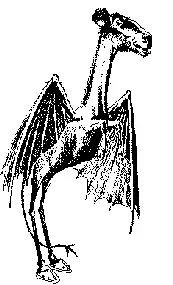
The Jersey Devil often shows up in “American cryptids” corners of museums, sketched as a winged, hooved creature haunting New Jersey’s Pine Barrens. Some smaller institutions used to present it with a straight face, as if it might be a real, undiscovered species clinging to a shrinking forest.
The evidence is laughably thin – no bones, no verified tracks, no credible photos – and the earliest version of the legend is literally a cursed-baby story. Sightings conveniently spike whenever media hype does. Curators updating exhibits now tend to file the Jersey Devil under “regional folklore and moral panics” instead of “unresolved wildlife,” a reclassification that matters because it stops implying cryptid hunting is just unfinished zoology.
#5 – The Hodag: A Logging-Camp Prank That Got Institutionalized
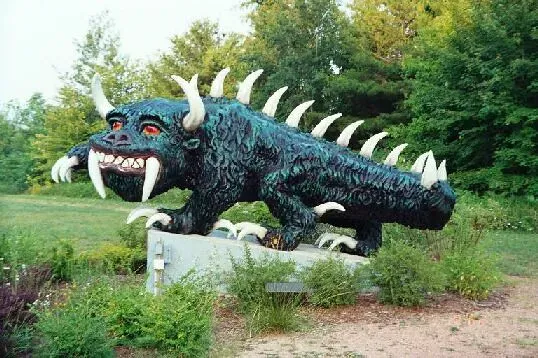
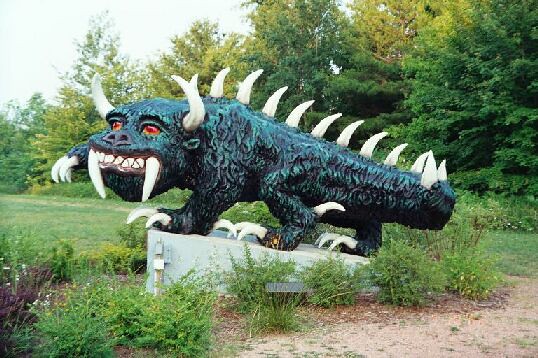
If you’ve ever wandered through a campy “Northwoods monsters” display, you’ve probably met the hodag: a horned, lizard-dog chimera said to prowl Wisconsin logging camps. Early 20th-century sideshows and local boosterism were so effective that some regional museums once gave it semi-serious display space right next to real fauna.
The “original” stuffed hodag was openly admitted to be a hoax – but that confession never traveled as far as the photographs did. For decades, museums blurred the line between folklore tourism and biological fact, letting visitors assume the hodag was an unconfirmed cryptid rather than a confessed prank. Recent curatorial notes finally spell it out plainly: it’s an invented mascot, not a missing species, and giving a hoax a glass case and a Latin-sounding label is exactly how misinformation calcifies into “common knowledge.”
#4 – The Onza: The “New Big Cat” Built on Rumor
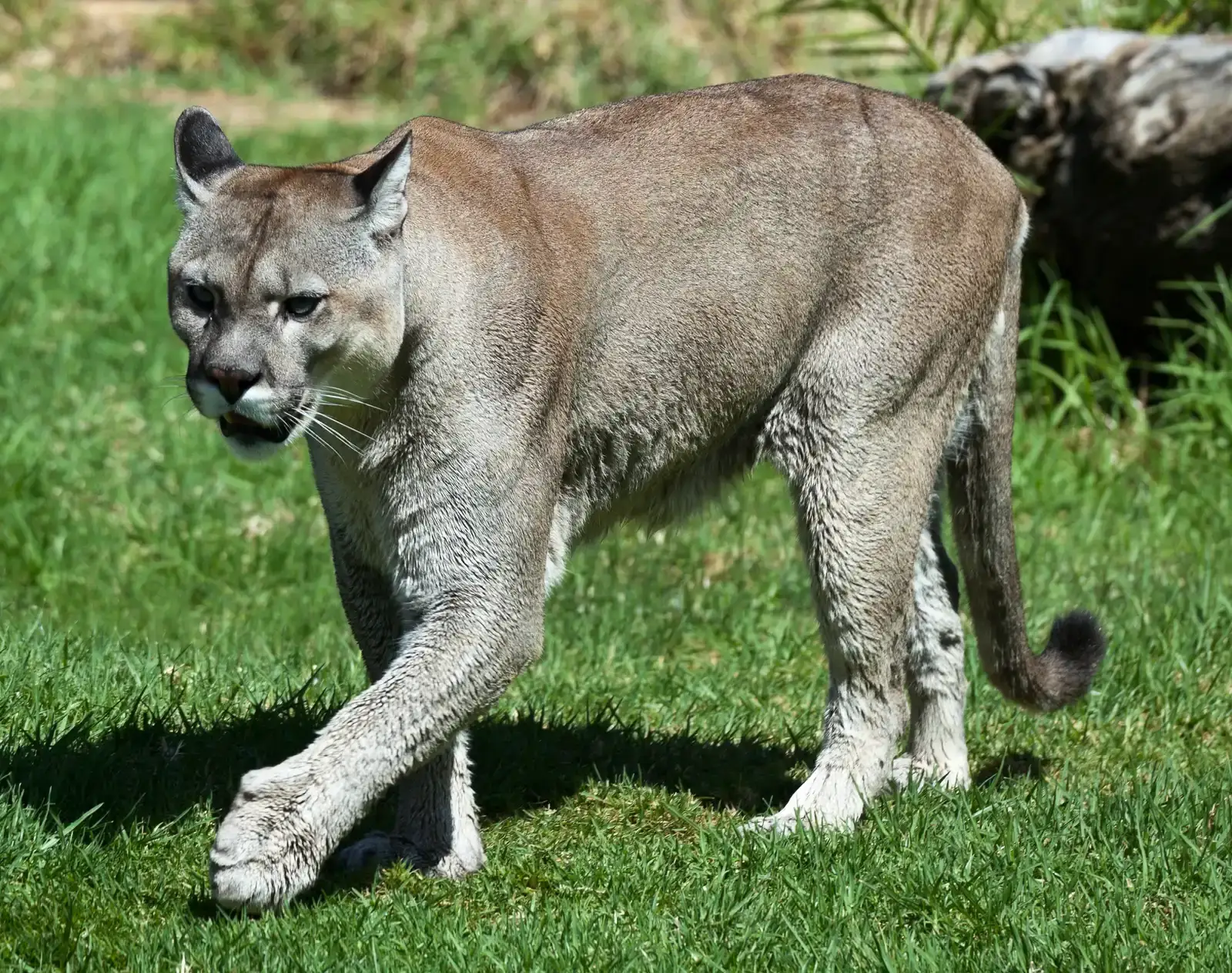
The onza was long whispered about in Mexico as a mysterious, long-legged big cat – thinner than a jaguar, fiercer than a puma. For years it lived in a gray area: too many stories to ignore, too little evidence to classify. Some museums and field guides floated it as a possible distinct species, illustrated as a sleek, almost mythologized hunter.
Then came actual specimens and genetic work, and the romance collapsed fast. What limited physical evidence exists lines up with known pumas and regional variation, not a new species. The “onza” appears to be a mix of misidentified animals, exaggeration, and the occasional unusual individual – nothing that requires a new slot on the family tree, no matter how many outdated charts still list it as one.
Quick Compare
- Onza legend: a slender, long-legged “new” big cat species roaming Mexico
- Puma reality: known specimens match ordinary puma anatomy and regional variation
- Evidence gap: decades of stories, but no genetics or skeletons proving a separate species
- Verdict: most likely misidentification plus unusually built pumas, not a new cat
#3 – The Kraken as a Single Giant Monster (Not Just a Big Squid)
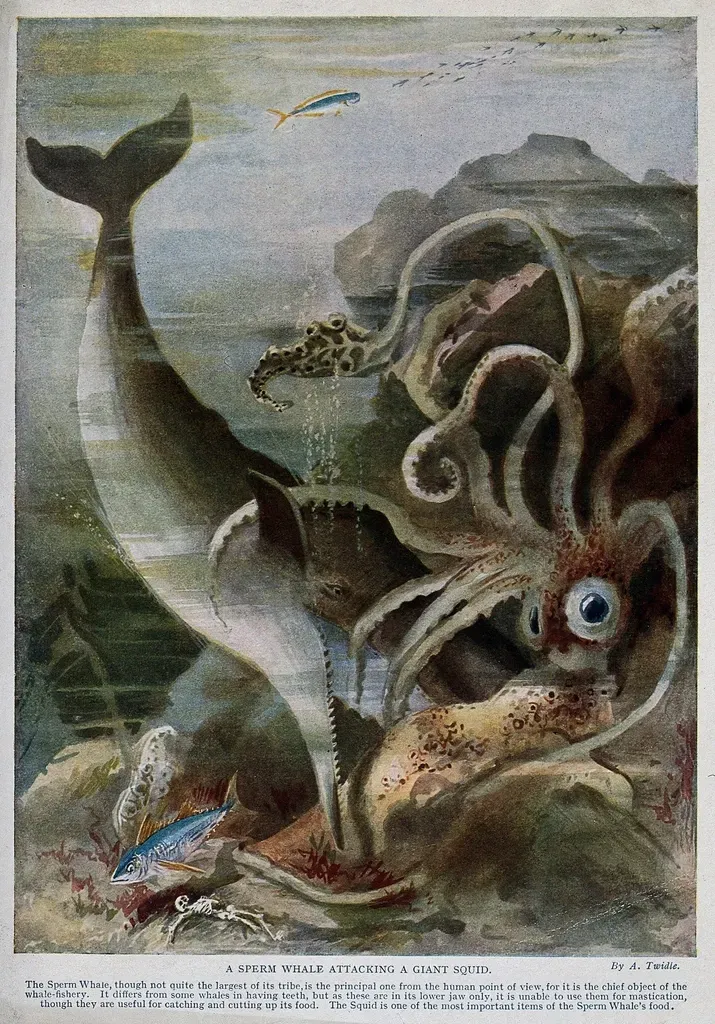
Here’s where it gets genuinely tricky. Giant squid are completely real, fully documented, and sitting in museum collections around the world. The legendary kraken as a single, deliberate sea monster dragging entire ships to their doom? That part was never scientifically validated, no matter how confidently old maritime exhibits presented it.
Early naturalists tried to rationalize sailor tales by folding them into squid biology, sometimes overreaching into pure speculation, and some museums blurred the line further by turning mythic kraken narratives into quasi-scientific “giant cephalopod” entries. Modern curators now separate confirmed Architeuthis dux specimens from the cultural image of a purposeful, vengeful monster. Massive deep-sea animals exist – the kraken’s signature ship-hunting behavior never has.
#2 – “Living Dinosaurs” in African Lakes: Misusing Mokele-Mbembe
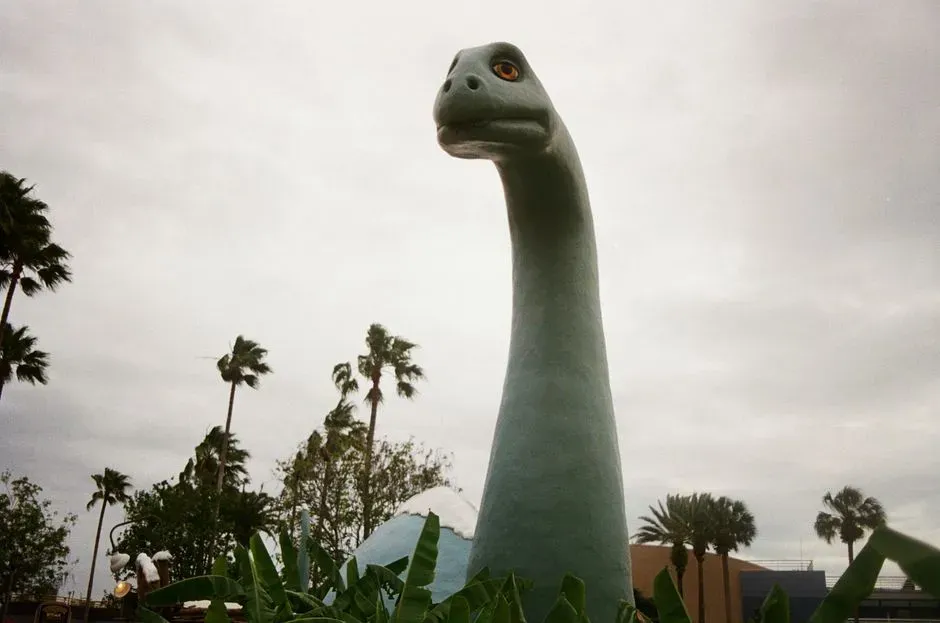
For decades, fringe expeditions touted the idea of sauropod-like dinosaurs – often lumped under the name “mokele-mbembe” – hiding in Central African rivers and lakes. A few museums flirted with this in sensational side displays, showing silhouettes of long-necked reptiles in swamps as if science were just one photograph away from confirming them.
That was always wildly out of step with real paleontology and field surveys. There is no credible physical evidence at all – no bones, no recent fossils, no dung, no carcasses – for non-avian dinosaurs surviving into the present. What actually exists are complex local traditions filtered through colonial explorers and amplified by Western cryptid hunters hungry for headlines. Museums being honest about it now frame the whole episode as a case study in how outside fantasies can overwrite local realities.
#1 – Piltdown Man’s “Missing Link”: A Fake Given a Home
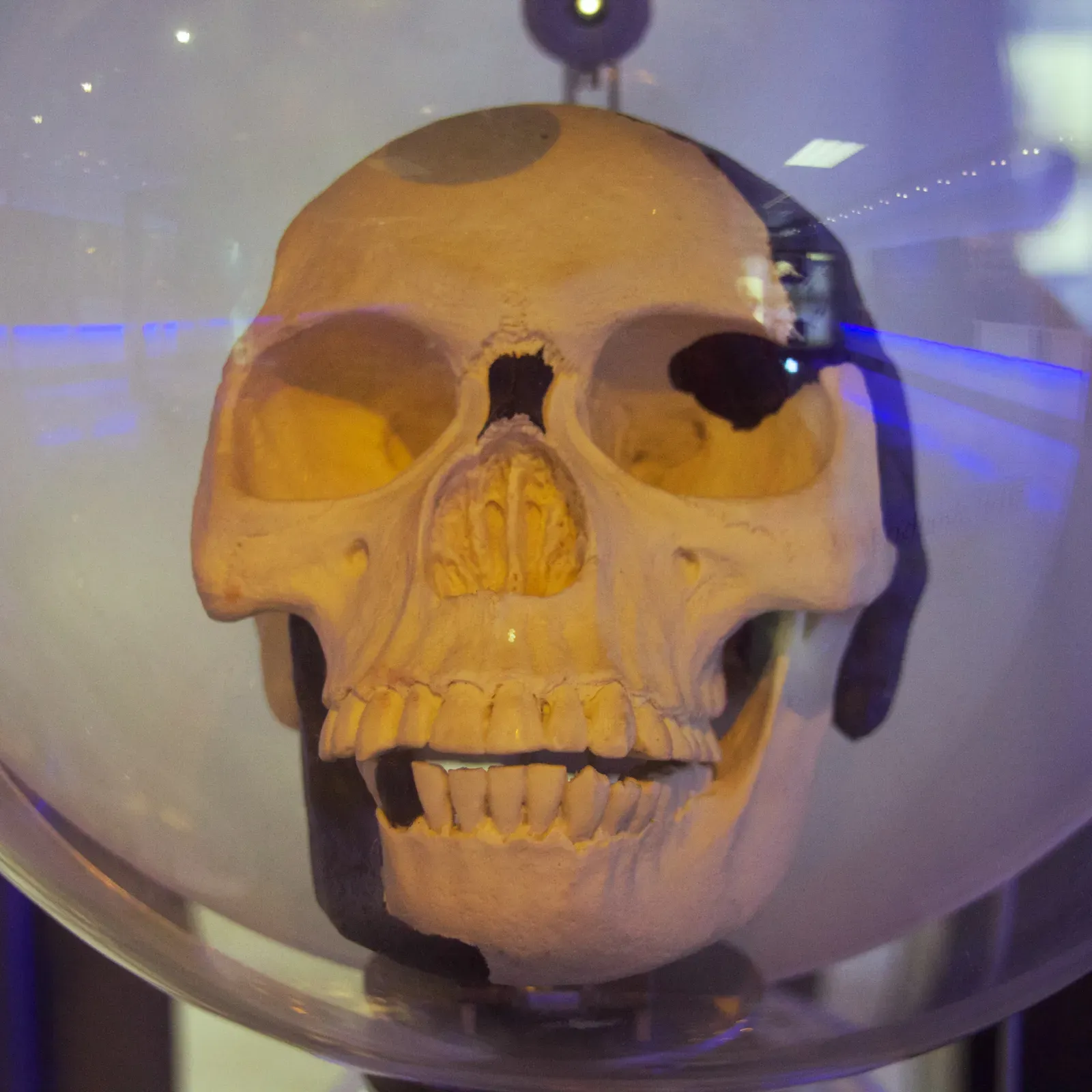
The most embarrassing case on this list isn’t a monster at all – it’s an “animal” that museums actively helped invent. For decades in the early 20th century, major institutions displayed fragments of a supposed “missing link” between apes and humans, discovered in England. Textbooks, charts, and exhibits confidently treated it as a real hominin ancestor.
Later analysis revealed the brutal truth: Piltdown Man was a deliberate forgery, splicing together a medieval human skull and an orangutan jaw, chemically stained to fool experts. This wasn’t an honest mistake over a blurry photograph – it was institutional vanity. European museums wanted a glamorous human ancestor discovered on their own soil, and that desire made them easy to fool. Once exposed, those same institutions had to tear out entire displays and quietly rewrite decades of narrative.
At a Glance
- Discovered in 1912 by amateur collector Charles Dawson in Piltdown, England
- Accepted by much of the scientific establishment for roughly 41 years
- Exposed as a fraud in 1953 through fluorine dating and other lab analysis
- Built from a genuine human skull and a filed, chemically stained orangutan jaw
The Bottom Line
Taken together, these twelve cases show how easily a museum can slide from skepticism into storytelling. From desert death worms and swamp relicts to logging-camp hoaxes and outright scientific forgeries, curators once handed out glass cases and Latin names to beings that were never actually proven to exist at all.
The problem was never just bad data. It was the seductive pull of a good story, combined with institutional pride and, sometimes, plain old tourism revenue. The encouraging part is that the trend is finally reversing – more labels now say “folklore,” “hoax,” or “cultural legend” where older ones hinted at “unconfirmed species.”
That shift doesn’t kill the magic. It just moves it to where it always belonged – on the human side of the glass, not in the scientific record.