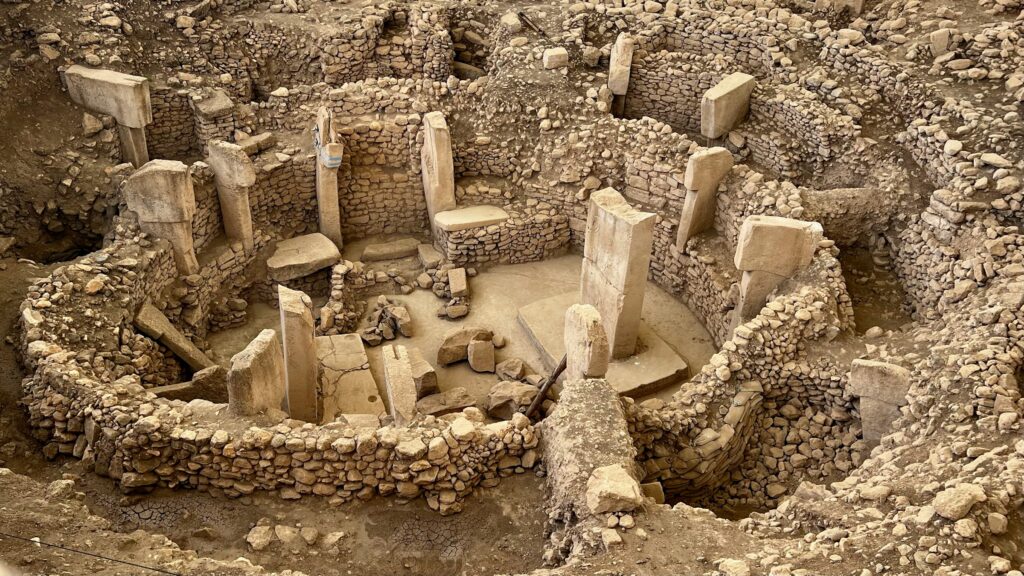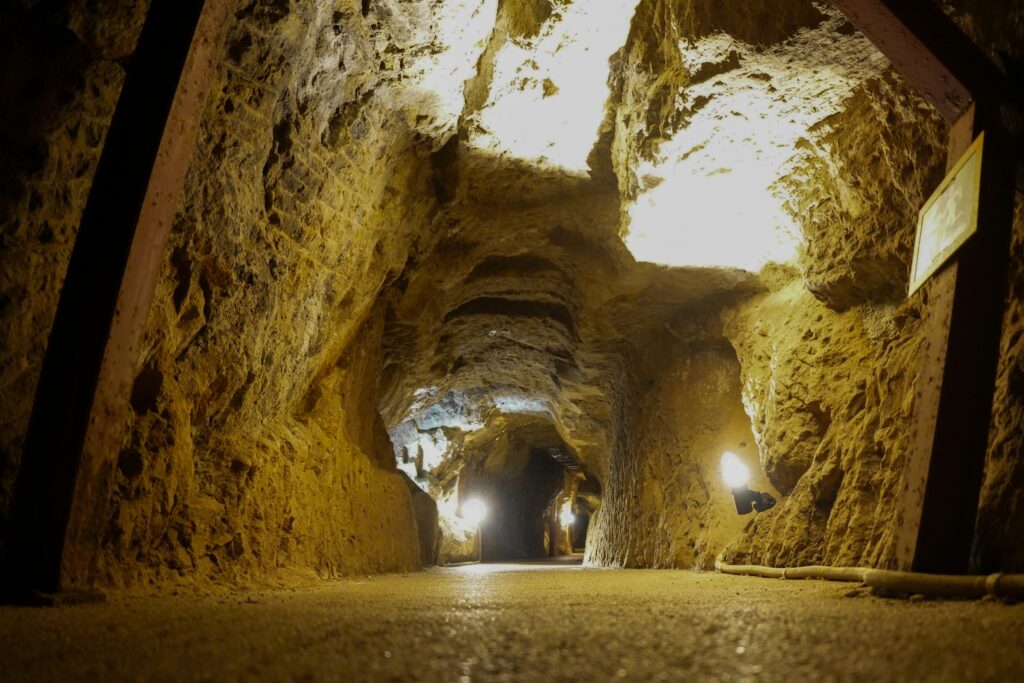

Most people assume every ancient mystery worth arguing about is already sitting in the sunlight, wearing a crown of tour buses and gift shops. But some of the strangest engineering puzzles in human history are still buried, literally, under our feet.
Across five continents, engineers, geologists, and archaeologists keep hitting the same uncomfortable wall. They walk into a tunnel or chamber carved thousands of years ago, run their instruments over it, and get readings that shouldn’t be possible for the tools those cultures supposedly had. Some of these spaces are engineered with a precision that would pass a modern safety inspection. Others make almost no functional sense at all, yet someone spent years of hard labor carving them anyway. Here are 13 of the most baffling examples on record, and what today’s top specialists actually admit about them.
#13 – The Hypogeum of Ħal Saflieni, Malta, Where Silence Isn’t Really Silent
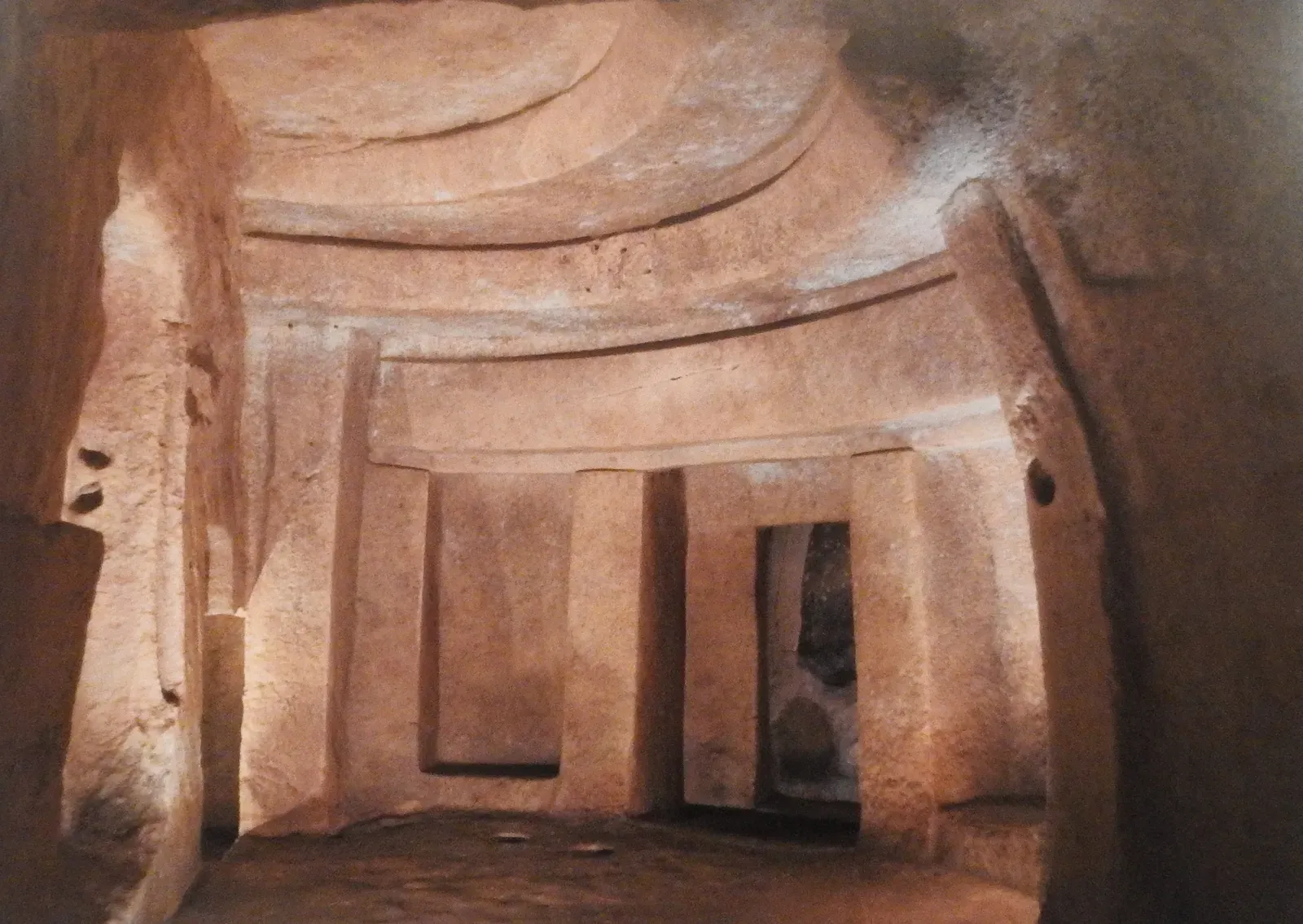
Hidden beneath a suburban street in Malta, the Hypogeum looks like someone tried to recreate a full stone temple underground, in three stacked levels, thousands of years before anyone had metal tools. Engineers are baffled by how Neolithic builders carved smooth curves, false doorways, and columns into soft limestone without triggering a catastrophic collapse. Some rooms are balanced so precisely they feel designed, like a modern basement, not a guesswork cave someone stumbled into.
One chamber, the so-called Oracle Room, has acoustics so intense that a single low voice can resonate through the entire structure. Structural engineers point out that this kind of effect implies deliberate control over cavity size and wall thickness, the sort of thing you’d normally model in software rather than eyeball by oil lamp. And nobody has a solid answer for why anyone would sink a ritual space this complex underground instead of simply building it in daylight.
#12 – Derinkuyu’s Multi-Level Underground City, Türkiye, Built Like It Was Designed to Survive Anything
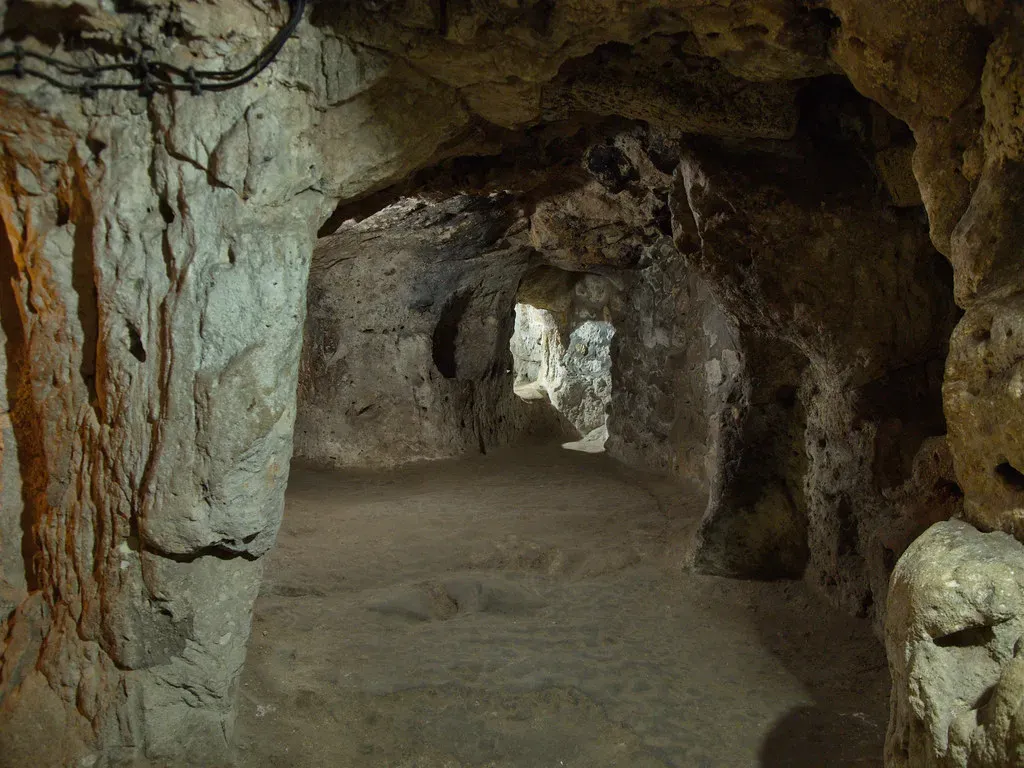
Derinkuyu isn’t just a tunnel. It’s an entire vertical city cut dozens of meters into rock, complete with ventilation shafts, kitchens, stables, churches, and rolling stone doors that seal from the inside. Civil engineers who model subsurface structures say the real mystery isn’t that Derinkuyu exists. It’s that a city this size, carved into volcanic tuff, hasn’t collapsed like Swiss cheese.
The layout suggests intelligent load distribution: thick pillars of untouched rock, narrow corridors, and larger rooms carefully spaced so stress doesn’t concentrate in one place. There’s no evidence of formal plans or a written engineering tradition behind any of it. And the ventilation shafts still keep fresh air circulating deep underground even when some entrances are blocked, with no clear explanation for how builders knew exactly where to sink them without modern surveying tools.
Fast Facts
- Descends roughly 85 meters (about 280 feet) underground across 8 levels open to visitors, with researchers estimating the full network could reach up to 18 levels.
- Could reportedly shelter as many as 20,000 people, along with livestock and food stores, during a prolonged siege.
- Rediscovered by accident in 1963, when a local resident broke through a wall during home renovations.
- Massive circular stone doors, some weighing hundreds of kilograms, could only be rolled shut from the inside.
#11 – The Osireion’s Sunken Chamber, Egypt, A Room That Shouldn’t Still Be Dry
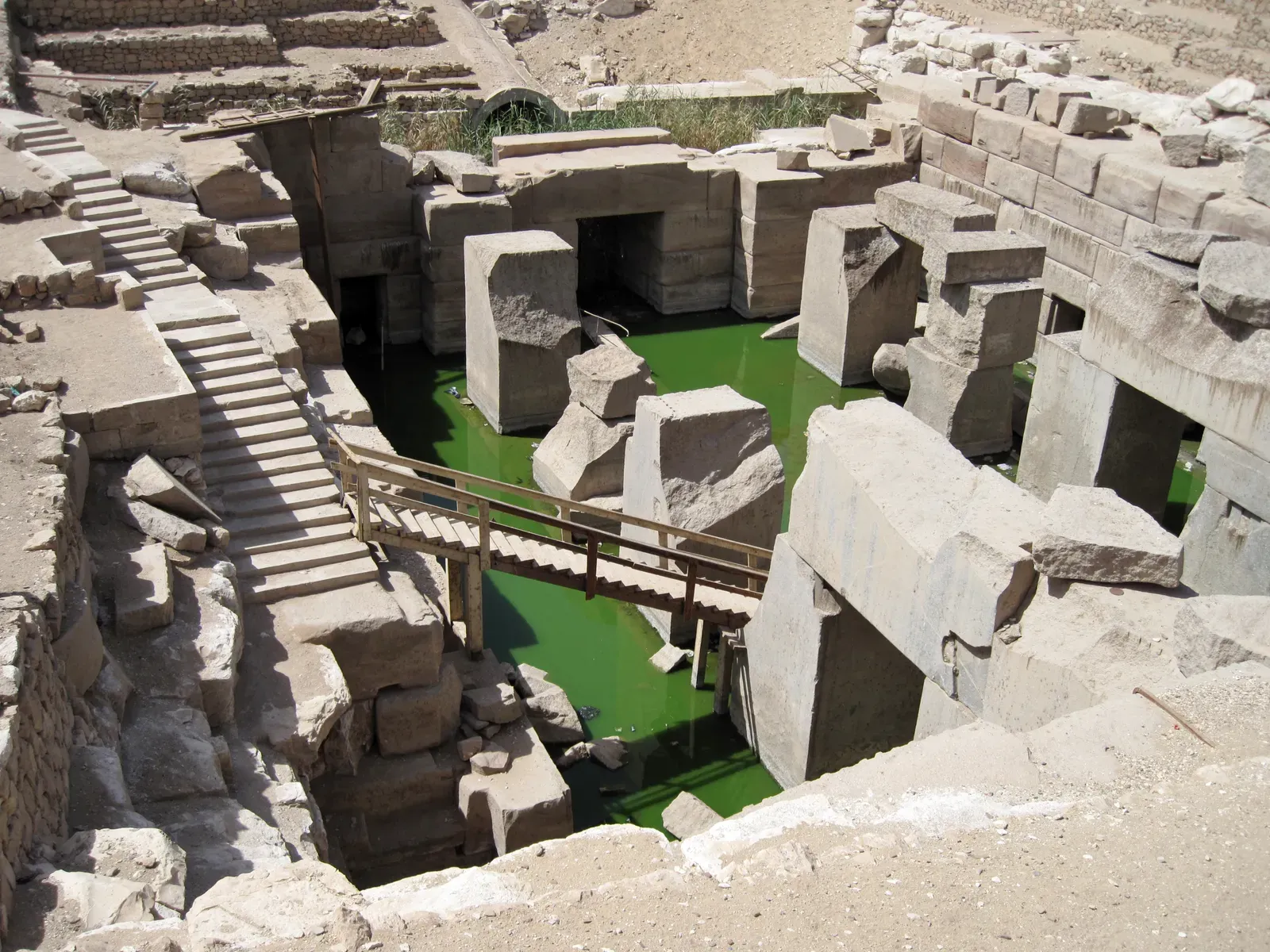
Behind the massive Temple of Seti I at Abydos sits the Osireion, a deep rectangular pit ringed by granite pillars and thick walls, sitting partly below the water table. It looks strangely out of time, with blockwork that resembles far older megalithic styles. Geologists and structural engineers still argue over whether it was designed to flood on purpose or simply sank as the water table rose around it.
Either way, keeping a chamber like this stable at that depth, in unstable, saturated ground, is not trivial. The granite blocks weigh tons yet were placed with tight tolerances in an environment where modern basements need constant waterproofing just to survive. There are side passages and niches with no clear function, and the whole layout ignores standard Egyptian temple logic, leaving engineers to admire the retaining walls while shrugging at the symbolism.
#10 – The Rock-Cut Shafts Beneath the Great Pyramid, Where Robots Found More Questions Than Answers
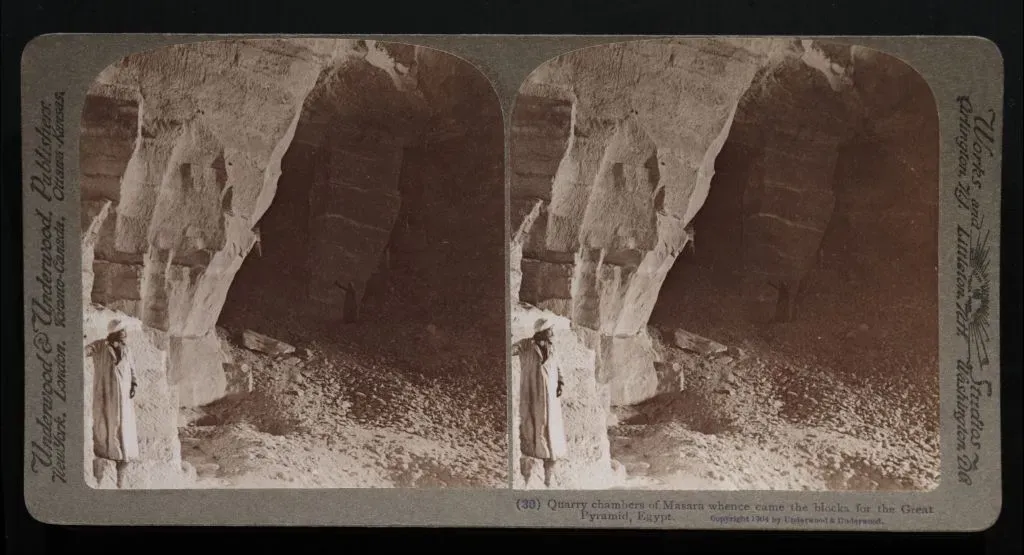
Everyone talks about the Great Pyramid’s outer stones, but engineers are far more obsessed with what’s hiding inside it. Narrow shafts angle up from the King’s and Queen’s Chambers, too small for a person to crawl through, ending in stone doors fitted with copper hardware. When robotic cameras were finally sent in, they revealed more hidden cavities and more blockages instead of a clean answer.
From an engineering standpoint, threading thin, angled voids through a massive load-bearing structure is a nightmare you’d normally avoid, since it can concentrate stress and cause cracking. Yet the pyramid has survived over 4,000 years with startling geometric precision. Astronomical alignments and symbolic soul-paths are the leading theories, but neither one explains the full pattern of shafts, dead ends, and sealed doors.
#9 – The Sealed Chambers of Qin Shi Huang’s Tomb, China, Guarded by Poison No One Wants to Dig Through
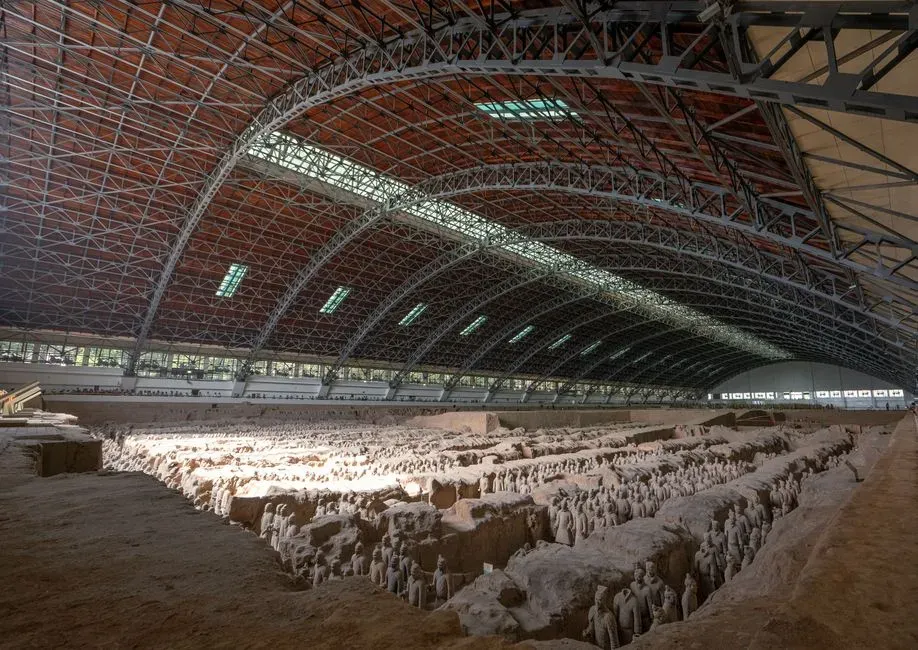
Most people know the Terracotta Army, but the real enigma lies beneath the unexcavated mound of China’s first emperor. Ancient texts describe rivers of liquid mercury flowing through underground chambers, booby-trapped against intruders. Modern soil surveys have actually detected unusually high mercury levels around the mound, hinting that something complex, and still fully sealed, really is down there.
If even half of the old descriptions are accurate, this involves water and mercury management far beyond a typical burial pit. Engineers ask the obvious hard questions: how do you build artificial rivers with working gradients underground and keep them structurally sound for two thousand years, and how would ventilation have handled toxic vapor in an enclosed space? Nobody even knows how many chambers exist, because a full excavation risks both collapse and chemical contamination.
Worth Knowing
- An estimated 700,000 laborers reportedly worked on the wider mausoleum complex over roughly 38 years.
- Soil and atmospheric testing around the burial mound has repeatedly turned up mercury levels far above normal background readings.
- More than 8,000 individually detailed terracotta soldiers have been unearthed guarding the site, yet the central tomb chamber has never been opened.
- Decades after the first discovery, only a small fraction of the wider necropolis has actually been excavated.
#8 – The Straight Tunnels Beneath Teotihuacan, Mexico, Built for an Audience That Never Came
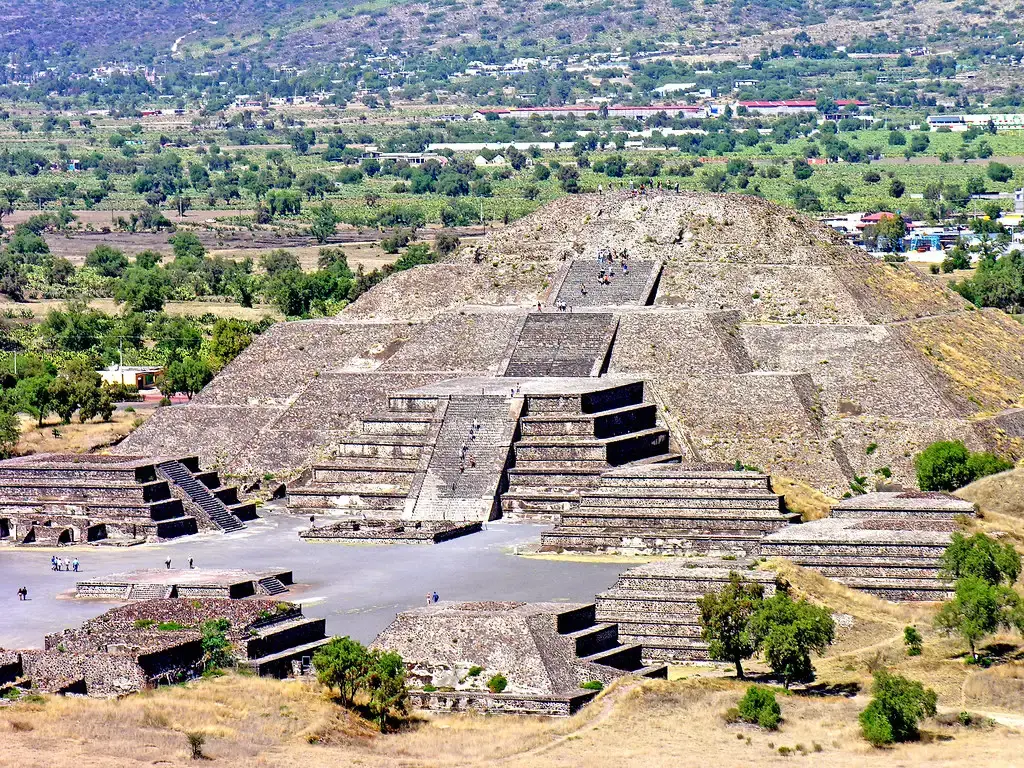
Beneath the pyramids and plazas of Teotihuacan, archaeologists have found long, narrow tunnels lined with offerings and a reflective mineral powder that shimmers in the dark. One tunnel under the Temple of the Feathered Serpent is especially strange: it runs perfectly straight for hundreds of feet before opening into chamber-like spaces where water still condenses and drips from the ceiling.
Drilling a near-straight, stable tunnel through mixed volcanic material without modern surveying instruments isn’t a small feat. Geotechnical engineers expect a lot more wandering when someone is simply feeling their way through rock, but this tunnel shows real intention. The reflective pyrite powder suggests the builders cared about how it looked in total darkness, essentially underground stage design, for a space with no obvious drainage, mining, or living purpose that anyone has been able to pin down.
#7 – The Etruscan “Puzzle Tombs” of Italy, Corridors That Go Nowhere on Purpose
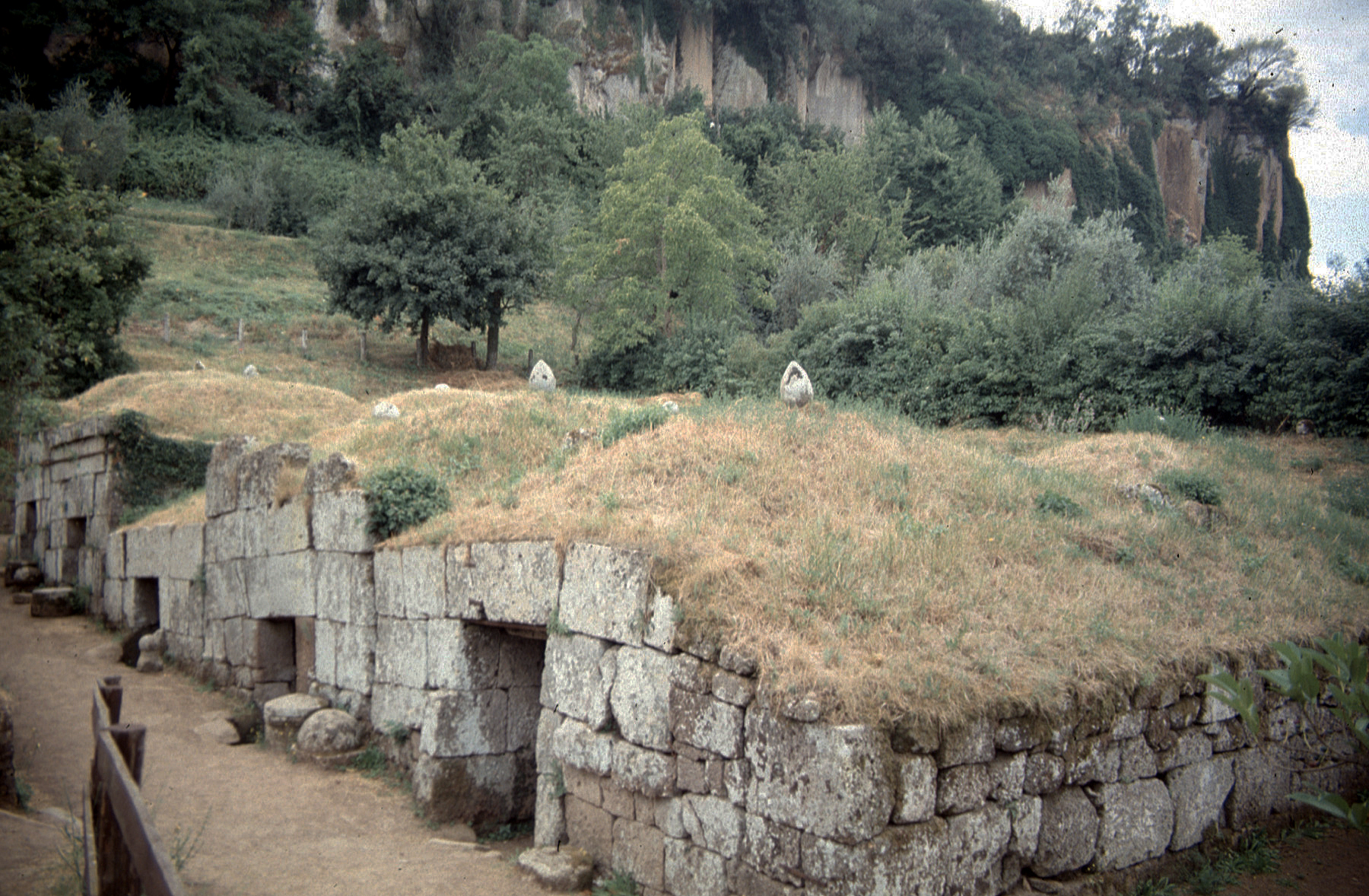
In central Italy, Etruscan rock-cut tombs look at first like simple burial chambers. But a subset of them hides stairways, narrow corridors, and side rooms that serve no obvious funerary purpose at all. Architects have started calling them puzzle tombs, because moving through them feels like navigating a maze: stairs that lead nowhere, odd t-junctions, and interlocking voids cut into relatively soft tuff.
Carving that many intersecting spaces without undermining the roof requires an intuitive feel for rock mechanics that was never written down anywhere we’ve found. Ceiling heights, corridor widths, and clearances are surprisingly consistent across sites, which hints at design rules even though the instructions are long lost. The strange part is that none of this extra complexity improves ventilation or capacity. If anything, it complicates both, more like a testing lab than a grave.
Quick Compare
- Standard Etruscan tomb: one chamber, one entrance, straightforward burial layout with little extra carving.
- Puzzle tomb: multiple corridors, dead-end stairways, and side rooms with no burial function at all.
- Standard tomb: minimal risk to the roof, since less rock is removed overall.
- Puzzle tomb: consistent ceiling heights and clearances despite far greater structural complexity and risk.
#6 – The Hidden Water Tunnels of Petra, Jordan, Ancient Plumbing That Still Works
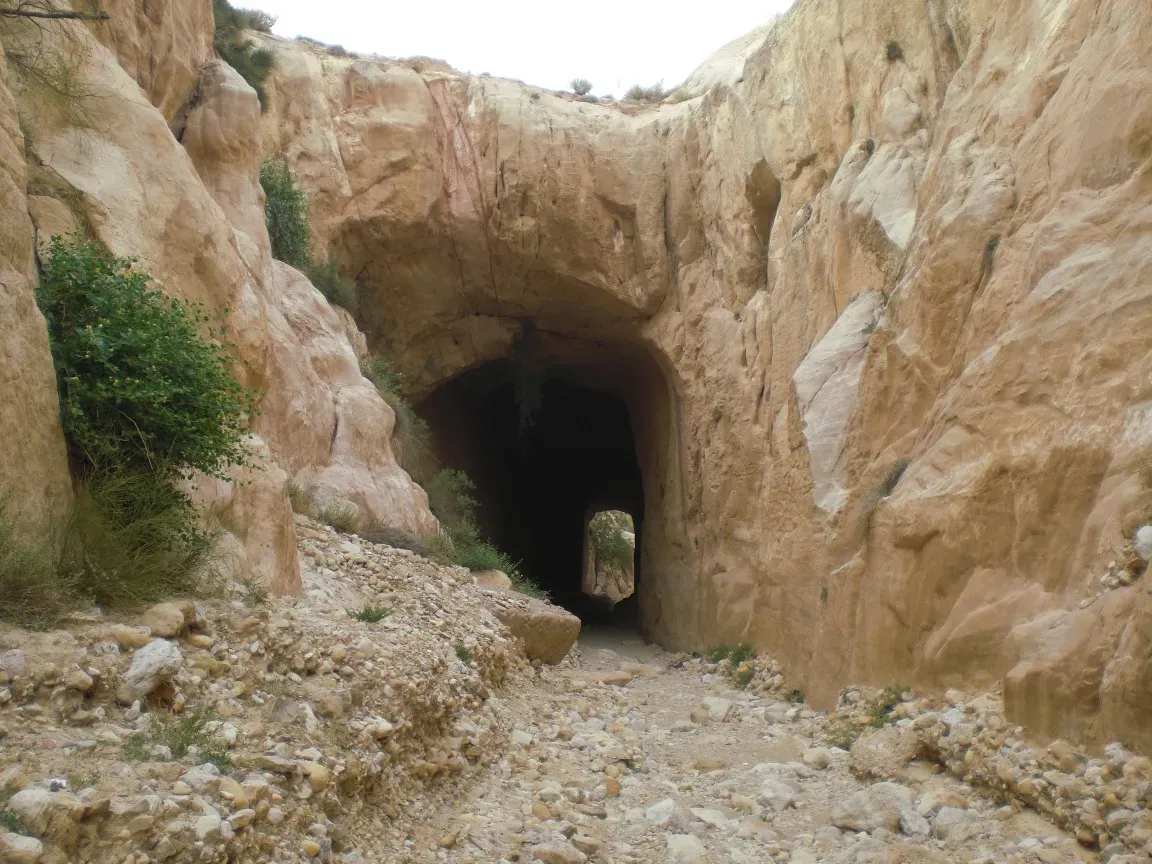
Petra is famous for its carved façades, but what quietly stuns hydrologists today is the city’s hidden plumbing. Narrow tunnels, rock-cut pipes, and covered channels were carved directly into cliffs and canyon walls to funnel scarce desert rain into cisterns, some of them bending carefully around weak layers in the sandstone with real foresight. In places, water was routed through fully enclosed tunnels that preserved pressure and cut down evaporation, an ancient version of engineered utilities.
For modern engineers, the mystery isn’t that Petra had water. It’s that the system balanced flow, pressure, and rock stability across long distances with no concrete and no steel, and some of those channels still function today. There’s no sign of detailed drawings or calculations behind any of it, which means trial and error should have cost lives and collapsed tunnels along the way.
Any sufficiently advanced technology is indistinguishable from magic.
Arthur C. Clarke
#5 – The Catacombs of Kom el-Shoqafa, Egypt, A Spiral Staircase Into Structural Chaos
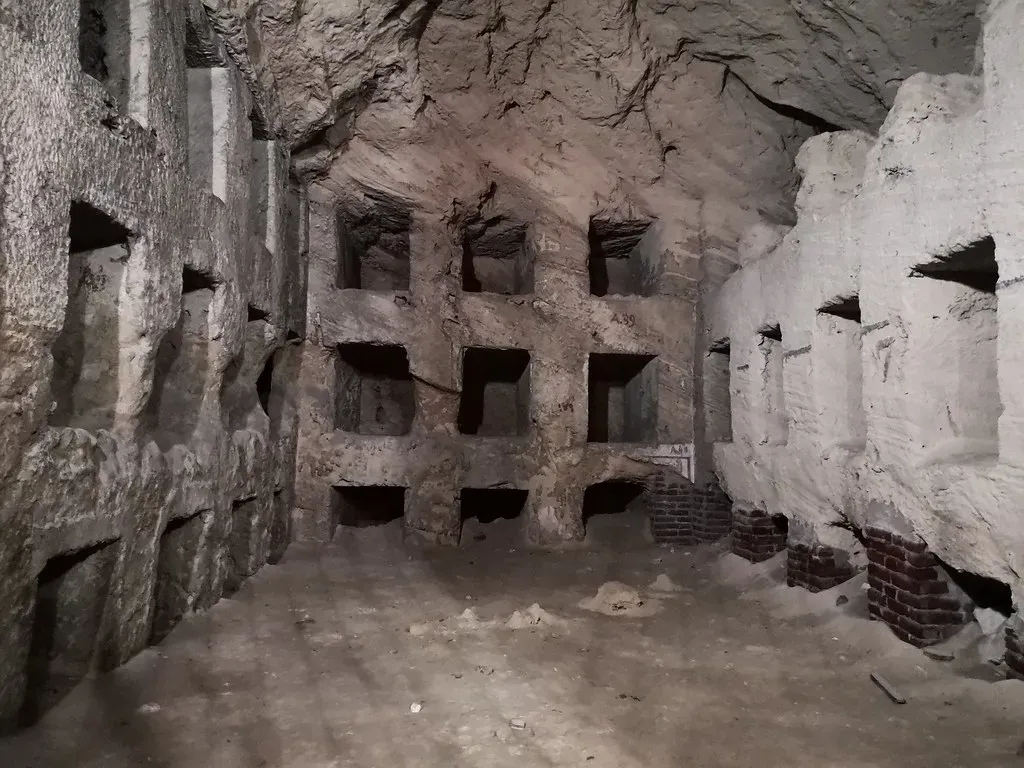
The catacombs of Kom el-Shoqafa in Alexandria descend through spiraling staircases into a tangle of rock-cut burial chambers and corridors. What actually rattles modern engineers isn’t the decoration, it’s the three-dimensional planning: multiple levels, intersecting galleries, and serious loads from above, all in a coastal environment fighting groundwater pressure and salt weathering.
Adding spiral stairs and circular shafts into a rock mass like that is a structural challenge even with today’s modeling software. Yet the builders managed to keep it standing while adding clever extras, like a shaft built specifically for lowering bodies straight down to lower levels, without destabilizing anything around it. The mash-up of Greek, Roman, and Egyptian decorative styles only deepens the mystery of who this was really built for, and how they knew which directions were safe to carve without the slabs above shearing off.
#4 – The Unmapped Caves Beyond Derinkuyu, Cappadocia, A Hidden Network No One Has Fully Traced
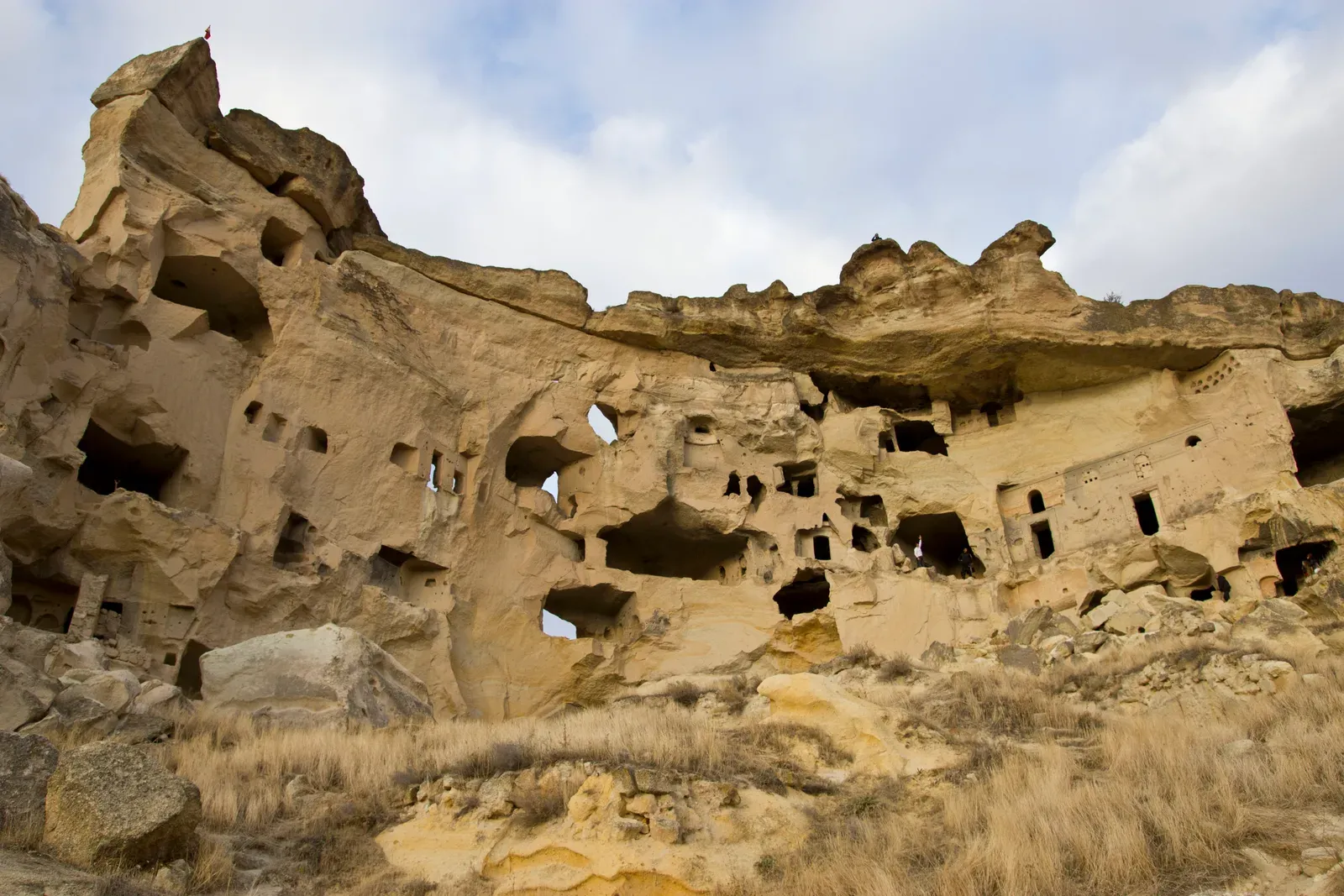
Most people stop at Derinkuyu and Kaymakli, but Cappadocia is riddled with smaller, lesser-known underground complexes: tunnels that surface at cliff faces, blind chambers with soot-blackened ceilings, and ventilation shafts leading to places we haven’t mapped yet. Some connecting passages are so long and narrow that no clear defensive or practical purpose fits what’s there.
Geologists are struck by how consistently these routes avoid known weak layers in the tuff, despite no evidence of formal surveying. There’s likely an entire hidden mesh linking multiple underground cities together, and structural engineers say if a modern contractor proposed a sprawling, partly blind network like this in soft volcanic rock without instruments, it would get rejected on safety grounds instantly. Centuries of continuous use suggest someone understood this rock more intuitively than our paperwork ever could.
#3 – The “False” Shafts of Saqqara, Egypt, Ancient Trial and Error Carved in Stone
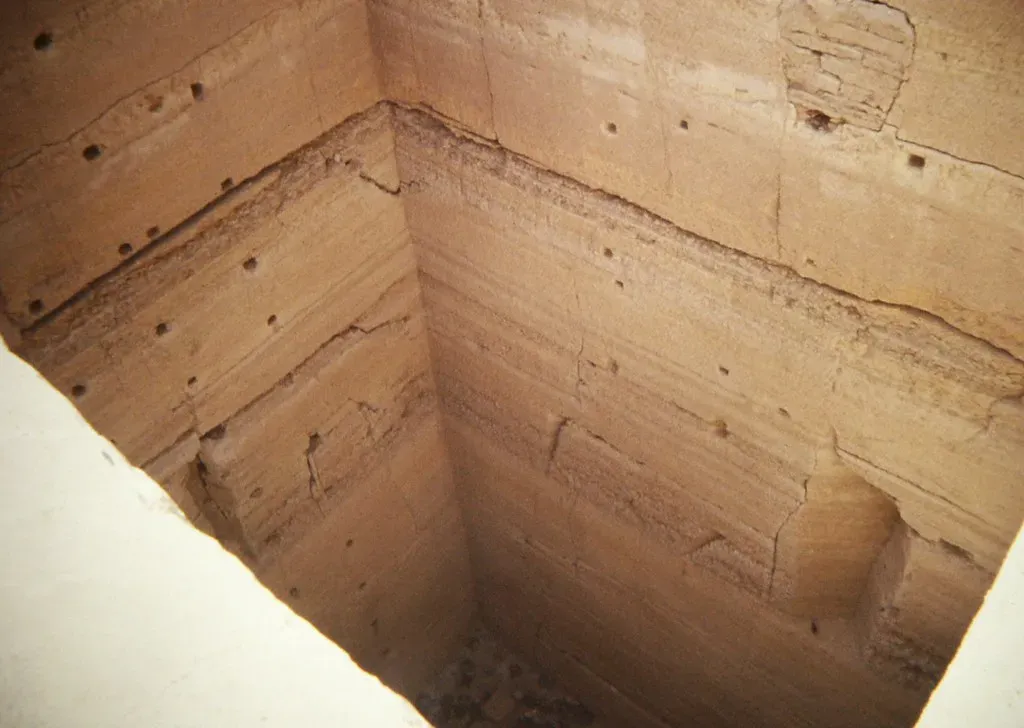
Saqqara’s desert plateau hides a forest of vertical shafts plunging to burial chambers far below the surface, some lined with carved blocks, others sliced straight through raw bedrock. A number of them lead to undecorated, seemingly unused rooms. Engineering-wise, these are wild projects: narrow, deep shafts with precise verticality, branching into horizontal passages at very specific depths.
The real head-scratcher is the sheer redundancy. So many shafts show slightly different angles, depths, and lining styles that some archaeologists suspect a kind of ancient research-and-development program in rock-cut construction. Engineers can trace the load distribution and see how fragile rock layers were deliberately bypassed, but no written manual survives to explain why vertical access was chosen over far easier ramps in the first place.
At a Glance
- Some shafts drop many meters straight down before branching into horizontal chambers at very specific depths.
- A number are lined with carefully fitted stone, while others are cut directly through raw bedrock.
- Several lead only to bare, undecorated rooms with no burial goods ever recovered.
- Small differences in angle, depth, and lining style repeat across dozens of separate shafts.
#2 – Malta’s Forgotten Secondary Hypogea, Where the Same Trick Was Repeated Underground
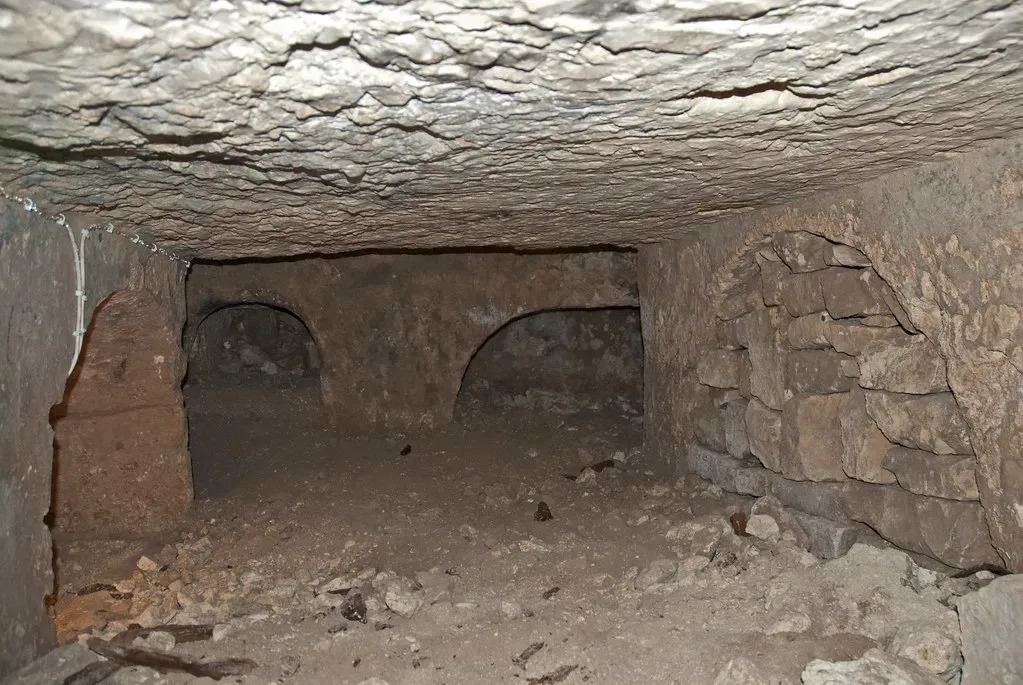
Beyond the famous Hypogeum, Malta hides scattered, partly collapsed subterranean sites: fragments of chambers, short corridors, and oddly smoothed cavities beneath or near its surface temples. Some of these appear to mimic the above-ground megalithic layouts in miniature, but carved entirely into limestone below. Engineers are baffled by how consistent the curves and wall finishes are at depth, without laser levels or CAD software to guide the work.
These secondary hypogea rarely make headlines, but they raise a deeper question: why did the same culture keep investing in structurally risky underground voids instead of simply expanding their surface temples? Underground work multiplies every engineering problem at once, ventilation, lighting, spoil removal, roof support, yet there’s clear evidence of iterative refinement across sites: similar chamber ratios, recurring pillar thicknesses, and repeated arch-like forms that resist collapse. It looks uncannily like an unwritten design code passed down by hand.
#1 – The Functionless Chambers No Engineer Has Ever Fully Explained
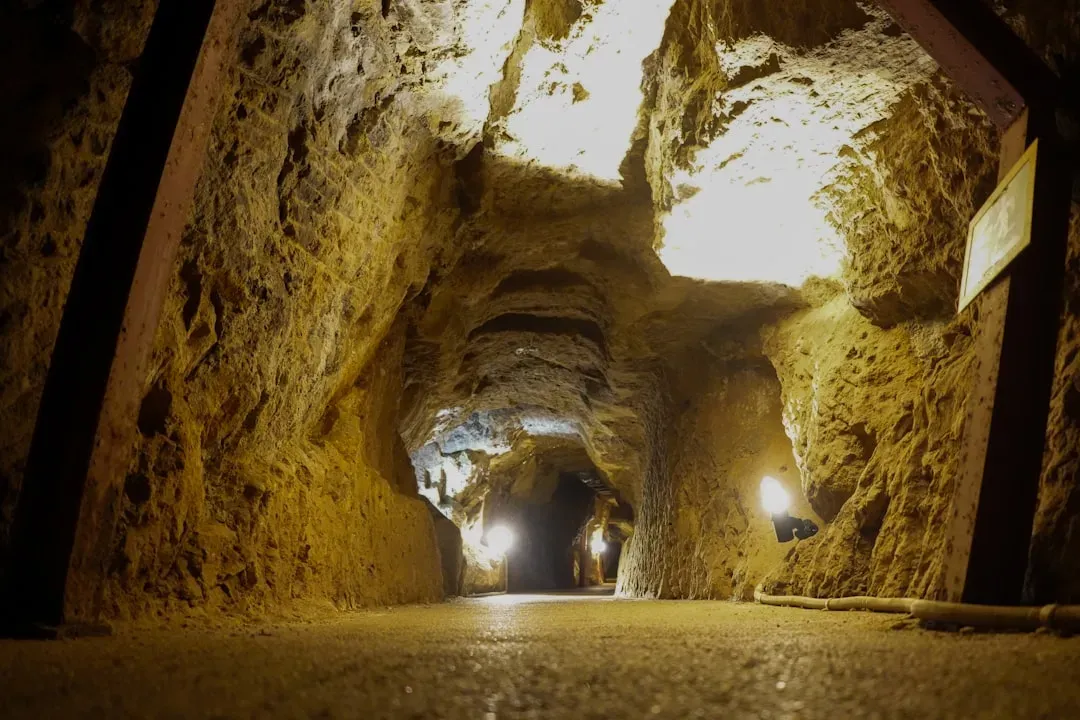
Across continents, from tiny side tunnels in Neolithic Europe to blind chambers under Mesoamerican pyramids, engineers keep running into one maddening pattern: spaces that work structurally but seem completely useless functionally. Short horizontal cuts that never connect to anything, small vaulted cavities too cramped to stand up in, niches positioned where no light could ever reach them. They obey good engineering sense, with arches where needed, safe spans, and proper pillar thickness, but they defy everyday human logic.
Modern tunnel design is almost brutally pragmatic. You don’t waste rock-cutting effort unless it adds capacity, safety, or access. Yet many ancient complexes are littered with extra geometry that cost serious labor for no clear payoff, and specialists are genuinely split on why. Some argue we’re simply ignorant of the ritual scripts that once made these spaces essential, while others suspect pre-modern builders experimented more than we assume, treating the underworld as both sacred space and structural laboratory. Either way, our models can explain how these voids stand, but not why anyone bothered to make them.
The Bottom Line
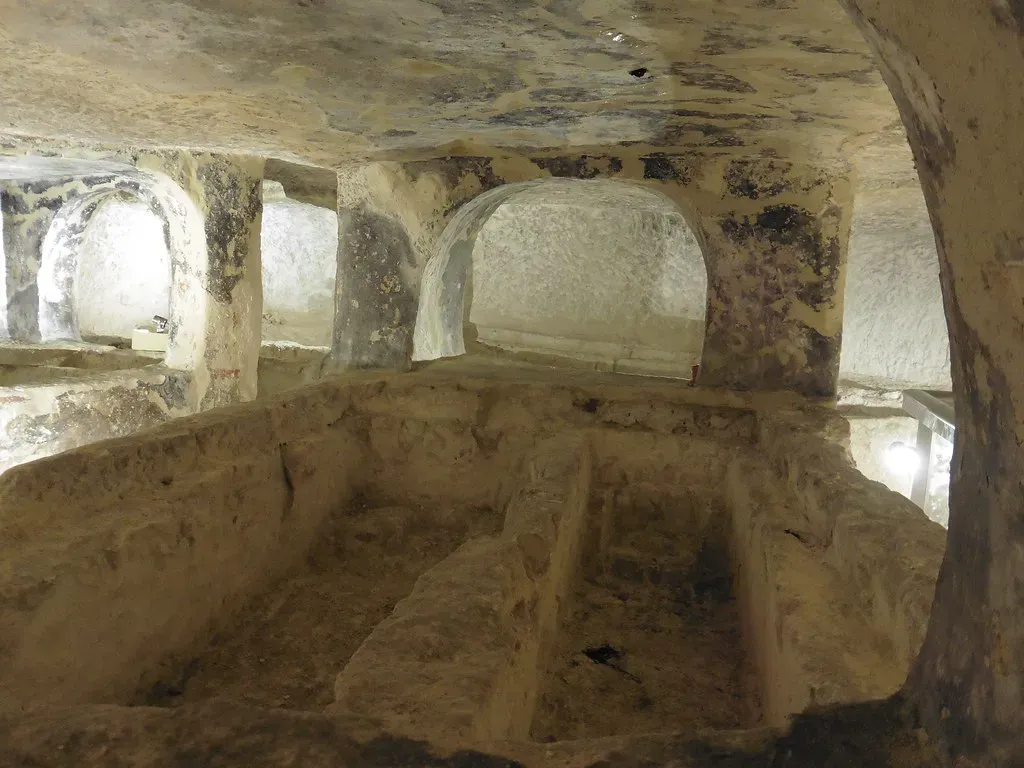
Strip away the legends and conspiracy theories, and what’s left is honestly more unsettling: these ancient tunnel builders were not primitive. They were practically minded rock engineers working with tools and rules we barely understand, and in site after site, we can model the stress paths, approximate the load limits, and admire the intuitive solutions, while their actual motives and methods stay half-visible at best.
The most honest thing you’ll hear from engineers who’ve studied these places is a version of the same admission: they know what should have failed, and yet it didn’t. That mismatch between our expectations and their results is the real mystery here, not ghosts or ancient aliens. My own take is simple. We keep underestimating people who never had our tools but clearly had our patience, and that gap says more about our assumptions than it does about theirs.