
Most people treat extinction like a locked door: once a species disappears, that’s supposed to be it, forever. But biology keeps prying that door back open. Lazarus species vanish for decades and then casually resurface in a fisherman’s net or a blurry trail-cam frame, and legendary predators leave behind just enough scat, sound, or DNA to make hardened scientists squirm before saying the word “extinct” out loud.
Field cameras, indigenous knowledge passed down for generations, sonar traces, even DNA pulled straight out of river water are quietly rewriting what “extinct” is supposed to mean. Here are 14 creatures officially given up for dead – or awfully close to it – that a growing number of researchers now admit might still be breathing somewhere nobody has thought to look.
#14 – The Thylacine (Tasmanian Tiger)
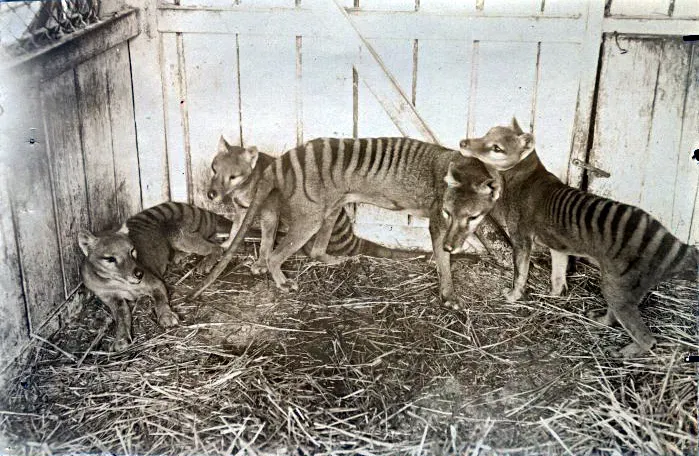
Officially, the thylacine died out in 1936, alone in a chilly enclosure at a Hobart zoo. But hundreds of sightings have trickled in from Tasmania and mainland Australia ever since – plenty from experienced bushmen and park rangers whose entire job depends on telling a fox from a marsupial at a glance. Camera traps have caught grainy, tantalizing shapes that don’t cleanly match dogs or foxes, though nothing close to proof.
Scientists still roll their eyes at shaky YouTube footage, but a small group of zoologists raises an uncomfortable point: we’ve been dead wrong about secretive, nocturnal mammals before. Compared to the intense, coordinated effort poured into panda surveys, targeted thylacine searches barely exist. A species can cling on at ultra-low numbers without ever posing for a decent photo – which is exactly why fewer experts are willing to bet their career on “definitely gone.”
Fast Facts
- Last confirmed thylacine died September 7, 1936, at Beaumaris Zoo in Hobart
- The IUCN didn’t officially declare the species extinct until 1982
- Historic range once stretched across mainland Australia, Tasmania, and New Guinea
- A government bounty program in the early 1900s paid for thousands of thylacine kills
#13 – Ivory-Billed Woodpecker
![#13 - Ivory-Billed Woodpecker (By Original photo by Arthur A. Allen, 1935 [1], watercolored by Jerry A. Payne, USDA-ARS, CC BY 3.0 us)](https://nvmwebsites-budwg5g9avh3epea.z03.azurefd.net/dws/c23d3ff721a3ffc3301591fdfb44de5e.webp)
America’s “Lord God Bird” was declared functionally extinct after decades without a confirmed sighting. Then, in the mid-2000s, researchers released what they said was video and audio evidence of a surviving population deep in southern U.S. swamps. Critics tore the footage apart, insisting it showed nothing more than a pileated woodpecker caught at an awkward angle.
Some ornithologists still aren’t convinced by the skeptics. The habitat – flooded, tangled bottomland forest – is brutal to survey, so absence of proof isn’t proof of absence. Acoustic recorders have since picked up odd “double-knock” drumming that echoes historical ivory-bill recordings, and field teams keep quietly combing Arkansas, Louisiana, and Florida with drones and long-term listening gear. Even the U.S. government has hesitated to fully close the book, delaying a final extinction ruling more than once – which tells you how split the experts really are.
#12 – Baiji (Yangtze River Dolphin)
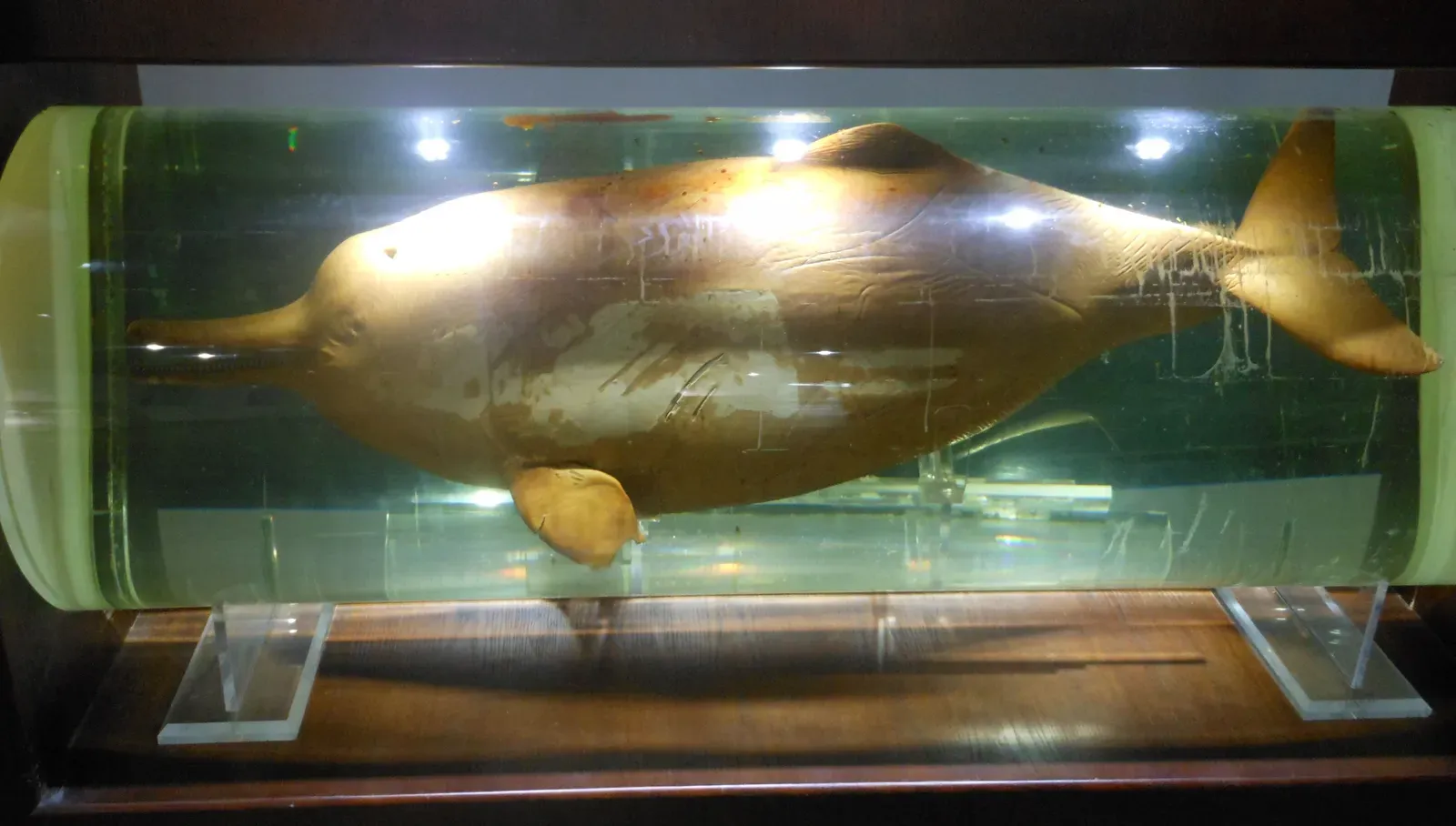
The baiji is one of conservation’s saddest stories: a river dolphin wiped out by pollution, ship propellers, and relentless overfishing. A 2006 international survey failed to find a single living animal, and the species was declared functionally extinct. Then, in 2007, a Chinese scientist reported a possible baiji sighting, describing an animal that didn’t match anything else known to live in the Yangtze.
Skeptics called it misidentification, but the account was detailed enough to keep a sliver of hope alive, and scattered anecdotal reports from local fishers have continued ever since. The river itself is part of the problem: it’s so murky and heavily trafficked that a truly definitive survey may be impossible, and industrial noise drowns out passive acoustic monitoring. Some river ecologists quietly suspect a tiny, non-viable remnant population might still be surviving in forgotten side channels – which isn’t really a feel-good ending, it’s a warning.
#11 – Fernandina Island Galápagos Tortoise
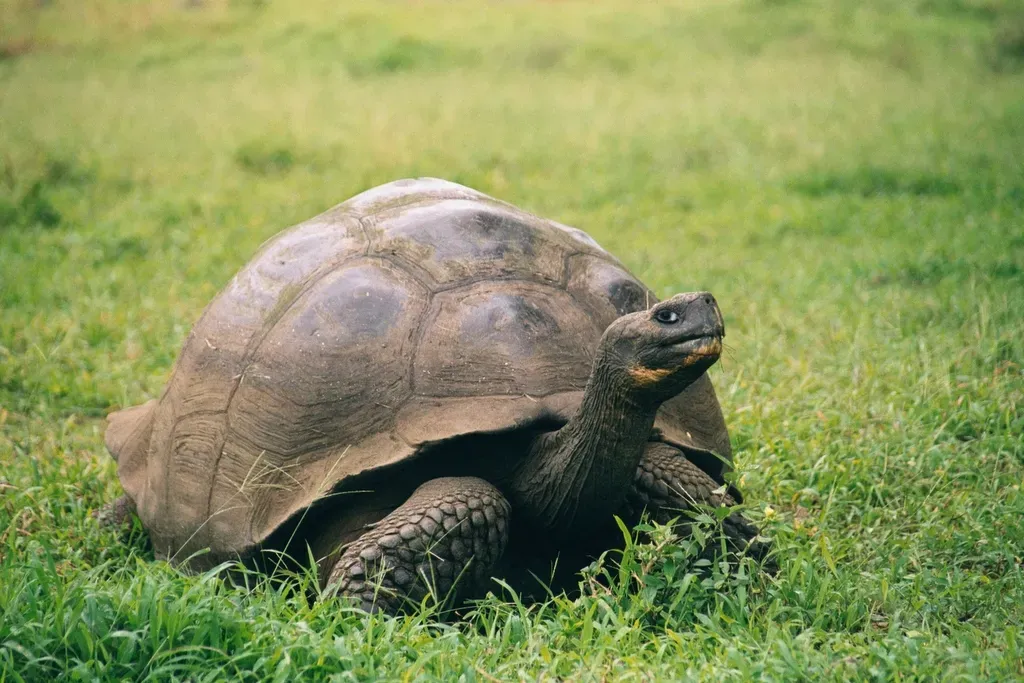
For over a century, the Fernandina Island tortoise existed only as a single specimen collected in 1906 – lava fields, brutal heat, and almost no fresh water made real surveys nearly impossible. Then in 2019, researchers stumbled onto a living female tortoise whose genetics matched the long-lost Fernandina lineage, overturning a hundred years of assumptions in one afternoon. Suddenly the “extinct” label looked less like science and more like a shrug.
Tracks and fresh scat have since turned up in remote corners of the island, hinting that more tortoises might be hiding out there. Many biologists now think Fernandina was never actually empty – just so inhospitable and unexplored that a handful of tortoises survived unnoticed for generations. It’s a textbook Lazarus story, and it raises an uneasy question: if one giant, slow-moving reptile can vanish from science for over a hundred years, what else are we missing?
#10 – Coelacanth (Proof “Extinct” Can Be Wrong by 65 Million Years)
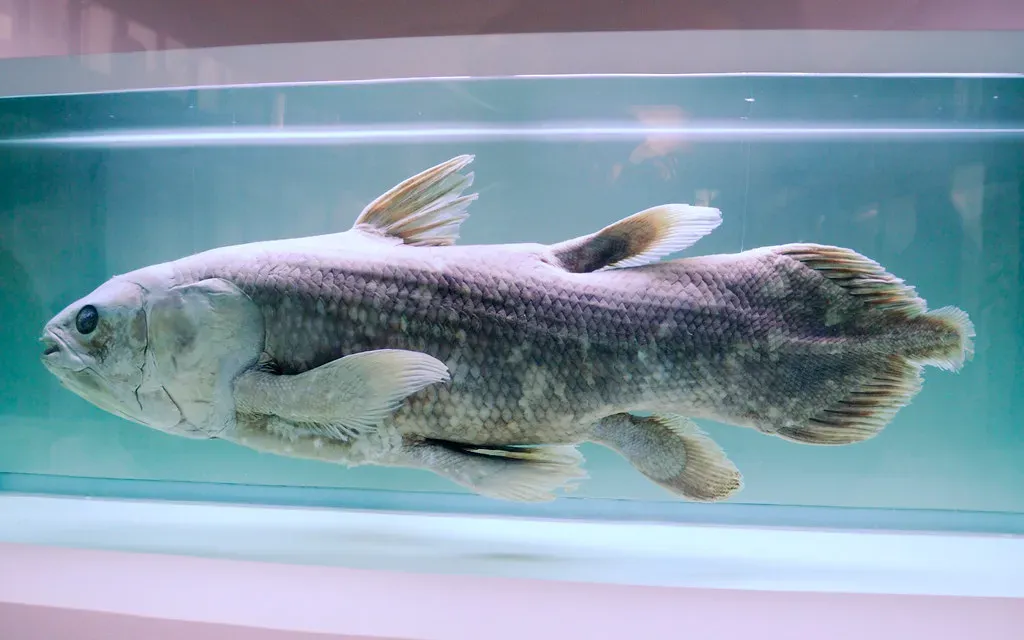
The coelacanth was the ultimate extinction symbol – a lobe-finned fish everyone assumed died out alongside the dinosaurs. Then, in 1938, a living specimen turned up in a South African fish market, blindsiding paleontologists who’d confidently filed it under “prehistoric relic.” Decades later, a second distinct species was found cruising deep caves near Indonesia, having quietly gone about its business the entire time.
I would not have been more surprised if I had seen a dinosaur walking down the street.
J.L.B. Smith, ichthyologist who identified the first coelacanth specimen
Coelacanths are well documented now, but their story exposes an ugly truth: our extinction lists are built on limited sampling and assumptions about how “visible” a species should be. Deep oceans, dense forests, and politically unstable regions are essentially black boxes, places where animals can duck under the radar for generations – which is exactly why the coelacanth keeps getting invoked as the ghost in the room whenever a new “extinct” species claim comes up.
#9 – Pinta Island Tortoise (Relatives of “Lonesome George”)
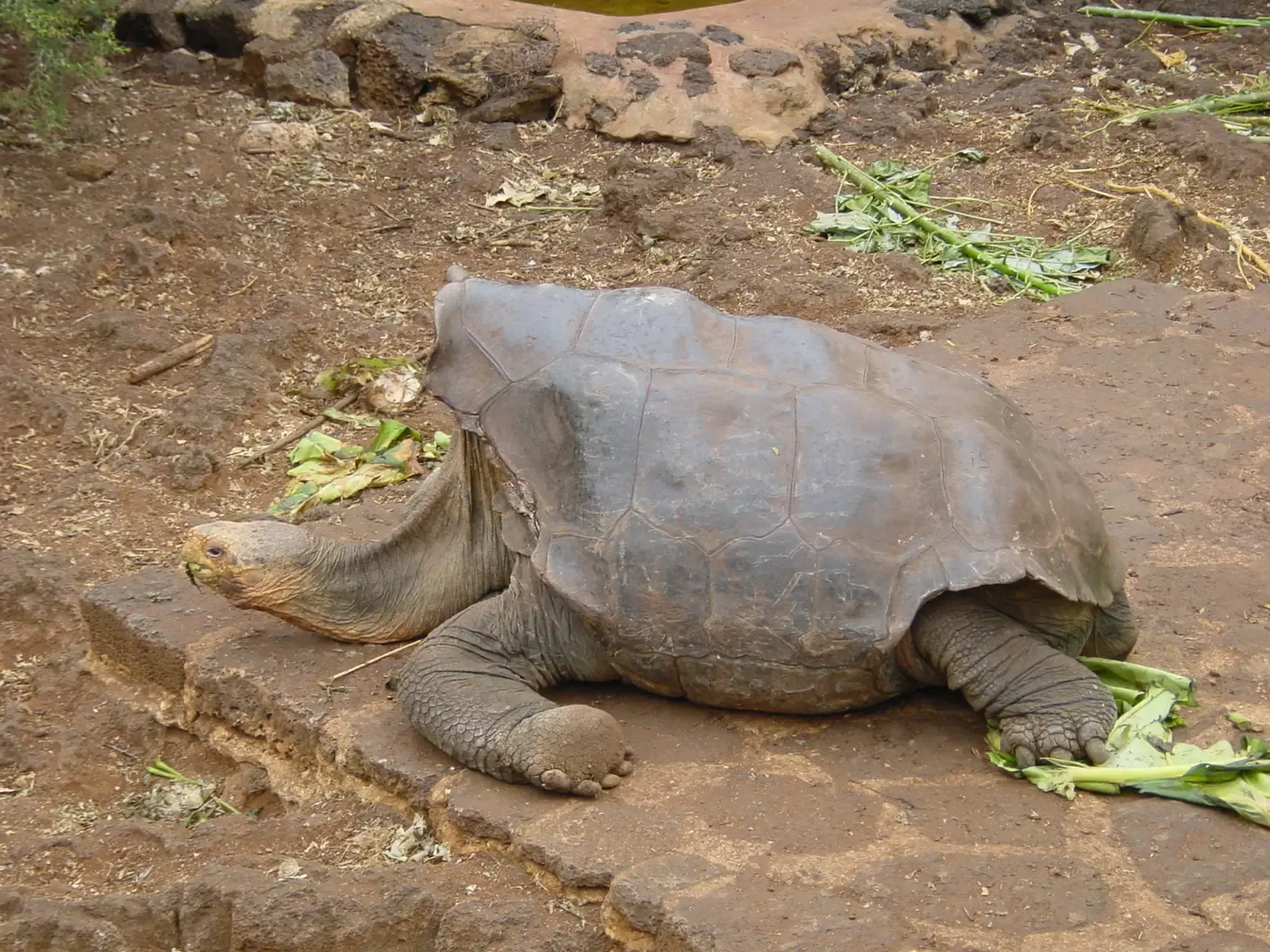
When Lonesome George died in 2012, headlines everywhere declared the Pinta Island tortoise extinct. Buried underneath that story was a stranger detail: genetic surveys on other Galápagos islands had already turned up tortoises carrying Pinta ancestry, likely descendants of animals moved around by sailors centuries earlier. Some of those hybrids carried surprisingly high levels of Pinta DNA.
That’s not folklore – it’s straight genetic math pulled from field samples, and it’s enough to suggest pure or near-pure Pinta tortoises could still be tucked away in hard-to-reach volcanic terrain. Conservation teams have since launched expeditions using GPS, drones, and genetic testing to track down the most Pinta-like animals, with plans to start a careful breeding program. If a viable group turns up, scientists could effectively resurrect the population George was supposed to end – which makes “last of his kind” sound more like a headline than a scientific fact.
#8 – Caribbean Monk Seal
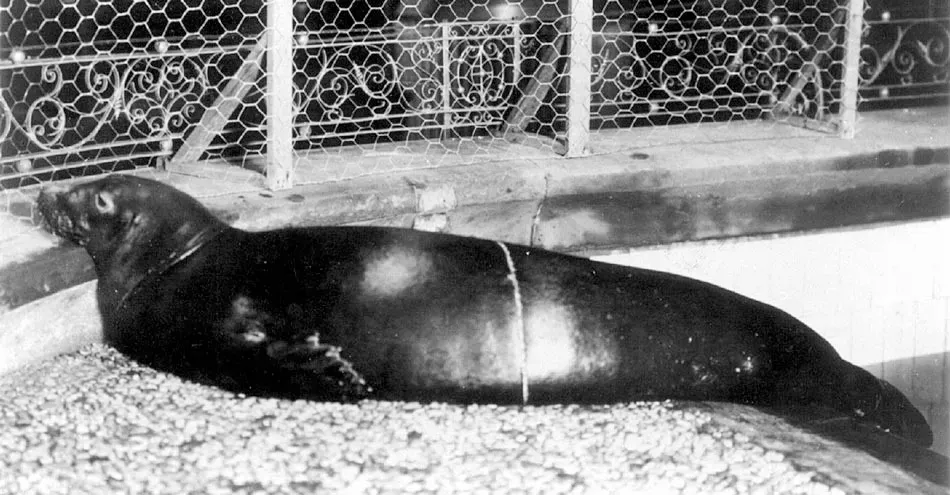
The Caribbean monk seal was declared extinct in 2008, decades after the last confirmed sighting in the 1950s, with overhunting and habitat loss taking the blame. Yet marine biologists quietly admit that huge stretches of the Caribbean – deep reefs, remote banks, isolated rocks – remain poorly surveyed, especially at night. Fishers and divers have reported the occasional “odd seal” over the decades, and most of those reports get dismissed without follow-up simply because the species is already stamped “gone.”
Seals are mobile, they haul out on rocks almost nobody visits, and they spend most of their lives far from shore – exactly the conditions that let a small population slip through the cracks. Underwater camera and acoustic technology still lags well behind what’s used on land. Some researchers argue plainly that if a shy remnant population survives, we’ve essentially decided not to look hard enough to find out – an awkward stance when tourism boards would rather tell a tidy extinction story than fund an uncomfortable search.
#7 – Javan Tiger
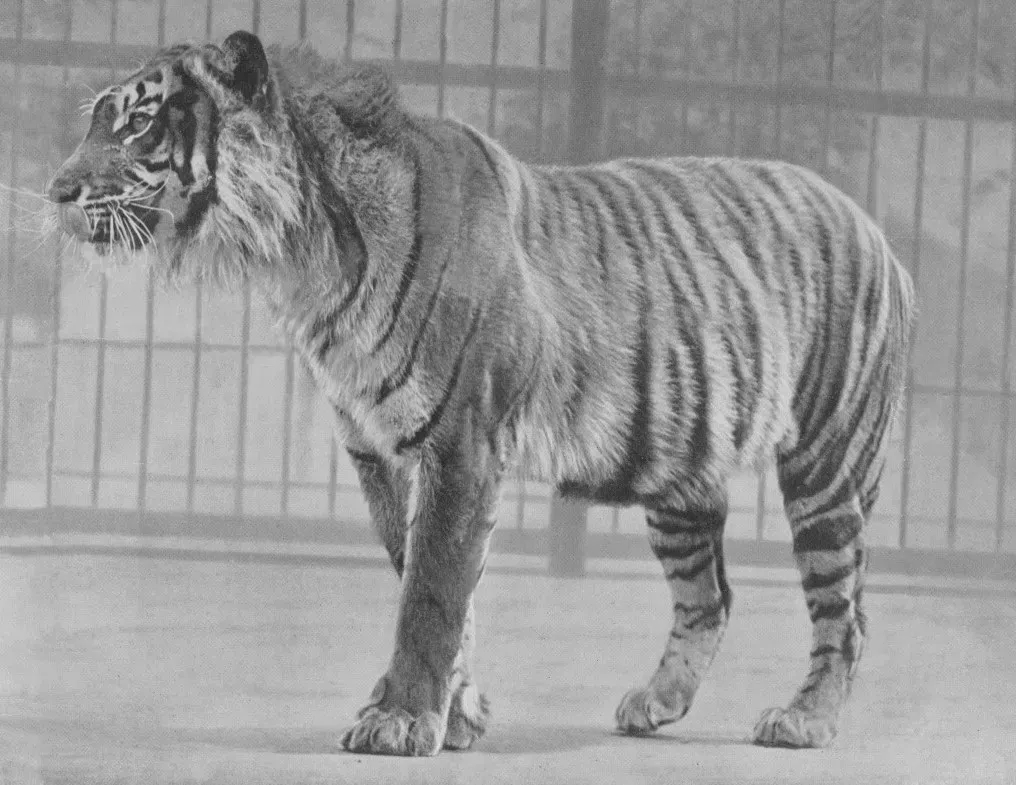
The Javan tiger was declared extinct in the 1970s after hunting and habitat loss gutted its numbers. Decades later, though, villagers and park staff in Java’s Meru Betiri National Park kept describing striped cats larger than leopards, along with prints and scat that don’t cleanly fit any known species in the area. Official camera-trap surveys have been inconclusive, mostly because funding and access limit how much ground they can actually cover.
Some carnivore experts think it’s biologically plausible that a handful of tigers survive as “ghosts,” moving at extremely low densities through dense secondary forest and steep ravines. Indonesia is a biodiversity hotspot where entirely new mammal species are still being described, so claiming we’ve exhaustively searched every patch of jungle is almost laughable. The political risk of admitting “we might still have tigers we failed to protect” keeps agencies from revisiting the extinction status – it’s simply easier to move on than reopen that wound.
Worth Knowing
- Meru Betiri National Park was partly established to protect any remaining tigers on the island
- Java is one of the most densely populated islands on Earth, leaving only fragmented forest patches
- Indonesia’s forests still regularly yield newly described mammal species, showing how much remains unmapped
- Reported tracks and scat rarely get lab-confirmed due to limited funding for follow-up expeditions
#6 – Tasman Booby (Norfolk Island’s “Extinct” Seabird)
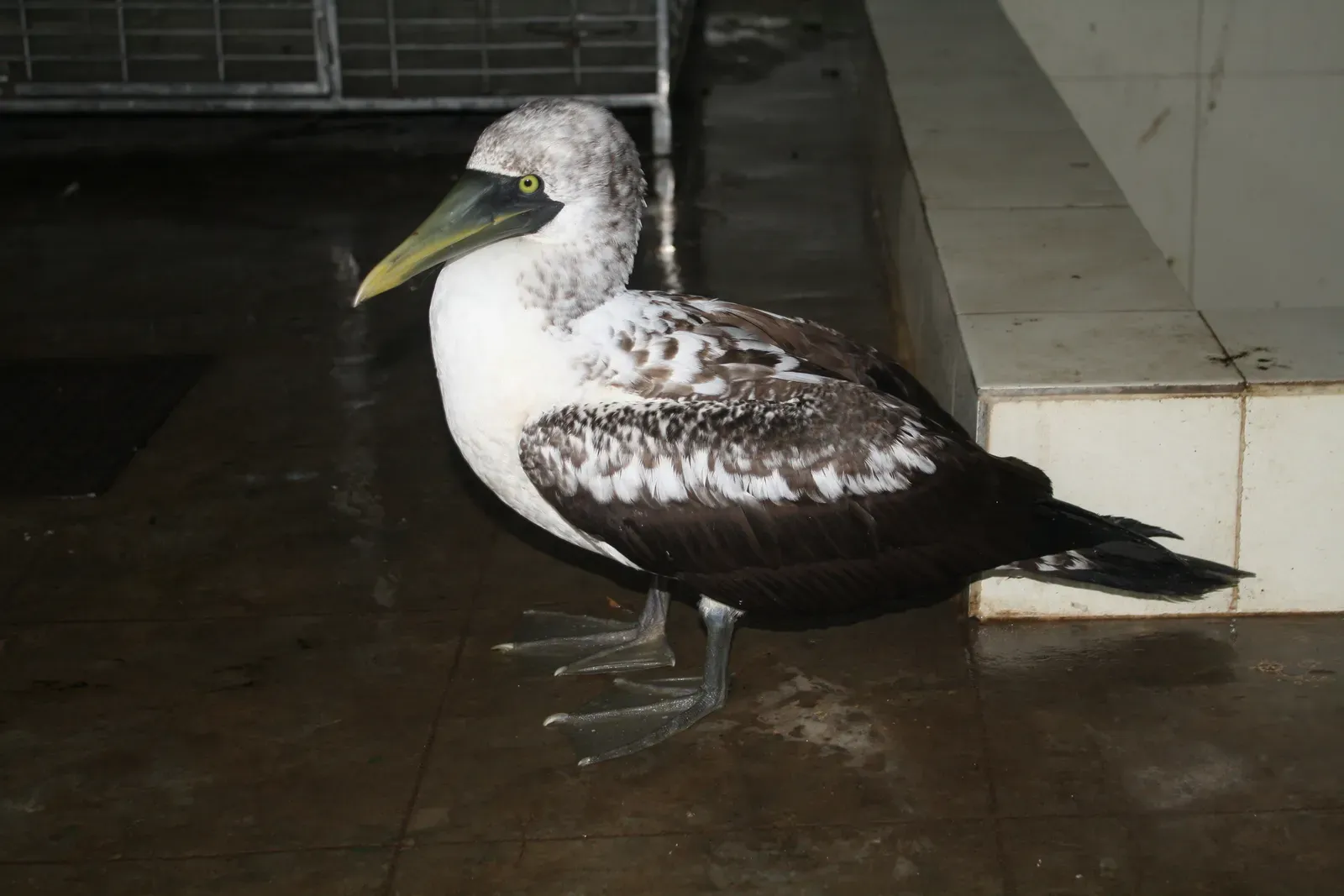
The Tasman booby, a large seabird from Norfolk Island and its neighbors, was long known only from museum skins and bones – textbook extinct. Then researchers compared DNA and skeletal features from those old specimens against living masked boobies nearby, and the results were startling: some modern birds were almost genetically indistinguishable from the “extinct” Tasman booby. What looked like a clean extinction may actually have been a quiet absorption into a surviving population.
That finding turns into a taxonomy fight fast. Some ornithologists argue that if the distinct island form persists even in hybridized form, it deserves conservation priority rather than a checked-off failure; more conservative voices call it just a local variant of a widespread species. Either way, the Tasman booby shows how a creature can be written off on paper while its genes are still flying overhead – a cautionary tale for any species declared extinct on similarly shaky evidence.
#5 – New Guinea Big-Eared Bat (and Other “Lost” Microbats)
![#5 - New Guinea Big-Eared Bat (and Other "Lost" Microbats) ([1], CC BY-SA 4.0)](https://nvmwebsites-budwg5g9avh3epea.z03.azurefd.net/dws/94f52cc9a3197bb7a5116373cd4a1928.webp)
The New Guinea big-eared bat was known from a single specimen collected decades earlier, and then – nothing. Most assumed it was extinct, until 2012, when researchers finally caught a live bat matching the original description. A supposedly extinct mammal had been flying over people’s heads for generations without anyone noticing.
It’s not an isolated story. Tropical microbats are chronically under-surveyed – small, nocturnal, fast, roosting in caves or forest canopy that standard biodiversity surveys routinely miss unless someone brings acoustic detectors and specialized mist nets. Some chiropterologists now argue plenty of bat “extinctions” from the last century are, at best, unproven guesses. When one targeted expedition can undo decades of assumption, it raises an obvious question: what would we find if we actually looked properly?
#4 – Lord Howe Island Stick Insect (“Tree Lobster”)
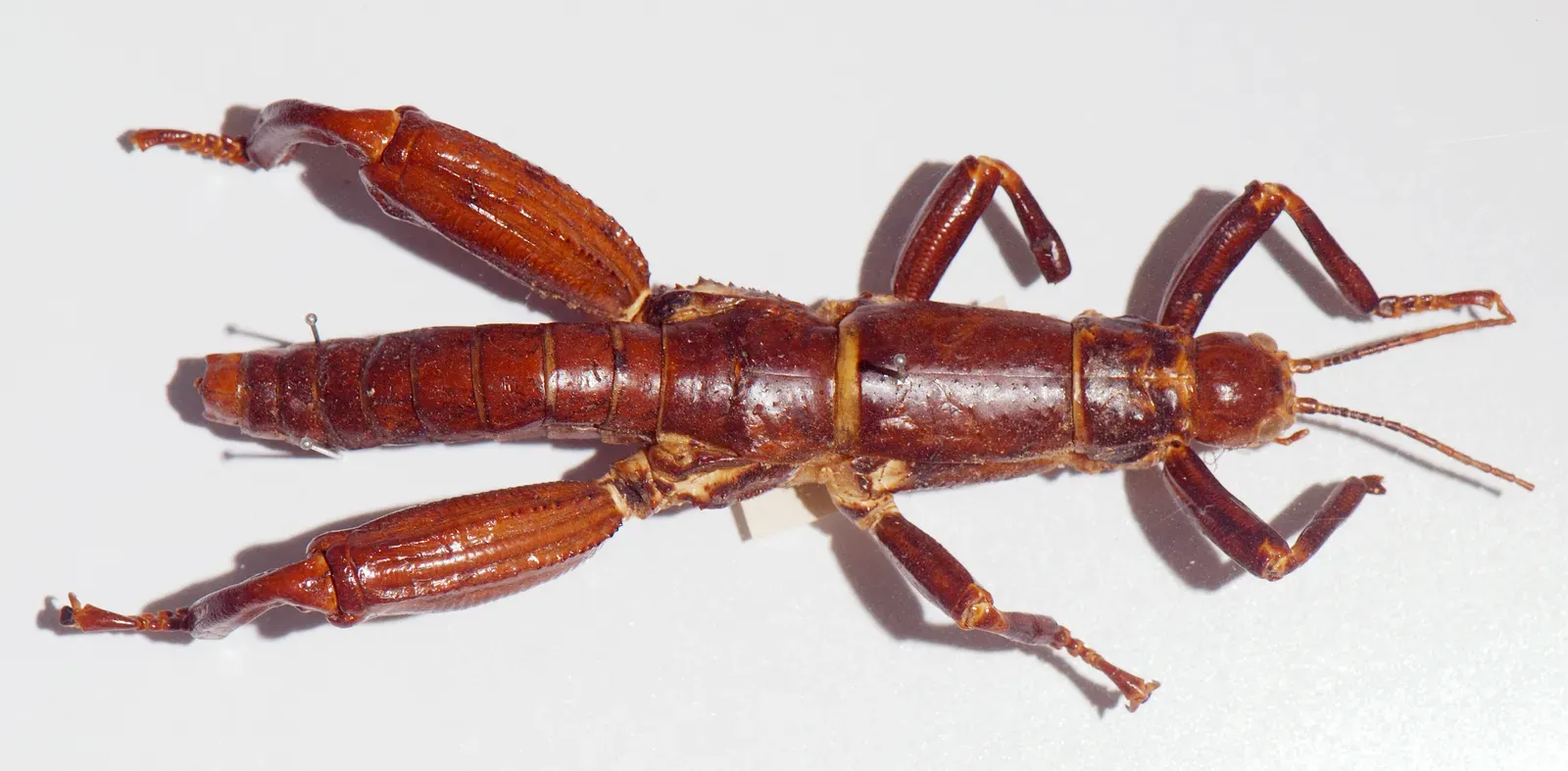
The Lord Howe Island stick insect was presumed extinct after rats invaded its home island in the early 1900s, leaving nothing behind but museum drawers. Then, in the 2000s, climbers scaling a sheer volcanic spire called Ball’s Pyramid found a small, surviving population of gigantic, glossy stick insects living under a single shrub. Genetic testing confirmed they were the lost “tree lobsters,” alive against every reasonable expectation.
Nobody had bothered to seriously check that precarious rock in the open ocean for a hundred years. The rediscovery triggered an intensive captive breeding program, and thousands of descendants now exist, with plans to reintroduce them once rat control is secure. It’s proof that rugged, rarely visited micro-habitats can shelter “extinct” invertebrates for a century – and given how casually we’ve written off countless island insects and snails with far less searching, plenty of entomologists quietly suspect more “dead” species are waiting on their own forgotten outcrops.
At a Glance
- Presumed wiped out after black rats invaded following a 1918 shipwreck
- Rediscovered in 2001 on Ball’s Pyramid, a sea stack roughly 14 miles from Lord Howe Island
- Fewer than 30 individuals were found clustered under a single surviving shrub
- Captive breeding has since produced thousands of offspring for future reintroduction
#3 – Hainan Gibbon (Functionally “Extinct,” Yet Still Here)
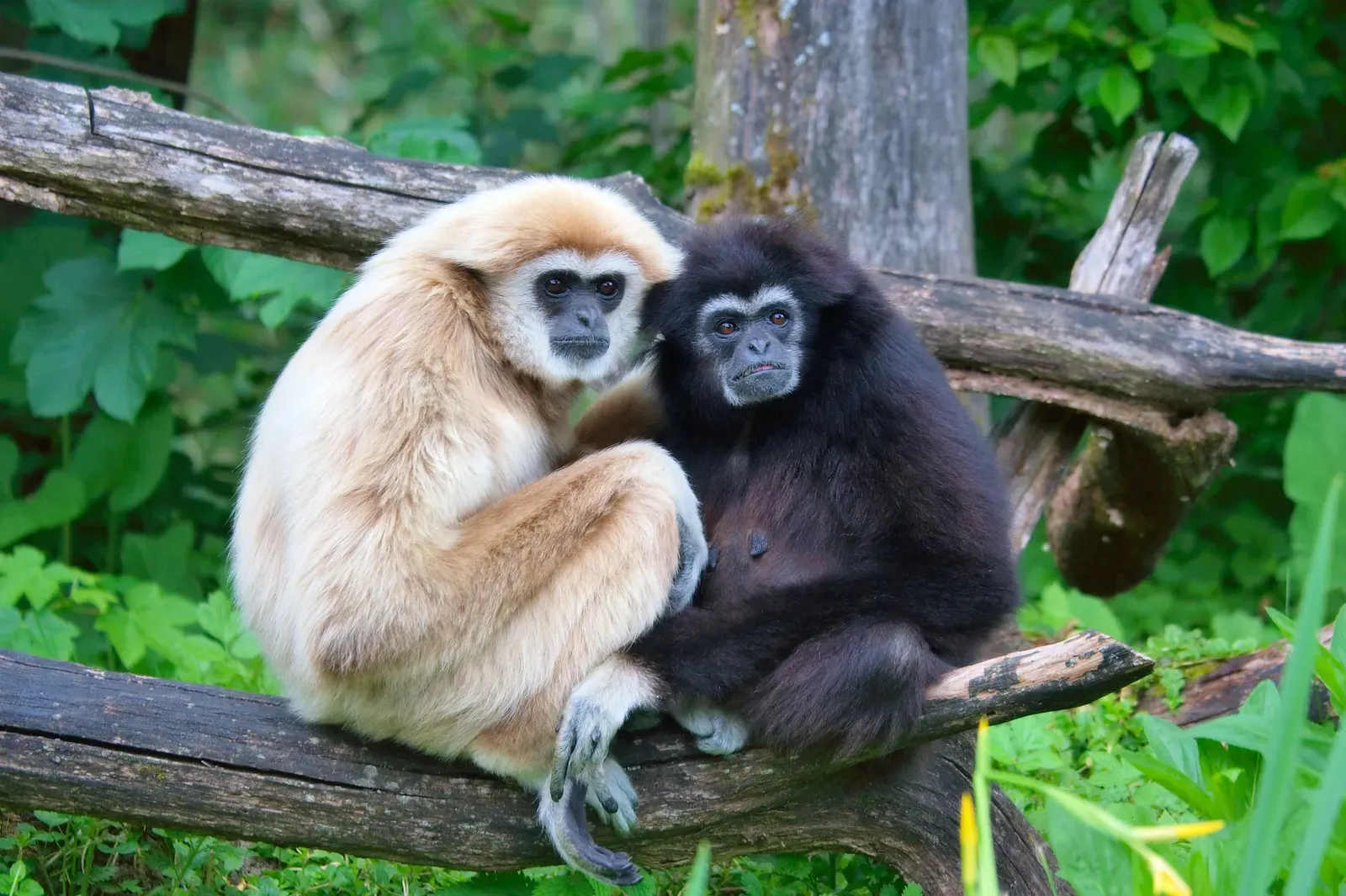
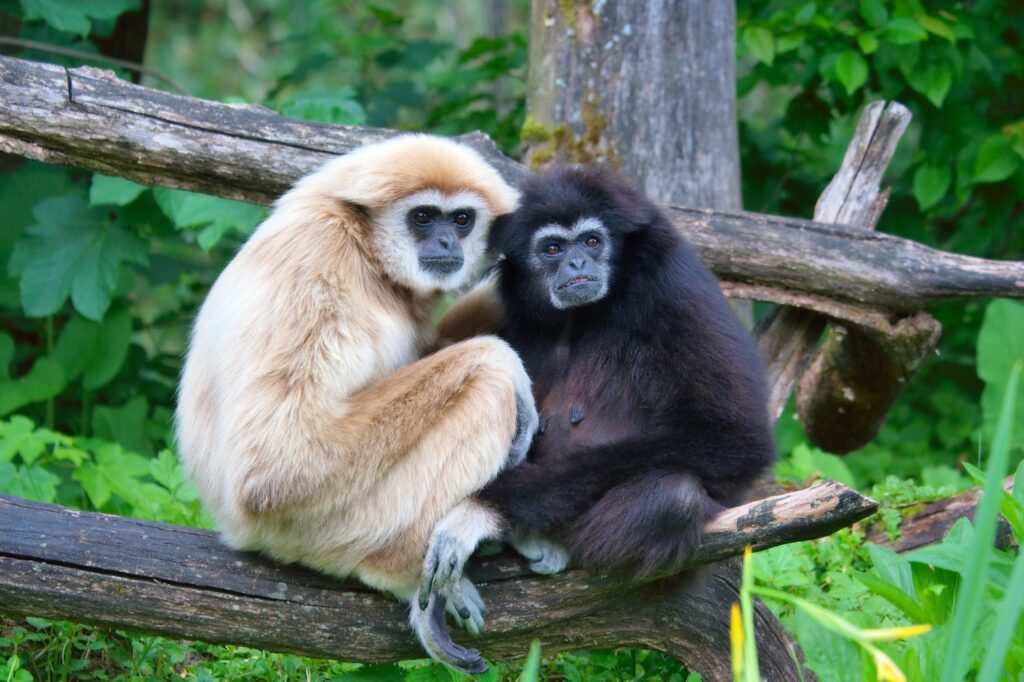
The Hainan gibbon isn’t officially extinct – around 30 individuals survive in a tiny fragment of forest on China’s Hainan Island. But ecologically, plenty of scientists argue it’s already past the point of no return: one hurricane, one disease outbreak, one illegal logging push could wipe it out inside a single season. For years, researchers couldn’t even confirm how many groups existed, relying on dawn calls echoing through misty valleys rather than actual sightings.
If you didn’t know better, you’d file this species under the same tragic category as the ones already declared gone. That’s the point: the Hainan gibbon shows how “extinct” can be more about paperwork than reality. A species can be effectively erased from its ecosystem long before anyone stamps the final label on it, which means plenty of animals labeled “extinct in the wild” or “functionally extinct” still have beating hearts and fragile family groups clinging on somewhere.
#2 – Northern White Rhinoceros
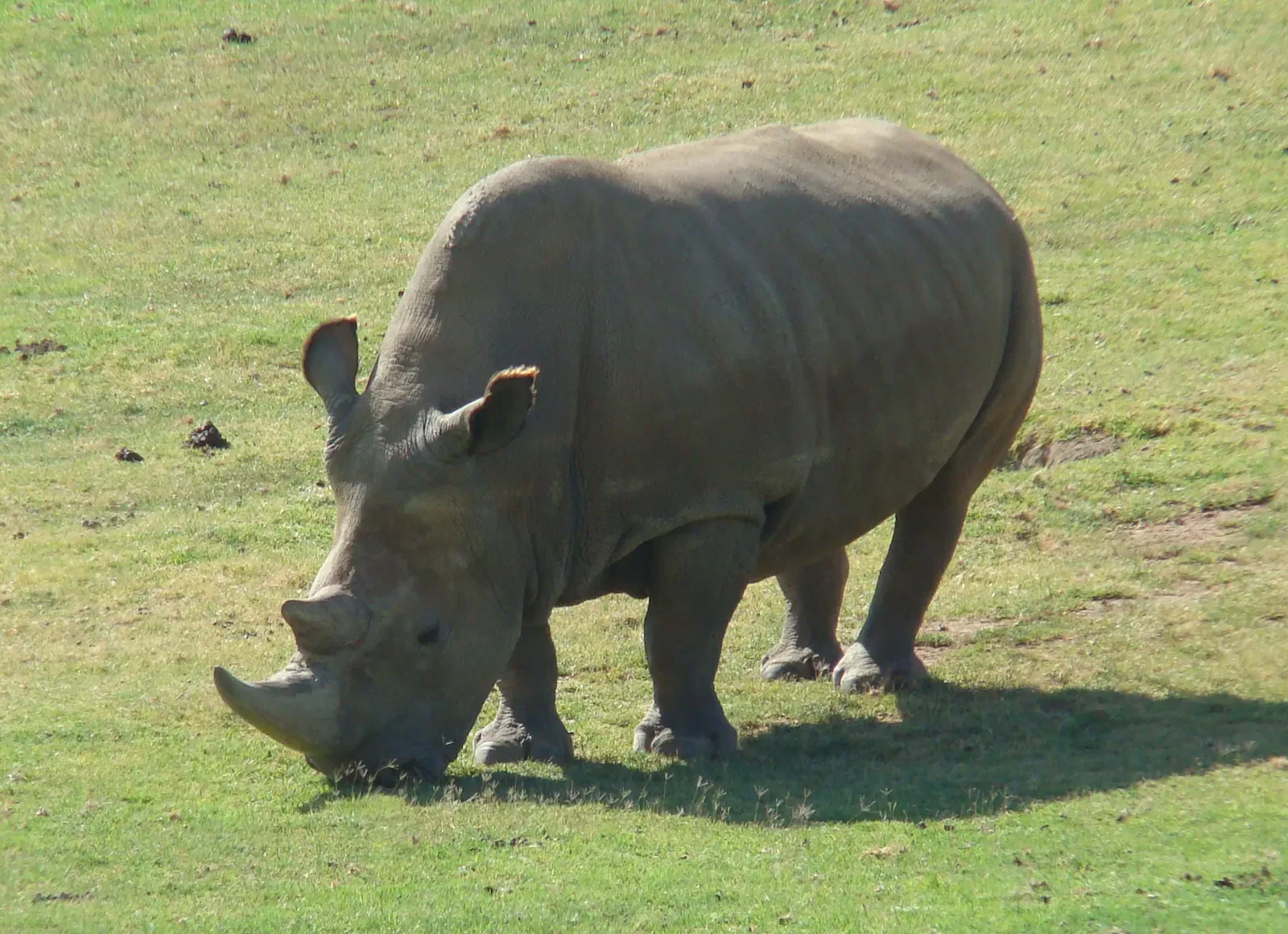
The northern white rhino has become conservation’s grimmest mascot: two elderly females living under armed guard in Kenya, with no surviving males, after decades of poaching and habitat loss. On paper, the subspecies is functionally extinct. But researchers preserved sperm, tissue, and cell lines from deceased males years ago, and they’re now racing to build embryos using advanced IVF and stem-cell techniques – viable embryos already sit frozen in liquid nitrogen, waiting on a surrogate mother, likely a southern white rhino.
This isn’t science fiction anymore. If the program works, northern white calves could be born within years, effectively walking a “dead” lineage back into the world. That raises a brutal question: when exactly do we call something extinct if frozen DNA and lab technology can yank it back? Some biologists argue clinging to an old, binary definition of extinction is outdated; others worry the whole approach becomes an excuse to let wild populations crash on the assumption a lab will fix it later.
#1 – Neanderthals (Extinct Bodies, Surviving Genes)
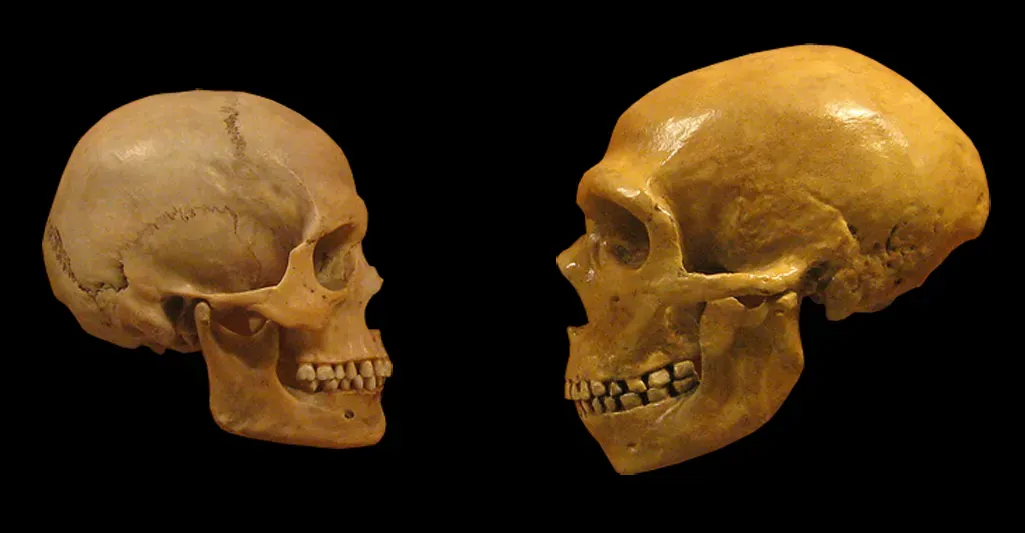
Neanderthals disappeared as a distinct species roughly 40,000 years ago. But when scientists sequenced ancient Neanderthal DNA and compared it against modern humans, they found that most people of European and Asian ancestry carry 1 to 4 percent Neanderthal DNA. “Extinction” here didn’t mean complete erasure – it meant absorption. Neanderthals interbred with Homo sapiens, and their genes slipped quietly into our lineage, where they still shape immune responses, hair, skin, disease risk, and even tendencies toward deep sleep.
That flips the whole extinction script. Instead of a clean vanishing act, this is a genetic merger playing out over tens of thousands of years. Some anthropologists now argue that calling Neanderthals simply “extinct” is misleading, since they’re partially present in millions of living humans right now. If one of our most iconic “lost” relatives lives on in our chromosomes, how many other supposedly extinct lineages left genetic fingerprints we just haven’t traced yet?
Why It Stands Out
- The first full Neanderthal genome was sequenced in 2010, opening the door to this discovery
- The research team behind that breakthrough won the 2022 Nobel Prize in Physiology or Medicine
- Neanderthal-derived genes are linked to immune function, skin tone, and sleep patterns in living people today
- The finding redefined extinction as a spectrum rather than a strict on/off switch
The Bottom Line
Taken together, these cases expose a hard truth: extinction, as most people imagine it, is too tidy for how nature actually works. We’ve declared species extinct only to watch them stroll back into view, mislabeled others that quietly persist in hybrid form, and let “alive” lineages dwindle into ghost populations one storm away from oblivion.
The evidence doesn’t say every rumored survivor is real – it says we’re far more confident than our data actually justifies. In remote forests, deep oceans, and even our own DNA, supposedly vanished creatures keep leaving traces that refuse to fit neat categories.
My honest take? Science should be a lot more comfortable saying “we don’t know” instead of rushing to file a species under “gone forever.” Some “extinct” animals probably are still out there, and some “living” ones are already gone in everything but name – and pretending otherwise just makes it easier to stop looking.
Did we miss a creature you’re convinced is still out there? Make your case in the comments.