
Everyone loves to joke that ancient builders got lucky – stacked some rocks, said a prayer, and hoped for the best. Then a structural engineer actually runs the numbers on a 1,900-year-old dome or a mountain-top drainage system, and the joke stops being funny.
Some of these builds shouldn’t have survived a single earthquake, let alone two millennia. Yet they’re still standing, still baffling the people who design our “advanced” skyscrapers today, and still refusing to give up their secrets easily. Here are 12 feats that make modern architects go quiet.
#12 – The Roman Pantheon’s Perfect Concrete Dome
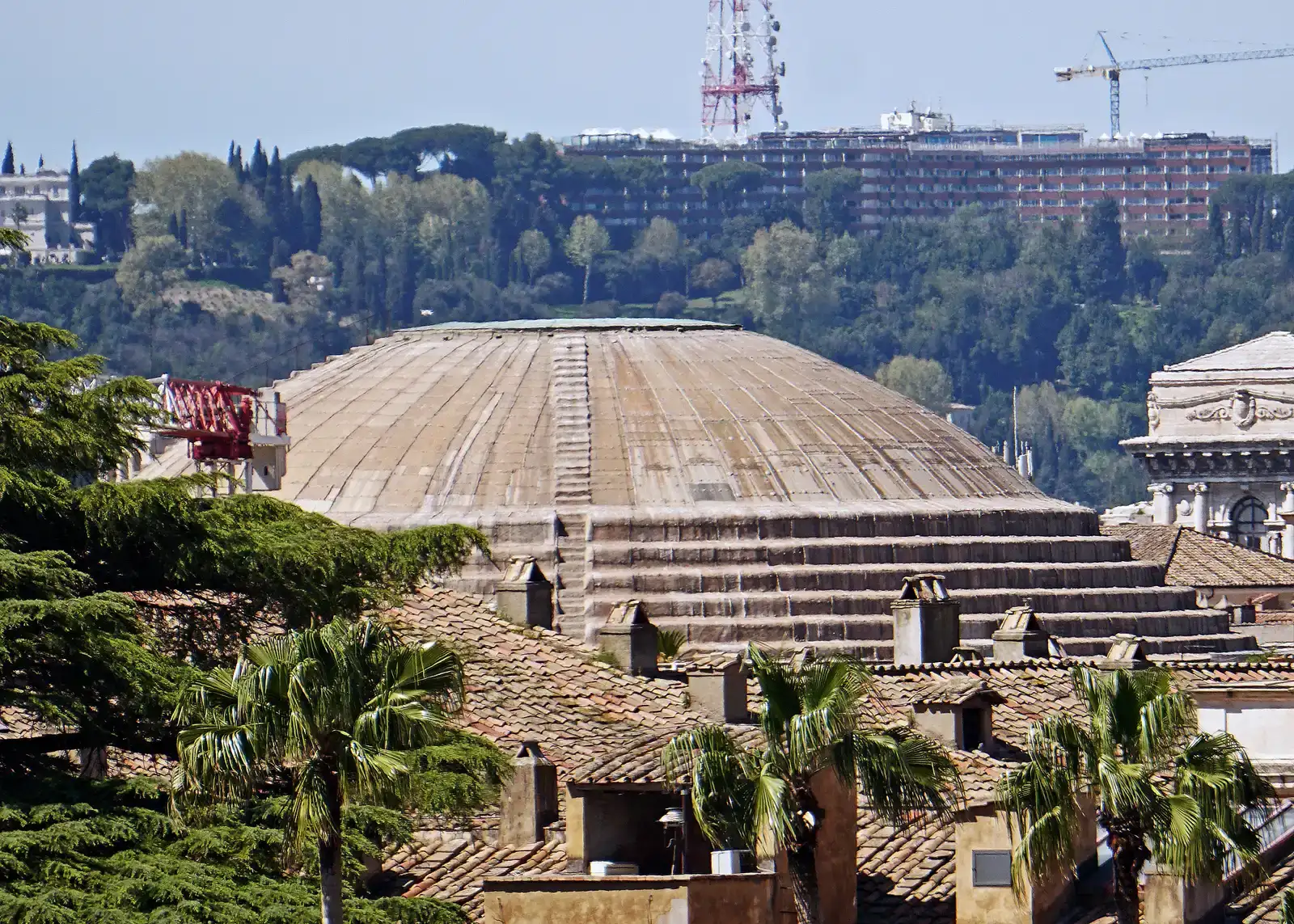
By every reasonable expectation, the Pantheon’s dome should be rubble by now. It’s 143 feet wide, completely unreinforced, and has zero steel holding it together – yet it’s survived earthquakes, pollution, and centuries of tourists tramping underneath it. The trick wasn’t just clever arch design. Roman engineers actually changed their concrete mix as they built upward, using lighter volcanic aggregate near the top to reduce stress on the structure below, like building an eggshell that gets thinner exactly where it needs to.
Lab tests have found something even stranger: this ancient concrete can self-heal tiny cracks over time, a trick our modern Portland cement simply doesn’t do. Architects can now map the load paths and compressive forces mathematically, but what still gets under their skin is the consistency. No modern quality control, no computer modeling, and yet batch after batch performed exactly as needed. It’s part material science, part geometry, and part something we still can’t fully replicate.
Fast Facts
- Dome diameter: 143 feet – still the world’s largest unreinforced concrete dome
- Completed under Emperor Hadrian in the early 2nd century CE
- The 27-foot oculus at the top is the only source of natural light
- Concrete aggregate shifts from heavy basalt at the base to light pumice near the top
#11 – The Antikythera Mechanism’s Microscopic Precision
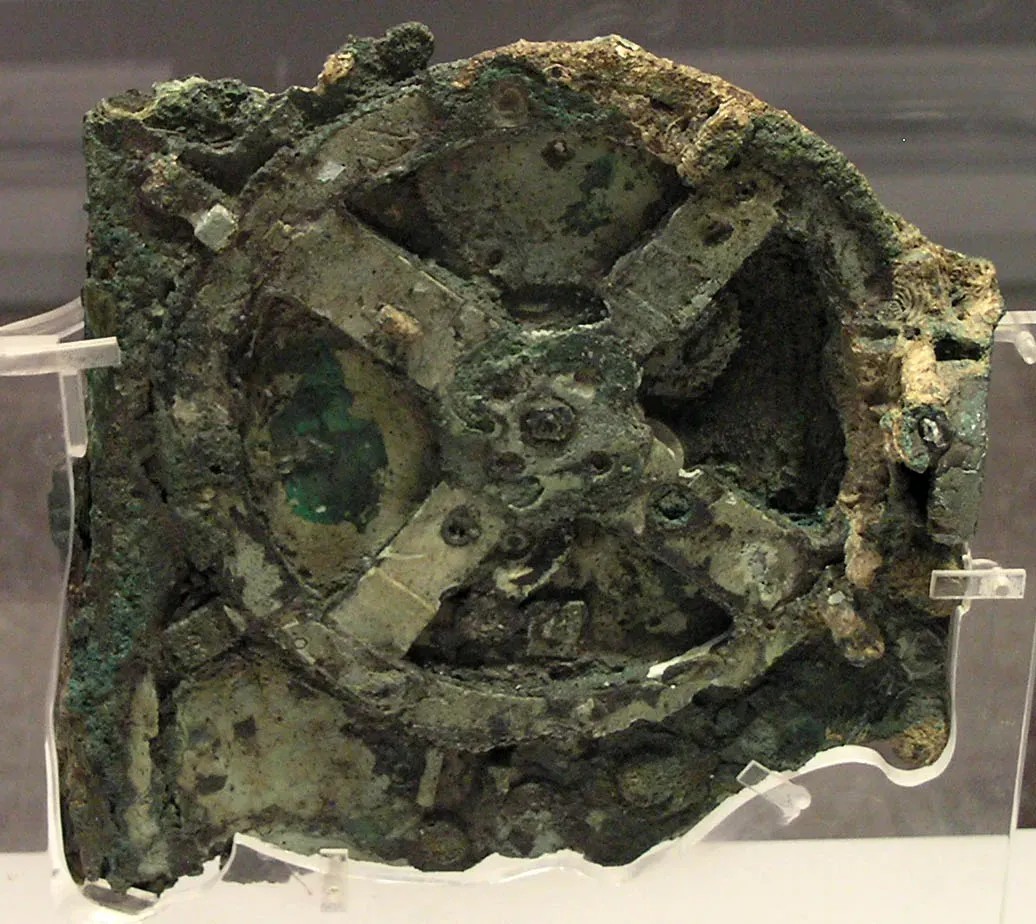
Calling it “the world’s first computer” almost undersells how unsettling this object is. Pulled from a shipwreck dating to the 1st century BCE, this corroded bronze box hides dozens of interlocking gears capable of tracking the Sun, the Moon, and possibly the planets – complete with eclipse predictions. CT scans revealed gear teeth cut with a precision that wouldn’t look out of place in 19th-century clockwork, made with tools nobody has fully reverse-engineered.
Modern machinists can rebuild it using lathes and CNC machines. Ancient Greek artisans apparently did it with hand tools, patience, and geometry alone. What really unsettles historians is that nothing else like it has ever been found from that era – no earlier prototypes, no obvious successors. Either there was a lost workshop tradition that vanished completely, or one genius pulled off something nobody else could repeat.
#10 – Machu Picchu’s “Lego-Lock” Stonework and Drainage
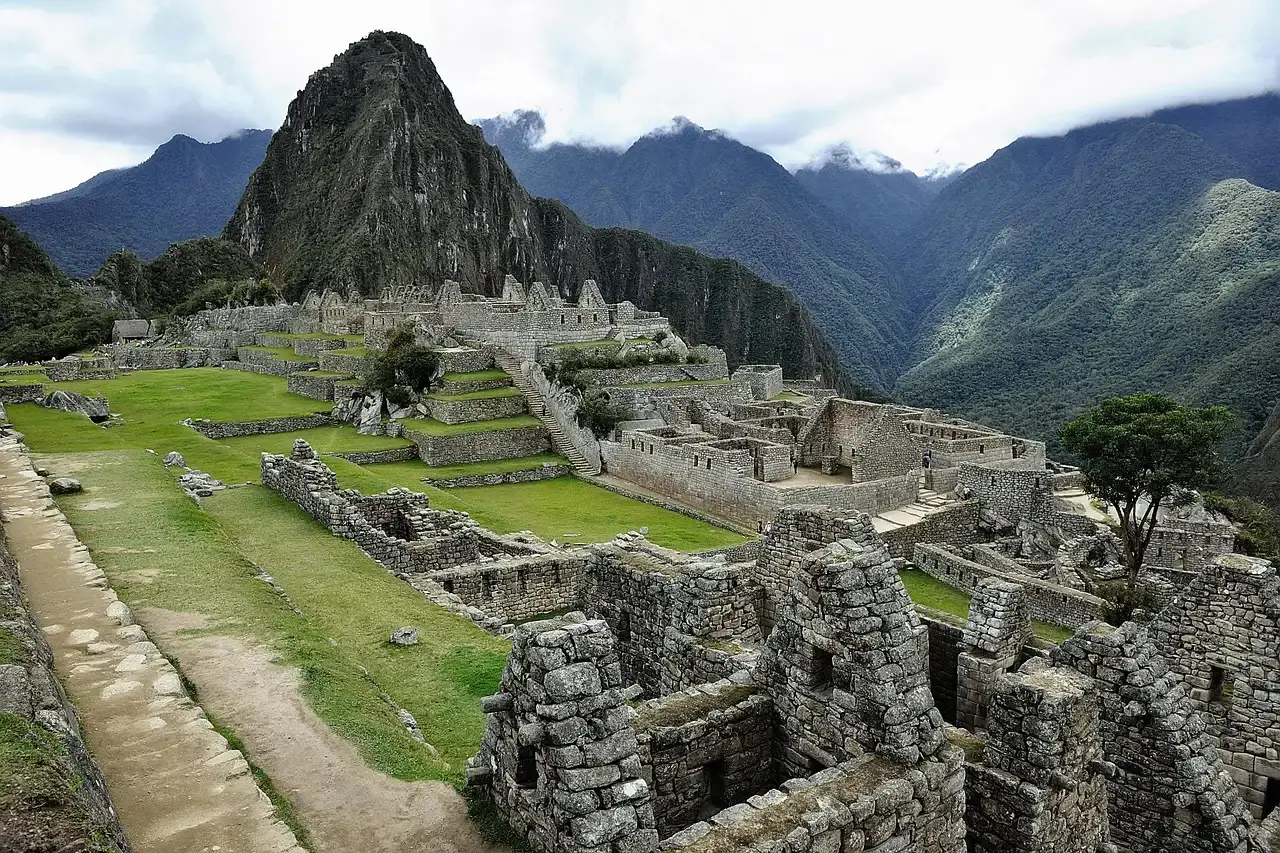
Tourists come for the views. Civil engineers can’t stop staring at what’s underneath their feet. The Incas cut and fitted stones so precisely that you genuinely cannot slide a razor blade between many of the joints – and they did it without a drop of mortar. These interlocking faces let the walls flex during earthquakes instead of cracking apart, a seismic trick structural engineers are still studying for modern buildings.
Even more infuriating to modern architects is what you can’t see at all: the drainage. Machu Picchu sits in a region famous for brutal rainfall and landslides, yet its terraces have survived for centuries with barely any structural failure. Beneath the surface, layered gravel, sand, and stone quietly move water away from the slopes before it can do damage. We can model this system today with software – what nobody can fully explain is how the Incas mapped groundwater flow on a mountaintop without any of our modern tools.
#9 – The Long-Span Stone Vault of the Great Mosque of Córdoba
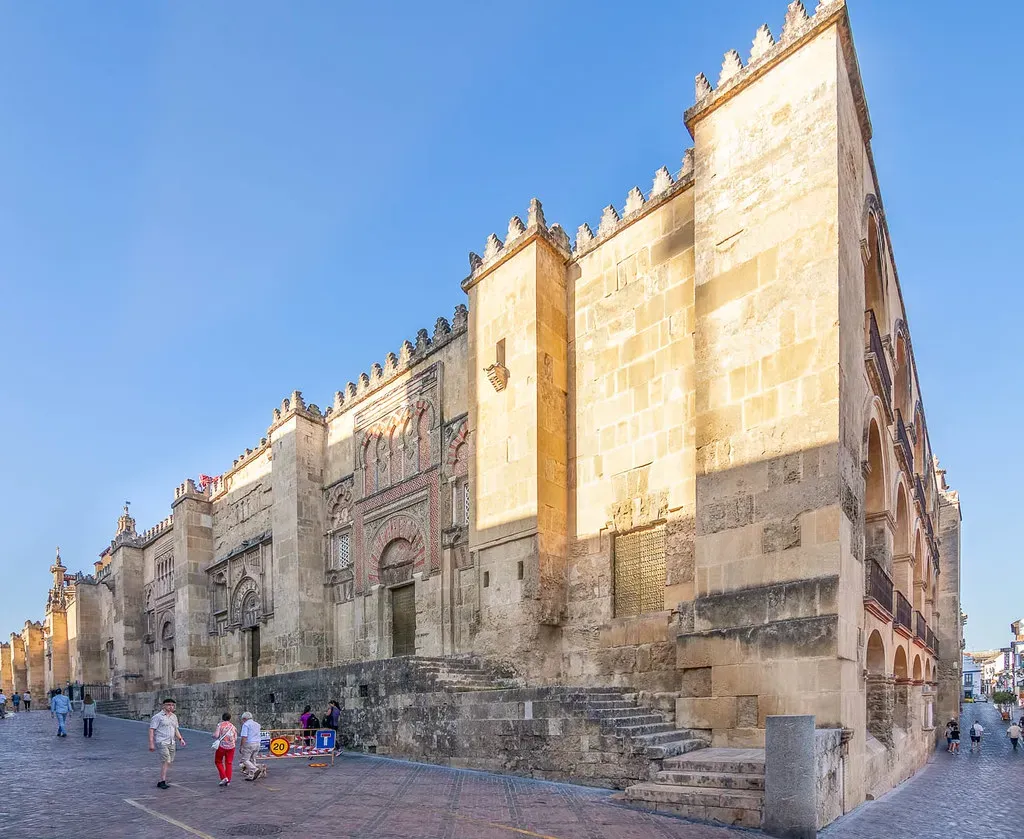
Most visitors see Córdoba’s forest of red-and-white arches and reach for their camera. Structural engineers see something closer to a controlled disaster that somehow never happens. The hypostyle hall stacks double-tiered arches on reused Roman columns to create a vast open space, redistributing loads in ways that don’t line up neatly with textbook formulas. Shift the height or thrust of just a few arches and the whole balance could theoretically collapse.
Modern architects can simulate the forces in 3D software now, but they still can’t explain how medieval builders – with no calculus, no finite-element analysis – landed on such a stable configuration in the first place. It looks like they “tuned” the structure by trial and error: adjusting heights, thicknesses, and materials until it simply worked. Some restoration engineers have quietly admitted that if this project came across their desk today, they’d default to steel rather than trust stone to do what it’s already been doing for over a thousand years.
#8 – Angkor Wat’s Floating Foundations and Perfect Symmetry

Angkor Wat isn’t just a giant temple – it’s a hydrological machine wearing spiritual architecture as a disguise. Built in 12th-century Cambodia on soil that should have swallowed it whole, the temple somehow doesn’t sink, tilt, or shear the way modern buildings do when their foundations fail. Archaeologists now believe Khmer engineers effectively floated the structure on a carefully tuned system of sand, laterite, and moats that manage groundwater like a pressure valve.
Then there’s the symmetry. Across more than 500 acres, the walls, towers, and causeways stay remarkably straight and proportional – achieved without lasers, GPS, or anything close to modern surveying tools. Satellite imaging suggests the whole complex ties into a larger network of reservoirs and canals designed to balance seasonal floods and droughts. We can build taller today. Very few projects manage to weave architecture, landscape, and hydrology together this seamlessly, and even fewer do it with this kind of staying power.
#7 – The Underground Cooling of Iran’s Ancient Yakhchāls
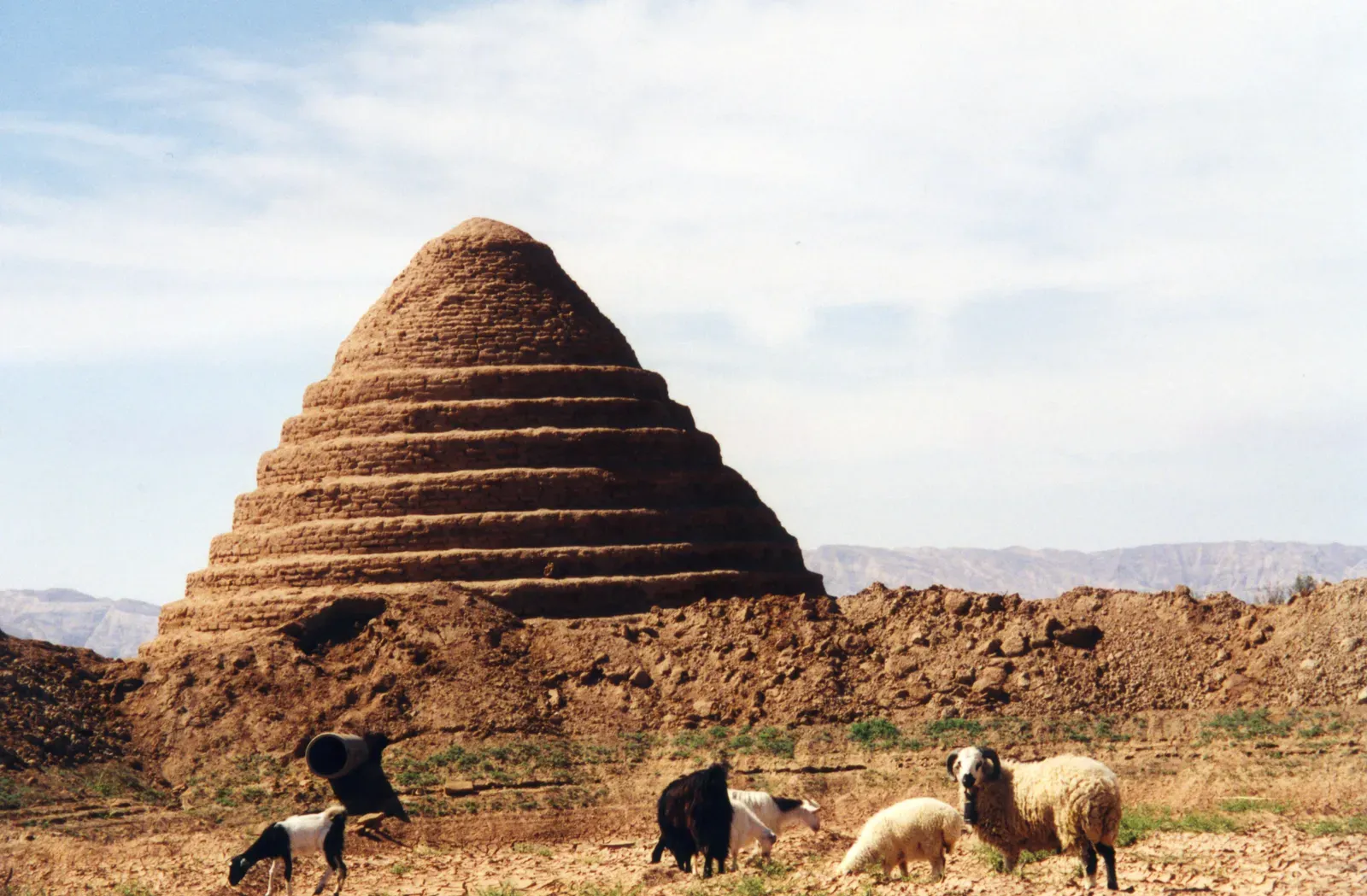
Air conditioning feels like a distinctly modern miracle – until you learn Persian engineers were already making ice in the desert centuries ago. Yakhchāls, those massive beehive-shaped mudbrick towers, stored ice and food in climates that regularly cooked everything else. The secret was a mix of evaporative cooling, thick earthen insulation, and walls oriented specifically to dodge the sun and catch prevailing winds.
Underneath many yakhchāls sits a pit and sometimes a qanat, a gently sloping underground water channel. Hot air rises and escapes through vents, dragging cooler air in over damp surfaces to keep temperatures low. Modern passive-house designers openly borrow these principles today, yet the exact performance numbers are still debated – there are simply too many interacting variables like wind speed, humidity, and wall moisture to model perfectly. For all our HVAC technology, matching their energy efficiency at scale still isn’t easy.
#6 – The Inca Road System’s Durability Across Brutal Terrain
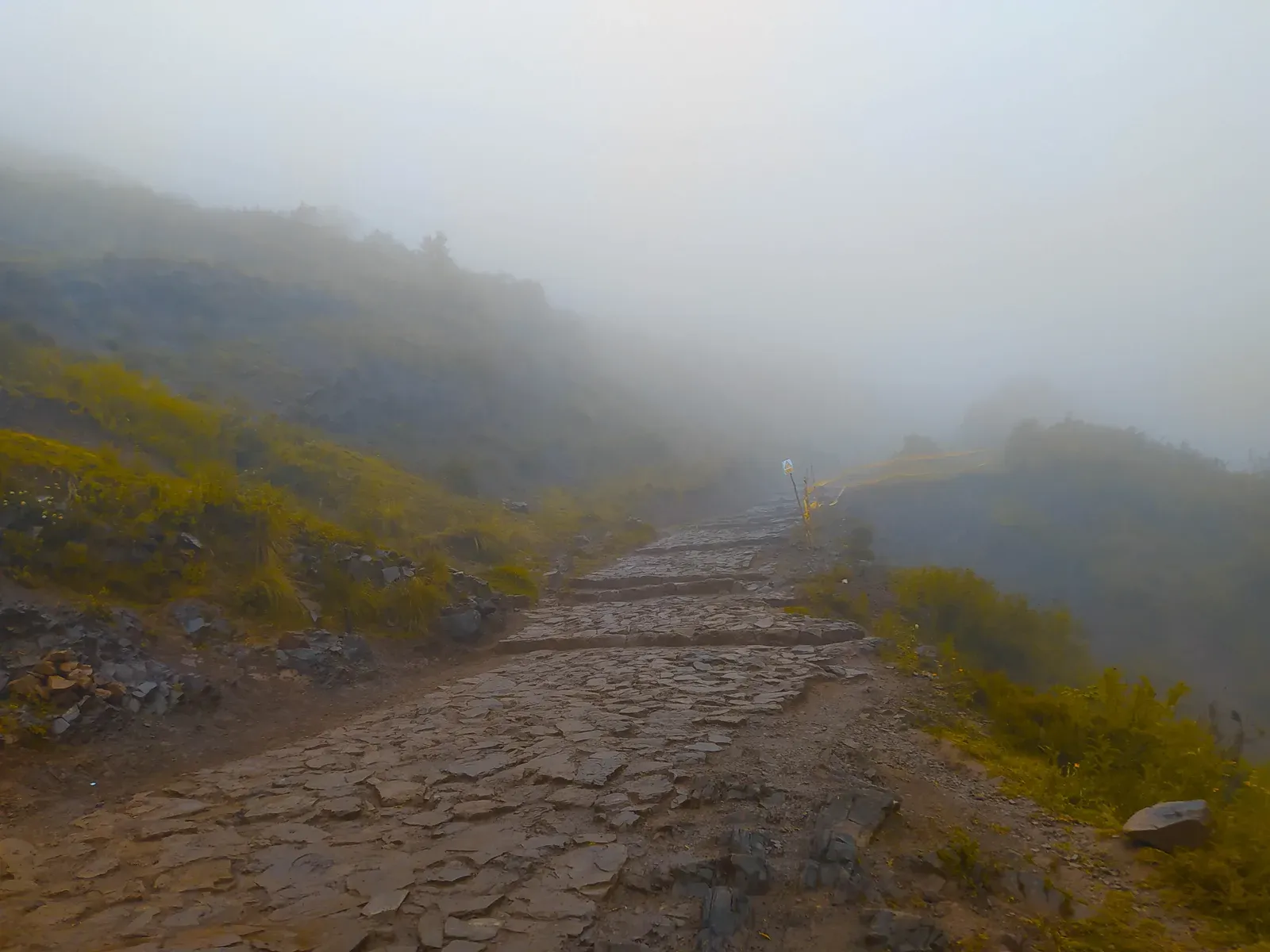
Modern highways crack and need repaving every few years. The Inca road system, stretching an estimated 20,000-plus miles across the Andes, rainforest, and desert, still functions today in sections without a single drop of asphalt, steel, or expansion joint. The real challenge wasn’t just distance – it was terrain that would make any modern contractor quit on the spot. Builders carved routes into cliff faces, strung rope bridges across gorges, and threaded paths through avalanche-prone slopes.
They layered compacted earth, gravel, and stone to create built-in drainage and flexibility, and avoided straight lines that invite erosion in favor of switchbacks that hug the landscape. Some modern transportation engineers argue this network is functionally more resilient than mountain roads being built right now, ones that still get wiped out by landslides. What genuinely stumps experts isn’t any single technique – it’s the consistency across thousands of miles, achieved with no centralized machinery and no written blueprints.
At a Glance
- Network spans an estimated 20,000+ miles across four modern countries
- Routes range from sea level to elevations above 16,000 feet
- Built entirely without wheeled carts or draft animals for hauling
- Included rope suspension bridges crossing deep Andean gorges
#5 – The Nasca Puquios: Spiraling Wind-Powered Water Systems
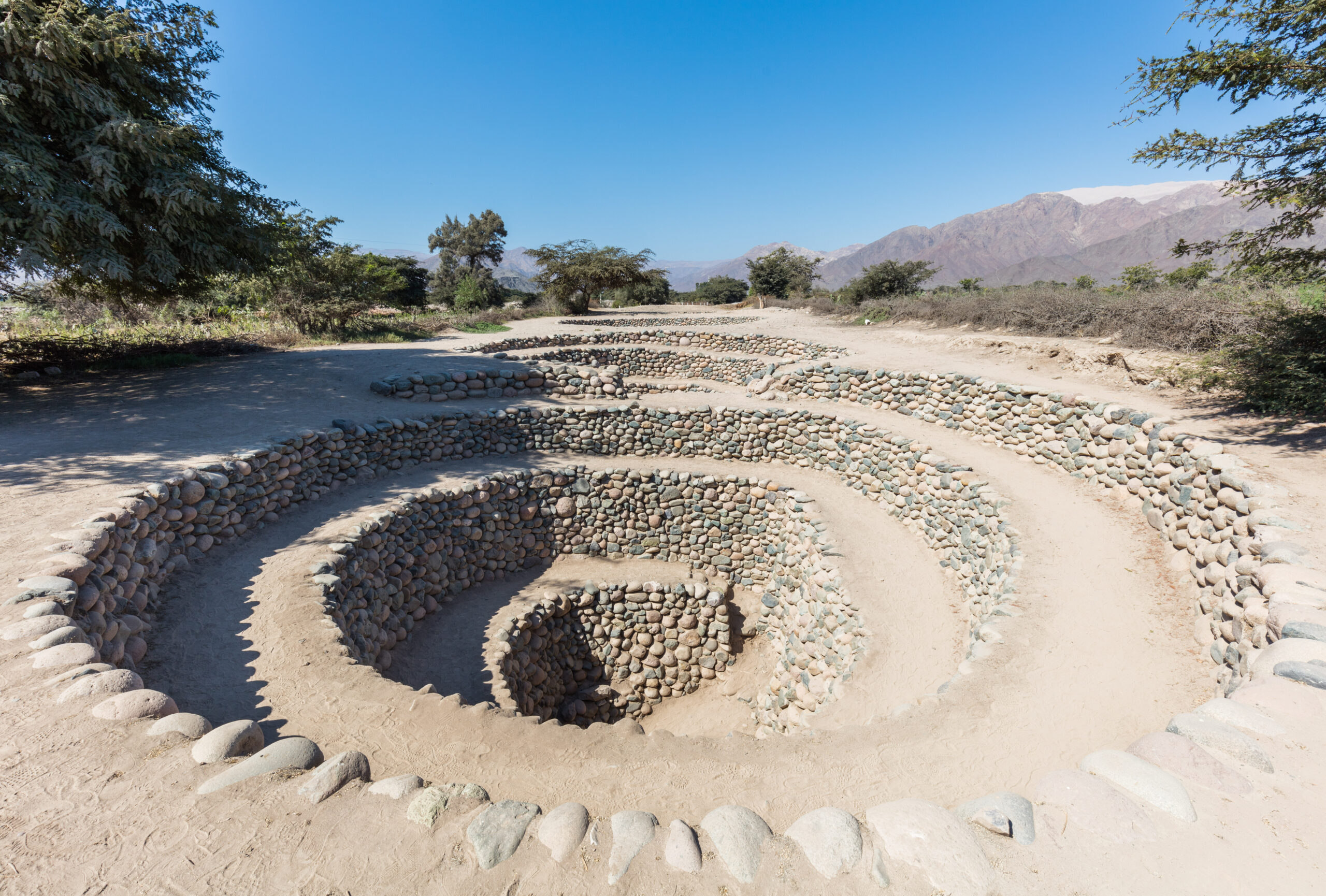
From above, Peru’s puquios look like decorative stone spirals scattered across the desert. On the ground, they’re part of a shockingly sophisticated water system that kept one of the driest places on Earth livable. The Nasca dug underground aqueducts and connected them to helical funnels that appear to harness wind pressure, pushing air into the channels to boost flow and oxygenation – essentially low-tech ventilation for buried pipelines.
Hydrologists still argue about the exact mechanics. Some think the spirals were mainly built for maintenance access, while others point to their shape and orientation as evidence they were designed to enhance airflow and cut down on sediment buildup. What nobody disputes is that the system worked for centuries, moving groundwater with zero pumps and zero electricity through terrain that still defeats modern irrigation projects. We can approximate the physics in a lab. Reconstructing how they decided where to dig, how deep, and at what angle remains a mystery.
#4 – The Baalbek Trilithon’s 800-Ton Stones
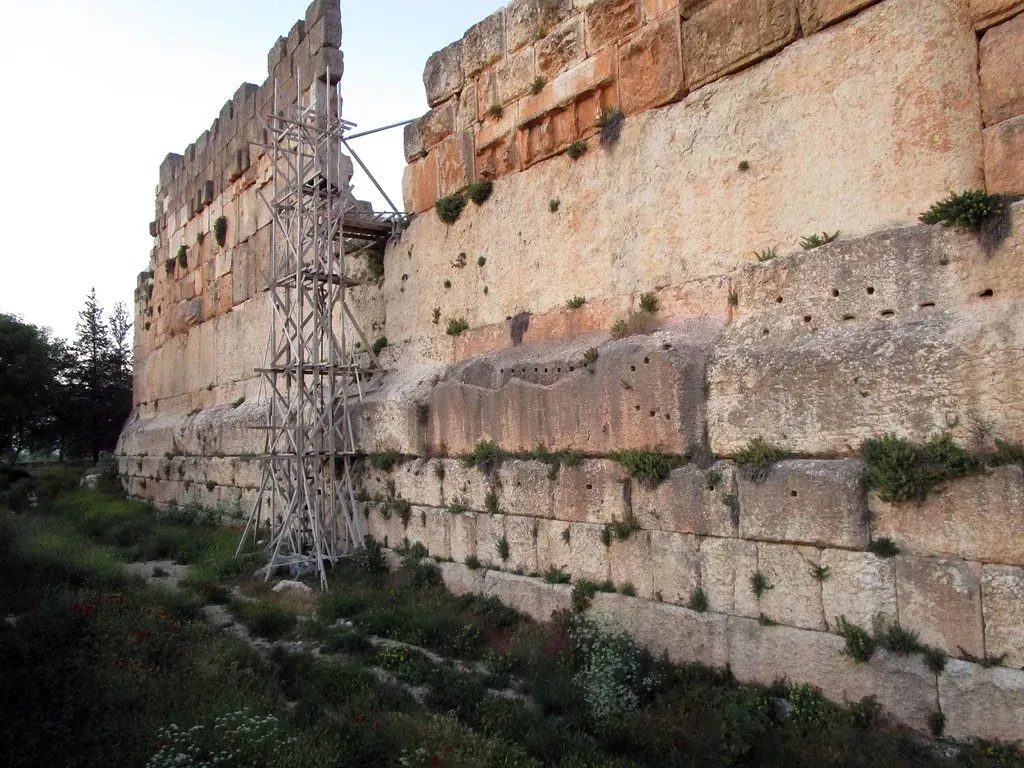
Modern cranes can lift 800-ton blocks, but not easily, and definitely not everywhere. At Baalbek in Lebanon, three colossal stone blocks – each weighing roughly 800 tons – sit precisely aligned in a podium wall, with even larger stones still sitting abandoned in the quarry nearby. The real head-scratcher isn’t whether moving something this heavy is possible. It’s how an ancient workforce moved, positioned, and leveled them this cleanly using the tools available at the time.
Engineers point to combinations of earthen ramps, rollers, levers, and lubricants like oil or wet clay, but the slopes and turning radii required are far from trivial, especially on uneven ground. Some quarry stones were left abandoned mid-process, hinting that even the ancient builders were pushing the limits of what was logistically possible. Architects today can simulate the forces involved, and many quietly admit that under modern safety codes and equipment limits, they’d redesign the whole thing with smaller blocks. The decision to go this big in the first place is almost as puzzling as the method itself.
Worth Knowing
- Each of the three trilithon stones weighs an estimated 800 tons
- A nearby unfinished quarry block, the “Stone of the Pregnant Woman,” is estimated near 1,000 tons
- The podium wall sits several meters above ground level, adding to the lift challenge
- No surviving historical record explains exactly how the stones were transported
#3 – The Stepwells of India: Art, Structure, and Climate Design
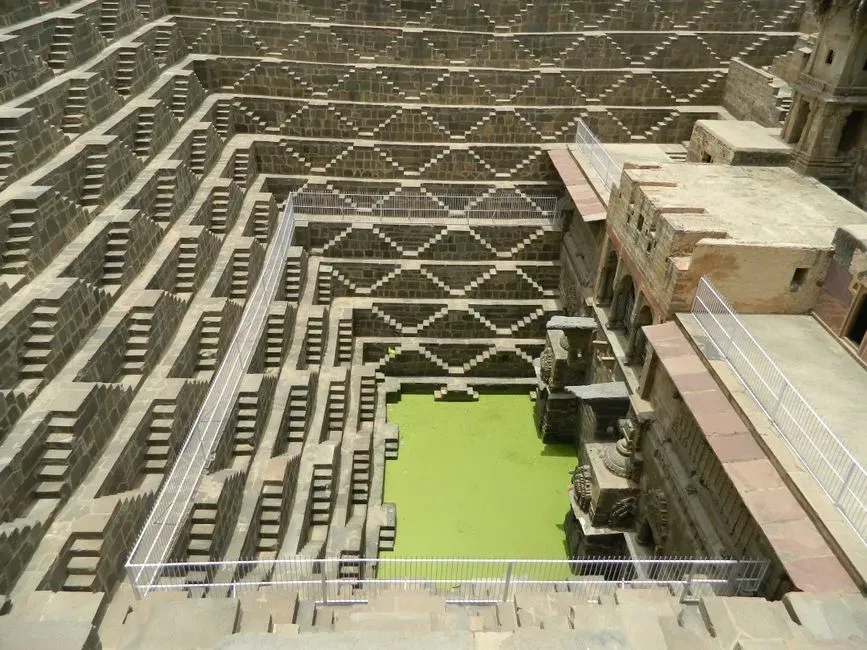
Most people see India’s stepwells, like Rani ki Vav or Chand Baori, as gorgeous photo backdrops. Structural and environmental engineers see something closer to a triple threat: foundation engineering, water management, and climate control combined in a single build. These inverted temples plunge dozens of meters into the ground, with stairs, columns, and landings that support enormous soil pressure while resisting both collapse and water seepage.
By cutting deep into the earth, these wells reach stable groundwater and create genuinely cool refuges in brutal heat – temperature can drop noticeably as you descend, thanks to shade, thermal mass, and evaporative cooling. The tiered steps aren’t just decorative either; they distribute structural loads and allow maintenance access at different water levels. Modern architects love to talk about “integrating landscape and structure.” These builders were already doing it centuries ago with nothing but chisels and geometry, and we still don’t fully understand how they modeled long-term slope stability without any formal geotechnical theory.
#2 – Göbekli Tepe’s Megaliths Without “Practice”
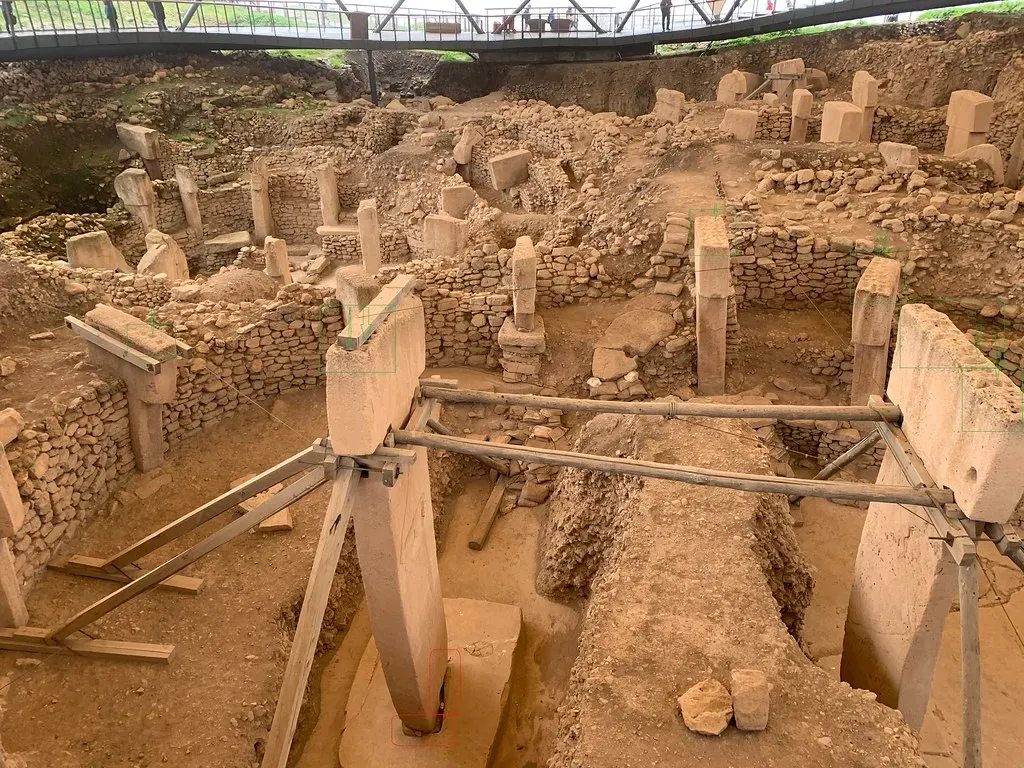
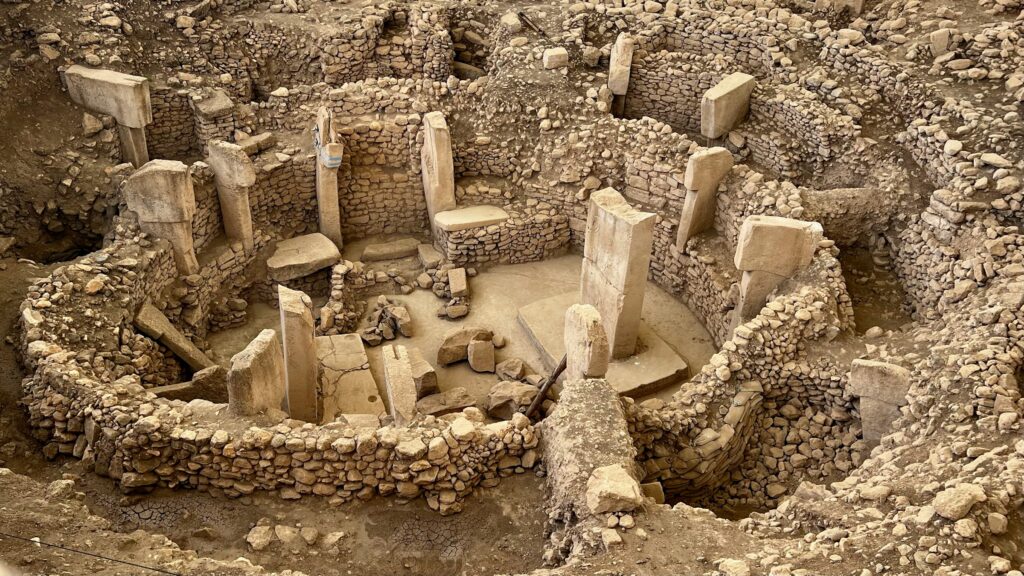
Göbekli Tepe, in modern-day Turkey, has a nasty habit of ruining tidy timelines. Built roughly 11,000 to 12,000 years ago – long before cities, writing, or agriculture as we know it – it features huge T-shaped limestone pillars, some weighing over 15 to 20 tons, arranged in circular enclosures covered in carved reliefs. The construction isn’t as visually polished as later temples, and that’s exactly the problem: this level of megalithic engineering shows up with no obvious trail of smaller, simpler practice builds before it.
Moving, erecting, and stabilizing stones this large requires at least an empirical grasp of leverage, center of gravity, and soil behavior. Yet there’s no clear progression of gradually bigger projects leading up to it – it just appears, fully formed. For most architects, the real question isn’t aliens. It’s organization: how did small, pre-agricultural groups pull off the labor coordination and knowledge transfer needed for something this ambitious, with foundations set in carefully prepared sockets that show stability techniques we assumed arrived thousands of years later.
#1 – The Great Pyramid’s Alignment and Internal Engineering
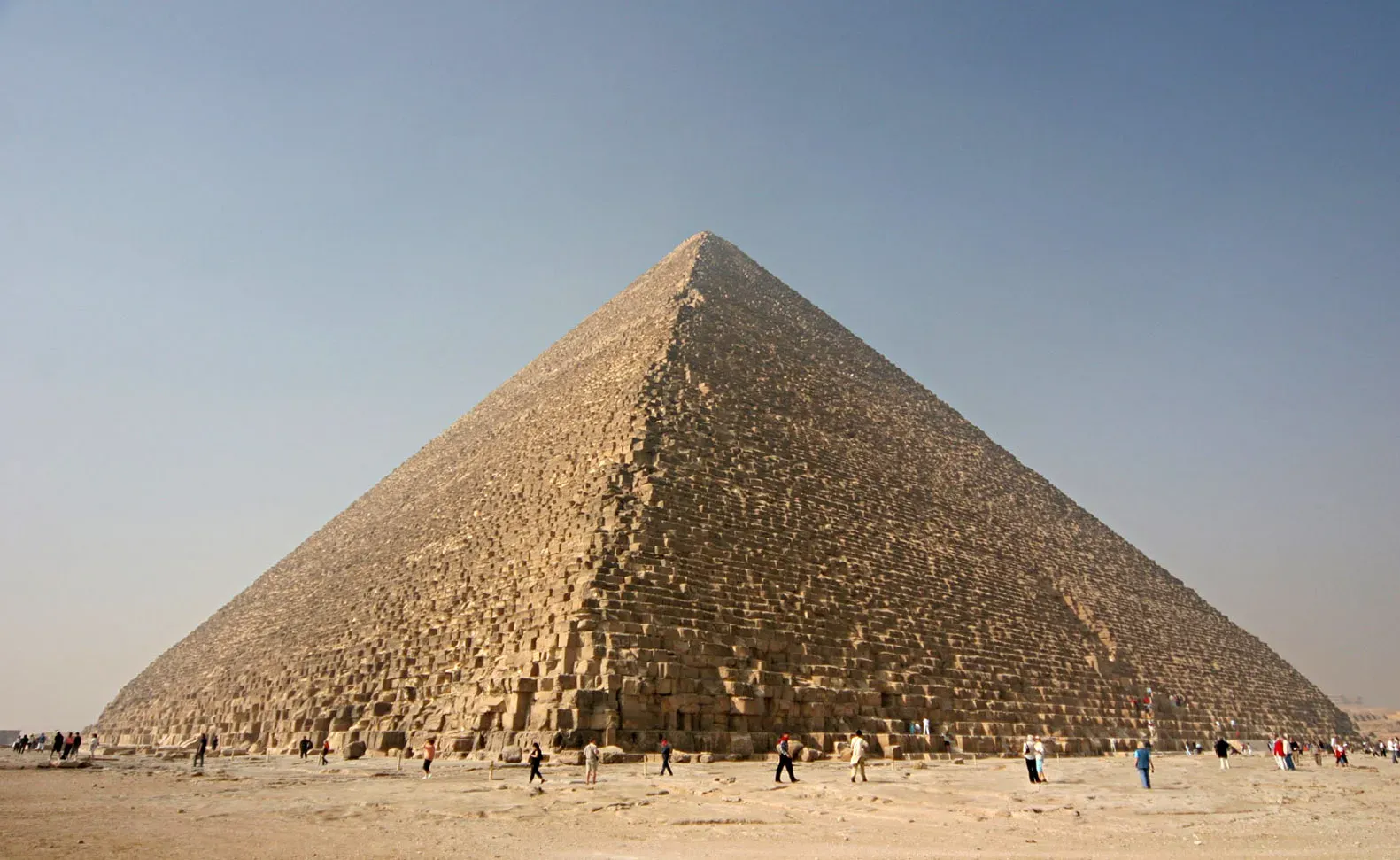
The Great Pyramid has been hyped into background noise at this point, which makes it easy to forget how genuinely strange some of its details are. The base is nearly a perfect square, accurate to within a few centimeters over roughly 230 meters per side. Its orientation to true north is off by only a few arc minutes – more precise than plenty of buildings constructed in the 1800s – achieved with nothing but ropes, sighting tools, and the night sky.
Inside, the King’s Chamber uses massive granite blocks with “relieving chambers” stacked above them to redistribute the weight of millions of tons of masonry pressing down from above – advanced load-path management with zero modern mechanics behind it. Combine that with the precision of the internal passages, the use of bedrock as a foundation, and the sheer logistics of cutting, transporting, and placing roughly 2.3 million blocks in a matter of decades, and you get a package that still provokes genuine professional envy. Most Egyptologists and engineers agree it was clever, iterative human engineering, not magic. The uncomfortable part is admitting just how far that ingenuity got without steel, engines, or calculus.
Why It Stands Out
- Base sides run roughly 230 meters long with deviation of only a few centimeters
- Orientation to true north is off by mere arc minutes
- Constructed from an estimated 2.3 million individual stone blocks
- Internal “relieving chambers” redistribute millions of tons of overhead weight
The Bottom Line
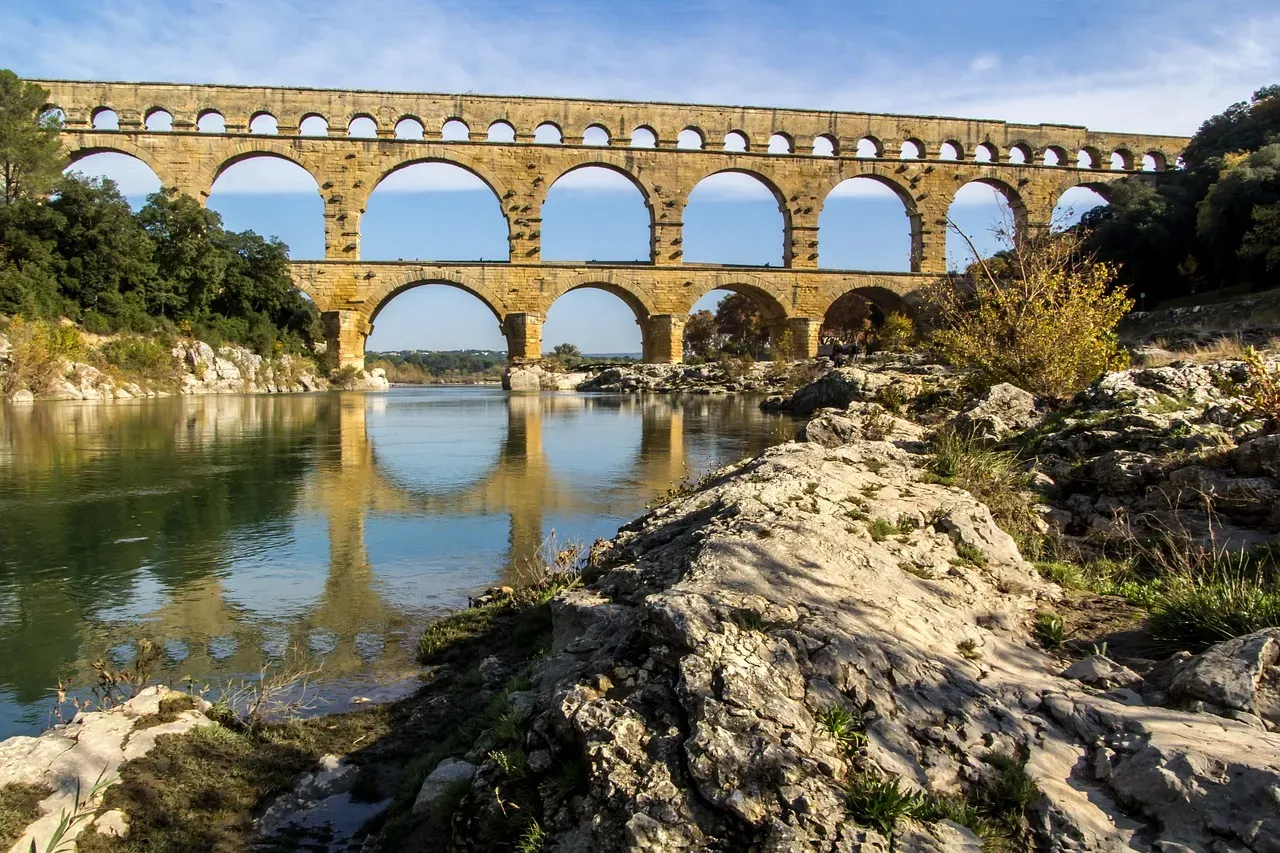
Ancient engineers weren’t primitive people who got lucky with a few guesses. They were relentless tinkerers, working at the absolute edge of what stone, soil, water, and human muscle could handle, and somehow winning more often than they should have. The Pantheon’s self-healing concrete, Machu Picchu’s invisible drainage, Baalbek’s absurdly oversized megaliths, and the Great Pyramid’s unforgiving alignment all point to the same uncomfortable conclusion: we’ve underestimated both their math and their management.
Modern architects can usually explain these feats after the fact. Reproducing them under today’s budgets, safety codes, and risk tolerance is a completely different story, no matter what a viral video might imply. Personally, I don’t think the real mystery is how they moved the stones. I think the real mystery is why we’ve spent so long insisting they couldn’t have.
Did we skip a feat that deserves a spot on this list? Argue your case in the comments – I’m genuinely curious what we missed.