
Ask someone to picture ancient cave art and they’ll probably describe stick figures, handprints, maybe a bison with too many legs. What they won’t picture is a domed shape hovering over carved warriors, or a bulbous-headed giant that appears to lift a smaller human clean off the ground. Those images exist. They were carved and painted thousands of years before anyone had a word for ‘aircraft,’ let alone ‘astronaut.’
Fringe websites will tell you this is proof of ancient visitors from space. Actual archaeologists tell you something almost stranger: a small stack of these panels remains genuinely unsolved, debated in academic journals, and occasionally impossible to fully explain even now. Here are 14 of the strangest images ever pressed into stone, and what happens when real science tries to make sense of them.
#14 – The “Spaceship” of Val Camonica, Italy
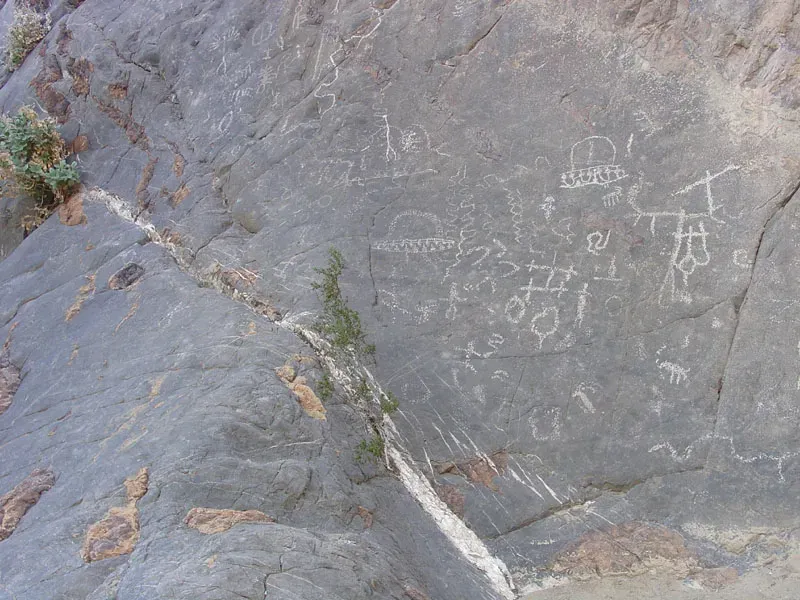
Val Camonica in northern Italy holds one of Europe’s largest collections of prehistoric rock art, thousands of engravings stretching from the Neolithic into the Iron Age. Buried among the warriors, deer, and farming scenes is a small cluster of carvings that show a helmeted figure standing beneath a domed, disc-shaped form with lines radiating downward. Modern viewers see it instantly: a hovering craft, complete with a pilot underneath.
Archaeologists have offered calmer explanations, a stylized hut, a solar symbol, an abstract mark of status, but none of them fit every version of the motif perfectly. That gap is where the mystery lives. Even researchers who reject the alien theory admit the resemblance in a few specific panels is, in their own words, uncanny.
Fast Facts
- Val Camonica became the first Italian site to be recognized as a UNESCO World Heritage Site, in 1979.
- UNESCO initially recognized over 140,000 figures, and new discoveries have brought the total to about 200,000, if not 300,000.
- The oldest ascertained signs in Valcamonica are attributed to the Epipaleolithic period, around the 7th millennium BC, with carving continuing into the Iron Age and beyond.
- The engravings are cataloged across more than 180 places and locations, in an area that includes 24 municipalities.
#13 – The Helmeted Wandjina Spirits of Australia
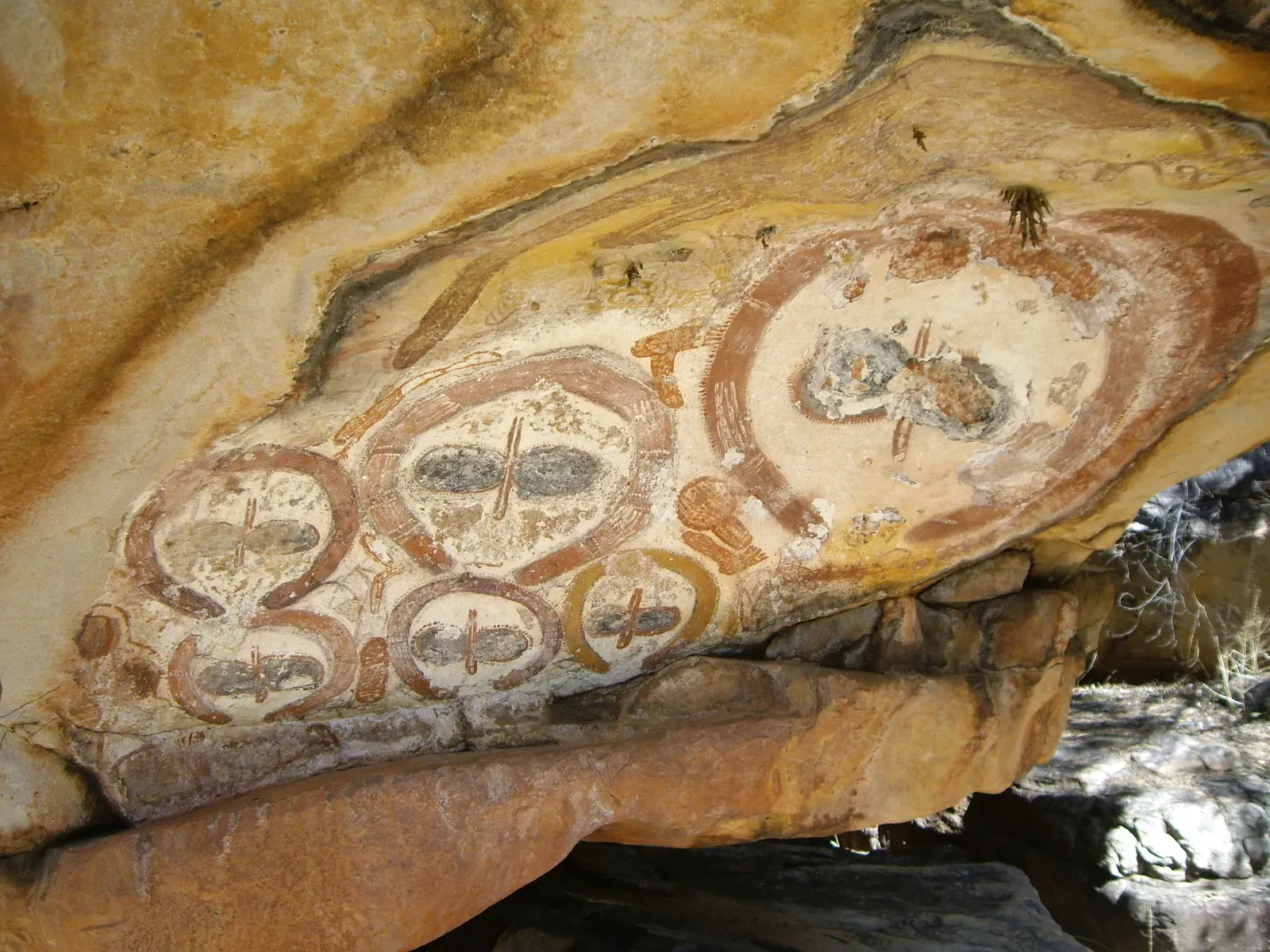
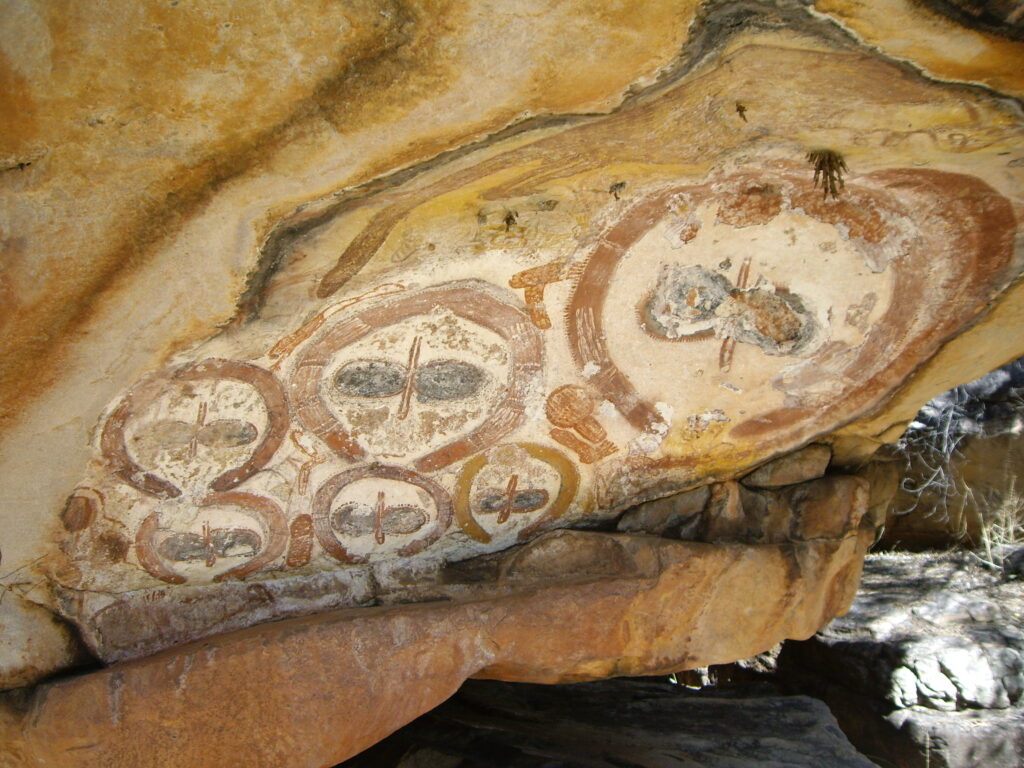
The Wandjina figures of the Kimberley region are some of the most striking beings in world rock art: huge round faces, no mouths, and haloes or radiating lines circling their heads. To the Indigenous custodians who still repaint them today, Wandjina are ancestral cloud and rain spirits, not visitors from anywhere. That context matters more than any internet theory.
Even so, the visual collision is hard to shake off. The smooth, helmet-shaped heads, the wide “visor” eyes, and the glowing halo look disturbingly like a life-support ring to eyes raised on science fiction. What makes it genuinely strange isn’t that a spaceship is hiding in the rock, it’s that a culture with zero concept of space travel produced an image that fits the shape so precisely anyway.
#12 – The Floating “Round-Head” Giants of the Sahara
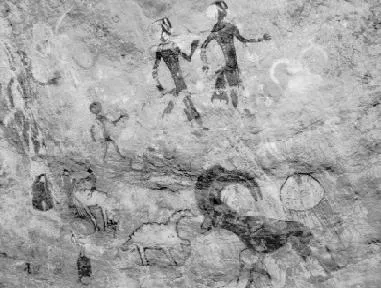
Deep in Algeria’s Tassili n’Ajjer plateau, rock shelters hold towering, featureless figures known as the Round-Head paintings, some of the oldest and eeriest art on Earth. These beings have bulbous heads and bodies that sometimes appear to float above the ground entirely. A few scenes even show smaller humans being lifted or guided by these enormous figures, images that conspiracy sites have gleefully rebranded as abduction art.
This art dates to a time when the Sahara was green, lush with lakes and grassland, long before anything resembling written history. The mainstream reading is that these are trance or ritual scenes, possibly visions from shamanic practice, with the oversized heads representing altered states of consciousness rather than alien anatomy. The problem is that we have no complete symbolic dictionary for the people who made them, so nobody can rule the stranger reading out completely.
#11 – Val Camonica’s Second Mystery: The Bubble-Helmet Warrior
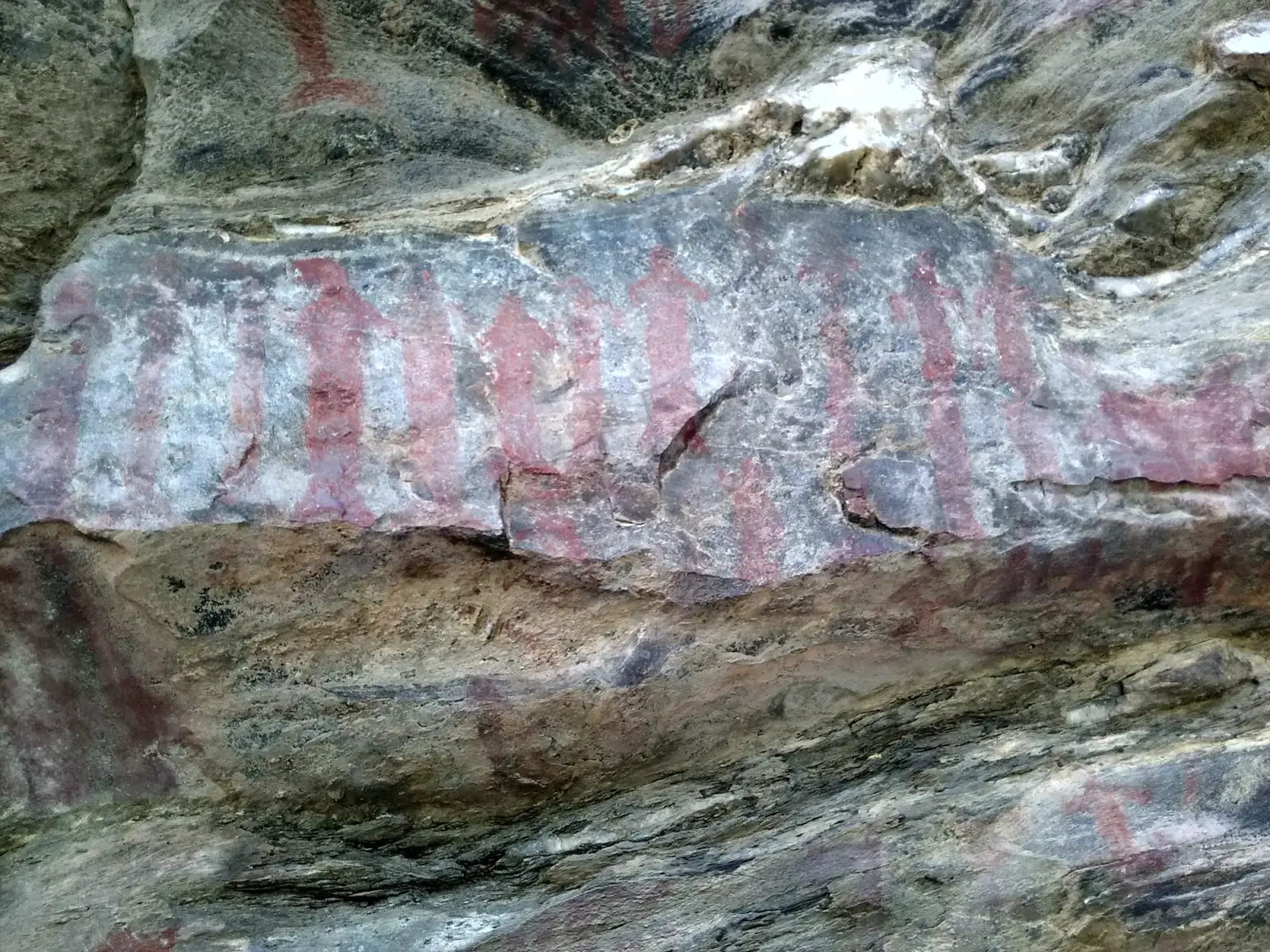
Val Camonica earns a second spot on this list for good reason. Separate from the “spaceship” carving is a specific human-like figure, endlessly recycled on ancient-aliens forums, showing outstretched limbs, radiating lines, and an oversized head that some viewers swear is a full, bubble-style helmet over a rigid suit.
Skeptical scholars point out that radiating lines are a near-universal way to signal power, divinity, or motion across prehistoric cultures worldwide. This figure is more likely a warrior, a deity, or a costumed dancer than an engineering diagram. But set it side by side with a modern illustration of a spacewalker, and the resemblance still lands with an uncomfortable thud, proof that visual coincidence can be almost as persuasive as evidence.
#10 – Japan’s Goggle-Eyed Figures That Look Like Armor
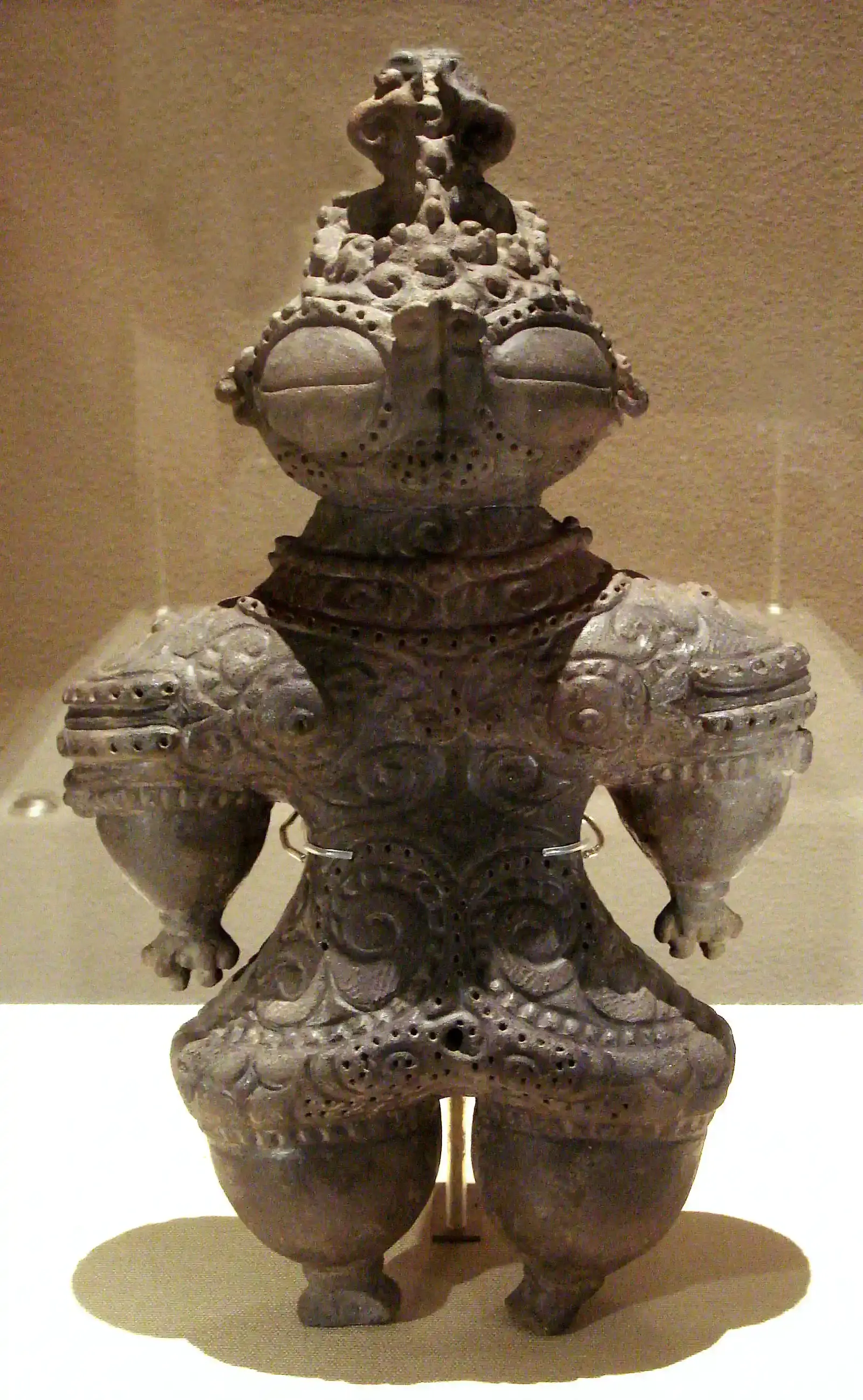
Most people know Japan’s Jomon-era dogu figurines, the small clay statuettes with bulging “goggle eyes” that look ripped from a retro sci-fi poster. Less well known is that some rock and cave art motifs echo the same design, with figures showing exaggerated eyes and torso patterns that resemble a control panel or plated armor, at least to modern eyes trained on movies.
Archaeologists link dogu imagery to fertility rites, protection, or healing rituals, not celestial visitors. The big eyes were likely stylistic choices, masks, or symbols of spiritual sight rather than literal depictions of anything worn. Still, it’s a useful reminder: ancient symbolism can accidentally mimic future technology so closely that even trained researchers do a double take.
#9 – India’s Wheeled Figures That Shouldn’t Have Wheels Yet
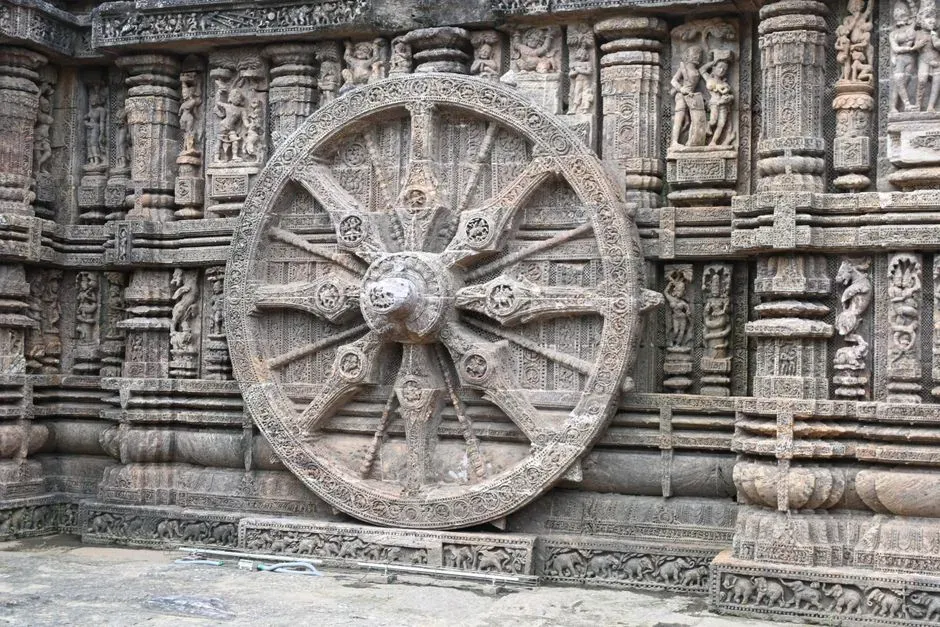
Wheels arrived surprisingly late in human history, which is exactly why certain Indian rock art panels raise eyebrows. A handful of sites appear to show human figures standing beside clear, circular shapes crossed with spokes, images that look for all the world like early wheeled vehicles, centuries before evidence of widespread wheeled transport existed in the region.
Mainstream archaeology urges caution here: circular motifs are everywhere in prehistoric art, representing suns, shields, drums, or purely abstract symbols. Without actual wheels, axles, or cart remains found in the same archaeological layer, the conservative explanation wins on paper. But when you’re staring at a figure standing next to a spoked circle, your brain doesn’t care what the conservative explanation is, it screams “cart” anyway.
Worth Knowing
- The earliest known wheels date back to around 3500 BCE in Mesopotamia, where they were initially used for pottery making before being adapted for transport.
- The oldest surviving wooden wheel, found in the Ljubljana Marshes in Slovenia, has been radiocarbon-dated to roughly 3200 BC.
- Spoked wheels weren’t refined until roughly 2000 BCE, eventually leading to chariots that changed the nature of warfare.
- Widespread wheeled transport reached South Asia long after these dates, which is exactly why spoked circles in Indian rock art keep sparking debate.
#8 – The Glider Shapes Hiding in North American Petroglyphs
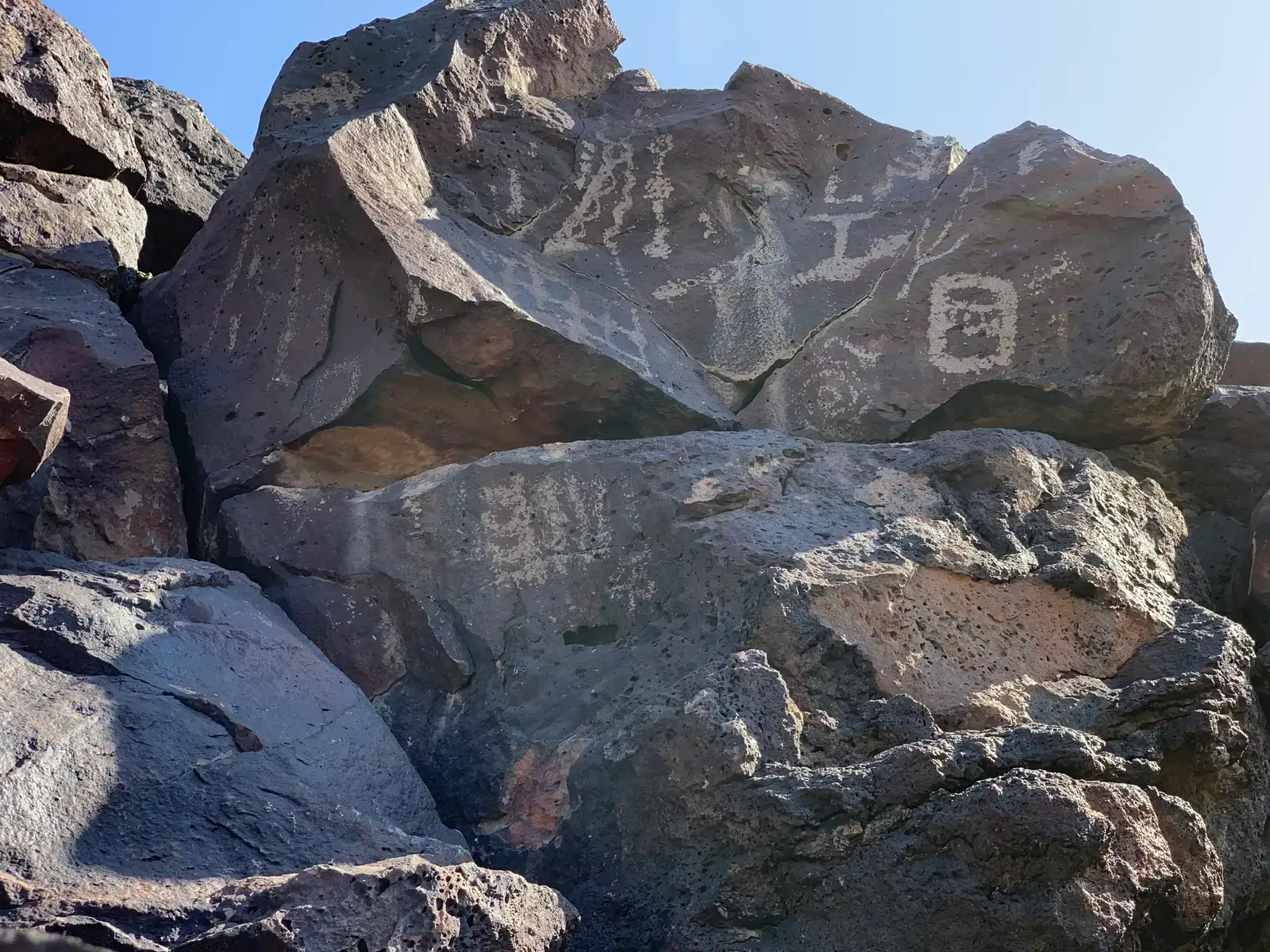
Scattered across North American rock art sites are elongated, V-shaped or delta-shaped designs positioned above human figures and animals. To modern eyes, a few of these look almost absurdly like glider or aircraft silhouettes, especially in scenes where the shapes trail lines overhead while figures below raise their arms upward.
Indigenous interpretations tell a completely different story: these are clan symbols, mythic birds, or thunder beings woven into living oral tradition. Reading meaning into them without community context is risky at best, disrespectful at worst. There is no credible evidence of pre-contact aircraft on this continent, but a few individual motifs remain visually so “on the nose” that they keep fueling internet arguments anyway.
#7 – Amazonian Rock Shelters With Map-Like Grids
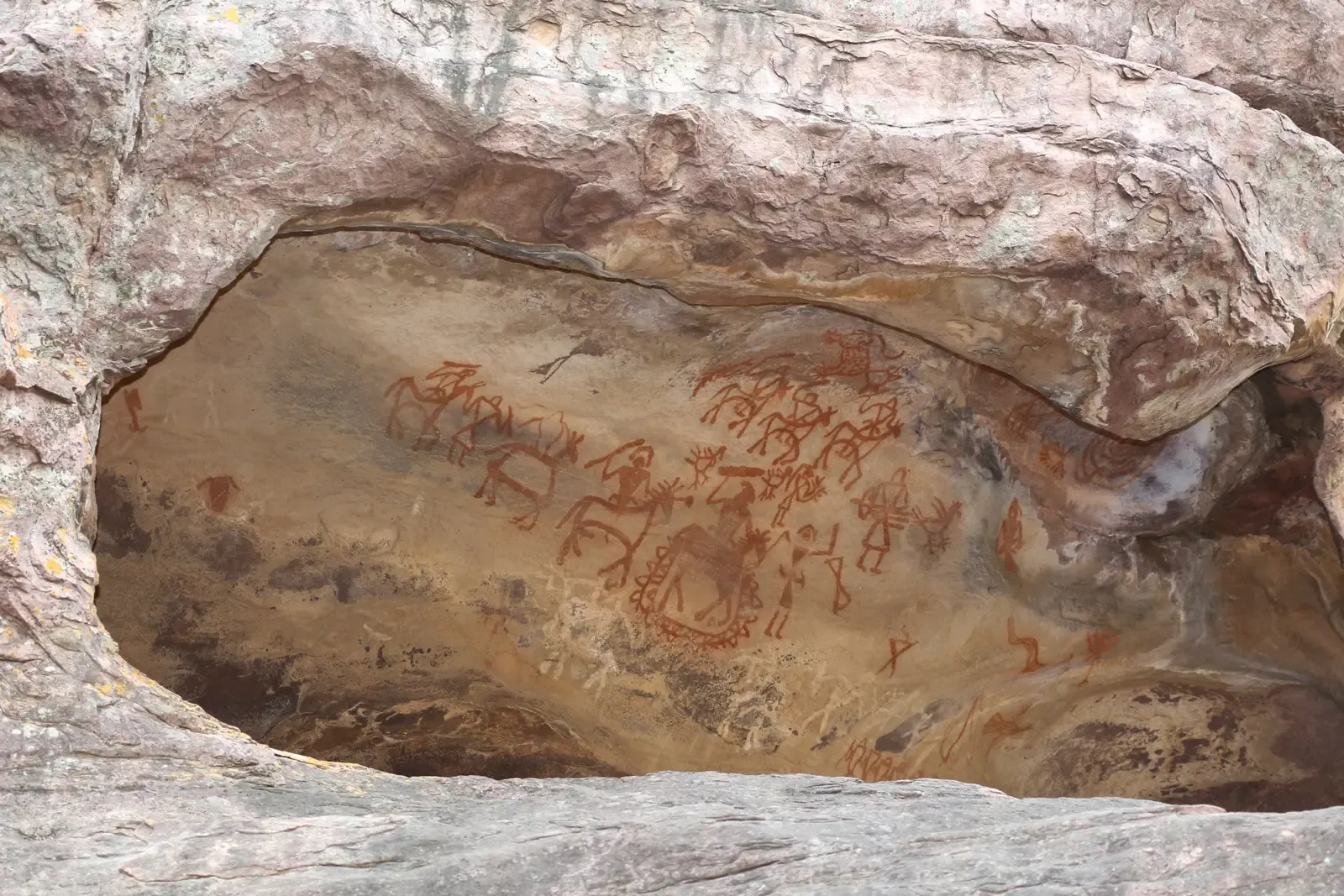
People raised on satellite imagery see maps everywhere, even where none exist. Some Amazonian rock shelters feature intricate grids, branching lines, and repeated nodules that, photographed at the right angle, resemble schematic maps of rivers, settlements, or something closer to circuit diagrams than folklore.
Ethnographers point out that many Indigenous groups encode space symbolically, tracking mythic journeys or ancestral routes rather than literal geography. Yet an uncomfortable pattern keeps repeating: landscapes containing these “map” motifs often turn out, once archaeologists finally dig, to have been far more densely populated and engineered than outsiders assumed. The art may simply be saying “complex society here” long before the shovels catch up.
#6 – Scandinavian Ships That Look Centuries Too Advanced
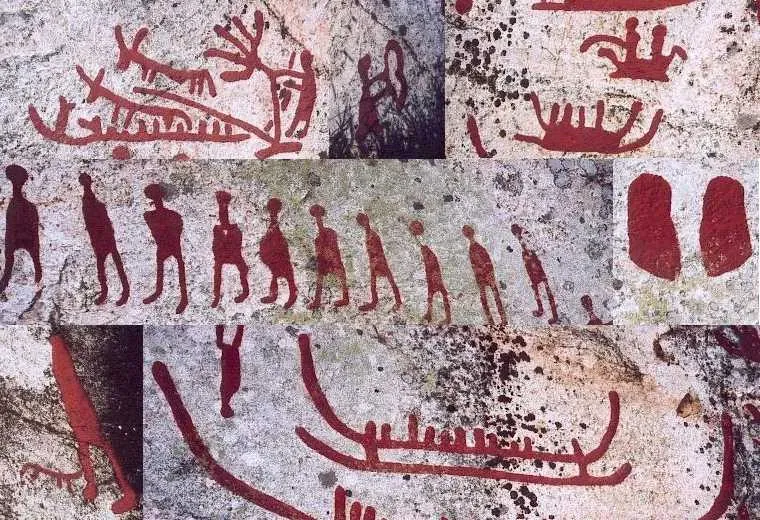
Certain Bronze Age rock carvings in Scandinavia depict boats that look, frankly, too advanced for their supposed era. Long, sleek hulls carry multiple crew members, sport high prows, and in some panels appear to show features resembling masts or rigging, centuries before that level of seafaring is firmly documented in the region.
Conservative scholars note that Scandinavia has a genuinely ancient maritime tradition, and rock art was never meant as a blueprint, it’s propaganda, myth, and prestige advertising rolled into one. Still, the timeline feels awkward. When Bronze Age carvings look closer to a Viking longship than to a simple dugout canoe, it’s fair to ask whether we’re misdating the art, misreading the boats, or simply underestimating how good ancient shipbuilders really were.
Quick Compare
- Simple dugout canoe (the expected Bronze Age baseline): a single hollowed log, no mast, room for a couple of paddlers.
- Scandinavian rock-art boats: long, sleek hulls, high curving prows, multiple rowers, and hints of rigging or masts.
- Viking Age longship (arriving roughly two millennia later): overlapping planks, a proper mast and sail, and shields lining the hull.
#5 – The Torpedo Shapes Mistaken for Submarines at Altamira
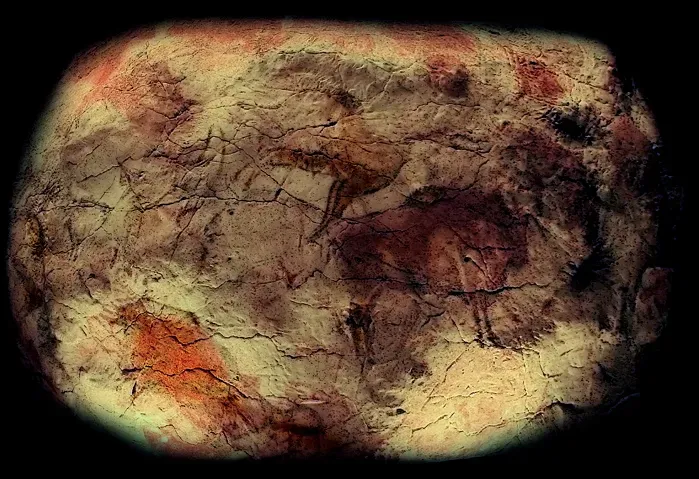
Altamira in Spain is famous for its painted bison, not submarines. But tucked among European Paleolithic cave art are occasional elongated, torpedo-like shapes that modern eyes instantly connect to undersea craft, long rounded forms with fin-like protrusions that, stripped of context, could pass for a submarine silhouette.
The far more likely explanation is refreshingly unglamorous: these are stylized fish, seals, or composite animals distorted by the natural bulges of the cave wall. Paleolithic artists routinely used rock contours to add volume to their figures, and a curve in the limestone can turn an ordinary fish into something that looks eerily modern. The cave isn’t lying to us; our pattern-hungry brains are just working overtime.
#4 – Sahara Figures Holding Tubes That Shoot Rays
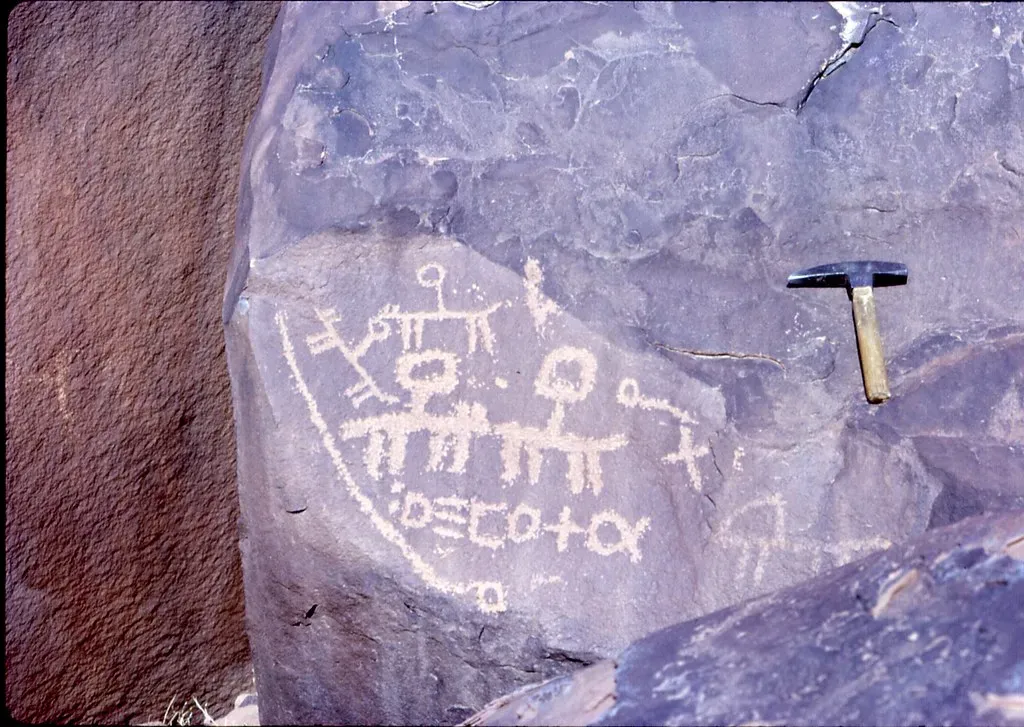
Several Saharan rock art sites show human figures holding straight, tube-like objects with rays or lines shooting from the tip, sometimes striking other figures or animals in the same scene. To a generation raised on science fiction, these read uncomfortably like flashlights, firearms, or directed-energy weapons.
Archaeologists lean toward far more grounded readings: spears frozen mid-flight, ceremonial staffs, or musical instruments, with the “rays” symbolizing motion or spiritual power rather than literal beams. There is no evidence of metal weapons, let alone energy devices, anywhere in the relevant archaeological layers. But a few panels genuinely refuse to cooperate, showing multiple tubes or radiating lines that look startlingly like a handheld light source, which is exactly the kind of ambiguity that keeps this debate alive.
#3 – The Ice Age Dot Clusters That Might Be Star Maps
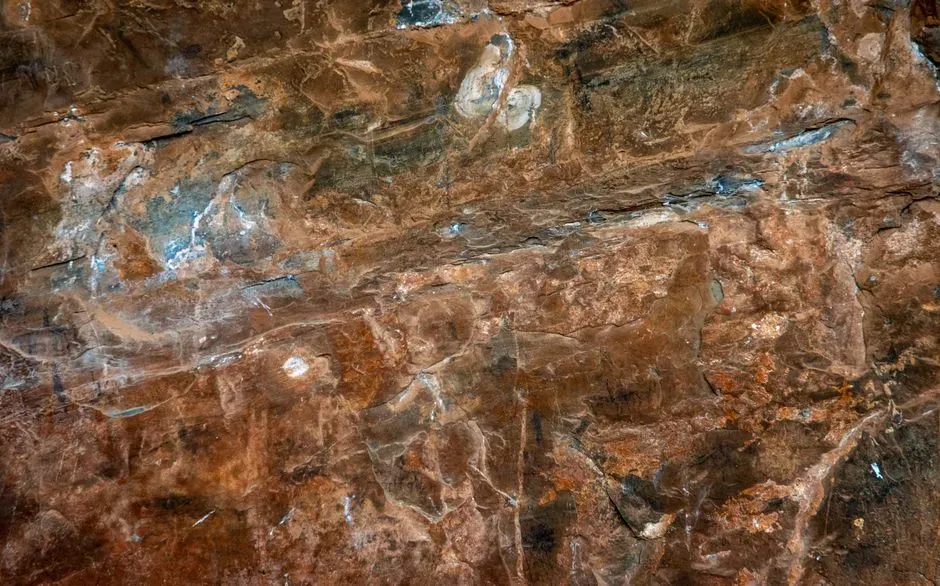
A recurring viral claim insists Ice Age cave art encodes precise star charts, tracking constellations or even comet events. Certain European panels feature clusters of dots surrounding painted animals, and some researchers argue these clusters align with recognizable stellar groupings, thousands of years before any written astronomy existed.
Skepticism is healthy here, since with enough imagination almost any scattering of dots can be forced to match some pattern in the night sky. Yet careful statistical analysis of a few specific sites has suggested the dot placements are not random, and line up with real constellations more often than chance would allow. If even one of those cases survives further scrutiny, it means Ice Age people were watching the sky with a level of precision nobody expected from a species we still casually call “primitive.”
At a Glance
- The most famous case, at Lascaux, involves a painted sky map roughly 16,500 years old.
- Six dots painted above the shoulder of the cave’s Black Bull have been read as corresponding to the Pleiades star cluster.
- One researcher extended the theory further, arguing the cave’s “Shaft Scene” encodes the stars Deneb, Vega, and Altair, together known as the Summer Triangle.
- Critics counter that overlaying our modern constellation shapes onto the dots doesn’t prove Ice Age painters grouped those same stars into a bull at all.
#2 – The Viral “Dinosaurs” That Keep Getting Debunked
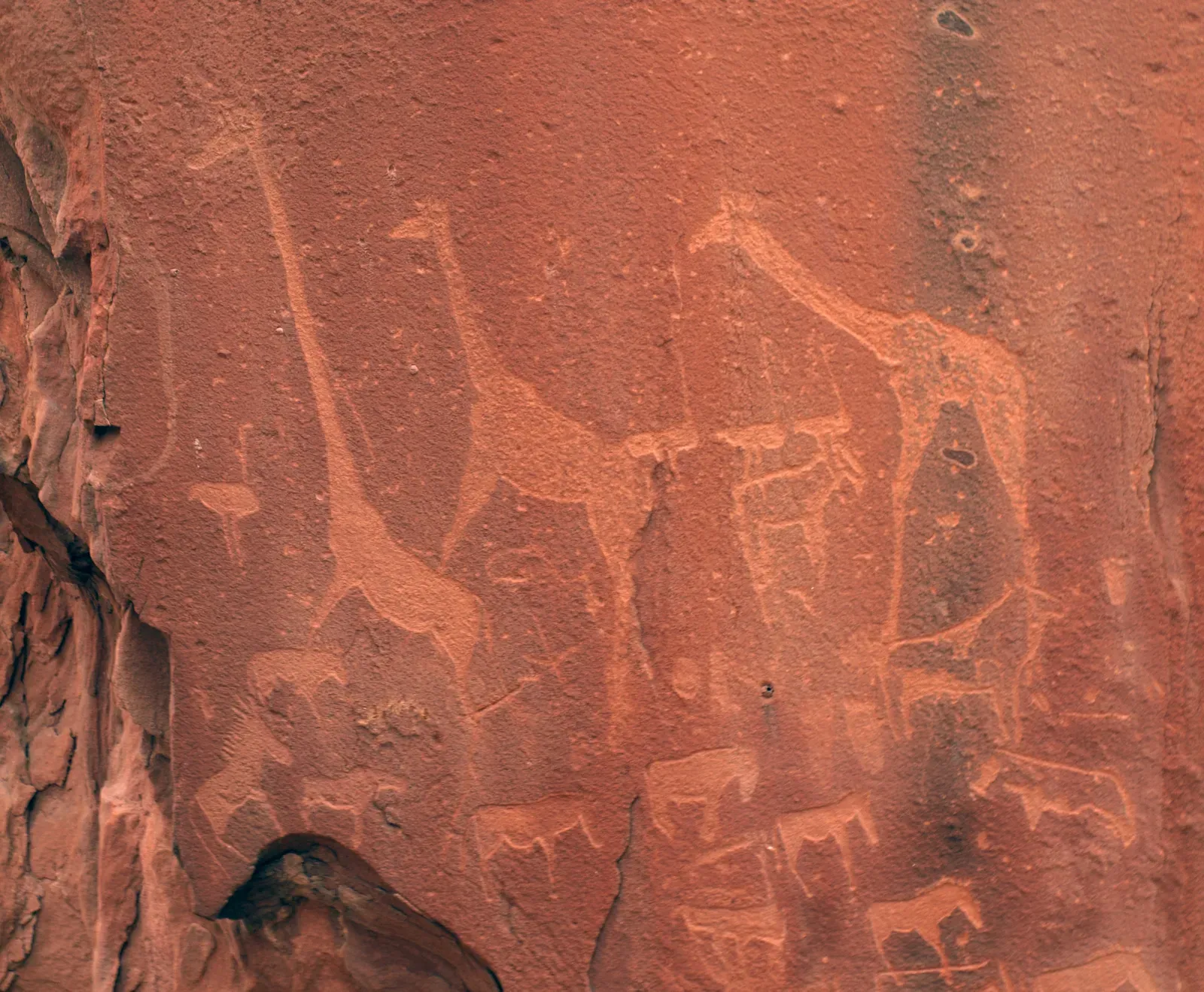
Every few months, a photo circulates online claiming to show a dinosaur in ancient rock art, usually a long-necked, sauropod-like creature. If real, that single image would rewrite everything we understand about geology, biology, and time itself.
It never survives close inspection. These “dinosaurs” consistently turn out to be giraffes, lizards, stylized mythical beasts, or outright hoaxes layered with later graffiti and misdated carvings. No credible rock art image has ever demanded a rewrite of evolutionary history, and researchers overwhelmingly agree on that point.
Extraordinary claims require extraordinary evidence.
Carl Sagan
#1 – The Real Mystery: Why So Much Ancient Art Looks Too Advanced
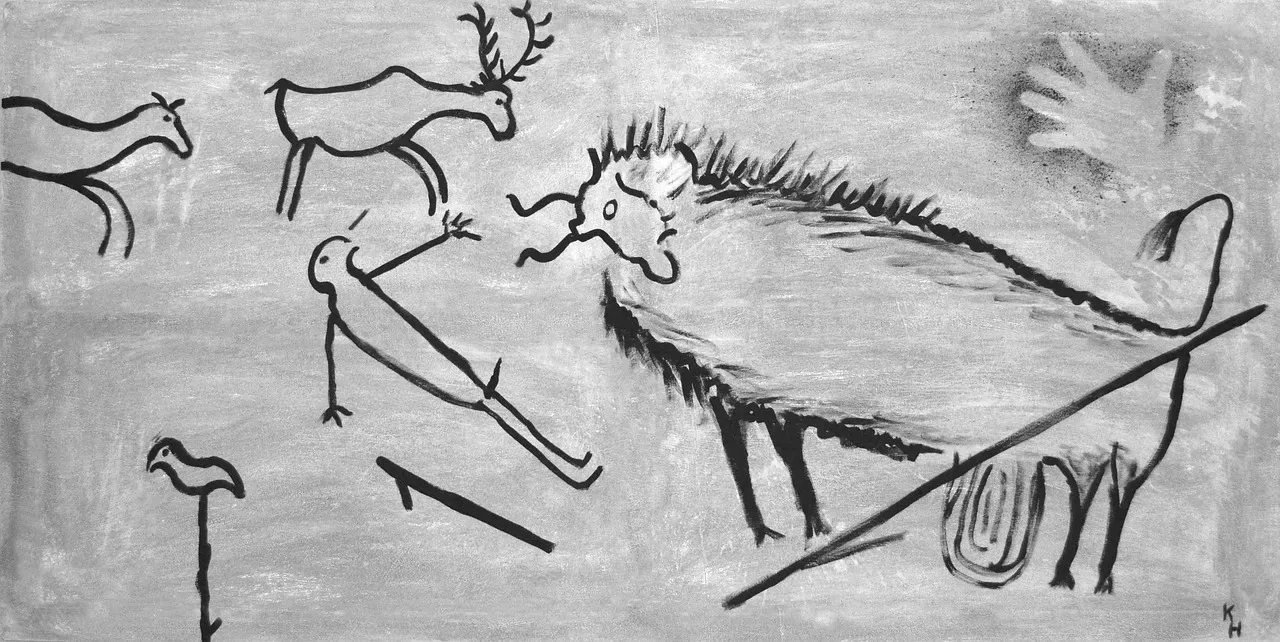
The single most surprising thing about cave paintings that “shouldn’t exist yet” is that the strangeness usually lives inside us, not inside the rock. Our brains are wired to aggressively match ancient shapes to modern categories, helmets, ships, guns, maps, even dinosaurs, simply because that’s the imagery we’re saturated with every day of our lives.
Even so, archaeologists quietly admit that a handful of panels stay stubbornly mysterious: boat shapes ahead of their expected timeline, humanoids that look eerily suited up, geometric patterns that hint at knowledge we can’t fully account for. Dismissing every anomaly as pure coincidence is lazy. Leaping straight to aliens is lazier still. The honest middle ground is uncomfortable but true: prehistoric people were fully modern thinkers, capable of imagining, exaggerating, and experimenting in ways we’re only now learning to respect.
The Bottom Line
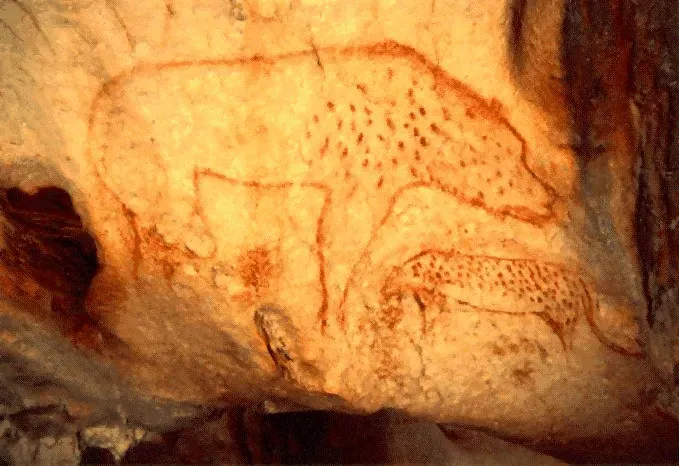
Strip away the clickbait and cave art still leaves us with real, unresolved puzzles. A handful of images genuinely do look uncanny, out of place, out of time, impossible to fully explain with a shrug. But every credible line of evidence points the same direction: humans have always been imaginative, symbolic, and quietly dangerous to our own assumptions about what “primitive” people were capable of.
The real scandal was never a hidden spaceship carved into a mountainside. It’s how long it took modern science to treat these artists as intellectual equals instead of curiosities. I’ll take that over ancient astronauts any day, the truly radical idea isn’t that aliens visited the Ice Age, it’s that Ice Age minds needed no help at all to dream up something this strange.