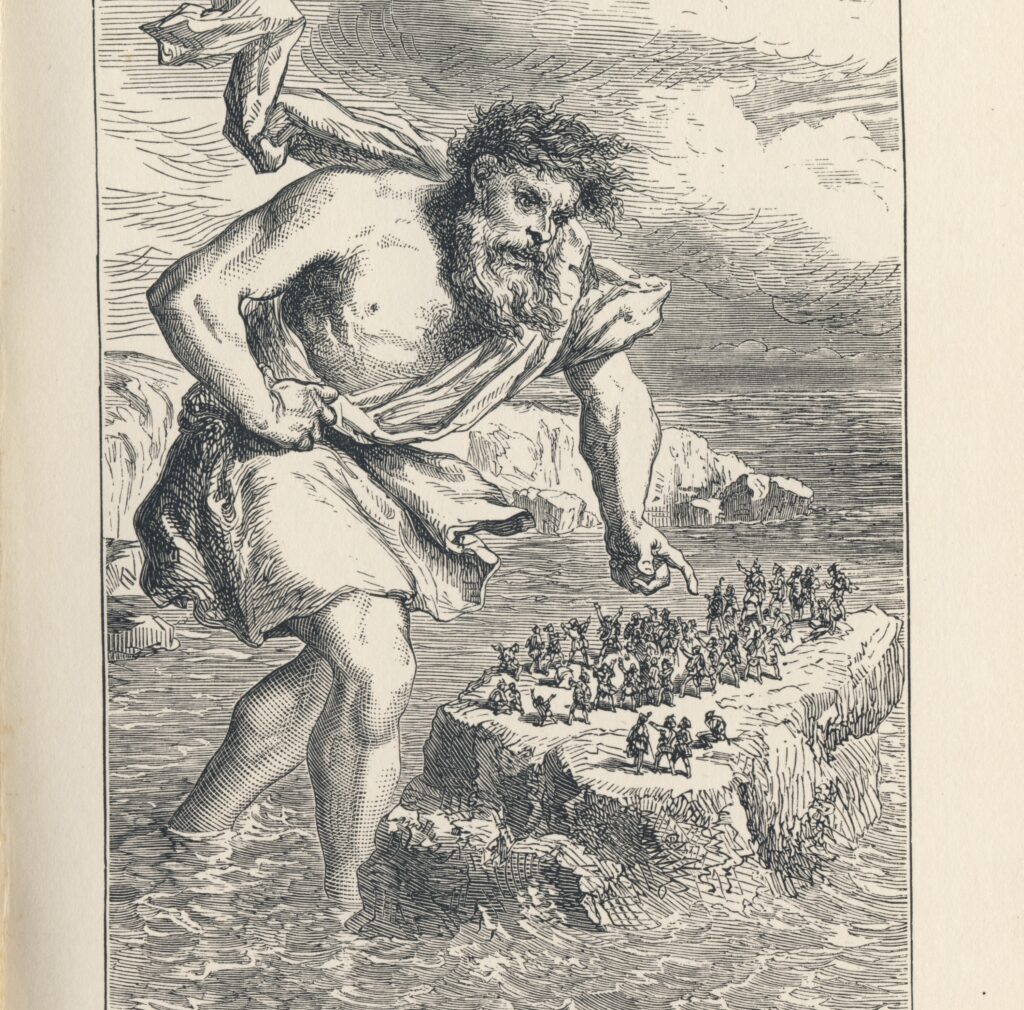

You probably grew up with at least one story about giants, even if you did not realize it at the time. From Sunday school tales to fantasy movies, these towering beings keep showing up, reshaped for every new generation. What is striking is how old some of these legends really are, and how stubbornly they cling to the edges of history and belief. When you start digging into the world’s oldest myths, you discover that giants are not just big brutes swinging clubs. They are creators and destroyers, tragic warning signs, symbols of chaos, and sometimes misunderstood outsiders. As you move through these seven enduring legends, you will see how each one refuses to die – because each one still speaks to something you wrestle with today: power, fear, hubris, and the mystery of what came before you.
1. The Biblical Nephilim: Shadows Between Heaven and Earth
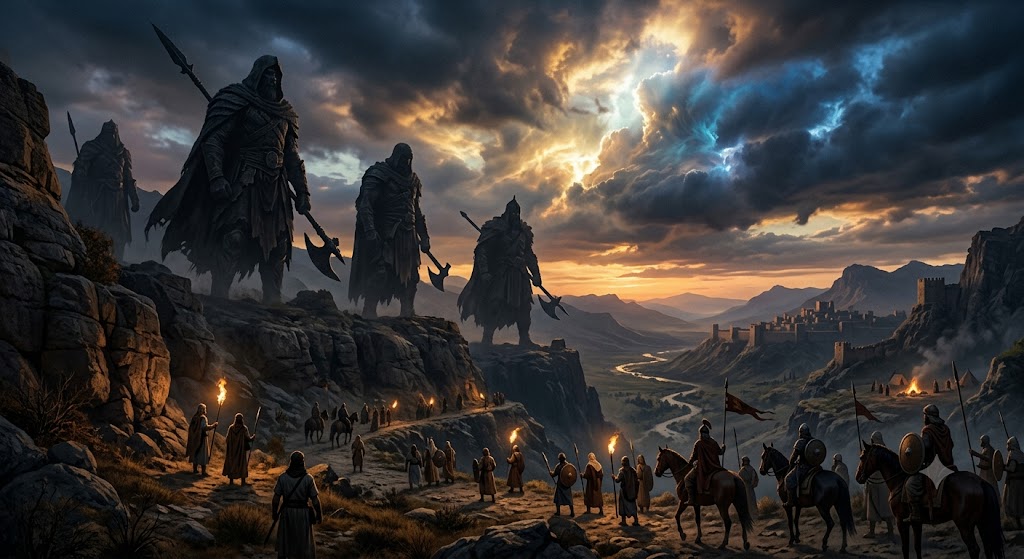
If you have ever heard someone talk about “giants in the Bible,” they were probably thinking of the Nephilim. You meet them only briefly in the Book of Genesis, where they are described in connection with strange unions between “sons of God” and human women, and again when Israelite scouts later report terrifyingly large warriors in Canaan. Over time, later Jewish and Christian writings expanded this thin framework into a sprawling legend of hybrid beings – part divine, part human, often imagined as colossal warriors who brought violence and corruption to the earth. ([en.wikipedia.org](https://en.wikipedia.org/wiki/Nephilim?utm_source=openai)) Because the original biblical text is so vague, you are left in a fog of mystery that invites speculation. Ancient translators sometimes rendered Nephilim simply as “giants,” while later books like 1 Enoch turned them into a cautionary tale about forbidden knowledge and cosmic rebellion, painting them as monstrous offspring whose sins helped trigger the flood. Modern readers now pull the Nephilim into everything from fringe archaeology to conspiracy videos, using them to explain megalithic ruins, odd skeletons, and any unsolved ancient puzzle. Instead of fading away as obscure biblical footnotes, they have become a blank canvas where people project their fears and fantasies about a lost prehuman age.
2. Greek Gigantes and the War Against the Gods
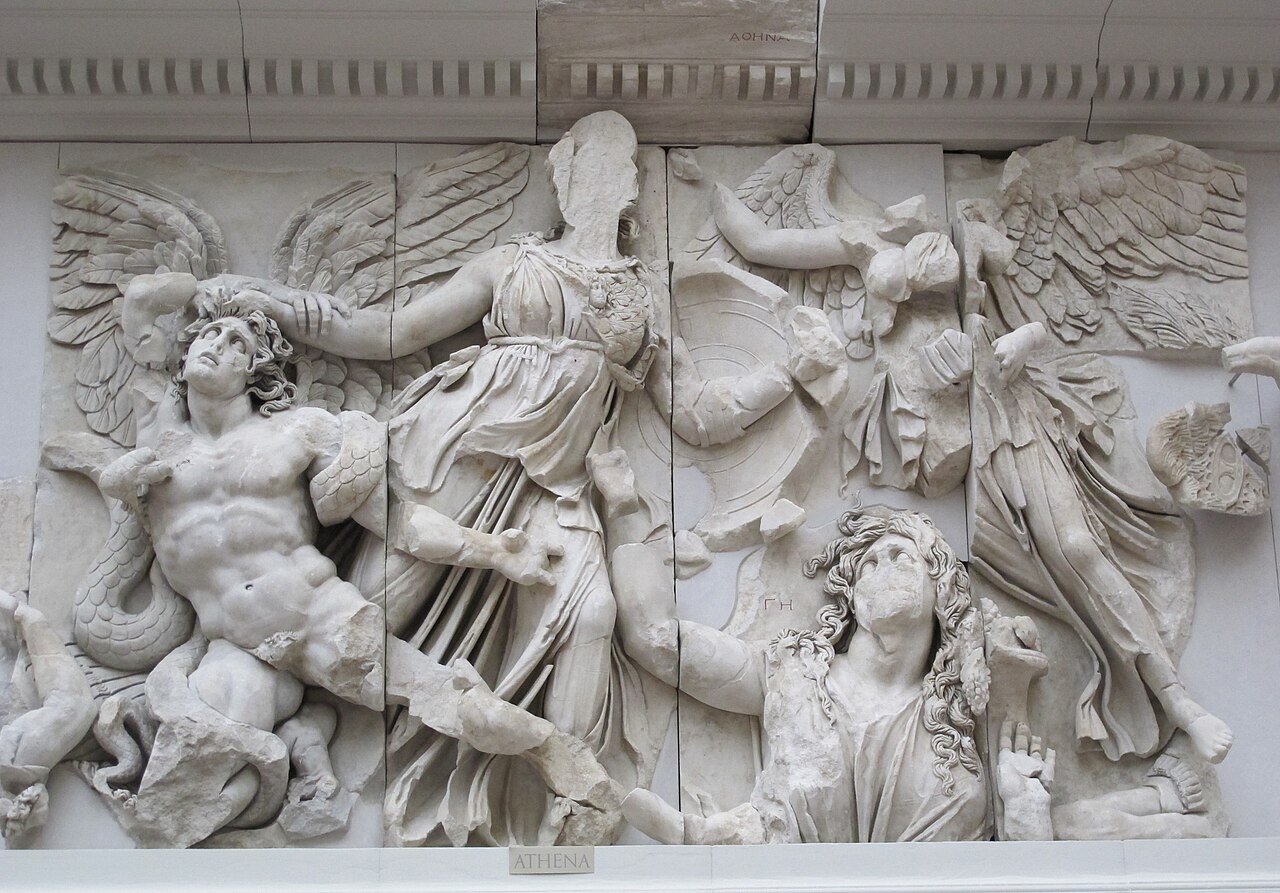
When you imagine giants hurling mountains at the sky, you are tapping into the Greek story of the Gigantes. Ancient Greek poets described these “earth-born” beings as the violent sons of Gaia, rising up in a cosmic revolt against the Olympian gods in a legendary conflict called the Gigantomachy. In art and literature, you see them scrambling up piled mountains to storm heaven, only to be blasted back down by Zeus’s thunderbolts and the weapons of gods and heroes fighting side by side. ([theoi.com](https://www.theoi.com/Gigante/Gigantes.html?utm_source=openai)) You still feel the pull of this story because it is basically a mythic drama about order and rebellion written in stone and lightning. The Gigantes symbolize raw, untamed power – volcanoes, earthquakes, and the dangerous side of nature – while the gods stand for a fragile, hard-won order. When you see classical temples decorated with scenes of gods crushing giants, you are really looking at an ancient political cartoon: civilization triumphing over chaos. The legend refuses to die because, every time you watch a powerful regime face an uprising, or a fragile system crack under pressure, you are watching a modern replay of that old war between the sky and the deep, angry earth.
3. Norse Jötnar: The “Anti-Gods” at the Edge of the World
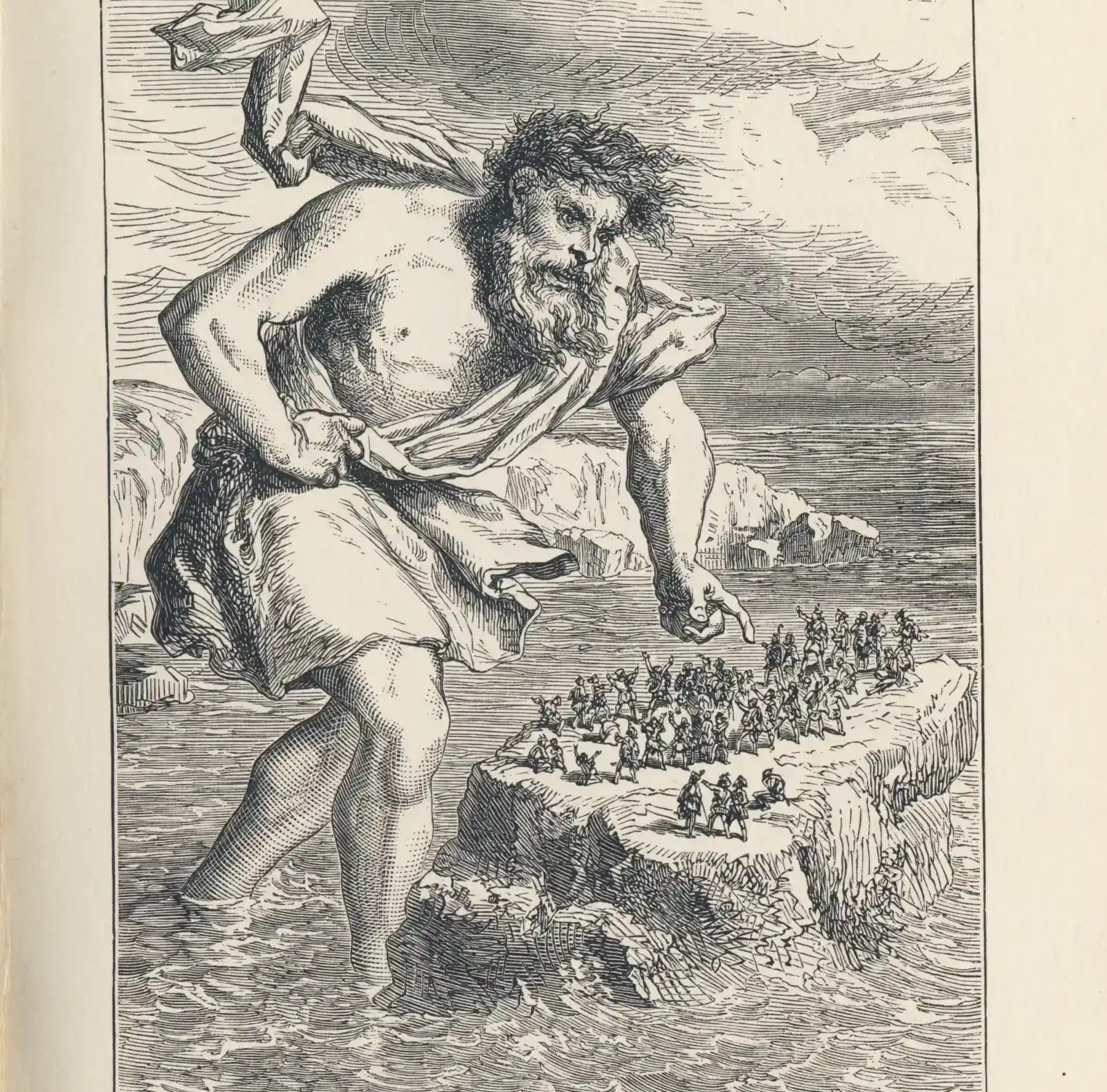
If Greek giants are loud and theatrical, the giants of Norse myth – known as jötnar – are colder, stranger, and more unsettling. You are not just dealing with big humanoids here; you are dealing with an entire race of beings who stand opposite the gods in nature and temperament. In the old Norse poems and sagas, jötnar live in Jötunheim, a harsh, distant realm beyond the ordered worlds of humans and gods. Some are indeed enormous, like the primeval jötunn Ymir whose body becomes the substance of the world, but many are described less by size and more by their wild, chaotic nature. ([norse-mythology.org](https://norse-mythology.org/gods-and-creatures/giants/?utm_source=openai)) You are drawn to the jötnar today because they are not simply villains; they are complicated forces in the story. Gods marry giant women, giants teach gods hidden wisdom, and yet at the end of days – Ragnarök – giants will march against the gods and help shatter the cosmos. Modern scholars sometimes call them “anti-gods,” since they mirror the gods but pull in the opposite direction. When you think about the push and pull inside yourself between order and chaos, planning and impulse, that tension feels very Norse. The legend survives not just as Viking flavor in games and movies, but as a reminder that what threatens you is often also woven into what sustains you.
4. Mesopotamia’s Humbaba: The Giant as Guardian of the Wild
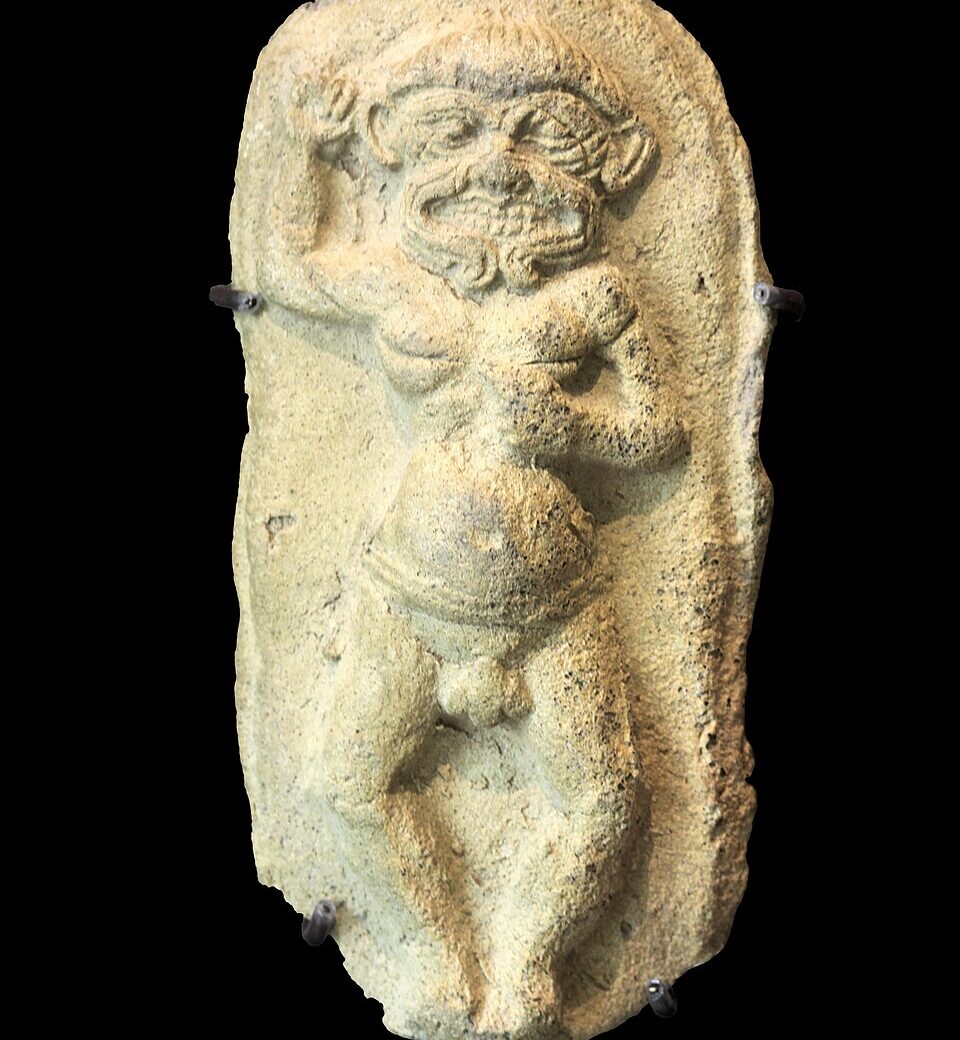
Long before Greek and Norse poets wrote about giants, people in ancient Mesopotamia told you about Humbaba, the monstrous guardian in the Epic of Gilgamesh. Humbaba is set over the Cedar Forest by the god Enlil, described as a terrifying being with a face like coiled intestines or layers of overlapping entrails, a body radiating supernatural dread. When Gilgamesh and Enkidu march out to prove themselves, they cut down Humbaba and the sacred trees he protects, setting off a chain of disasters. ([en.wikipedia.org](https://en.wikipedia.org/wiki/List_of_giants_in_mythology_and_folklore?utm_source=openai)) You can read Humbaba as just another monster to be slain, but when you look closer, the story feels eerily modern. Humbaba stands for a wild, protected place, and the heroes are not rescuing anyone; they are seeking glory through exploitation. When you watch forests disappear for short-term gains, you are watching a new version of that ancient episode. The legend lingers because it forces you to ask whether every conquest is really a victory – and whether some “giants” in your path are actually guardians you should respect instead of kill.
5. The Lovelock Cave Giants: Archaeology Meets American Legend
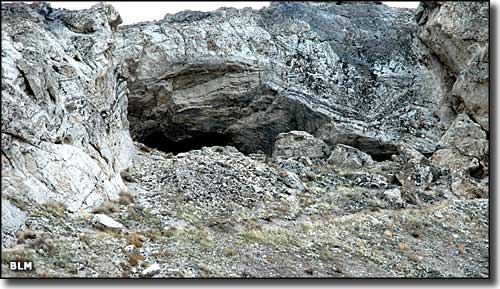
On the other side of the world, in what is now Nevada, you run into another stubborn story: the red‑haired giants of Lovelock Cave. According to some Northern Paiute oral traditions, there was once a hostile group of large, cannibalistic people – sometimes called Si‑Te‑Cah – who were eventually trapped in a cave and destroyed by surrounding tribes. In the early twentieth century, miners digging bat guano in Lovelock Cave unearthed a trove of artifacts and human remains, and almost immediately, rumors swirled that these were the bones of Paiute giants, proof that the old stories were literally true. ([en.wikipedia.org](https://en.wikipedia.org/wiki/Giant?utm_source=openai)) When you look at the archaeological reports, you find something more ordinary and also more human: remains from Indigenous peoples of typical size, misinterpretations of bone measurements, and a lot of sensational retelling. Still, the legend will not die; it keeps resurfacing in books, videos, and fringe theories. You can see why it hooks people: it offers a dramatic, cinematic explanation for cave finds and folds Native tradition into the global obsession with “race of giants” narratives. If you are not careful, though, it can pull you away from the very real, very rich history of the actual people whose lives and stories are tied to that landscape.
6. Giant Bones, Cyclopes, and the Science of Misunderstanding
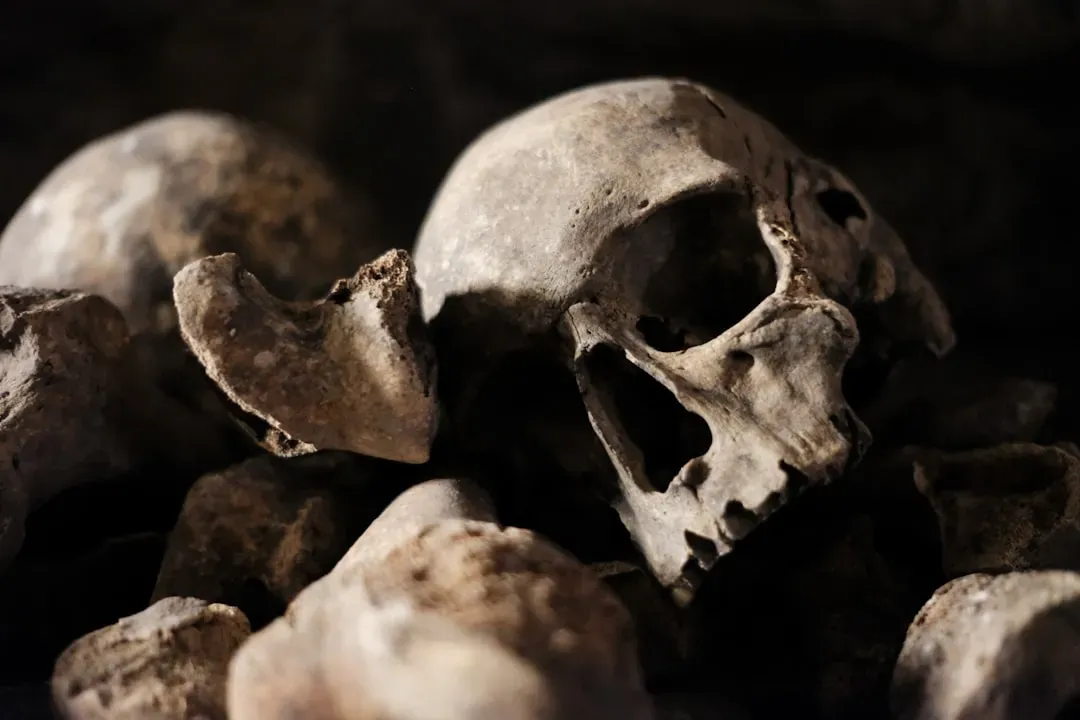
You might assume that ancient people invented giants out of thin air, but there is a strong case that they were staring at real bones and filling in the blanks. In the Mediterranean, farmers and shepherds regularly turned up massive fossilized remains – mastodon or mammoth skulls with a large central nasal cavity that, to your untrained eye, looks like one huge eye socket. It is not hard to see how an elephant skull, missing its tusks and trunk, could become the skull of a one‑eyed man‑monster, feeding later Greek tales of Cyclopes and enormous heroes. ([reddit.com](https://www.reddit.com/r/AskHistorians/comments/yg0bhy?utm_source=openai)) You still do something similar today when you find traces of the past you do not fully understand. Before paleontology existed as a serious science, giant bones were paraded as relics of biblical giants, legendary kings, or mythical beasts. Even now, internet rumors often spring up around unusually large skeletons, with ordinary variation or even fakery recast as evidence of a hidden race. The legend of giants persists partly because your brain would rather tell a dramatic story about a bone than sit quietly with the slow, careful explanations of geology and anatomy. The more you learn about fossils, the more you see that misunderstandings can grow as tall as any giant.
7. Why Giants Keep Walking Through Your Imagination
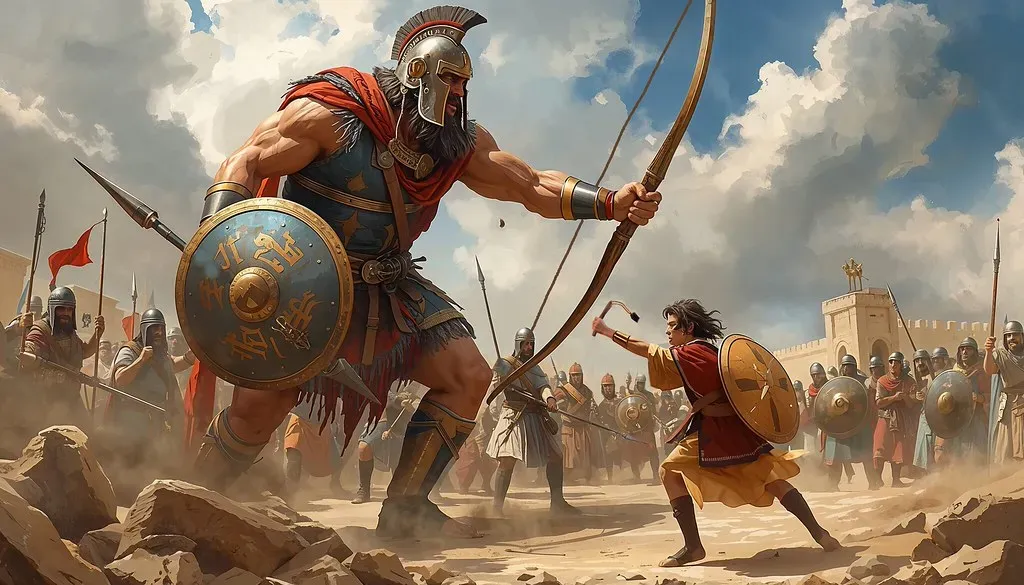
When you step back from all these stories – the Nephilim, the Gigantes, the jötnar, Humbaba, the Lovelock Cave tales, and misread fossils – you notice a pattern. Giants show up whenever you push against the edges of what feels human: immense landscapes, terrifying storms, unsolved ruins, unexplained bones, overwhelming empires. Your ancestors reached for giants the way you might reach for a wide‑angle lens, trying to capture how small you feel in the face of forces you cannot control. Giants become the personification of “too much”: too much strength, too much appetite, too much pride, too much chaos. You also keep reviving these legends because they let you talk about power and responsibility in a vivid, almost physical way. When you warn a child not to be “too big for their boots,” you are echoing old stories about mortals who tried to climb to heaven and got swatted down. When you feel like a tiny figure standing in front of corporate, technological, or political “giants,” you are living inside a mythic pattern that is thousands of years old. The legends refuse to die because, in some way, you are still telling them – every time you look up at something bigger than you and ask whether it will protect you, crush you, or become you. In the end, giants endure not because anyone keeps finding their bones, but because you keep finding them useful. They give you a language for fear, awe, ambition, and your uneasy relationship with power, both human and cosmic. The next time you hear about a giant – on a movie screen, in a sacred text, or in a half‑remembered local legend – you might ask yourself: is the real giant out there in the dark, or is it something you are wrestling with inside your own imagination?