

You like to think of yourself as someone who chases big dreams, bold goals, and exciting wins. But if you quietly watch your daily choices, you’ll notice something surprising: you often move faster to avoid a bad outcome than to reach a good one. Whether it’s staying in a job you dislike because the risk of change feels scary, or finally paying a bill only when the late fee hits, loss has a way of grabbing you by the collar.
This isn’t a personal flaw. It’s how your brain is wired. Psychological research calls this bias loss aversion: you feel the pain of losing more intensely than the pleasure of gaining. Once you understand how strongly this shapes your behavior, you can stop being quietly steered by fear and start using it as a powerful, deliberate tool to get what you actually want.
Why Loss Feels So Much Bigger Than Gain

Imagine someone offers you a simple deal: you flip a coin, and if it lands on heads you win some money, but if it lands on tails you lose the same amount. Even though the math is neutral, you probably feel uneasy. Deep down, the thought of losing stings more than the thought of winning feels exciting, so you hesitate or walk away.
Your brain evolved in a world where losing food, safety, or social acceptance could literally threaten survival. Gains were nice, but losses were dangerous. That bias stayed with you, even though today the “loss” might just be an awkward conversation, a failed project, or an embarrassing moment. You still feel pulled more strongly to avoid pain than to chase reward, and that tilt shows up in everything from your finances to your relationships.
How Loss Aversion Quietly Shapes Your Daily Decisions

You see loss aversion in tiny choices all day long. You might keep an unused subscription because canceling feels like admitting you wasted money, even though you’ll waste more by keeping it. You might stick with a clunky process at work because the effort of changing feels like a potential loss of time, reputation, or comfort, even when the new way is obviously better in the long run.
Even when you delay things, loss is in the background. You answer messages only when you worry people will think you’re rude. You finally clean the kitchen when the mess feels unbearable. You avoid speaking up in a meeting because the imagined loss of respect from a bad idea feels heavier than the possible gain if your idea is great. You are constantly comparing quiet, potential gains with vivid, emotional losses, and the losses usually win.
Why Fear-Based Motivation Works (But Drains You)

If you look at your most urgent bursts of productivity, they often happen under threat. A looming deadline, a fear of missing out, or the risk of disappointing someone finally gets you moving. You tell yourself you “work best under pressure,” but what usually happens is that the fear of a negative outcome becomes so strong it finally outweighs your comfort with doing nothing.
This kind of motivation works in the short term, but it is exhausting in the long run. You end up bouncing from crisis to crisis, driven by stress instead of choice. Each time, you respond like you’re putting out a fire, not building something intentionally. You might hit the target, but you rarely feel in control, and over time your body starts to associate action with anxiety instead of possibility.
Turning Loss Aversion Into a Tool Instead of a Trap

Once you accept that you are naturally more sensitive to loss, you can design your environment to work with that tendency instead of against it. One powerful move is to create small, deliberate losses that happen only if you break your own promises. For example, you could agree with a friend that if you skip a planned workout, you owe them money, or you have to do a task you really dislike.
By setting up these kinds of stakes, you make inaction more painful than taking action. Suddenly, not going to the gym does not just mean “I missed a workout,” it means “I lost something I care about.” You’re not relying solely on distant, vague goals like “better health someday”; you’re using the natural sting of loss today to pull you toward what you actually want in the future.
Using Loss Framing to Supercharge Your Goals
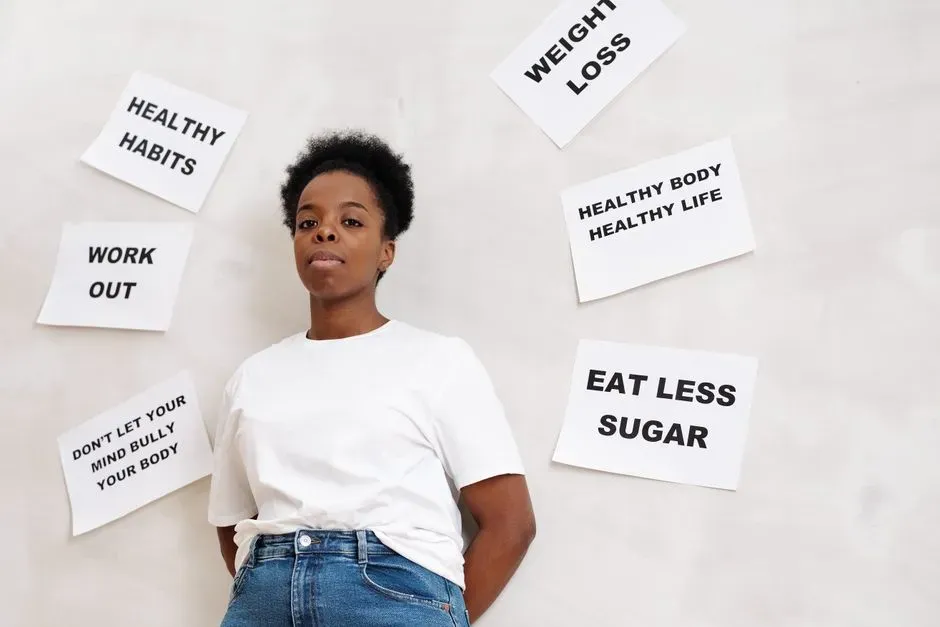
The way you frame a goal dramatically changes how motivated you feel, even if the outcome is identical. Compare “If you save this amount, you’ll have more freedom later” with “If you don’t save this amount, you’ll have to keep working years longer than you want.” The second one hits harder, even though both point to the same financial reality, because it frames the future in terms of loss.
You can use this in your own self-talk. Instead of only asking “What will I gain if I do this?” also ask “What will I lose if I don’t?” You might lose energy, confidence, opportunities, or the chance to prove something to yourself. When you put those potential losses into clear words, your goals stop feeling like optional upgrades and start feeling like urgent protections of what matters to you.
Overcoming the Fear of Letting Go

Loss aversion does not just make you avoid new risks; it also makes you cling to things that no longer serve you. You may hold on to a job, a habit, or even a relationship simply because you have already invested so much time or effort. Walking away feels like losing everything you have put in, even when staying costs you more every year.
To counter this, you can shift your focus from what you are losing to what you are already losing by not changing. If you stay in that situation, what are you giving up in terms of peace of mind, growth, or self-respect? When you see that staying also involves loss, sometimes even greater loss, it becomes easier to let go and treat your past investment as tuition you paid to learn what you truly value.
Designing Habits That Make “Bad Choices” Feel Costly

You can harness loss aversion by making your unhelpful choices feel more expensive and your helpful choices feel easier. One way is to add friction and consequence to behaviors you want to reduce. For example, if you tend to overspend online, you could remove stored payment details so buying takes extra effort, or use an account with a very limited balance so every purchase clearly reduces a small, visible pot.
On the flip side, you can lower the sense of loss around helpful actions. If starting a new habit feels like losing comfort or free time, shrink the habit until it barely feels like a sacrifice. Read one page instead of a whole chapter, walk for five minutes instead of committing to a long workout. Once the “loss” is tiny, your resistance drops, and you can slowly increase the habit without waking up your inner alarm system.
Balancing Loss Avoidance With Healthy Risk-Taking

Being strongly motivated by avoiding loss is not automatically bad; it has kept humans alive for a very long time. The problem appears when your desire to stay safe stops you from pursuing anything uncertain, even when the upside is huge and the downside is manageable. That is how you end up passing on new roles, creative projects, or honest conversations that could completely change your life for the better.
You can start balancing this by making risks concrete instead of fuzzy. Write down the worst realistic outcome, the best realistic outcome, and the most likely outcome of a decision. Often you will see that the loss you fear is more vague than catastrophic. When you name it clearly, you can decide how to cushion it, prepare for it, or accept it, rather than letting an undefined fear quietly veto your future.
Using Self-Awareness to Rewrite Your Motivational Story

Once you see how deeply loss aversion runs, you start noticing it everywhere in your own story. You may remember times when you waited until things were almost unbearable before making a change, or when you chased safety so hard that you missed out on something meaningful. That recognition can feel uncomfortable, but it is also the moment you gain real leverage.
Instead of judging yourself, you can treat this bias as part of the user manual for your own mind. You know you move quickly when there is something to lose, so you put thoughtful, ethical stakes on the line for your most important goals. You know you hesitate when a risk feels like pure loss, so you reframe it, highlight the hidden losses of staying put, and remind yourself that sometimes the scariest step is the one that protects the life you actually want.
Conclusion: Let Loss Aversion Work For You, Not Against You

You are not lazy, weak, or “bad at motivation”; you are human, and your brain is tilted toward avoiding loss more than chasing success. When you ignore that, you end up confused by your own behavior, wondering why you procrastinate on things you genuinely care about while reacting instantly to threats and emergencies. When you understand it, you can redesign your goals, habits, and choices so that the fear of losing lines up with what you truly want to gain.
By reframing your goals in terms of what you stand to lose, setting real stakes, and questioning where you are clinging to things out of fear, you turn a deep-seated bias into a practical advantage. You stop waiting for rock bottoms and crises and start using gentle, intentional pressure to move steadily toward a life that feels honest and fulfilling. Now that you know your brain cares more about loss than success, how will you use that knowledge the next time you are tempted to stay where you are?