

Most people assume that once a scientist makes a discovery, a battalion of experts immediately swoops in to test it, argue about it, and build on it. That’s the myth. The reality is messier and a lot more unsettling: a shocking number of findings get stamped “pending review,” shoved into a drawer, or lost in a server nobody checks, and then simply… forgotten.
Some are too small to justify the paperwork. Some are too strange for anyone to want their name attached. Some just land on the wrong desk on the wrong day, right as the money runs out. Buried in that pile of “we’ll get to it later” could be ideas that quietly change everything – if anyone ever looked again. Here are 22 kinds of discoveries that routinely vanish into the review void, and what insiders actually say happens to them.
#22 – The “Too Small To Matter” Anomaly

Everyone loves a big, dramatic breakthrough. Almost nobody fights for a tiny blip. In labs around the world, small anomalies – one weird result sitting alone in a long column of data – get flagged, logged as “pending review,” and then quietly ignored.
Often it’s a grad student who spots it first: a measurement just outside the error bars, interesting but not career-making. Because there’s no grant money attached to “that one strange data point,” it dies quietly in a folder. Ironically, history shows that some of the biggest scientific revolutions started as exactly this kind of nuisance result that refused to behave. These anomalies usually resurface only when someone new digs through old notebooks – by then, the equipment has changed, the original team has scattered, and the conditions can never quite be recreated.
#21 – The Grant-Expired Breakthrough

Here’s a dirty secret of science: when the money stops, the curiosity usually stops too. Even a genuinely promising finding can freeze in “pending” status the moment a grant window slams shut.
Picture a team uncovering a surprising signal right as their three-year funding runs dry. They flag it for “follow-up analysis,” fully intending to circle back. Then reality hits: no budget, no time, and a new proposal to write that needs a clean, fundable story. The half-analyzed discovery ends up stranded in a final report that nobody outside the funding agency will ever read. There’s no villain here, just a system built to reward shiny new questions instead of unfinished old answers.
Fast Facts
- NIH R01 success rates for early-stage investigators dropped from 29.8% to 18.5% in just two years.
- Established investigators’ success rates dropped from approximately 27% to 20% over the same period.
- The total number of investigators winning R01-equivalent grants fell from 7,720 in 2024 to 5,885 in 2025.
- Grants are typically funded in fixed multi-year cycles, so a finding that surfaces in the final months often has nowhere left to go once the check stops.
#20 – The Conference Poster That Went Nowhere
Every year, thousands of “discoveries” debut as posters at conferences – colorful graphs taped to boards, presented in noisy hallways over lukewarm coffee. Most never make it past that wall.
Young researchers are encouraged to present “preliminary findings,” which is polite code for interesting-but-not-bulletproof-yet. After the event, the poster gets rolled up, the PDF gets filed, and follow-up gets promised. In reality, a stunning number of these projects stall out forever at “manuscript in preparation.” People graduate, switch fields, burn out – and the data just sits there. The cruel irony is that poster sessions are exactly where the riskiest, most creative work first shows up, too raw for major journals, and it dies right there on the wall.
#19 – The “Too Weird For Reviewers” Hypothesis

Most people assume peer reviewers are neutral referees. Insiders know they’re human, with comfort zones and reputations to protect. Genuinely weird ideas often get parked in review limbo because nobody wants to be the first person to take them seriously.
When a submission suggests something offbeat – subtle biological effects at ultra-low doses, or a cognitive quirk that breaks a popular model – reviewers ask for “more data,” demand “extensive revision,” or simply stop responding. The stranger the idea, the longer it sits untouched in an editorial inbox. Some of these ideas deserve the skepticism. But others become “zombie papers” – never published, never formally rejected – because no editor wants the reputational risk.
Extraordinary claims require extraordinary evidence.
Carl Sagan
That standard is fair. The problem is that a decade later, mainstream research sometimes stumbles onto the exact same idea with better branding – and suddenly it’s not so extraordinary after all.
#18 – The Negative Result Nobody Wanted

In theory, science loves all data equally. In practice, it loves positive findings a lot more. When a careful study shows a treatment doesn’t work, or a trend isn’t real, that “negative result” often gets filed under “pending” and starved of attention.
Journals have historically preferred clean “we found an effect” narratives, which creates a perverse incentive: debunking a hot idea is scientifically crucial but professionally unrewarding. So negative results get left in draft form, dumped on preprint servers, or forgotten after one rejection. Specialized registries are trying to fix this, but cultural inertia is strong – and the literature quietly overstates how often things actually work.
#17 – The Student Thesis That No One Ever Cited

Thousands of master’s and PhD theses contain genuine discoveries: new datasets, fresh methods, surprising correlations nobody else has noticed. Then, after graduation, they vanish into institutional repositories and are practically never touched again.
Universities love archiving these documents to show productivity, but few get aggressively converted into journal articles. If a supervisor is busy or disengaged, that one promising chapter – say, a novel link between an environmental exposure and a health marker – just sits behind a clunky login page. Technically “available,” practically invisible. Industry researchers and policy analysts sometimes reinvent that exact wheel years later, never knowing it was already built and buried.
#16 – The Patent Application That Stalled in Bureaucracy

Innovation doesn’t just die in journals – it dies in patent offices too. Companies and universities routinely file provisional patents on early-stage discoveries “just in case,” then let those applications get stuck in review or quietly abandoned.
Lawyers chase the ideas that clearly promise big returns. The rest? They languish in pending status until deadlines pass, fees go unpaid, and the discovery fades into legal oblivion. A lot of these are low-glamour solutions – better materials, smarter connectors, small efficiency tricks – that simply don’t fit current business priorities. Years later, someone else patents the same concept, repackaged as a brand-new innovation.
#15 – The “Out-of-Field” Insight No One Knew How to Read

Interdisciplinary science is trendy in speeches and mission statements. On actual editorial desks, it can be an awkward orphan nobody wants to claim. A discovery in one field that speaks directly to another often sits in “pending review” simply because reviewers don’t feel qualified to judge it.
Imagine an AI researcher noticing bizarrely human-like error patterns in a model – something that could reshape cognitive psychology. Send it to a psychology journal and it feels too “computery.” Send it to a machine-learning journal and it sounds too “soft.” So editors punt, and the manuscript drifts in purgatory while everyone hopes someone else will claim it. Some of the most exciting modern science lives exactly at these unclaimed borders – and it stalls out precisely because nobody owns the overlap.
#14 – The Replication That Contradicted a Famous Name
Challenging a big name in any field is risky business. When a careful replication study fails to reproduce a famous result, journals and reviewers suddenly become exquisitely cautious.
Researchers running these replications describe a familiar pattern: glowing feedback on their rigorous methods, followed by endless rounds of revision requests, and then… nothing. A result that contradicts a widely cited paper is far more likely to get parked in “pending” than a flashy confirmation ever would be. Some open-science efforts are fighting this by pre-registering replications and promising to publish no matter the outcome. But in plenty of established journals, the unwritten rule holds: undermining a star paper takes triple the work for half the reward.
At a Glance
- Ninety-seven percent of original studies had statistically significant results in a landmark 2015 psychology replication project.
- Thirty-six percent of replications had statistically significant results when independent teams tried to reproduce those same studies.
- Replication effects were half the magnitude of original effects, representing a substantial decline.
#13 – The Preprint That Got Buried Under New Hype

Preprint servers let scientists share results fast, which also creates a firehose problem: yesterday’s “urgent finding” is today’s forgotten PDF. Many discoveries get posted “while we wait for peer review” and then drowned by the very next wave of attention.
Teams often intend to polish and resubmit once feedback rolls in. Then new projects, teaching loads, and ordinary life crash the plan. The preprint becomes the only public version – technically visible, practically invisible the moment it scrolls off the front page. During intense periods like a pandemic or an AI boom, the churn gets brutal, and solid, mid-tier discoveries never get their moment because attention was swallowed whole by a handful of viral headlines.
#12 – The Dataset With No Story Attached
In data-rich fields, raw datasets themselves can be discoveries: new satellite observations, genomic maps, long-term behavior tracking. Yet many end up as “pending analysis” uploads that nobody truly explores.
Funding agencies increasingly require data sharing, so teams comply – they clean it, label it, dump terabytes into a public repository, and move on. Without a compelling narrative or flagship paper attached, those datasets feel like warehouses with no tour guide: important, but overwhelming. Some of the most powerful insights about slow environmental shifts or rare disease patterns are sitting in these unmined troves right now, waiting for someone with the time to look.
#11 – The “Almost Significant” Clinical Trial
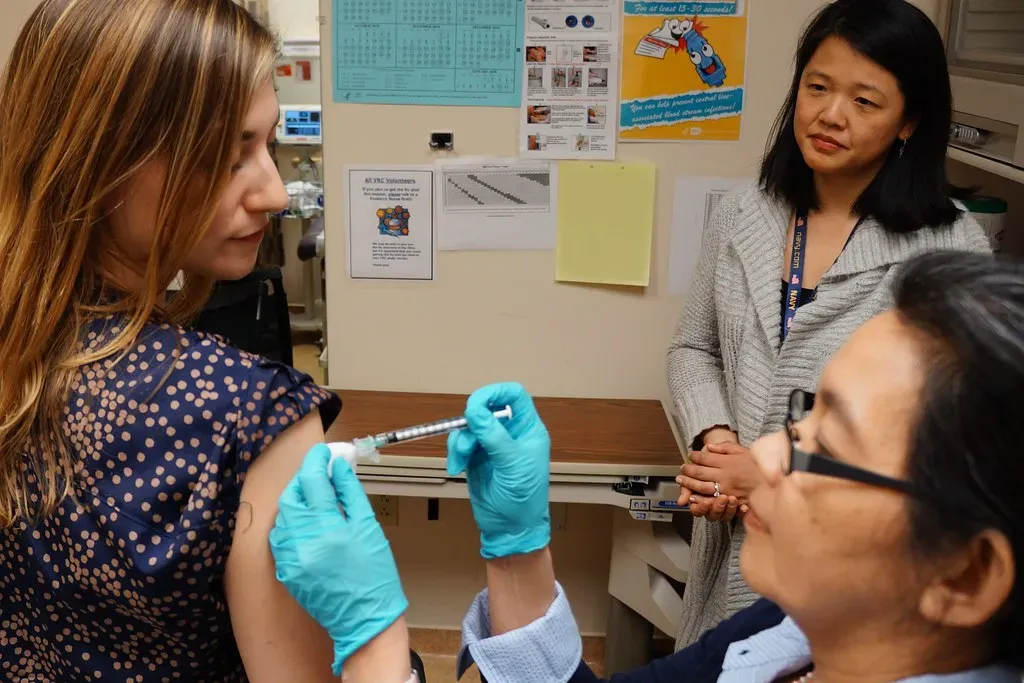
In medicine, a p-value that lands just above the magic 0.05 line can quietly kill a study’s entire impact. Clinically meaningful but statistically “non-significant” findings often get labeled inconclusive and shelved without ceremony.
Maybe a drug showed a strong trend in one subgroup, or a lifestyle change worked well in the real world but missed the formal benchmark. Because regulators, journals, and marketers all prefer a clean win, these nuanced results drift in pending review or sit in trial registries nobody checks. Patients don’t actually live at p=0.049 versus p=0.051 – but guidelines and insurance decisions rarely acknowledge that.
Worth Knowing
- Around half of all trials in one large review had never published results, and positive trials were twice as likely to be published as those with negative ones.
- Studies have estimated that 30% to 64% of trials registered on ClinicalTrials.gov are not associated with published results.
- Trial registries exist specifically to catch these “file-drawer” results, but the backlog stretches back decades.
#10 – The Internal Company Study Buried Under NDAs
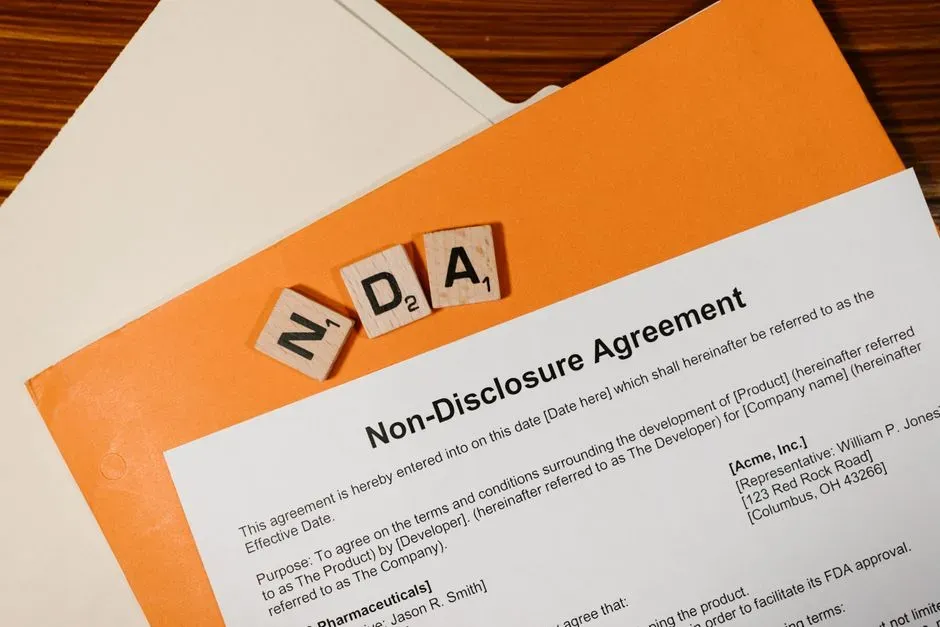
Corporate R&D quietly produces a staggering amount of genuine science. But internal politics and legal caution mean much of it never escapes the building it was born in.
Think of safety tests revealing subtle long-term side effects, or optimization tricks that dramatically cut energy use. If the findings threaten a profitable product or don’t match the current business strategy, they get locked down under nondisclosure agreements and filed as “internal reports pending review” – meaning nobody outside legal and management will ever see them. Defenders call it proprietary protection. Critics call it a black hole where inconvenient truths quietly go to die.
#9 – The Cross-Cultural Finding That Didn’t Fit the Model

Psychology, economics, and the social sciences still lean heavily on data from a handful of wealthy countries. When a study from a different cultural context contradicts an established model, it often gets treated as an “odd exception” and quietly sidelined.
Maybe a decision-making bias documented in Western samples simply disappears in a rural community elsewhere. Or a supposedly “universal” developmental milestone looks completely different in another education system. Instead of prompting a rethink, these findings are more likely to be filed as “context-specific” and left pending, rarely cited outside a niche subfield. Theories built on familiar populations are just easier to teach and publish – even when they’re quietly built on a narrow slice of humanity.
#8 – The Environmental Signal That Looked Like Noise
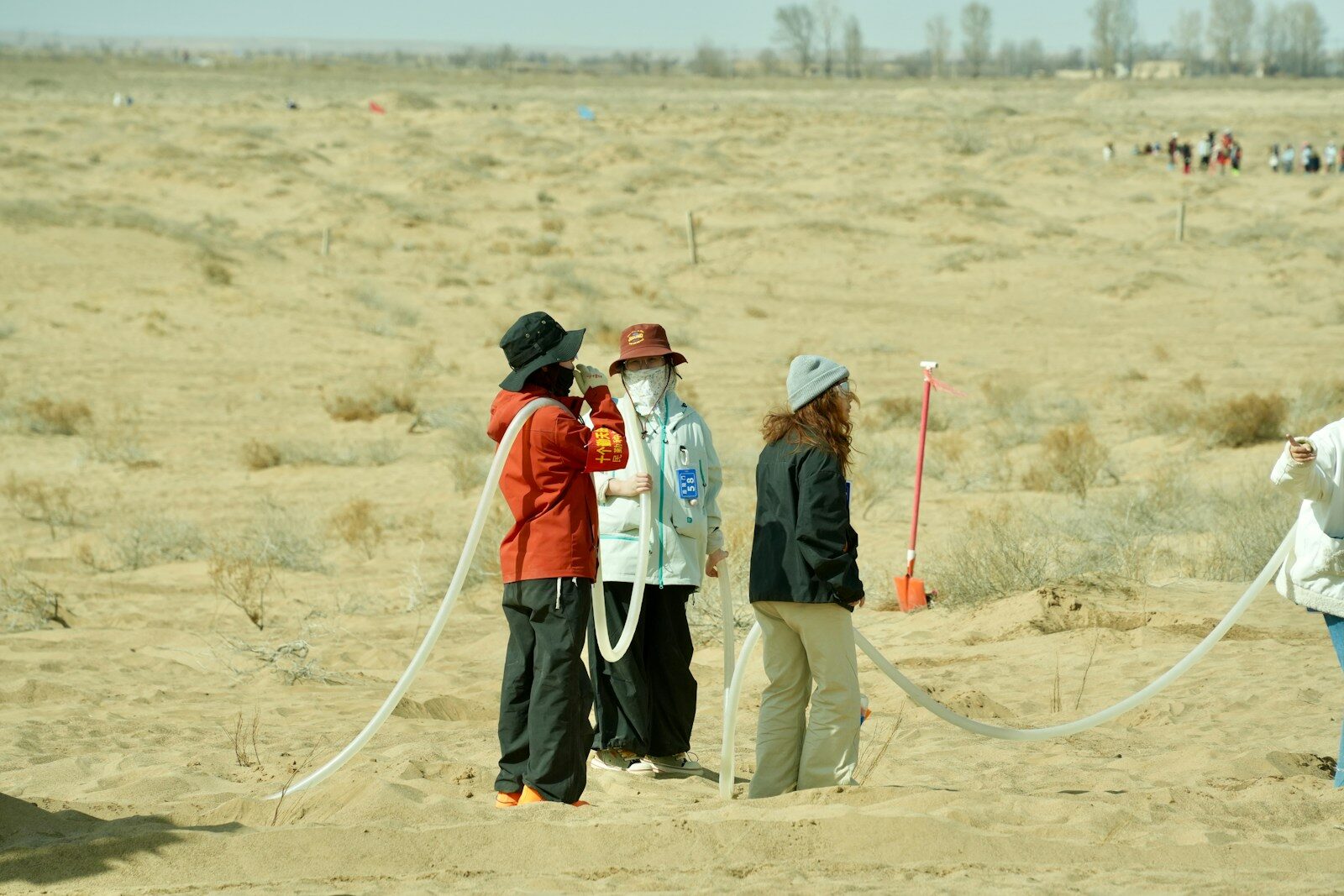
Long-term environmental monitoring is inherently messy: sensors fail, baselines drift, and nature itself is noisy. So when a subtle but persistent trend shows up – a slow rise in a pollutant, a strange migration shift – it’s tempting to chalk it up to a glitch.
Analysts flag the pattern with a note: “requires further investigation.” Then budgets tighten, field campaigns get cut, and a shinier project muscles in. The early warning sits in pending review on some forgotten shared drive until a crisis forces everyone to scramble back through old logs. By then the trend is obvious, and far harder to reverse. From fisheries collapses to groundwater depletion, there are documented cases where the faint signal was sitting right there for years, waiting for someone to take it seriously.
#7 – The Social-Media-Fueled “Discovery” Nobody Could Replicate

Every so often a wildly shareable finding explodes online before the ink on the preprint is even dry. Think “miracle” interventions, dramatic brain-scan images, or a simple trick that supposedly hacks a complex system. Then the follow-up work quietly fizzles out.
Labs trying to replicate the effect get messy, ambiguous results, and journals – now wary of backlash either way – move slowly. The original study languishes in extended “pending review” limbo as editors brace for a controversy they no longer want any part of. Meanwhile the public conversation has already moved on, leaving the scientific record stuck with a half-baked claim that nobody quite owns anymore.
#6 – The Algorithm That Beat the Benchmark Once
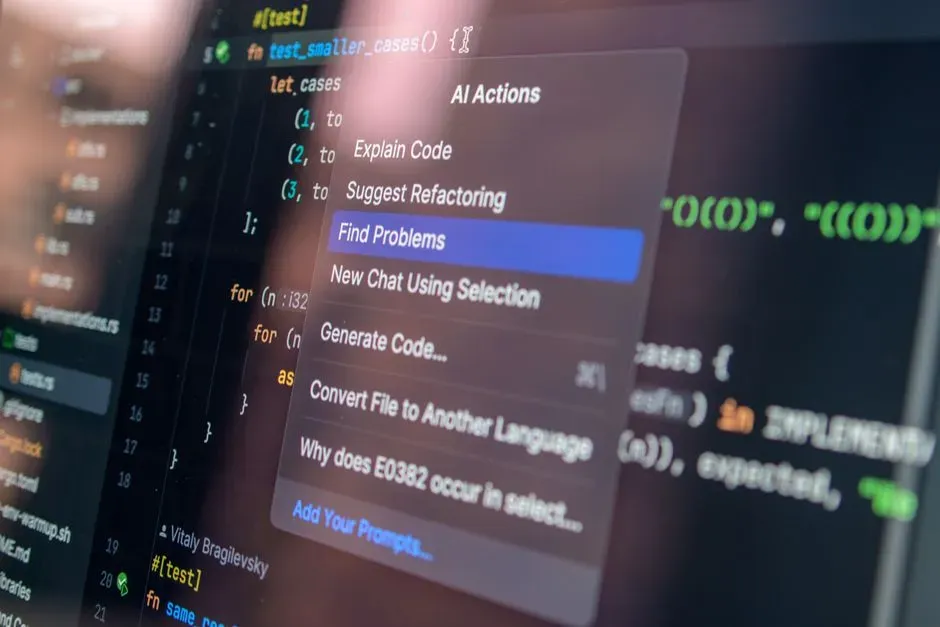
In computer science and AI, a single result beating a benchmark can look like a breakthrough. But if that performance is fragile – tuned to one dataset, one hardware stack – it often stalls at “pending review” the moment reviewers start asking hard questions.
Authors submit to a top conference claiming state-of-the-art results; reviewers push back demanding robustness checks and ablation studies across settings. Without the time or compute to rerun massive experiments, teams sometimes give up midway, leaving a promising idea stranded in a rejected-but-never-resubmitted limbo. Later, someone else arrives at a nearly identical method with better resources, fully validates it, and takes the credit – while the original team gets a ghost entry in an old Git repo.
#5 – The Ethics Red Flag That Never Reached the Right People
Ethics boards review a staggering volume of proposals, often under real time pressure. Subtle red flags about data use, consent, or downstream harm can get marked for “follow-up review” and then simply lost in the shuffle.
Picture an application involving facial recognition built on a vaguely described dataset. A reviewer notes a concern, asks for clarification, the file bounces between inboxes, and it eventually gets a narrow approval with conditions attached. The bigger question – what happens if this technology scales – is effectively left pending, with no clear owner ever assigned to it. By the time real harms surface – bias, privacy breaches, unintended uses – that early flagged concern is buried in meeting minutes almost nobody will ever read again.
#4 – The “Tiny Side Effect” That Looked Clinically Irrelevant
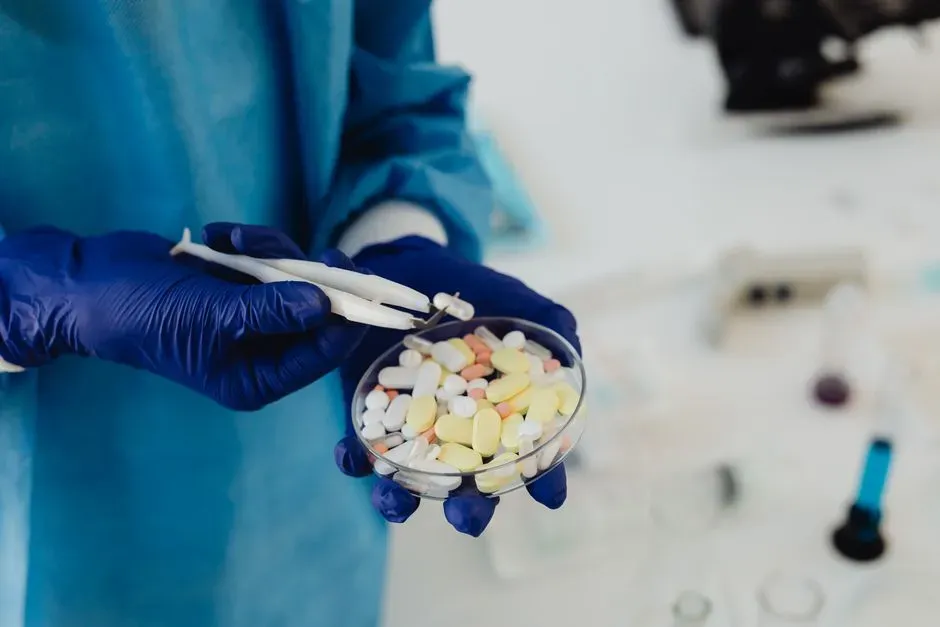
During early drug and device trials, researchers generate long lists of side effects. Many get dismissed as minor: a small lab value shift, a rare subjective complaint, a borderline change in some obscure marker. These get logged, earmarked for “post-marketing surveillance,” and effectively parked.
Regulators can’t chase every wobble in the data. But history is full of cases where an early “tiny signal” hinted at a much bigger long-term problem that only became obvious after wide deployment. Pharmacovigilance systems try to catch these, but they’re often underfunded and fragmented – leaving a gray zone where low-grade, long-horizon risks stay technically “under review” while millions of people are already using the product.
#3 – The Archaeological Find That Never Got Properly Cataloged

Field archaeology is chaotic. Teams unearth artifacts in harsh conditions, racing weather and budget deadlines, and not everything gets the lab time it deserves. Crates of “miscellaneous finds” end up in museum basements, tagged for a future analysis that never arrives.
Among the pottery shards and bone fragments are sometimes genuinely puzzling items: tools that don’t match any known culture, inscriptions nobody has fully translated, materials from suspiciously distant origins. Without a dedicated specialist and real funding, they remain cardboard-boxed discoveries – technically documented, functionally invisible to broader scholarship. Decades later, a new generation occasionally stumbles onto them and rewrites regional history overnight. For every one of those, countless others stay stuck in the dark, because excavation gets the glory and cataloging never does.
#2 – The “Boring” Material With Strange Properties
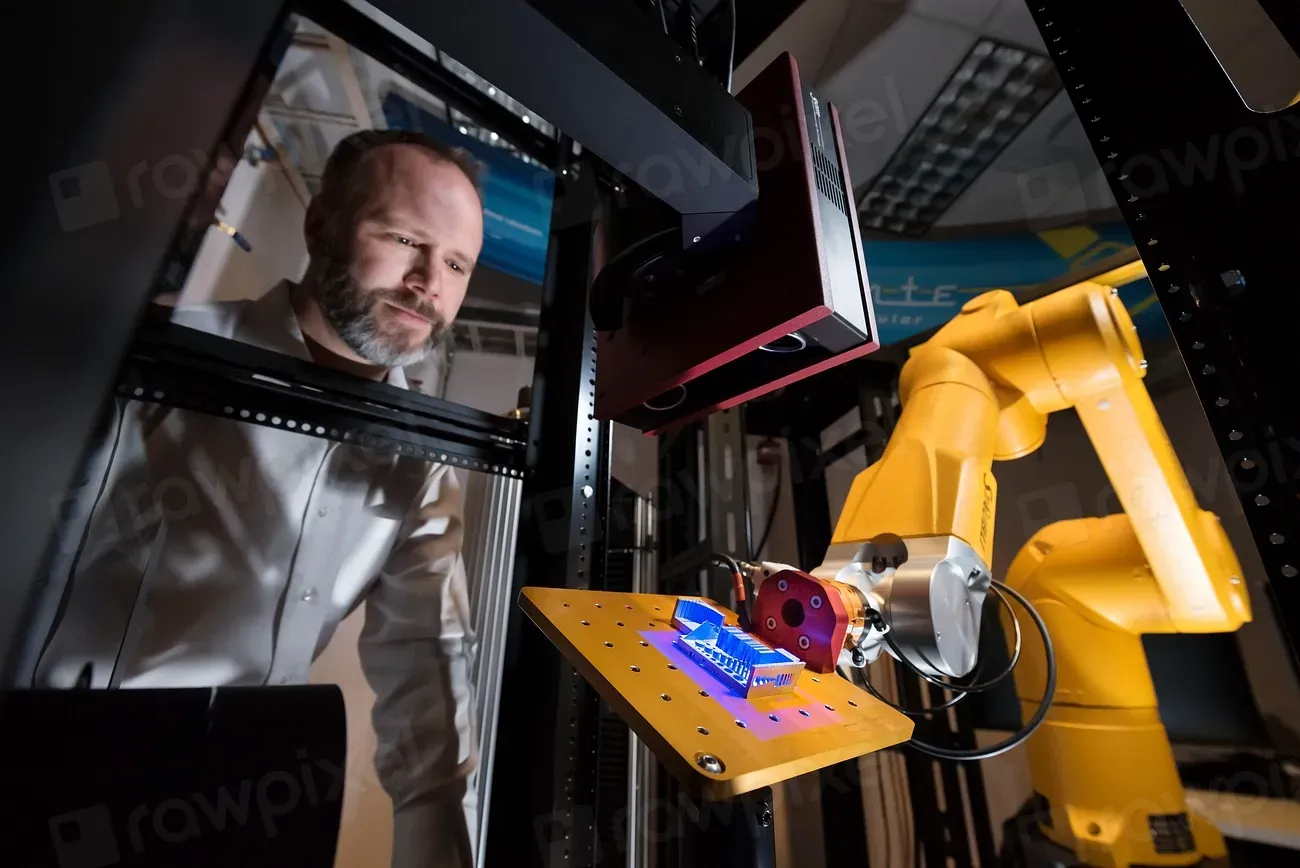
Materials science is full of substances that look completely mundane until they’re tested under weird conditions: extreme pressure, unusual temperatures, exotic magnetic fields. When a lab notices a quirky property in an otherwise forgettable compound, it’s easy to jot it down and move on.
Maybe a polymer behaves oddly under repeated stress cycles, or a cheap alloy shows unexpected resistance in a corrosive environment. Because it doesn’t fit the current research “story,” the finding gets filed as a side note pending follow-up that never comes. Yet some of history’s most transformative technologies – superconductors, special coatings, new battery chemistries – began as nothing more than a weird curve on a graph that somebody almost threw away. Tomorrow’s key material might already be sitting in a forgotten supplemental table right now.
Why It Stands Out
- Teflon was born from a lab accident in 1938, when a frozen sample of gas polymerized into a strange, slick solid nobody had ordered.
- Vulcanized rubber came from a mixture accidentally left on a hot stove – a “failure” that became the backbone of modern tires.
- The weak, oddly reusable glue behind Post-it Notes sat unused on a shelf for years before anyone found a job for it.
#1 – The Cross-Discipline Discovery That Threatened Everyone’s Story
The most under-reviewed, under-discussed discoveries are the ones that slice across multiple powerful narratives at once – the ones that, if taken seriously, would force medicine, economics, technology, and policy to admit they’ve all been telling incomplete stories.
Think of solid evidence that a common, low-margin intervention quietly outperforms a trendy, expensive one. Or hard data showing that a widely worshipped metric – GDP growth, test scores, click-through rates – systematically hides long-term damage. When a discovery threatens too many entrenched interests at once, it becomes remarkably easy for every field to say “important, but not quite our remit” and pass it along. So it sits in a kind of meta-pending status forever: cited occasionally, debated in small circles, never fully integrated into mainstream thinking – not because it’s false, but because accepting it would mean rewriting too many comfortable chapters at once.
The Bottom Line

What looks like a rigorous, linear march of progress from the outside is, from the inside, full of half-finished stories parked in “pending review” that no one truly owns. Money runs out, careers shift, editors hesitate, and anything too small, too messy, too weird, or too politically inconvenient quietly slips through the cracks.
That doesn’t mean every forgotten finding is a hidden revolution – but it does mean we systematically favor clean, tidy narratives over uncomfortable, unfinished truths. My honest take: the problem was never a lack of data. It’s a lack of courage and incentive to chase the awkward outlier instead of the safe headline. Science does advance – just not always in the direction the evidence pointed first.
So which of these 22 kinds of “pending” discoveries worries you the most – and have you ever watched one disappear in your own field?