
Most people assume ancient sites only close for the obvious reasons: war, earthquakes, funding collapse. But over the past few decades, a stranger pattern has crept across some of the most famous ruins on Earth – gates quietly locked, access revoked, and no coherent public explanation ever offered. Archaeologists grumble about it off the record. Local guides trade rumors nobody can confirm. Officials release a vague line about “security” or “preservation,” then go silent for years.
These aren’t obscure ruins nobody’s heard of. Several sit proudly in tourism brochures and academic journals, drawing millions of visitors a year – right up until the day a section simply vanishes from the map. Here are 13 ancient sites that were closed off without any real explanation, and what researchers, local reports, and the available evidence actually suggest happened.
#13 – Parts of Göbekli Tepe, Türkiye
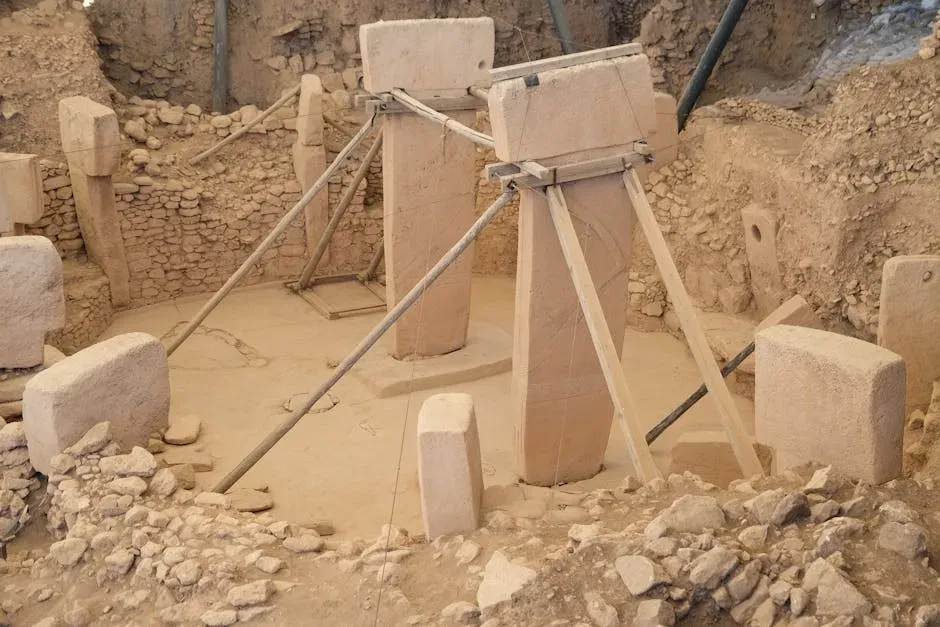
On paper, Göbekli Tepe is a world-class archaeological showpiece, often hyped as “the world’s oldest temple complex.” In reality, visitors who return after a few years are stunned to find entire sections suddenly blocked off with little more than a vague “research work” sign. No clear timeline, no transparent project notes, and almost no public communication. For a site this important, that silence feels off.
Archaeologists do need controlled conditions to work, no question. But even long-standing viewing areas here have quietly disappeared from standard tours, with guides told to “avoid questions” about certain zones. Some researchers privately suspect delicate new finds – iconography, burials, or evidence that could shift the accepted timeline – are being studied under a veil of bureaucracy before the official story gets updated. Others think it’s just clumsy site management.
Fast Facts
- Göbekli Tepe’s monumental pillars date to roughly 9600 BCE, making the complex about 7,000 years older than Stonehenge.
- German archaeologist Klaus Schmidt began systematic excavations in 1995, a year after first recognizing the hilltop’s significance.
- UNESCO inscribed the site on its World Heritage List in July 2018.
- The complex sits on a limestone ridge in Şanlıurfa Province, southeastern Türkiye, where public access remains officially limited.
#12 – The Akhenaten-Era Ruins at Amarna, Egypt (Key Sectors)
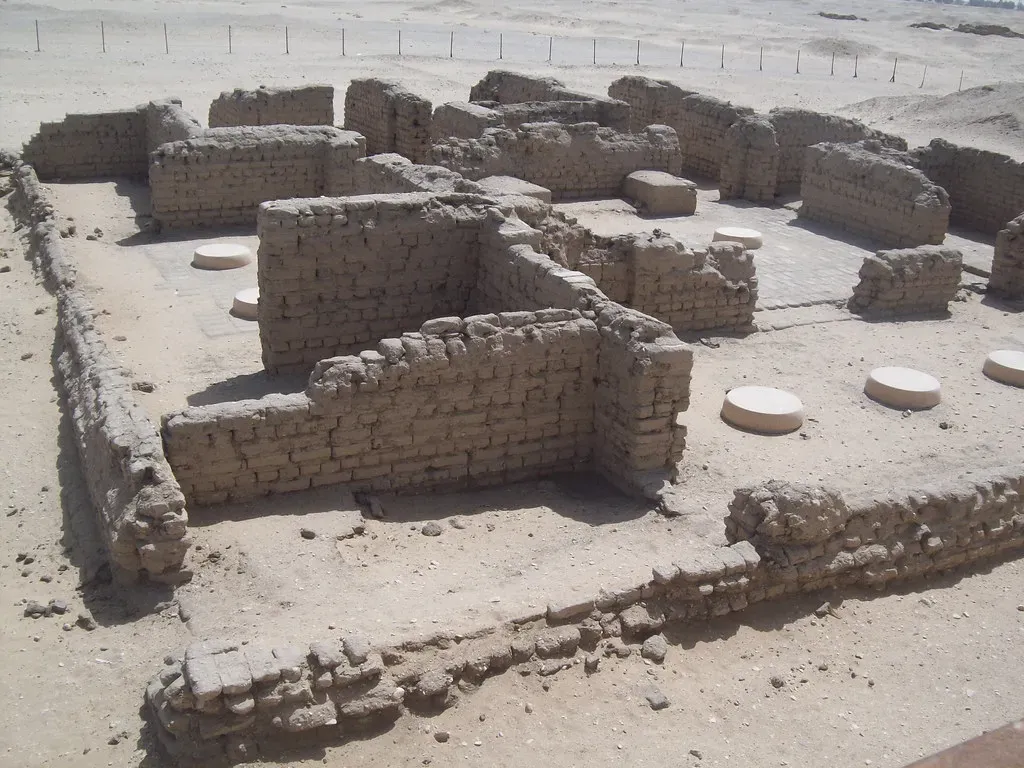
Most people assume Egypt tells the world everything it finds, because tourism money depends on it. But several sectors around ancient Amarna – the short-lived capital of the “heretic pharaoh” Akhenaten – have been quietly locked down or made “practically inaccessible” except to select teams. Tombs and building sectors once casually visited by tourists now sit behind closed gates and conflicting explanations.
Locals in nearby el-Hagg Qandil talk about checkpoints tightening at odd hours, while researchers note gaps between older site plans and what you’re actually allowed to see today. Officials lean on “safety” and “ongoing work,” but there’s little clear documentation for why areas tied to the Aten cult and elite burials are so restricted. Some Egyptologists quietly suspect fragile religious inscriptions, or politically touchy interpretations of Akhenaten’s reforms, are being managed very carefully.
#11 – The Subterranean Chambers of Derinkuyu, Türkiye
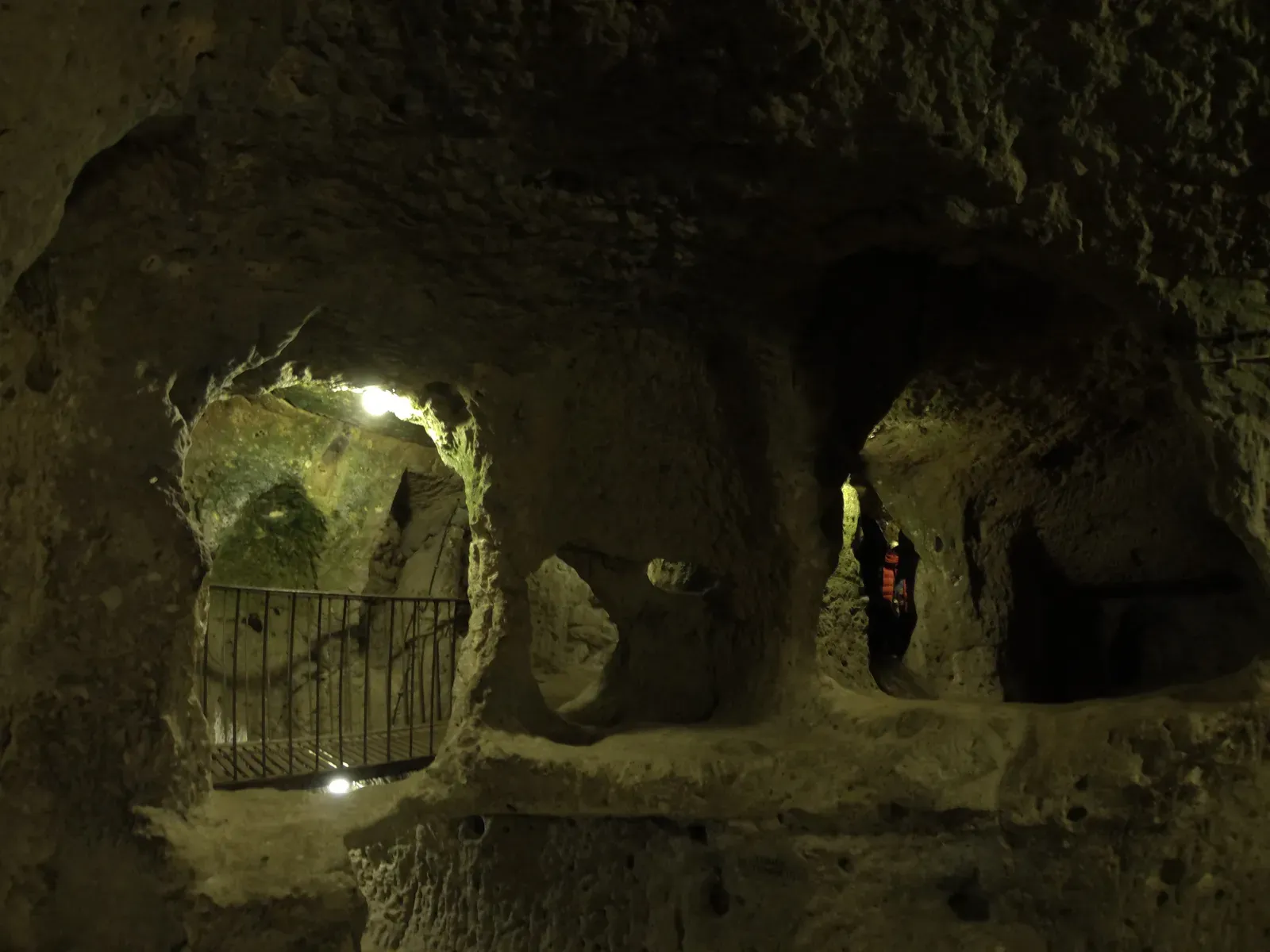
Derinkuyu’s underground city is still technically open – just not the Derinkuyu people think they’re visiting. Early explorers described deeper levels, side passages, and clustered chambers that no longer appear on official tours or current maps. Ask about them today and you’ll get a quick “closed for safety,” with zero follow-up detail, as if those spaces never existed.
Underground stability is a legitimate concern, to be fair. What bothers researchers is the lack of published structural surveys explaining which levels actually failed inspection, and why some well-documented areas are now treated like rumor. A few independent speleologists claim certain tunnels connect to nearby complexes, which would rewrite how we understand Cappadocia’s underground networks. Those are exactly the connections that have vanished from visitor routes.
#10 – The Hidden Geoglyphs of Nazca, Peru
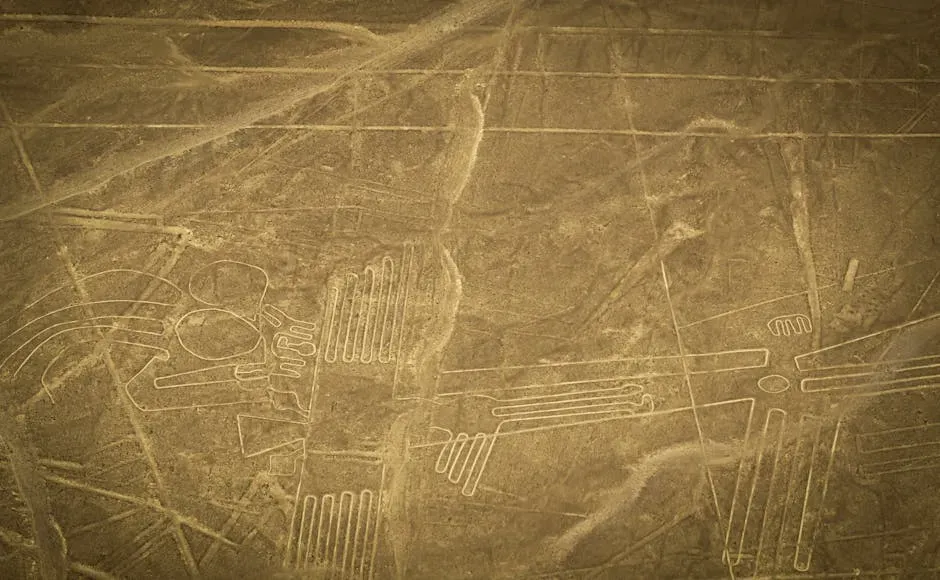
Everyone knows the famous hummingbird and monkey figures. What most people don’t realize is that a large number of lesser-known geoglyphs have been effectively “closed” without any formal public notice – simply by rerouting tours, denying permits, and restricting overflight paths. On paper, many are “still there.” In practice, you can’t get anywhere near them.
Officials usually cite erosion or illegal mining, and those are real threats. But there’s an odd pattern: some of the hardest-to-reach figures are the ones that don’t fit neatly into the usual “ritual pathway” theory – strange geometric groupings, rare human-like forms, lines that seem to track horizon events. Independent researchers complain that new drone imagery of these zones is tightly controlled. The result is a two-tier Nazca: the Instagram-friendly glyphs, and a shadow list quietly taken off the table.
#9 – The Sealed Sound Chambers of Chavín de Huántar, Peru
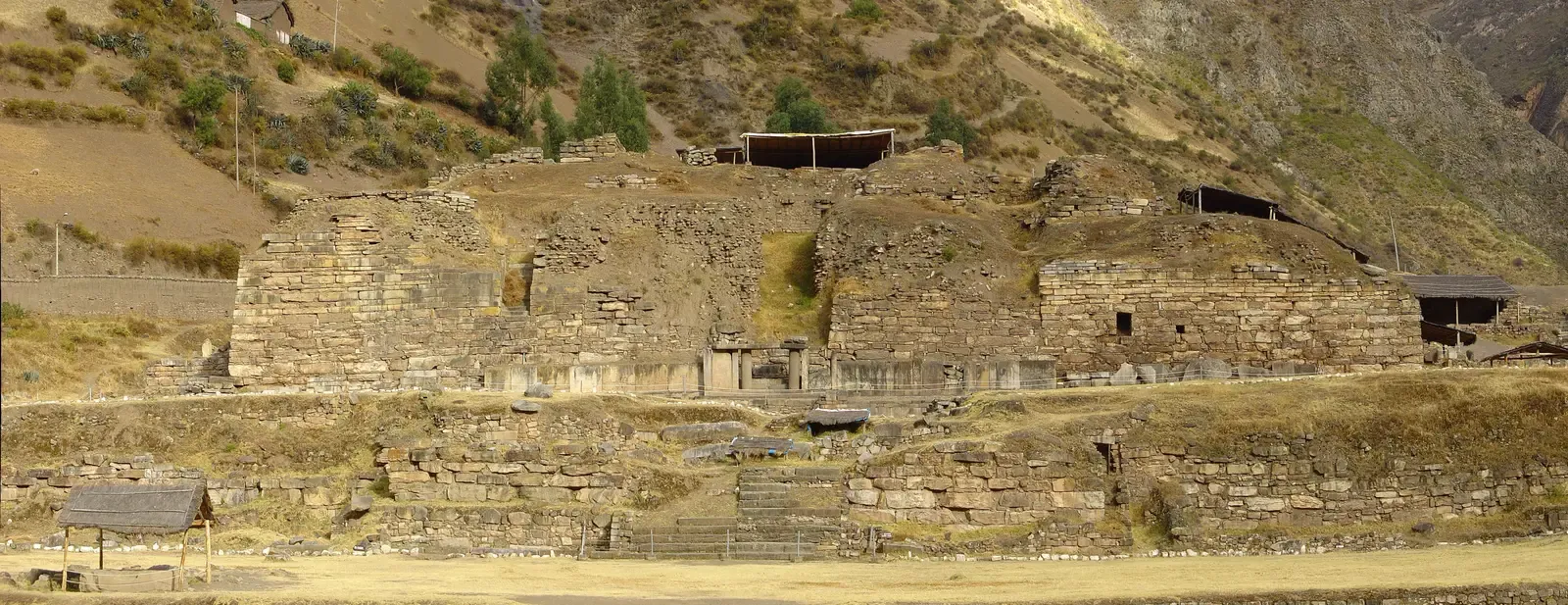
Chavín de Huántar is usually pitched as a classic Andean ceremonial center, but that reputation rests on what we’re allowed to see. For years, reports described labyrinthine underground galleries, acoustic “trick” chambers, and water-routed corridors beneath the site. Recently, several of these lower sections were sealed, visitors were funneled onto a simplified path, and almost no detail was given about what actually failed safety standards.
Engineers do warn that rain and seismic activity can make these tunnels dangerous. Still, the timing bothers some archaeologists: closures ramped up right as experimental studies began revealing bizarre sound behavior and psychological effects when conch trumpets were played inside the galleries. A few scholars now argue the underground architecture may have been built to induce altered states. Conveniently, the spaces that would test that theory hardest are now the ones off limits.
Worth Knowing
- Chavín de Huántar served as a major ceremonial center of the Chavín culture and was inscribed as a UNESCO World Heritage Site in 1985.
- Beneath the main temple, archaeologists have mapped a dense network of narrow galleries, drainage canals, and ventilation shafts.
- Studies of the site’s acoustics show that sound from pututus, large conch-shell trumpets, behaves unpredictably inside the stone corridors.
- Some researchers argue the layout was deliberately engineered to disorient visitors during ceremonies, blending architecture with sensory manipulation.
#8 – The Vanishing Stones of Puma Punku, Bolivia
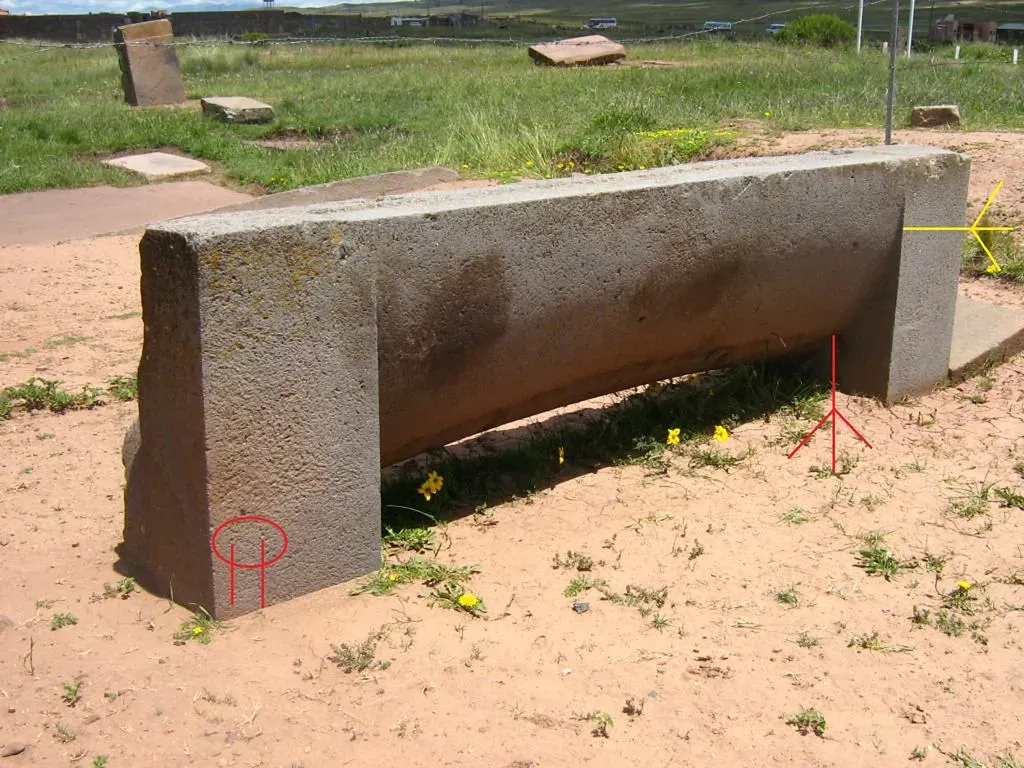
Puma Punku is one of those sites that conspiracy channels love and serious archaeologists quietly roll their eyes at. Yet even the skeptics admit something odd: certain stone groupings and foundation alignments described in older surveys now sit behind low fences, or have simply disappeared from casual access, with little public explanation. It’s a slow, quiet shrinkage of what you’re actually allowed to walk among.
Officials point to vandalism and erosion, and that’s real. But local guides note not all cordoned-off chunks are equally fragile – some of the most restricted blocks are the ones with the cleanest, strangest cuts and unusual notching patterns. Instead of letting people inspect them closely and measure them properly, the solution has been distance. The irony: by half-closing parts of the site without clarity, authorities hand fringe theories more oxygen, not less.
#7 – The Off-Limits Caves Near Qumran, West Bank
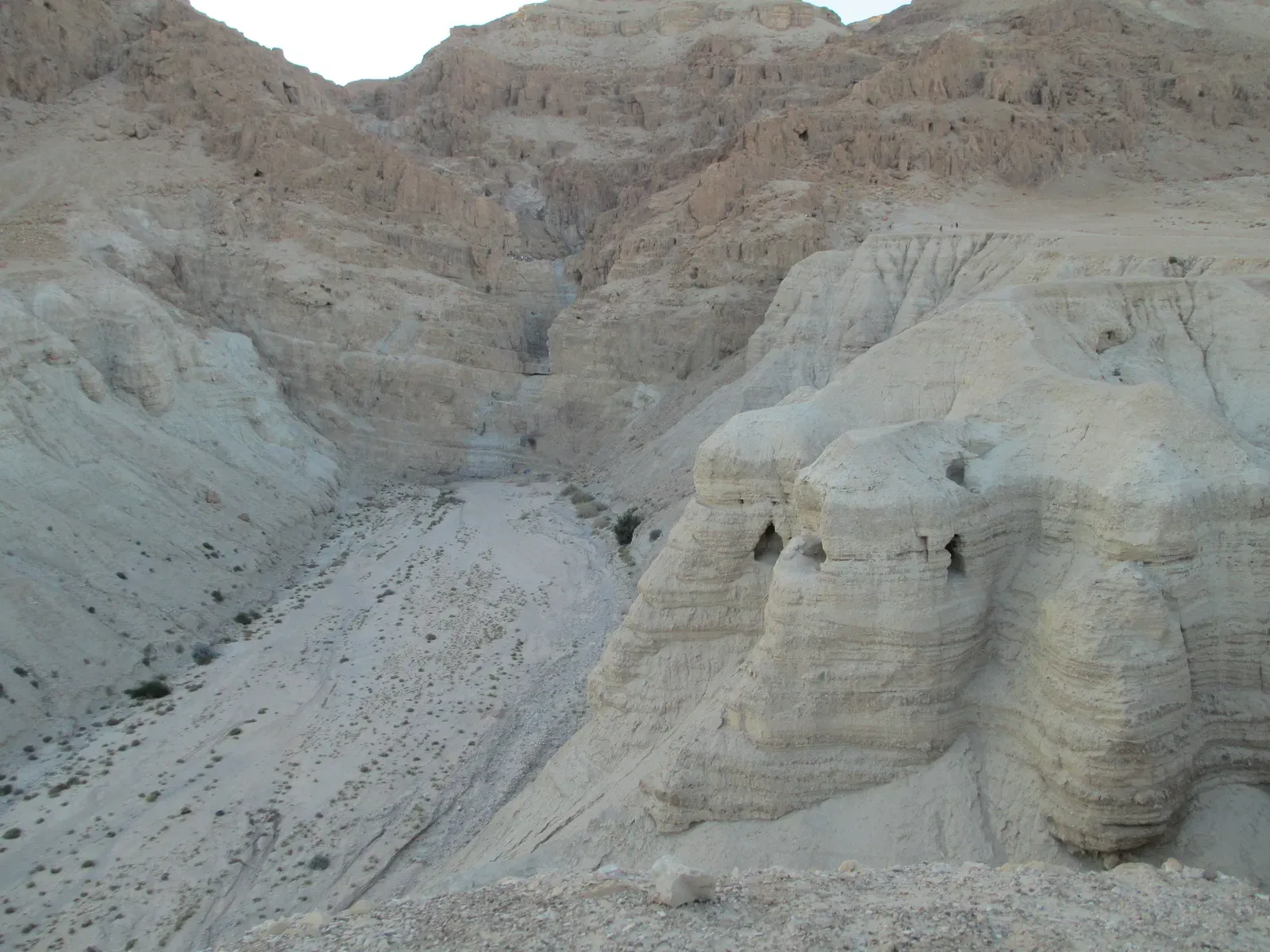
Ask the average person about Qumran and they’ll say, “Dead Sea Scrolls, found, studied, done.” The reality is messier. Several caves in the wider Qumran region are now functionally closed – blocked, re-buried, or placed off-limits under security pretexts – with scant formal reporting on any systematic exploration of them.
Nobody credible is claiming there’s a missing scripture down there. The real issue is that even small, fragmentary finds could meaningfully refine how we understand the communities who lived there and how key texts were transmitted. Yet every mention of new surveys is followed by long silence and vague references to “disturbances” or “site protection.” Given the political and religious sensitivity around anything touching biblical history, some experts suspect it’s easier to quietly restrict access than manage the inevitable firestorm of interpretation.
#6 – The Lost Roman Tunnels Under Naples, Italy
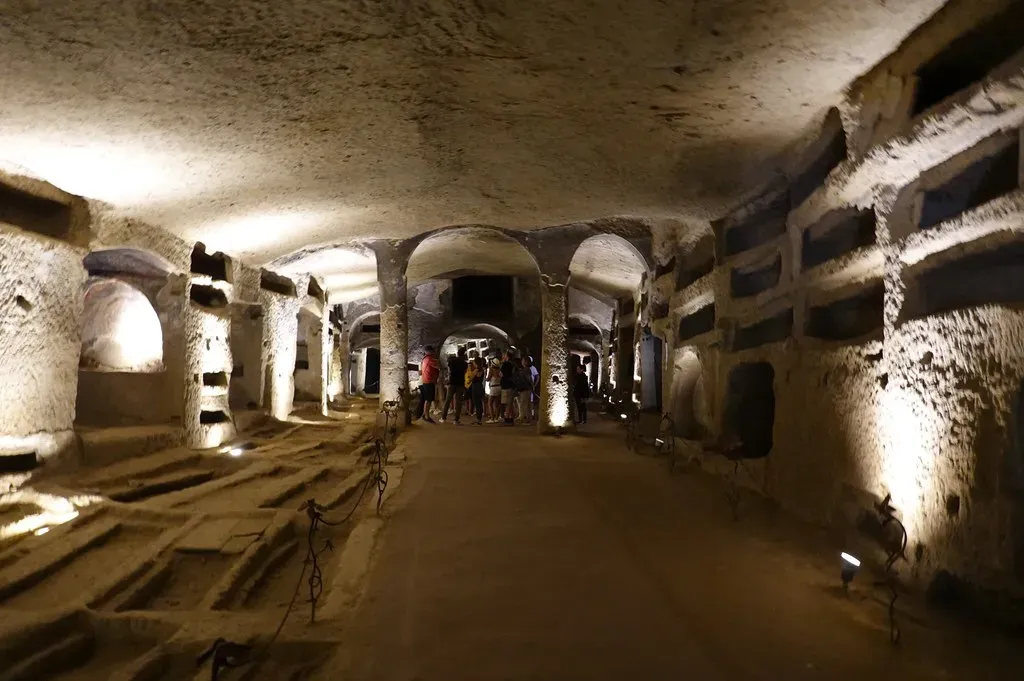
Naples is honeycombed with ancient tunnels – Greek, Roman, medieval, take your pick. For decades, urban explorers and local historians documented long corridors, cisterns, and branching galleries connecting multiple districts. Over the last 15 to 20 years, several of those documented branches have vanished from tours, maps, and official narratives, often labeled “permanently closed” with no shared technical assessment.
Tunnels under a dense modern city can absolutely be a structural nightmare, no argument there. But transparency here is thin. Groups who once had supervised access now report blanket refusals, with reasoning that rarely goes beyond “not authorized anymore.” Some suspect concerns over hidden modern use – informal storage, criminal activity – or the discovery of sensitive wartime remains. Others think the city simply doesn’t want to pay for reinforcement. Either way, centuries-old infrastructure went from open to closed with the public cut out of the “why.”
#5 – The Restricted Inner Passages of Borobudur, Indonesia
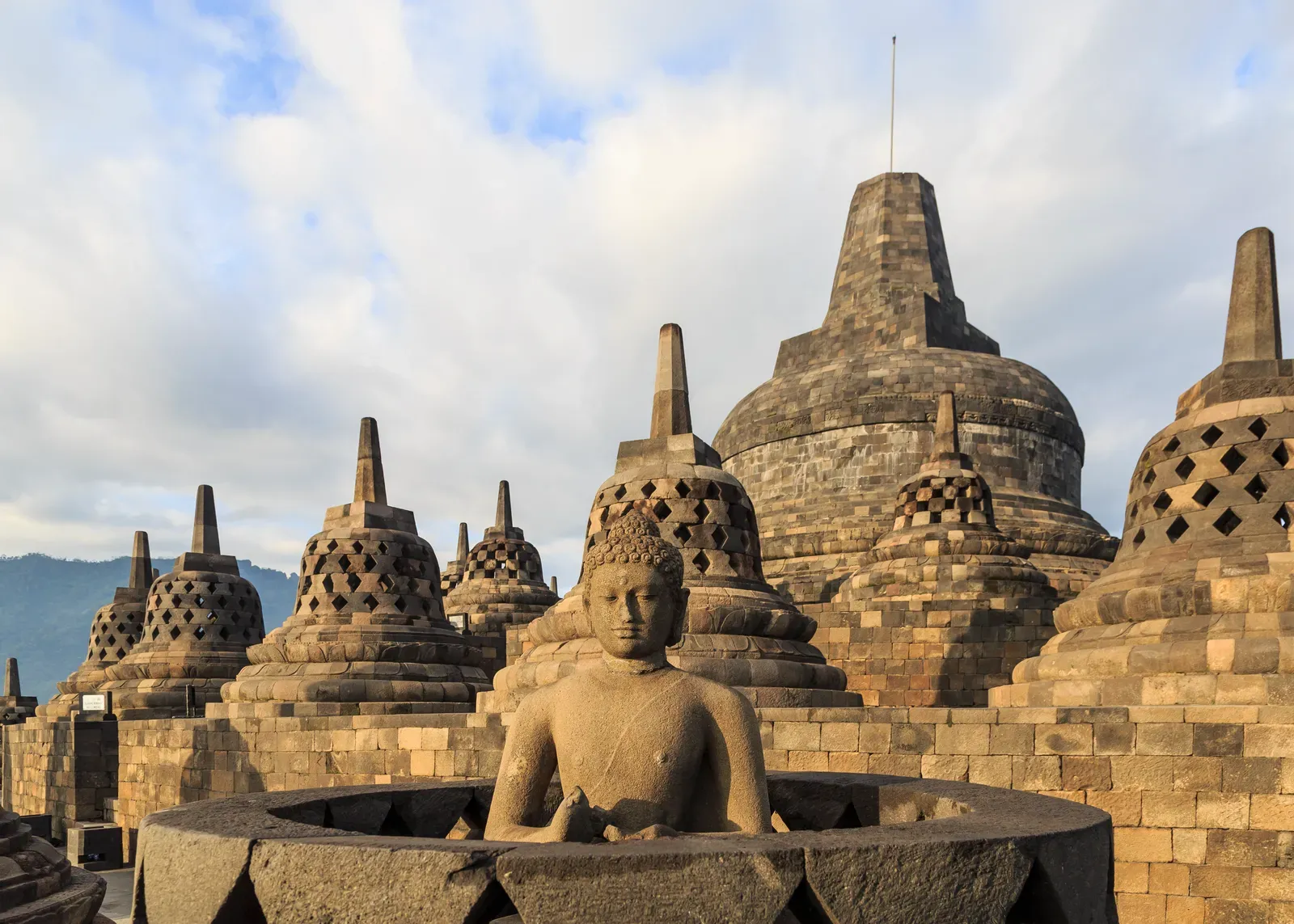
Borobudur’s terraces and reliefs are world-famous, and the monument is technically open. But experienced visitors will tell you access to upper levels and certain inner passages has grown more restricted and erratic over time, with guards occasionally blocking segments that look structurally sound and show no visible restoration – offering nothing more than “closed today.”
Officially, it’s about overcrowding and stone wear, which are valid concerns. Yet some art historians note the least accessible areas often include panels with unusual or unfinished iconography – narrative sequences that don’t neatly align with the cleaned-up “Buddhist textbook” tour script. Indonesia also juggles a complex religious landscape, and Borobudur sits right at that intersection. The pattern of blocked, reopened, re-blocked keeps the uncomfortable questions alive instead of settling them.
#4 – The Buried Sectors of Mohenjo-daro, Pakistan
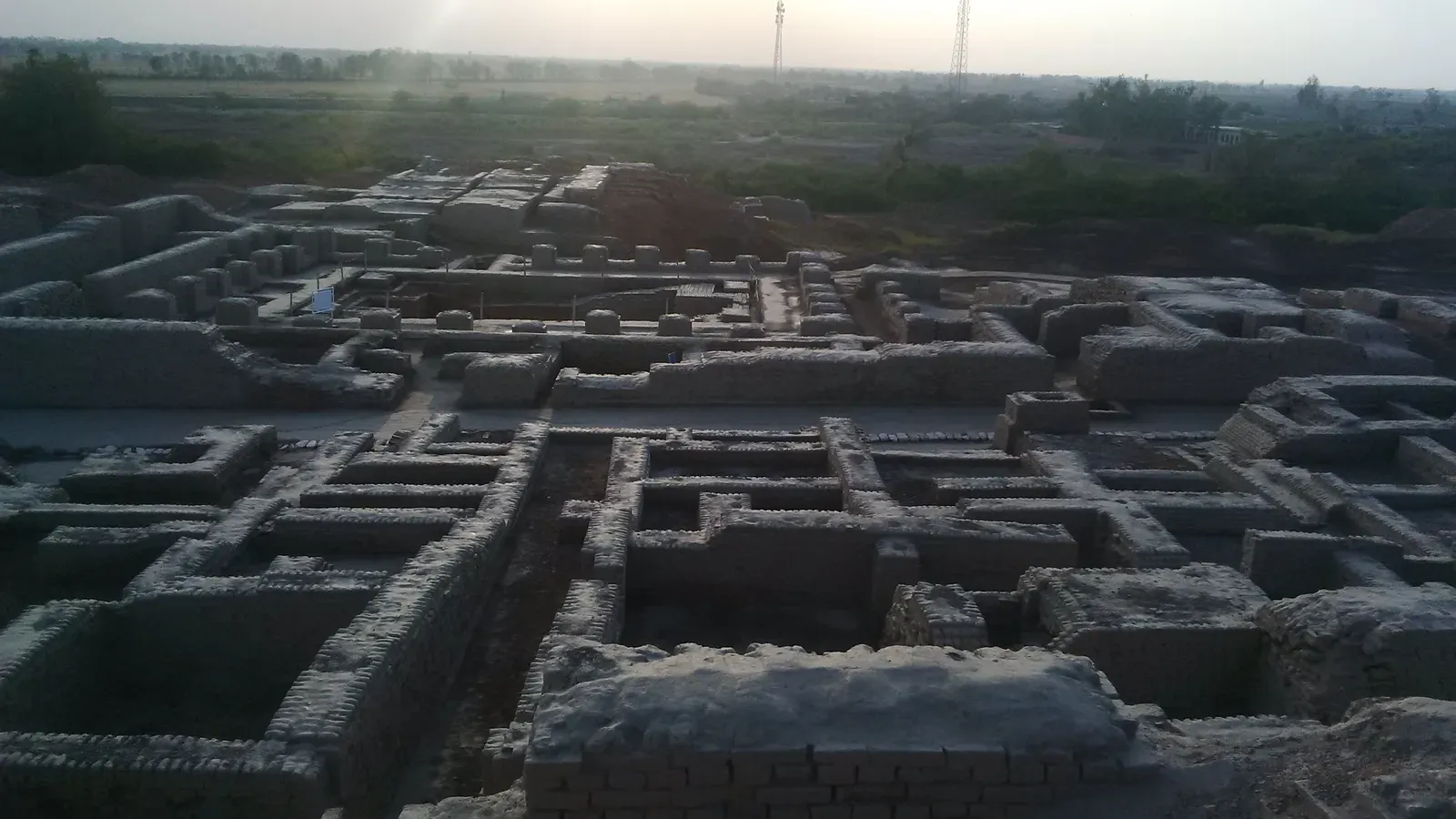
Mohenjo-daro is marketed as a window into the Indus Valley Civilization, but much of what visitors see is a curated slice. Over the years, lower or peripheral sectors have been fenced off, flooded then drained, and “temporarily” closed with no detailed public restoration reports to match. For a UNESCO-listed site this important, that patchy record is worrying.
Conservationists reasonably warn that groundwater and salt are eating the bricks. Still, some archaeologists argue large-scale reburial is being used not just for protection but as a convenient way to avoid funding harder studies. Sections where evidence might challenge comfortable textbook claims – like standardized city planning as purely “peaceful,” or the absence of clear elite monuments – are expensive and difficult to interpret. When those exact zones quietly drop off the visitor path, speculation fills the vacuum. Nobody’s hiding aliens; they might just be burying ambiguity.
#3 – The Hidden Compounds of Teotihuacan, Mexico
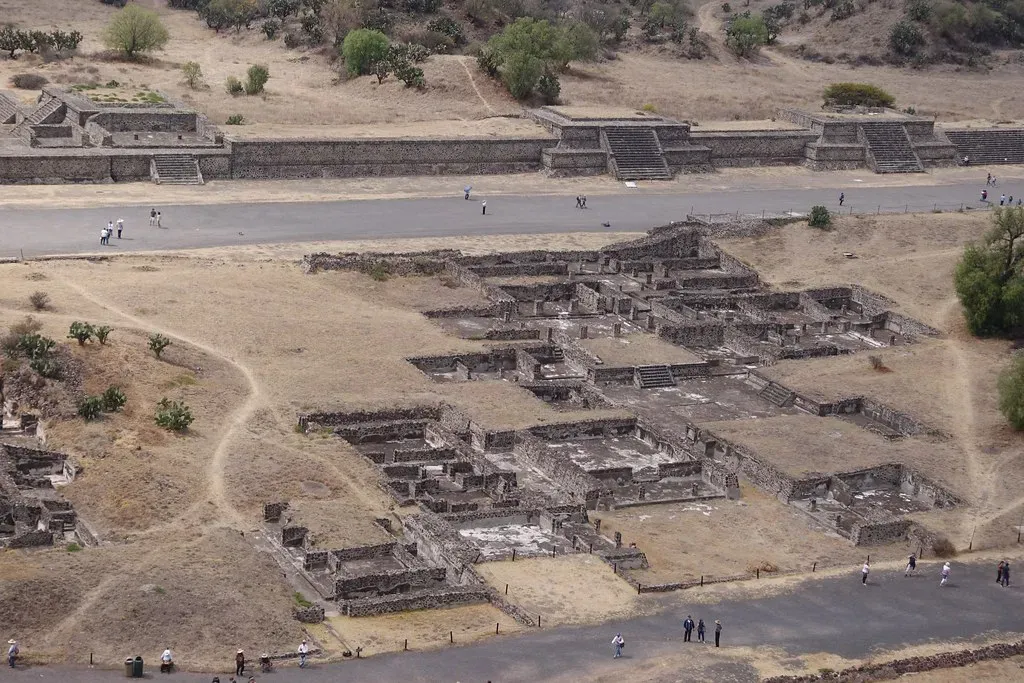
Teotihuacan still draws crowds to the Pyramid of the Sun and the Avenue of the Dead. But compare older site plans with today’s access, and you’ll notice entire apartment compounds and temple clusters have been quietly pulled out of the casual tourist loop, with only vague references to “research” or “stabilization” and few detailed, open publications to back it up.
The uncomfortable truth: Teotihuacan’s social structure is still poorly understood, and some excavations point toward ritual violence, strict stratification, and possible foreign enclaves that clash with the sanitized “mysterious but harmonious city” narrative. Areas yielding that kind of evidence often become the most locked-down in terms of access. Researchers with permits still get inside; the public gets pushed toward the grand, easily digestible monuments instead.
#2 – The Sealed Tomb Mounds Around Xi’an, China
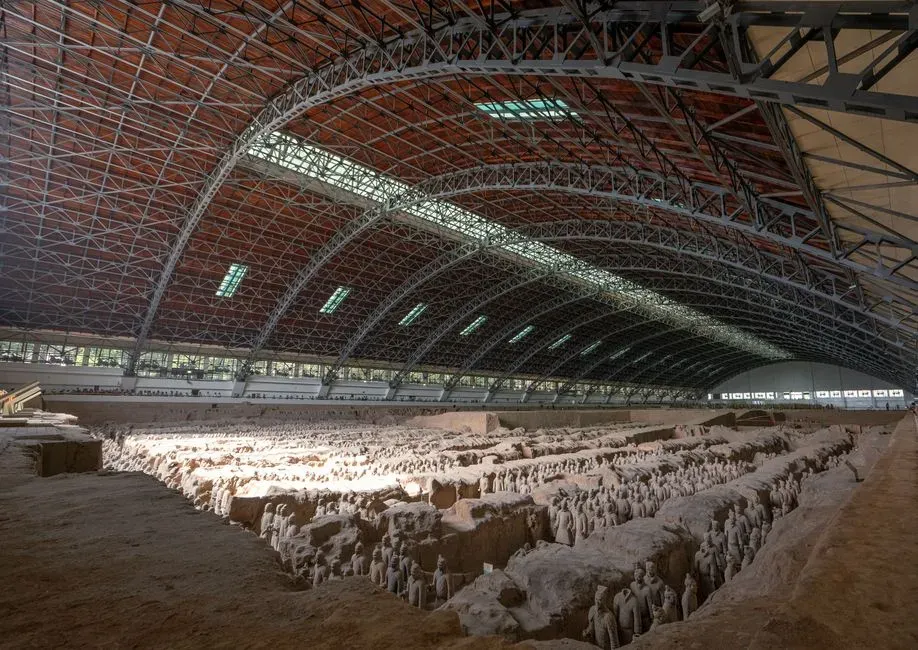
Everyone knows the Terracotta Army. Far fewer realize the surrounding region is full of other imperial and noble tomb mounds, many of which were once visitable or at least viewable from close range. Over the past couple of decades, several have effectively disappeared behind fences, trees, and “no entry” signs, with vague gestures toward “future excavation” that never seems to arrive.
Chinese archaeologists often argue, reasonably, that opening tombs prematurely risks irreversible damage. What’s harder to justify is the near-total silence about survey results and closure criteria. In some cases, satellite imagery and older photos suggest recent disturbance or construction near closed mounds, followed by nothing. Given that imperial burials can contain politically sensitive inscriptions or unflattering histories, the temptation to defer exploration indefinitely is obvious – even as the country proudly showcases other tombs as national treasures.
At a Glance
- Farmers accidentally discovered the Terracotta Army in March 1974 while digging a well near Xi’an.
- The three main pits are estimated to hold more than 8,000 soldiers, along with hundreds of horses and chariots.
- The wider mausoleum complex built for Qin Shi Huang, China’s first emperor, spans an estimated 38 square miles.
- More than 50 years after the discovery, the emperor’s actual burial chamber remains unexcavated, partly due to historical accounts of mercury rivers that modern soil tests have partially corroborated.
#1 – The Sealed Passages Beneath the Great Sphinx, Egypt
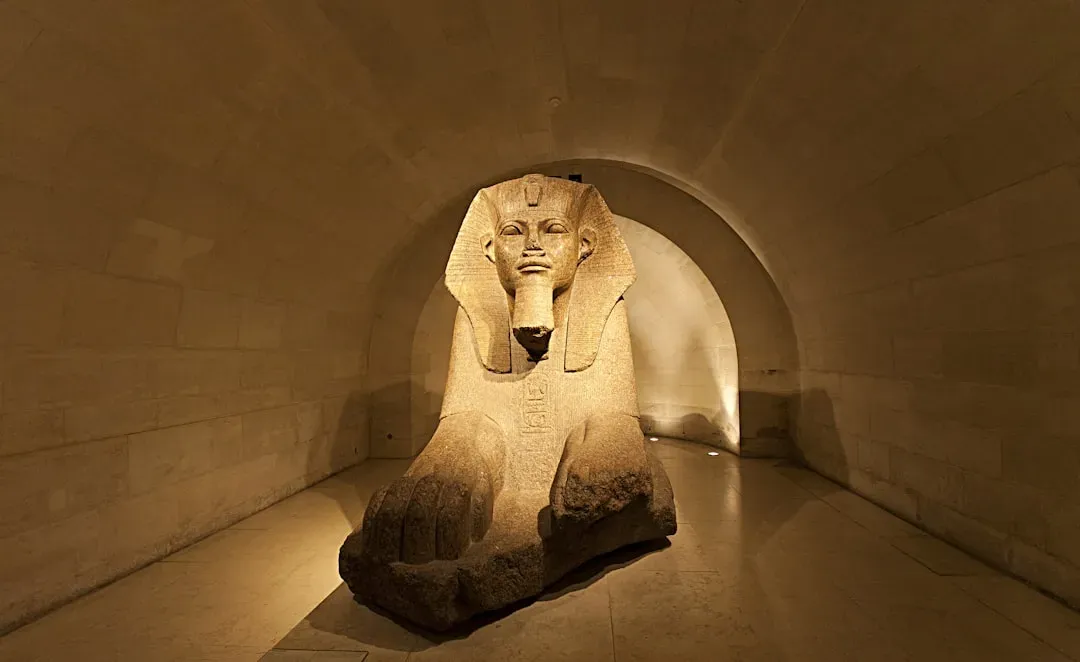
No site on Earth is more photographed – and more selectively shown – than the Giza Plateau. While the Sphinx itself is “open” to viewing, multiple documented shafts, tunnels, and subsurface cavities around and beneath the monument have been sealed or placed under tight, unexplained restriction. References to them in older surveys sit sharply at odds with what today’s visitors can access, or even see.
Egyptian authorities insist there’s nothing dramatic below, just natural cavities and later cuttings. Yet they’ve repeatedly blocked independent teams from running non-invasive scans or re-examining known entrances, often at the last minute and with minimal explanation. It’s not credible to leap from that straight to “hidden archive of ancient wisdom.” But it’s just as naive to pretend this level of control doesn’t shape the story we tell about one of humanity’s most iconic structures. The Sphinx has become a masterclass in managed mystery: technically visible, functionally opaque exactly where it matters.
Quick Compare
- Visible above ground: a single limestone outcrop carved into a body roughly 240 feet long and 66 feet tall.
- Documented but restricted: shafts and tunnels first noted by 19th and early 20th-century surveyors, including passages near the paws and rump.
- Official position: authorities describe subsurface features as natural fissures or later quarrying activity, not sealed chambers.
- Independent access: outside requests for non-invasive scanning have been repeatedly delayed or denied for decades.
The Bottom Line
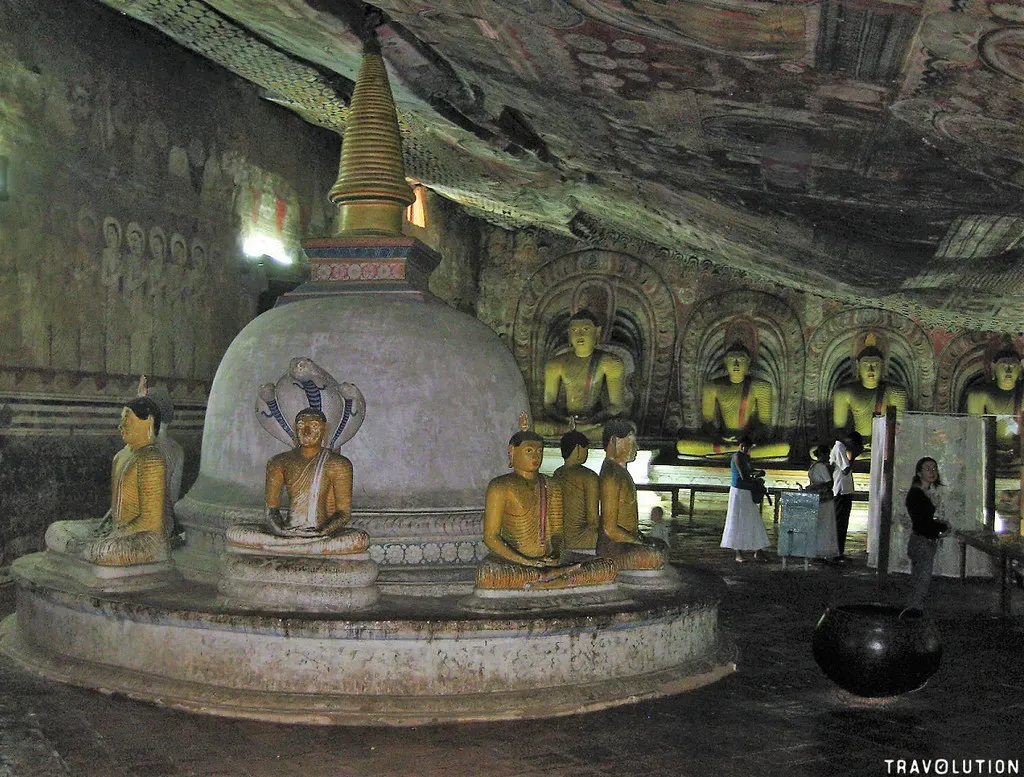
Stack these 13 cases side by side and a pattern emerges: physical danger and preservation are real, but silence is doing just as much work as science. Sections close “for safety,” “for research,” or “for conservation,” then stay closed long after any reasonable timeline, with few transparent reports and even fewer chances for independent verification.
The result isn’t some Hollywood conspiracy. It’s something more mundane and, honestly, more frustrating – a patchwork of political caution, budget constraints, narrative management, and institutional risk-aversion. Ancient sites aren’t just stones; they’re arguments about who gets to control the story those stones can tell. When access shrinks without justification, interpretation narrows right along with it, and that should bother anyone who actually cares about history, not just the fringe theorists.
Which site on this list do you think most deserves a truly open, fully documented investigation – and why?