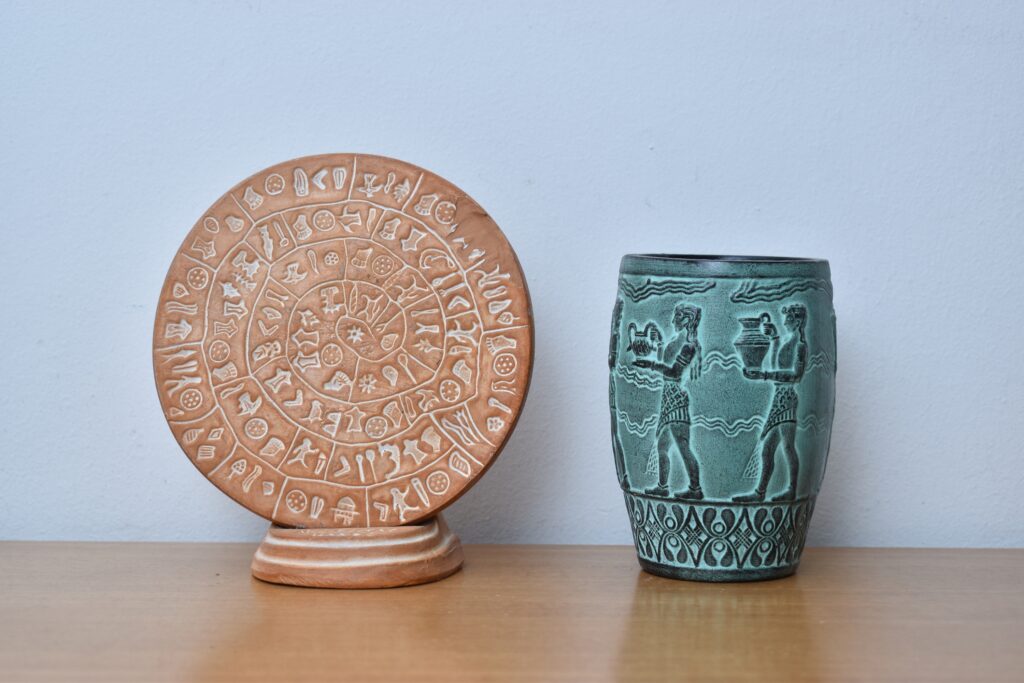

Most people assume radiocarbon dating exists to politely confirm what the textbooks already say. Test the bone, test the cloth, nod along, move on. But some of the most famous artefacts on Earth got the opposite treatment – the lab results came back so much older than anyone expected that entire academic careers had to quietly do a U-turn.
“Primitive” carvings turned out to be tens of thousands of years old. Hunter-gatherers turned out to be building monuments before anyone thought they were capable of it. Whole continents got their human history rewritten by 40,000 years or more. These aren’t fringe theories from a dusty corner of the internet – they’re numbers straight out of accredited labs, sitting in peer-reviewed journals, forcing historians to rethink timelines they’d trusted for generations. Here’s what happened when the science stopped being polite.
#12 – Göbekli Tepe’s Impossible Head Start
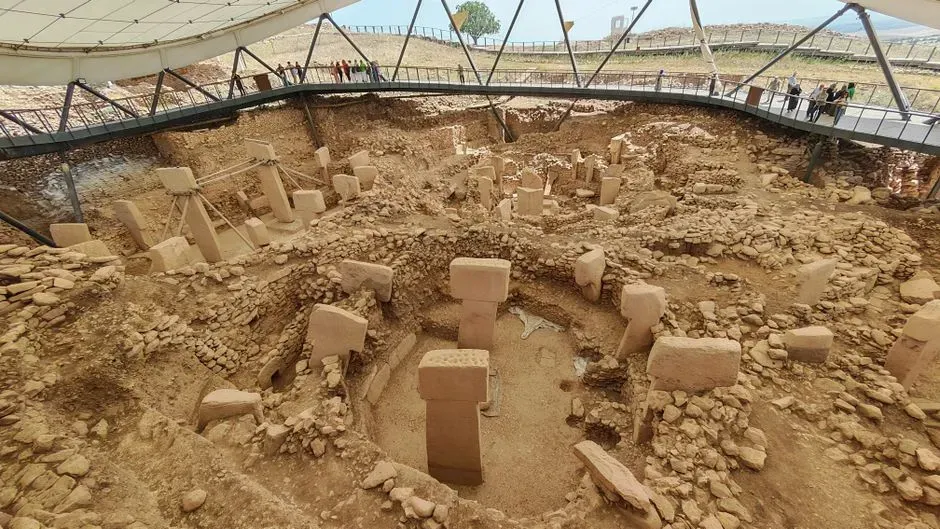
For decades, archaeologists worked from a tidy rule: monumental architecture needs farming first. You need surplus food, permanent villages, and social hierarchy before anyone has the spare labor to carve giant stone pillars. So when a hilltop in southeastern Turkey started yielding massive carved T-shaped stones in the 1990s, most assumed it would slot neatly into the familiar early-farming timeline.
Radiocarbon dating of organic material from the site’s foundations blew that assumption apart. The results came back at roughly 9600 BCE, meaning Göbekli Tepe’s pillars are more than 11,000 years old – built by hunter-gatherers who, according to every prior model, weren’t supposed to be capable of anything like this yet. The dates didn’t just move a date on a chart; they flipped the whole cause-and-effect story, suggesting that organizing labor for ritual sites may have helped push people toward farming, not the other way around.
Fast Facts
- Location: Şanlıurfa region, southeastern Turkey
- Excavations began: 1990s
- Radiocarbon date: roughly 9600 BCE
- Age: over 11,000 years old
- Builders: hunter-gatherers, before farming existed
#11 – Chauvet Cave’s Art That Broke the Timeline
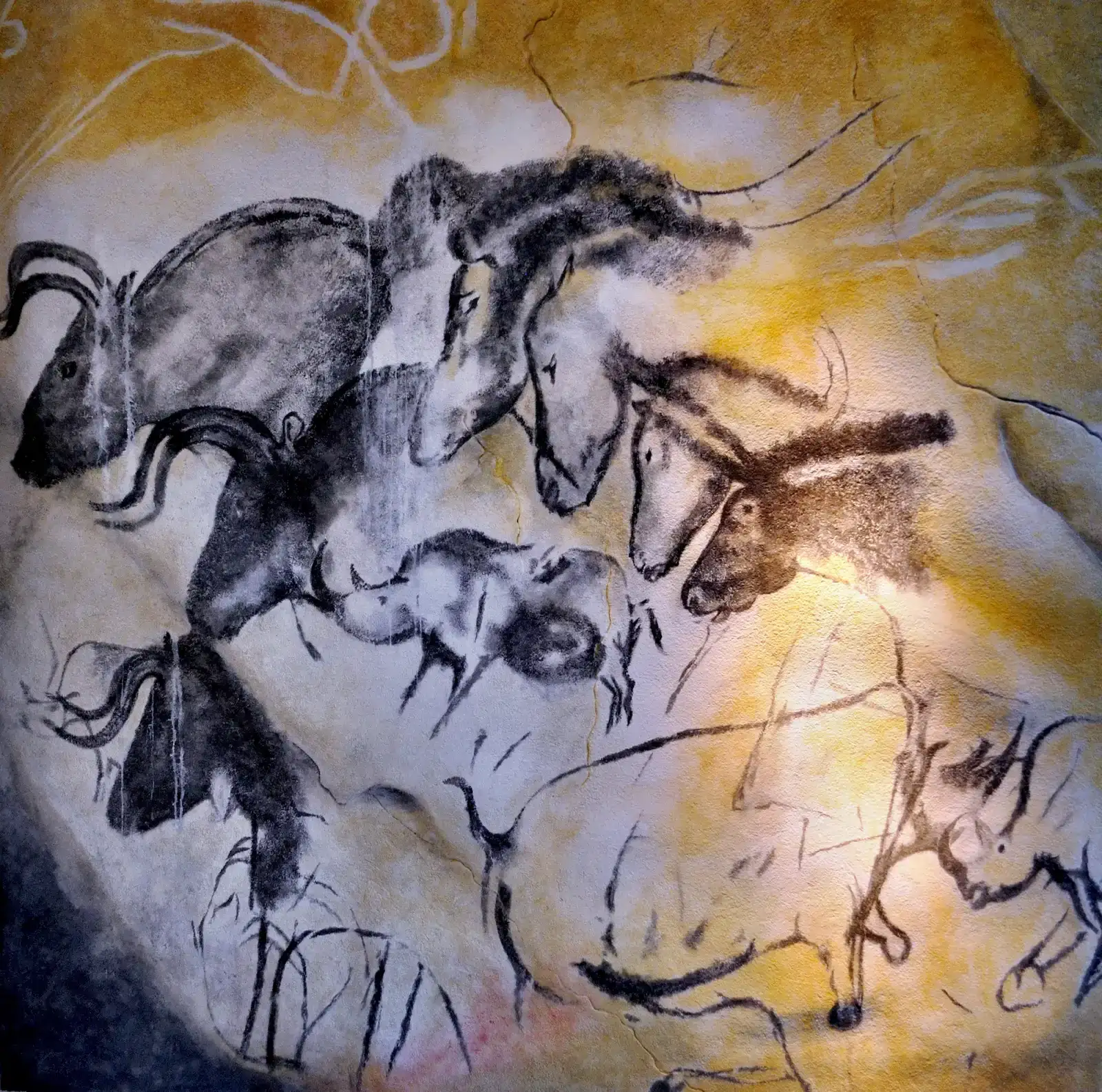
When cavers stumbled into a hidden chamber in southern France in 1994, the paintings inside were so fluid and technically confident that most experts assumed they belonged to a relatively “late” phase of prehistoric art – something in the same league as the famous 17,000-year-old paintings at Lascaux. Charcoal left behind by the original artists’ torches gave researchers something Lascaux never could: enough organic material for a precise radiocarbon reading.
When the results landed at roughly 36,000 years old, some art historians simply refused to believe it. That date made Chauvet’s horses, lions, and rhinos twice as old as Lascaux’s, painted by firelight with shading and movement that “shouldn’t” appear until millennia later under the old assumption that art gets steadily more sophisticated over time. Follow-up testing on more samples only confirmed the original numbers, forcing a blunt admission: artistic genius doesn’t move in a straight line, it can show up fully formed tens of thousands of years earlier than anyone’s chart allowed.
#10 – Ötzi the Iceman’s 5,000-Year Age Bomb
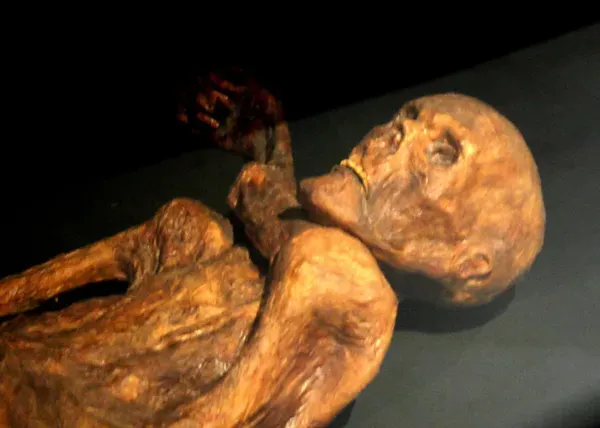
When hikers found a frozen body high in the Alps in 1991, authorities assumed they’d stumbled onto a recent mountaineering accident. The corpse looked decades old at most, with clothing and tools still intact. Then labs ran radiocarbon dating on bone and associated materials, and the result obliterated that theory entirely.
Ötzi died around 3300 BCE, making him over 5,000 years old and instantly one of the most important Copper Age individuals ever discovered. His gear – a copper axe, leather clothing, a woven grass cloak – became an accidental time capsule of early European metallurgy and daily life. Without radiocarbon, Ötzi might have been filed away as a 19th-century shepherd and quietly reburied; instead, he forced archaeologists to rethink what Alpine prehistory actually looked like.
#9 – The Dead Sea Scrolls’ Deeper Antiquity

When the Dead Sea Scrolls surfaced in the late 1940s, scholars suspected they were old, but the range on the table was vague – anywhere from a few hundred to maybe 1,500 years. Some skeptics even floated the idea that the texts were medieval Jewish writings planted in the caves as an elaborate hoax.
Radiocarbon dating of the parchment and linen wrappings pushed the scrolls back far earlier than many expected, to roughly the 3rd century BCE through the 1st century CE. That places them firmly in the Second Temple period, sitting in the same broad era as early Christianity and the late formation of the Hebrew Bible. The dates turned the scrolls from marginal curiosities into direct witnesses of religious ideas actively evolving – and quietly demolished a whole cottage industry of “late fake” theories almost overnight.
#8 – The Antikythera Wreck’s Hidden Extra Century
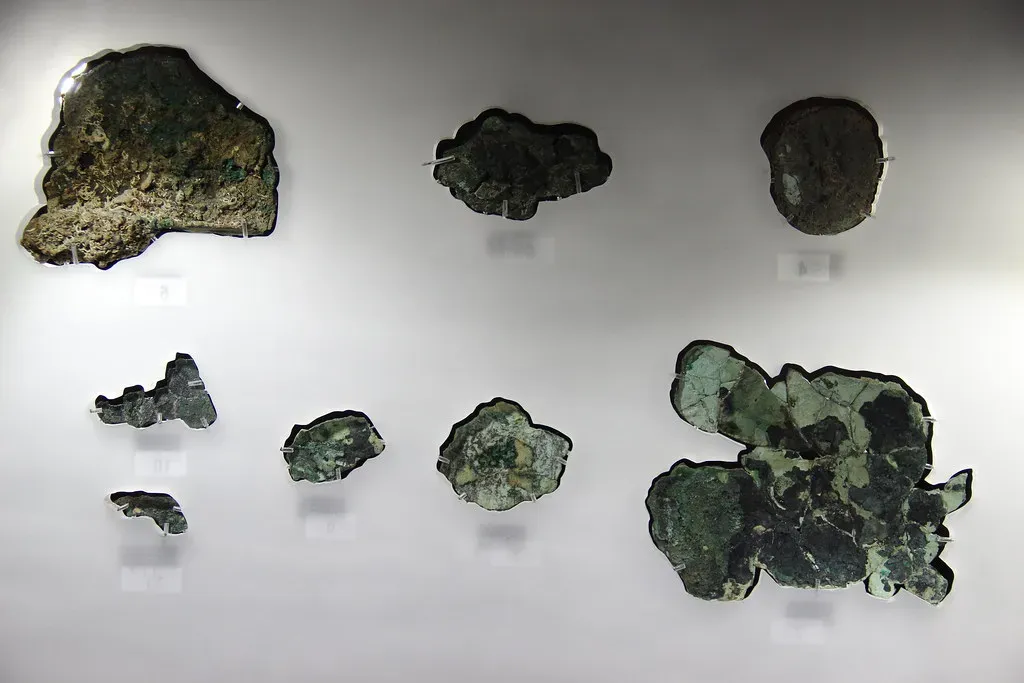
Most people know the Antikythera mechanism as the “world’s first computer,” pulled from a Greek shipwreck discovered in 1900. Early guesses placed the wreck around the 1st century BCE, based on ceramic styles and inscriptions. That was already impressively old.
But when wood from the ship and other organic material were radiocarbon dated, some results hinted that parts of the wreck predated those stylistic estimates by a century or more, pushing its context deeper into the Hellenistic period than expected. The samples don’t cluster on one neat date – they spread across the 2nd to 1st centuries BCE – but the pattern undercuts a lazy assumption: that all the cargo and the mechanism itself belonged to one narrow late-Roman-Republic window. It suggests a longer working life for the ship, or reused older timbers, and a blunt reminder that dating technology by style alone is a shaky habit.
#7 – The Pazyryk Carpets That Embarrassed an Empire

For years, scholars assumed sophisticated pile carpets were a later luxury, mostly tied to classical or early Islamic periods. Then archaeologists cracked open frozen Scythian burial mounds in Siberia’s Pazyryk Valley and found textiles preserved in astonishing detail.
Radiocarbon dating of the wool fibers stunned textile historians: some of the Pazyryk carpets date to the 5th–3rd centuries BCE, far older than anyone had placed such high-quality weaving. These weren’t crude mats – they showed intricate patterns and advanced dyeing techniques that museum labels had quietly implied only “civilized” urban empires could produce. The Pazyryk dates say otherwise, pointing to highly skilled workshops operating in what many still dismiss as peripheral, nomadic “barbarian” territory.
At a Glance
- Found: Pazyryk Valley, Altai Mountains, Siberia
- Preserved by: permafrost inside sealed burial mounds
- Radiocarbon range: 5th–3rd centuries BCE
- Craft level: intricate patterns, advanced dyeing techniques
#6 – Chaco Canyon’s Tree Rings vs. Pottery Guesswork
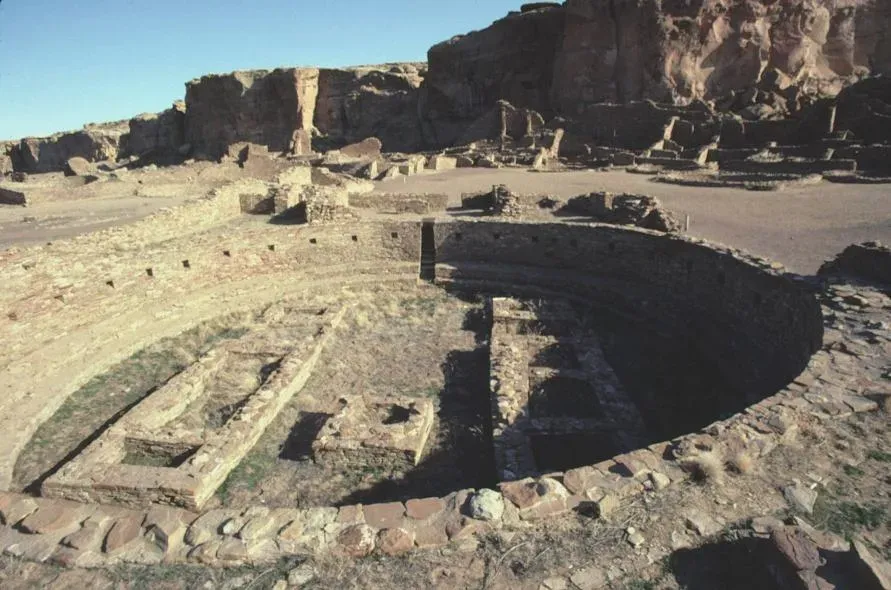
In the American Southwest, archaeologists long relied on pottery styles and architecture to date Ancestral Pueblo sites, and everyone treated those rough century-by-century estimates as solid ground. Then radiocarbon dating, cross-checked against tree-ring data from wooden beams, started telling a harsher truth.
Some “classic” ceramic phases were off by a century or more, often pushing key developments earlier than the stylistic charts allowed. Great houses in Chaco Canyon were shown, through beam dating and radiocarbon cross-checks, to have been occupied and remodeled over far longer spans than pottery typologies alone suggested. Social complexity in the Southwest didn’t flare up suddenly and vanish – it built slowly, starting earlier and lingering later, and it made a lot of old pottery-only chronologies look almost cartoonish by comparison.
#5 – The Ice Age “Venus” Figurines’ Deep-Time Reveal
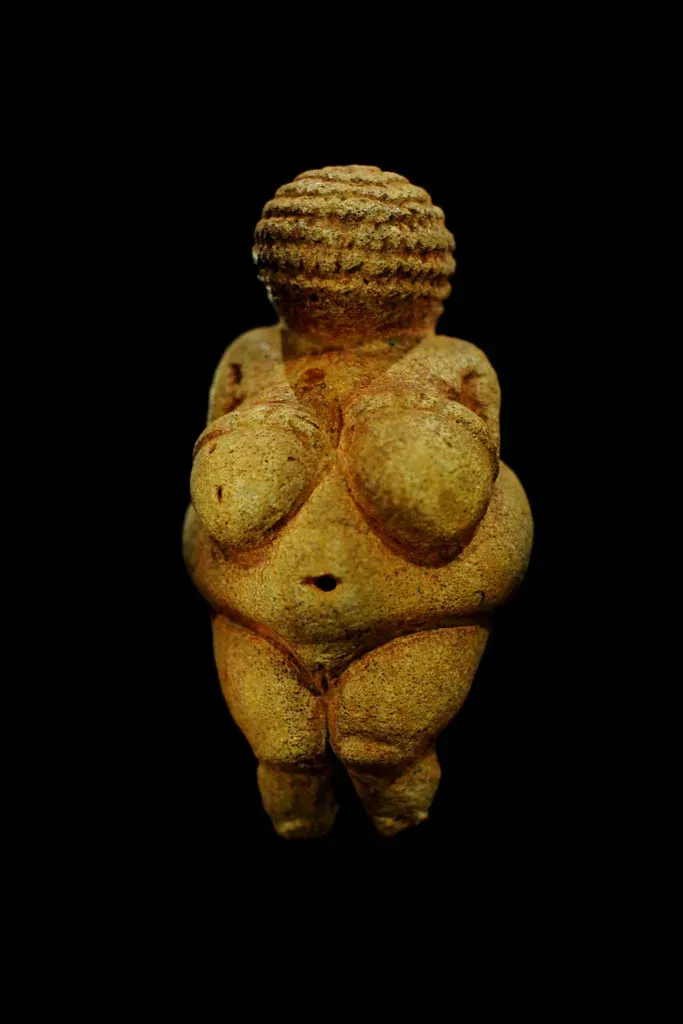
When the first “Venus” figurines – small, stylized carvings of women – turned up in Europe, early scholars argued over how old they could possibly be. Some assumed Neolithic fertility charms, maybe 6,000 to 8,000 years old. Others suspected something older but had no way to prove it.
Radiocarbon dating of charcoal, bone, and surrounding deposits gave a shocking answer: many of these figurines belong to the Upper Paleolithic, roughly 25,000 to 30,000 years ago, far earlier than the original Neolithic guesses. These are deliberate, stylized works with regional variation, not clumsy scratches – evidence of shared tradition and symbolic thinking. Most people still assume “real art” arrives with farming and cities; the Venus figurines prove complex, likely ritual art traditions were thriving tens of thousands of years before anyone planted a single crop.
#4 – Çatalhöyük’s Early Start on City Life
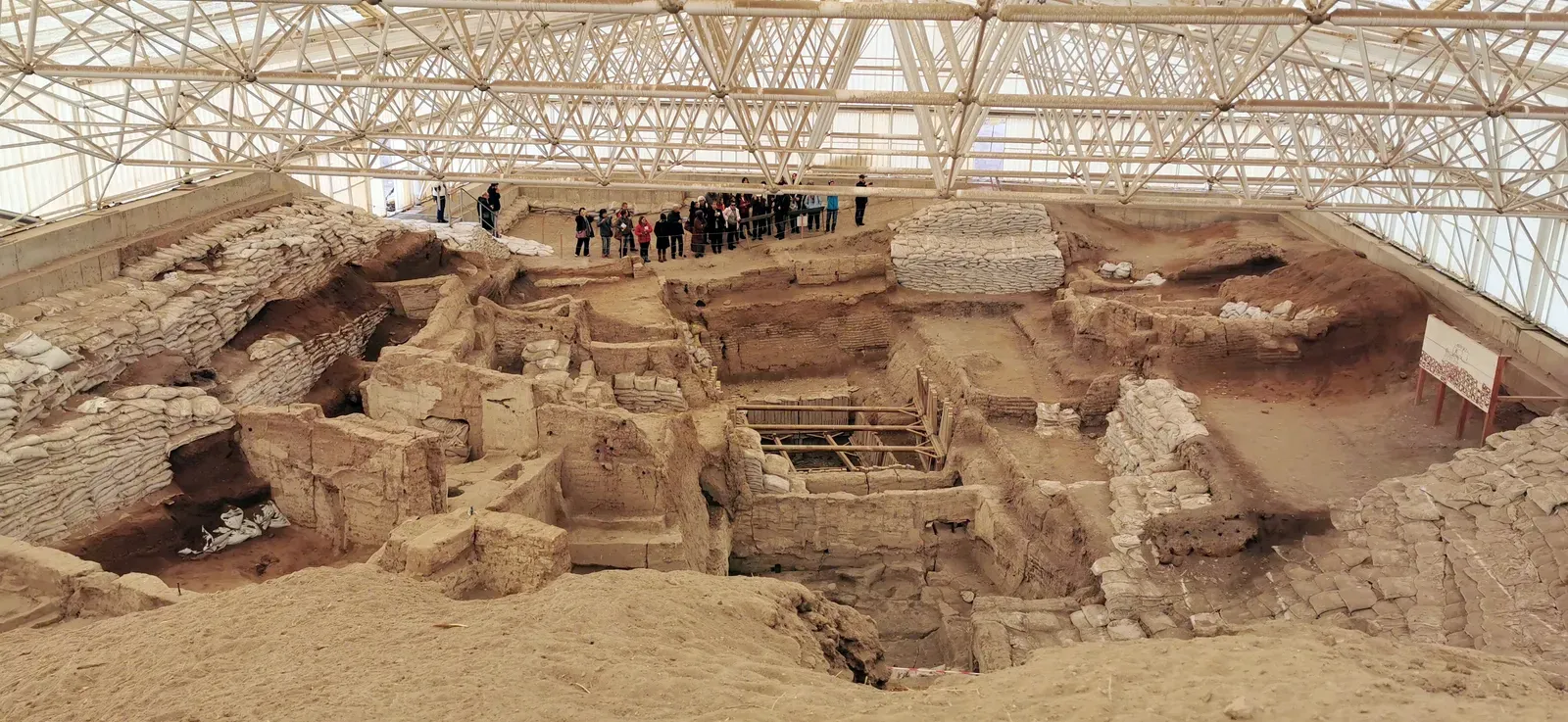
Before large-scale radiocarbon programs, archaeologists treated advanced village life – multi-story housing, wall paintings, dedicated ritual spaces – as a late Neolithic phenomenon. Sites like Çatalhöyük in central Turkey were initially slotted into a “younger” Neolithic bracket, somewhere around 6,000 to 5,000 BCE.
Systematic radiocarbon dating of bones, seeds, and building material turned that on its head: major occupation levels cluster around 7,400 to 6,400 BCE, centuries earlier than assumed. In prehistory, a thousand years is enormous – it means sedentary life with elaborate symbolic behavior was already in full swing while other regions were supposedly still “experimenting” with farming. Çatalhöyük’s early dates wreck the tidy, linear story of tiny hamlets slowly becoming villages and then proto-cities, replacing it with a messier picture where large, complex communities show up far ahead of schedule.
Worth Knowing
- Original estimate: roughly 6,000–5,000 BCE
- Radiocarbon-confirmed range: roughly 7,400–6,400 BCE
- Layout: densely packed, multi-story mudbrick houses
- Access: entered through rooftops, not street-level doors
#3 – The Uluburun Shipwreck’s Earlier Global Network

When divers found the Uluburun shipwreck off the coast of Turkey in the 1980s, its cargo – copper ingots, luxury goods, exotic resins – screamed late Bronze Age trade. Stylistic analysis initially bounced the date between the 13th and 12th centuries BCE.
Radiocarbon dating of wood from the ship’s hull and organic cargo narrowed that window and, for many researchers, pushed the wreck earlier than conservative estimates allowed – solidly into the late 14th to early 13th century BCE. That matters because it places this wildly international cargo, Cypriot copper, African ebony, Near Eastern glass, at a time when older narratives still downplayed global connectivity. For anyone taught that commerce and complexity really took off in the Iron Age, the radiocarbon-anchored Uluburun is an uncomfortable counterexample.
#2 – Britain’s Timber Circles That Predate Stonehenge
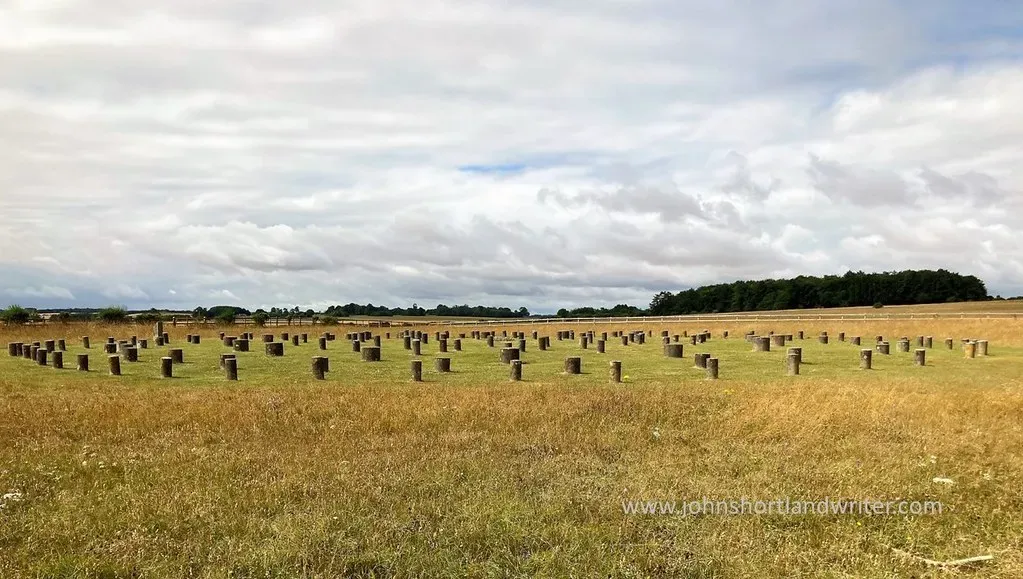
Stonehenge hogs the spotlight, but Britain is littered with earlier wooden circles and monuments that rarely make the postcards. For years, these timber structures got lumped into a vague, safe “late Neolithic to early Bronze Age” bracket, and nobody pushed too hard for precision.
Then came targeted radiocarbon dating of posts, charcoal, and associated pits. Some timber circles and alignments turned out to be several centuries older than the better-known stone monuments, nudging the origins of large-scale ritual architecture backward. Instead of a tidy progression from huts to stone temples, the dates reveal long, messy experimentation with wood, earth, and eventually stone across many generations – proof that Britain’s ritual imagination was already running a marathon while the old chronologies assumed it was just lacing up its shoes.
#1 – The First Australians and the 60,000-Year Shock
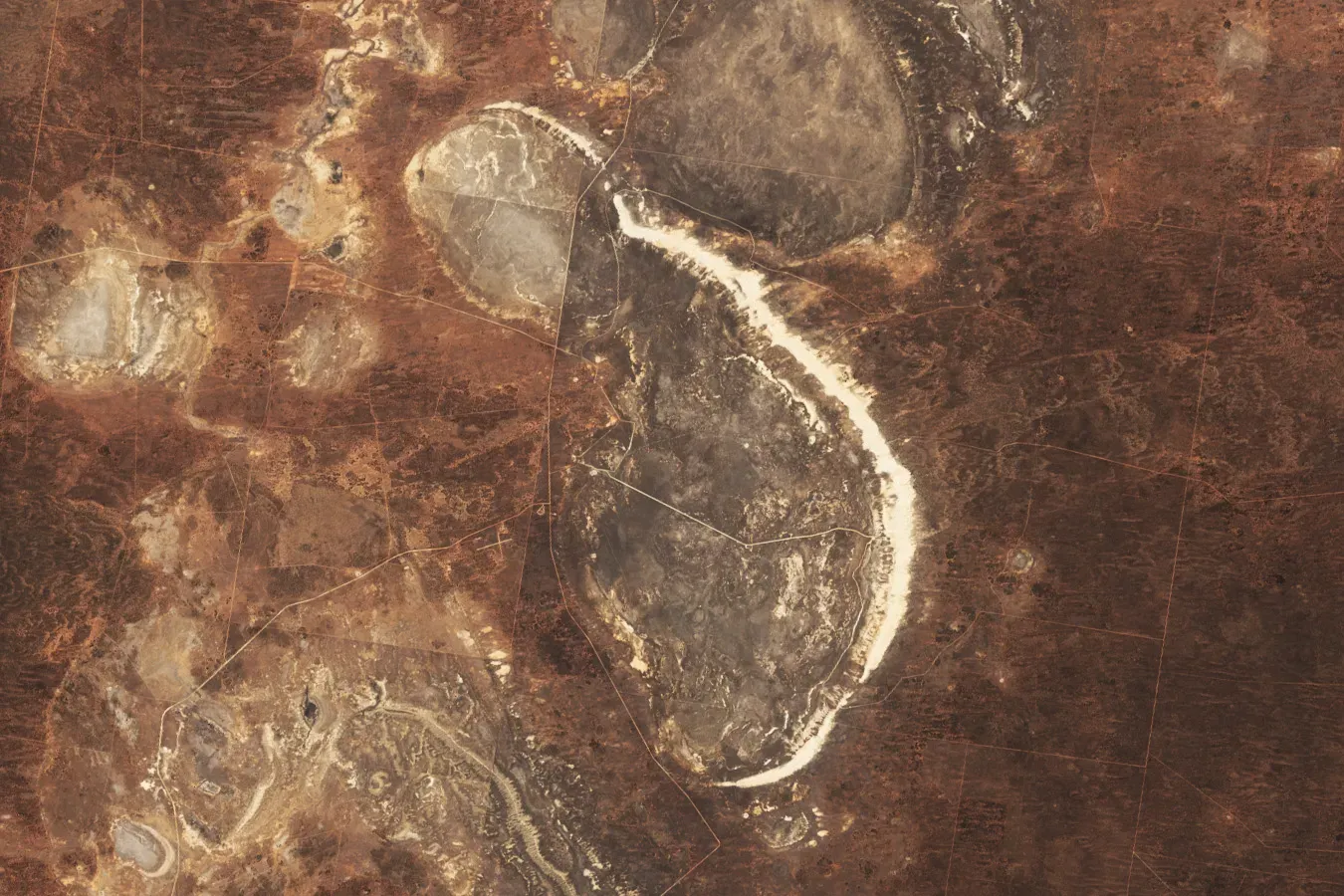
If there’s one radiocarbon story that truly shattered expectations, it’s the dating of early human occupation in Australia. Mid-20th-century scholars often suggested people arrived somewhere between 10,000 and 20,000 years ago. Early radiocarbon ages from sites like Lake Mungo began pushing that boundary back to around 40,000 years, which was already controversial enough to trigger heated academic fights.
Subsequent work, combining radiocarbon with other dating methods, has extended credible human presence in Australia to roughly 50,000 to 60,000 years ago, completely rewriting global migration timelines. That jump isn’t a minor calibration tweak – it means seafaring, adaptation to radically new ecosystems, and complex symbolic behavior were all well underway tens of thousands of years earlier than once believed. In a single stroke, radiocarbon and its companion methods turned Australia from a supposedly late-settled outpost into one of the longest continuously occupied cultural landscapes on Earth.
Why It Stands Out
- Early 20th-century estimate: 10,000–20,000 years ago
- First radiocarbon breakthrough (Lake Mungo): roughly 40,000 years ago
- Current best estimate: 50,000–60,000 years ago
- Implication: among the earliest known deliberate sea crossings by modern humans
The Bottom Line
Radiocarbon dating doesn’t just tweak footnotes; it humiliates our pet stories. Again and again, lab work has shoved artefacts centuries or even tens of millennia earlier than comfortable narratives allowed – from Paleolithic Venus figurines and hunter-gatherer temples at Göbekli Tepe to Neolithic mega-villages and Bronze Age trade networks stretching across the ancient world.
Whenever stylistic guesswork and tradition clash with measured dates, guesswork should lose, and usually it does. That doesn’t mean radiocarbon is flawless or immune to contamination and calibration debates. But pretending it’s optional is how museums end up defending forged maps as Viking-era proof or clinging to “safe” timelines that a single new sample can wreck overnight. Our histories are still provisional, whether we like it or not – so which artefact do you think is most overdue for a fresh, hard-nosed dating test?