
Flip a coin twenty times and land heads every single time, and you’d swear the coin was rigged. Now imagine history doing something like that – not once, but over and over, for centuries, with real lives and real bullets and real ships involved. That’s the uncomfortable pattern a growing chorus of mathematicians keep pointing to: assassinations, shipwrecks, meteorites, and premonitions that don’t just feel eerie, they violate the odds so badly that statisticians have had to invent entire frameworks just to explain why we shouldn’t be shocked – and somehow still are.
Here’s the part that makes this worth your next five minutes: when you actually run the math on these 14 cases – the combined probabilities, the sample sizes, the conditional odds – some of them land in territory so unlikely that professional number-crunchers use the phrase “should never happen” without a hint of irony. A few of these stories are almost certainly embellished folklore. A few have coldly rational explanations once you know where to look. But at least one on this list has never been satisfyingly debunked, and it’s probably not the one you’re expecting.
#14 – The Novel That Predicted the Titanic Fourteen Years Early
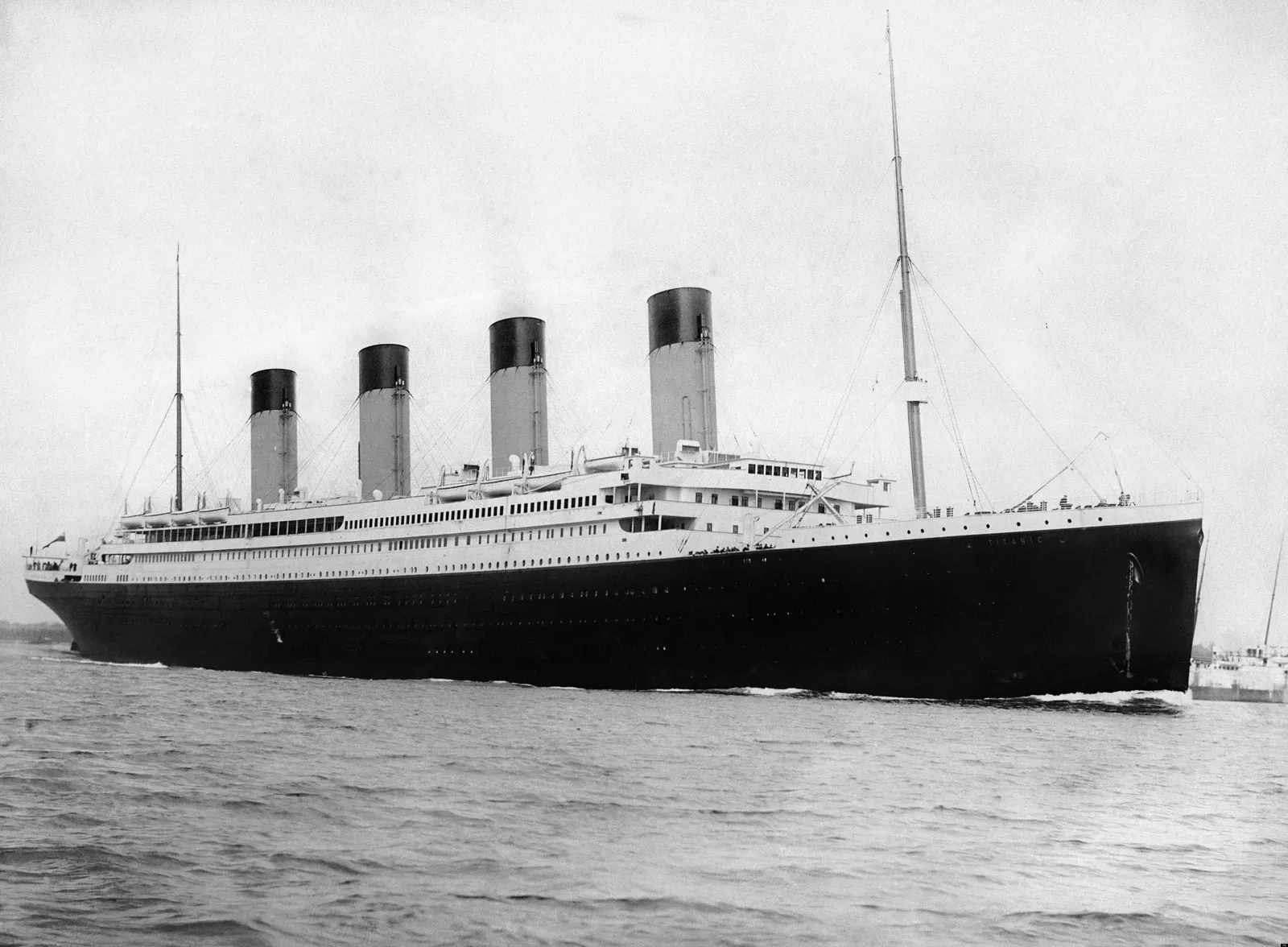
Most people in 1912 didn’t have the vocabulary for “statistical clustering.” So when the Titanic sank and readers discovered earlier stories that seemed to predict it, they didn’t reach for probability theory – they reached for the word “prophecy.” The most famous case is Morgan Robertson’s 1898 novella Futility, or the Wreck of the Titan, which described a massive, “unsinkable” luxury liner named Titan hitting an iceberg in the North Atlantic in April and sinking with far too few lifeboats.
Even hard-nosed statisticians admit the parallels are strikingly specific. Any one detail on its own – an iceberg, a cold ocean, a big ship – would be unremarkable. But stack up the ship size, the route, the cause of sinking, the month, and the lifeboat shortage, and the joint probability collapses fast. Throw in another 1890s piece imagining an “unsinkable” liner destroyed by ice, and the pattern starts to feel almost scripted. Skeptics call it survivorship bias – we remember the one eerie “hit” and forget the thousands of forgotten shipwreck stories that never lined up with anything. But that explanation gets a lot shakier once you meet the man in #13.
#13 – The Bullet That Found the Same Scar Twice
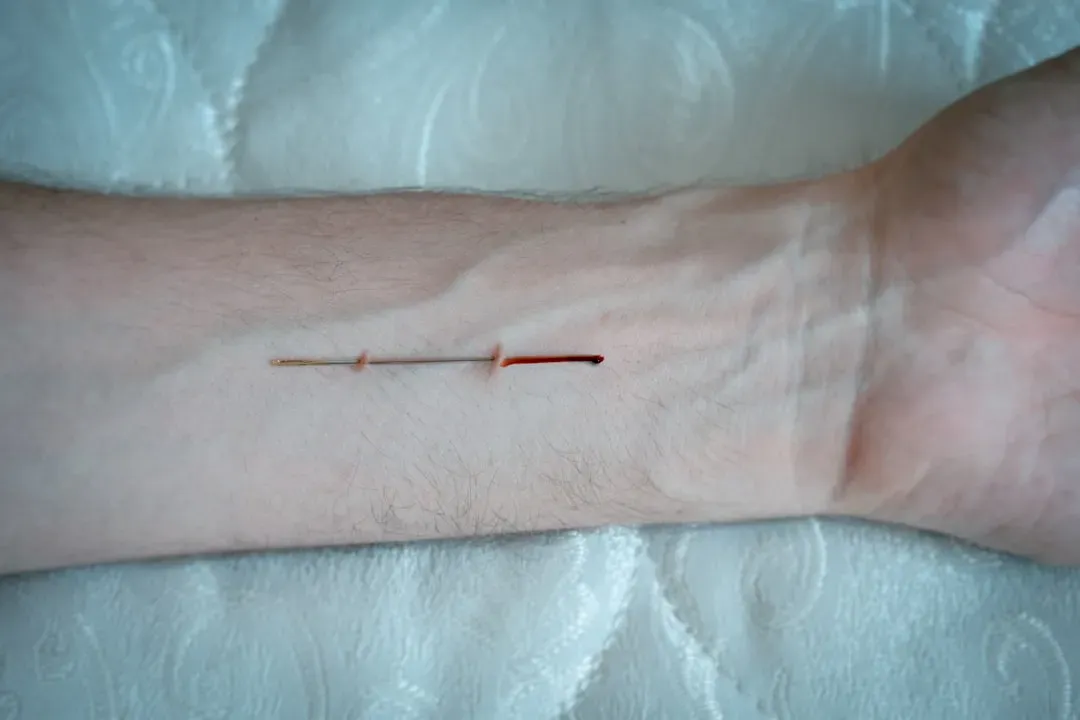
We’re taught lightning never strikes the same place twice, yet meteorologists will tell you it does, constantly. Something similarly unnerving shows up in so-called “bullet coincidences.” One of the most cited cases involves a soldier reportedly shot in the face during wartime, who survived – only to be struck years later by another bullet that entered through the exact same scar.
Surgeons allegedly found the second bullet had traveled almost the identical path as the first. On paper, this looks impossible: the number of possible entry points on a moving human body in a chaotic battlefield is enormous. But mathematicians raise an uncomfortable point – millions of people have been shot over the last century. Multiply a tiny individual probability by a massive global sample size, and “impossible” events start showing up somewhere, to someone. Critics note that these stories tend to get polished with each retelling, but even accounting for exaggeration, a second impact within centimeters of the first would still be extraordinary. It’s nothing, though, compared to the pattern that refuses to die in #12.
#12 – The Lincoln-Kennedy Parallel That Refuses to Die
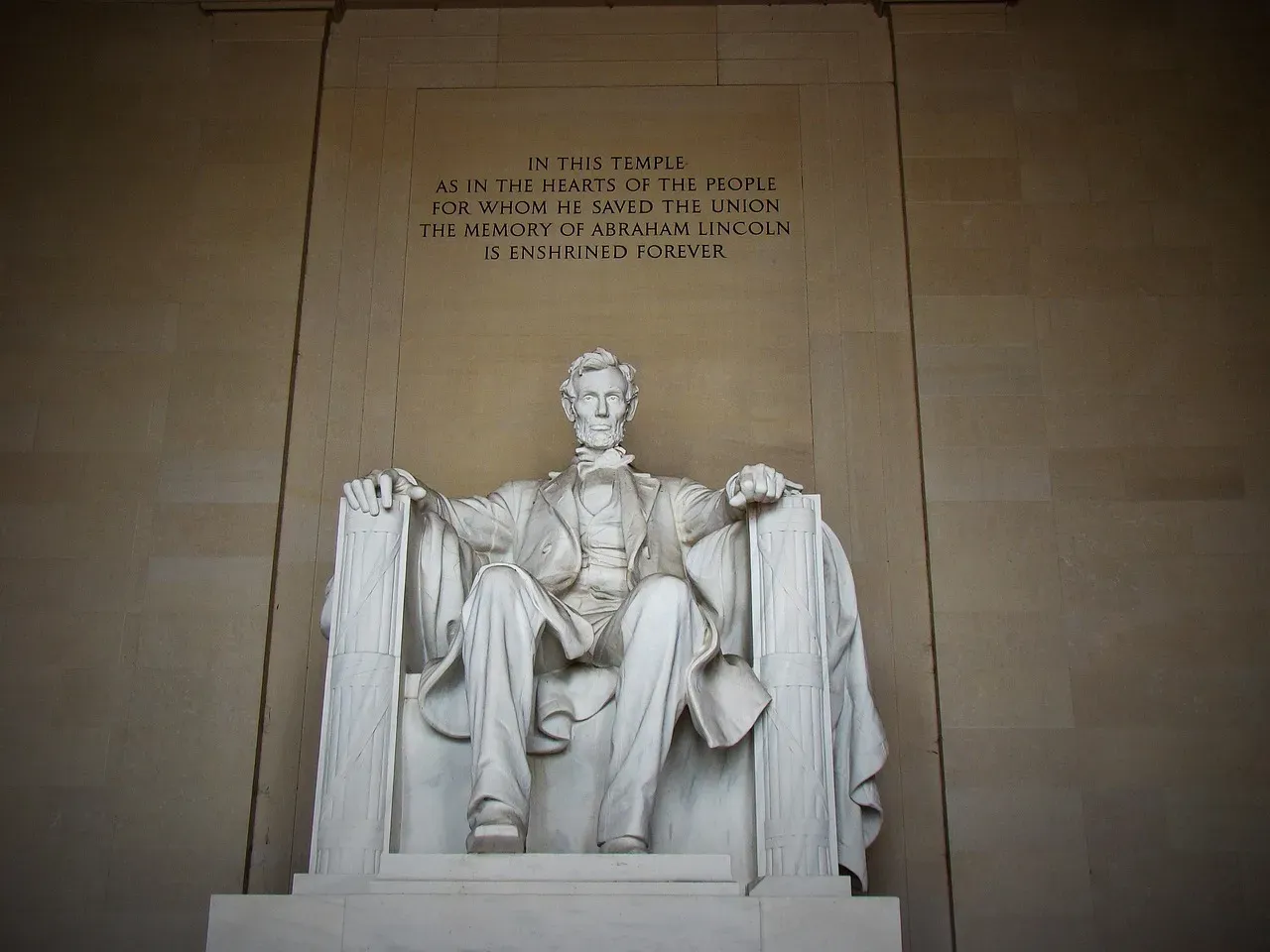
Nearly everyone has heard the Lincoln-Kennedy trivia by now, and skeptics love dismissing it as internet cherry-picking. But some of the overlaps still make trained statisticians pause mid-sentence. Both men were elected to Congress in years ending in 46 and to the presidency in years ending in 60. Both were assassinated on a Friday, in front of their wives, by Southern men known by three names.
Their successors were Southern Democratic vice presidents named Johnson, born exactly a year apart. Any single fact here is meaningless noise. Stacked together, they read like a plot outline. Mathematicians explain this with what they call the “law of truly large numbers”: with thousands of historical details available for comparison, you can always assemble a dramatic list that looks preordained if you search hard enough. What makes this one sticky is how narratively tight it feels – names, dates, and roles lining up in a way our storytelling brains are practically designed to over-read.
Quick Compare
- Elected to Congress: Lincoln in 1846, Kennedy in 1946
- Elected president: Lincoln in 1860, Kennedy in 1960
- Assassinated on a Friday, in front of their wives, by Southern-born men
- Successors: both Southern Democrats named Johnson, born a year apart
Still, that’s mild compared to the geographic dread waiting in #11.
#11 – Same Lake, Same Family: The Drowning That Repeated Itself

One of the most unsettling patterns in probability isn’t a single freak event – it’s repetition, hitting the same people, in the same place. In 1911, a young boy reportedly drowned in a lake in a small European town. Years later, another little boy drowned in that exact same spot. Tragic, but not statistically impossible on its own – until you learn the second child was the younger brother of the first, and both boys were under the supervision of the same family friend.
Same family. Same lake. Same person watching. Repeat tragedies aren’t unheard of across large populations and long timelines – ugly outliers happen. But this hyper-specific overlap, the same water claiming the same bloodline under the same set of eyes, is exactly the kind of clustering that pushes mathematicians toward conditional probability. Once the first drowning happened, you’d expect behavior to change – more caution, maybe outright avoidance of that lake. That it didn’t, and that fate aimed at the same target twice anyway, is what makes this one feel wildly off the curve. But that’s nothing compared to the dream in #10.
#10 – The Titanic Ticket Canceled by a Dream

People cancel travel plans constantly. But in 1912, a British businessman claimed he had such a vivid premonition about the Titanic sinking that he canceled his ticket at the last possible moment, allegedly telling friends beforehand that he’d dreamed the ship would go down in icy waters.
He later insisted the dream matched the real disaster so precisely that people accused him of lying about the timeline. From a skeptical, mathematical lens, there are really only two options: his memory sharpened after the fact, or we’re looking at the “file-drawer effect” of countless ignored dreams. Every night, millions of people dream about travel, water, and death. Almost none of those dreams ever align with a real disaster, and they vanish from memory unnoticed. The one that happens to coincide with something famous gets told and retold for a century. Statisticians call these “anecdotal hits” – impressive in isolation, far less magical once you account for the invisible pile of misses. Still, that invisible pile gets even stranger once you look at #9.
#9 – The House the Sky Hit Twice
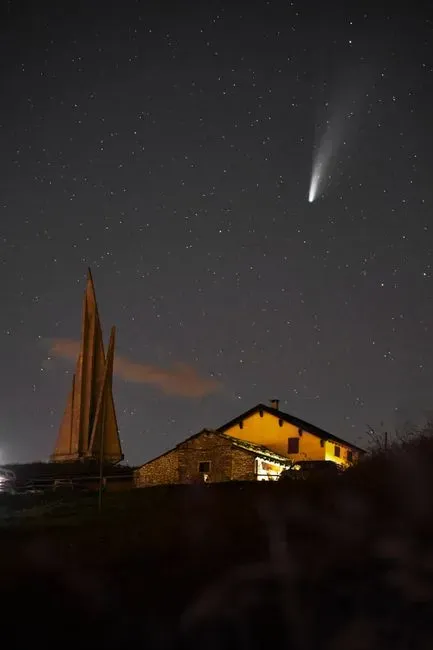
The universe isn’t supposed to care about your roof. Meteorites hit Earth every day, but almost all of them land unnoticed in oceans or empty wilderness – documented strikes on human structures are exceedingly rare. And yet there’s a reported case of the same house being struck by meteorites on two separate occasions, decades apart.
Once is bad luck. Twice starts to look like the cosmos has a targeting system. Mathematically, the odds of any single house being hit in a hundred years are minuscule – but there are hundreds of millions of houses on Earth. Multiply a tiny per-house probability by that enormous global count, and rare events start emerging somewhere, guaranteed. After the first strike, the odds of a second one at that exact address are still microscopic, though not technically zero, and some scientists note that meteor streams and local geography can subtly bias where debris falls.
Fast Facts
- Documented meteorite strikes on occupied homes are exceptionally rare worldwide
- A repeat strike on the same structure is essentially unheard of in recorded history
- Hundreds of millions of houses exist globally, so even tiny per-house odds add up somewhere
- After a first hit, the odds of a second at that address stay microscopic but never reach zero
Tell a statistician in advance to “watch that house, it’ll get hit twice,” and they’d laugh you out of the room. In hindsight, the graph looks completely different – and it gets stranger still in #8.
#8 – The King, the Librarian, and the Book That Outlived a War

There’s a long-circulated story about a European librarian who lent a rare book to a noble patron. Years later, that patron – now a king – returned it, apologizing for the long delay. The librarian waved it off: “That’s alright, Your Majesty, I never expected to see this book again.” The king reportedly replied, “Neither did I,” having barely survived a string of wars and assassination attempts in the meantime.
The odds of both men and one fragile book all surviving that chaos were vanishingly low. This is where math meets narrative in a satisfying way. Survival analysis shows that when multiple independent risk factors stack up – war, disease, political upheaval, fire – the probability that any one specific person or object makes it through drops fast, let alone both at once. Yet history is littered with manuscripts and artifacts that outlasted the empires that made them. We only call it a coincidence, though, when there’s a poignant reunion attached to it – which is exactly the trap waiting in #7.
#7 – The Twins Who Never Met But Lived the Same Life

Ask a statistician what genuinely unsettles them, and many will bring up extreme cases of “lifestyle twinning.” One famous pair of identical twins, separated at birth and allegedly unaware of each other’s existence for decades, ended up with startlingly matched lives:
- wives with the same first name
- sons with the same first name
- nearly identical jobs, hobbies, and vacation habits
They reportedly even gave their childhood dogs almost identical names. Behavioral geneticists push back on the mystery angle: shared DNA means shared personality traits, from risk tolerance to taste in partners, and across millions of twins worldwide, some pairs are bound to look uncannily matched by chance alone. Still, the specific name overlaps are what make this case famous rather than merely interesting. Mathematicians describe it as “combinatorial explosion” – given every possible life path, most twin pairs land in ordinary similarity zones, but a rare few fall into freakishly tight clusters that feel engineered. Scale that logic up to entire populations, though, and you get the statistical gut-punch in #6.
#6 – The Birthday Paradox Hiding in Every Room You Walk Into

Here’s one “coincidence” mathematicians actually expect: put 23 random people in a room, and there’s about a 50 percent chance two of them share a birthday. Push it to 57 people, and the odds jump past 99 percent. Most people assume you’d need something close to 183 people – half of 366 days – for even odds, which is exactly why this is called the birthday paradox: it’s a textbook case of human intuition failing at basic combinatorics.
At a Glance
- 23 people in a room: roughly a 50% chance two share a birthday
- 57 people in a room: better than 99% odds of a match
- Common guess: you’d need around 183 people for even odds
- Reality: combinatorics, not fate, makes matches far more common than intuition suggests
Now bring that into real life. When two coworkers discover they share a birthday, or your kid meets a stranger on vacation who was born the same day, people treat it like spooky fate. In reality, birthday matches should be common – across a lifetime you’ll cross paths with thousands of people, and the real surprise is how often the matches go unnoticed. Mathematicians love this example precisely because it exposes something brutal: if we misjudge a probability this simple, our instinct for what “should never happen” in history is probably off by miles. And it gets even nastier once you swap dates for names, as in #5.
#5 – Two Shipwrecks, One Survivor’s Name: Hugh Williams

One of the most cited maritime coincidences involves two separate shipwrecks, allegedly leaving behind survivors who shared the exact same name. In the early 1800s, a vessel reportedly sank in a particular stretch of water, with only one survivor – a man named Hugh Williams. Years later, another ship went down in those same waters. Again, exactly one survivor. Again, named Hugh Williams.
Same name, same location, same lone-survivor outcome, twice. Is that statistically impossible? Not quite – you have to weigh how common the name was in that region and era, how many shipwrecks actually occurred, and how many multi-survivor wrecks never made it into folklore because they “broke” the pattern. Mathematicians call this a textbook case of cherry-picking: out of every disaster and every name, the eeriest possible alignment is the one that survives as legend. Even after that correction, though, the joint probability of those three specific details lining up twice remains very low. The universe, as it turns out, doesn’t care about low – it only cares about non-zero. That rule gets stretched almost to breaking in #4.
#4 – The Civil War Bullet Story That Refuses to Die (Even Though It’s Fake)

There’s a legendary American Civil War tale about a single bullet that allegedly struck a soldier in the groin, then continued on to strike a young woman nearby, resulting in a pregnancy. The claim goes that doctors examined the case and concluded the bullet had carried living sperm between the two wounds.
Taken literally, it’s one of the most statistically absurd fertility events ever proposed. Most modern historians and physicians treat it as essentially impossible, both biologically and mechanically. The interesting question isn’t whether it happened – it almost certainly didn’t – but why the story survived so long in popular imagination. It’s a near-perfect example of how people crave one-in-a-trillion stories and repeat them regardless of plausibility, confusing “not mathematically zero” with “actually going to happen.” A far more grounded, and far more consequential, version of that same confusion shows up in #3.
#3 – The Wrong Turn That Helped Start World War I
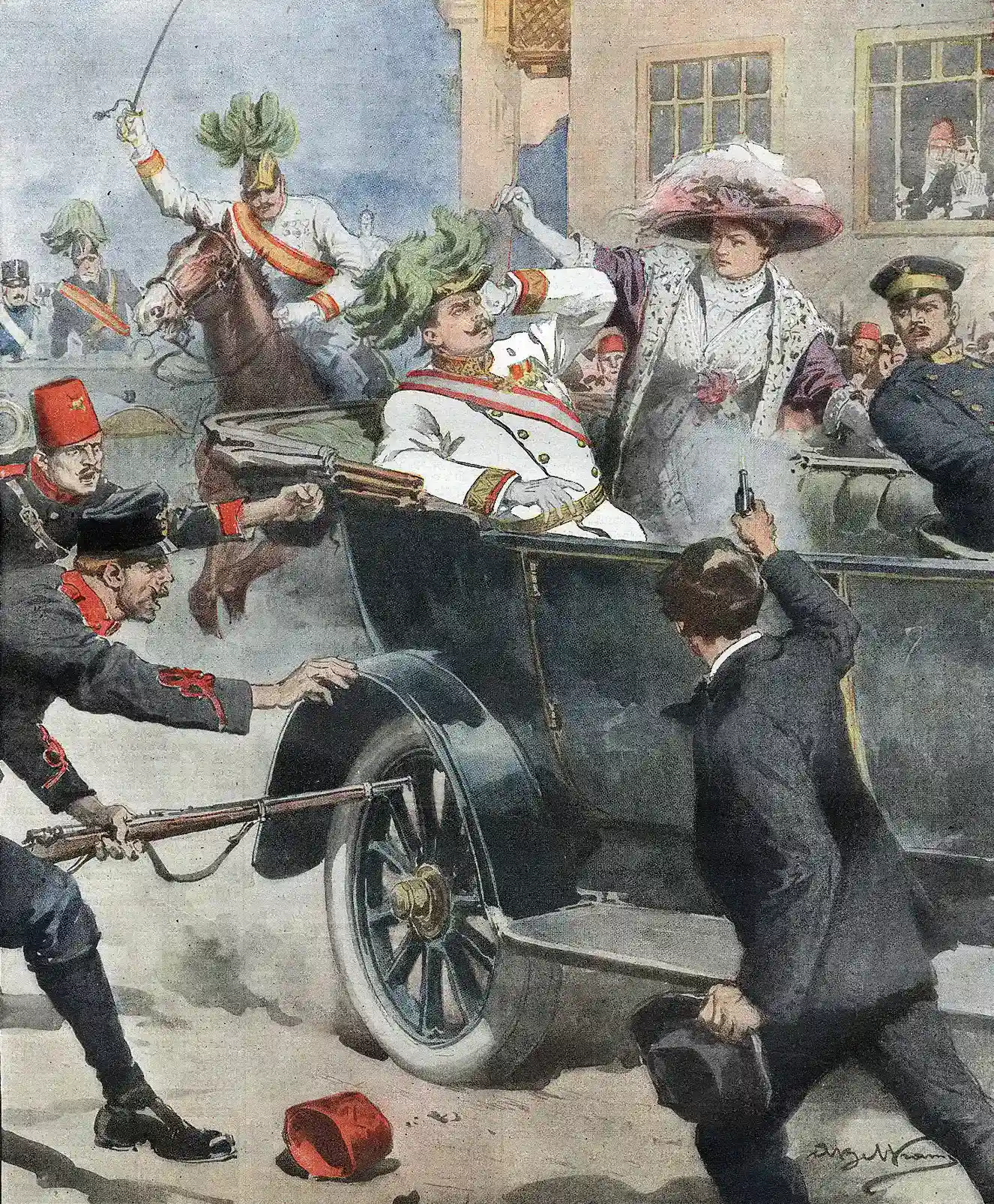
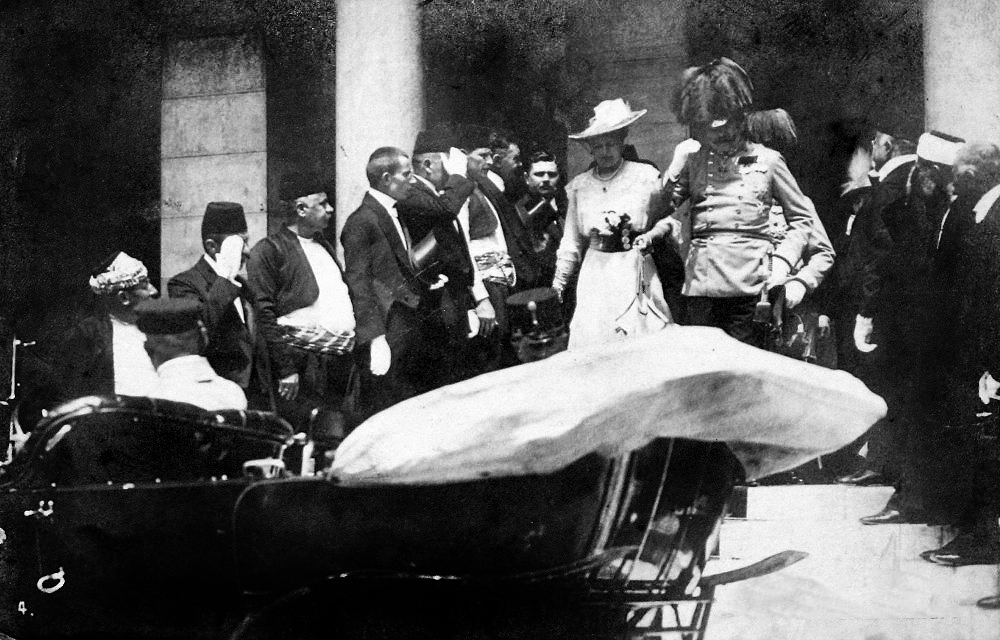
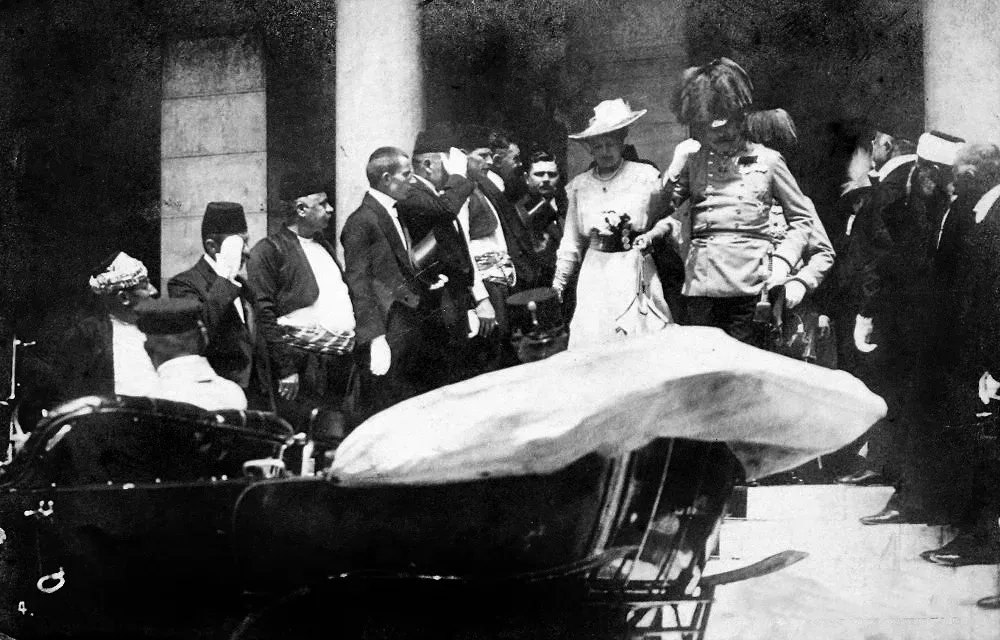
The assassination of Archduke Franz Ferdinand in 1914 is often described as a statistical fluke that reshaped the twentieth century. Several assassination attempts had already failed earlier that day – bombs missed their mark, plans fell apart. After one botched attack, the royal motorcade changed its planned route.
Then, in a moment of near-impossible timing, the driver took a wrong turn directly past one of the conspirators. That man happened to be standing there after his own failed suicide attempt, and suddenly had a point-blank shot he could never have planned. From a probability standpoint, this is a chain of low-odds events stacked together: failed plots, a miscommunication about the route, a navigational error, and an assassin standing in exactly the right spot at exactly the right second.
Worth Knowing
- An earlier bomb attack that same morning failed to hit the Archduke’s car
- The motorcade’s planned route was changed afterward as a precaution
- The driver wasn’t told about the change and took a wrong turn
- That single wrong turn placed the car directly in front of a conspirator who had already failed his own suicide attempt
Each link alone isn’t impossible – their conjunction is brutally unlikely. History books treat the outcome as inevitable in hindsight, but mathematicians quietly disagree: shift almost any single variable, and that day becomes an obscure historical footnote instead of the spark for a world war. That same illusion of inevitability gets exposed even harder in #2.
#2 – The Man Disaster Couldn’t Kill (Then He Won the Lottery)

There’s a famous story about a man who allegedly survived a train crash, multiple car accidents, a plane crash, and being hit by a bus – and then, some time later, won the lottery.
- survived a train crash
- survived multiple car accidents
- survived a plane crash
- survived being hit by a bus
- later won the lottery
On paper, it reads like a parody of probability itself. Statisticians label this “small-N survivor bias”: across billions of human lives, at least one person is statistically bound to rack up a ridiculous string of rare events and become a walking anomaly. Here’s the key insight – sequences of rare events don’t have memory. Surviving one crash doesn’t improve or worsen your odds for the next one; it just makes you a more interesting data point. Culturally, though, we turn that into a story about destiny, when really the lottery win at the end is just another low-probability event happening to someone already filtered by previous luck. It looks like magic only because we notice it after the improbable streak has already happened – which brings us to the strangest entry of all, #1.
#1 – The Meta-Coincidence: Why ‘Impossible’ Events Are Actually Guaranteed
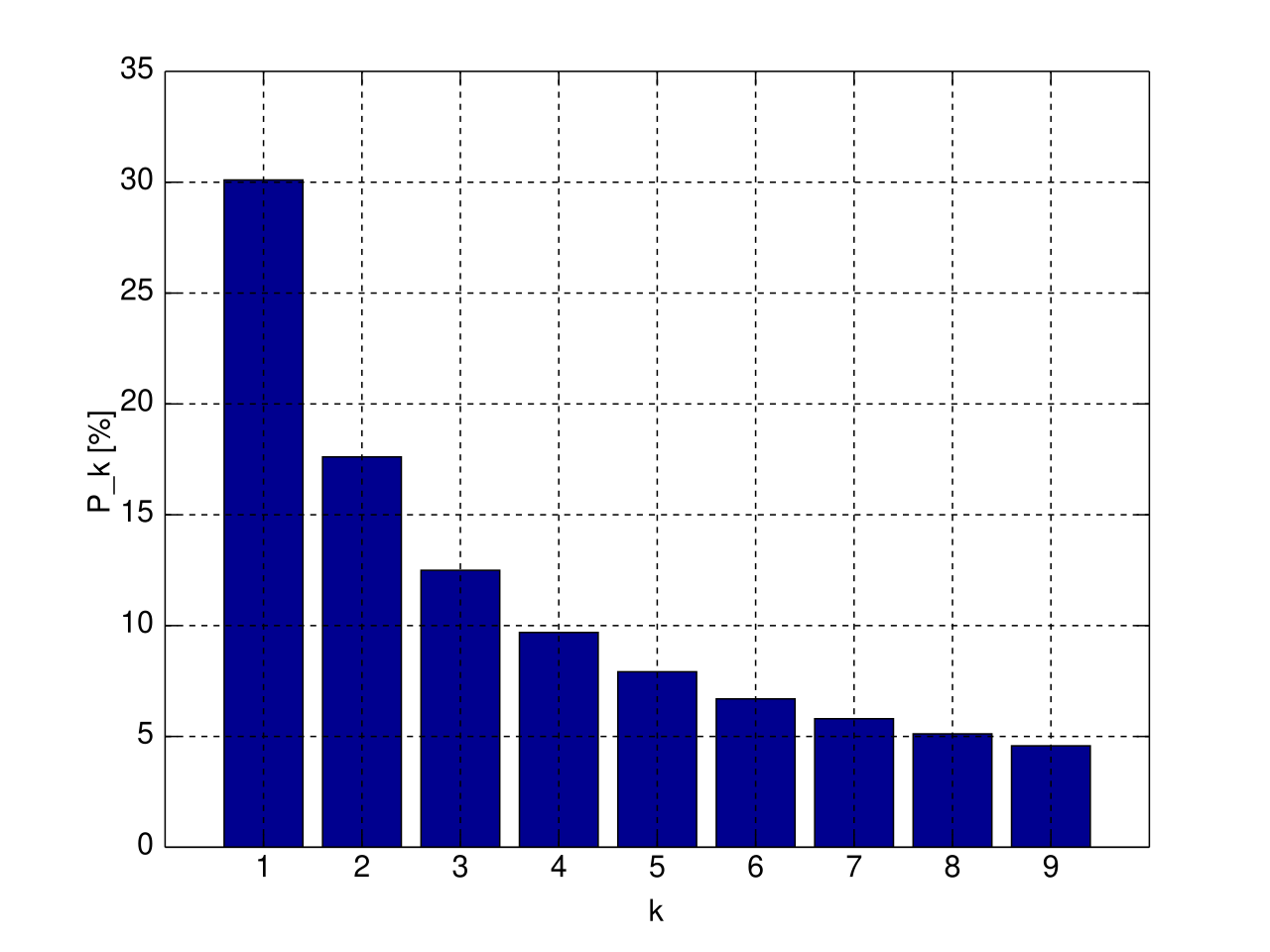
Mathematicians will tell you the weirdest historical coincidence isn’t any single story on this list – it’s the fact that coincidences are guaranteed once numbers get big enough. This is the ultimate meta-coincidence: we consistently underestimate how often “should never happen” events actually do happen across:
- billions of people
- thousands of years of recorded history
- trillions of daily human interactions
Benford’s Law, the birthday paradox, name clustering, freak stock-market patterns – zoom out far enough, and you find the same brutal rule everywhere: extremely rare events become inevitable inside sufficiently large systems.
The law of truly large numbers states: with a large enough sample, any outrageous thing is likely to happen.
Persi Diaconis and Frederick Mosteller
Our brains evolved in small tribes, so we treat every jaw-dropping alignment as evidence of fate, conspiracy, or hidden design. Mathematicians see something colder and stranger: a universe where anything that isn’t strictly impossible eventually shows up, gets noticed, and gets mythologized. The real coincidence isn’t Lincoln and Kennedy, or the Titanic novella, or Hugh Williams twice over – it’s that we’re still shocked by any of it at all.
The Bottom Line
Look at these 14 stories through a mathematician’s eyes, and the takeaway is uncomfortable: the universe doesn’t care what “should never have happened.” Given enough people, enough time, and enough moving parts, the absurd doesn’t just become possible – it becomes statistically mandatory, somewhere, to someone.
Some of these cases are almost certainly embellished. The Civil War bullet story deserves to die a quiet, scientific death. But the pattern they all exploit is completely real – we are wired to misread probability, underestimate rare events, and fall in love with tidy narratives about fate. My honest take: the Franz Ferdinand wrong turn and the Hugh Williams shipwrecks are the two that still hold up hardest under real scrutiny, while the twins and the Civil War bullet are the ones I’d bet against without hesitation. So which of these still gives you chills, and which one do you think collapses the second you run the numbers?