
Most people assume the “how did they move that giant rock” question got answered decades ago. It hasn’t. Talk to actual structural geologists instead of tour guides, and a strange pattern keeps showing up: quiet admissions that nobody has ever demonstrated, at full scale, on real terrain, how a specific monument’s heaviest stones actually got moved into place.
That’s not a conspiracy theory. It’s a gap between confident museum plaques and unglamorous lab reality. Twelve monuments make that gap impossible to ignore, and by the time you reach the last one, “impossible” might feel like an understatement.
#12 – Stonehenge’s Sarsen Giants That Shouldn’t Stand
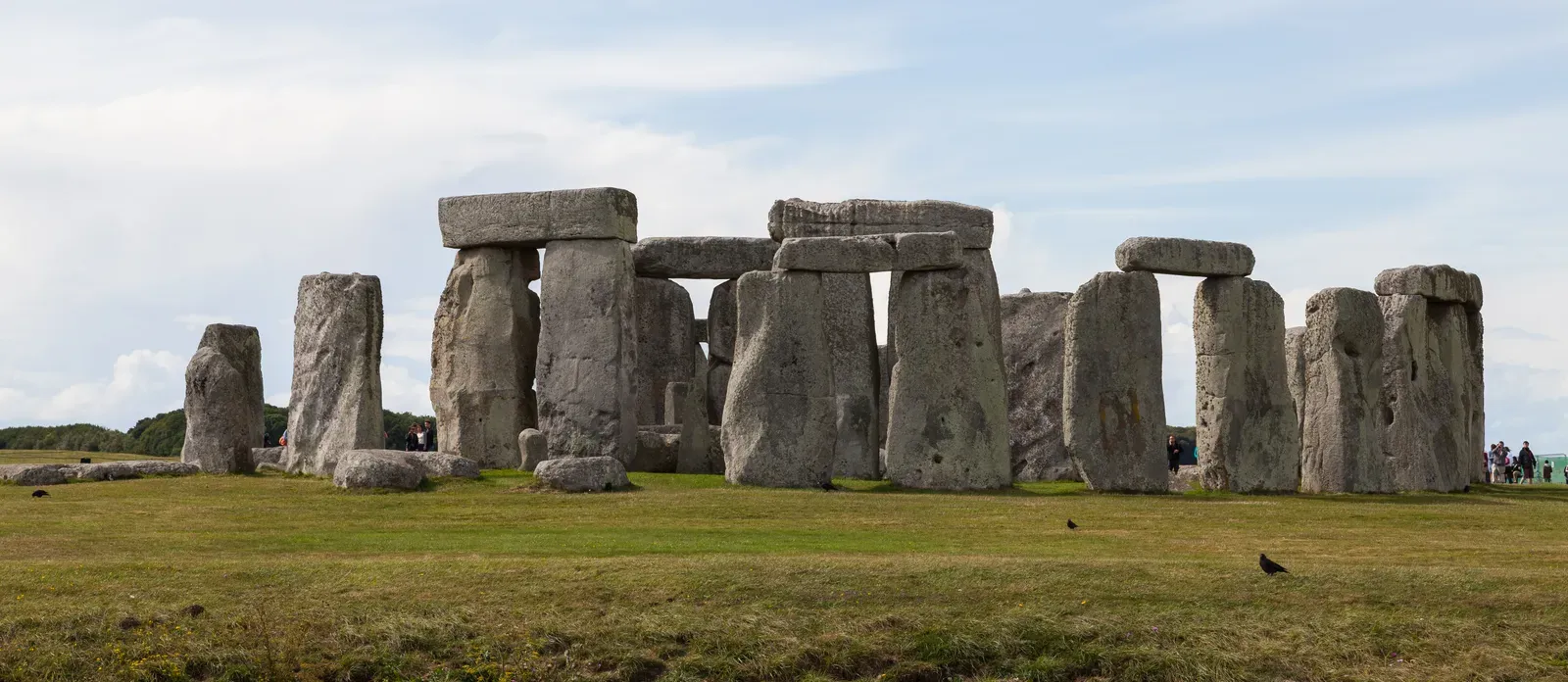
Some archaeologists will tell you Stonehenge is “solved.” Ask a structural geologist and the story gets shaky fast. The smaller bluestones probably arrived through some mix of dragging, rafting, and maybe even glacial help. The real headache is the 30-ton sarsen uprights and 7-ton lintels, hauled over rolling terrain from Marlborough Downs, roughly 20 to 25 miles away. On muddy Neolithic ground, that’s not just hard, it borders on absurd once you scale it to every stone involved.
Engineers can sketch ideas: timber sledges, greased tracks, teams of hundreds or even thousands. But no modern team has fully replicated the journey and precise placement of multiple sarsens under true prehistoric conditions. We have plausible scenarios, not demonstrated solutions. The margin of error on those mortise-and-tenon joints is punishingly small, and one misalignment means your lintel simply doesn’t sit. Most people don’t realize Stonehenge is still, in many ways, an unsolved logistics problem.
Fast Facts
- Sarsen uprights weigh up to 30 tons each; lintels run around 7 tons.
- Quarry-to-site distance from Marlborough Downs: roughly 20 to 25 miles.
- No full-scale, terrain-accurate replication of the move has ever been completed.
- Mortise-and-tenon joints leave almost zero margin for placement error.
#11 – Easter Island’s “Walking” Moai
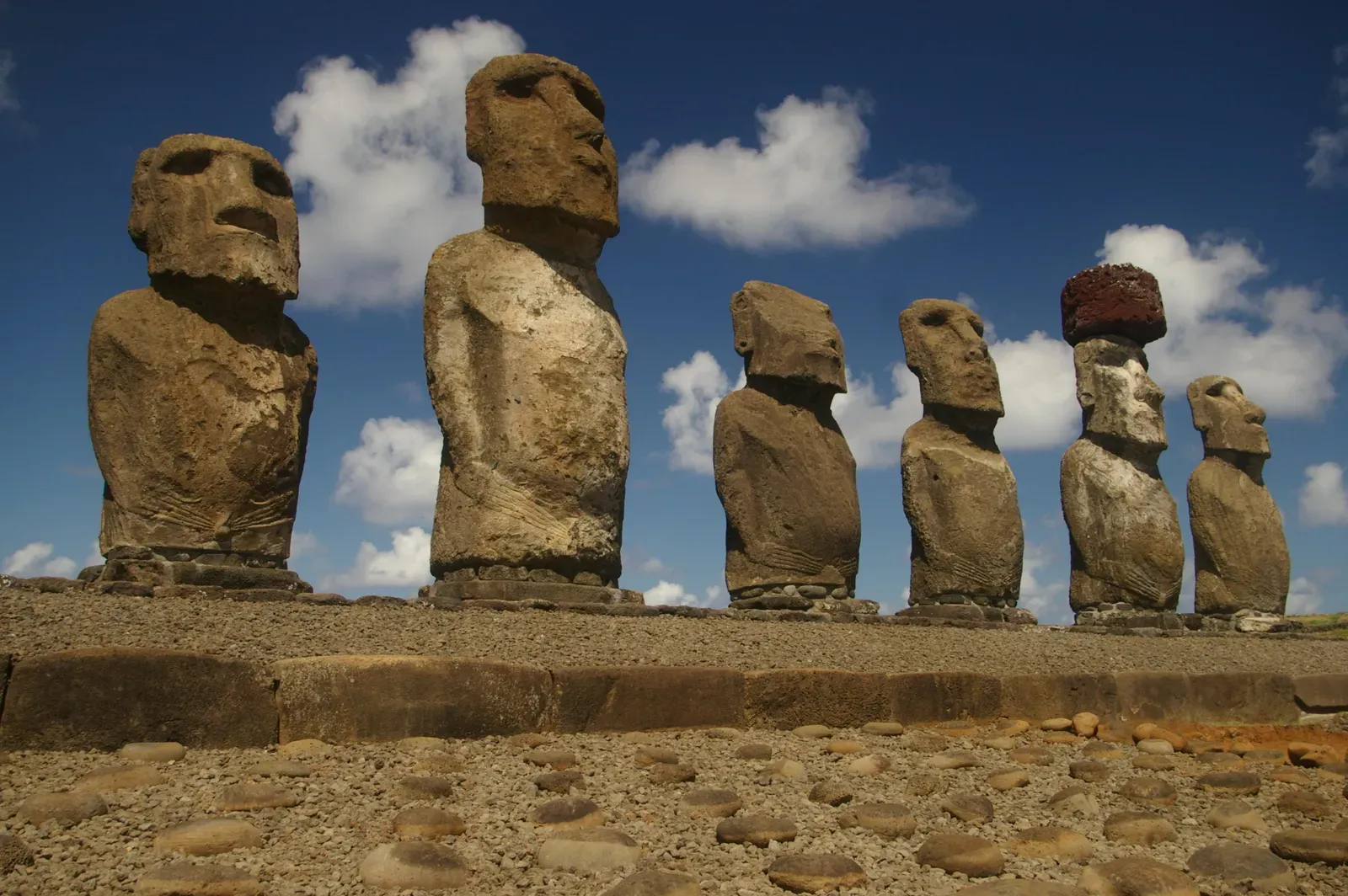
The viral claim is that the Rapa Nui people “walked” their massive moai into place. It sounds poetic. Geologists who’ve measured the density and fracture patterns of the volcanic tuff have a less romantic reaction: these are multi-ton brittle objects, not rubber ducks on strings. Some moai weigh over 70 tons, and on uneven ground, one bad sway angle means catastrophic breakage.
Yet they stand, sometimes miles from the quarry, lined along the coast. Experiments with smaller replicas prove you can shuffle a statue upright using coordinated rope teams. But nobody has moved a full-scale moai over the original terrain, distance, and elevation without modern safety gear and cleared paths. Real quarry slopes are eroded and messy, not controlled test fields, and even “walking” requires a precise control of center of mass that we only reliably model today with software. There are theories, but not a single demonstration that matches reality.
#10 – The Trilithon Blocks of Baalbek, Lebanon
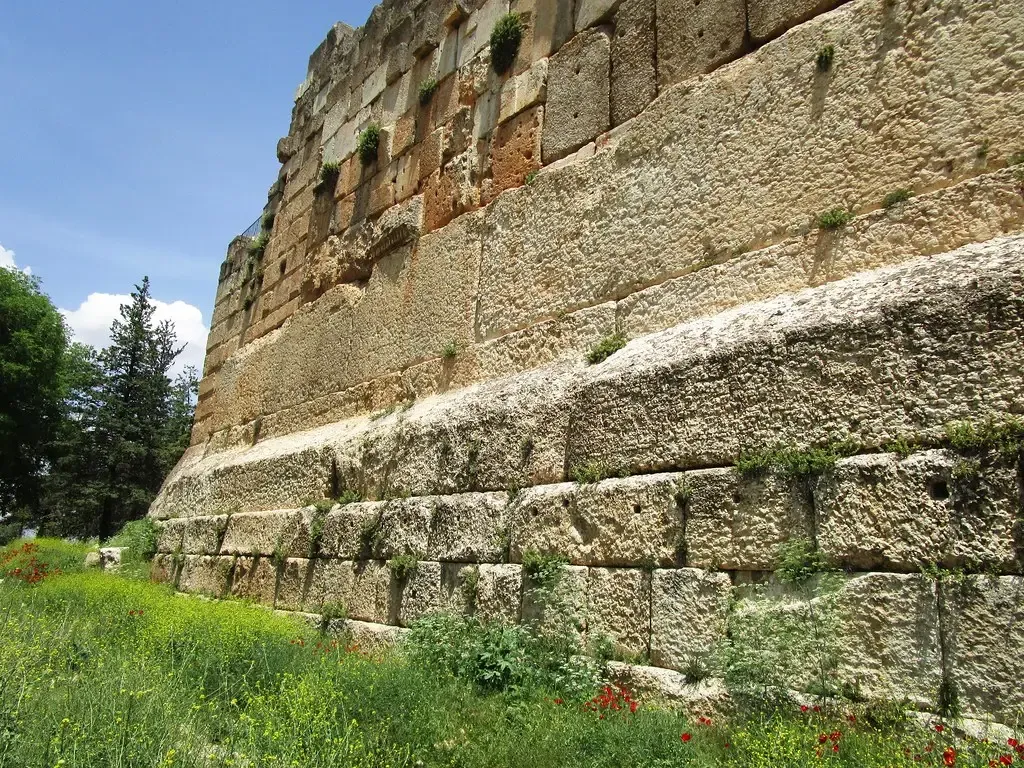
Baalbek is where even jaded geologists quietly say, “okay, that’s insane.” The so-called Trilithon in the Temple of Jupiter platform uses limestone blocks each estimated at roughly 800 to 1,000 tons. Forget lifting them; no crane commonly used on a modern construction site picks that up in one piece. Even sliding them horizontally across irregular ground would be a brutal feat today, yet these stones sit in an elevated, tightly fitted row.
Nearby quarries, including the famous “Stone of the Pregnant Woman” at over 1,000 tons and still partly attached to bedrock, prove quarrying and partial movement happened. They don’t prove final placement. Proposed methods mention rollers, sledges, and soil ramping, but the friction coefficients on rough limestone, combined with the required labor force, go beyond anything ever demonstrated experimentally. There’s no replicated, step-by-step process showing how you relocate a 1,000-ton block and nestle it precisely into a wall without shattering it.
#9 – Ggantija Temples of Malta and Their Overlooked Megaliths
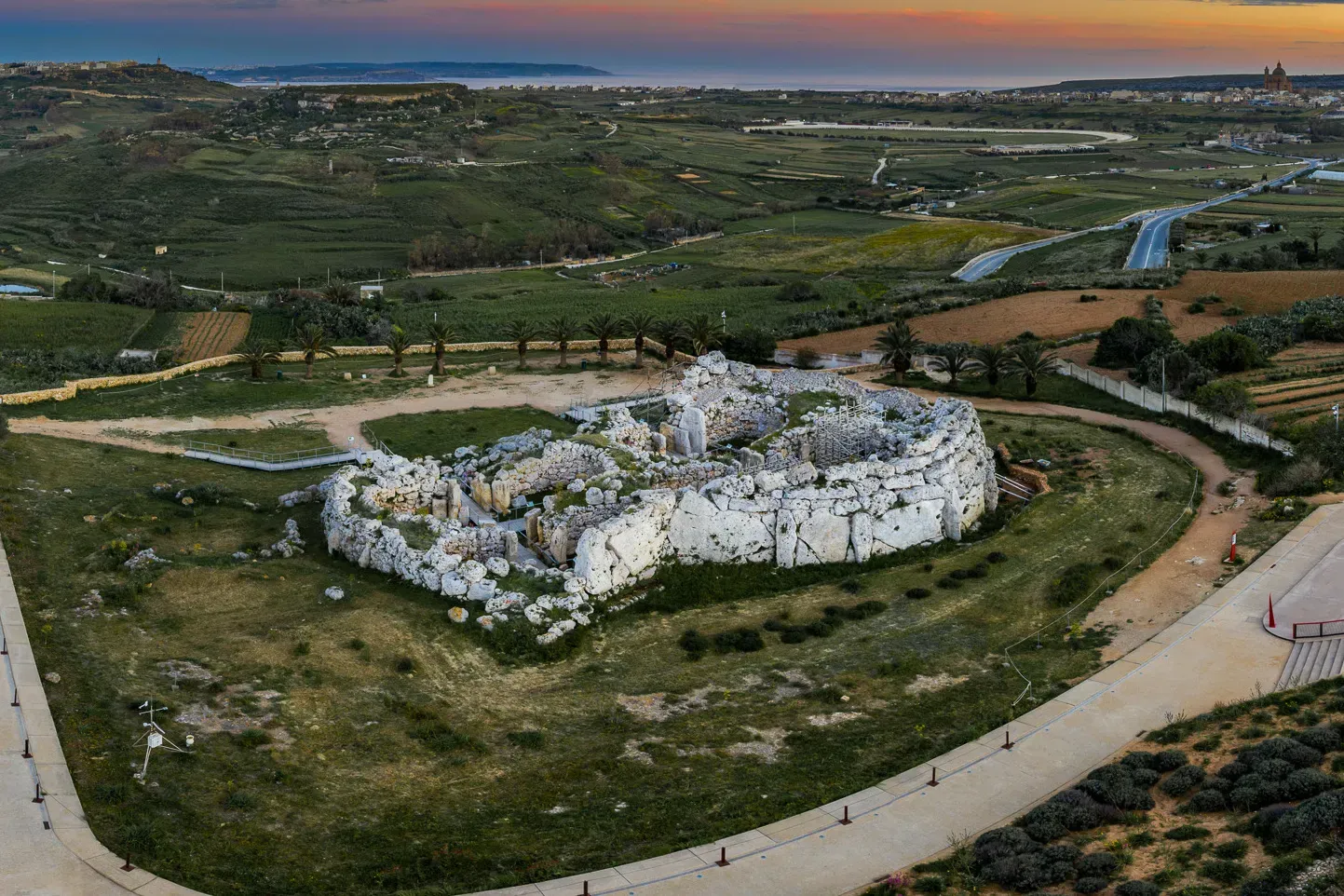
Ggantija gets far less press than Stonehenge, but geologists quietly rate it as one of the most baffling megalithic sites on Earth. Built from coralline limestone, some blocks at this Neolithic temple complex weigh over 50 tons, set on an island that had no large draft animals at the time. The rock itself is abrasive and irregular, meaning any dragging system fights brutal friction with every single foot of progress.
Malta’s terrain makes it worse. This isn’t a flat plain; it’s a patchwork of rocky outcrops, slopes, and thin soils. Grooves in the rock hint at ancient transport tracks, but there’s no experimentally proven way to move multi-ton blocks uphill and then align them with the tight tolerances needed to keep the structure standing for millennia. Logs, ropes, and people power sound tidy on paper and collapse under realistic simulations of weight versus traction, all of it accomplished before anyone had metal tools.
#8 – The Osireion’s Sunken Stonework in Abydos, Egypt
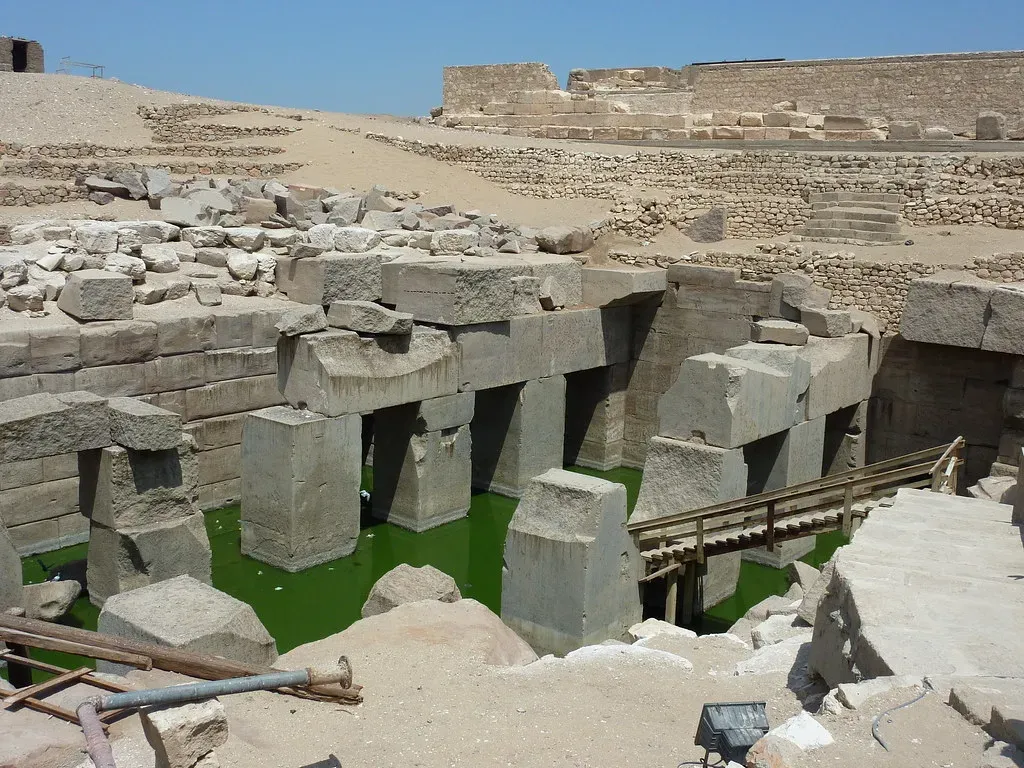
Everyone argues about the pyramids, but geologists quietly point to the Osireion at Abydos as the real physical riddle. It’s a sunken structure with granite blocks weighing dozens of tons each, arranged in a trench that regularly floods. The granite came from Aswan, hundreds of miles upriver, and transport by Nile is plausible. The last leg, precision placement into a water-prone pit, is the part nobody can convincingly reconstruct.
Moving multi-ton granite into a low, confined space without modern cranes or pumps is a mechanical nightmare. You can’t just roll or slide the blocks down without risking a fracturing impact. Hypotheses include earthen ramps, temporary cofferdams, or staged backfilling, but none have ever been tested at full scale, and the slightest miscalculation in load-bearing supports would crack the stone or destabilize the trench walls. The current resting place of each block makes sense; the path to get there does not.
Worth Knowing
- Granite blocks were sourced from Aswan, hundreds of miles up the Nile.
- The structure sits in a trench prone to regular flooding.
- Proposed methods, ramps, cofferdams, backfilling, remain untested at full scale.
- A single miscalculated support could crack the stone or collapse the trench walls.
#7 – The Sacsayhuamán Cyclopean Walls in Peru
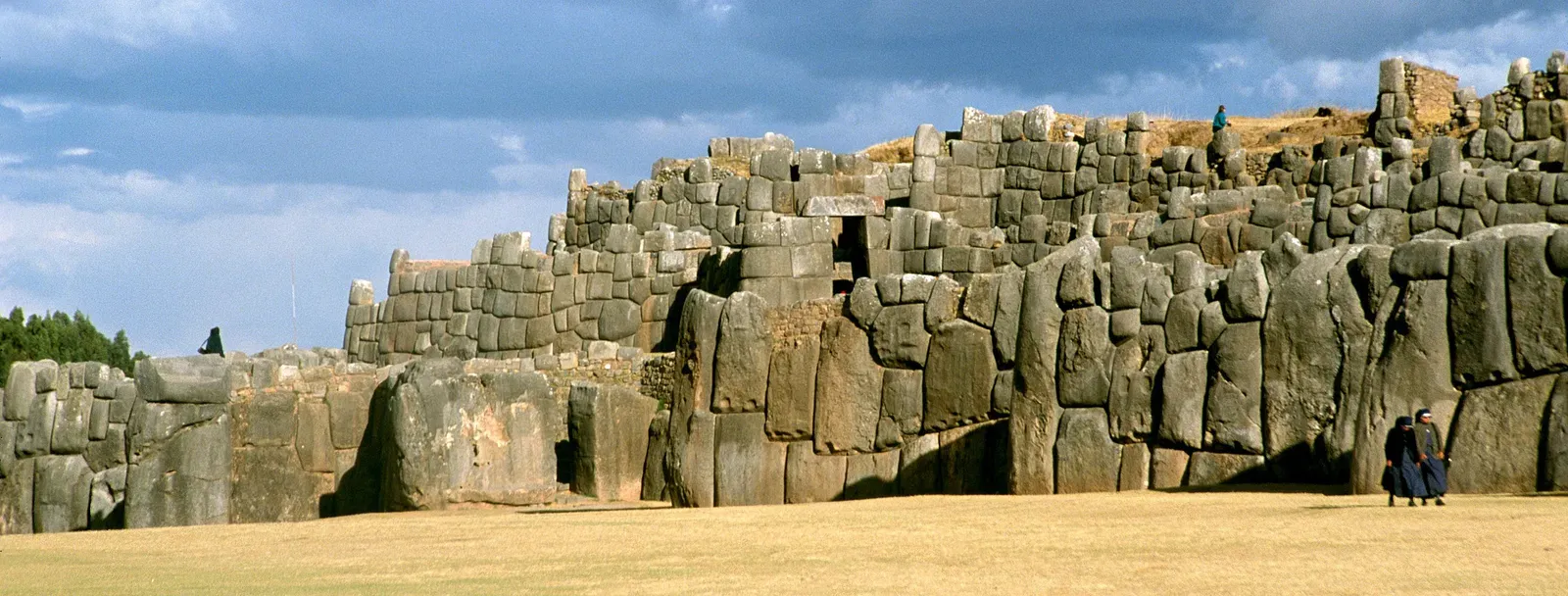
Stand in front of Sacsayhuamán above Cusco and you instantly understand why geologists and engineers argue about it after dark. These fortress walls use andesite blocks up to 140 tons, carved into complex, interlocking polygons. The quarry sits a few kilometers away, not far on a modern map, but monstrous once you factor in the altitude, the incline, and the total lack of wheels or draft animals strong enough for the job.
Two things make this site truly mysterious:
- The blocks fit so tightly that you often can’t insert a knife blade between them.
- The surfaces show working marks that aren’t easily reproduced with simple stone tools.
You can theorize ramps, rollers, and teams of thousands. But show anyone a controlled, full-scale test on comparably steep Incan terrain where multi-ton andesite gets moved and puzzle-fitted like this, and there isn’t one. The stone’s fracture patterns suggest careful handling to avoid spalling, a level of load management that engineers still struggle to model precisely.
#6 – The Moai Quarry Itself: Rano Raraku’s Half-Finished Giants
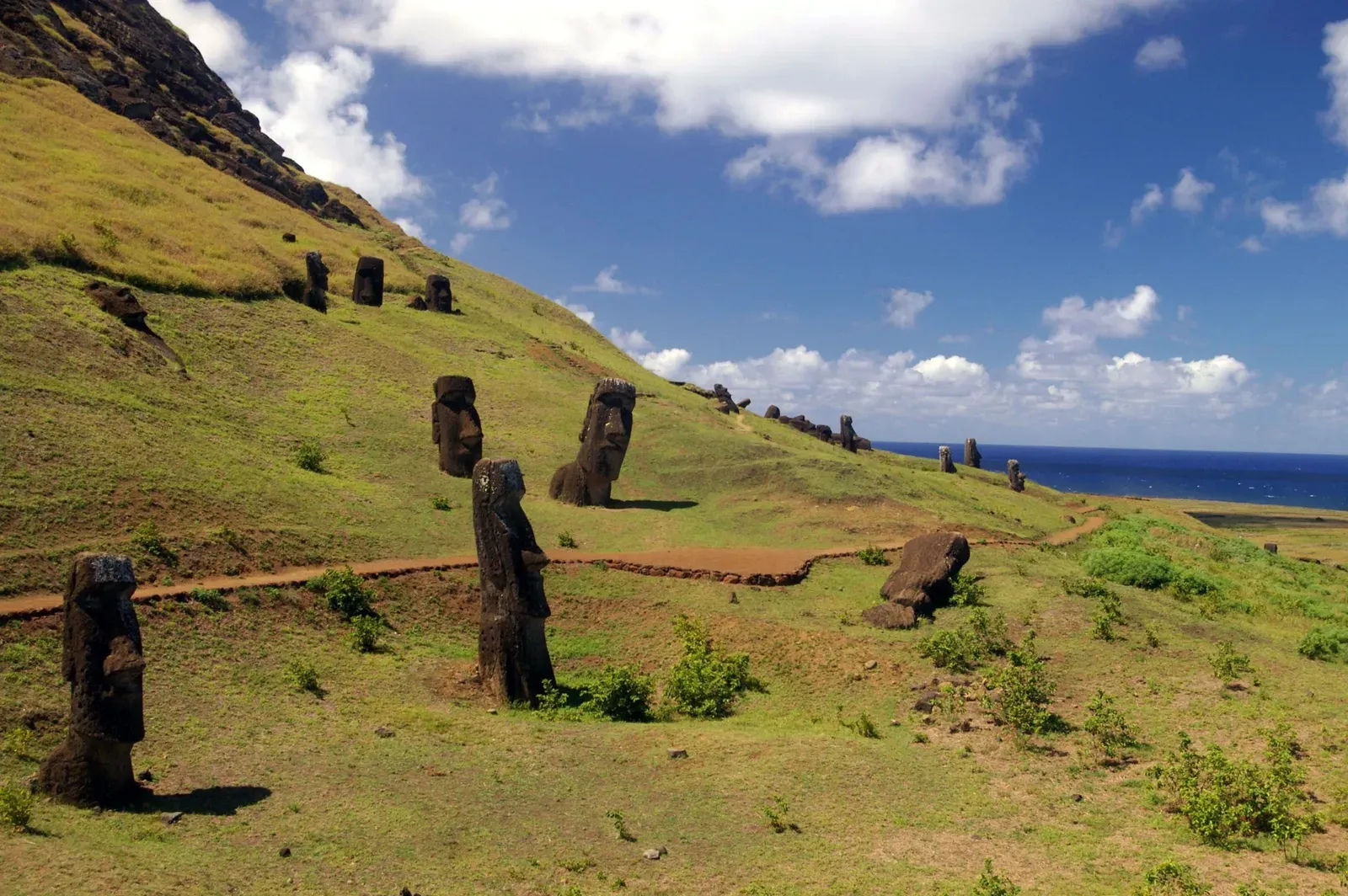
Everyone focuses on the standing moai, but the real geological horror show is up at Rano Raraku, the main quarry. Statues sit partly carved, still bonded to the bedrock, some estimated at over 150 tons if completed. The tuff is workable, but it weakens exactly when the statue’s “neck” and base get undercut, which means the most dangerous phase is detaching and moving the thing right when the stone is at its most fragile.
No one has experimentally demonstrated a method to:
- Detach a nearly 100-plus-ton, top-heavy statue without snapping it.
- Transport it down steep, erodible volcanic slopes intact.
Sledges, rock “cradles,” and controlled rocking all show up in papers and documentaries, not in reality-tested field operations at full weight. The abandoned giants scattered around the quarry silently show the problem: some likely failed mid-process. For several of the largest, we don’t just lack a good answer for how they moved. We’re not even sure they ever could have.
#5 – The Trilithons and Casing Blocks of the Great Pyramid Plateau
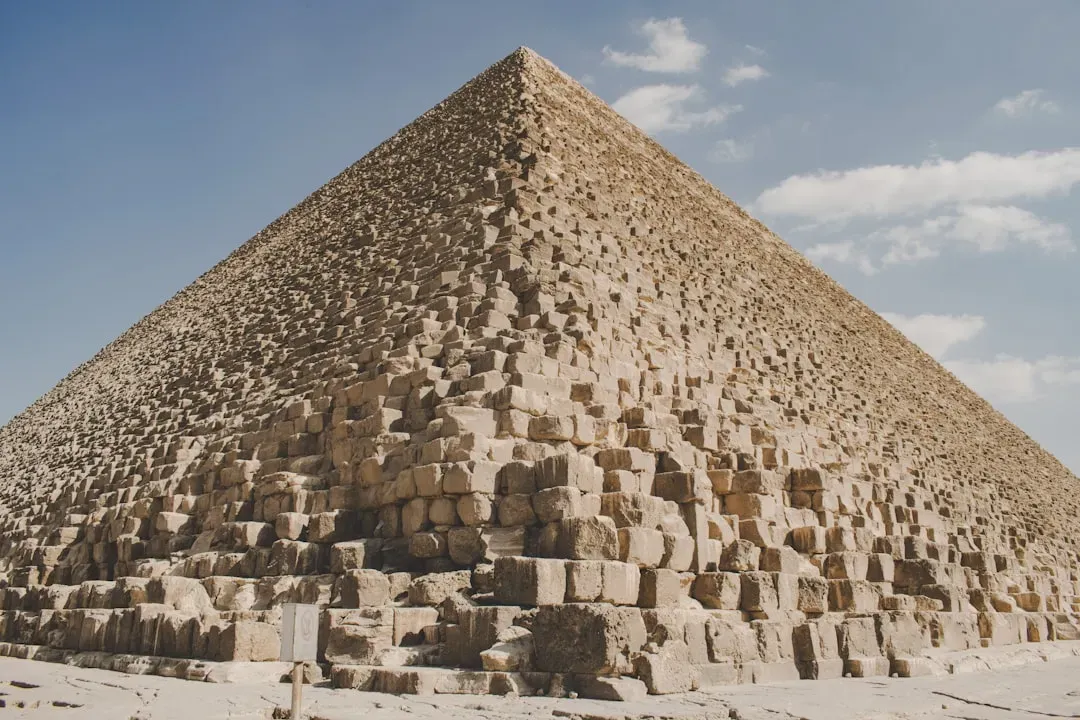
The “how were the pyramids built” debate is overused, but narrow it to pure stone logistics and even conservative geologists admit serious gaps. Giza hosted millions of limestone blocks plus hefty granite elements. Individual blocks at 2 to 15 tons are heavy but not unimaginable. The real problem is vertical logistics: moving that volume, that high, with Old Kingdom tools, in a few decades strains every timeline anyone has proposed.
The casing stones and internal granite blocks require:
- Tight tolerance alignment across vast surfaces.
- Sustained lifting operations that would push human labor and simple machines to their breaking point.
We have speculative ramp models, straight, zigzag, spiral, but none has been conclusively supported by physical evidence and verified through full-scale experiments. Small-scale tests prove a concept works, not that it’s feasible at a millions-of-blocks scale. Geologists can read erosion patterns and quarry scars to tell us where the stones came from. They stay eerily silent about exactly how those stones reached their final, precise perches.
#4 – The Hajar al-Hibla Giants: Baalbek’s Abandoned Beasts
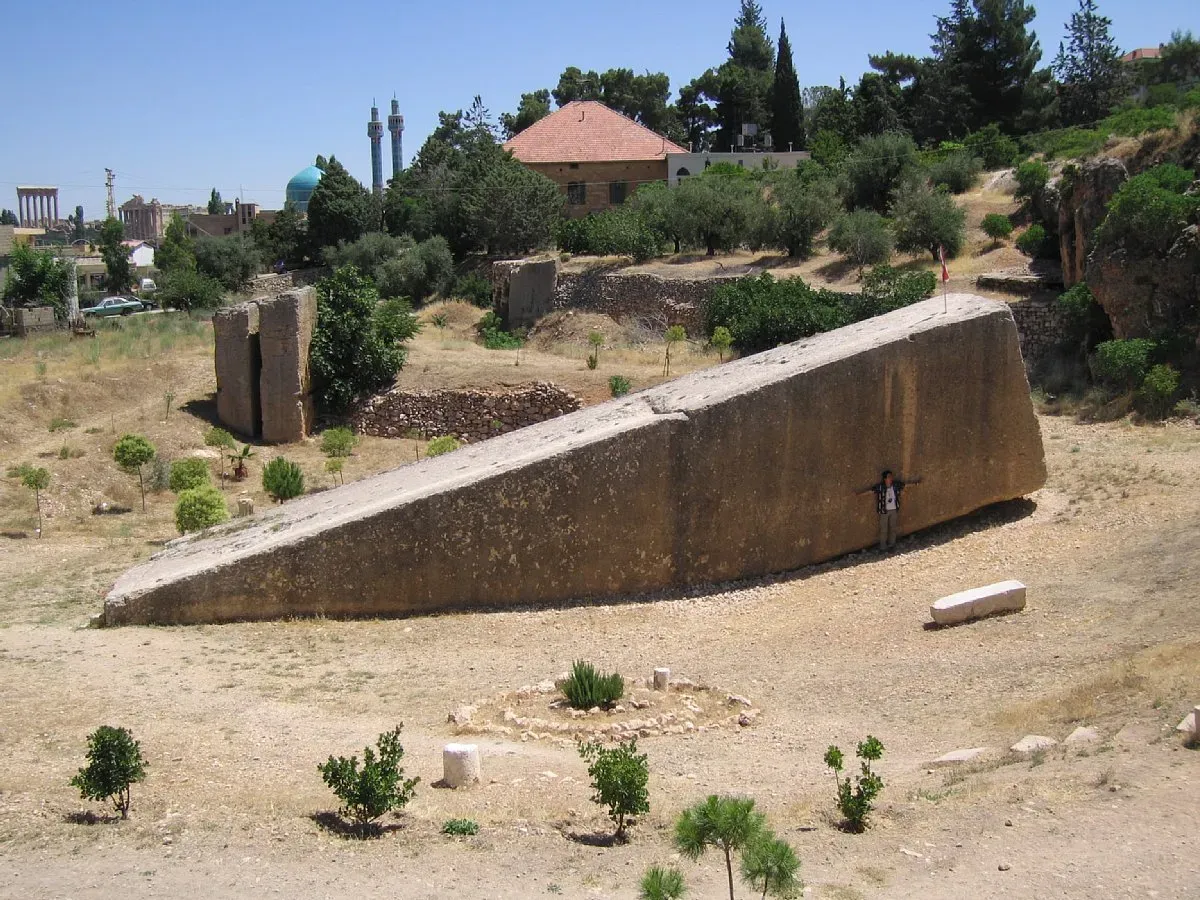
If the Baalbek Trilithon seems impossible, the half-quarried stones nearby are worse. Hajar al-Hibla, the “Stone of the Pregnant Woman,” and its neighbors are among the largest quarried stones on the planet, estimated well over 1,000 tons and possibly approaching 1,600 tons. Microfractures in the limestone, stress patterns, and the angle of the quarry bed raise a brutal question: even if you finish carving one of these, how do you move it without the stone snapping under its own weight?
Geologists point to a painful truth here: the stone’s flexural strength sets a hard ceiling for how far it can be levered or rolled before it breaks. At these sizes, the rock behaves closer to a fragile beam than a solid chunk. Any rolling or dragging method has to distribute the load perfectly across the full length, a precision that modern heavy-haul specialists calculate with detailed finite element models. We can see the intent to move these monsters. We don’t have the operational method, and there isn’t a single historical record describing one.
Quick Compare
- Hajar al-Hibla (Baalbek quarry): up to roughly 1,600 tons, never moved.
- Unfinished Obelisk (Aswan): projected 1,000 to 1,200 tons, abandoned mid-carve.
- Baalbek Trilithon blocks: 800 to 1,000 tons, successfully placed in a wall.
- Western Stone (Jerusalem): 500 to 600 tons, successfully placed in a wall.
#3 – The Western Stone of the Jerusalem Temple Mount
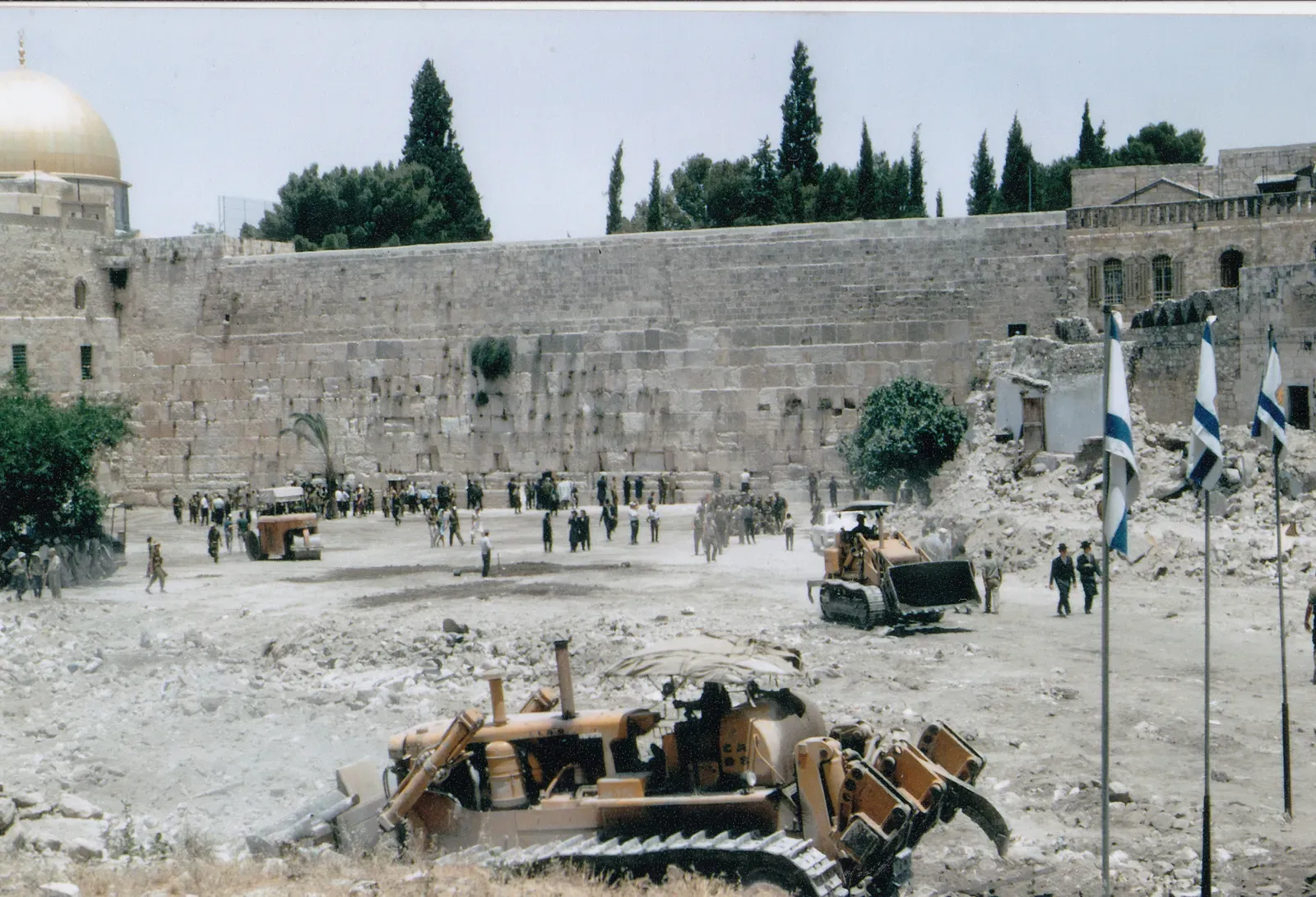
Under Jerusalem’s Western Wall sits a single stone that quietly breaks everybody’s comfort zone. The “Western Stone” is estimated at around 500 to 600 tons, one of the largest building blocks ever successfully placed in a wall. Its length, height, and partially exposed side are measurable, and the density of local limestone gives us a fairly solid weight estimate. That’s not guesswork. That’s basic rock physics.
The quarry is believed to be relatively nearby, but the logistical nightmare remains:
- You must extract, support, and transport a block that can’t tolerate much bending.
- Then you must align it into a precise course without modern hydraulic jacks or rolling gantries.
Soil ramps, incremental levering, and controlled backfilling might have done it. Maybe. But those are narrative reconstructions, not replicated engineering feats. No modern engineering team has recreated this move using contemporary tools stripped away to match the ancient toolkit. Until that happens, geologists can describe the stone in exquisite detail, but the actual move is still largely theoretical.
#2 – The Unfinished Obelisk of Aswan, Egypt
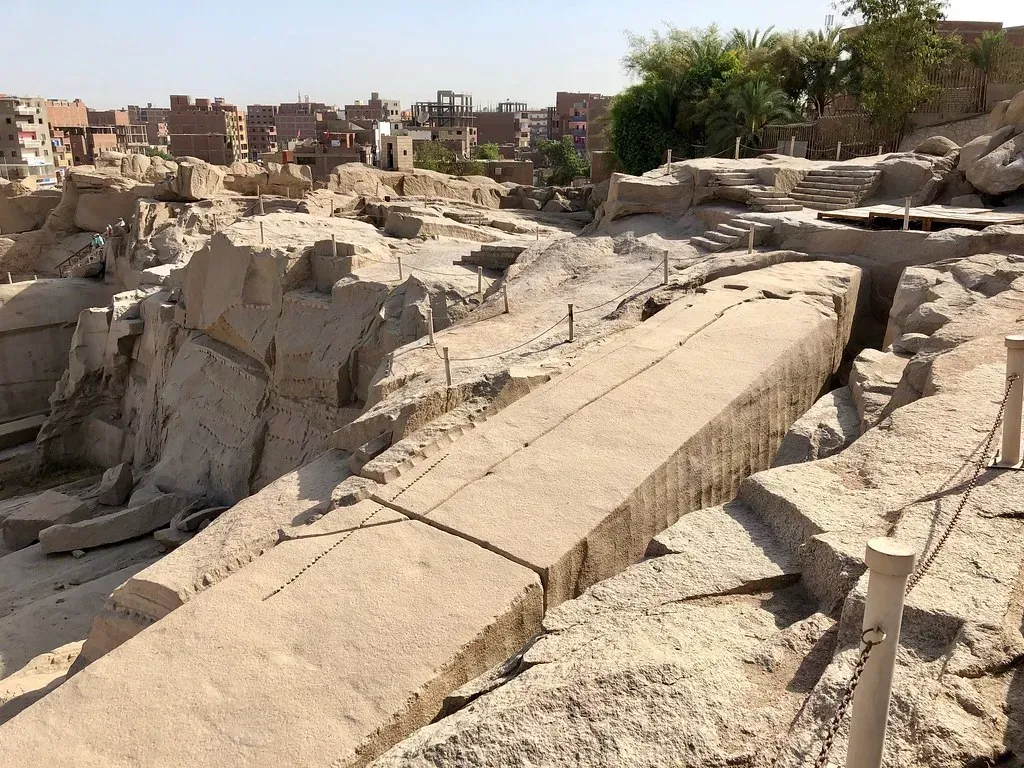
If you want an honest look at ancient limits, go to Aswan. The unfinished obelisk still lies in its bedrock cradle, cracked but largely intact. Had it been completed, estimates put it at around 1,000 to 1,200 tons. Granite’s properties are well known: strong under compression, unforgiving under tension or bending. Quarry marks show exactly how workers tried to undercut it. Then it fractured, and they walked away.
This is the smoking gun that ancient engineers had hard boundaries. Even if it hadn’t cracked, the next steps would have been terrifying:
- Detach and lift a thousand-ton granite needle without snapping it.
- Move it downhill to the Nile, barge it, then re-erect it on a base somewhere else.
We know how later, smaller obelisks were raised, using complex ramps, ropes, and counterweights. But no one has ever experimentally moved and raised an obelisk of this theoretical size with period-accurate tools. Geologists love this site because it makes one thing brutally clear: sometimes the stone wins.
#1 – The Yan’an “Heavenly Pillars” and Other Cliff-Carved Giants
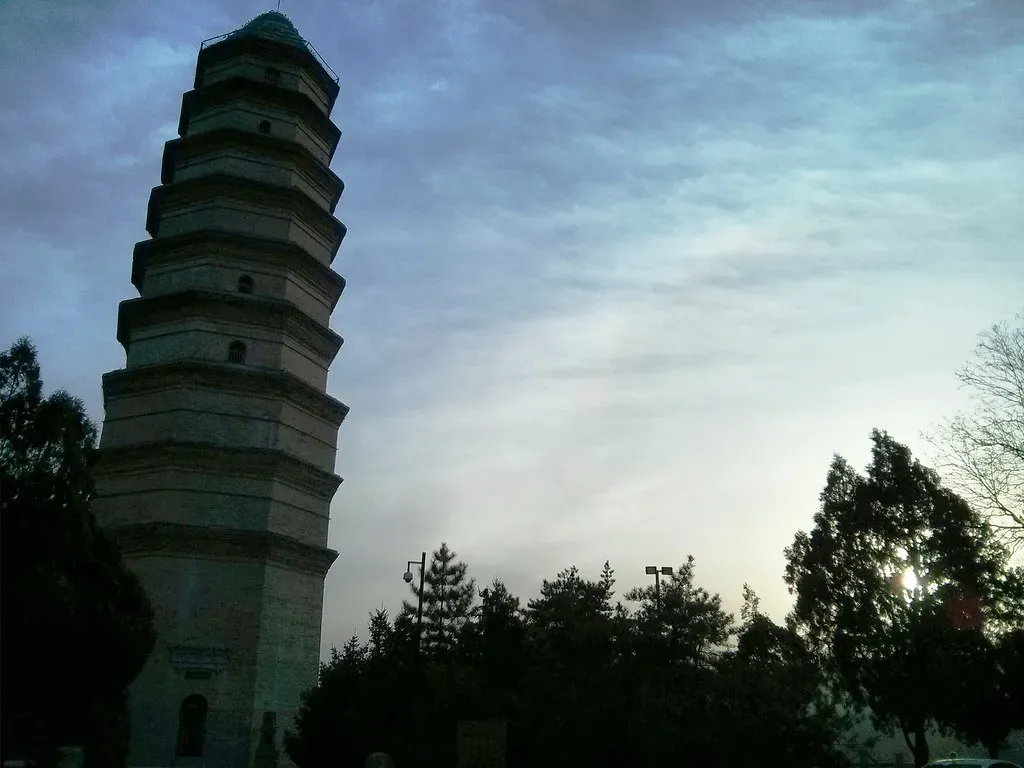
The most impossible stone monuments may be the ones that barely moved at all. Throughout parts of China, and in similar cliff-cut complexes elsewhere, colossal pillars, Buddhas, and chambers are carved straight into vertical rock faces. We’re talking tens of thousands of tons of rock removed, leaving behind freestanding stone architecture that’s still physically integral to the cliff. Geologists studying these faces point out something documentaries rarely mention: you can’t move what doesn’t exist anymore, but the engineering required to carve it away is just as baffling.
Here’s the real problem:
- The remaining rock has to stay stable during and after carving.
- One misread of a fault or fracture zone and the entire face could shear off.
Geotechnical analysis today leans on core samples, 3D scanning, and stress modeling. Ancient builders had none of that. So how did they read the rock well enough to hollow out mountainsides without triggering a catastrophic collapse? For many of these sites, there’s no consensus method, just folklore, partial records, and head-scratching from modern rock mechanics experts. In a way, these “immovable” monuments are the most impressive of all, because they weaponized the mountain itself instead of fighting it.
The Bottom Line
Strip away the glossy documentaries and the “we’ve solved it” headlines, and a harsher truth shows up: we don’t actually know, in a demonstrated, engineering-grade way, how many of the world’s heaviest stone monuments were moved or even safely carved. We have clever hypotheses, computer models, and scaled-down experiments, but not the full-scale, terrain-accurate replications that real proof demands. That gap between story and demonstration is exactly where the mystery lives.
Personally, I think that’s a feature, not a bug. These structures remind us that past builders weren’t primitive; they were operating in a zone of risk and ingenuity we’re still underestimating from behind a keyboard. Until someone funds real, brutal field tests with true weights and real slopes, “how they moved them” stays an open question, no matter how confident the plaque sounds. Did we leave out a monument you think is even more impossible? Drop your pick, and your theory, below.