
Most people picture the fossil record like a filing cabinet: every species neatly sorted into its own labeled drawer of time. A species appears, it lives, it dies, and its bones show up only in rocks from that exact era. Simple, tidy, done.
Except that’s not how it actually works. Paleontologists keep pulling fossils out of rock that’s millions – sometimes billions – of years older than the species is supposed to exist. Not because of time travel, but because our dates, our labels, and our whole idea of “when a species began” are far shakier than the textbooks let on.
Some of these anomalies got quietly resolved in a lab. Others are still argued about at conferences. And a few refuse to die no matter how many times scientists debunk them. Here are 14 of the strangest cases – and what actually happened once someone looked closely.
#14 – “Human” Footprints in 290-Million-Year-Old Rock
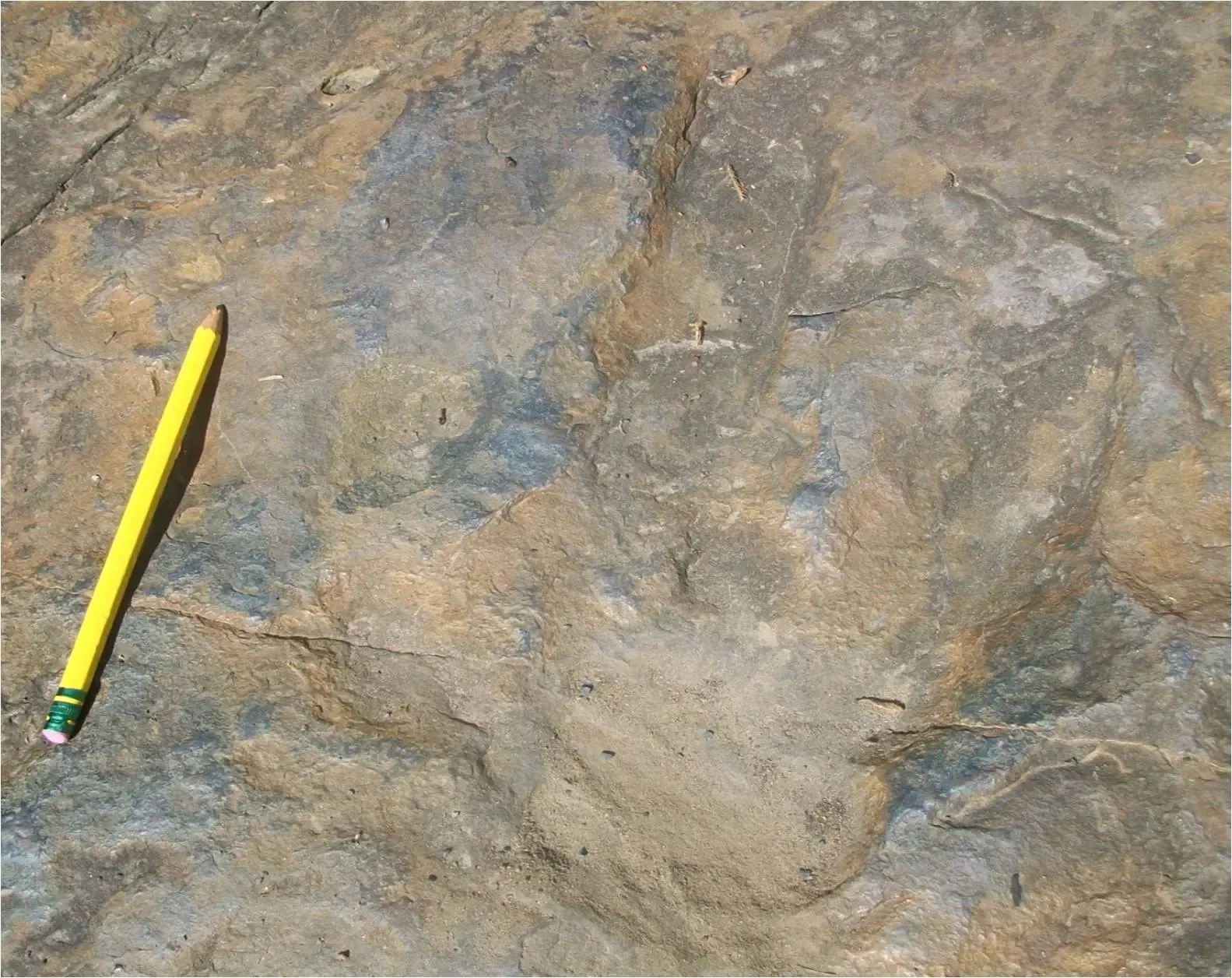
Certain corners of the internet still push a viral claim: barefoot human prints walking right alongside dinosaur tracks, preserved in rock dated at roughly 290 million years old. The implication is huge – if true, it would mean people and giant reptiles once shared the same mud, and the entire timeline of evolution would need to be thrown out.
When actual geologists and footprint specialists examined the sites, the story fell apart fast. The “human” prints turned out to be eroded depressions or misread reptile tracks that the eye – primed to see feet – filled in the rest. The rock’s age was never the problem; the identification was. No verified human fossil has ever turned up in rock older than about 300,000 years, and that gap says everything about why these viral prints keep resurfacing despite being debunked over and over.
#13 – Dinosaur-Era “Birds” Found in Rocks Older Than the First True Bird
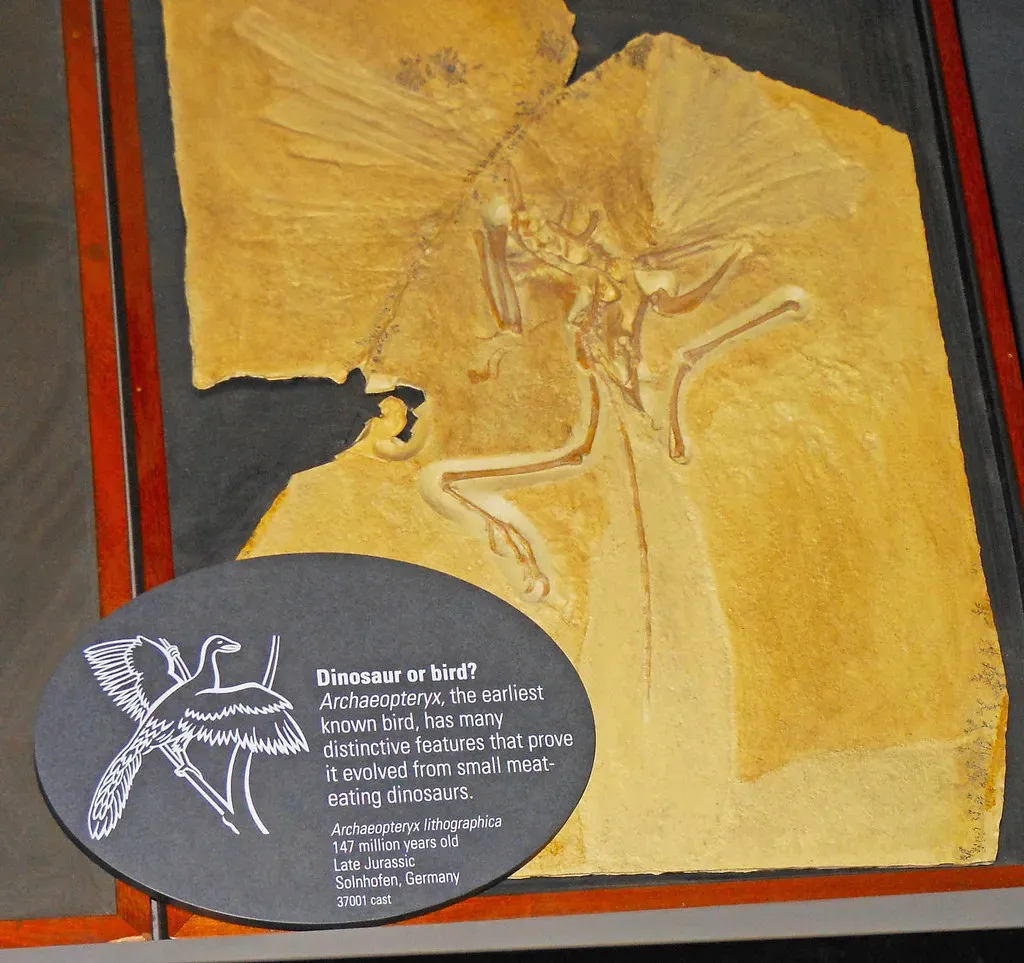
For decades, textbooks drew a clean line: birds evolved from small theropod dinosaurs in the Late Jurassic, with Archaeopteryx crowned as the original “first bird.” Then paleontologists started digging up feathered, bird-like dinosaurs from rock layers slightly older than that supposed starting point – and some of them looked eerily close to modern bird groups.
It sounds like birds showing up before birds existed, but the real story is about fuzzy definitions. Is a “bird” defined by feathers? Flight? A particular shoulder joint? Most of these early specimens turned out to be slightly more primitive dinosaur cousins rather than true birds, which meant the rocks were never wrong – our categories were. Scientists simply had to redraw where the “bird” branch truly begins, and that quiet recalibration keeps happening every time an “impossible” fossil turns up.
Fast Facts
- Archaeopteryx fossils date to roughly 150 million years ago, in the Late Jurassic.
- Feathered dinosaurs like Anchiornis appear in rock slightly older, closer to 160 million years ago.
- Key “bird” traits – feathers, wishbones, hollow bones – evolved separately, not all at once.
- Most modern bird groups didn’t diversify until after the mass extinction 66 million years ago.
#12 – Modern-Looking Shark Teeth in Rocks Far Older Than That Lineage
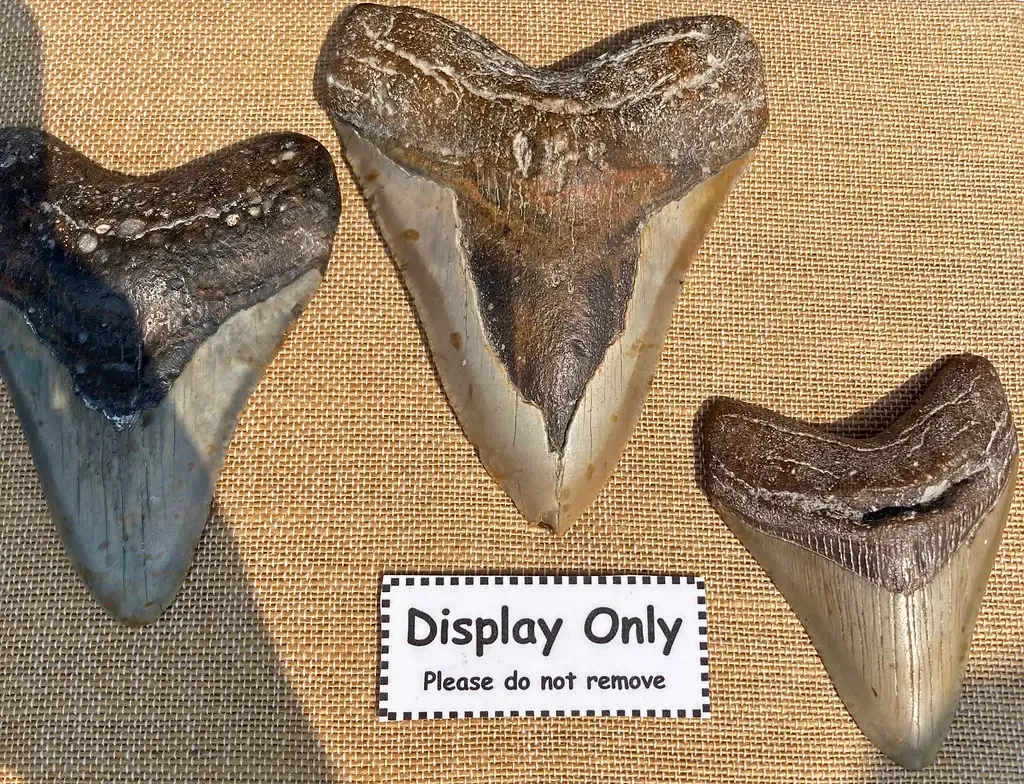
Sharks are ancient by any measure, but certain “modern” shark families are only supposed to have appeared in the last 100 to 150 million years. Then researchers began pulling teeth from rocks far older than that window – teeth that looked unsettlingly similar to species swimming in today’s oceans.
The catch is that sharks are mostly identified by their teeth, and teeth lie. Two completely unrelated sharks can independently evolve nearly identical teeth if they’re hunting similar prey in similar water – a phenomenon called convergent evolution. Most of these “too old” teeth likely belong to extinct look-alikes rather than the exact species alive now, but the resemblance still forced experts to admit something uncomfortable: some shark lineages may run deeper in time than the family trees suggest.
#11 – Flower Pollen That Predates Flowers Themselves
![#11 - Flower Pollen That Predates Flowers Themselves (Source and public domain notice at Dartmouth College Electron Microscope Facility ([1], [2]), Public domain)](https://nvmwebsites-budwg5g9avh3epea.z03.azurefd.net/dws/4da8f0528e1f7f0b4a48336d6db19264.webp)
Flowering plants, or angiosperms, are supposed to have appeared around the Early Cretaceous, roughly 130 million years ago. Yet microscopic pollen grains carrying “modern” flowering-plant features have turned up in rocks tens of millions of years older, hinting that flowers might have quietly existed long before any obvious flower fossil shows up.
Botanists respond with caution, and for good reason: pollen is tiny and simple enough that different plant groups can evolve nearly identical-looking grains by accident. Some of that “too old” pollen may belong to extinct seed plants mimicking modern angiosperms, while other cases involve older sediment mixing with younger material and scrambling the apparent age. Either way, most paleobotanists now suspect flowering plants evolved more gradually – and far less dramatically – than the tidy “sudden bloom” diagram in textbooks.
#10 – Mammal-Like Teeth Hiding in Dinosaur-Dominated Rock
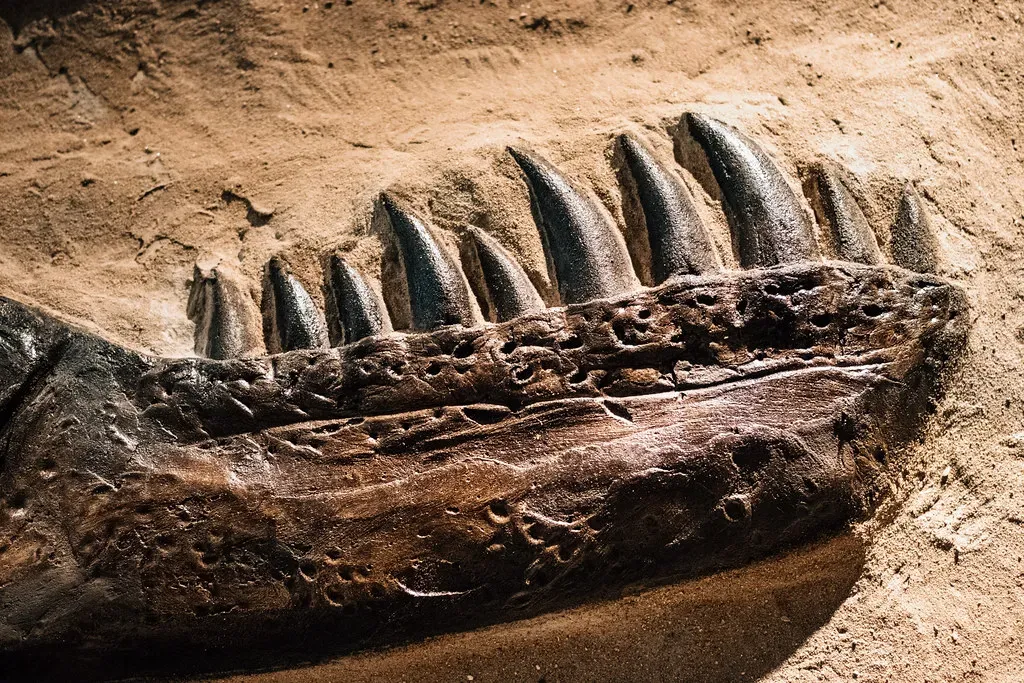
Some fossil jaws and stray teeth pulled from dinosaur-era rock look suspiciously like those of much later mammals – close enough that a few headlines have declared “modern mammals lived with dinosaurs.” The idea of tiny mammals scurrying under a T. rex’s feet, millions of years before textbooks allow, is exactly the kind of claim that goes viral.
The real explanation is less shocking but still fascinating: early mammal relatives really were alive during the dinosaur age, and their teeth were evolving fast. Diet shapes tooth structure so strongly that distantly related animals can end up with nearly identical molars by coincidence. When researchers re-examined the “modern” specimens closely, most showed subtle differences placing them outside the true mammal lineage – but the finds still pushed the mammal family tree further back than anyone expected.
#9 – Animal Fossils That Predate the Cambrian Explosion
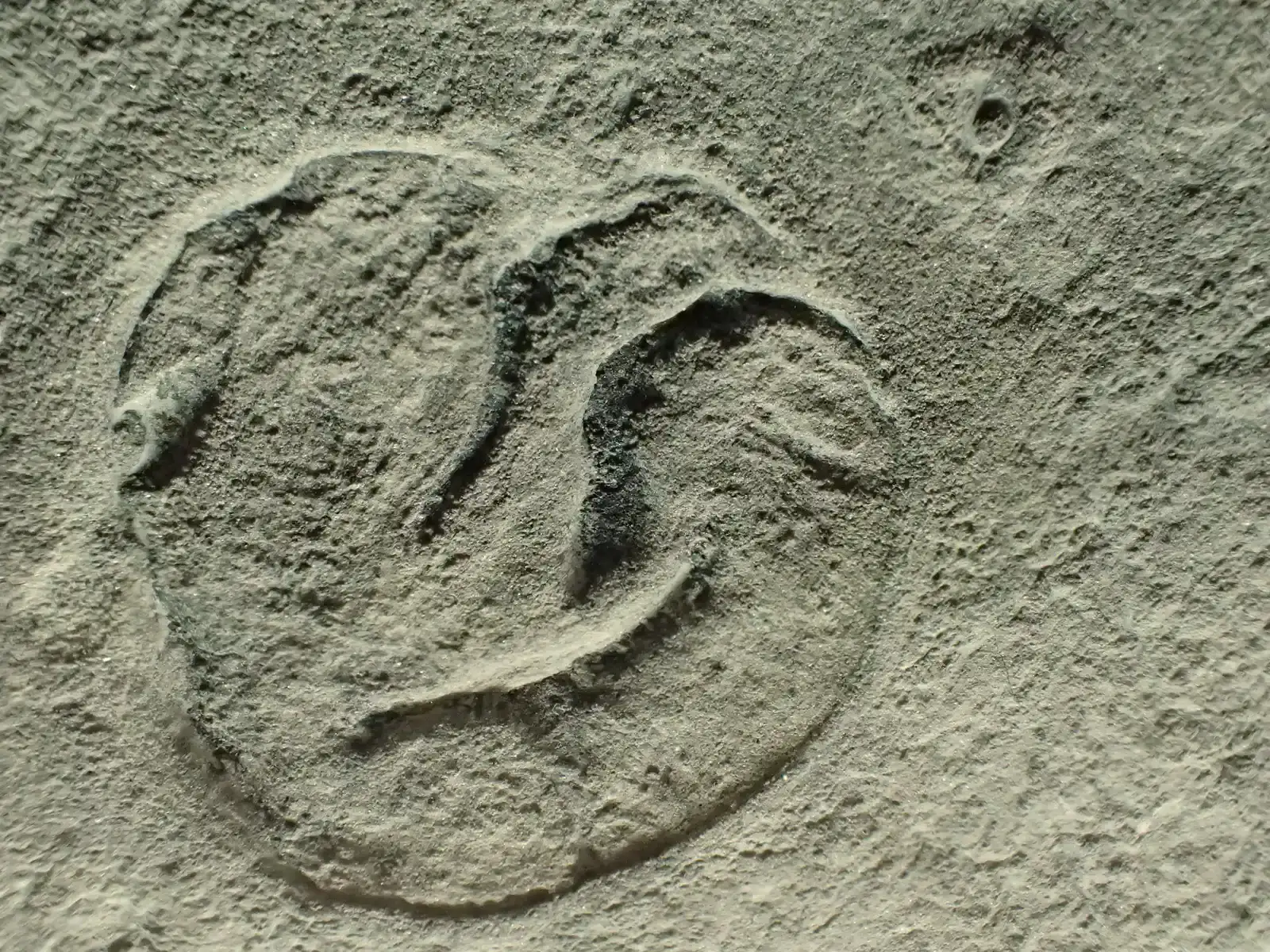
Biology classes love to treat the Cambrian Explosion, around 541 million years ago, as the moment complex animal life suddenly burst onto the scene. Then researchers started finding possible sponge- and worm-like fossils in rock tens of millions of years older, suggesting complex animals were quietly evolving long before the “big show” ever aired.
The debate over these fossils is fierce because most are soft-bodied blobs or tube-shaped impressions that are nearly impossible to identify with confidence. Some researchers see early animals; others see microbial mats or non-biological structures entirely. Rather than proving the Cambrian date wrong, these finds point to a visibility problem – early bodies and behaviors were changing in ways that left frustratingly poor fossils behind, hiding an entire chapter of evolution from view.
Quick Compare
- Ediacaran Period (about 635-541 million years ago): soft, simple bodies with no shells, spines, or hard parts.
- Cambrian Explosion (starting about 541 million years ago): sudden burst of hard shells, legs, eyes, and predator-prey arms races.
- The catch: soft bodies almost never fossilize well, so the “sudden” explosion may really be a sudden improvement in preservation.
#8 – Coral-Like Reefs Built Long Before Modern Corals Existed
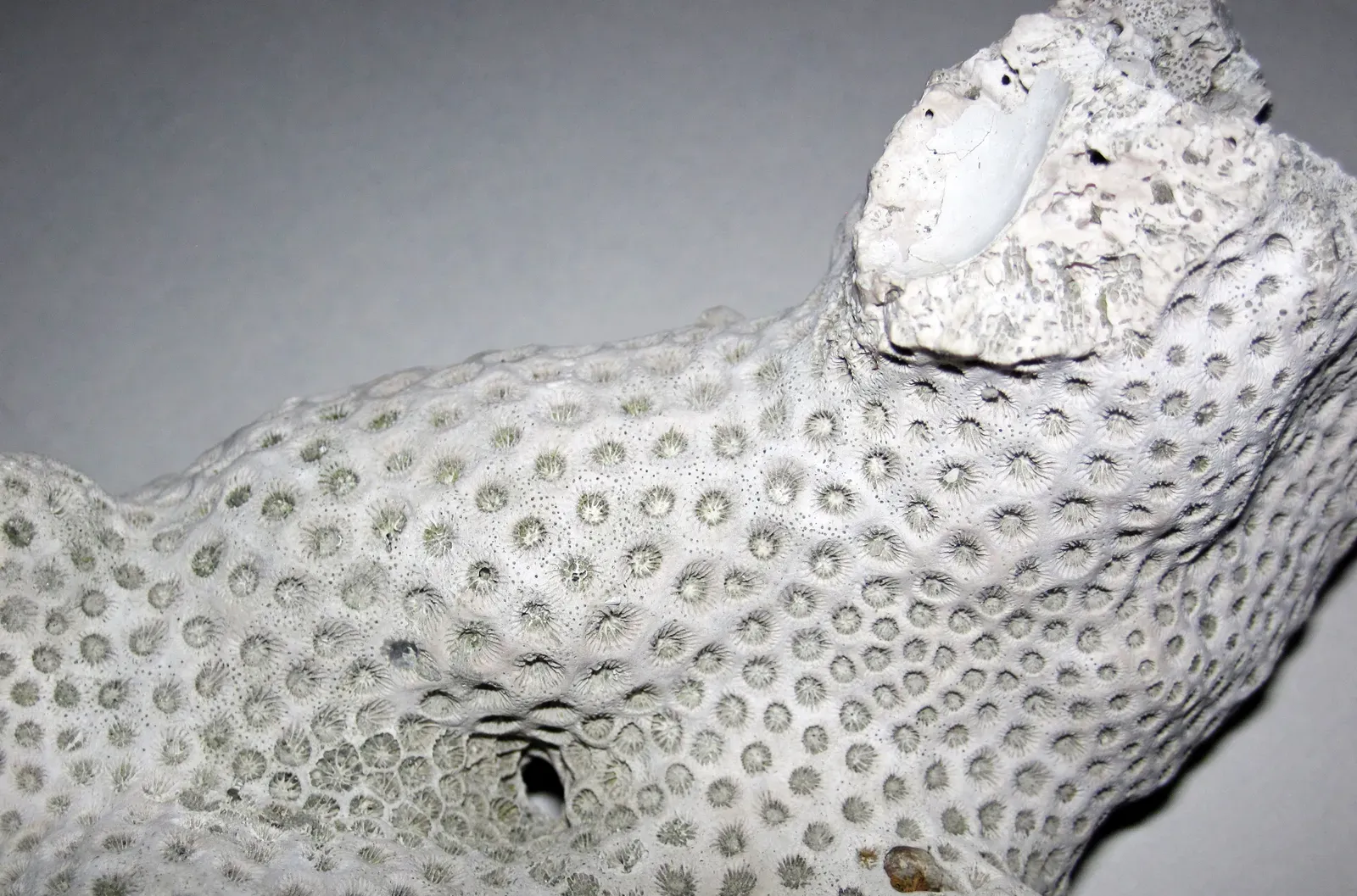
Certain reef-building coral groups are used as reliable clocks for dating rock layers, since they’re only supposed to have evolved at specific points in Earth’s history. Then geologists started spotting coral-like structures in rock significantly older than those coral families were thought to exist, hinting that reefs were forming long before their supposed architects showed up.
The resolution is humbling for anyone who assumes today’s corals invented the reef. Different organisms – sometimes not even corals – can build strikingly similar skeletons and reef shapes, and some of these “coral” fossils turned out to be unrelated animals or even microbial structures mimicking coral texture. What the finds really reveal is that reef ecosystems have been reinvented multiple times throughout Earth’s history, and the reefs we snorkel over today may just be the latest remix of a very old idea.
#7 – Dragonflies and Beetles That Look Too Modern for Their Rock Layer
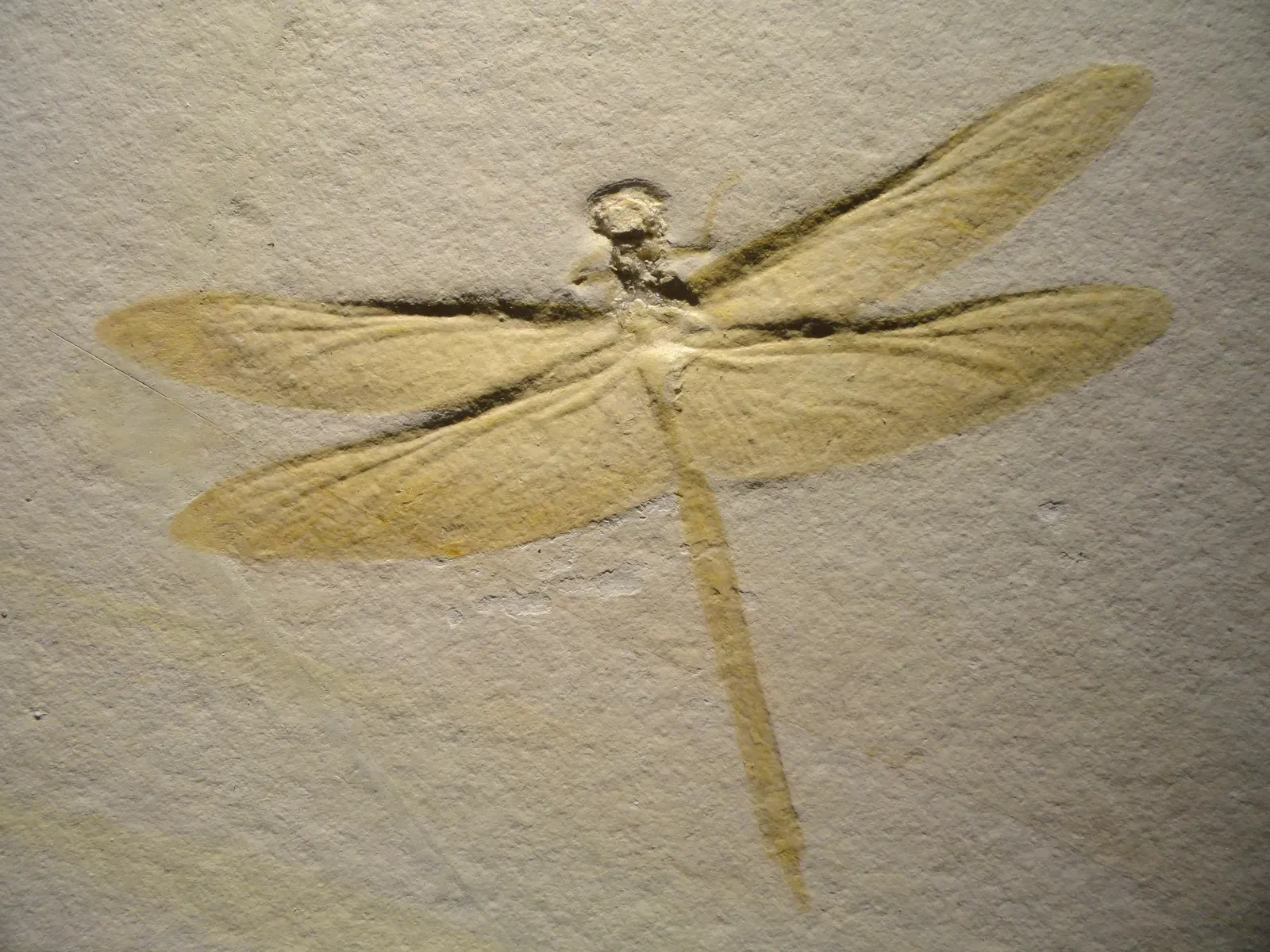
Insect fossils are rare, but the ones we do find can be startlingly familiar – dragonflies, beetles, and flies that look ready to buzz around a modern backyard. A handful of discoveries placed unmistakably modern-looking insect groups in rock older than their estimated origin, seemingly punching a hole in the accepted timeline.
Entomologists have a blunt explanation: insects are famous for freezing a winning body design in place once it works. A 200-million-year-old dragonfly wing can look almost identical to one flitting over a pond today while belonging to a long-extinct lineage with no modern descendants. What makes this genuinely interesting is that genetic “molecular clocks” often predict older insect origins than the fossils show – and when an unusually old fossil turns up, it sometimes backs up the DNA over the rock record, fueling one of paleontology’s quieter, more heated debates.
#6 – Microfossils From a Time When Earth Was Barely Livable
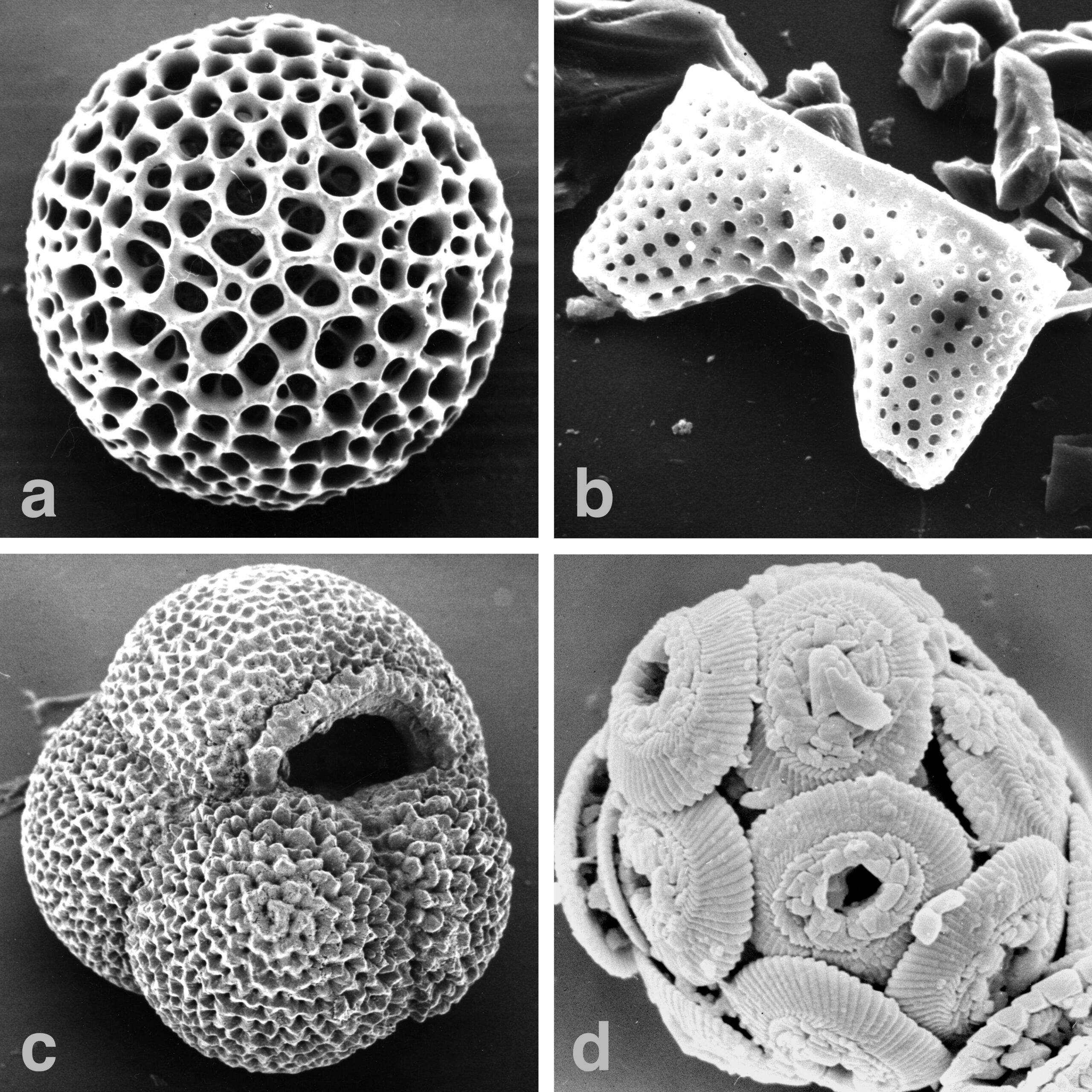
Some of the most controversial “fossils” in existence aren’t bones or shells at all – they’re microscopic structures interpreted as ancient bacteria in rock over 3.5 billion years old. A few extreme claims push even further, describing microfossils from a stretch of Earth’s history when the surface might have been scarcely habitable at all.
Skeptics point out a serious problem: minerals can naturally grow into tubes, spheres, and filaments that look alive under a microscope, with no biology involved whatsoever. The line between “microfossil” and “weird crystal” gets brutally hard to draw once a rock has been heated and crushed for billions of years. If even a fraction of these structures are genuinely biological, life appeared on Earth almost the instant the planet cooled enough to allow it – a possibility that would reshape how common life might be across the universe.
At a Glance
- Earth itself formed roughly 4.54 billion years ago.
- Widely accepted microfossils appear in rock about 3.4 to 3.5 billion years old, in Australia and South Africa.
- Some disputed chemical signatures suggest life may go back as far as 4.1 billion years.
- Earth’s surface was still cooling and getting pummeled by impacts for hundreds of millions of years before that.
#5 – “Whale” Bones Found in Sediment Older Than Whales Themselves
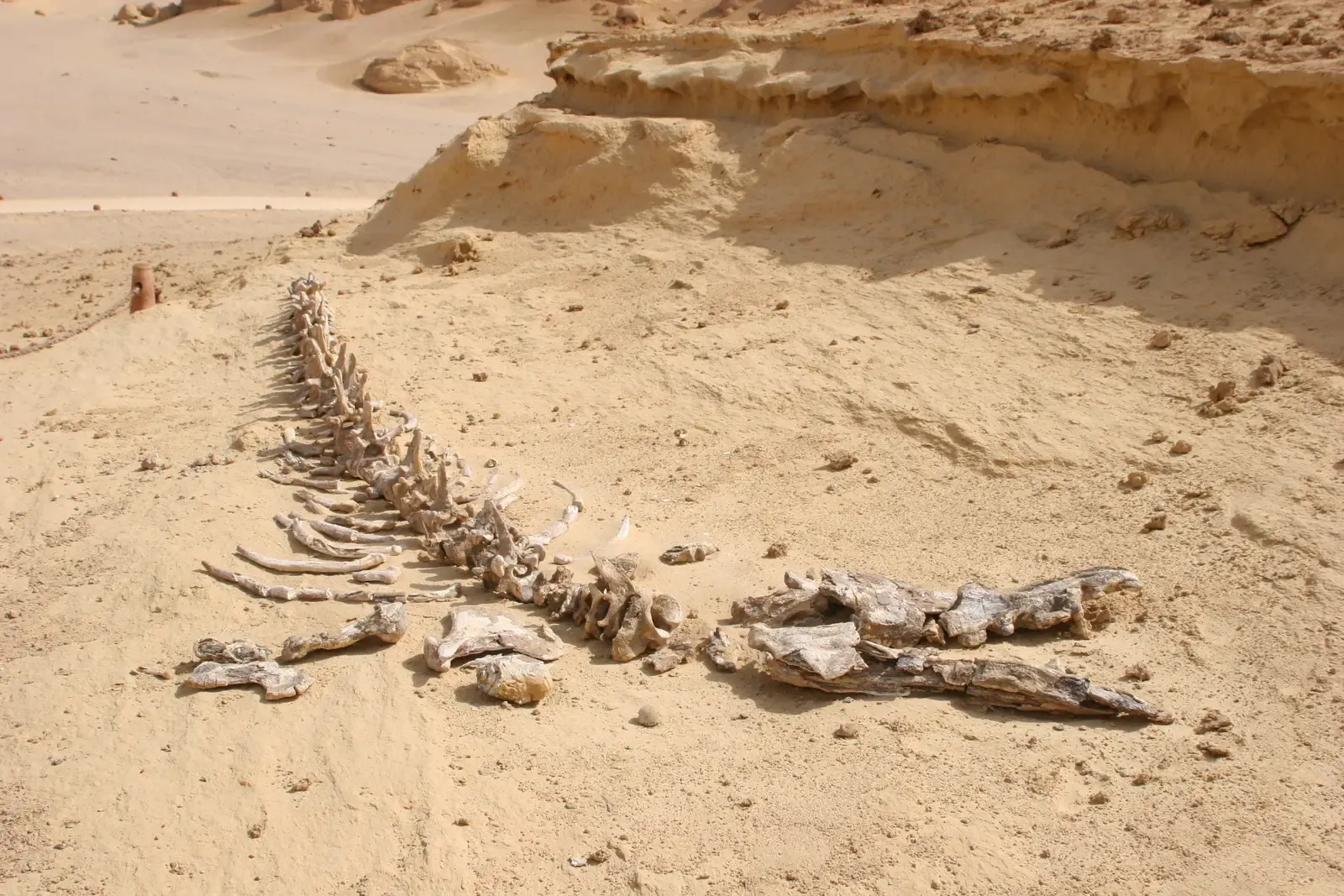
Whales are the poster child of evolutionary storytelling: land mammals that returned to the ocean within roughly the last 50 million years. So when fragmentary bones from much older sediment get labeled “whale-like,” it sets off alarms, and a few early reports even hinted at marine mammal features in rock older than whales are supposed to exist.
Closer study usually calms things down. Bones that look vaguely whale-like at a glance often turn out to belong to fish, reptiles, or unrelated mammals once fully examined, because paddle-like limbs and streamlined vertebrae have evolved independently in wildly different animal groups. What these misfires really expose is uneven research effort – we have a clean whale evolution story mostly because scientists poured enormous resources into finding it, while other lineages with equally dramatic transitions are still waiting to be properly excavated.
#4 – Bird-Bodied Dinosaurs That Predate the “First Bird” Itself
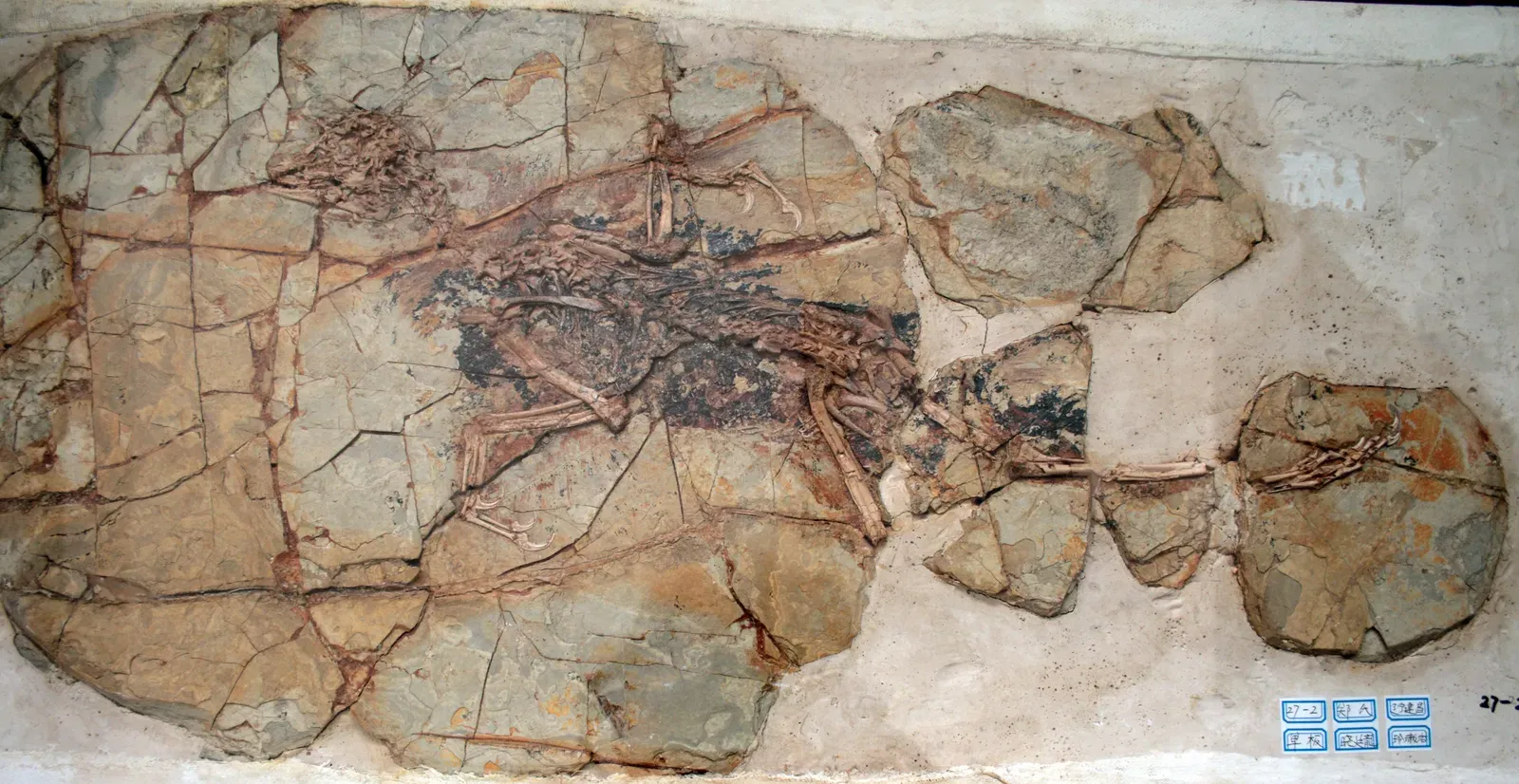
Small, feathered dinosaurs with startlingly bird-like skeletons have turned up in rock slightly older than the classic “first bird” fossils, making it look as if the bird body plan existed before birds officially did. It’s almost like nature built the costume before casting the character.
In a sense, that’s exactly what happened. Wishbones, hollow bones, and feathers evolved step by step in non-bird dinosaurs long before any creature earned the official “bird” label, meaning the dinosaur world already contained several near-bird experiments by the time the first true bird showed up. Some experts now argue paleontology should abandon the fantasy of a clean line between dinosaur and bird entirely, since the fossils clearly show a gradient rather than a switch flipping on.
#3 – Human-Looking Skulls Reported in Impossibly Old Sediment
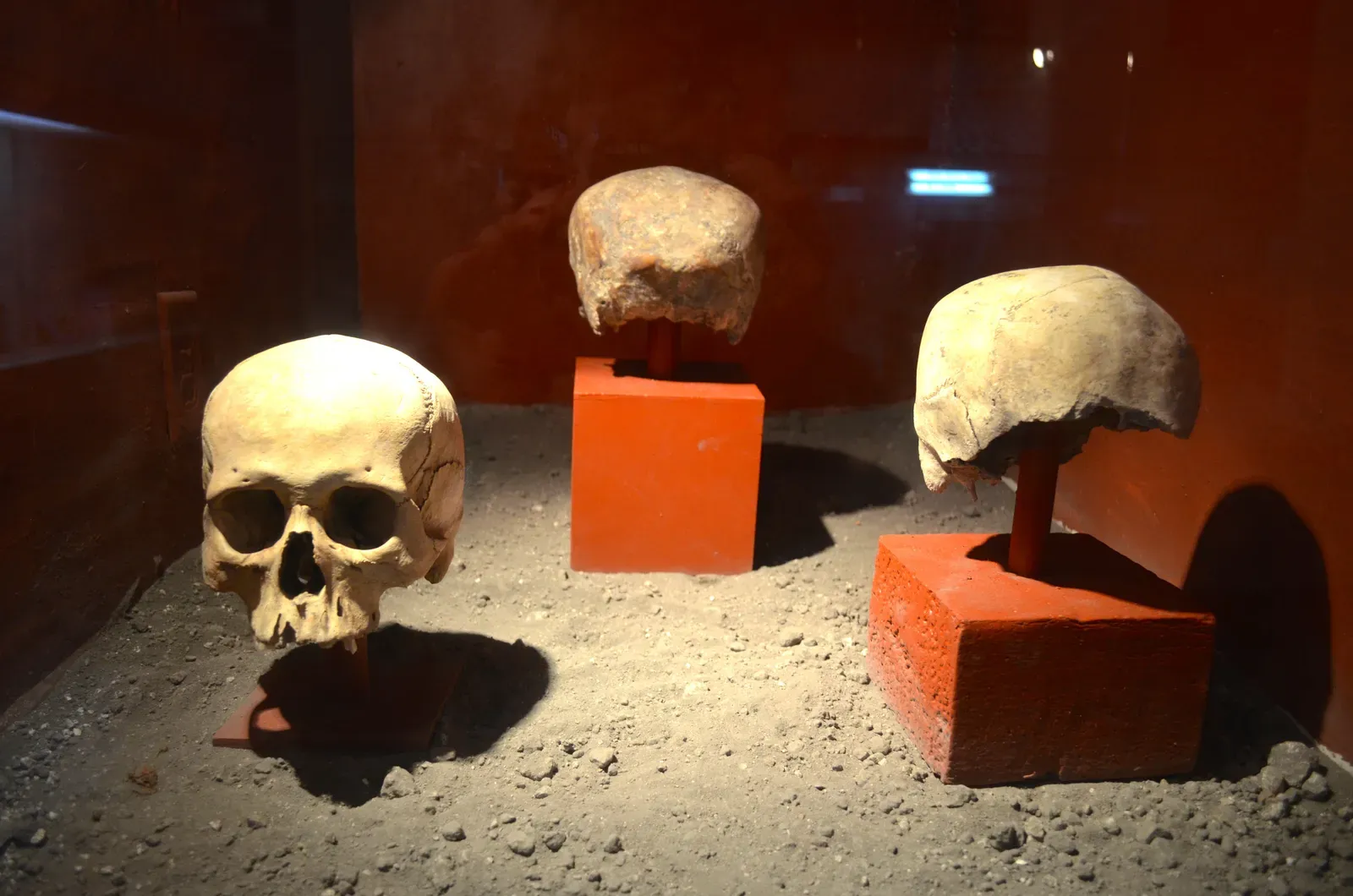
Every few years, a viral post or tabloid headline claims archaeologists found a human skull embedded in coal, or a strikingly modern skull buried in rock “millions of years old.” If true, it would demolish most of anthropology overnight – which is exactly why the claim keeps resurfacing no matter how many times it’s addressed.
When these cases are actually traced back, they fall into the same few buckets every time: the rock layer was never properly dated, the skull slipped into an older layer through a crack or mining disturbance, or the story was simply exaggerated for clicks. No rigorously documented Homo sapiens skull has ever been confirmed in rock older than its expected range, and genuine discoveries almost always tighten the human timeline slightly rather than blowing it wide open. The persistence of these tales says far more about our appetite for a shocking shortcut than it does about the rocks themselves.
#2 – “Ancient” Tools Found in Rock That Predates Humanity by Millions of Years
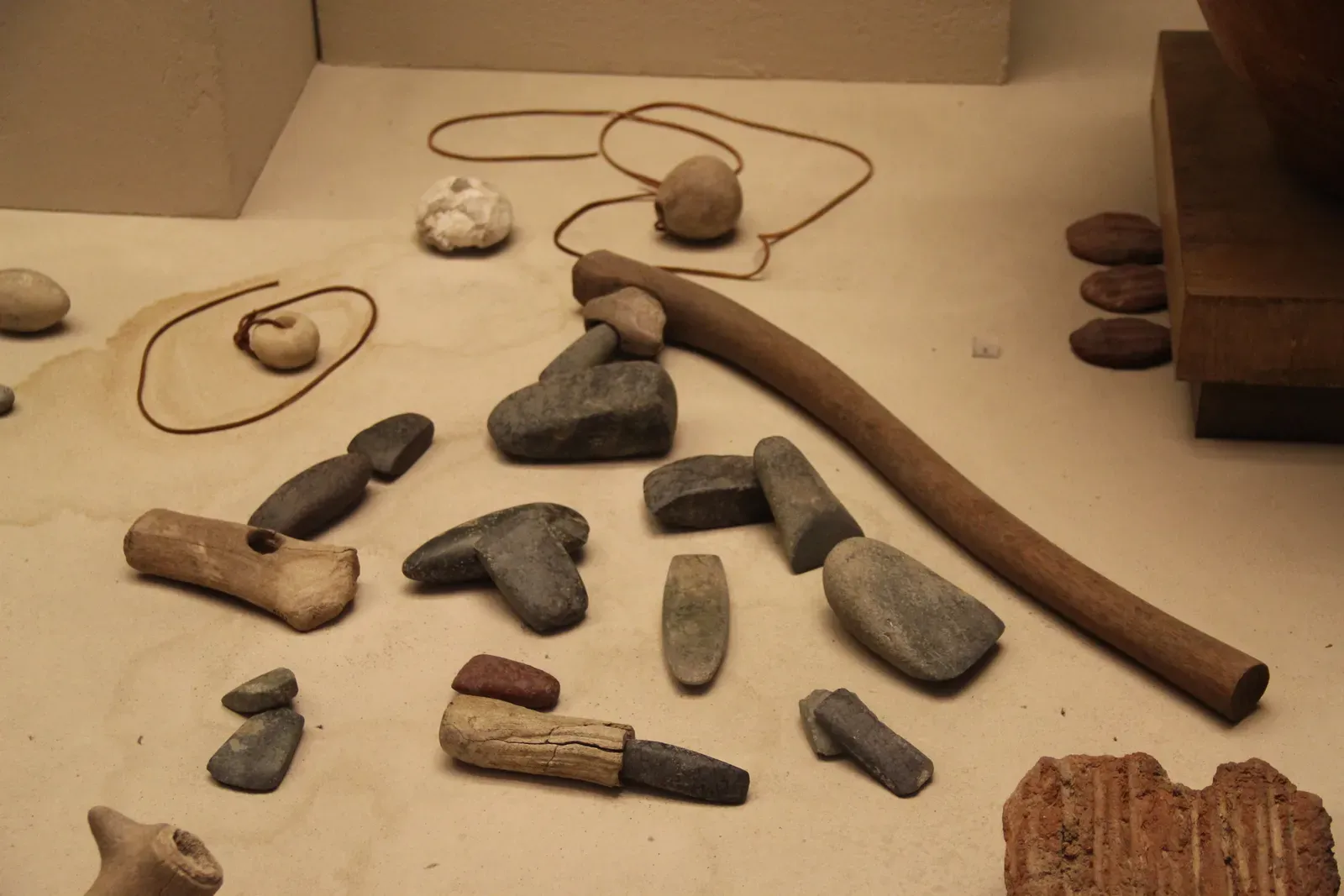
Claims of metal tools sealed inside 300-million-year-old coal or nails fused into ancient sandstone are practically designed to go viral. If genuine, they’d mean some tool-using species existed hundreds of millions of years before humans – a plot twist that belongs in science fiction, not a geology journal.
Geologists have seen this movie before, and it rarely ends differently: the “artifact” is a modern object that slipped into a crack or mine shaft, a natural mineral formation that happens to mimic a human-made shape, or leftover industrial debris from the mining process itself. Coal and sedimentary rock fracture, fold, and shift in ways that make objects look embedded when they’re really just squeezed in later. Whenever a claimed artifact gets excavated under actual scientific controls, it never once turns out to be older than the species that supposedly made it – yet the legend still spreads faster online than any correction ever could.
#1 – “Living Fossils”: Species That Refuse to Look Their Age
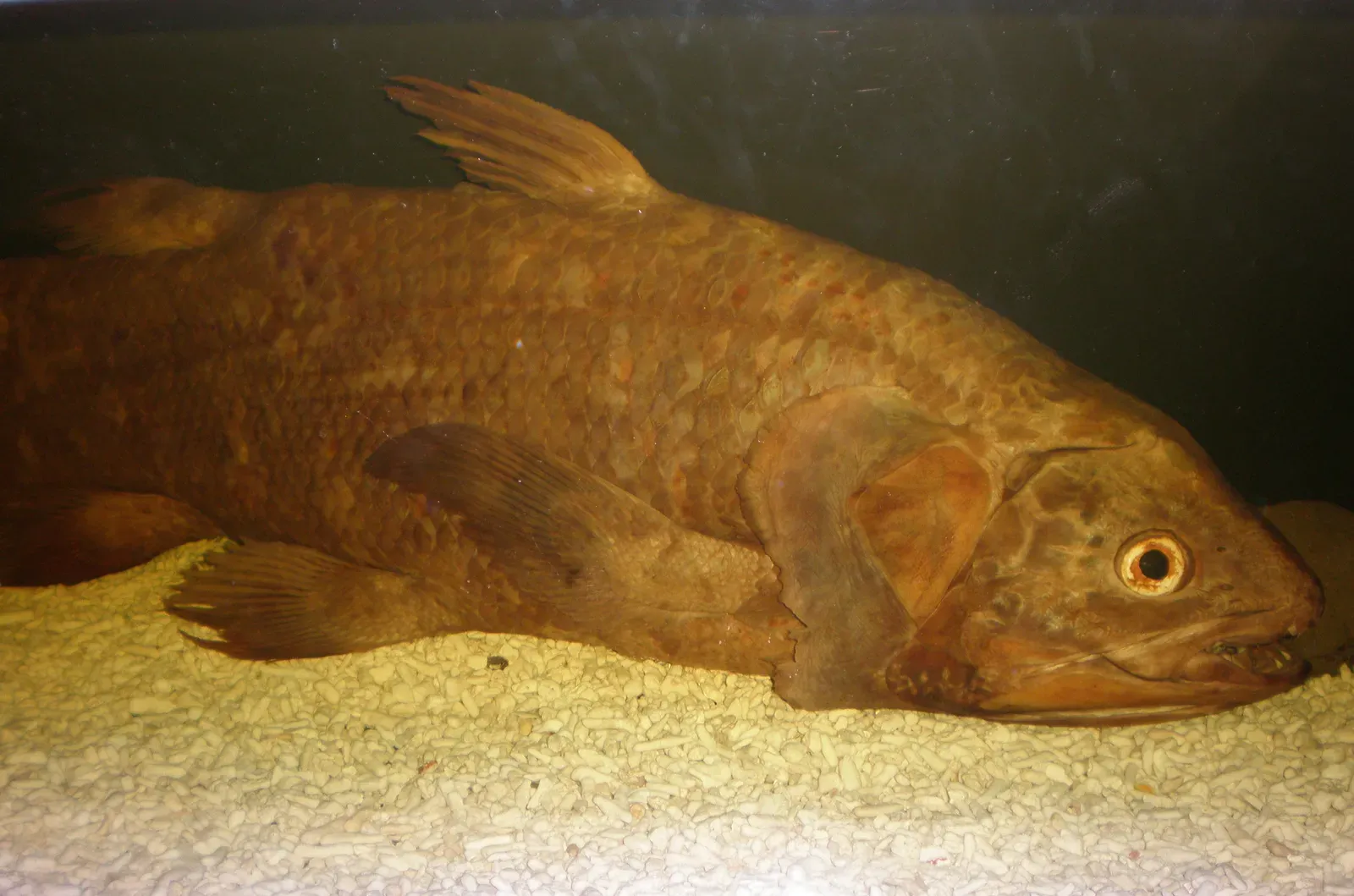
The strangest category on this list isn’t a single controversial fossil – it’s an entire group of species that seem to defy time altogether. Coelacanths, horseshoe crabs, ginkgo trees, and crocodiles all show up in ancient rock, vanish from the fossil record for tens of millions of years, then reappear looking almost identical to their modern relatives. It genuinely feels like these species are far older than they’re allowed to be.
Genetic studies confirm evolution never actually stopped for these lineages; mutations keep accumulating and subtle adaptations keep happening beneath the surface. What stays frozen in place is the overall body plan, because it already works absurdly well for the niche it fills. To outsiders, that stability can look like a glitch in the fossil record – proof that a species is lying about its true age – and scientists still argue about how rare genuine “living fossils” are, or whether the term should be retired altogether. Either way, they expose the same uncomfortable truth as every entry on this list: evolution can be wildly inventive and shockingly conservative at the same time, and our clean origin dates almost always hide that messy reality.
Worth Knowing
- Coelacanths were thought to have gone extinct with the dinosaurs 66 million years ago, until a live one was caught in 1938.
- Horseshoe crabs have a body plan that stretches back roughly 450 million years.
- Ginkgo-like leaves appear in rock well over 170 million years old, long before flowering plants dominated forests.
- Nautilus relatives trace back close to 500 million years, making them older than most dinosaurs by a wide margin.
The Bottom Line
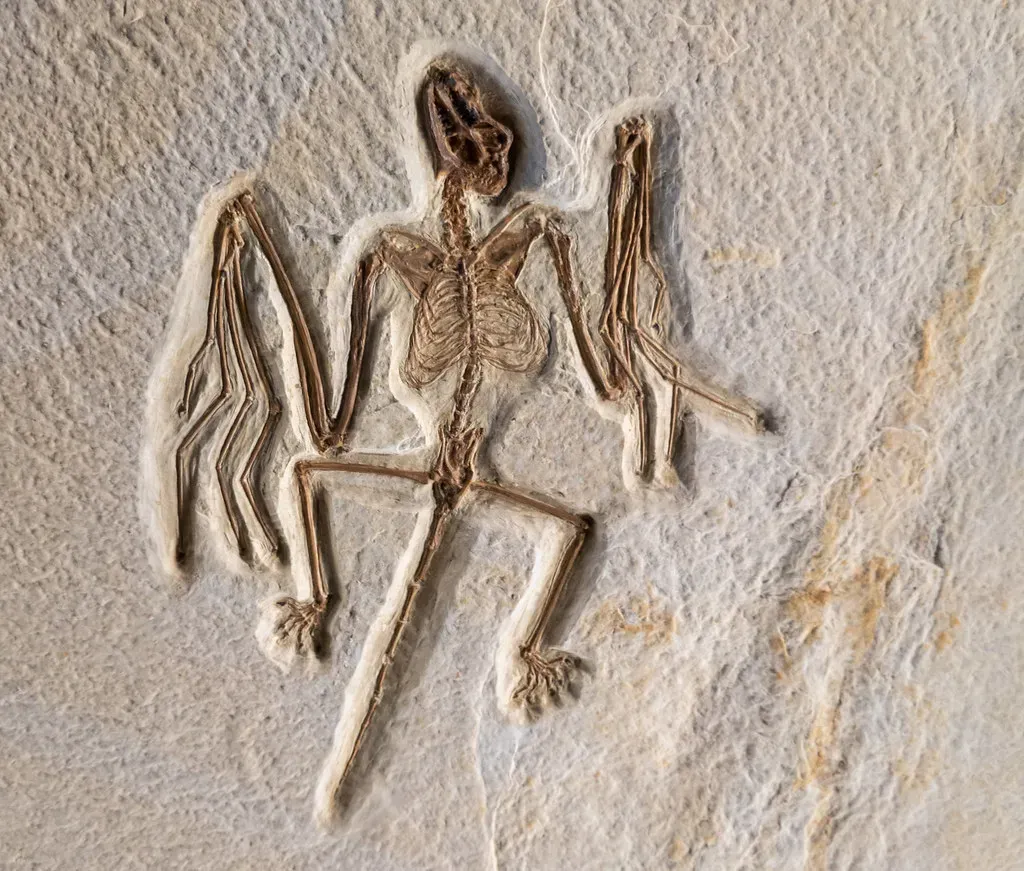
Fossils “” almost never force scientists to rewrite physics or entertain time travel. They expose something far more uncomfortable: our timelines are approximations, built on fragmentary evidence, fragile identifications, and definitions that keep shifting under our feet.
When a shark tooth, bird bone, or pollen grain shows up in rock that seems too old, the real culprit is almost always misidentification, convergent evolution, sediment mixing, or a fossil record too patchy to trust completely. That’s not a scandal – it’s just how science actually works, messy and self-correcting.
The real scandal, if you ask me, is that the public keeps getting sold a cartoon version of evolution with crisp start dates and clean cutoffs, when the truth is so much stranger and more interesting than that. Lineages blur into each other, “first appearances” keep sliding backward with every new dig, and living fossils sit there quietly mocking our need for a neat, tidy story. That messiness isn’t a weakness in the science – it’s the whole point. So which of these fourteen would you bet actually holds up in another decade of digging, and which do you think are already dead on arrival?