
We like to believe we’ve out-engineered every civilization that came before us. Supercomputers, particle colliders, billion-dollar labs – surely nothing from the ancient world could stump modern chemistry.
That confidence falls apart fast once you start digging. Scattered through history are alloys, pigments, weapons, and mixtures that today’s best materials scientists still can’t fully reproduce, even with every instrument at their disposal. Sometimes the raw ingredients are gone. Sometimes the microstructure just refuses to form the same way twice. And sometimes the “recipe” depended on something in the environment we no longer have access to at all.
These aren’t fringe claims – they’re documented, frustrating gaps sitting right at the intersection of archaeology, chemistry, and materials science. Here are 10 ancient formulas that have quietly humbled modern labs.
#10 – Damascus Steel: The Sword Metal That Shouldn’t Exist
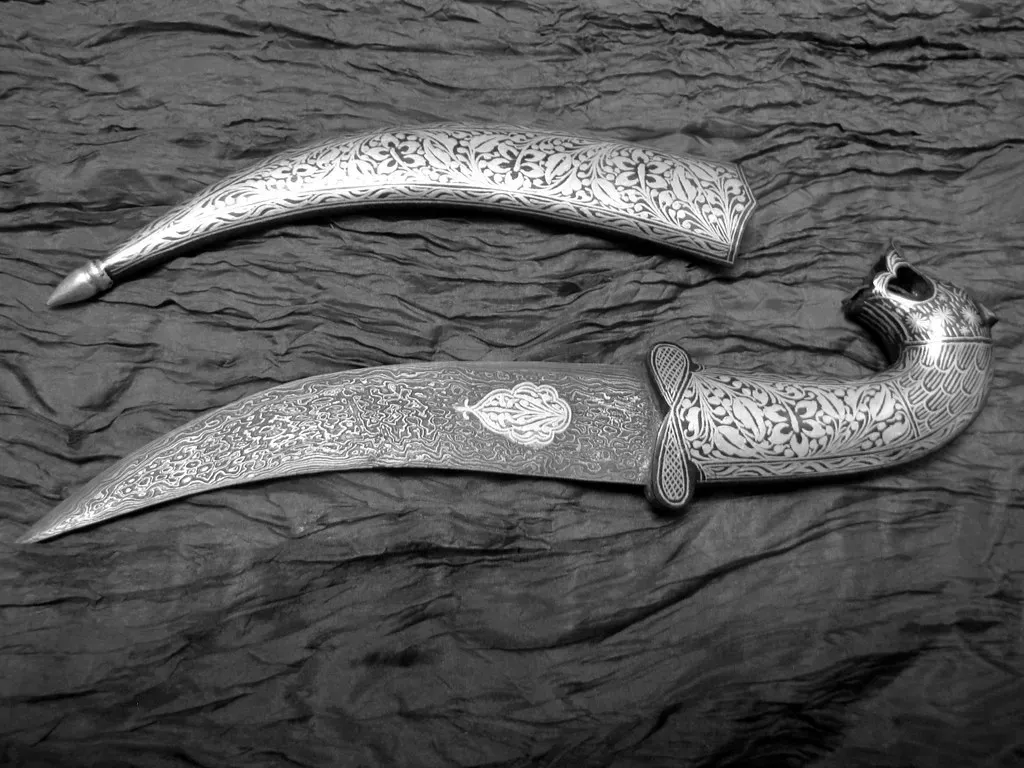
Damascus steel gets treated like a fantasy metal, but the real story is stranger than the myth. Archaeological analysis of genuine historical blades shows nano-scale carbides and carbon nanotube-like structures woven directly into the steel – features medieval blacksmiths had no way to see, let alone deliberately engineer.
Modern replicas nail the look, that swirling, watery pattern collectors love, but metallurgists admit that consistently reproducing the original microstructure is still out of reach. Trace impurities in the original Indian wootz ore – vanadium, tungsten – appear to have acted as critical dopants, and once those specific mines dried up, the exact formula vanished with them. Labs have gotten close in one-off experiments, but industrially repeatable “true” Damascus that behaves exactly like the originals? We still don’t have it on demand.
Fast Facts
- A team led by Peter Paufler of Germany’s Technical University of Dresden found multiwalled carbon nanotubes in steel from a 17th-century Damascus saber, a discovery published in Nature in 2006.
- Wootz steel is characterized by high carbon content, typically between 1.0% and 2.0%, with distinctive banding patterns formed by carbide segregation during slow solidification and forging.
- Researchers believe the key to nanotube formation lay with small traces of metals in the wootz, including vanadium, chromium, manganese, cobalt and nickel.
- The secret of the swords’ manufacture was lost in the eighteenth century.
#9 – Roman Concrete: The Harbor Walls That Refuse to Die

Most people assume modern concrete is automatically better because it’s standardized and high-tech. Yet plenty of Roman harbor structures have survived crashing waves and seawater for 2,000 years, while our reinforced concrete bridges can start cracking in under a century. Chemists know the key ingredients – volcanic ash, lime, seawater activation – but matching that kind of durability at scale still isn’t solved.
Recent analyses show Roman concrete isn’t just passively tough; it actively heals itself. Tiny lime clasts inside the mix dissolve and recrystallize over time, sealing micro-cracks before they spread. Modern concrete usually skips this trick entirely because we grind everything to uniform fineness for consistency. Experimental “Roman-style” mixes exist in research settings, but scaling them globally with reliable raw materials and guaranteed 2,000-year performance? Nobody’s cracked that yet.
#8 – Greek Fire: The Weapon That Burned on Water

Greek Fire wasn’t just flammable liquid – it was a semi-legendary naval weapon that reportedly kept burning even on the surface of the sea, blasted from siphons mounted on Byzantine ships. Historians have floated petroleum, resin, sulfur, quicklime, even primitive napalm-like blends, but the true formula and delivery system were state secrets so tightly guarded they died with the empire.
Modern chemists can absolutely build horrifying incendiaries. What they can’t do is point to one and say, with confidence, “this is Greek Fire.” The written accounts describe something stable enough to store, fluid enough to pump, and reactive enough to cling and burn on wet surfaces – a combination that’s brutally hard to reconcile with known medieval materials without also blowing up the people handling it. Lab reconstructions work fine as demos, but none line up perfectly with the historical accounts and naval tactics on record.
#7 – Maya Blue: The Pigment That Refuses to Fade
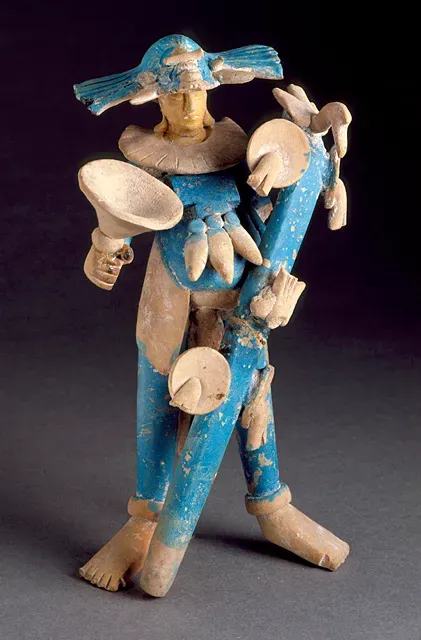
Most paint cracks, bleaches, or dulls under tropical sun and humidity. Maya Blue, used across ancient Mesoamerica, somehow doesn’t. Centuries later, in punishing conditions, it remains shockingly vivid and chemically stable. Analysis shows it fuses an organic dye (indigo) with a porous clay mineral (palygorskite) into a hybrid complex that shrugs off acids, solvents, and weathering better than most synthetic pigments we make today.
Here’s the catch: scientists can get close, but they can’t reliably nail the original structure on command. Small shifts in clay source, firing temperature, or mixing method radically change the color and stability of the result. Some lab versions come impressively close, yet none match the multi-century durability sitting quietly in archaeological samples. We know the ingredients. We still don’t fully know the exact process that locked them together for a thousand years.
#6 – Han Purple and Han Blue: The Pigments Physicists Study for Quantum Clues

Han Purple and Han Blue look like simple decorative pigments from ancient China, but they hide a genuinely strange twist. Their crystal structures are complex enough that physicists study Han Purple in quantum research today, where it displays exotic low-temperature magnetic behavior most kiln-fired pigments have no business showing.
Modern scientists have replicated versions of these pigments in the lab, but the original manufacturing process – how ancient artisans reliably hit specific crystal phases and particle sizes using nothing but simple kilns – remains fuzzy. Tiny shifts in furnace atmosphere, firing time, or mineral impurities cause huge swings in shade and stability. We can make “something like it.” The historical consistency and nuance the best ancient samples show off? Still not fully recovered.
Worth Knowing
- Han purple and Han blue are synthetic barium copper silicate pigments developed in China and used from the Western Zhou period (1045-771 BC) until the end of the Han dynasty (c. 220 AD).
- Producing Han purple’s barium-based recipe instead of Egyptian blue’s calcium-based one necessitated increasing the firing temperature by 100 degrees or more.
- Using magnetic fields 800,000 times stronger than Earth’s and temperatures close to absolute zero, researchers converted Han purple into an unusual quantum state called a Bose-Einstein condensate.
- The pigment was once prized by artisans for painting icons like the Xi’an terracotta warriors.
#5 – Orichalcum: The Metal That Refuses to Sit Still Under a Microscope
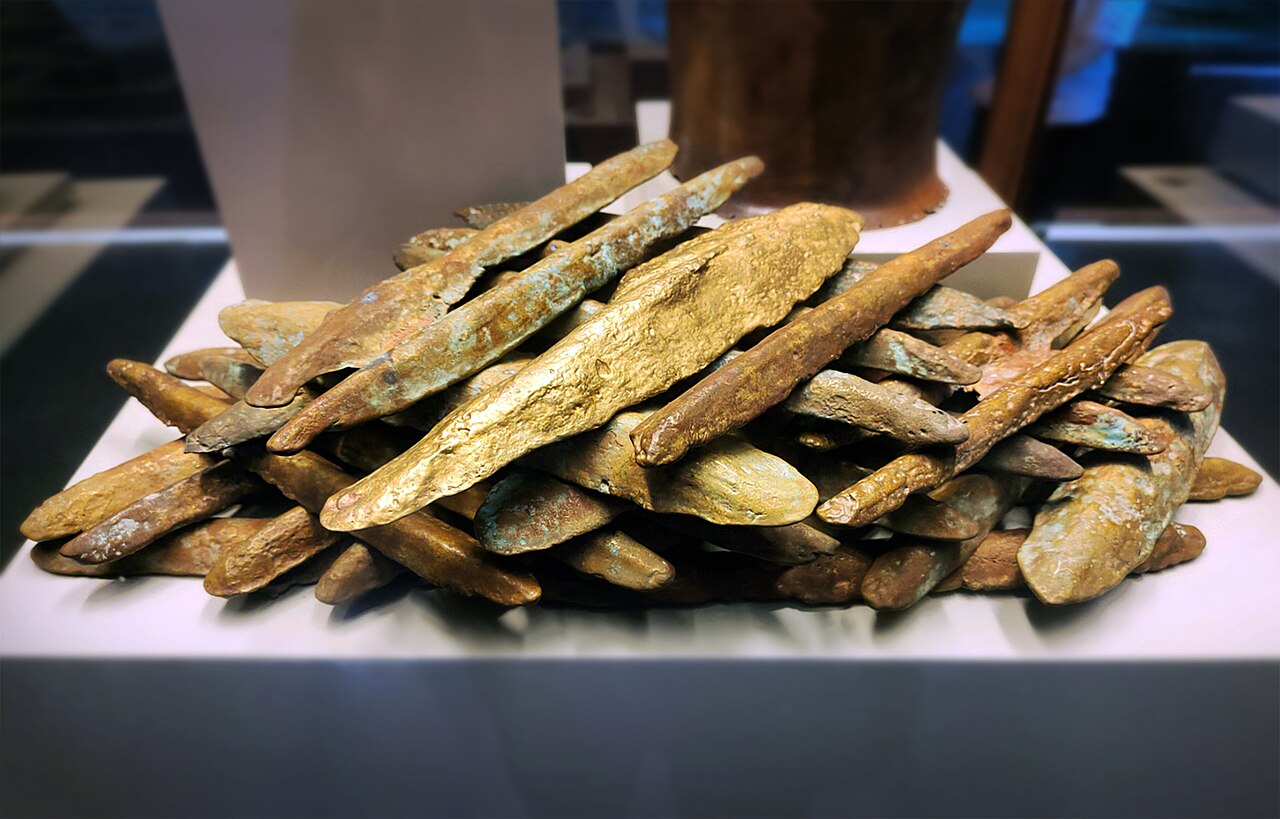
Hollywood loves linking orichalcum to Atlantis, but the real puzzle is more grounded and, honestly, more annoying for chemists. Ancient texts describe it as a distinct, prized metal or alloy used in high-status objects and coins. Some scholars argue it was just an early brass, a copper-zinc alloy, but the surviving references and the handful of archaeological finds refuse to line up into one clean picture.
Analysis of supposed orichalcum ingots does show copper-zinc combinations – but with strange trace elements and color tones that don’t match standardized modern brass. What’s missing is a clean, reproducible ancient formula that satisfies the literary descriptions, the visual evidence, and the physical samples all at once. Did different regions use different mixes under the same name? Did specific smelting conditions create surface effects we can’t casually reproduce? Modern brass looks similar. The exact, culturally loaded “orichalcum” is still contested territory.
#4 – Viking Ulfberht Blades: The Medieval Supersteel Nobody Can Explain
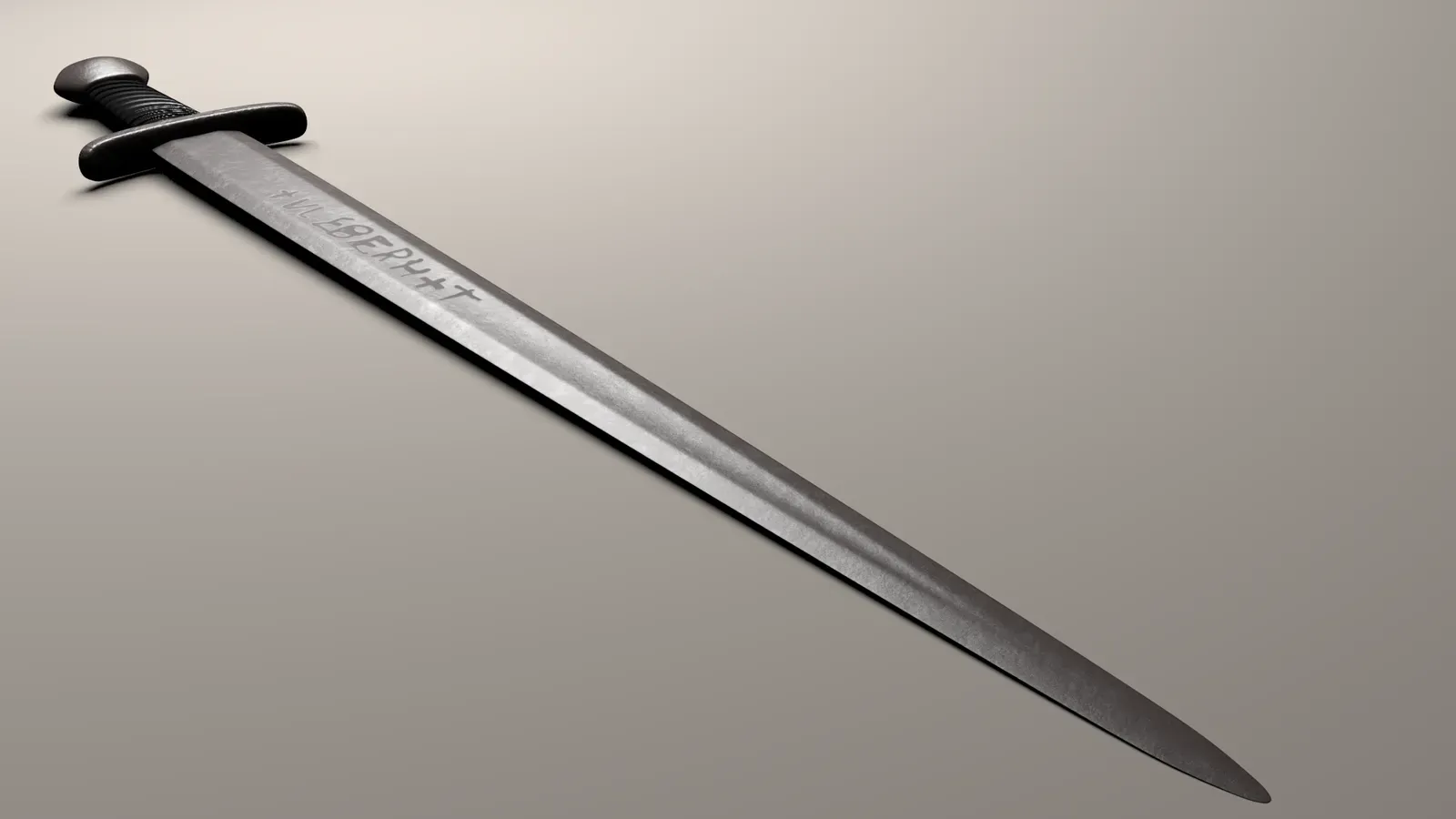
Not every Viking sword was special, but the ones stamped “+VLFBERH+T” stand out dramatically. Metallurgical testing shows the best examples contain steel with a carbon purity close to industrial crucible steels that wouldn’t appear again for centuries, with slag inclusions so minimal the metal is remarkably homogeneous for its time.
The mystery isn’t whether we can make steel like this today – we absolutely can, and better. It’s how a pre-industrial workshop pulled it off consistently, and what their actual working process looked like. Did they import special ingots from trade routes to the East? Did they quietly develop a proto-crucible method that later vanished? Modern smiths can approximate the mechanics of the metal, but the original supply chain and smelting regime that produced it remain a historical black box.
At a Glance
- About 170 genuine Ulfberht swords have been found, dated to the 9th through 11th centuries, with blades inlaid with the inscription +VLFBERH+T.
- While most contemporary steels topped out around 0.52% carbon, genuine Ulfberht blades contained as much as 1.2 to 1.6 percent.
- Many clues suggest the Vikings obtained the steel via the Volga Trade Route, used from roughly 800 until it closed around the year 1,000.
- That level of steel quality reportedly wasn’t matched again until the 1880s, deep into the Industrial Revolution.
#3 – Chinese Flexible Glass: The Formula a Man Reportedly Took to His Grave
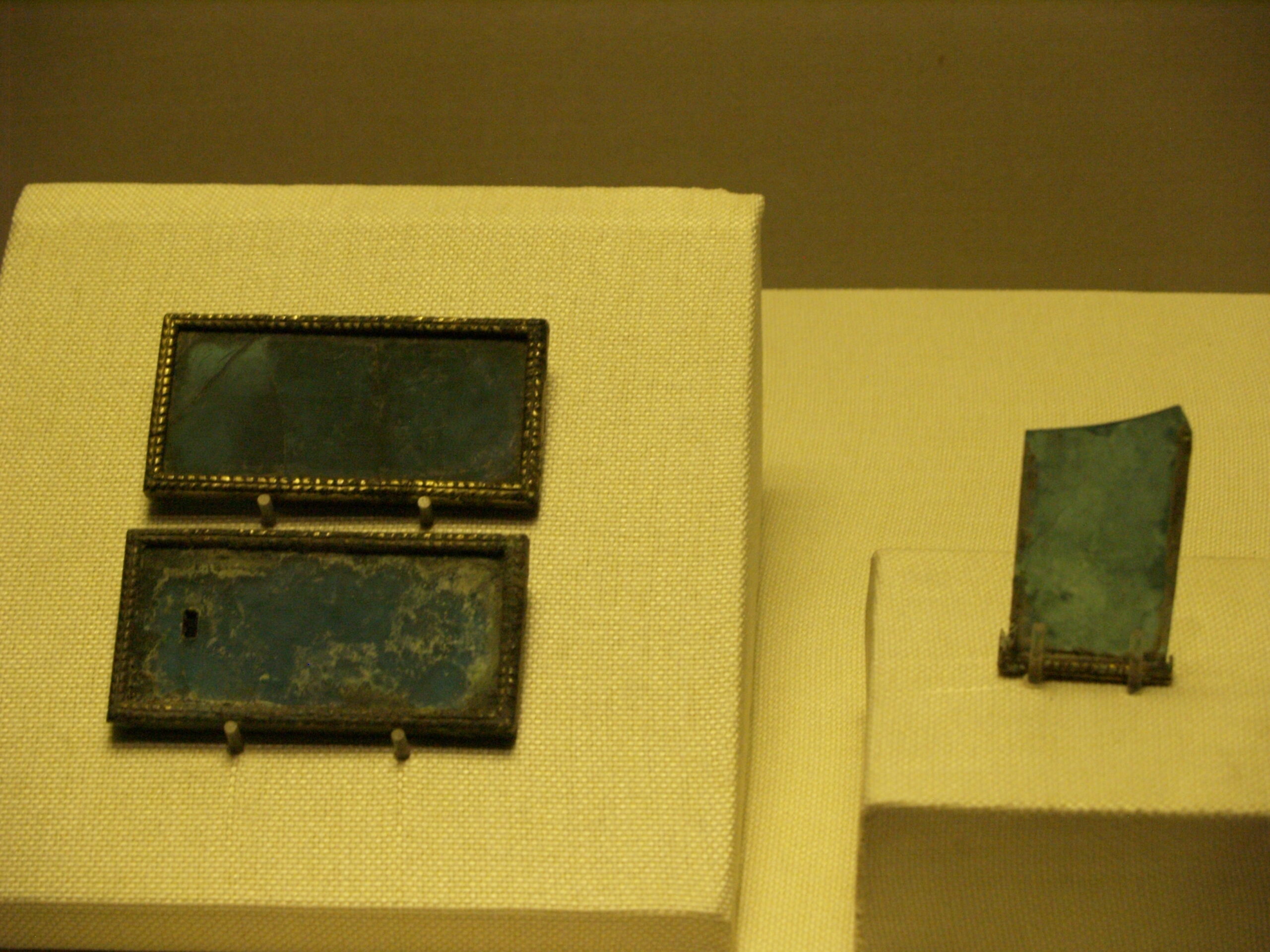
Ancient Chinese sources describe a glass-like material so tough it could bend without shattering, allegedly astonishing an emperor. Legend says the inventor refused to reveal how he made it and was executed rather than talk – taking the formula with him. Most historians file this under myth. Materials scientists aren’t so quick to dismiss it, given how far flexible glass and glass-ceramics have actually come in modern labs.
The frustrating part is that no samples survived. Without physical evidence, chemists can only speculate: a glass-metal composite? An early borosilicate-style mix? A proto glass-ceramic with fine crystallites allowing slight elastic flex? We now have smartphone glass that bends a little, so the underlying idea isn’t crazy. What we can’t do is tie any specific ancient technique to the story – the material may exist again, but the claimed original recipe is simply gone.
#2 – The Voynich Manuscript’s Ink: Chemically Simple, Practically Impossible to Copy
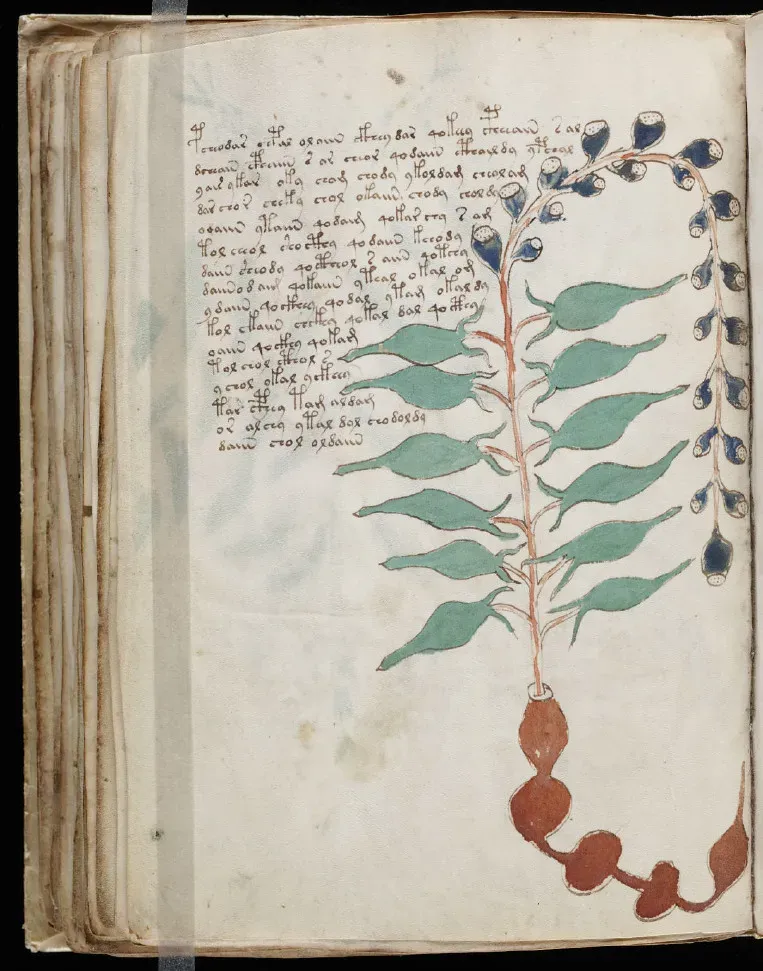
On paper, the inks and pigments in the Voynich Manuscript aren’t exotic at all. Modern analysis points to fairly ordinary iron-gall ink and standard mineral or plant pigments, consistent with everyday medieval technology. So why does it belong on this list? Because the finished product – unusual illustrations, an apparently constructed script, and page after page of stable, non-smudging detail – suggests a production process nobody has managed to reverse-engineer.
Chemically, researchers can recreate every individual component with no trouble. What they can’t reproduce with any confidence is the full workflow: the exact preparation methods, binder ratios, and sequencing that let a scribe fill hundreds of pages with crisp, stable detail in such a strange, undeciphered context. Every attempted reconstruction is still educated guesswork, and no lab has matched its look, aging pattern, and texture at scale.
#1 – The Antikythera Mechanism: The Assembly Process Nobody Has Fully Rebuilt
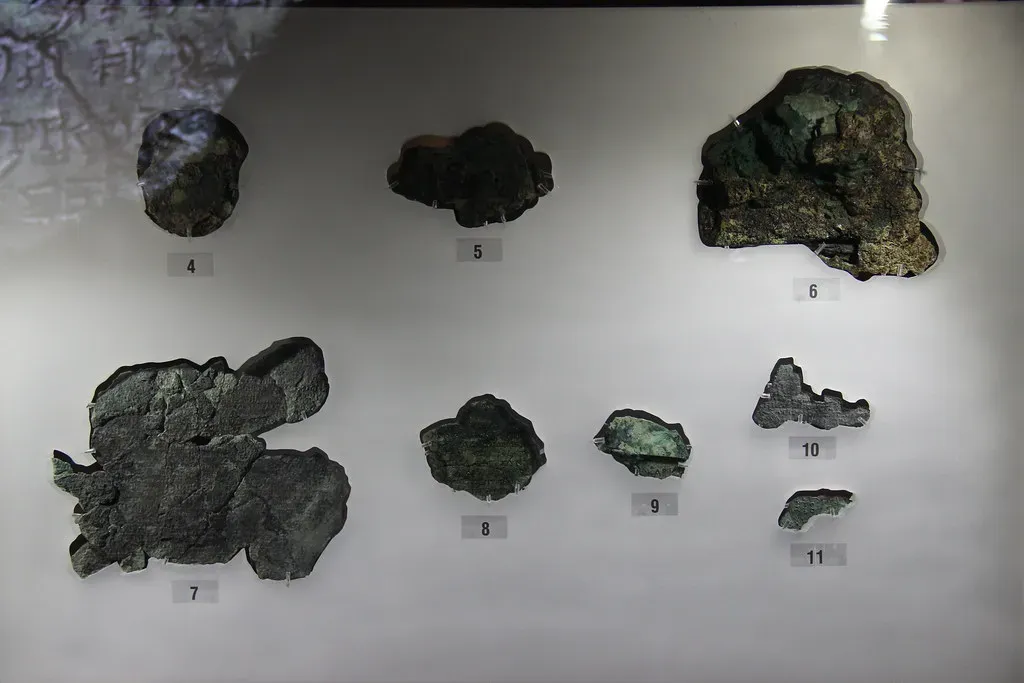
Most people picture the Antikythera Mechanism as a wild ancient clock and move on. But chemically and mechanically, it’s far more than gears. The device relied on specific bronze alloys, surface treatments, lubricants, and assembly sequences precise enough to track astronomical cycles with startling accuracy – centuries before anything comparable shows up again in the historical record.
Modern reconstructions can approximate the gearwork, but they lean on modern machining, modern lubricants, and tightly controlled alloys the original builders never had. We still don’t fully know the exact bronze composition chosen for each component, the original lubricants or finishes that stopped galvanic corrosion and wear, or the precise step-by-step assembly sequence that made it actually function rather than just look impressive. It’s a full integration of metallurgy, chemistry, and precision engineering that we can imitate but not faithfully rebuild.
Why It Stands Out
- Recovered from a shipwreck off the Greek island of Antikythera in 1901, the device is generally dated to around the 2nd century BC.
- It packed at least 30 hand-cut bronze gears into a case roughly the size of a shoebox.
- It could model the moon’s irregular orbit and predict eclipses years in advance, using nothing but interlocking gear ratios.
- No mechanism of comparable complexity turns up again in the historical record for over a thousand years.
Any sufficiently advanced technology is indistinguishable from magic.
Arthur C. Clarke
The Bottom Line
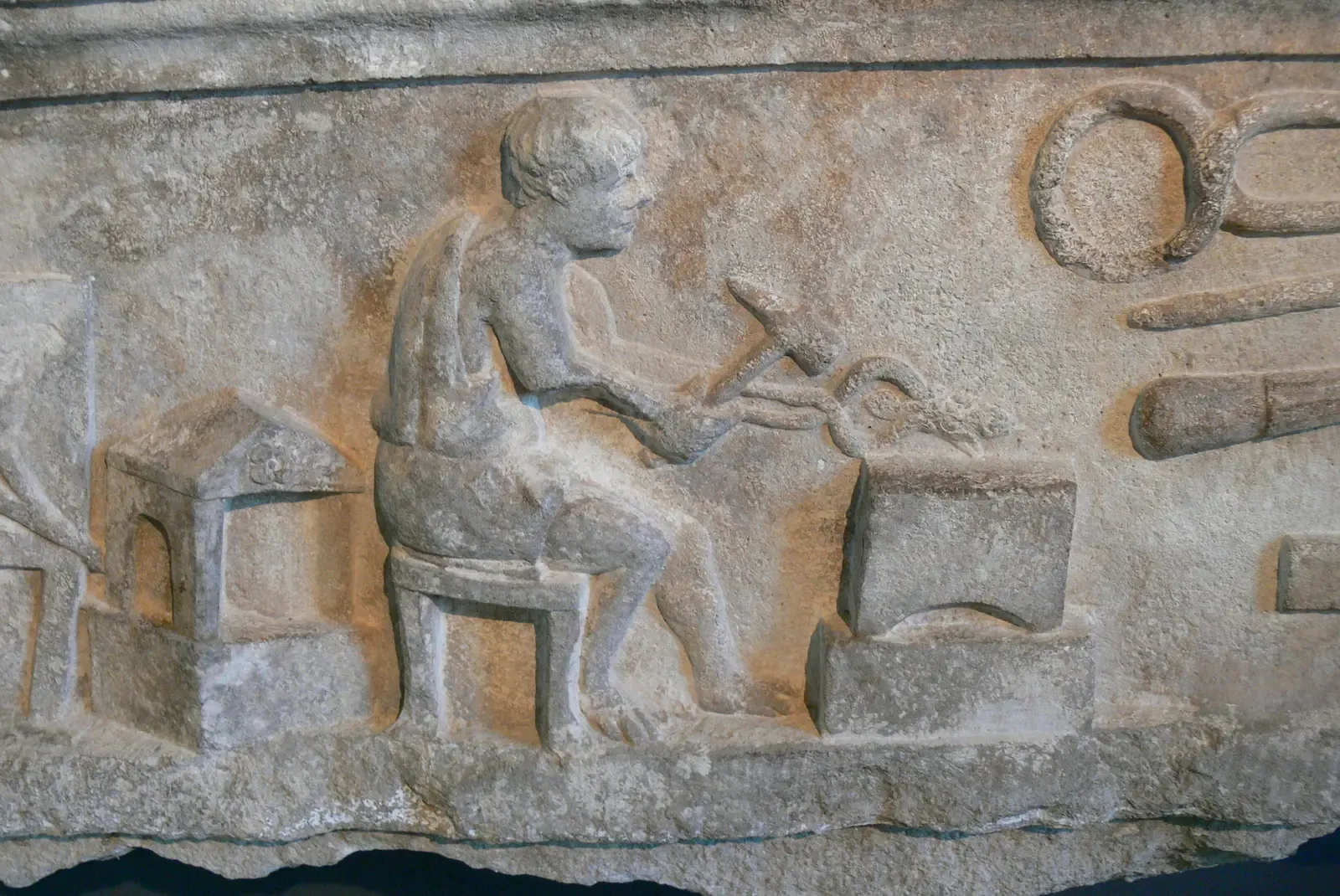
Looking closely at these “lost” recipes exposes an awkward truth: progress isn’t a straight upward line. Over and over, ancient craftspeople engineered materials and mixtures whose full recipes – ingredients, processes, and microstructures – still sit outside our reproducible control today.
That doesn’t mean they were more advanced overall. It means they optimized ruthlessly within narrow niches, then lost those optimizations the moment a mine closed, an empire fell, or a secret died with the one person who knew it. Modern labs can usually beat the raw performance – stronger steels, brighter pigments, nastier incendiaries. But exact replication, using the same constraints and variability the ancients actually worked with? We’re still guessing.
My honest take: the real lesson here isn’t about the past at all. It’s a warning about the present. If a handful of blacksmiths, pigment-makers, and shipbuilders could lose knowledge this completely, so can we – and it’s worth wondering how much of what we “know” today will look like myth in a thousand years. Did we miss an ancient formula you think belongs on this list? Drop it in the comments.