
There’s something strangely powerful about staring into flames. You can be stressed out, glued to a screen all day, and then ten minutes in front of a crackling fire suddenly makes your shoulders drop and your brain slow down. It feels almost magical, but it is not magic at all. That wave of calm is rooted in how our brains evolved long before apartments, phones, or even language as we know it.
When you sit around a fire, you are doing something your ancestors did for tens of thousands of years: gathering in a circle, in the dark, where light and warmth meant safety and survival. That experience shaped the human nervous system. Today, even a gas fireplace in a modern condo can quietly trigger those ancient circuits. Once you see how deep this goes, the comfort you feel by the fire stops being a cozy mystery and starts looking like a window into who we really are.
The Ancient Survival Machine in Your Brain
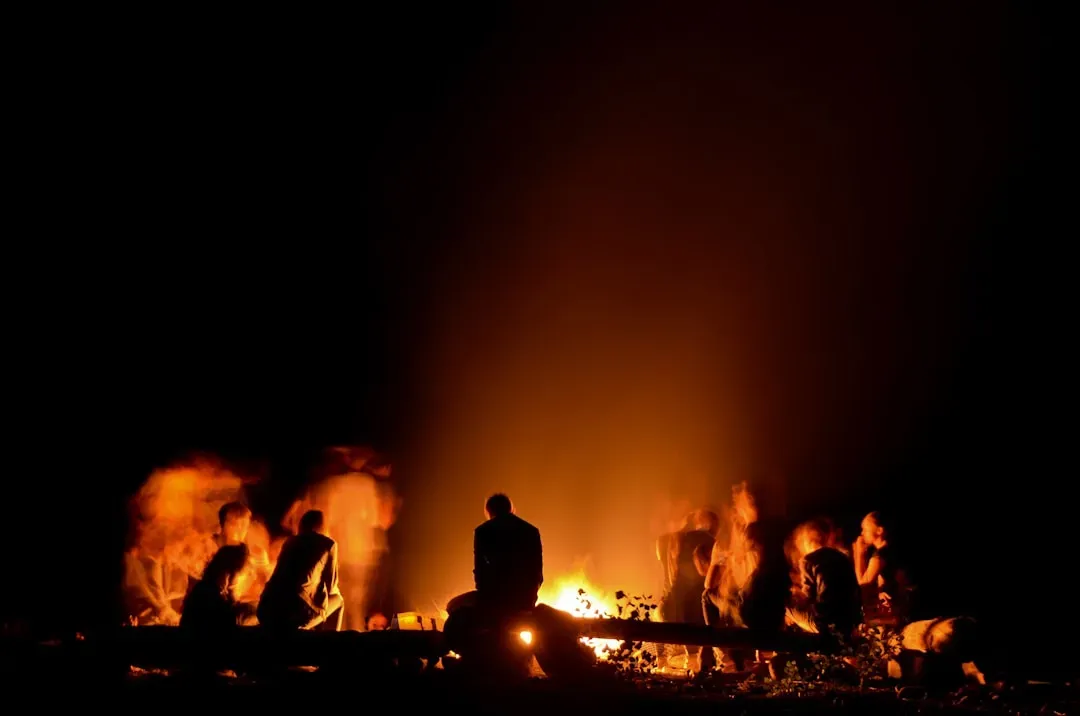
Imagine being a human thousands of years ago, surrounded by predators, cold nights, and an unforgiving landscape. In that world, fire was not a luxury; it was the difference between life and death. It cooked food, kept wild animals away, provided light in dangerous darkness, and allowed people to stay warm enough to survive. Your ancestors who paid close attention to fire, gathered near it, and protected it were much more likely to live long enough to have children.
Over countless generations, this repeated pattern wired a simple association into the human brain: fire equals safety, warmth, food, and people. Today, when you sit in front of a campfire, your modern mind might think you are relaxing at a campsite, but your ancient nervous system is quietly saying something like, “We are safe for the moment. The group is here. The predators are far away.” That subtle, deeply ingrained sense of safety is a huge part of why it feels so unbelievably comforting.
Firelight and the “Rest and Digest” Response
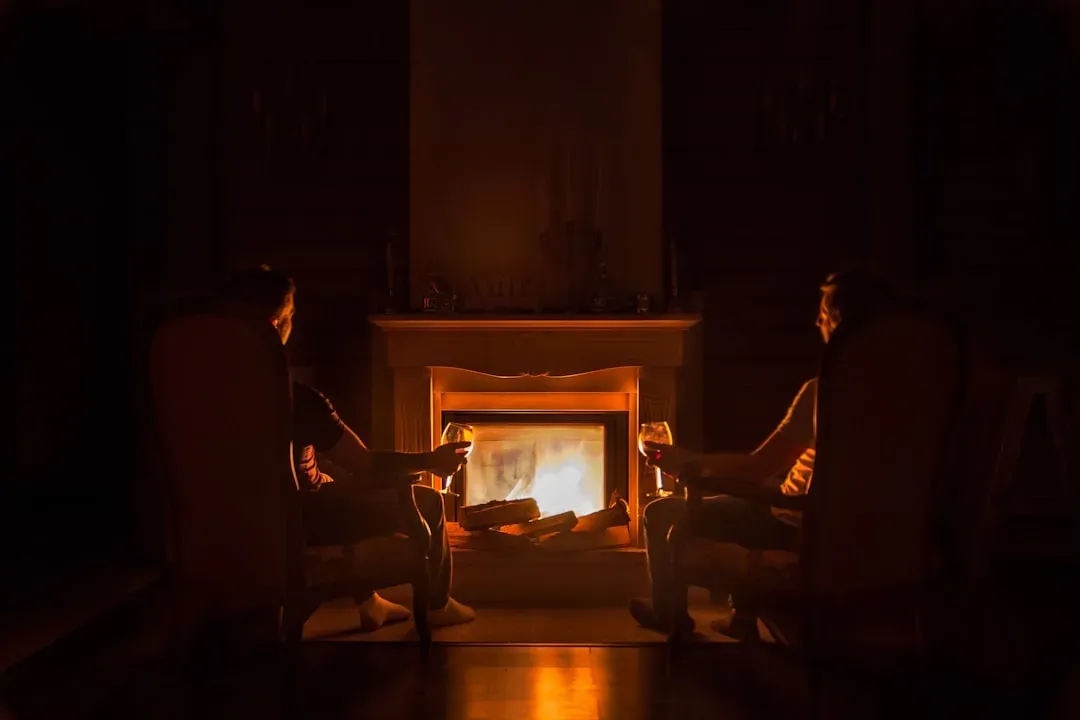
Our bodies are constantly balancing between two modes: a high-alert state that prepares us to run or fight, and a calmer state that allows for rest, digestion, and repair. Bright blue-toned light, loud noises, and fast changing images tend to keep us in that wired, alert mode. A fire does almost the opposite: it offers soft, warm light, slow movement, and repetitive sounds that nudge the nervous system toward that healing, parasympathetic “rest and digest” state.
Studies looking at people sitting in front of a fire-like stimulus have found changes in things like heart rate and reported relaxation, especially when the sound of crackling is included. That suggests fire is not just a pretty distraction, but a sensory package that tells the body it is finally okay to downshift. You feel your breathing deepen, your thoughts slow down, and even your posture change. It is your physiology quietly responding to an environment it interprets as low threat and high comfort.
The Hypnotic Power of Flickering Flames
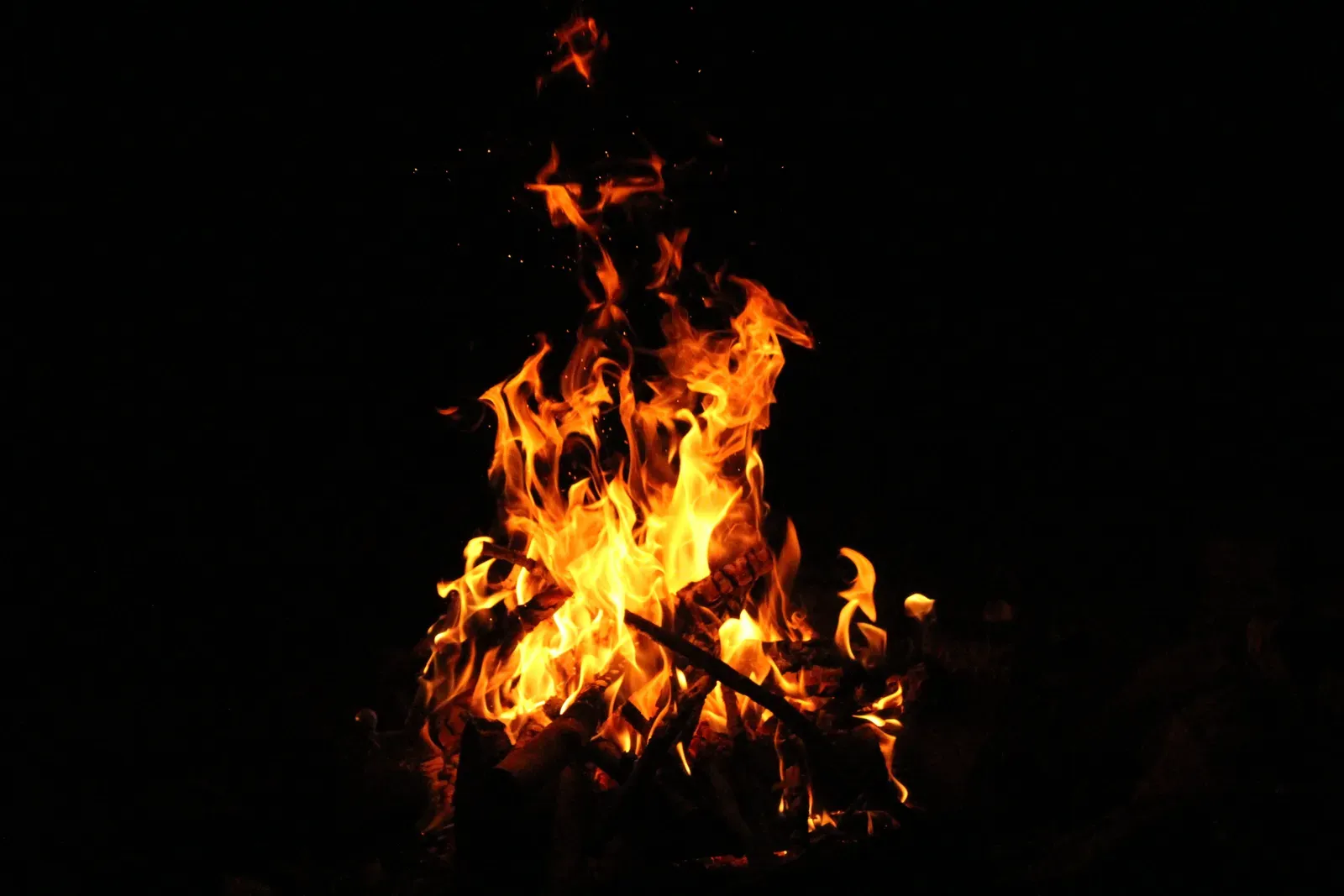
People often say they could stare at a fire for hours without getting bored, and that is not an exaggeration. Flames are a perfect mix of predictability and randomness: the pattern is always there, but the details never repeat exactly the same way twice. Psychologically, that combination is incredibly soothing. Your brain gets enough novelty to stay lightly engaged, but not so much that it feels overwhelmed or overstimulated.
This is similar to why waves, clouds, or leaves moving in the wind are so calming to watch. The mind gets something to rest on without needing to analyze or decide anything. In a world where our attention is constantly dragged into notifications, messages, and decisions, a campfire offers a rare kind of attention: soft, open, and almost meditative by default. That gentle, effortless focus is one reason you walk away feeling mentally lighter than when you sat down.
Fire as the Original Social Media
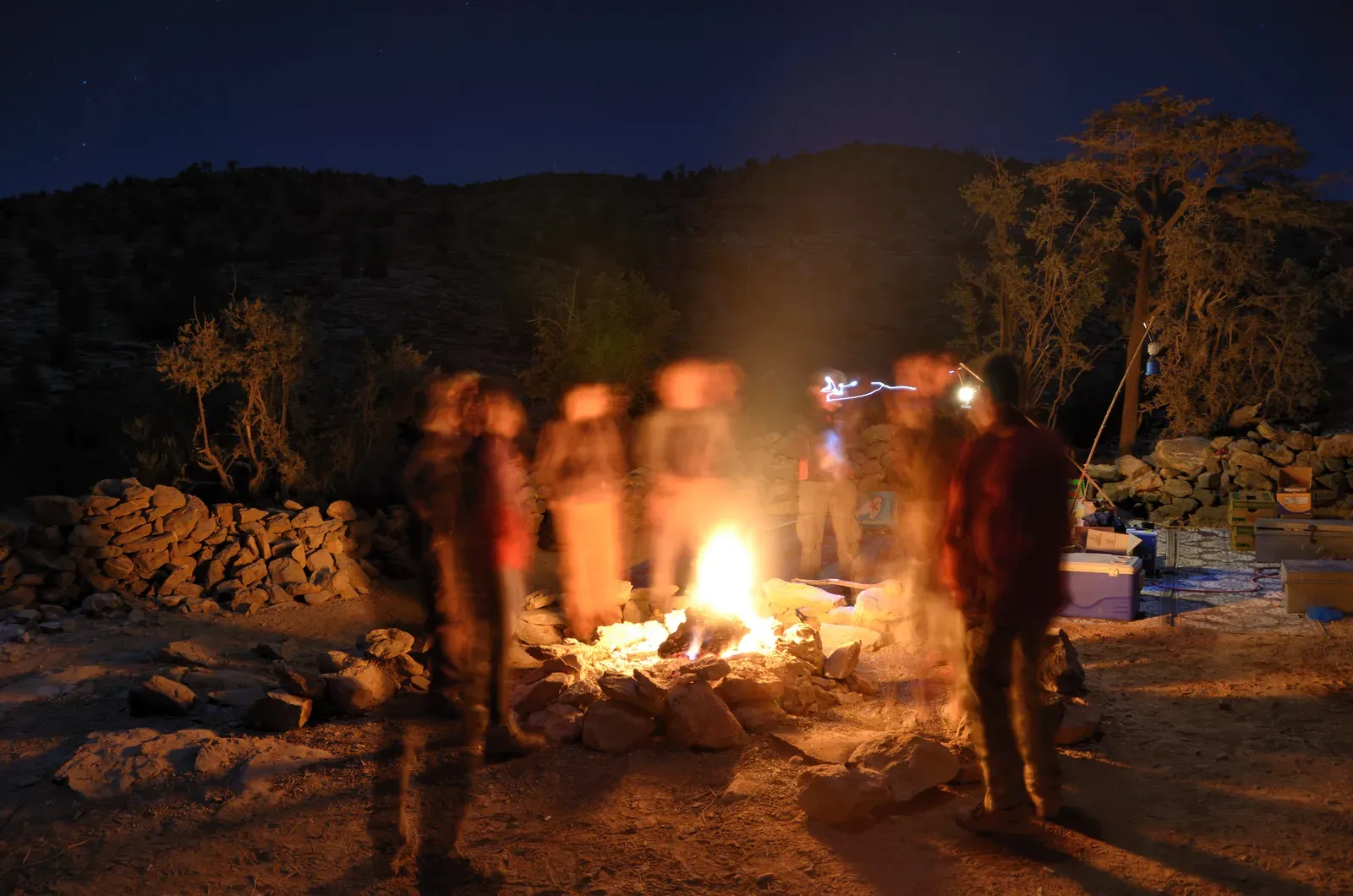
Before we had phones, televisions, or even written stories, people had fires. At night, when work was done and darkness made traveling risky, groups would gather around the flames. This was when stories were told, songs were shared, knowledge was passed to younger members, and plans were made. In many ways, the fire was the first social hub, the original “feed” where information, gossip, and culture flowed.
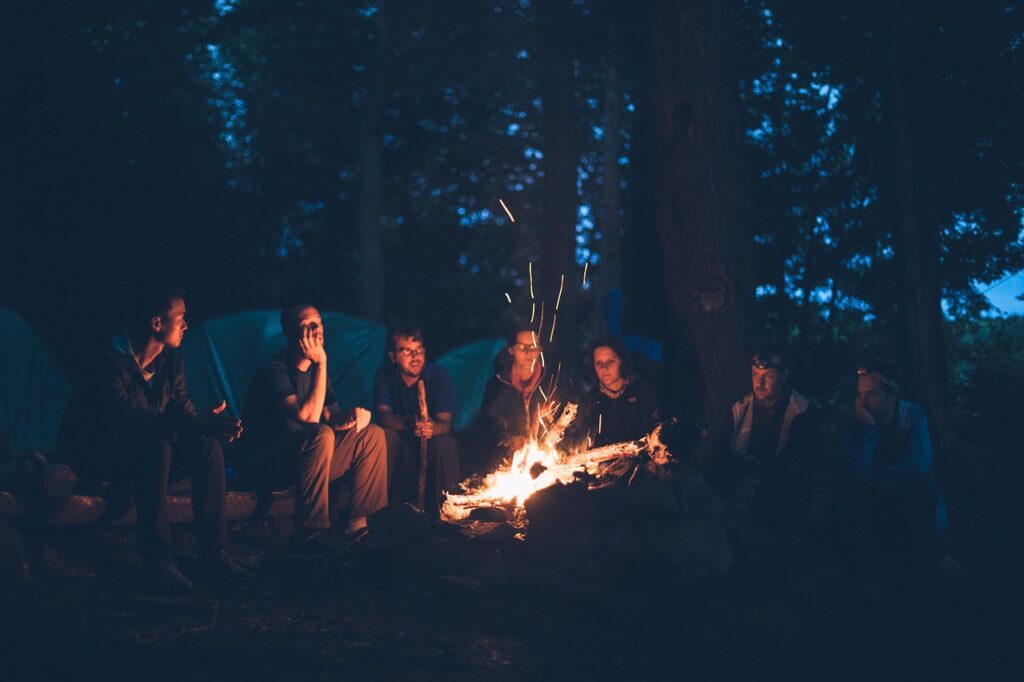
That long history links fire with connection and belonging in the human brain. When you and your friends sit around a backyard fire pit and end up having deeper, more honest conversations, you are tapping into an ancient pattern. The darkness around the circle makes the group feel more defined and intimate, while the shared focus on the flames reduces awkwardness and silences. Instead of staring each other down, you are facing the same central point together, which quietly lowers social tension and makes bonding feel more natural.
Storytelling, Memory, and the Night Fire
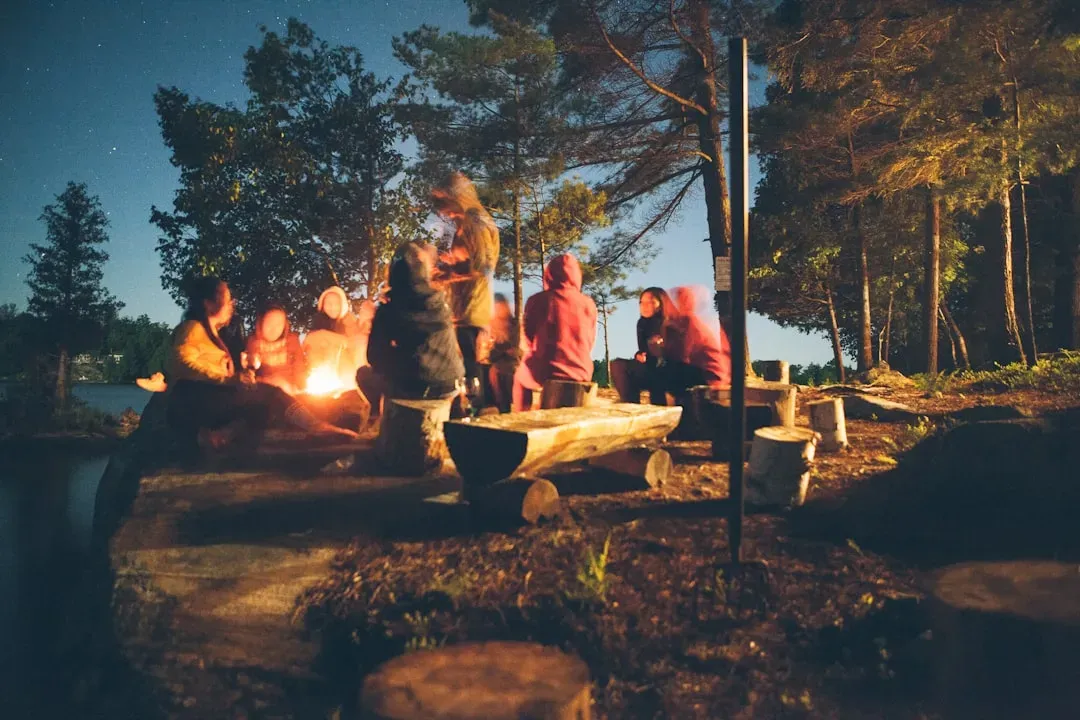
Anthropologists have suggested that evening fire time may have been when our ancestors told the stories that carried group identity, moral lessons, and survival knowledge. Night fires would have been some of the very few moments in early human life when there was space for reflection rather than immediate survival tasks. That made them prime territory for imagination, memory, and long-form conversation. In a sense, culture itself grew up around the fire.
Today, many people find that conversations around a campfire drift toward memories, big questions, and personal stories. You might start the night talking about logistics or small talk, but by the end, someone is sharing a childhood memory or a secret hope. That shift makes sense if the human brain learned, over millennia, that nighttime fire gatherings are when the deeper, more meaningful conversations happen. The comfort you feel is not just physical; it is the emotional safety of being in a traditional space for honesty and reflection.
Warmth, Oxytocin, and the Chemistry of Coziness
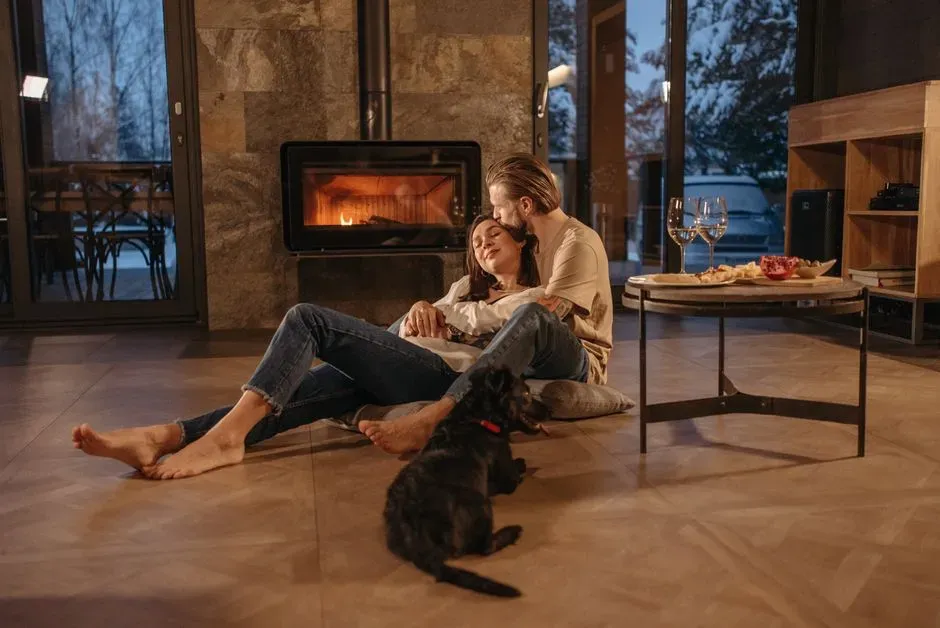
Psychologists have found links between physical warmth and feelings of social warmth. Holding a warm drink, for example, has been associated with people rating others as slightly kinder or more generous. Warmth signals safety to the body: you are not freezing, you are not in immediate environmental danger, and your energy does not need to go into shivering or avoiding hypothermia. That frees up mental and emotional resources for connection and relaxation.
Sharing that warmth with others, like huddling near the same fire, adds another layer. Being physically close, sharing blankets, or even just sitting shoulder to shoulder can increase levels of hormones associated with bonding and trust. The fire becomes more than a heat source; it is a kind of emotional amplifier. When you feel that uncomplicated sense of coziness around the flames, part of what you are feeling is your own body chemistry shifting toward connection and comfort.
Firelight, Fear, and the Edges of the Dark
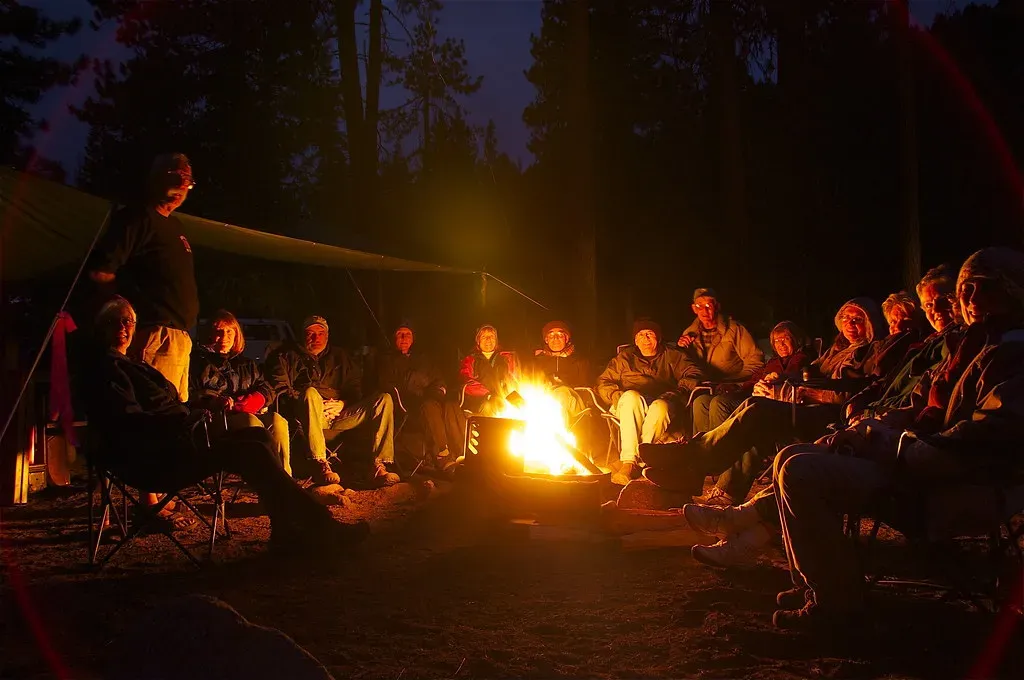
Darkness has always been risky territory for humans. Our eyesight is not built for the night the way a predator’s is, and in early environments, the dark meant hidden danger. A fire punches a hole in that fear, creating a bright circle where vision returns and danger feels pushed to the edges. Your brain learns to draw a boundary: inside the light, safer; outside, unknown. That simple boundary can feel incredibly reassuring.
Even now, there is something about sitting near a fire in an otherwise dark place that makes the night feel less threatening and more magical. The shadows dance, but they stay at a distance. You can hear noises out in the dark, but the glow in front of you offers a kind of psychological shield. The comfort of a fire is not the absence of fear; it is the feeling of manageable fear, of being small but protected in a vast, mysterious world. That emotional contrast is part of what makes the experience so deeply satisfying.
From Campfires to Candles: Modern Echoes of an Old Instinct
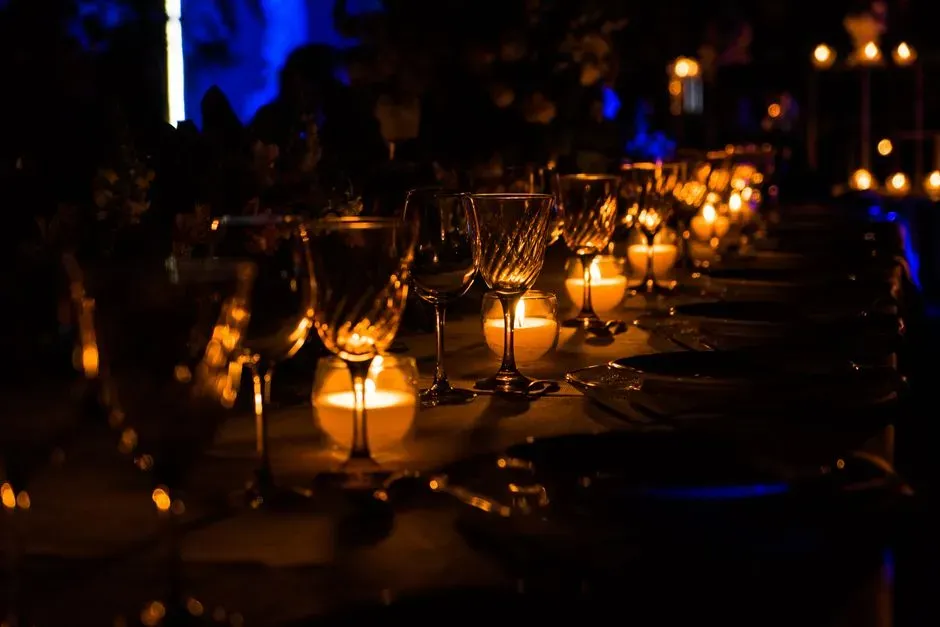
Most people in cities rarely sit around actual campfires, but we constantly recreate smaller versions of that experience: candles on a dinner table, a glowing fireplace video on a television, an electric heater that mimics dancing flames. These modern stand-ins would not make sense if our attraction to fire were purely practical. We clearly crave the atmosphere as much as the heat or light, and we are willing to fake the source just to get the feeling.
When a restaurant dims the lights and puts candles on every table, it is essentially building dozens of tiny, intimate fire circles. Your brain interprets that soft glow as a safe, slower, more personal environment, even if you are a few steps away from a busy street. In that sense, our entire modern aesthetic of “coziness” borrows from prehistoric evenings by the flames. String lights, amber-toned bulbs, and fireplace screensavers are all echoes of an old instinct that has followed us into the digital age.
Why Fire Still Matters in a Screen-Lit World
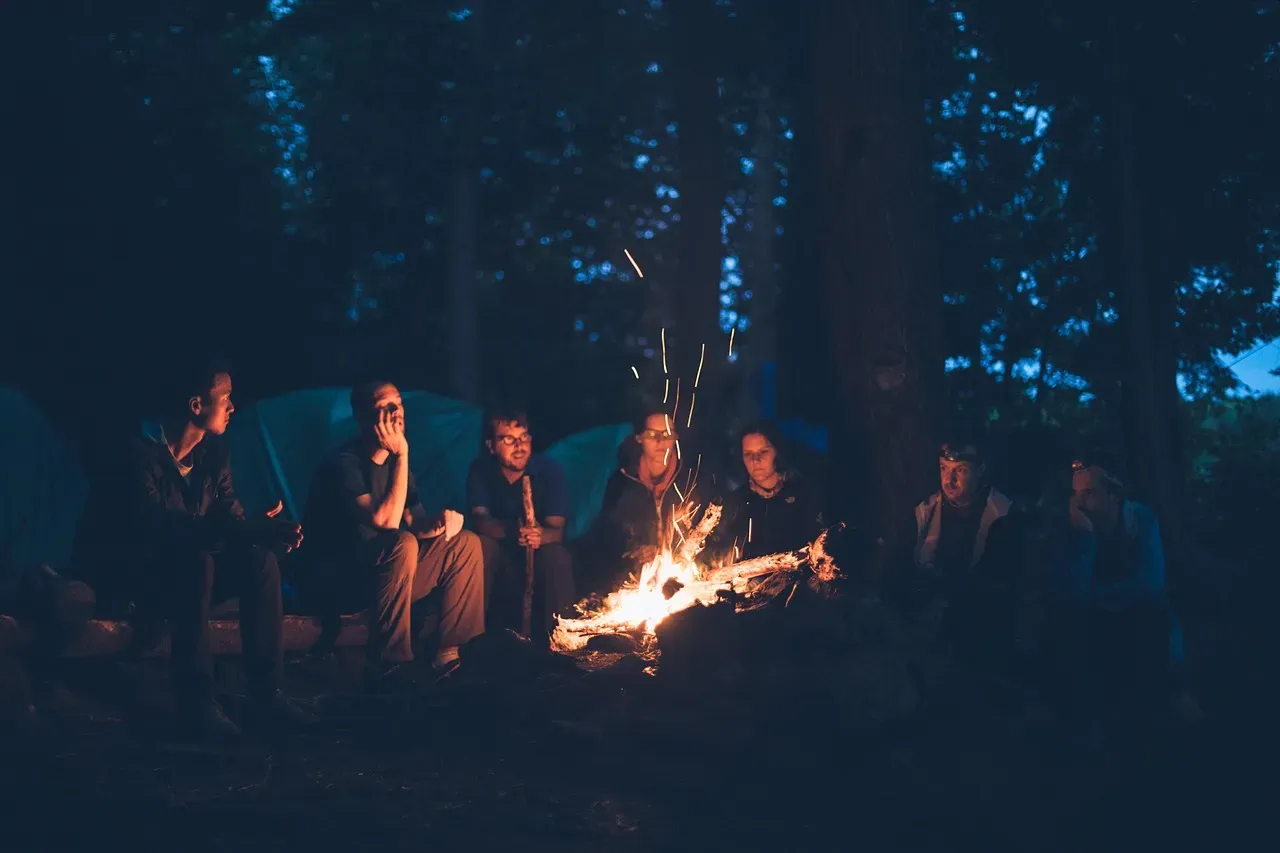
It is tempting to think of campfires as outdated now that we have central heating, electric stoves, and endless entertainment on demand. But if anything, the psychological role of fire may be more important than ever. Our nervous systems did not evolve for constant blue light, multitasking, and the low-level anxiety of living online. Fire offers a radically different sensory environment: slow, warm, quiet, and shared in real time with the people physically next to you.
That is why intentionally creating fire-like moments – campfires, fireplace nights, candle-lit dinners – can feel like pushing a reset button. It is less about nostalgia and more about giving your brain an environment it knows how to relax in. In a world where comfort is often sold in the form of new gadgets or subscriptions, the ancient simplicity of sitting around a fire feels almost rebellious. It is a reminder that some of the deepest forms of ease are not new inventions at all, but inheritances from our prehistoric past.
A Flaming Opinion: We Underestimate How Much We Still Need Fire
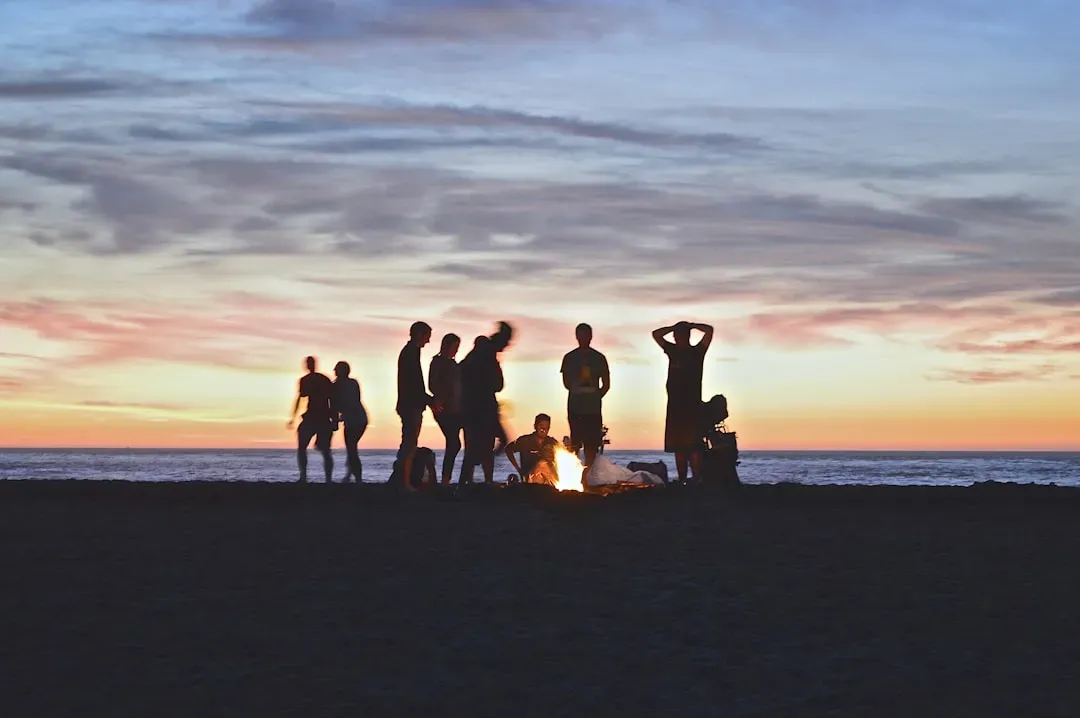
If anything, we are wildly underestimating how important these firelike experiences are for our mental health and relationships. We treat them as rare treats or vacation-only activities, when they might deserve a place in everyday life, the same way we think about exercise or sleep. My own most honest, grounding conversations with friends have almost always happened near some kind of flame: a campfire, a fireplace, even a cluster of candles on a coffee table. There is something about that glow that pulls us out of performance mode and into something more real.
So here is the opinionated take: sitting around a fire is not just a cute tradition; it is one of the most deeply human things we can still do. It taps into survival wiring, quiets the nervous system, strengthens bonds, and gives the mind a rare kind of rest. In a time when comfort is often confused with numbing out in front of yet another screen, fire asks something different of us: show up, slow down, be present with each other. The next time you feel that wave of calm by the flames, it might be worth asking yourself: is this just a cozy moment, or is this what being human was always meant to feel like?