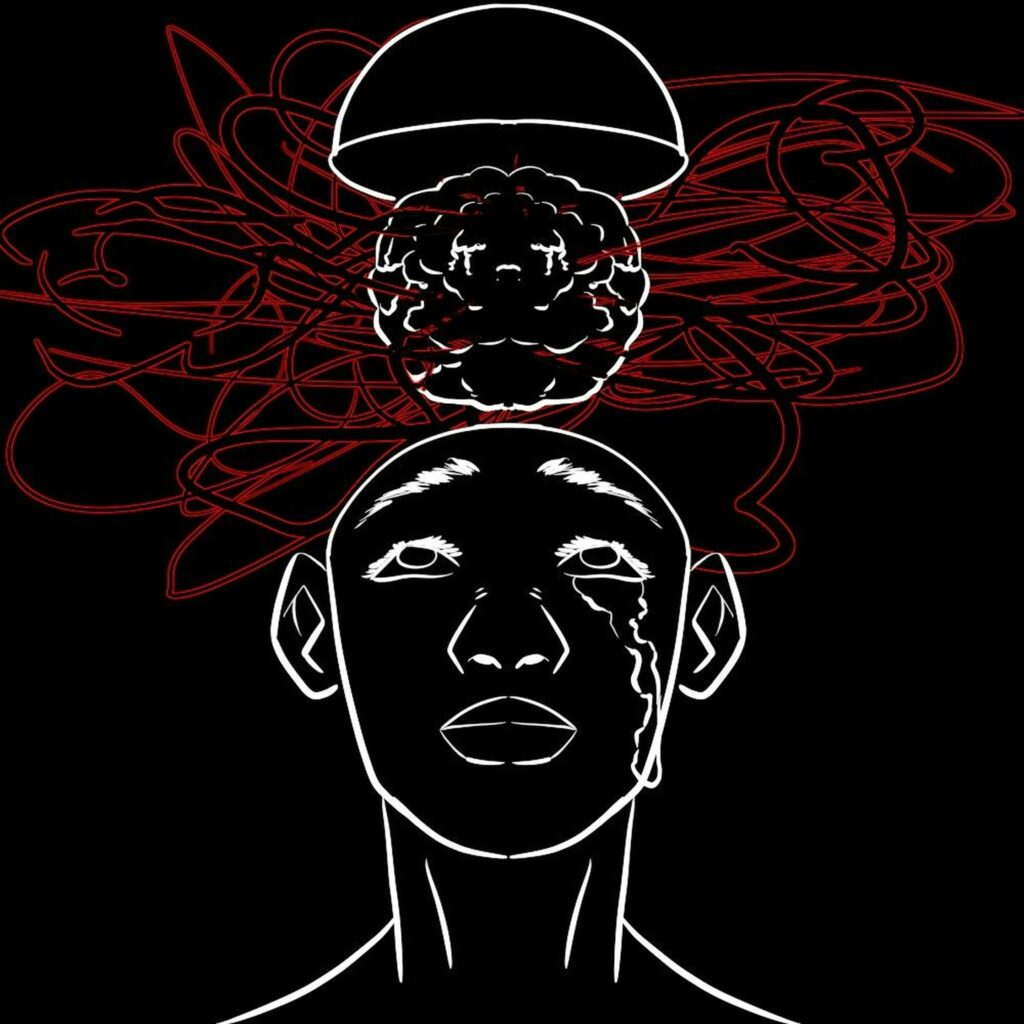

You probably remember the time you almost crashed your car more vividly than your last ten uneventful commutes combined. That is not your imagination or you being dramatic – your brain is wired to grab onto danger and never fully let it go. From an evolutionary point of view, the memories that kept you alive were the ones worth saving in high definition. When you start to see your mind as a survival machine instead of a perfect recorder, a lot of your past suddenly makes more sense. The sharp flashbacks, the way a smell can yank you back to a scary night, the random panic in safe places – these are not signs that you are broken. In many ways, they are signs that you are built from a long line of humans who survived because they remembered what could hurt them.
Your Brain Gives Negative Events VIP Access
If you look back over your last year, you might notice something frustrating: the arguments, close calls, and painful moments jump out, while the calm, pleasant days blur together. That is because your brain tends to prioritize negative and threatening experiences, a pattern psychologists often call a negativity bias. In practical terms, your mind treats bad things like urgent emails and good things like casual postcards. You can see this play out when one hurtful comment from a friend drowns out a dozen kind ones. Or when a single scary news story lodges in your head for days while a stream of positive stories barely register. You are not choosing to obsess; your brain is leaning hard toward whatever might signal danger, just in case remembering it keeps you safer next time.
Survival First: Why Your Ancestors Needed Sharp Fear Memories

Imagine your distant ancestors walking through a forest where one wrong step could mean a snake bite or an ambush. If they forgot where the danger hid, they did not get a second chance. The people who remembered every rustle, location, and pattern of threat were more likely to stay alive long enough to have children – including, eventually, you. Your brain is shaped by that long history of survival. Remembering danger is a kind of mental insurance policy you did not personally sign up for. Those vivid memories of almost getting hit crossing the street, the creepy alley you still avoid, or the time your body froze in a risky situation – they are all your modern version of remembering which bushes held predators.
Emotion Supercharges Your Memory Systems
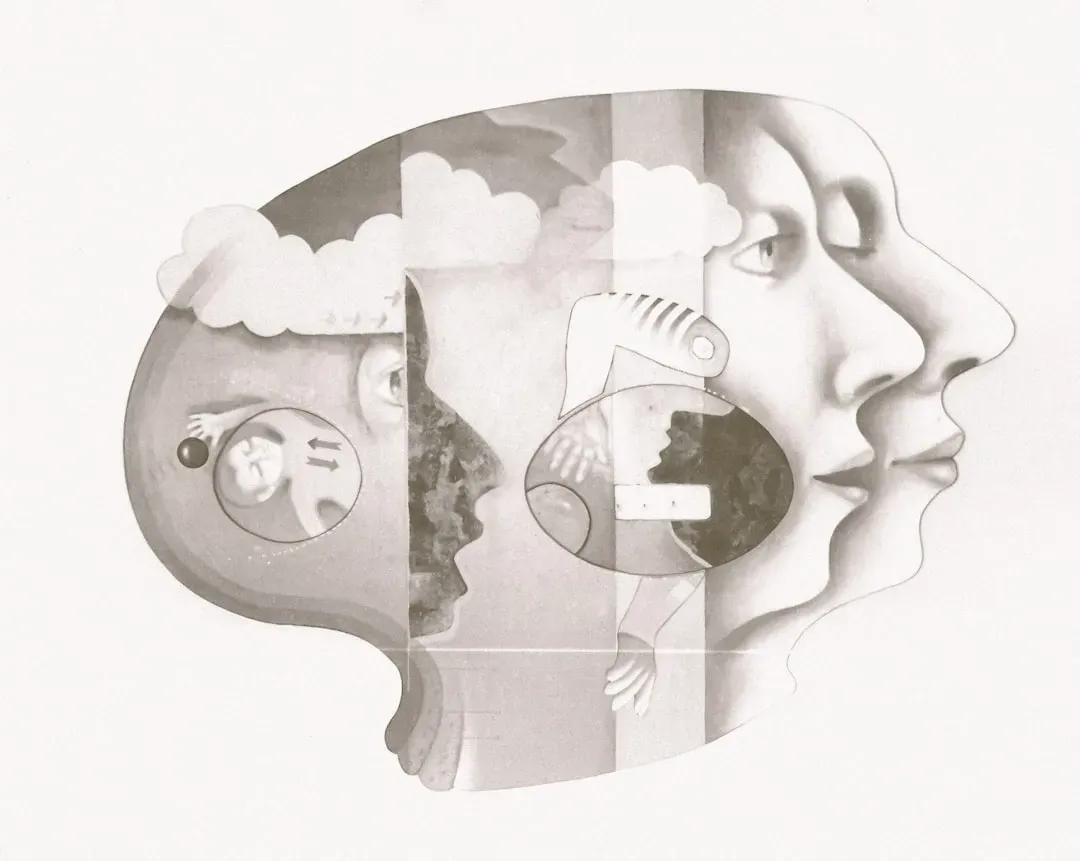
You might notice that the memories burned into you are not just about what happened, but about how it felt. Strong emotions act like a highlighter on your experiences, and fear and threat are some of the boldest colors your mind uses. The more your heart raced, your palms sweated, or your stomach dropped, the more likely your brain was to mark that moment as important. Inside your head, regions that handle emotion and memory talk to each other constantly. When something feels dangerous, this internal conversation gets louder and more urgent, telling your brain, in effect, to pay close attention. That is why you can recall tiny details of a frightening night from years ago but struggle to remember what you had for lunch last Tuesday.
From Saber-Toothed Tigers to Social Threats

Even though you are probably not running from wild predators, your brain still reacts strongly to anything that feels like a threat. Today, that danger often shows up in more subtle ways: a harsh performance review, a partner raising their voice, or a public embarrassment that makes you want to disappear. Your body may respond to these social and emotional threats with the same intensity it once reserved for physical ones. Because your brain does not always distinguish clearly between physical and social danger, it can store both with similar force. That is why you can find yourself replaying a humiliating moment in a meeting over and over, as if it were a near-death experience. On some ancient level, being rejected by your group once could mean actual survival risks – and your brain has not entirely updated that software.
Why You Keep Replaying Scary Memories
If you have ever caught yourself re-living a frightening experience on loop, you know how stubborn those memories can be. Part of this repetition is your brain trying to learn, analyze, and prepare: it is running a kind of internal simulation, asking what happened, what it means, and how to avoid it in the future. Unfortunately, that helpful intention can feel like torture from the inside. Over time, this replay can become automatic. A sound, smell, or place can quietly trigger the network of that memory, and suddenly you are back in it, emotionally if not physically. You might feel silly or weak for not being able to just “move on,” but your mind is not doing this to punish you. It is doing what it evolved to do: keep danger near the front of the mental stage.
Trauma: When the Survival System Gets Stuck On

In some situations, an experience is so intense, sudden, or overwhelming that your normal memory systems struggle to file it away. Instead of becoming a past event, it stays present, bursting into your awareness through flashbacks, nightmares, or sudden waves of fear. This is often what people are describing when they talk about trauma or conditions like post‑traumatic stress. From a survival standpoint, your mind is acting as if it cannot afford to relax around anything that even remotely resembles that event. The system that once helped ancestors avoid deadly situations becomes overly sensitive, sounding alarms in safe spaces and keeping you on edge. It is the same basic mechanism – remembering danger strongly – but turned up to a level that starts to erode your daily life.
How This Bias Affects Your Everyday Choices

Because you are wired to remember danger better than safety, your decisions can quietly be driven by fear without you realizing it. You might avoid driving on highways after one near-miss, even if you have hundreds of safe miles under your belt. Or you may dodge new relationships, jobs, or challenges because your brain keeps whispering reminders of how badly things once went. This can make your world smaller over time. While your mind believes it is keeping you safe, it may also be limiting your opportunities, joy, and growth. It is like having an overprotective inner bodyguard who only remembers the worst that has happened to you and insists on planning your life around that short and terrifying highlight reel.
Balancing the Scales: Training Your Brain to Notice Safety

The good news is that even though your brain is biased toward danger, it is not entirely stuck that way. You can train yourself to pay closer attention to safe, positive, and neutral experiences so that they have a better chance of becoming solid memories too. Simple habits like really savoring a peaceful walk, pausing to register a kind interaction, or mentally replaying moments of competence can help. You are not trying to erase your dangerous memories; you are giving your brain more data so danger is not the only thing that feels real. Over time, intentionally focusing on times when you were safe, cared for, or resilient can help quiet the constant internal alarm. You start to carry a fuller story: not just everything that almost broke you, but also everything that did not.
When to Seek Help for Overwhelming Dangerous Memories

There is a difference between remembering dangerous experiences clearly and feeling haunted by them. If your memories are disrupting your sleep, your relationships, your work, or your ability to feel present, that is not just evolution doing its thing – that is a sign you deserve real support. You do not have to wait until things completely fall apart before reaching out. Talking with a trained mental health professional can give you ways to safely process what happened so your brain can finally file those memories into the past where they belong. Approaches that focus on how your body and mind respond to threat can help your nervous system stop living as if the worst moment of your life is still happening. You are allowed to remember danger without being defined or controlled by it.
Conclusion: Your Sharpest Fears Came From a Long Line of Survivors

When you step back and look at the pattern, your scary, vivid memories start to tell a bigger story. You remember dangerous experiences so well because your brain is descended from minds that survived by never forgetting what could kill them. That wiring can feel brutal at times, especially in a modern world where threats are often emotional, social, or long past. But once you understand what is happening, you can work with your brain instead of fighting it. You can respect the ancient survival system that got you here while also gently teaching it that not every risk is life and death. In the end, your job is not to erase danger from your memory, but to make room for safety, courage, and joy alongside it – when you think about your own past, which side of that story do you want to start noticing more?