
You probably picture archaeologists carefully brushing away sand in a remote desert when you think about great discoveries. But many of the most baffling ancient finds were stumbled on by total accident – by hikers, kids, farmers, even people doing home repairs. You could have walked right over some of them without realizing you were standing on a turning point in human history. Here are 12 objects that turned up when nobody was looking for them, each one raising more questions than it answered. As you read, you might catch yourself wondering what’s hiding under your own feet – and what you’d do if you suddenly realized the “rock” you just kicked is actually five thousand years of unsolved mystery.
The Antikythera Mechanism: A Computer Lost in a Shipwreck
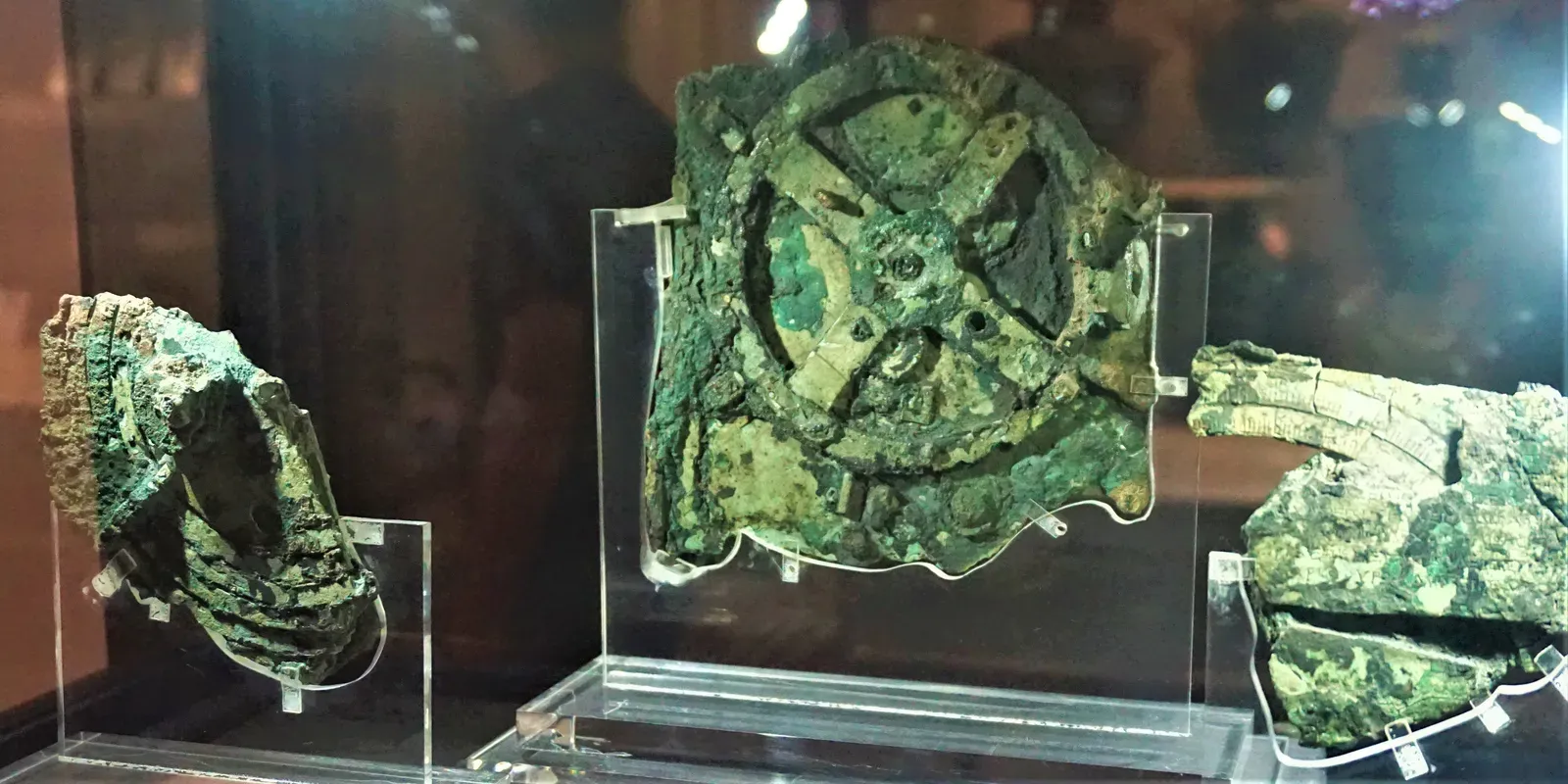
Imagine you are a sponge diver in the early twentieth century, diving off a small Greek island and expecting nothing more exciting than a few sponges and maybe a fish for dinner. Instead, you swim into the rotting remains of an ancient ship and help haul up bronze statues, pottery, and a corroded lump of metal nobody thinks twice about. Years later, X‑rays reveal that lump is a precision gear system so advanced it feels like it came from a steampunk novel rather than ancient Greece. Today you’d recognize it as the Antikythera Mechanism, often described as the world’s first known analog computer. It could predict eclipses, track the cycles of the Moon, and model complex astronomical movements using intricate bronze gears. The real mystery for you as a modern reader is simple and unsettling: if someone could build that in antiquity, what else did their civilization know that has vanished completely, leaving only this broken machine as a whisper?
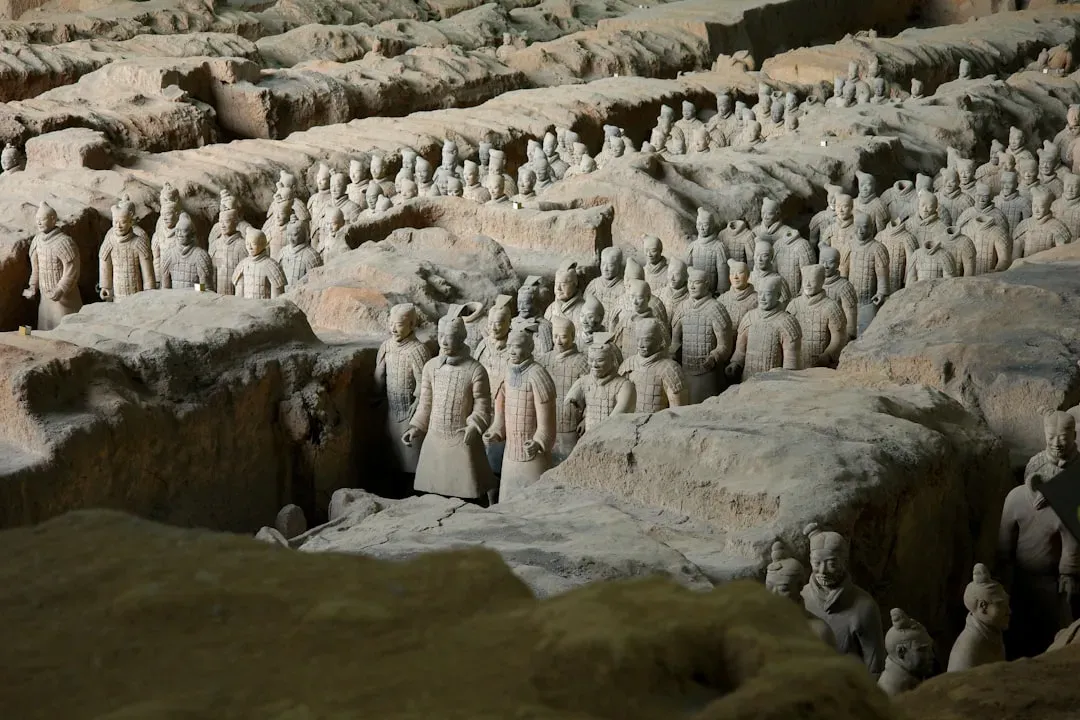
The Terracotta Army: A Well That Opened Onto a Hidden Empire
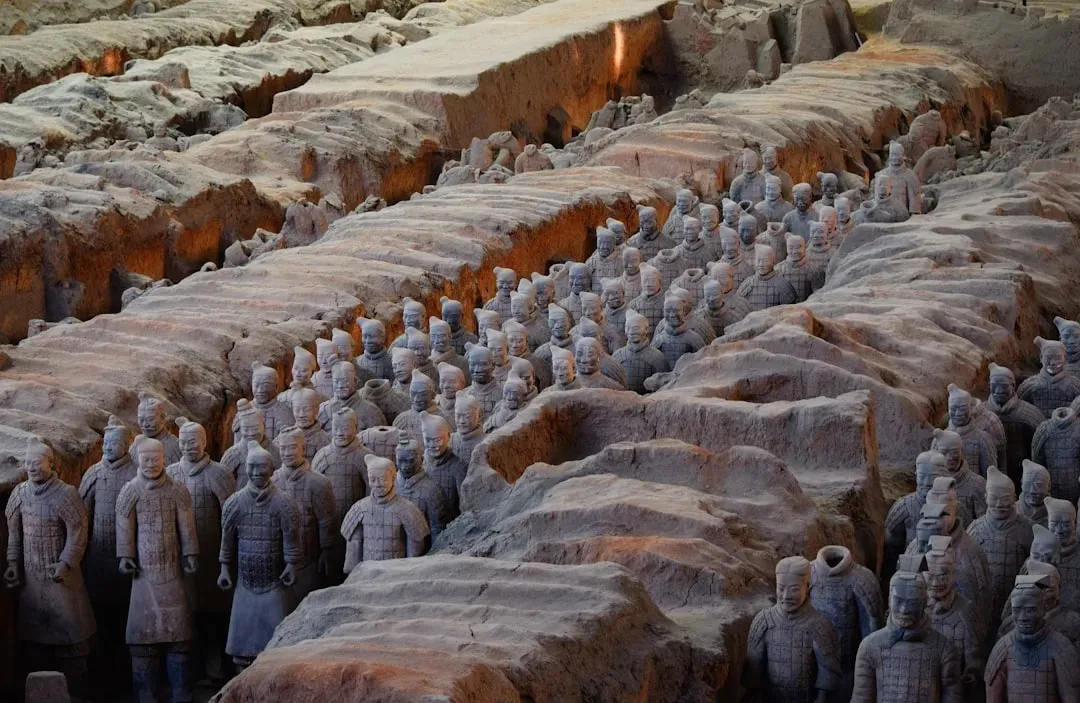
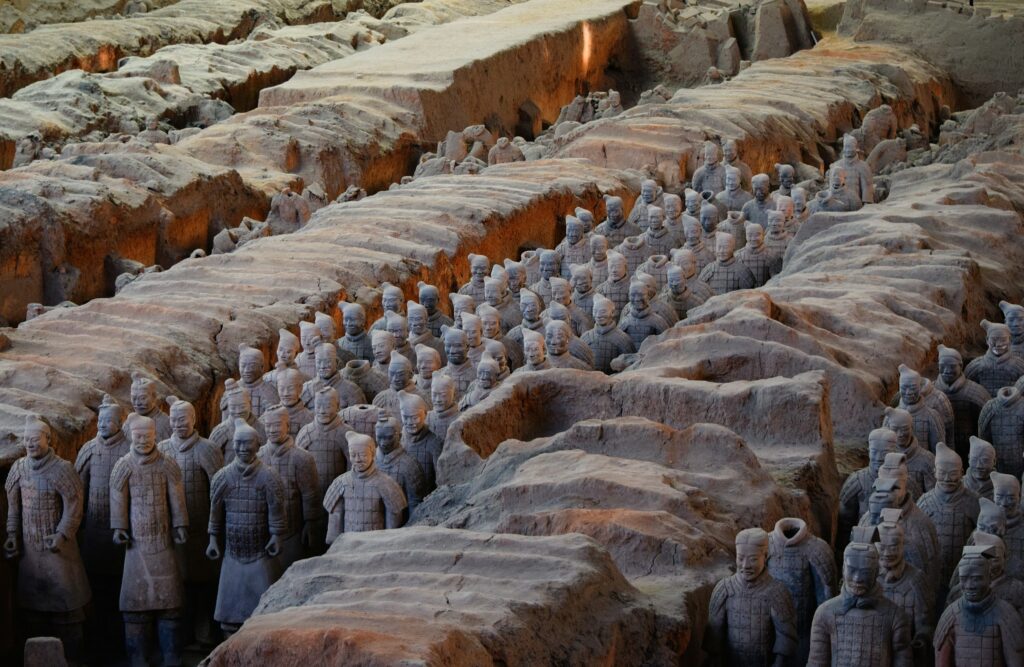
Picture yourself as a farmer in 1970s China, struggling with dry ground and just trying to dig a well so your crops and family can survive. Your shovel hits what you think is a rock, but when you clear away the soil you’re staring at a life-sized clay head with a startlingly human expression. Before you know it, archaeologists swarm the place and you learn your “rock” is one piece of an underground army built for an emperor more than two thousand years ago. As excavations expand, you realize the scale is almost incomprehensible: thousands of warriors, horses, chariots, all arranged in battle formation and each figure with a unique face. For you, the mystery runs deeper than the spectacle. How did a single ruler command such an enormous project? How many artisans and laborers did it take, and how many stories were buried with them? You are left with the eerie feeling that an entire world was quietly waiting under farmland you thought you knew by heart.
Ötzi the Iceman: A Hiker’s Worst Surprise
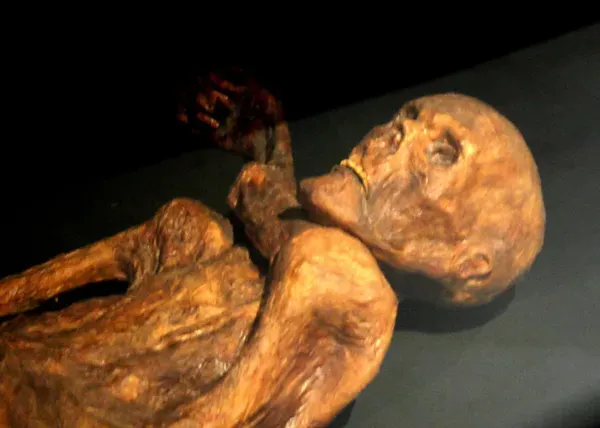
Now place yourself in hiking boots in the Alps in 1991, picking your way along a ridge, happy to have escaped the office and the noise of the city. You glance down and notice what looks like old trash sticking out of melting ice, maybe a lost climber’s gear. Then you see a brown shape that looks disturbingly like skin. By the time rescue teams arrive, everyone realizes this is not a recent accident – you’re looking at a person who died more than five thousand years ago. You have effectively walked straight into prehistory. Ötzi, as he’s nicknamed, is so well preserved that you can still see his tattoos, his clothing, even his last meal. Yet the closer scientists study him, the more questions you’re forced to juggle. Was he murdered, ambushed while fleeing? What do the strange patterns of his injuries and equipment tell you about life and violence in the Copper Age? Suddenly, a casual hike leaves you tangled in a forensic puzzle that refuses to give you one clear story.
The Lascaux Cave Paintings: A Dog, a Hole, and a Forgotten World
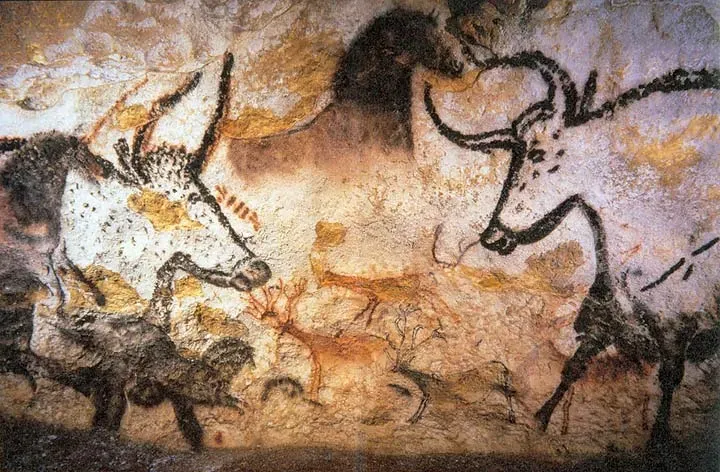
You might remember being a bored teenager wandering around with friends, poking into places you probably shouldn’t. Now imagine you’re doing that in rural France in 1940, following your dog when it slips into a hole opened by a fallen tree. You crawl after it, squeeze into the darkness with a lantern, and your light flickers across walls alive with horses, bulls, and stags painted tens of thousands of years ago. You’re not an art critic, but you can tell immediately that what you’re seeing is not random doodling. The paintings have style, movement, and careful use of the rock surface, like the ancient artists were thinking about how you would stand and look at them. For you, the biggest shock is emotional: someone with your same nervous hands and wandering thoughts stood here during the Ice Age and decided to cover these walls with images. Were they telling a story, performing a ritual, or just compelled to create? You leave the cave feeling like you have met ancestors you never knew you had, but you still do not know what they wanted you to understand.
The Rosetta Stone: A Fortification Block That Unlocked a Language
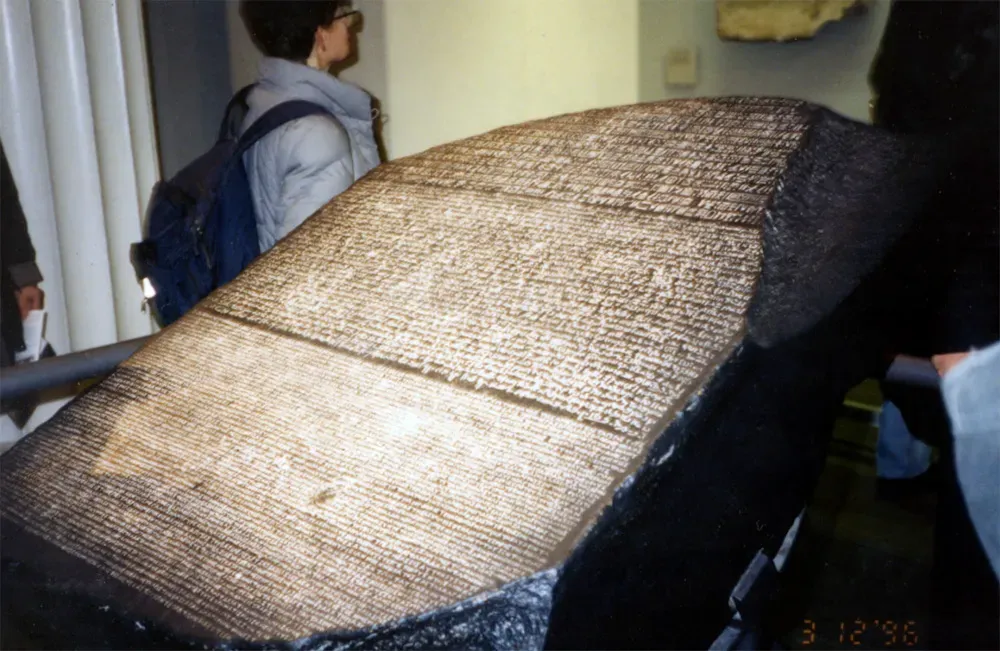
Put yourself in the shoes of a soldier and engineer in Egypt at the end of the eighteenth century, sent to strengthen old fortifications. You demolish and reuse ancient masonry the way you might recycle bricks from a rundown warehouse today. One day you notice a big, dark slab with three different scripts carved into it. It looks interesting enough to set aside, but you have no idea you’re holding the key that will eventually let you read the lost voice of Pharaonic Egypt. Years later, scholars use that stone to crack the long-dead system of hieroglyphs, because the same text appears in Greek and another Egyptian script. From your perspective, the mystery is almost philosophical. How many other crucial keys to lost knowledge were just reused, broken, or ground into dust over the centuries? And once you finally can read the temples and tombs, are you really hearing the past clearly, or only the parts that happened to be carved in the right place and survive long enough for your accident to matter?
The Dead Sea Scrolls: A Goat, a Cave, and a Hidden Library
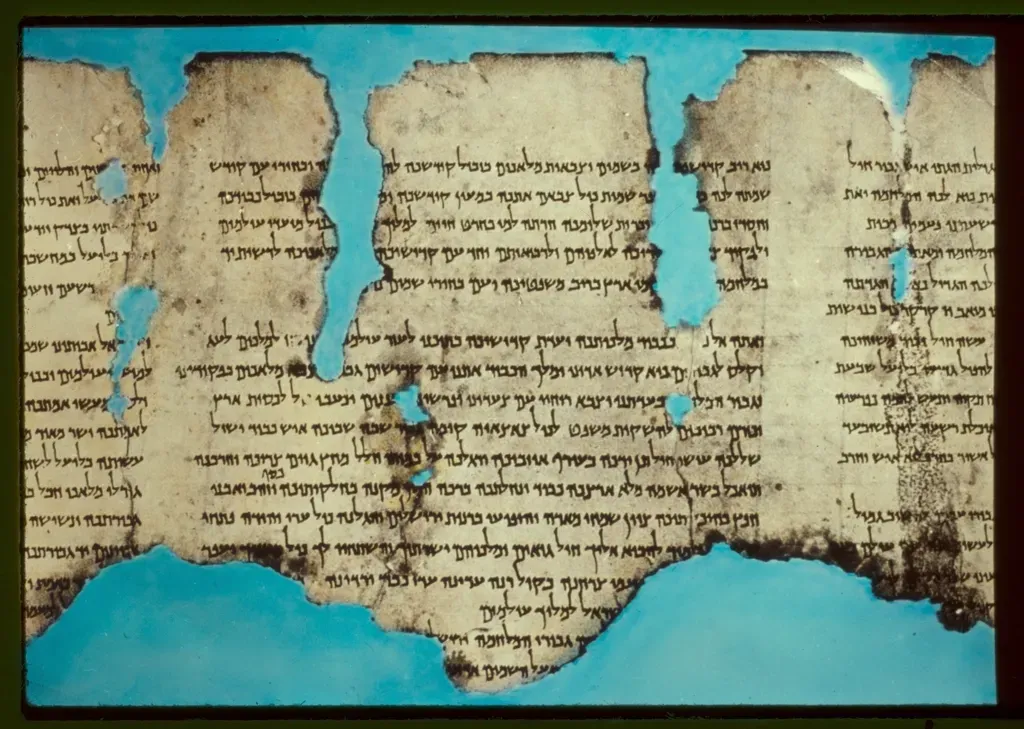
Picture yourself as a young Bedouin shepherd in the 1940s, chasing an unruly goat among the cliffs above the Dead Sea. You toss a stone into a cave mouth to spook the animal and instead of a dull thud, you hear the sharp sound of pottery breaking. Climbing up to investigate, you find tall jars and, inside them, bundles of brittle leather and papyrus that look like trash to you but turn out to be some of the oldest surviving biblical and Jewish texts in existence. As scholars begin piecing together the scrolls, you realize you accidentally uncovered a library that someone carefully hid nearly two thousand years ago. You’re left to wonder what pushed those people to stash their precious writings in remote caves. Were they fleeing war, persecution, or simply safeguarding their beliefs from the erosion of time and politics? For you, the scrolls become less about confirming or challenging religious traditions and more about imagining the fear and hope of the hands that last touched them before yours.
The Venus de Milo: A Farmer’s Field Hiding a Classical Icon
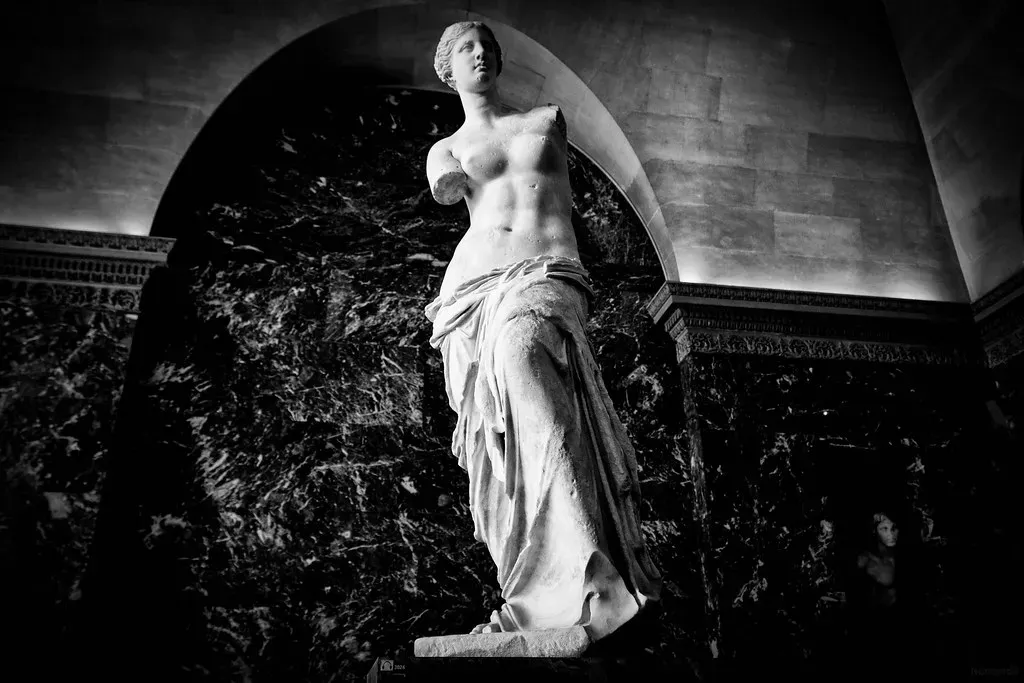
Imagine you are working your land on a small Aegean island in the nineteenth century, doing the back‑breaking, repetitive work of turning soil and dealing with stones. One day, your tool strikes marble instead of rock, and as you dig you reveal a life-sized statue of a woman with elegant drapery and missing arms. You drag it out, probably thinking about whether anyone will pay for it, not realizing you’ve just yanked one of the most famous sculptures in the world out of obscurity. When you see the statue displayed later in a museum, polished and dramatically lit, you notice how much guesswork people are projecting onto it. Was she holding an apple, a shield, a mirror? Is she meant to represent love, victory, or something else entirely? For you, the mystery is that the original context has evaporated. The statue has been reborn as a global icon, but the story of the artist, the temple or space she once stood in, and the person who paid for her – all of that is gone, leaving you with a beautiful riddle that everyone insists on solving their own way.
The Baghdad “Battery”: A Clay Jar That Sparks Electric Theories
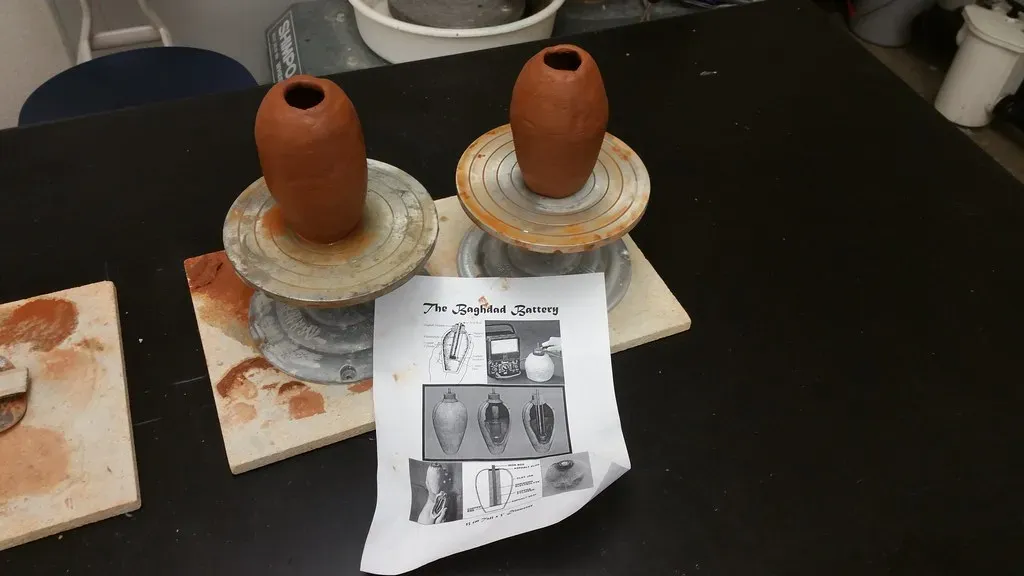
Now switch to the outskirts of Baghdad in the 1930s, where workers and archaeologists are combing through ancient ruins. Among the pottery shards and everyday objects, you come across a simple clay jar with a stopper, an iron rod, and a copper cylinder inside. On its own it just looks like an odd container, but when someone later pours an acidic liquid into a replica, it produces a small electric current. Suddenly, the jar you might have dismissed becomes headline material. As a modern observer, you find yourself caught in a tug‑of‑war between competing explanations. Was this really an early galvanic cell used for electroplating or minor shocks in rituals, or is that reading far too much into a humble vessel whose original function is now lost? You’re reminded how easy it is for your own technology‑obsessed mind to see electricity everywhere, even in the past. The jar becomes a mirror, forcing you to question whether you’re uncovering ancient innovation or simply projecting your own obsessions onto whatever fragments survive.
The Staffordshire Hoard: A Metal Detectorist’s Dream Find
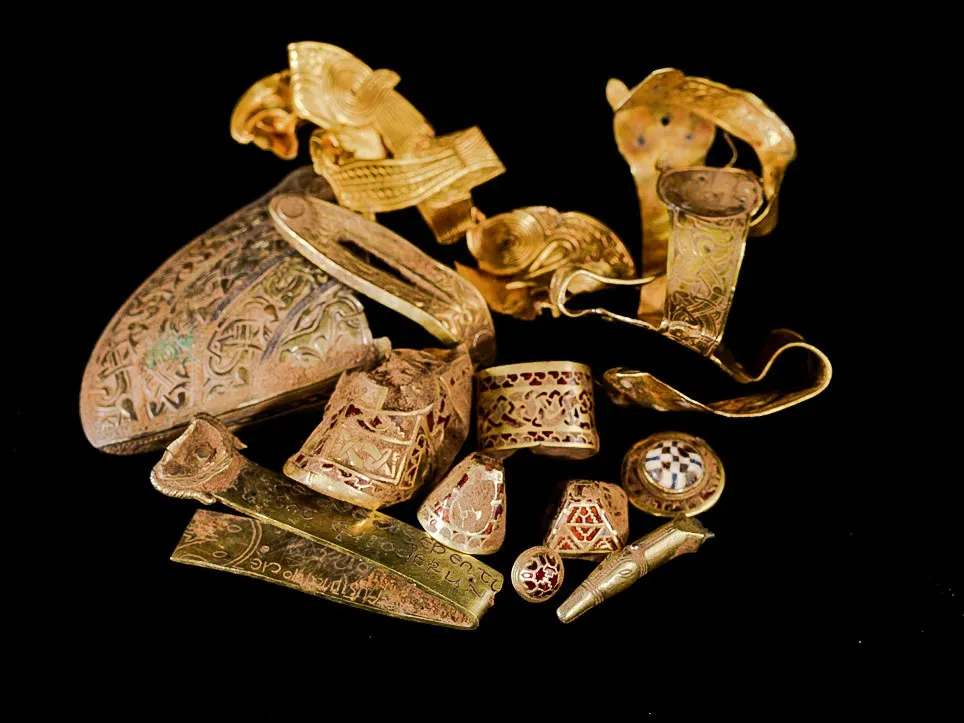
Fast‑forward to England in 2009 and imagine you’re out in a farmer’s field with a metal detector, not chasing legends, just hoping to maybe find a coin or two. Your machine suddenly starts going wild over a small area, and as you dig, gold and garnet fittings, weapon decorations, and twisted fragments of war gear start piling up. You’ve accidentally uncovered the largest hoard of Anglo‑Saxon gold ever found, hidden in what looks like the middle of nowhere. When experts clean and study the pieces, you realize they came from elite warriors: sword fittings, helmet fragments, and religious items, many of them chopped or bent as if intentionally broken. You are left staring into a mystery that blends politics, warfare, and belief. Was this plunder taken in battle, a hurried burial during a crisis, or some ritual “killing” of wealth before it was offered to the earth? As you hold a gleaming strip that once sat on a king’s sword, you feel that odd sensation that your casual hobby has ripped open a seam in the story of your own country.
The Galla Placidia Gold Glass: A Backyard Dig with Imperial Echoes

Now picture yourself renovating a garden in northern Italy, lifting old bricks and leveling the soil. Under a layer of rubble, you find a small glass medallion fused to a fragment of gold leaf, bearing imperial‑looking portraits. It seems like the sort of trinket you might expect to see in a museum shop, yet laboratory analysis later suggests it may date back to late Roman times and be connected, at least in spirit, to high‑status circles around the empress Galla Placidia. For you, the object is tiny, but the questions around it loom huge. How did something that may have belonged to or celebrated powerful elites end up in ordinary soil, far from any obvious imperial palace? Was it part of a burial, a demolished church, or a cherished keepsake that simply got lost? As you turn it in your hand, you confront how thin the line can be between the splendor of empire and the quiet anonymity of the present, where even an imperial face can surface like a forgotten coin in someone’s backyard.
The Nag Hammadi Codices: Jarred Books in the Desert
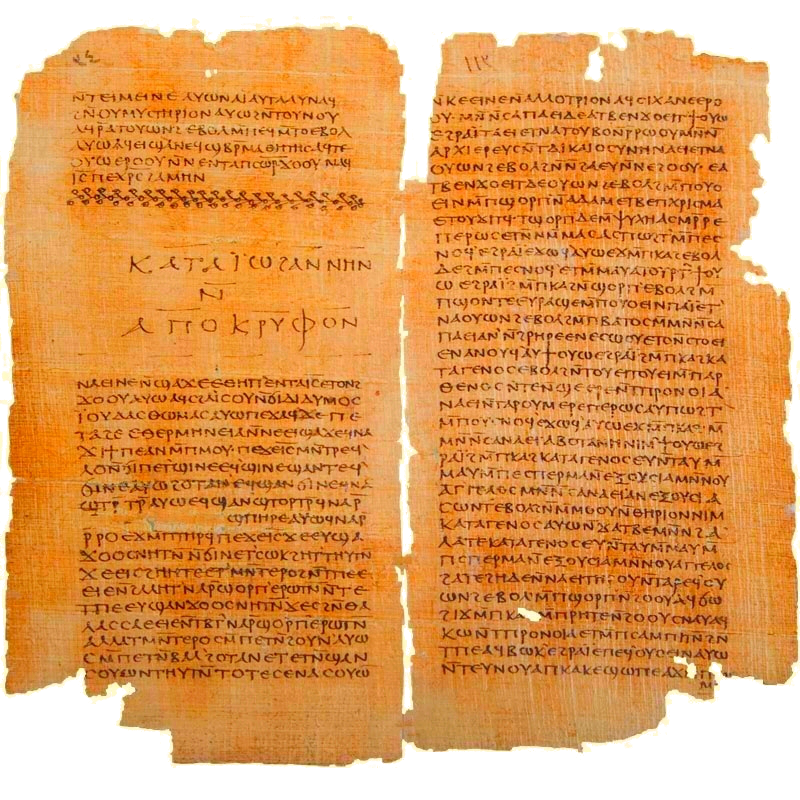
Shift to Egypt in 1945 and imagine you are digging for fertilizer in the form of soft soil around rocky outcrops. Your pick hits a large clay jar sealed with what looks like ancient plaster, big enough that you hesitate, wondering if it might contain a jinn or bad luck. Curiosity wins, you break it open, and out spill leather‑bound volumes written in an unfamiliar script. You have no idea that you are holding one of the most significant discoveries of early Christian and Gnostic texts. As these codices are translated, you watch scholars and theologians argue over what they mean for your understanding of early Christianity. Were these alternative teachings suppressed by later authorities, or simply one branch among many that didn’t survive the editorial cuts of history? For you, the gripping part is not just the content of the writings, but the human decision to bury them in the first place. Someone wrapped these books carefully, sealed them, and hid them in the desert, perhaps hoping that someone like you – a random laborer generations later – might rescue their ideas from oblivion.
The Phaistos Disc: A Fired Clay Riddle from a Palace Floor
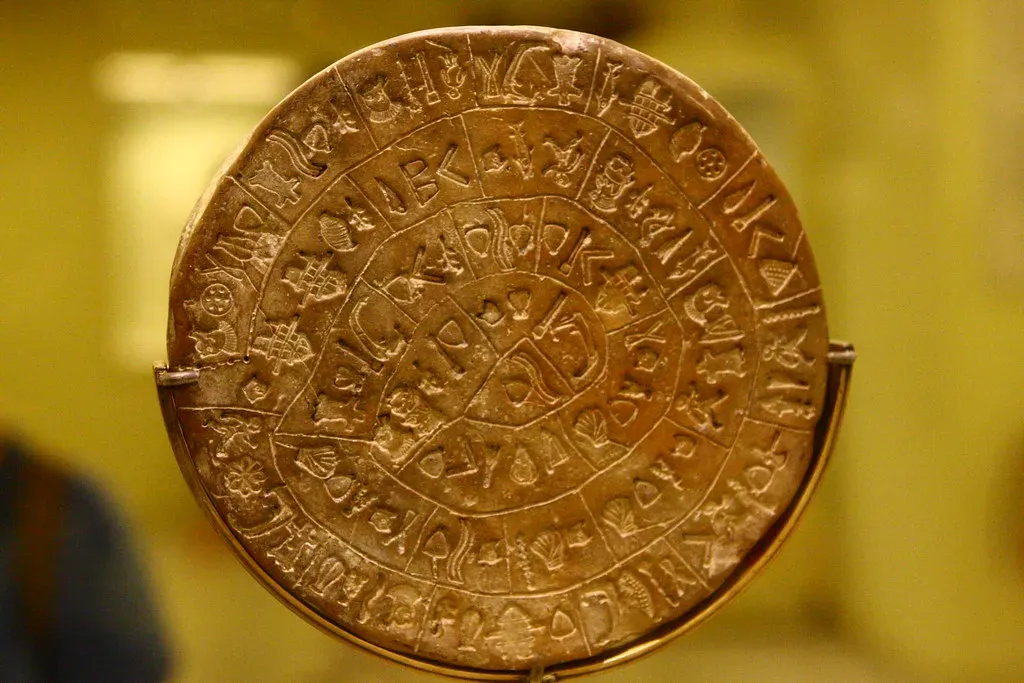
Finally, picture yourself working on an excavation in Crete in the early twentieth century, carefully lifting soil from the floor of a Minoan palace. You find a circular clay disc, stamped on both sides with spiraling symbols that look like nothing else you have seen. Unlike typical texts carved by hand, these symbols seem to have been impressed using small stamps, like ancient movable type. You place it in a finds tray, not yet aware that you’re holding one of archaeology’s most stubborn unsolved puzzles. As decades pass and experts throw every possible decipherment method at the disc, you’re forced to live with a rare kind of frustration: it may never give up its meaning. Is it a hymn, a board game, a ritual script, or even a clever forgery from the time of its discovery? For you, the disc becomes a reminder that not every mystery yields to effort or cleverness. Some objects sit in glass cases and look straight back at you, daring you to admit that there are limits to what you can reconstruct from a few inches of fired clay plucked from a palace floor.
Conclusion: The Thin Line Between Ordinary and Extraordinary
When you step back from these stories, a pattern jumps out at you: none of the discoverers set out to change history that day. They were digging wells, herding animals, hiking, renovating, or doing routine work. In each case, the dividing line between an ordinary object and a world‑class archaeological mystery turned out to be just a few centimeters of earth, a melting patch of ice, or the curiosity to poke your head into a dark opening. If there’s a quiet lesson here for you, it’s that the world is full of layers you rarely think about, and your own lifetime is just the surface dust on top. Somewhere under a parking lot, a schoolyard, or a hiking trail, there are still objects waiting that will rewrite parts of the story you think you already know. The next time you trip over a strange stone or spot an odd shape in the soil, will you just walk on – or will you look twice and wonder what kind of past might be staring back at you?