
Somewhere in a textbook you trusted, there’s a diagram of the brain carved into neat little labeled zones – memory here, language there, emotion over in that corner. It looks so clean, so settled, like the map was finished decades ago and everyone just moved on to other problems.
Except the map wasn’t finished. It was a rough sketch that got mistaken for a final draft, and in lab after lab, that sketch is now being quietly erased and redrawn. Some of the most confidently taught “facts” about how your brain works have collapsed under better scanners, bigger datasets, and more honest scientists – and what’s replacing them is stranger, messier, and honestly more interesting than the original story.
12. The Left-Brain/Right-Brain Personality Myth
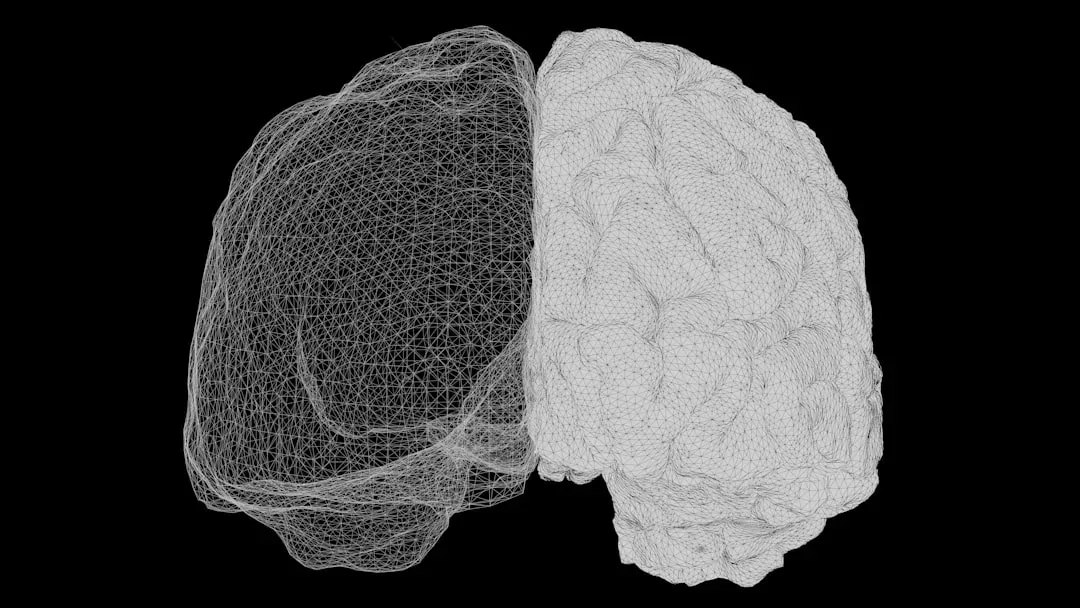
You’ve heard it a thousand times: you’re either a logical “left-brained” person or a creative “right-brained” one. It sounded legitimate because early lesion studies really did show language problems after left-hemisphere damage and spatial trouble after right-hemisphere damage. That small kernel of truth got stretched into a personality test that never should have existed.
Modern imaging blew the whole thing up. Both hemispheres light up for almost every complex task, and creativity, math, and decision-making all recruit tangled networks spanning the entire brain, not one dominant side. Even people who’ve had a hemisphere surgically disconnected for severe epilepsy can still reason, feel, and create in remarkably rich ways. The left/right stereotype survives in memes and self-help books – not in a single working lab.
Fast Facts
- Split-brain research grew out of studies on patients with severed corpus callosums in the mid-20th century, work that later earned a Nobel Prize in Physiology or Medicine.
- No peer-reviewed study has ever isolated a “dominant personality hemisphere” in a healthy, intact brain.
- Language, once framed as strictly left-sided, actually recruits right-hemisphere regions for tone, rhythm, and context.
- Popular “which side of your brain is stronger” quizzes have no basis in clinical neuroscience.
11. Memory Isn’t a Filing Cabinet – It’s a Reconstruction
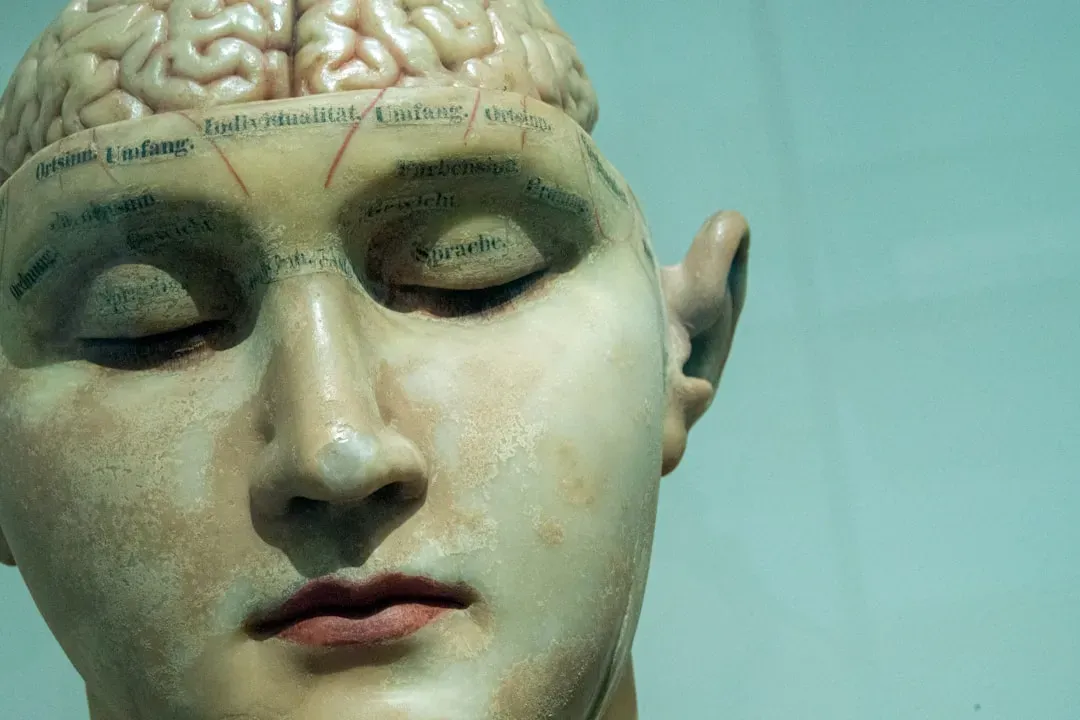
The comforting old model said memories get “stored” in a specific spot, mostly the hippocampus, like files tucked away in a cabinet drawer. Education, therapy, even courtroom testimony leaned on that intuition for decades. It made memory feel solid and retrievable, the same way every time.
Then the experiments got sharper, and the cabinet fell apart. The same memory can activate slightly different brain patterns every time you recall it, which means you’re rebuilding it, not pulling a file from a fixed slot. Lesions that should erase a memory sometimes don’t, while tiny disruptions can warp details with no visible damage at all. Some neuroscientists now argue “storage” is the wrong word entirely – what you call memory is closer to a reconstruction procedure than a retrieval system.
10. Dopamine Isn’t a Simple Pleasure Switch
For years, dopamine got sold as the brain’s happiness dial: flood it, and you feel good; block it, and motivation dies. Early animal studies backed this up dramatically – rats would press a lever for brain stimulation until they collapsed from exhaustion. It felt like the whole puzzle of pleasure and drive had been solved.
It hadn’t. Dopamine spikes more reliably to surprising outcomes – “prediction errors” – than to raw pleasure itself, and plenty of rewarding experiences never map onto one tidy center. People on certain dopamine-boosting medications report feeling driven and restless without any real enjoyment, while others with naturally low dopamine still describe full, satisfying emotional lives. Motivation now looks like a messy negotiation between effort, expectation, habit, and context – not a single switch you can flip.
9. Consciousness Doesn’t Live in One Address
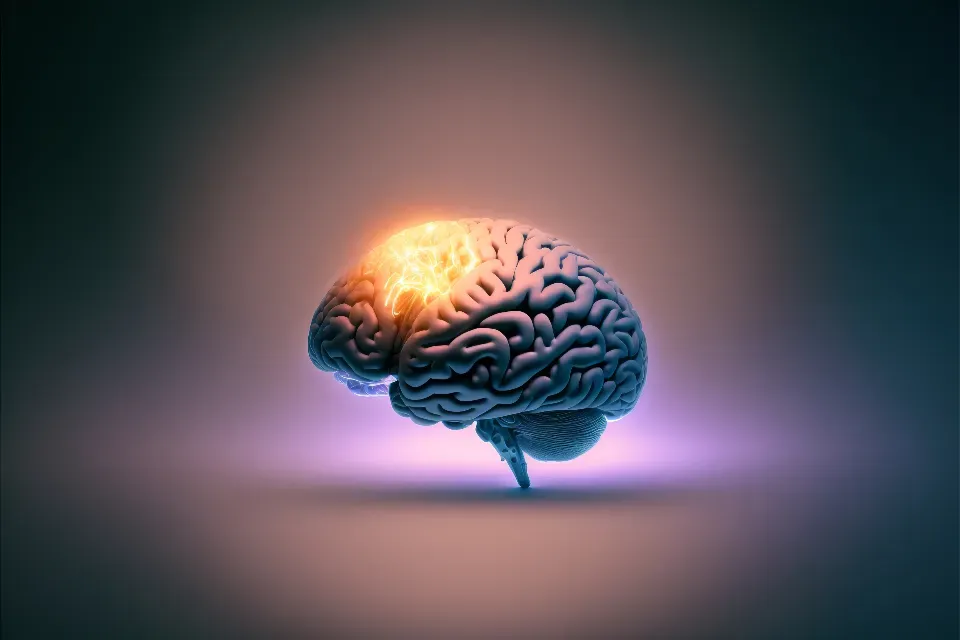
Not long ago, serious researchers were willing to name the exact seat of consciousness – the thalamus, the claustrum, the prefrontal cortex, even a thin strip at the back of the skull. Each new candidate arrived with the same swagger: damage this spot and the lights go out, stimulate that one and awareness switches back on.
Reality has been far more humbling. People with massive frontal damage can remain fully, clearly conscious, while injuries in supposedly essential regions don’t always erase awareness at all. Even leading researchers now admit there’s no consensus definition of consciousness, let alone a single brain spot generating it. Competing theories still can’t fully explain anesthesia, dreaming, or minimally conscious states – what looked like scientific progress was often just a more sophisticated way of relabeling the mystery.
Worth Knowing
- Integrated Information Theory ties consciousness to how richly information is combined across the brain, not to any single structure.
- Global Workspace Theory instead frames awareness as information being “broadcast” widely enough for many brain regions to use it at once.
- Higher-order theories argue you’re only conscious of a thought once another brain process represents that thought back to itself.
- None of these frameworks has been ruled out, and none has been fully confirmed – the debate is still wide open.
8. Emotions Aren’t Hard-Wired Circuits
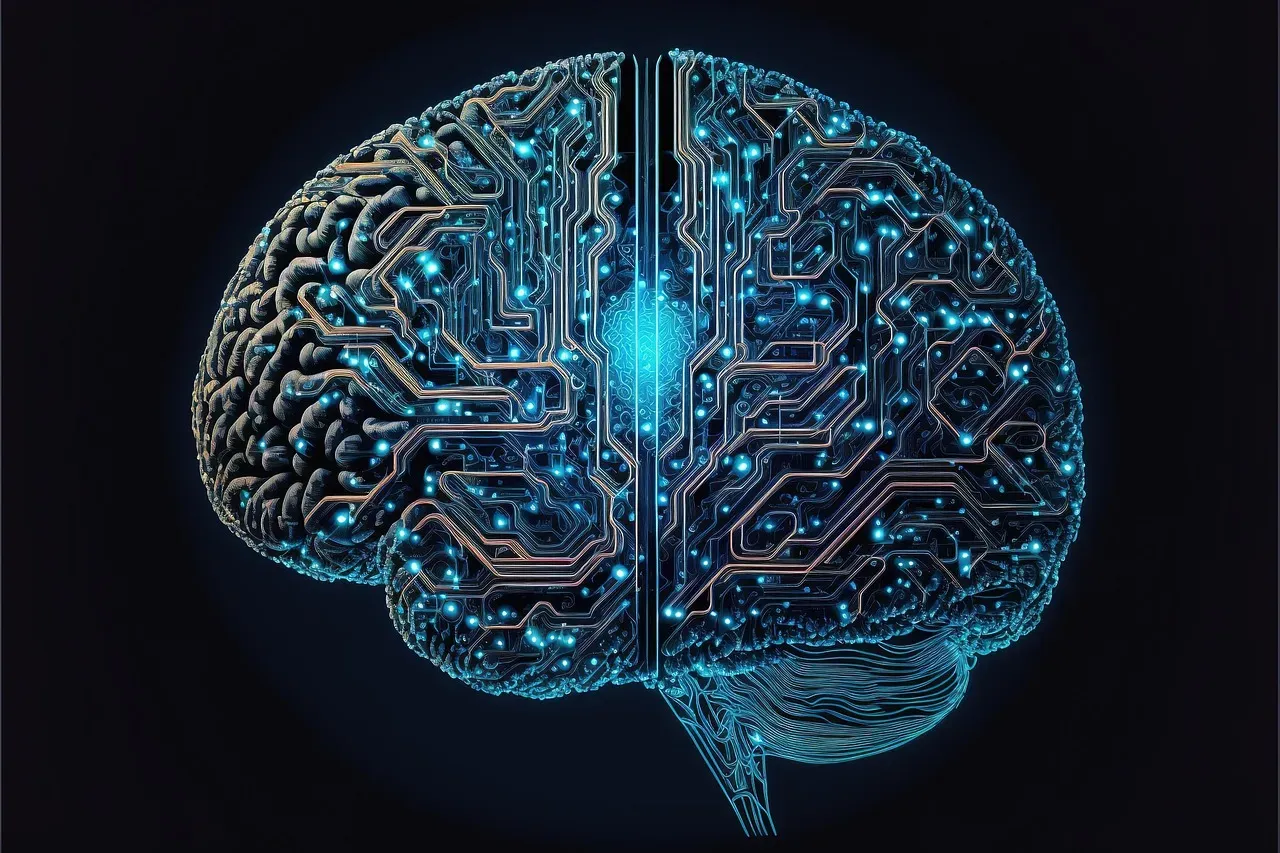
You’ve seen the diagrams: fear equals amygdala, sadness equals subgenual cingulate, happiness equals ventral striatum. Early studies seemed to show clean one-to-one mappings, and it made for beautifully simple textbook illustrations. Case closed, or so it seemed.
Then sample sizes grew, and the neat boxes blurred. The amygdala fires for curiosity, surprise, and even positive excitement, not just fear, depending entirely on context. What you label “fear” depends heavily on your past experiences and culture, not a fixed bolt of circuitry. Even the classic claim of universal facial expressions is under heavy revision now, since the same face gets read as different emotions across different cultures – and plenty of clinicians are still teaching a model the science has quietly moved past.
7. “Fight or Flight” Was Never That Simple

The textbook version is tidy: stress hits, a switch flips, adrenaline floods your body, and you either fight or flee. One mechanism, one predictable outcome. It’s the kind of explanation that fits neatly on a poster – which should have been the first warning sign.
In practice, it’s almost cartoonish. People under real threat can freeze, appease, dissociate, or go strangely calm and focused, and none of that tracks a single simple switch. Researchers now talk about overlapping “defensive states” and “allostasis” – stability through constant change – instead of one universal stress mode. The same person might fight in one situation, freeze in another, and fawn in a third, all running on distinct but overlapping neural patterns, even though pop mental-health content keeps recycling the easy binary version.
6. Intelligence Doesn’t Live in One IQ Center
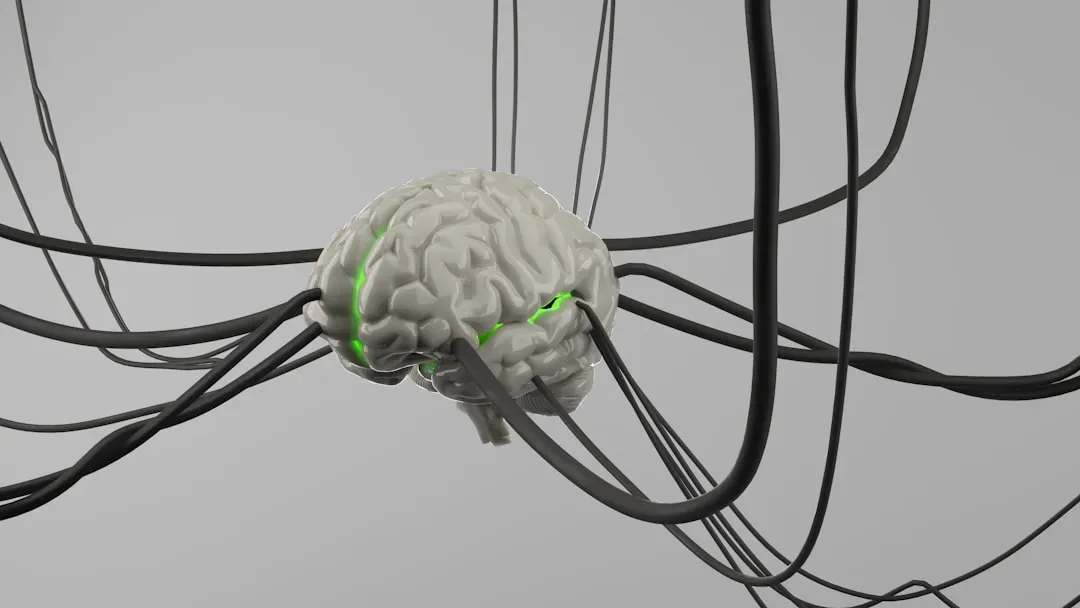
For a long time, the prefrontal cortex was framed as the brain’s intelligence headquarters – smarter people supposedly just had “better” frontal function. Early lesion and imaging studies looked supportive, since damage there often hurt planning and problem-solving. It was a satisfying, simple story about where smarts actually live.
Bigger, better-controlled studies wrecked that fantasy. General intelligence correlates with how efficiently multiple distributed networks talk to each other, not with any single spot you can circle on a scan. Some people with impressive test scores show ordinary-looking frontal anatomy, while others with strikingly active frontal regions don’t perform as expected at all. Intelligence now looks like a property of coordination – memory, attention, language, and visual processing working in sync – which makes it far harder to locate, and far harder to hack with a brain-training app.
Quick Compare
- Old view: Intelligence lives mainly in the prefrontal cortex; more frontal activity means more IQ.
- New view: Intelligence tracks efficient communication across parietal and frontal networks, an idea often called the parieto-frontal integration model.
- Old evidence: Frontal lesions sometimes impaired planning and reasoning.
- New evidence: Damage far outside the frontal lobe can still tank performance if it disrupts the wider network’s coordination.
5. Mirror Neurons Were Never the Master Key to Empathy
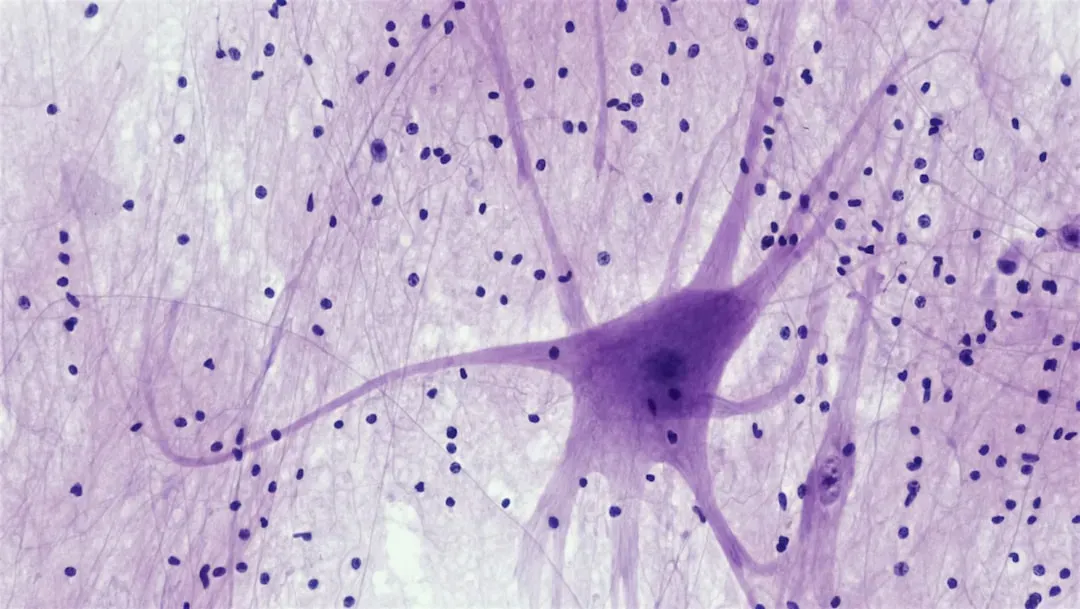
In the 1990s and 2000s, mirror neurons were hyped as one of neuroscience’s biggest discoveries – special cells that fire both when you act and when you watch someone else act. From there, the claims exploded fast and loud. Mirror neurons were said to explain empathy, language, autism, even culture itself.
Most of that was speculation stacked on tiny datasets, much of it from monkeys rather than humans. Modern work still supports the idea that your brain simulates other people’s actions, but the field has largely walked back the idea of one miraculous system doing all the heavy lifting. Empathy clearly involves attention, prior beliefs, and cultural norms layered on top of any motor resonance – which makes this one of the clearest cases of a genuinely interesting finding getting inflated into a full theory of human nature.
4. Broca’s and Wernicke’s Aren’t the Whole Language Story
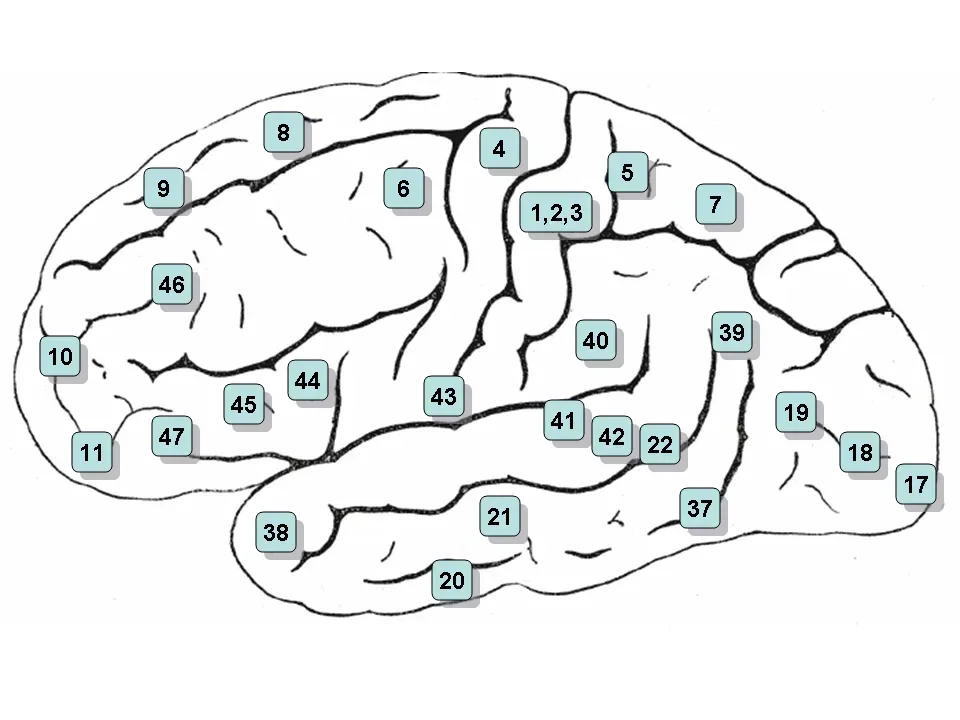
You were probably taught the tidy map: Broca’s area handles speech production, Wernicke’s area handles comprehension, and damage to either knocks out exactly one function. It was clean, memorable, and almost completely incomplete.
Lesions far outside those classic areas can wreck language, while some patients with damage inside them still speak more fluently than the old model predicts. Modern imaging shows sprawling language networks stretching across frontal, temporal, and even parietal regions, and bilingual brains and sign-language users undermine the rigid layout even further. Some linguists now argue that hunting for “the” language center was a category error from the start – language looks more like a flexible coalition of systems, with the high school diagram now closer to historical art than working science.
3. The Default Mode Network Isn’t Just a Daydreaming Switch
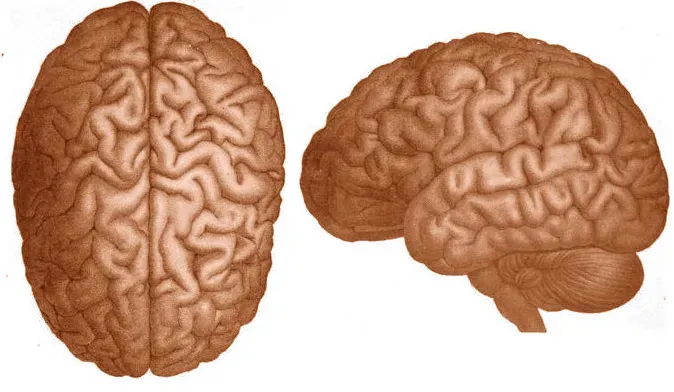
Around the 2000s, researchers discovered the default mode network – a set of regions that light up when you’re not doing an obvious task – and confidently labeled it the brain’s “resting” or “daydreaming” system. Wellness and tech culture ran with it instantly, turning the DMN into shorthand for mind-wandering and even “ego.”
More data complicated the story fast. The DMN activates during memory, future planning, moral judgment, and even certain creative tasks, depending entirely on what you’re actually thinking about. Its exact boundaries shift from study to study, and its link to mental health is anything but clean – tied both to healthy self-reflection and to depressive rumination. The DMN story simply got too popular too fast, and science has been quietly walking it back ever since.
Why It Stands Out
- The network spans widely separated regions, including the medial prefrontal cortex, posterior cingulate cortex, and angular gyrus, rather than one compact hub.
- It quiets down, rather than shuts off, during focused external tasks – it never fully goes offline.
- Some of the brain regions most vulnerable to Alzheimer’s-related changes overlap heavily with core DMN territory.
- Its activity pattern shifts depending on whether you’re remembering the past, imagining the future, or judging right from wrong.
2. The Brain Isn’t Built From Neat “Modules”
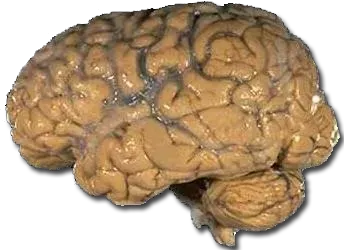
For years, cognitive science described the brain like a Swiss Army knife: a face module here, a grammar module there, a moral module tucked into the frontal lobe. It fit neatly with early lesion and fMRI work, where localized damage seemed to knock out one specific ability at a time.
As methods improved, those sharp edges blurred badly. Most complex tasks – recognizing a friend, making a moral choice – light up sprawling, overlapping networks, not isolated boxes. Even the famously “modular” fusiform face area turns out to respond to other categories depending on your expertise. The brain looks less like a set of labeled apps and more like a constantly reconfiguring cloud service, even though plenty of pop-science books still cling to the module language because it makes for cleaner diagrams than the messy truth.
1. Nature vs. Nurture Was Never a Clean Split
The most confidently told story of all was the simplest: some brain functions are innate, hard-wired at birth, and others are learned, shaped purely by experience. This tidy split powered decades of arguments about talent, gender differences, intelligence, and mental illness, and it made for very satisfying debates.
The real picture is far less comfortable. Genes and experience constantly interact, changing which genes get expressed, how networks wire up, and even how cells respond to identical input. Early experience can reshape brain structure in ways that shape later “talent,” while training can recruit circuits once assumed to be purely instinctive. We can no longer say “this function is genetic, that one is environmental” and pretend the line is clean – it sounds less satisfying, but it’s finally closer to how the brain actually works.
The Bottom Line
Neuroscience hasn’t failed here; it’s just outgrown its own favorite bedtime stories. The left-brain/right-brain split, the fear center, the IQ region, the empathy neuron, the language box, the daydreaming network – each one started as a rough sketch and got sold to the public as a finished blueprint. Now the field is being forced to admit that the brain isn’t a map of labeled parts. It’s a shifting negotiation among overlapping systems, constantly in motion.
That makes diagnosis messier, self-help slogans weaker, and simple explanations much harder to trust at face value. Personally, I’d call that an upgrade, not a crisis – it means we should be suspicious of any brain claim that sounds too neat, especially when that neatness happens to flatter a trend or sell a product. Did we retire one of your favorite “brain facts” here, or is there another one still due for the axe? That’s the real conversation worth having.