
Extinction is supposed to be the one label in science that never gets walked back. Dead is dead, gone is gone, case closed. Except it isn’t – not even close.
Over and over, animals that were confidently written off in textbooks, museum plaques, and government reports have turned up very much alive, sometimes just a few hills over from where scientists gave up looking. Some waited less than a decade to resurface. Others waited over a century, showing up right as the last person who remembered them was retiring. Here are 11 animals that make the word “extinct” a lot shakier than most people assume.
#11 – The Coelacanth: The “Fossil” Fish That Refused to Stay Dead
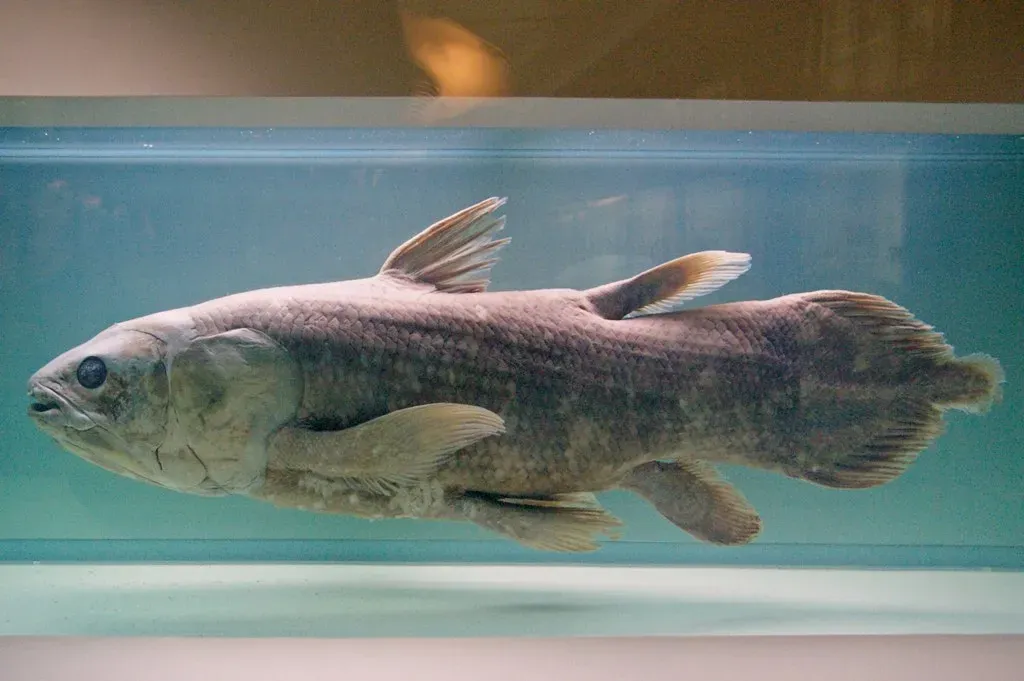
Scientists once used the coelacanth as their go-to symbol for extinction, the textbook example of a lineage gone for good. Then, in 1938, a South African fishing trawler hauled up something that shouldn’t have existed: a strange, heavy-scaled fish matching a lineage dated to roughly 66 million years earlier.
A fish thought to have been extinct for about 66 million years turned out to be swimming off the coast of Africa the whole time.
I would not have been more surprised if I had seen a dinosaur walking down the street.
J.L.B. Smith, the ichthyologist who confirmed the coelacanth’s identity
What makes this so embarrassing isn’t just that the fish survived – it’s how confidently everyone had insisted otherwise. Paleontologists used its “extinction” to date rock layers. Biologists cited it in lectures on mass die-offs. The rediscovery forced an uncomfortable admission: the deep ocean is basically a Lazarus-species factory, full of hiding spots we’ve never actually searched.
#10 – The Takahe: New Zealand’s Walking Proof That Extinction Labels Can Be Lazy
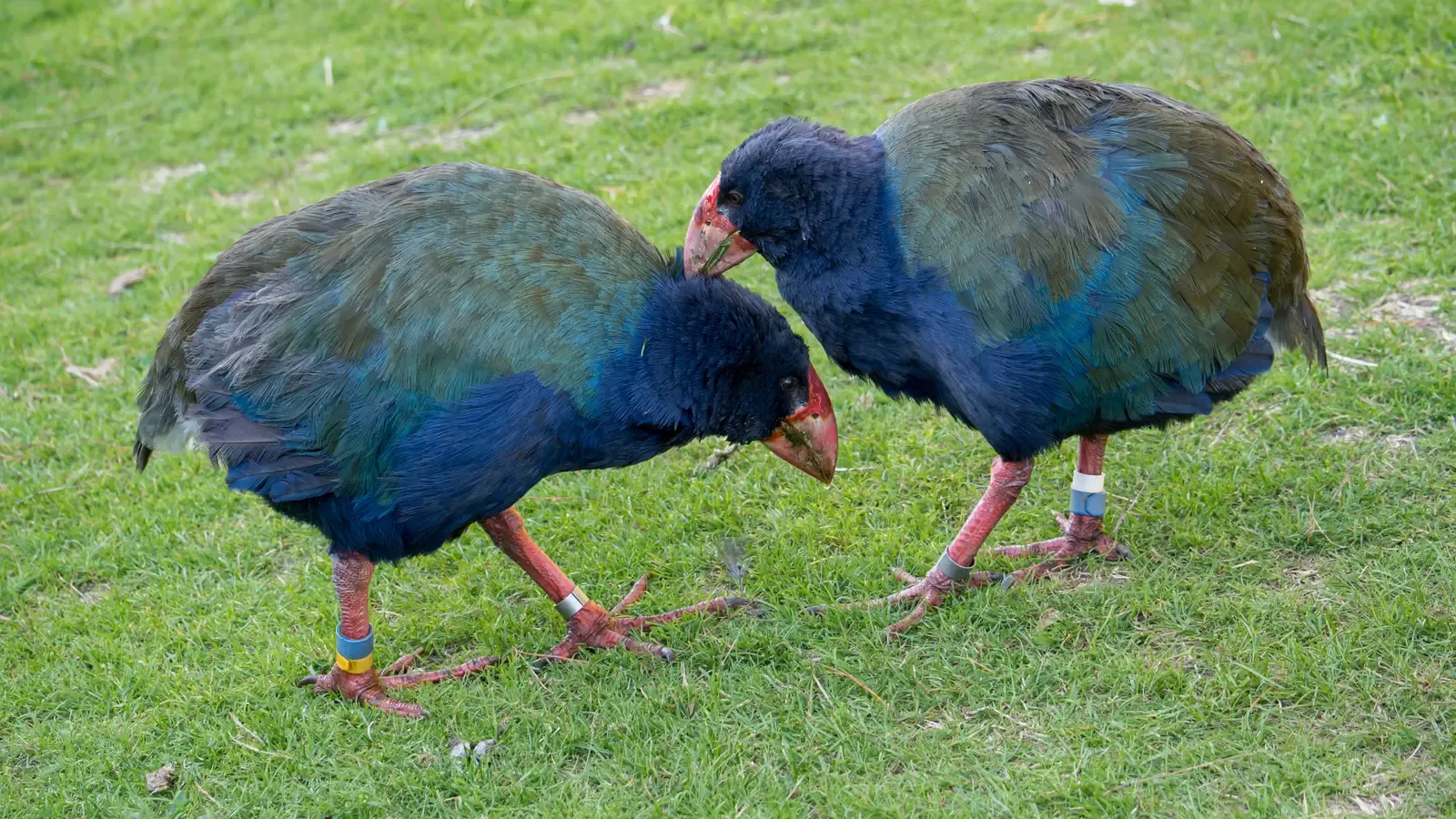
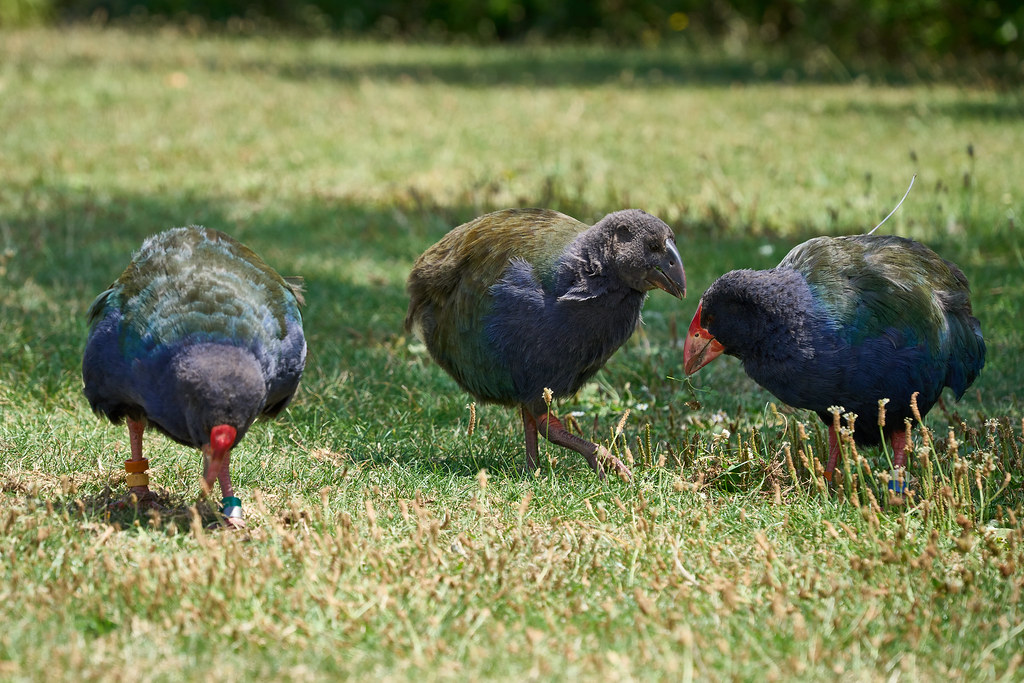
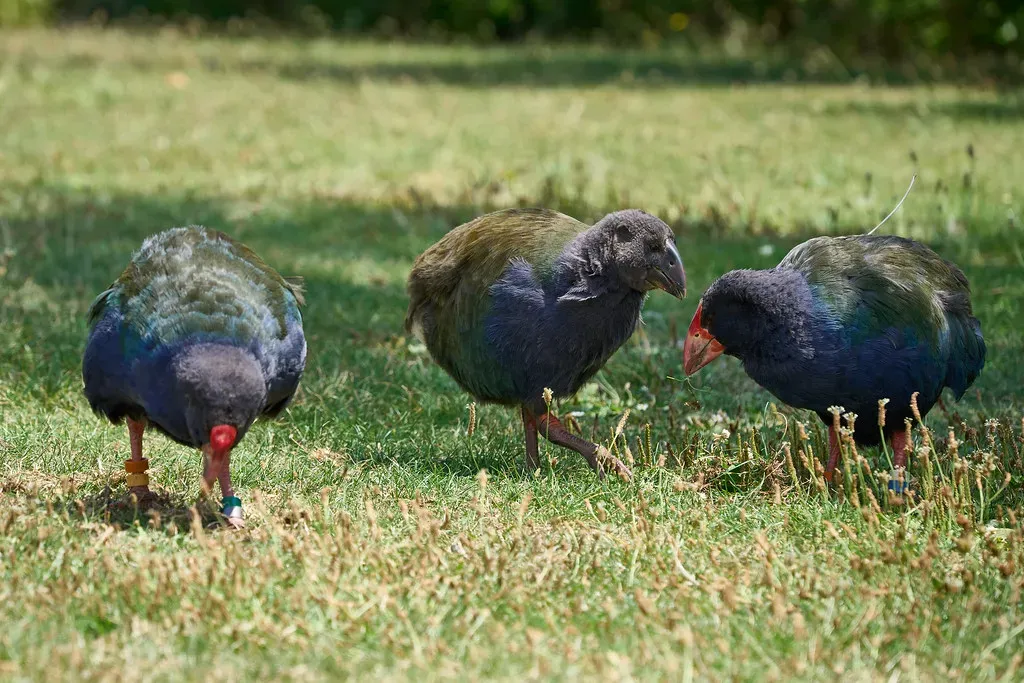
For decades, New Zealand schoolkids learned the same tidy, sad story: the flightless takahe was wiped out in the 1800s by hunting and invasive predators. It checked every box for an easy extinction – rare, ground-dwelling, slow, and simple to catch. By the early 1900s, it was quietly written off.
Then in 1948, a government ranger pushing into a remote Fiordland valley stumbled onto something nobody expected: a small, thriving population, alive and well.
An “extinct” bird had been hiding in plain sight, less than 200 km from major towns.
Researchers now treat the takahe as a case study in giving up too soon. It wasn’t gone – it was just living in brutal, roadless terrain nobody had bothered to search. Modern conservationists point to this bird whenever someone argues that “absence of evidence” is good enough, especially for shy, long-lived species that simply don’t show up where humans expect them to.
#9 – The Lord Howe Island Stick Insect: The “Tree Lobster” That Survived on a Cliff
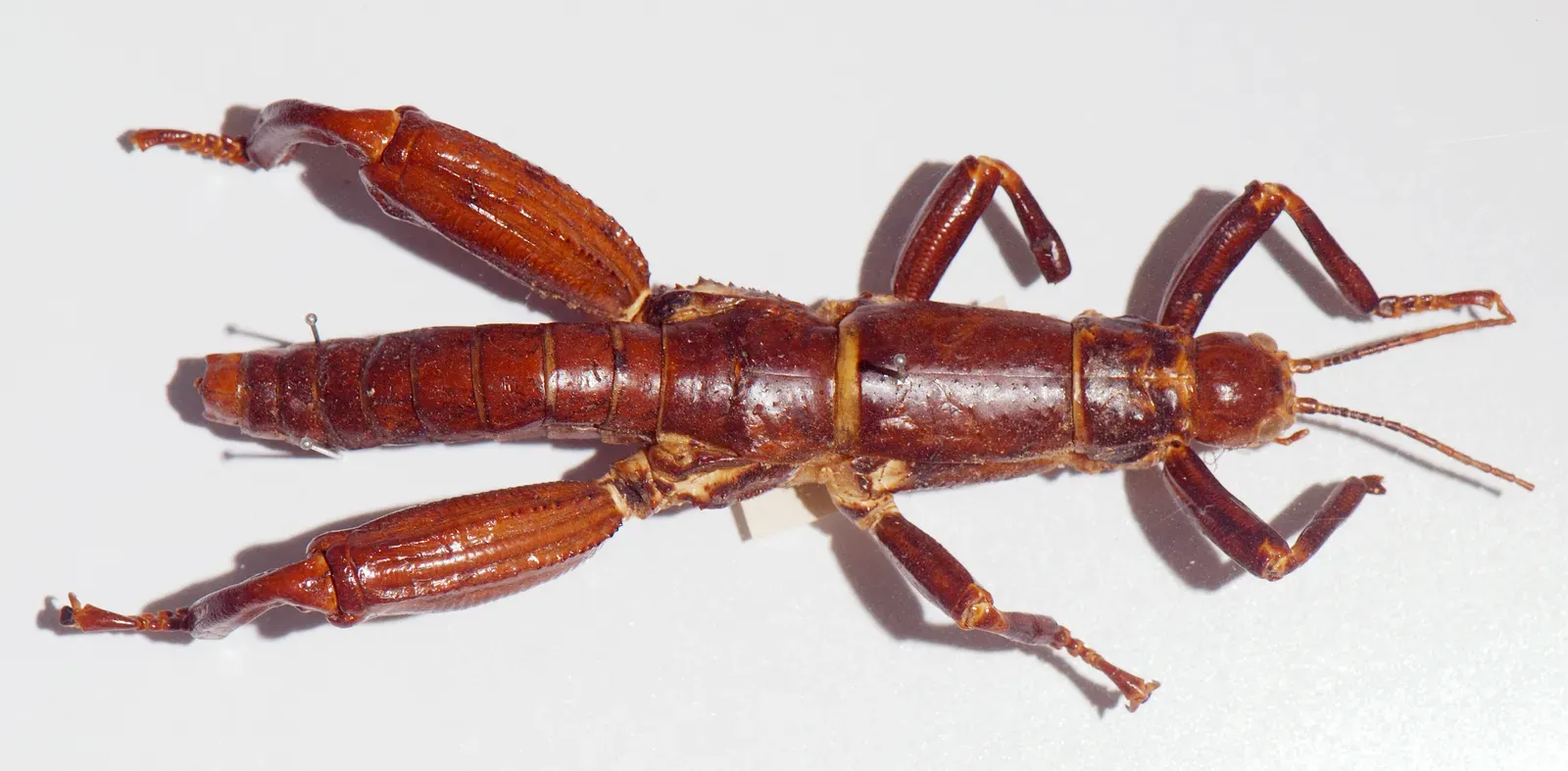
In the 1920s, a shipwreck dumped rats onto Lord Howe Island, and biologists assumed one of the first casualties was a chunky, palm-climbing insect locals nicknamed the “tree lobster.” By the 1930s, it was officially declared gone, and for decades it became a textbook morality tale about invasive species.
Then climbers scaling a bare volcanic sea stack called Ball’s Pyramid, roughly 20 miles away, found fresh droppings – and eventually a tiny population clinging to a single shrub on an otherwise lifeless cliff face.
A species declared extinct for 80 years had quietly survived on a knife-edge of rock.
Fast Facts
- Scientifically known as Dryococelus australis, nicknamed the “land lobster.”
- The insect vanished after the steamer Makambo ran aground in 1918, letting black rats reach shore.
- Rediscovered in 2001 on Ball’s Pyramid, a sea stack roughly 23 km from Lord Howe Island.
- Only about two dozen individuals were found, all clustered under one lone shrub.
- A 2017 genomic study confirmed the survivors were genetically almost identical to historic museum specimens.
This one genuinely rattled entomologists. If a six-inch insect can hide on a bare sea stack and fool the entire scientific world, what else is getting missed? Researchers now approach any “extinction” based on shallow island surveys with real skepticism, and field biologists increasingly talk about “cryptic persistence” instead of assuming a species is simply gone.
#8 – The Night Parrot: Australia’s Bird That Became a Scientific Urban Legend
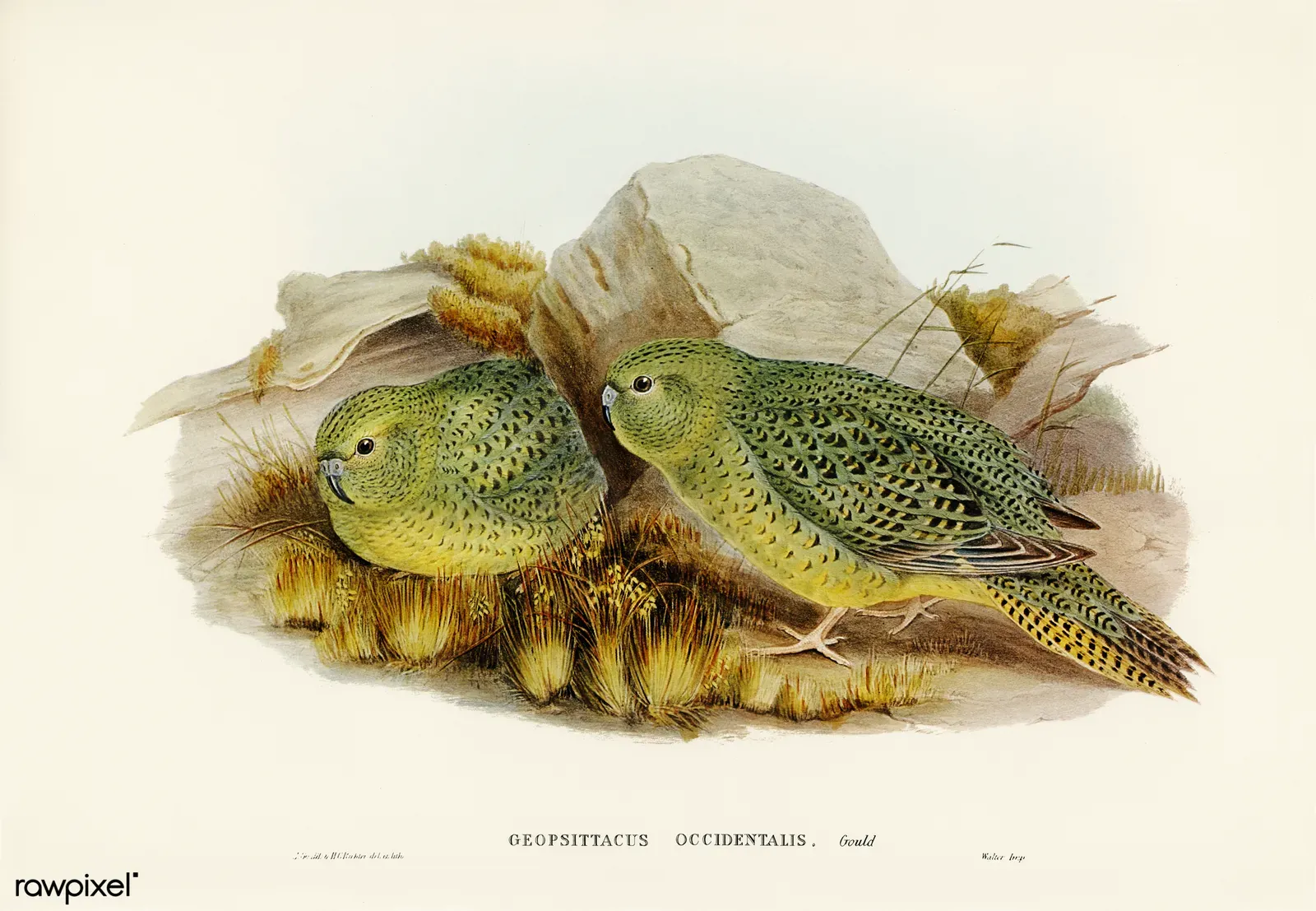
For over a century, the night parrot was barely more than a rumor. Last formally collected in the late 1800s and occasionally whispered about by outback workers, it became one of the world’s most confidently “extinct” birds. Ornithologists moved on and stopped looking.
Then in 2013, an Australian naturalist produced photographs and a specimen, and researchers soon confirmed living birds tucked into remote spinifex grasslands.
A parrot that had gone unseen by science for more than 100 years was suddenly back on the books.
The night parrot’s return changed how scientists talk about “unseen” species. It’s nocturnal, hyper-secretive, and lives in country so harsh that even seasoned field biologists rarely cross it. It taught researchers that some animals aren’t just rare – they’re behaviorally built to avoid us, which makes any daylight, trail-based survey close to useless.
#7 – The Cuban Solenodon: The Venomous Mammal That Slipped Through History
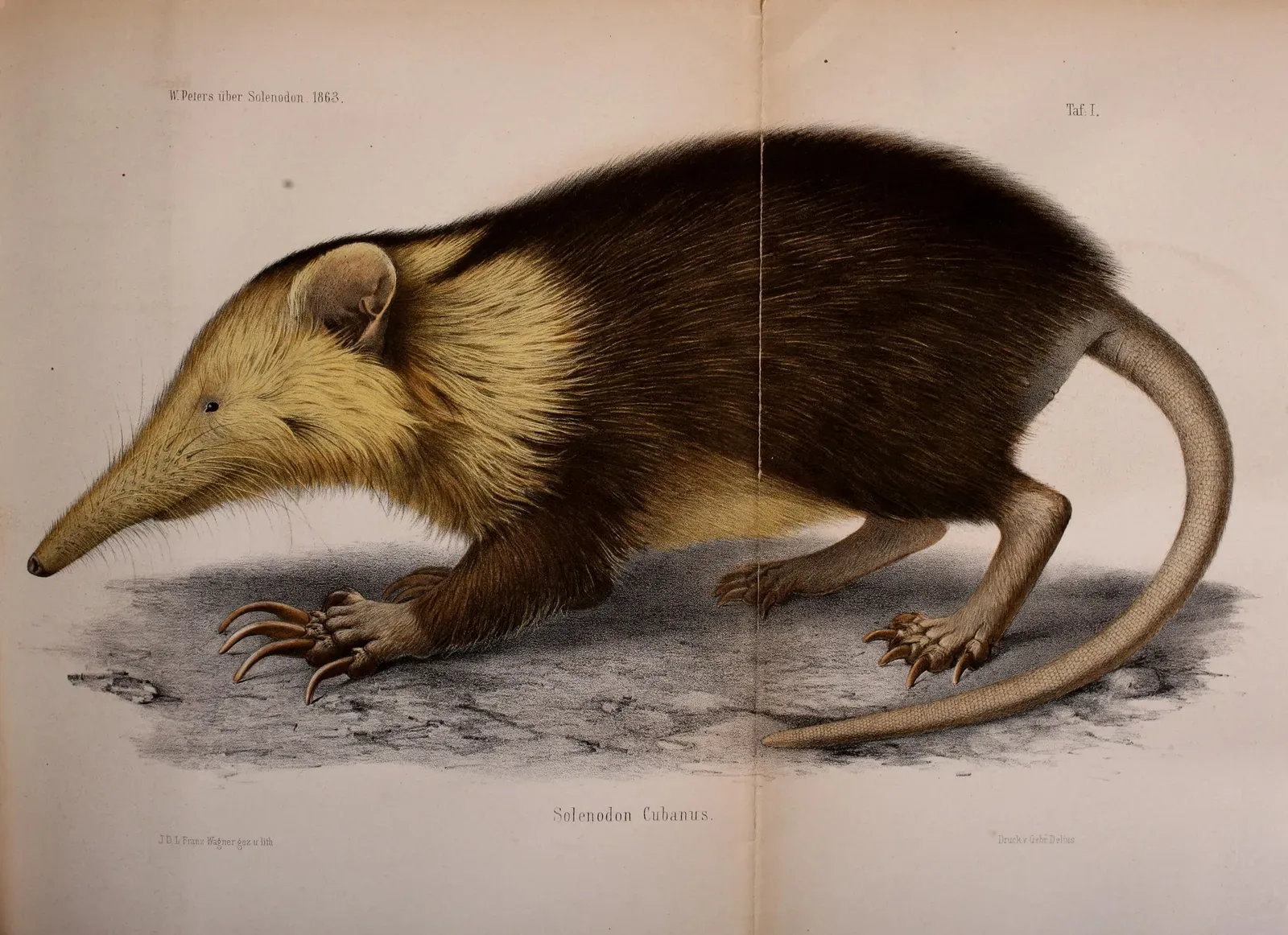
The Cuban solenodon looks like a shrew assembled by committee – long twitchy snout, awkward gait, and, for extra weirdness, venomous saliva. By the mid-20th century, after heavy habitat loss and introduced predators, most researchers quietly assumed it had joined the long list of vanished Caribbean mammals. Confirmed sightings dried up for years at a stretch.
Then sporadic captures in the 1970s and again in the 2000s proved something startling: the animal had never actually left.
A supposedly extinct venomous mammal had been padding around Cuban forests the entire time.
Mammalogists now treat the solenodon as a warning label. It’s nocturnal, secretive, and lives in rough terrain – exactly the profile of a species that vanishes from surveys without actually dying out. Modern teams now lean on camera traps, scent lures, and trained detection dogs instead of trusting decades-old absence data, because if this animal can survive political upheaval and deforestation unnoticed, plenty of other obscure mammals probably can too.
#6 – The Chacoan Peccary: A “Fossil” Pig-Like Animal Found Alive in Paraguay
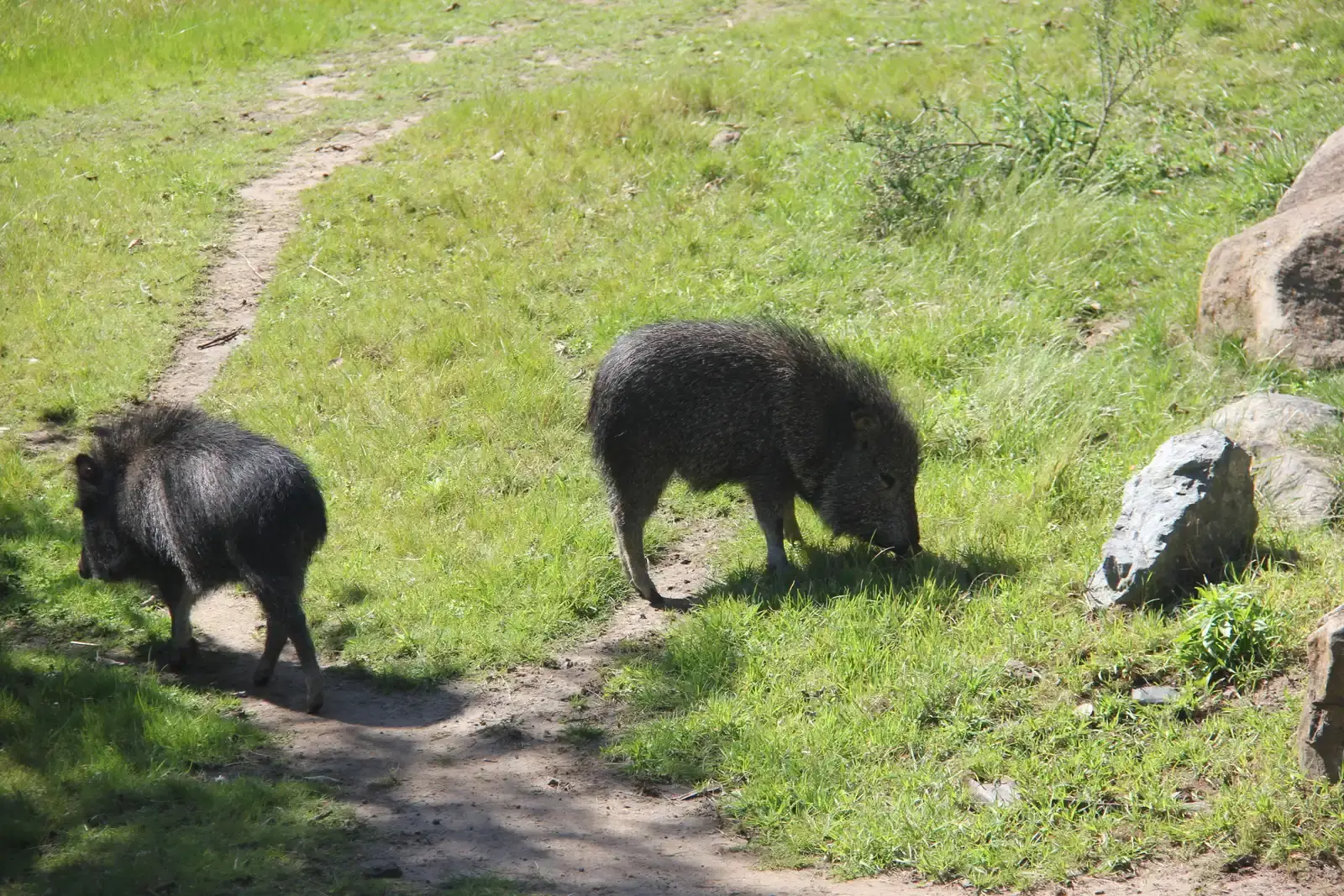
For years, the Chacoan peccary existed only as bones in museum drawers. Paleontologists confidently described it as an extinct species known purely from the fossil record – until biologists working in Paraguay’s Gran Chaco region in the 1970s ran into something awkward.
Local Indigenous communities casually pointed them toward a living, breathing herd of the exact same animal, one they had never stopped hunting.
An “extinct fossil” turned out to be a still-living species that locals had never stopped hunting.
Worth Knowing
- The Chacoan peccary was first described in 1930 based on fossils and was originally thought to be an extinct species.
- In 1971, the animal was discovered to still be alive in the Chaco region, in the Argentine province of Salta.
- Zoologist Ralph Wetzel confirmed the discovery, publishing the findings under the memorable title “Catagonus, an ‘extinct’ peccary, alive in Paraguay.”
- The species was well known to the native people, but it took a while for Western scientists to acknowledge its existence.
- It’s now classified as Endangered, with a global population estimated at only a few thousand.
This discovery exposed a real bias in Western science: researchers had trusted dead bones over living local knowledge for decades. Today, conservation biologists cite the Chacoan peccary as proof that extinction claims made without listening to local communities are often incomplete at best, arrogant at worst – and many now build that local knowledge directly into formal extinction assessments.
#5 – The La Palma Giant Lizard: A “Medieval Memory” That Turned Out to Be Real
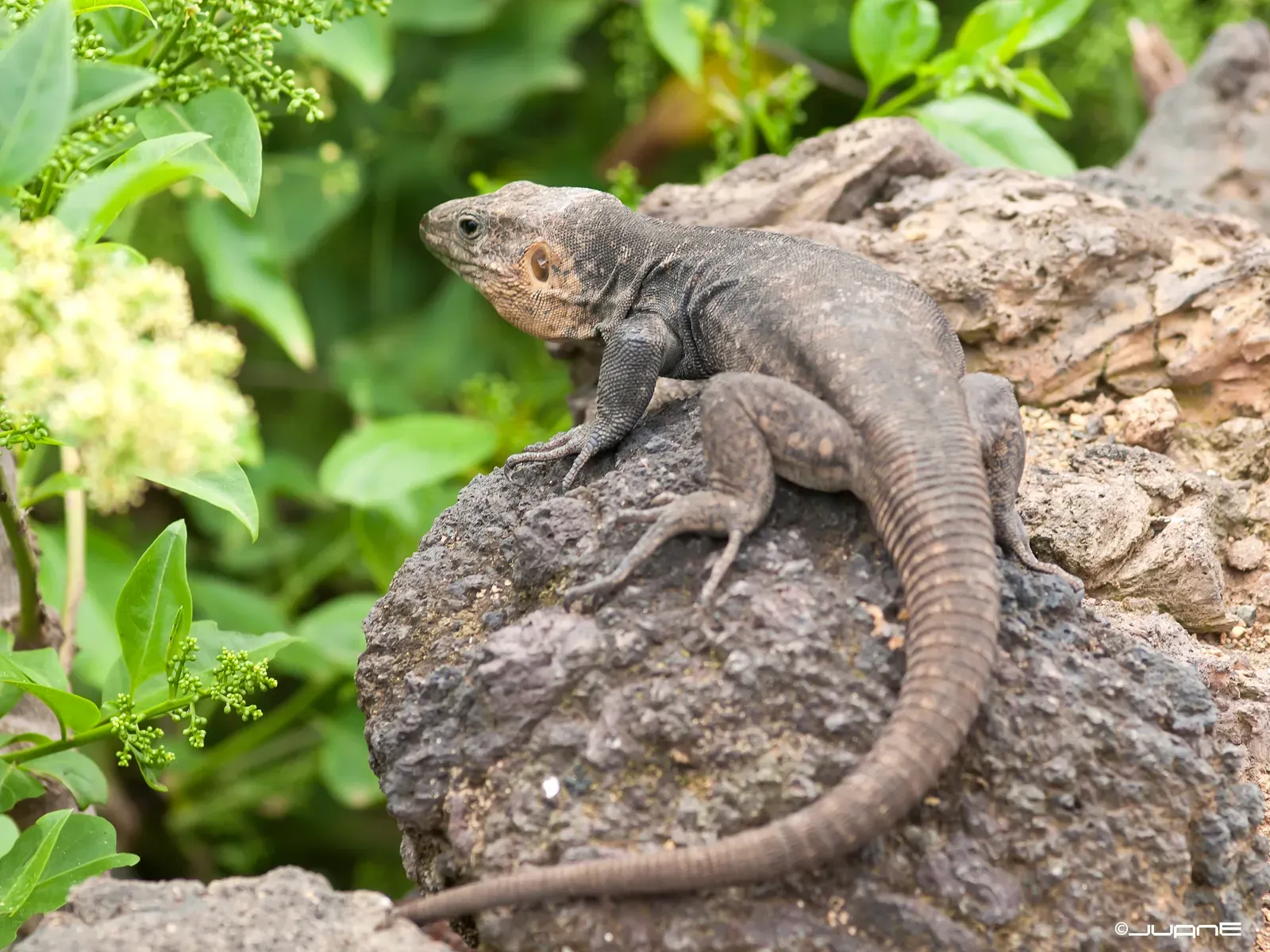
For decades, the La Palma giant lizard was closer to legend than animal. Old accounts described huge lizards roaming the Canary Islands, but by the 20th century, scientists considered them long gone, likely wiped out by cats, rats, and human settlement.
Then, in the early 2000s, researchers found a small surviving population clinging to coastal cliffs on La Palma – real, breeding, and very much alive.
A reptile written off based on assumptions and old tales turned out to be clinging to life on a few rock ledges.
Herpetologists now use this case to argue that “extinct” island reptiles are too often victims of lazy surveying. These lizards bask in the open sometimes, sure, but they also retreat into near-inaccessible crevices and steep slopes that standard fieldwork routinely skips. Some experts now believe multiple island reptile “extinctions” were really just research blind spots, not biological reality.
#4 – The Terror Skink: A Predator Lizard That Reappeared After 130 Years
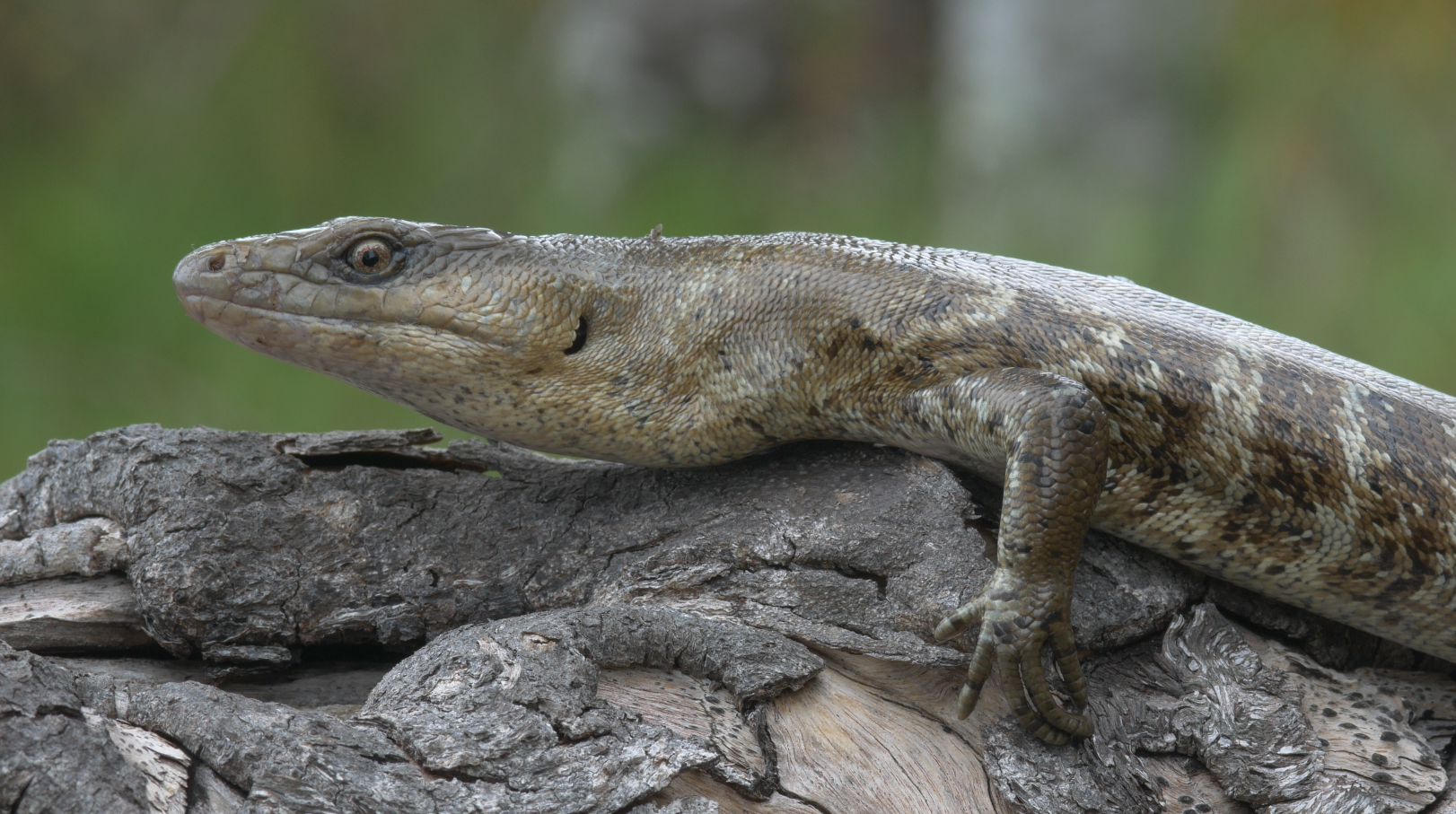
New Caledonia’s so-called “terror skink” was first described in the 19th century and then promptly vanished from the scientific radar – no new specimens, no sightings, nothing. Many herpetologists quietly assumed it had gone extinct before science had even finished understanding it.
Then, over a century later, researchers surveying remote islets rediscovered it alive, specialized, and clearly a top predator in its tiny corner of the world.
A carnivorous lizard missing for about 130 years had simply been confined to scraps of habitat nobody bothered to search properly.
This case both infuriated and energized field biologists. It proved that even large, charismatic reptiles can slip through our monitoring systems for generations. The terror skink’s story now feeds a deeper skepticism about any extinction call based on old, sparse data from hyper-fragmented islands, and some researchers now push for systematic re-searching of these micro-habitats simply because history keeps proving the old assumptions wrong.
#3 – The Aldabra Rail: The Bird That Basically Evolved Back From the Dead
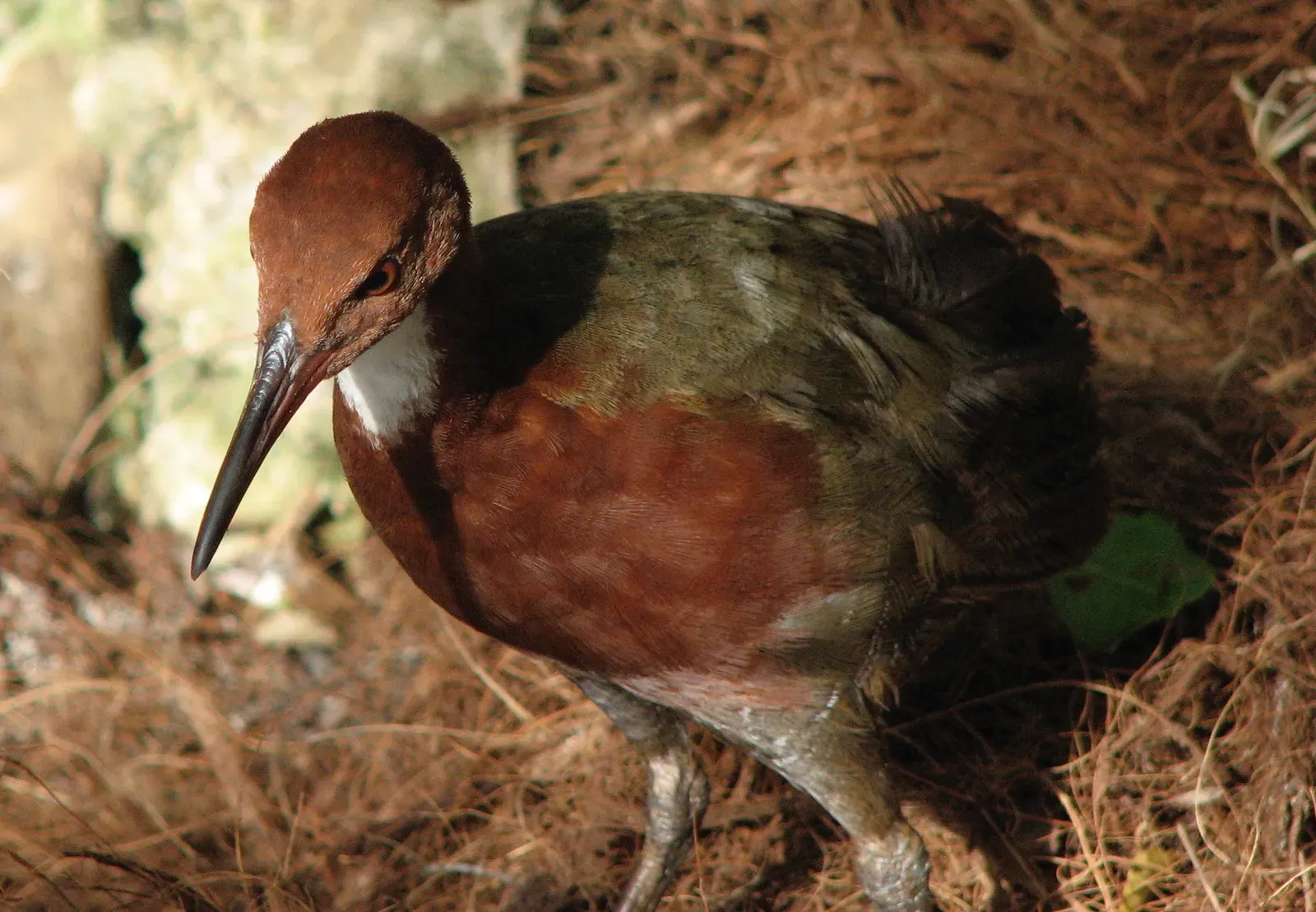
Here’s where things get genuinely strange, even for scientists. The Aldabra rail, a flightless bird on the Indian Ocean’s Aldabra Atoll, went extinct at least once when rising seas drowned its home – fossils clearly confirm the original population died out completely.
But later, flighted rails from elsewhere recolonized the atoll, and over generations, natural selection nudged them back toward flightlessness – producing a bird nearly identical to the one that vanished.
Genetic lineages died out, yet evolution “re-created” almost the same bird in the same place.
Quick Compare
- Genetic extinction: The original DNA lineage is gone forever – no descendants carry it forward.
- Ecological persistence: The same niche, appearance, and behavior return through a new, unrelated population.
- The Aldabra rail case: Technically extinct once, functionally identical today – and scientists still argue over which label matters more.
Some researchers call this a technicality: the original rail did go extinct, full stop. Others argue that in every practical sense – ecology, appearance, behavior – the animal never really left. The debate has quietly reshaped how extinction gets framed: is it about DNA continuity, or about the role a species fills in its ecosystem? Either way, it’s made a lot of scientists more cautious about calling any island specialist “forever gone.”
#2 – The Ivory-Billed Woodpecker: The Ghost Bird That Refuses to Leave the Debate
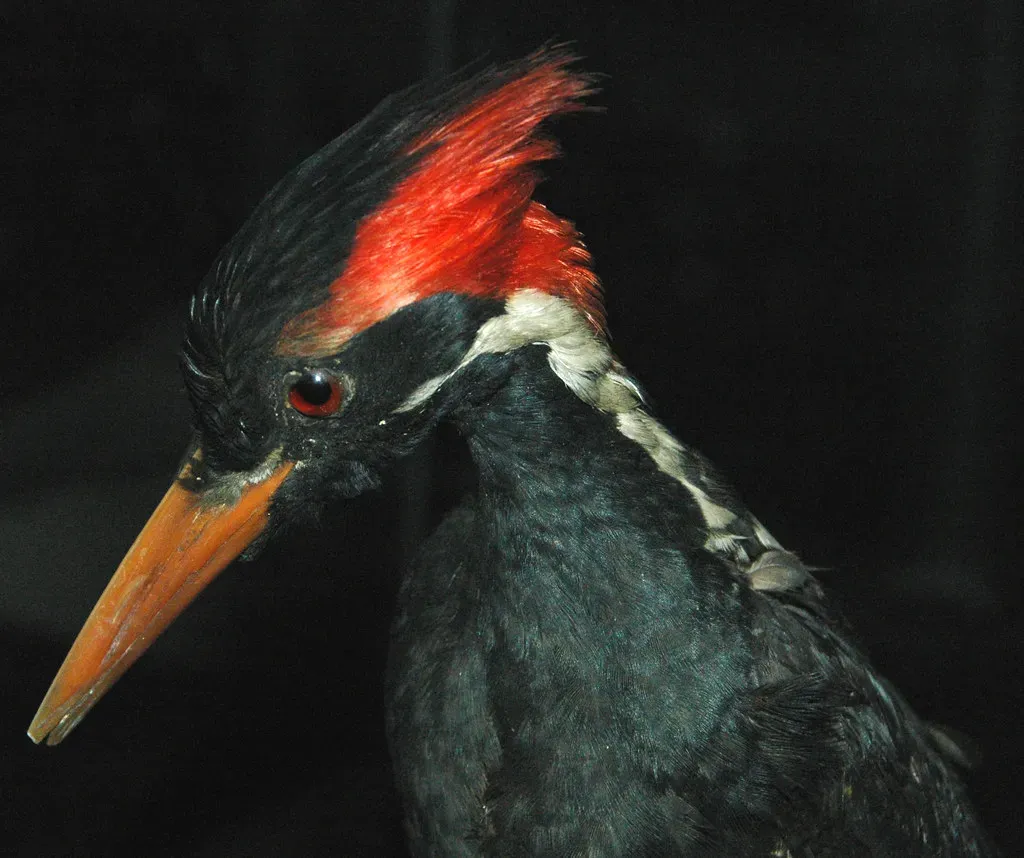
Bring up the ivory-billed woodpecker at an ornithology conference and watch the room split. Many authorities consider it extinct, or at best functionally gone, with the last widely accepted sightings dating back to the mid-20th century. And yet decades of alleged encounters, blurry footage, and acoustic recordings from remote Southern swamps keep the case open.
A handful of dedicated researchers and amateurs insist the bird is still out there, and a few recent studies have taken that possibility seriously enough to investigate it properly.
Some researchers and dedicated amateurs insist the bird is still out there, and a few recent studies have seriously entertained that possibility.
Unlike most rediscovered species, this one hasn’t gotten a clean, triumphant second act – and that’s exactly why it matters. The debate has forced scientists to sit with real uncertainty instead of a tidy answer: not “definitely extinct” or “definitely alive,” but somewhere on a spectrum that includes “probably hanging on at ultra-low numbers.” Enough field biologists still quietly keep it on their personal “maybe” list that the case refuses to close.
#1 – The Thylacine (Tasmanian Tiger): The Extinction Scientists Just Don’t Fully Trust
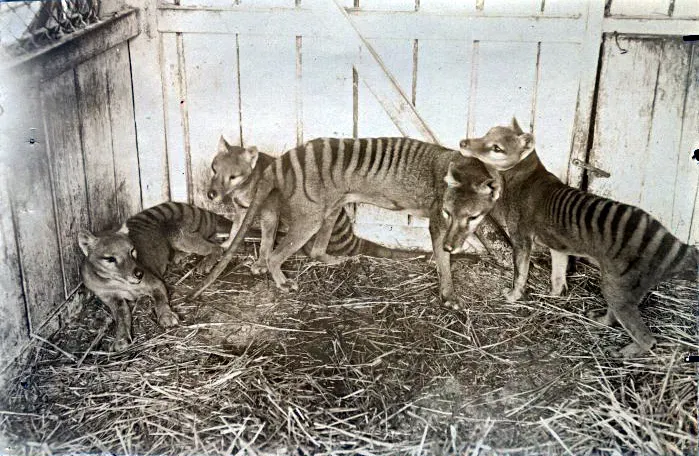
No animal exposes our discomfort with extinction quite like the thylacine. Officially, the last known individual died in a Hobart zoo in 1936, and governments, museums, and textbooks all treat that as the final word. And yet, for nearly a century, credible-enough sightings, grainy footage, and odd footprints have kept trickling in from Tasmania’s wild interior and even mainland Australia.
Enough reports have piled up that multiple research teams have actually run the numbers, modeling the statistical probability that the species persisted well past its official extinction date.
So many reports have stacked up that multiple research teams have modeled the probability the species persisted well past its official extinction date.
At a Glance
- The last captive Thylacine died in the Hobart Zoo on 7th September 1936, a date now marked as Threatened Species Day.
- Fifty years later, in 1986, the species was formally designated as Extinct by the International Union for the Conservation of Nature.
- Independent researchers have logged hundreds of alleged sightings across both Tasmania and mainland Australia since the 1930s.
- A 2021 statistical modeling study found sighting patterns consistent with survival decades beyond the official date.
Here’s the uncomfortable part: several peer-reviewed analyses suggest the thylacine may have survived into the late 20th century, possibly even the early 2000s, at very low numbers. That doesn’t mean one is alive today – but it does mean the death date we confidently teach in classrooms might be off by decades. Most experts still believe it’s truly gone, but very few will say so with total certainty anymore, and that crack in the confidence is exactly the point.
The Bottom Line
Line these cases up and a pattern jumps out fast: our extinction declarations have often said more about human limits – of access, imagination, and humility – than about what was actually happening in the wild.
Fish thought gone for 66 million years, birds missing for a century, “fossil” mammals alive in local memory the whole time – each one quietly undercuts the idea that scientists always know when a species has truly died out.
We’ve been wrong often enough that many researchers now treat extinction labels as provisional, especially for secretive, remote, or nocturnal animals. In my view, that’s not false hope – it’s overdue skepticism. If anything, these animals are a pretty clear signal that we should assume less, search harder, and stop trusting paperwork over the wild itself.
Did we miss an animal you’re convinced never really died out? Make your case in the comments.