
Most people assume “extinct” means gone for good – case closed, no more debate. But wildlife science has a dirty secret: dozens of animals declared extinct later turned up alive, sometimes decades or even centuries after their obituaries were written. Biologists have a name for this awkward moment: Lazarus species.
Sometimes it’s because the creature is genuinely elusive. Sometimes it’s because researchers stopped looking in the right places, or stopped looking at all. And sometimes, uncomfortably, it’s because funding, politics, and paperwork all wanted a tidy ending. Here are 21 extinctions that experts now believe were called far too early, and what each mistake reveals about how fragile, messy, and occasionally embarrassing conservation science really is.
#21 – Coelacanth: The “Living Fossil” That Refused to Stay Dead
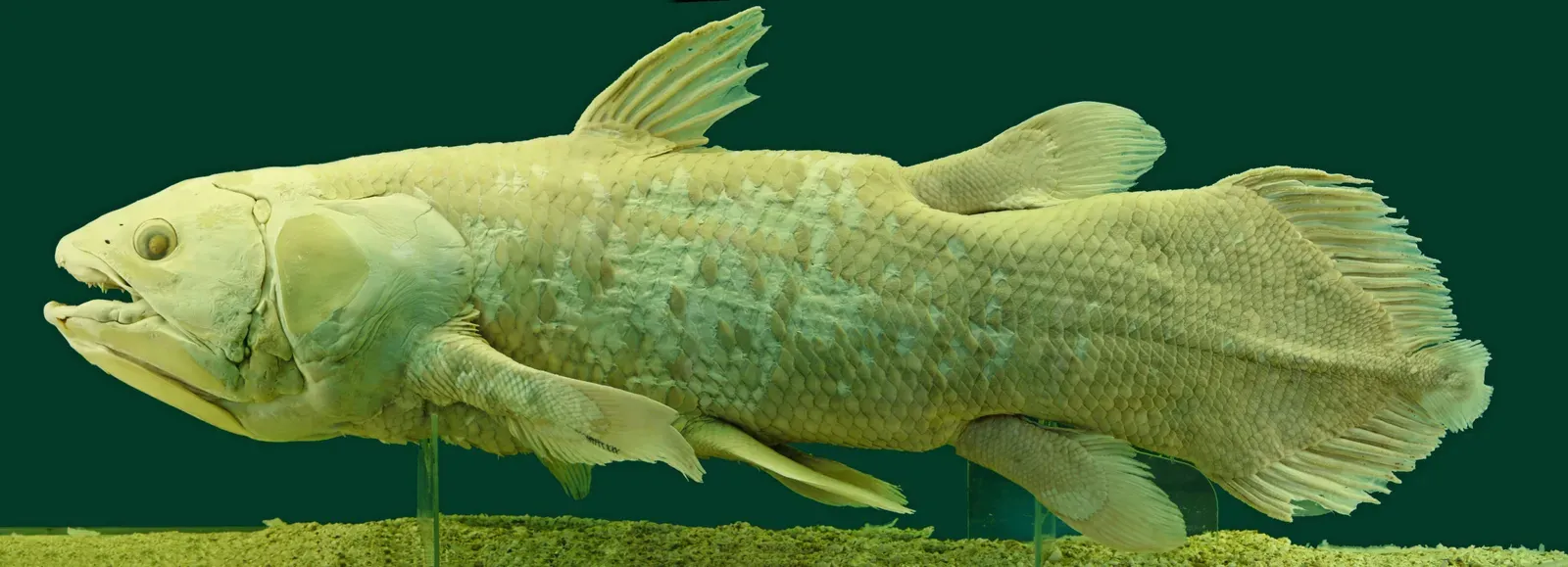
Everyone “knew” coelacanths vanished with the dinosaurs, right up until a fisherman hauled one out of the ocean in 1938. Textbooks had confidently listed the fish as extinct for 65 million years, known only from fossils in dusty museum drawers. Then a very real, very awkward five-foot fish showed up off the coast of South Africa, and scientists had to admit they’d been wrong for an almost absurd length of time.
I would not have been more surprised if I had seen a dinosaur walking down the street.
J.L.B. Smith, the ichthyologist who confirmed the coelacanth’s identity
Even more embarrassing, a second, genetically distinct species later turned up in Indonesia, meaning this “long-dead” lineage had been quietly surviving in deep reefs the entire time. The coelacanth exposed how shaky fossil-based extinction dates really are, and conservationists now treat it as a permanent warning: absence of evidence in deep or poorly studied habitats is not evidence of absence.
#20 – Lord Howe Island Stick Insect: “Extinct” on Paper, Alive in a Volcano
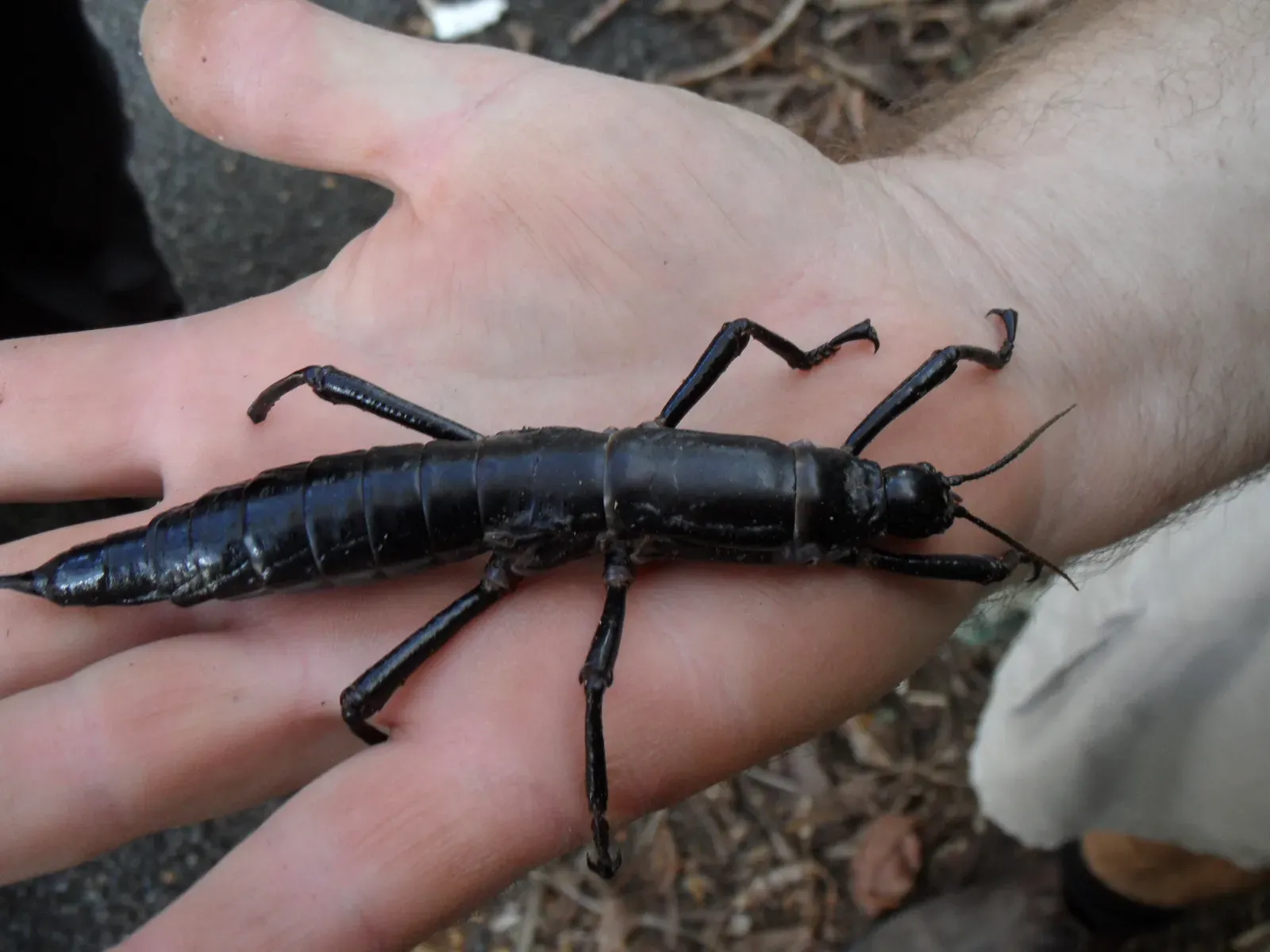
This oversized stick insect was declared extinct after rats overran Lord Howe Island in the early 1900s. For most of the twentieth century, biologists treated it as a classic island tragedy: invasive rats arrive, strange giant insect disappears, end of story. The only place you could “see” one was inside a museum drawer.
Then climbers on Balls Pyramid, a sharp volcanic spire jutting out of the Pacific, found suspiciously large insect droppings, and later, live individuals clinging to a single shrub. An entire species had survived on one bush-covered ledge, and scientists had not only assumed extinction, they’d stopped looking entirely. The rediscovery kicked off a captive breeding program that now supports thousands of insects in managed colonies, proving that remote, vertical, “useless-looking” habitat can hide an entire lineage.
#19 – New Guinea Big-Eared Bat: Lost in Translation, Not in Nature
![#19 - New Guinea Big-Eared Bat: Lost in Translation, Not in Nature ([1], CC BY-SA 4.0)](https://nvmwebsites-budwg5g9avh3epea.z03.azurefd.net/dws/94f52cc9a3197bb7a5116373cd4a1928.webp)
Sometimes a species disappears on paper simply because nobody bothers to look up. The New Guinea big-eared bat was known from a handful of specimens before it essentially vanished from the record books. For decades it was treated as probably extinct, a casualty of logging and habitat loss.
Except New Guinea’s bat fauna is chronically understudied, and most surveys stuck to easy lowland sites. When researchers finally pushed into high-elevation forests with modern acoustic detectors, they picked up calls and morphology that matched the “lost” species closely. The bat wasn’t necessarily gone, our effort was, and that same limbo now applies to plenty of nocturnal, canopy-dwelling tropical mammals that are simply too hard to survey properly.
#18 – La Palma Giant Lizard: Written Off, Then Spotted Sunbathing
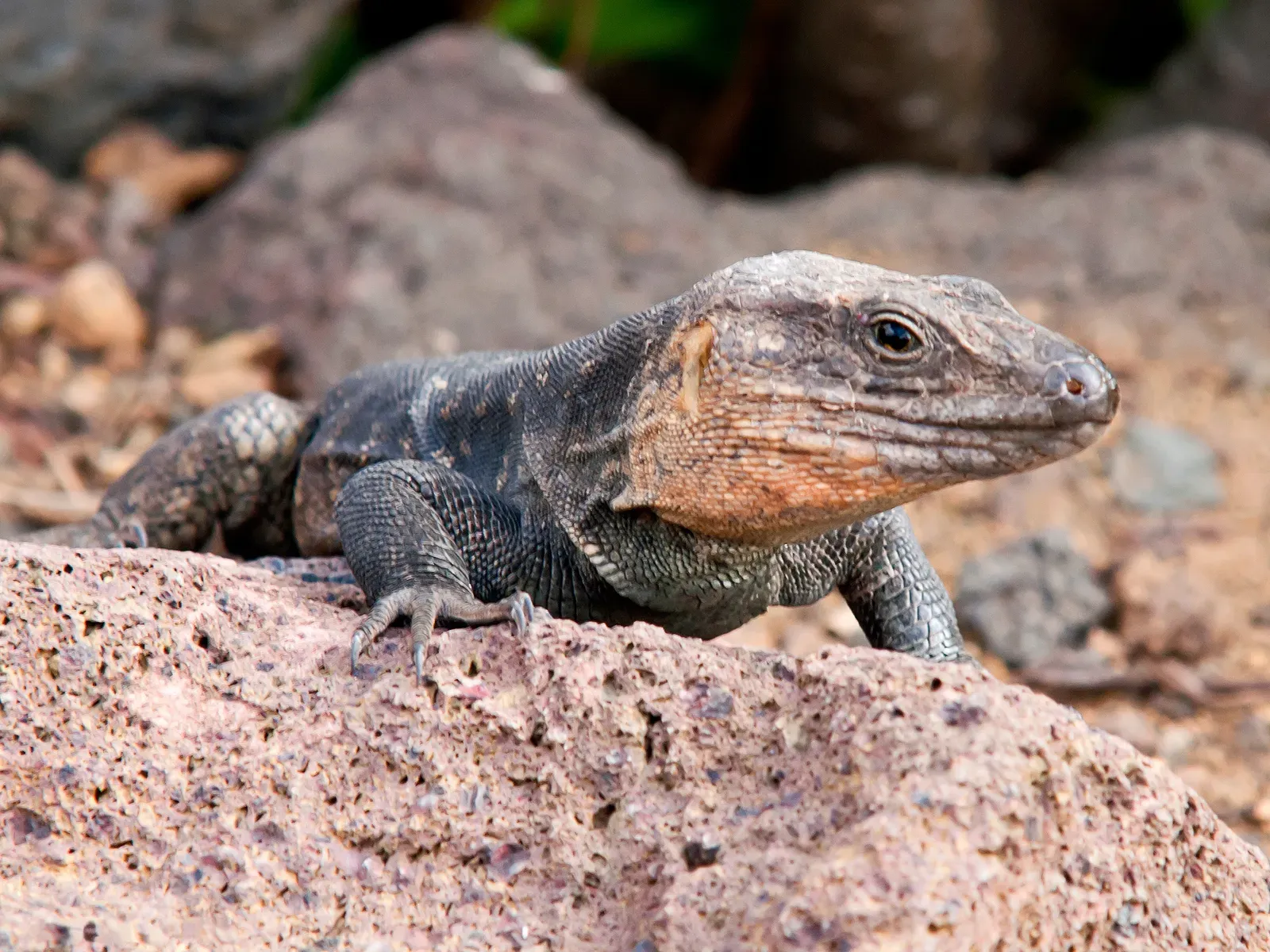
On Spain’s Canary Islands, giant lizards were considered a relic of the past until someone actually looked closely. The La Palma giant lizard was assumed extinct by the late twentieth century, known only through subfossils and scattered old reports. The story fit neatly: introduced cats and habitat change wipe out a slow, ground-dwelling reptile.
Then in the early 2000s, herpetologists and local residents started reporting suspiciously large lizards on remote cliffs, and surveys confirmed a remnant population hanging on in nearly inaccessible rocky terrain. What changed wasn’t the lizards, it was our willingness to search places that weren’t convenient. Scrambling along sheer volcanic escarpments is expensive and dangerous to justify to funding agencies, until someone proves there’s still something worth finding up there.
#17 – Bermuda Petrel (Cahow): A Ghost Bird That Never Really Left

Locals in Bermuda kept insisting they heard strange cries at night; scientists mostly shrugged it off. The Bermuda petrel, or cahow, was believed extinct since the 1600s, after sailors and introduced rats demolished its nesting colonies. For generations, natural history books cited it as an early textbook case of human-driven extinction.
Then, in the 1950s, a small expedition checked remote islets and cave-like burrows and found a handful of surviving pairs clinging to life in hidden crevices. The species had been “extinct” for over 300 years in the scientific imagination, even as islanders kept quietly reporting eerie offshore calls. The rediscovery triggered one of conservation’s most intensive recovery programs, including artificial burrows and predator control, and it’s now the flagship example of seabirds written off simply because their nesting sites are brutal to reach.
Fast Facts
- Presumed extinct: from around 1620 until 1951, roughly 300 years.
- Rediscovery: a 1951 expedition found just 18 surviving nesting pairs on tiny islets in Castle Harbour.
- Recovery milestone: the population finally topped 100 nesting pairs again by 2012, for the first time since the 1600s.
- Ongoing effort: chicks are still hand-relocated to restored Nonsuch Island to rebuild historic breeding grounds.
#16 – Night Parrot: Australia’s Most Famous “Dead” Bird
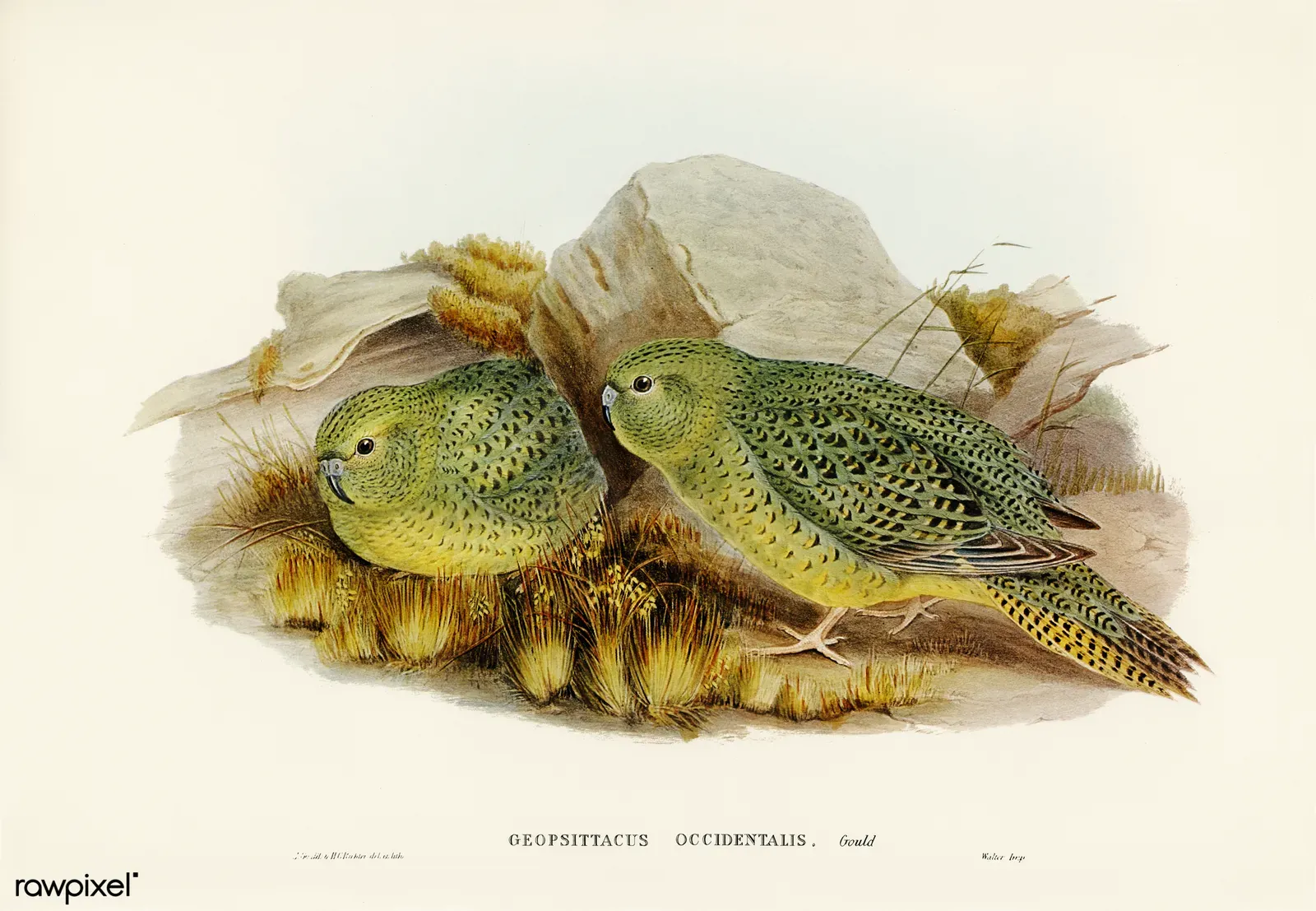
Australian ornithologists treated the night parrot like Bigfoot: legendary, maybe real, probably gone. Last definitively recorded in the nineteenth century, it became a national symbol of extinction after decades of fruitless outback searches.
Then scattered feathers turned up, a road-killed bird appeared, and eventually camera traps and acoustic recorders confirmed small, scattered populations still surviving in remote spinifex desert. Australia had spent millions on wildlife surveys, but often in the wrong places using daylight methods, while night parrots fly after dark across vast, empty-looking landscapes nobody actually monitors. The species is now at the center of heated fights over wind farms, mining, and grazing in deserts that clearly aren’t as empty as maps suggest.
#15 – Ivory-Billed Woodpecker: Extinct, Rediscovered, or Still in Limbo?
![#15 - Ivory-Billed Woodpecker: Extinct, Rediscovered, or Still in Limbo? (By Original photo by Arthur A. Allen, 1935 [1], watercolored by Jerry A. Payne, USDA-ARS, CC BY 3.0 us)](https://nvmwebsites-budwg5g9avh3epea.z03.azurefd.net/dws/c23d3ff721a3ffc3301591fdfb44de5e.webp)
If one bird shows how messy extinction calls can get, it’s this one. The ivory-billed woodpecker was labeled extinct after American forests were heavily logged. Then, in the early 2000s, grainy video and controversial sightings from southern swamps reignited claims that the species had survived.
To this day experts are split: some argue the recent encounters are real, others insist every clip is a misidentified pileated woodpecker. Agencies have proposed officially declaring the species extinct multiple times, even while field biologists insist the swampy habitat hasn’t been fully surveyed. It’s a painful example of how extinction listings can be politically convenient, and how the instant you stamp “extinct” on a species, the funding to keep looking almost always dries up.
#14 – Fernandina Giant Tortoise: A Century-Long Pause Between Sightings
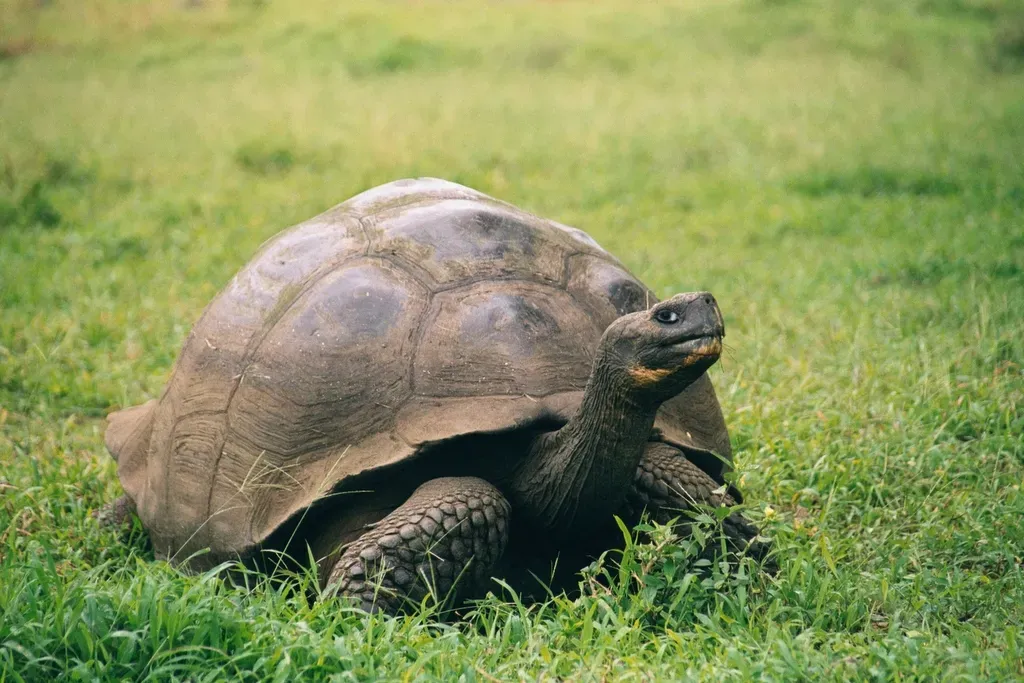
On Ecuador’s Fernandina Island, lava fields supposedly claimed the last of its tortoises. The species was known from a single specimen collected in 1906, and then nothing. Scientists declared it extinct, blaming brutal volcanic terrain and human impacts elsewhere in the Galápagos.
Then, in 2019, researchers found a living female tortoise hidden in dense vegetation among the lava, breaking more than a century of silence. Genetic testing confirmed she belonged to the supposedly lost species. Fernandina is hot, sharp, and miserable to traverse, so fieldwork stayed sporadic for generations; the tortoise didn’t “come back,” we finally bothered to look with satellite guidance and drones, a pattern conservationists now suspect applies to other lava-island and cliff-specialist species worldwide.
Worth Knowing
- The species had been known from a single male specimen collected in 1906, and nothing else, for over a century.
- A joint expedition by Galápagos park rangers and conservation groups found the female, nicknamed “Fernanda,” in 2019.
- Full genome sequencing, published in 2022, confirmed she shared a distinct lineage with the 1906 specimen.
- Despite repeated follow-up searches, no second living tortoise has been confirmed, so Fernanda may be the last of her kind.
#13 – New Zealand Storm Petrel: From Museum Drawers to Live Boat-Side Photos
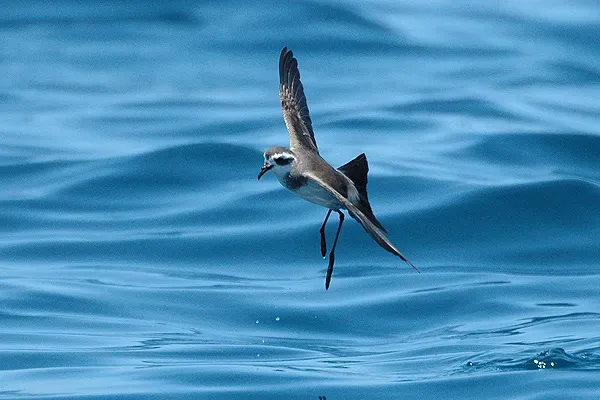
For years, this seabird was known only from old specimens nobody could match to living flocks. The New Zealand storm petrel was widely assumed extinct by the mid-twentieth century. Then birders on pelagic boat trips started photographing an odd little black-and-white petrel they simply couldn’t identify.
Careful comparison with museum skins revealed the punchline: the “extinct” species had been flying around tour boats the whole time. The bird spends most of its life far offshore and breeds on small, predator-free islands, so nobody had connected live sightings to historical specimens. Once photographers and citizen scientists forced the correction, researchers launched colony searches that eventually located its breeding sites, a rare case of amateurs beating the establishment to the truth.
#12 – Hula Painted Frog: A “Conservation Failure” That Wasn’t
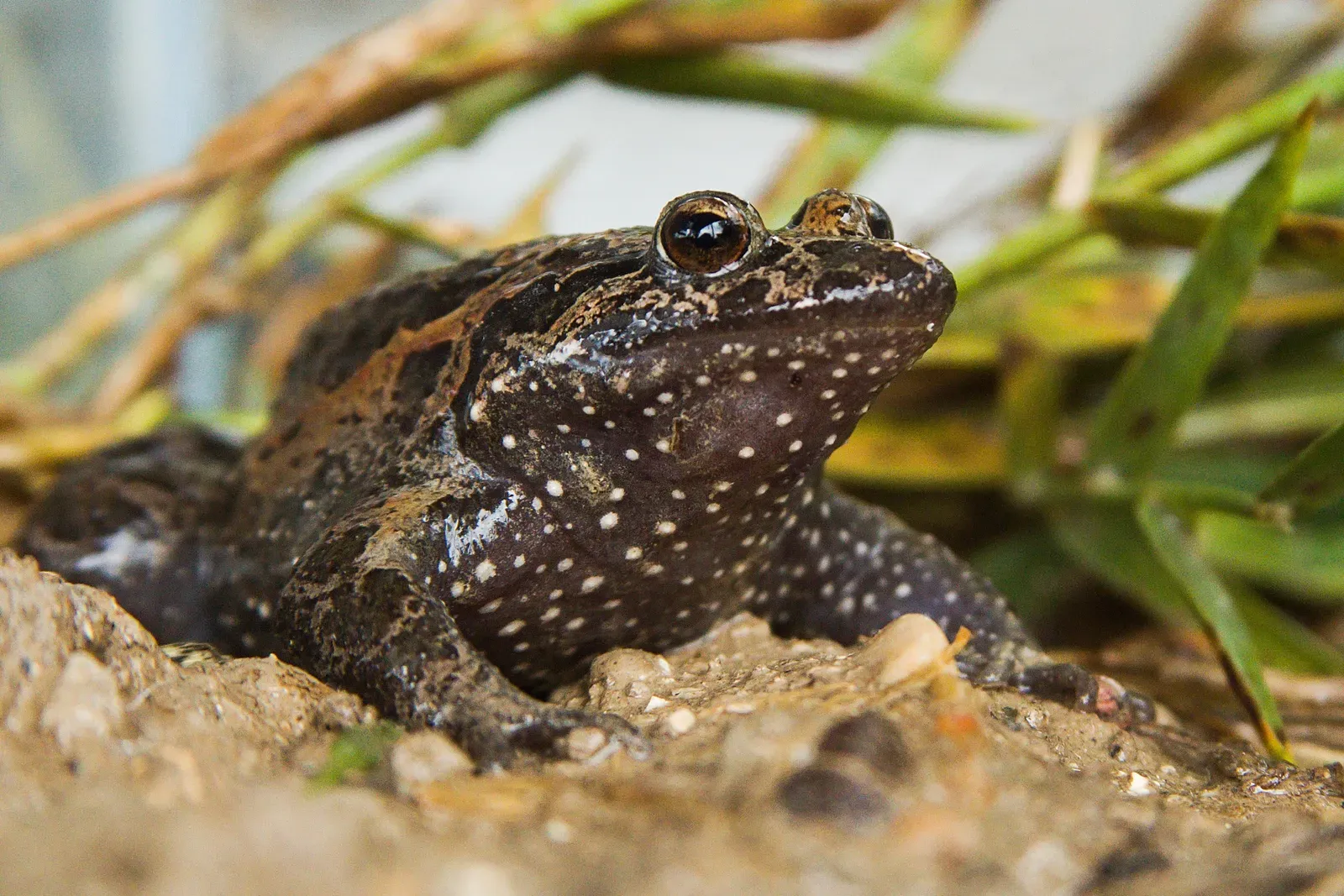
Israel’s Hula Valley was drained in the 1950s, and the local frog got blamed for the whole ecological disaster. The Hula painted frog was declared extinct once its wetland home became farmland, a textbook example of habitat destruction paraded in lectures for decades.
Then, in 2011, a park ranger spotted an unusual frog in a partially restored marsh, and further surveys revealed a small but real surviving population hiding in remnant wet patches everyone had overlooked. What stings is that this frog spent years as a symbol of “too little, too late” restoration, when in reality early rehabilitation of the Hula wetlands likely helped it hang on. Genetic work now suggests it may be the last representative of an ancient amphibian lineage, making the premature extinction call even harder to defend.
#11 – Takahe: Written Off as Gone, Then Found in the High Country
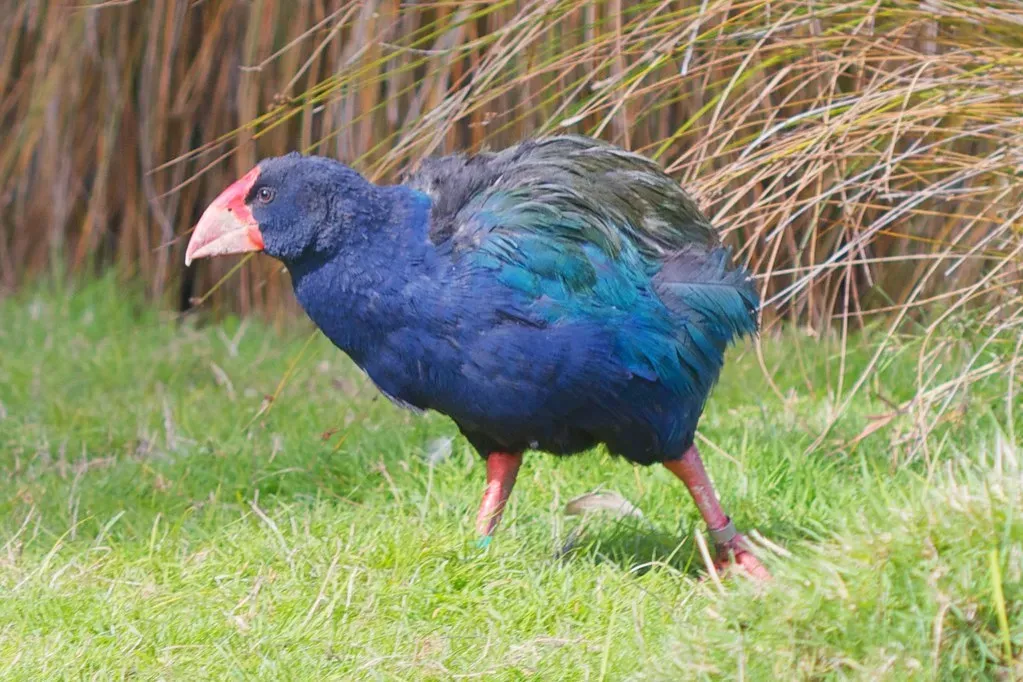
New Zealand’s flightless takahe looked like a conservation lost cause by the late 1800s. Relentless hunting and introduced predators wiped it from lowland wetlands, and by 1898 it was officially declared extinct.
Then in 1948, a doctor and his search team pushed into remote Fiordland valleys and found a remnant population living in tussock grasslands nobody had seriously surveyed. For half a century, policy treated the takahe as a finished story, and the rediscovery jolted New Zealand into launching one of the world’s earliest intensive recovery programs. It also exposed a bias: officials assumed that if a big, colorful bird wasn’t seen near settlements, it must be gone everywhere, when really it had simply retreated into harsher country to escape people.
#10 – Zapata Rail: The Bird Everyone Quietly Gave Up On
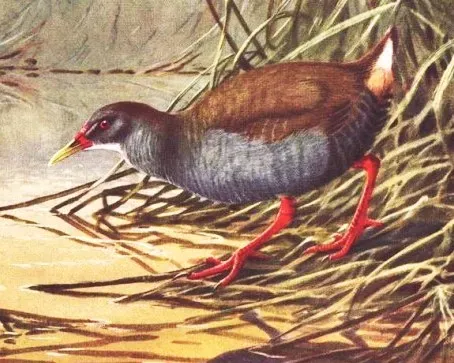
Cuba’s Zapata Swamp is massive, mosquito-ridden, and politically complicated to study. The Zapata rail, a secretive marsh bird, hadn’t been well documented in decades, and global checklists quietly shifted it toward “possibly extinct.” Some authors described it as effectively gone.
Yet intermittent local reports and unconfirmed calls kept suggesting otherwise, and recent targeted surveys using playback calls and drones produced strong evidence that a small, extremely elusive population still survives in inaccessible marsh cores. What’s striking is how many international assessments were ready to write it off mainly because foreign teams hadn’t personally seen it, while local ornithologists insisted the bird persisted the entire time. It’s a recurring pattern: species in politically or logistically difficult regions get written off early by outsiders, even when on-the-ground experts are urging caution.
#9 – Javan Elephant: Genetic Ghosts Hiding in Captivity
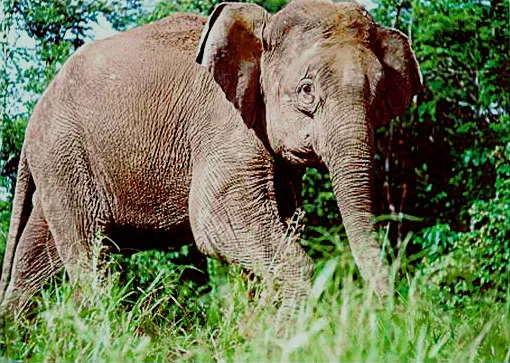
Sometimes extinction gets declared before we even understand what we lost. Historical records of small Asian elephants on Java faded under colonial hunting and habitat loss, and the population was long considered extinct outright.
Then genetic analyses of captive Sumatran elephants suggested some bloodlines might trace back to Javan stock exported centuries ago, blurring the line between extinction and survival in captivity. This doesn’t mean wild Javan elephants still roam the island, but it does show how confidently scientists can close the book on a population while its genes quietly live on in misidentified animals across borders. Critics argue we still under-describe local subspecies, then announce clean extinctions for “units” we never properly defined in the first place.
#8 – Crested Gecko: A Pet Store Staple That Was Once “Gone Forever”
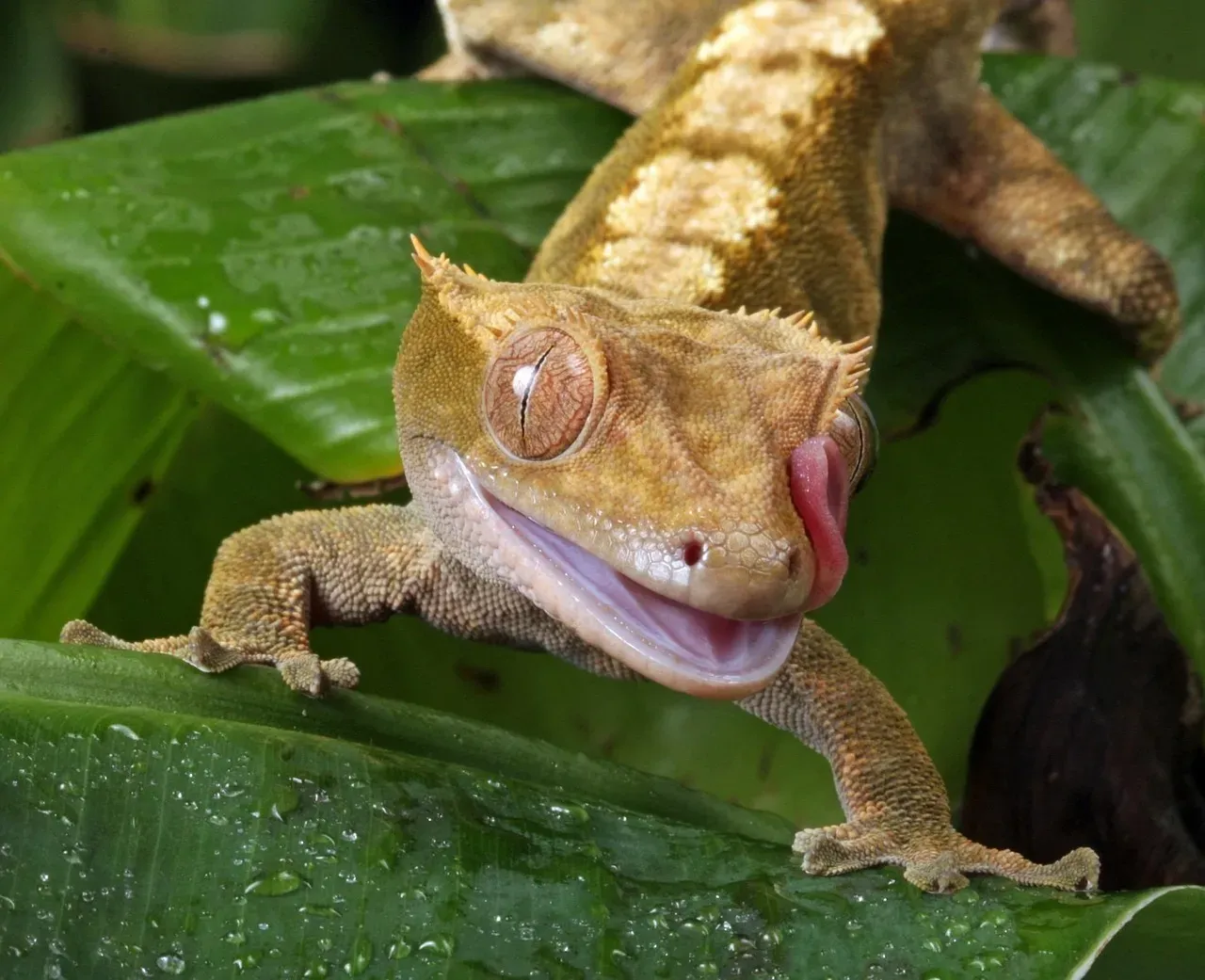
Most people buying a crested gecko today have no idea it used to be considered extinct. Native to New Caledonia, this lizard vanished from scientific records for decades and was presumed lost to habitat destruction and invasive predators.
Then, after a tropical storm in the 1990s, herpetologists surveying the forests found healthy populations of the supposedly lost gecko hiding in rugged terrain. Within a couple of decades, the species went from “extinct” to one of the most common reptiles in the global pet trade, a whiplash that highlights how badly a premature label can misjudge a species’ actual resilience. Some conservationists now argue the original extinction talk said more about a lack of survey effort than about the gecko’s real status.
Quick Compare
- Before 1994: presumed extinct for over a century, known from just 16 museum specimens.
- 1994: rediscovered on the Isle of Pines after a tropical cyclone flushed geckos into the open.
- Today: one of the most widely kept pet reptiles on Earth, bred by the thousands in captivity.
#7 – Pygmy Tarsier: The Tiny Primate Rediscovered in a Rat Trap
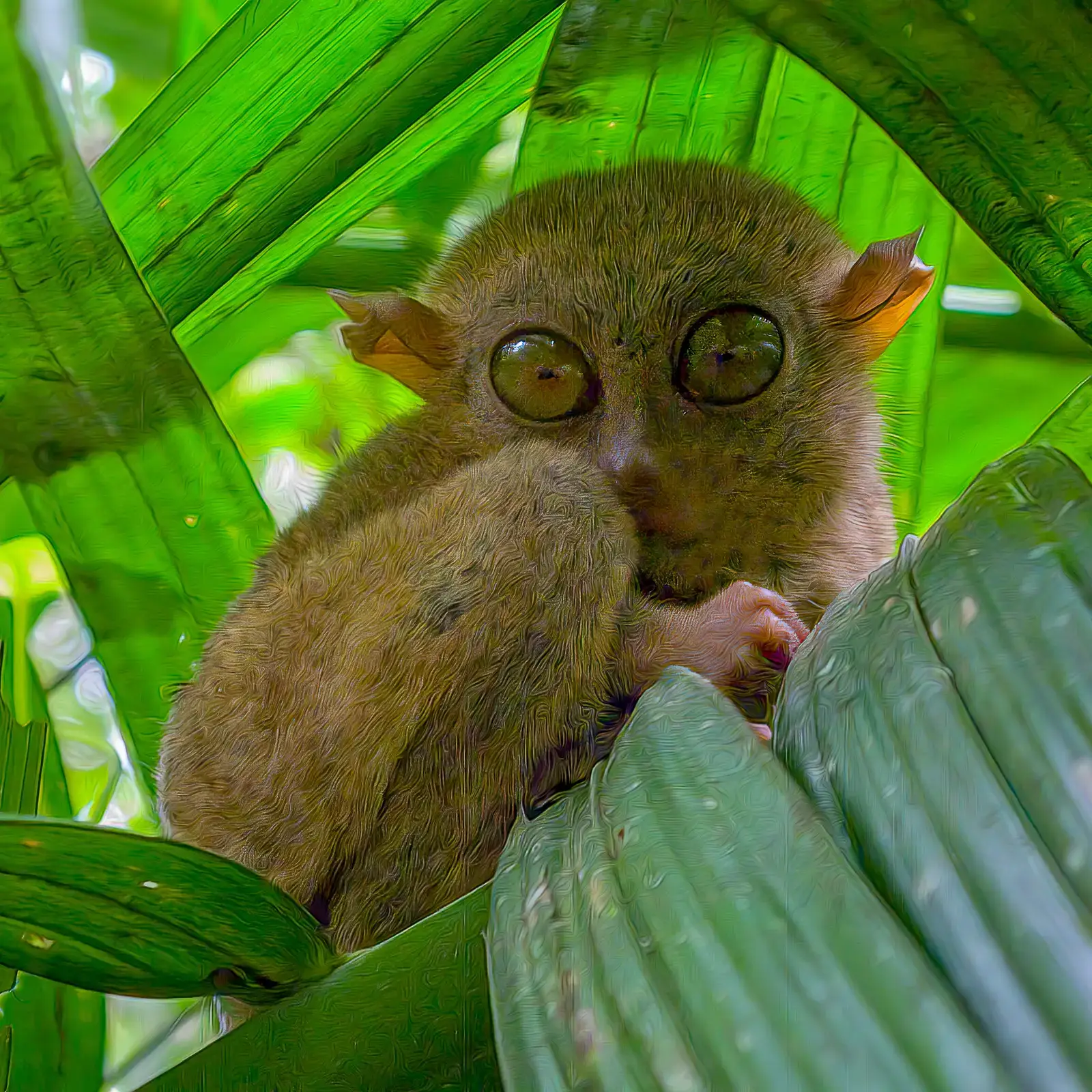
In Indonesia’s cloud forests, a miniature primate slipped through science’s fingers for decades. The pygmy tarsier, one of the smallest primates on Earth, was known from early twentieth-century specimens and then simply disappeared from the record.
Then, in the early 2000s, researchers checking rodent traps at night in Sulawesi’s mossy montane forest found a live pygmy tarsier staring back at them with enormous eyes. It wasn’t just a cute rediscovery, it exposed how biased survey methods had been: scientists were looking for monkeys and birds by day, not tiny nocturnal primates clinging to moss-covered branches after dark. The species survived not because it was common, but because nobody had bothered to study its narrow niche properly.
#6 – Cuban Solenodon: The Venomous Relic That Refused to Vanish
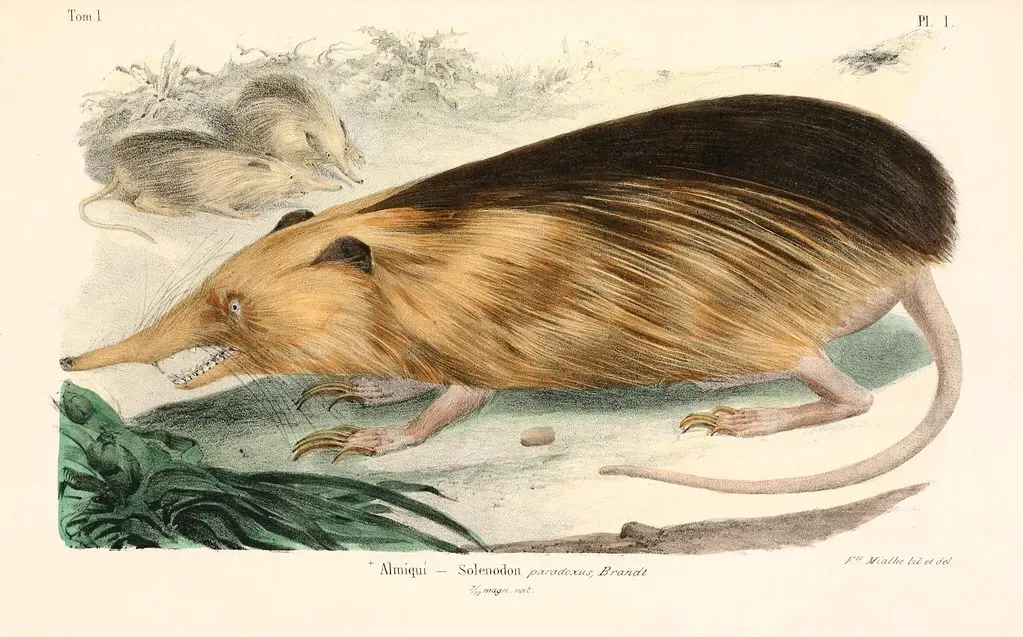
The Cuban solenodon looks like a shrew with a toxic bite, and an uncanny ability to dodge extinction lists. Once widespread, it declined sharply with habitat loss and introduced predators, and by the late twentieth century many experts had mentally written it off as possibly extinct.
Then targeted nighttime surveys, using local guides and scent-tracking dogs, uncovered small surviving populations in rugged, forested hills. The real story here is methodological arrogance: daylight transects on easy terrain never found solenodons because the animal is nocturnal, burrowing, and allergic to open ground. Once teams adapted their methods, it turned up almost immediately, a textbook warning that “no recent records” doesn’t equal extinction for secretive, evolutionarily odd mammals.
#5 – Philippine Naked-Backed Fruit Bat: A Cave Specialist Misjudged
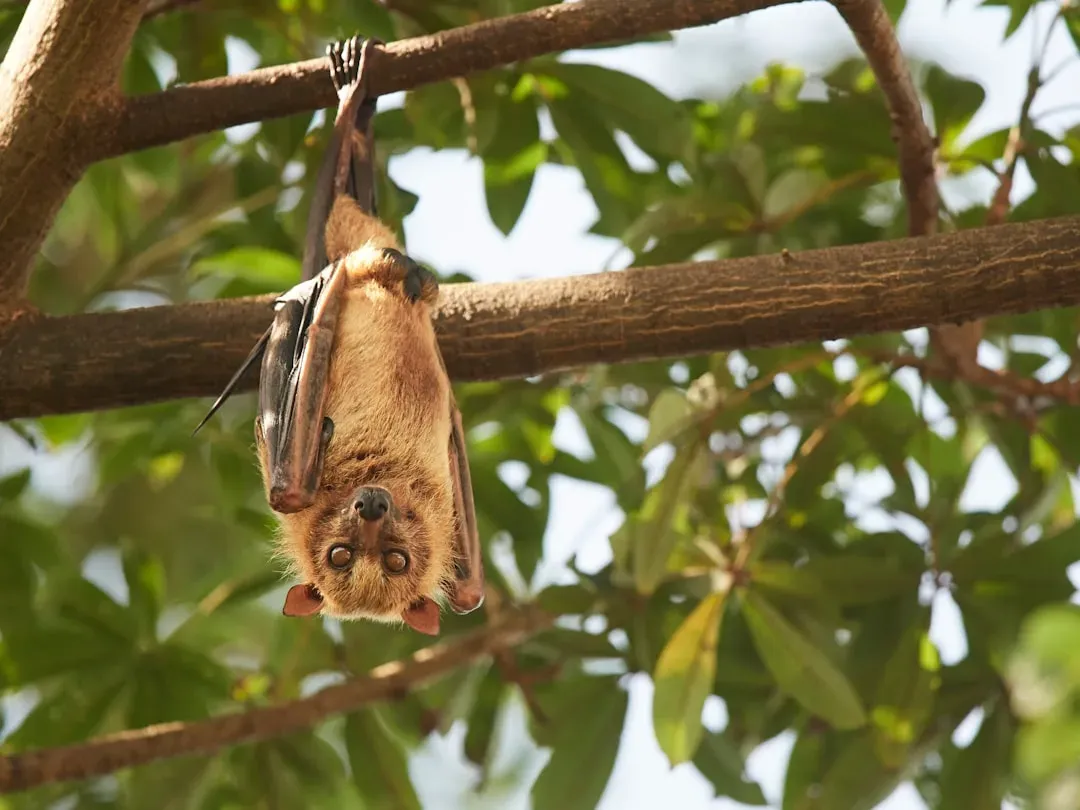
Cave bats tend to get treated as either “everywhere” or “gone,” and that lazy binary caused real damage here. The Philippine naked-backed fruit bat declined sharply as caves were disturbed by mining, tourism, and guano extraction, and by the early 2000s many researchers assumed it was already extinct.
Then more thorough cave surveys, including vertical access shafts and less obvious chambers, found remnant colonies hanging from ceilings far beyond the usual tourist zones. This bat’s near-erasure on paper came down to lazy assumptions: once the easy, accessible caves turned up empty, people simply stopped checking the rest of these three-dimensional cave labyrinths. The rediscovery forced agencies to reassess how many “extinct” cave species had simply retreated deeper, beyond human-friendly entrances.
#4 – Somali Sengi: “Lost” for 50 Years, Found With a Peanut-Baited Trap
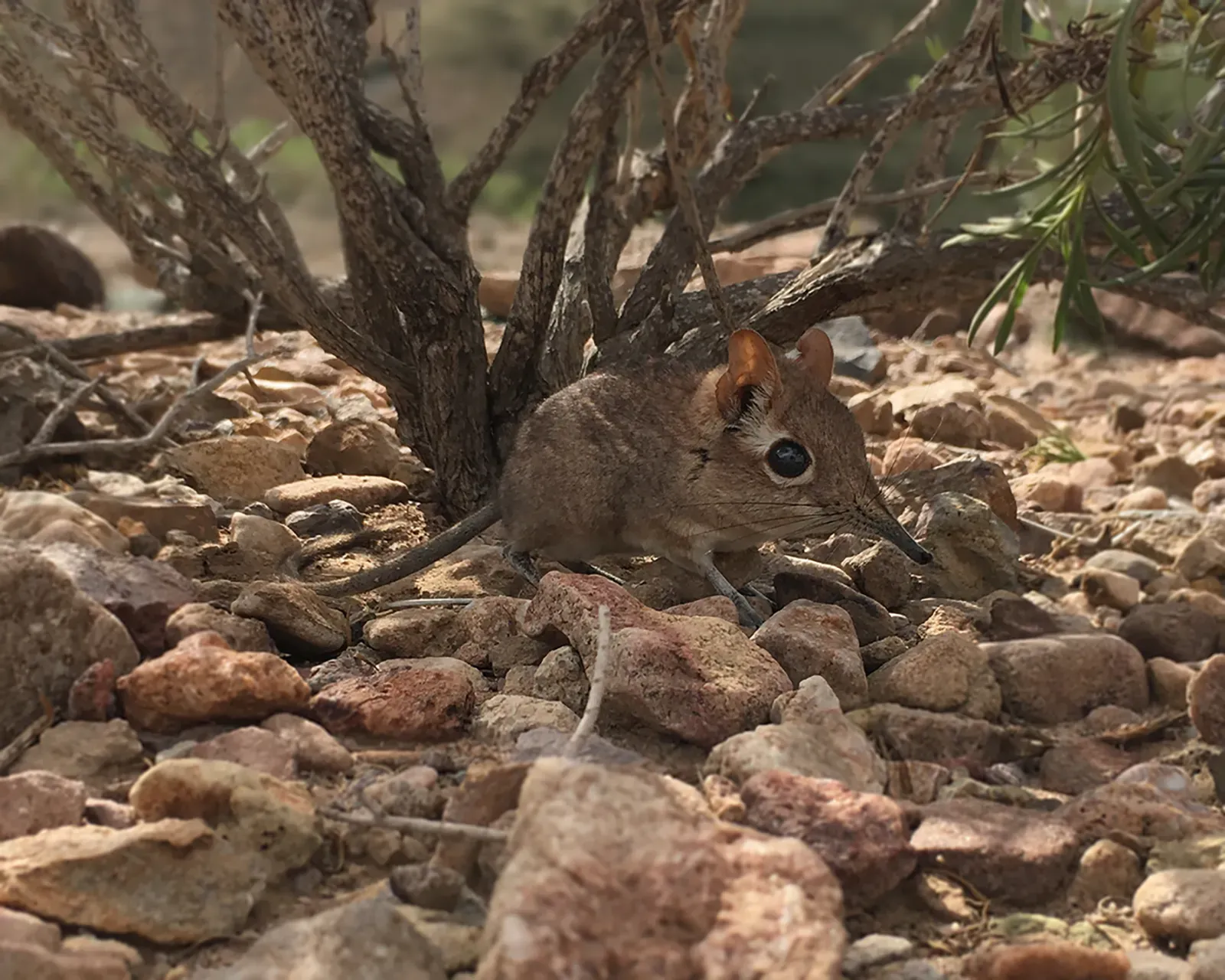
For half a century, the Somali sengi was little more than a rumor attached to old museum tags. This tiny insect-eating mammal was last formally recorded in the 1970s and widely treated as likely extinct, given political instability and habitat degradation across the Horn of Africa.
Then in the 2010s, a targeted expedition combined local ecological knowledge with simple traps baited with peanut butter, and the result was multiple live Somali sengis photographed and studied on the spot. What changed wasn’t the animal, it was who scientists finally listened to. Local residents had seen sengi-like creatures for years, but without a formal survey, global databases defaulted straight to extinction, a scathing example of how Western-centric data sets can prematurely bury species that never actually disappeared from local knowledge.
#3 – Mountain Pygmy Possum: Buried Under Snow, Not in History
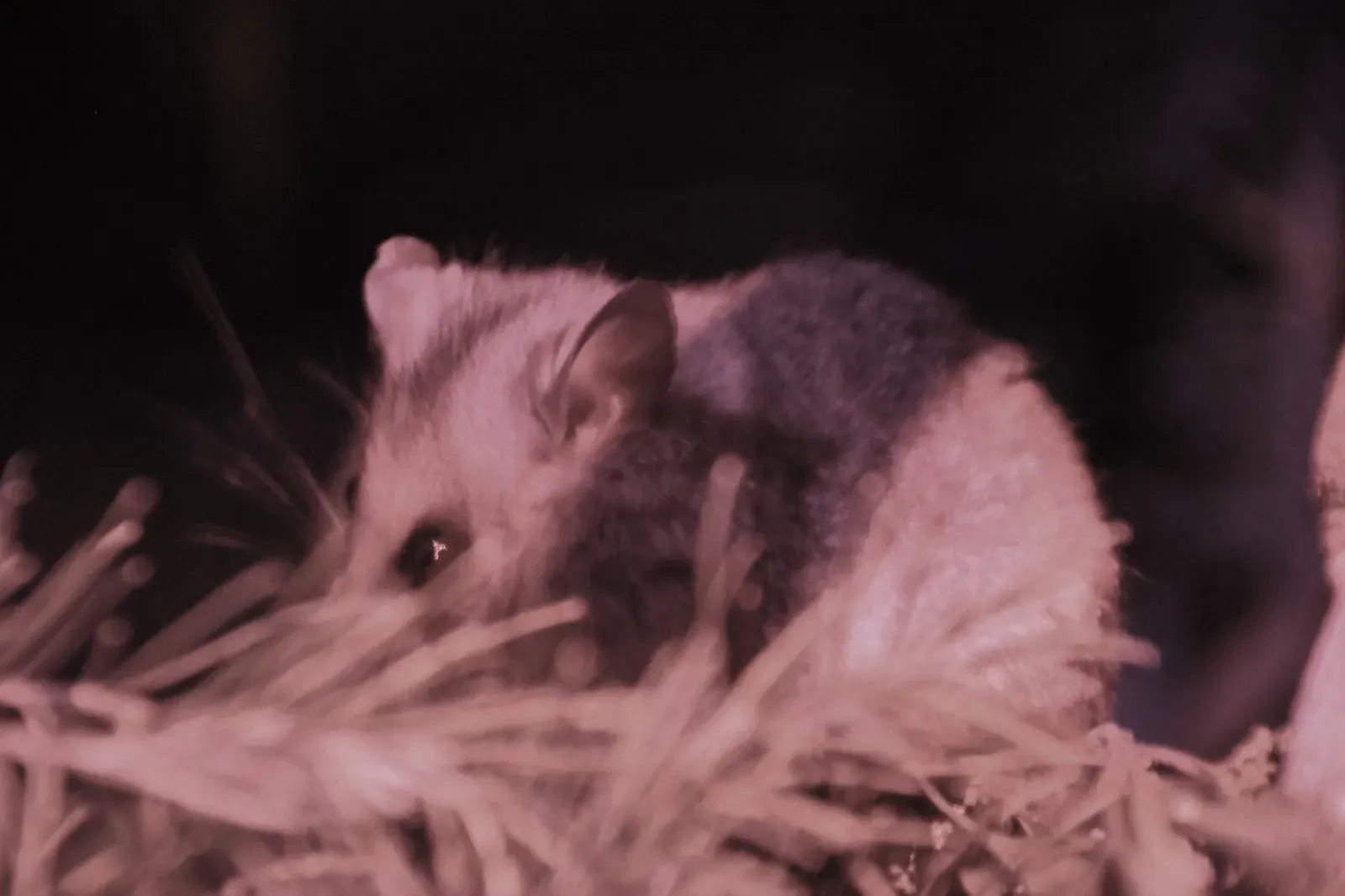
Australian ski resorts nearly built right over one of the world’s rarest marsupials. The mountain pygmy possum was known only from fossils and considered extinct until a live individual turned up in a ski lodge in the 1960s, and even then many assumed it was a tiny, doomed relic.
Subsequent research showed multiple subpopulations living in boulder fields beneath alpine snow, habitat nobody had seriously surveyed for small mammals. The near-extinction on paper wasn’t about true rarity, it was habitat bias: biologists focused on forests and grasslands, not rubble under ski lifts. Critics argue that if the original “extinct” label had stuck unchallenged, major resort developments would have proceeded with zero scrutiny, quietly wiping out the last populations for good.
#2 – Aldabra Rail: An Extinction Declared, Then Evolution Hit Reset
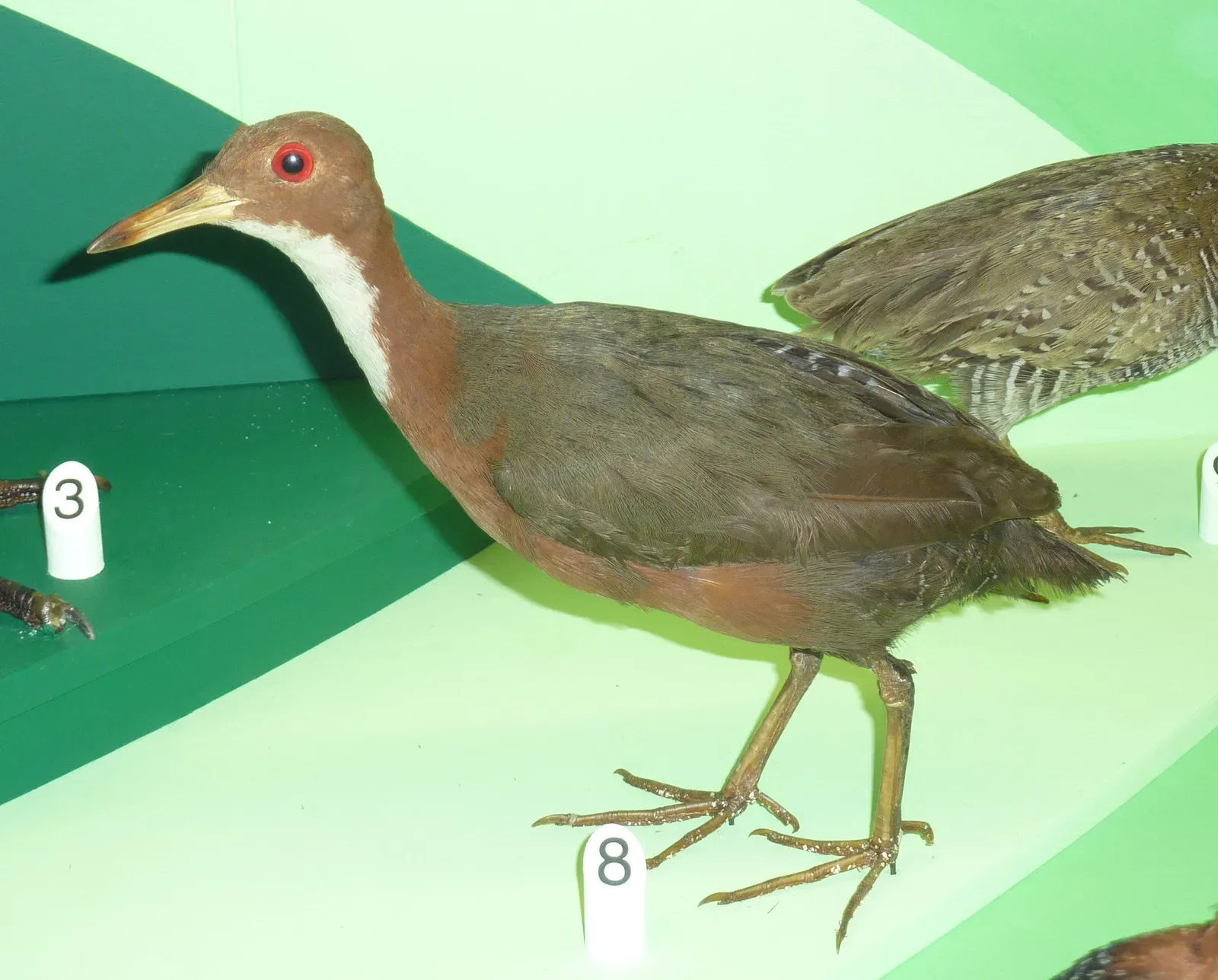
This is the strangest case on the list: a bird that went extinct, and then essentially came back through evolution itself. The Aldabra rail, a small flightless bird on the Aldabra Atoll in the Indian Ocean, went genuinely extinct when the atoll was submerged in the distant past. Fossils confirm the original population vanished completely.
Yet later, flying rails from Madagascar recolonized Aldabra and evolved flightlessness again in almost the same form, a process scientists call iterative evolution. On paper, the original population is gone; functionally, the ecological “species” reappeared anyway. It’s a case that drives some biologists crazy, because it proves certain lineages are evolutionarily so “set” that given the chance, they rebuild themselves, exposing how crude our binary extinct-or-not thinking really is.
#1 – Thylacine (Tasmanian Tiger): The Most Premature Extinction Call of All?
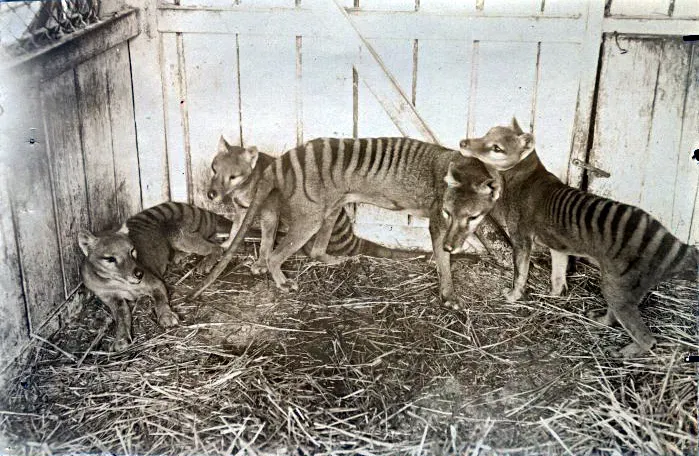
Few animals stir more anger and conspiracy theories than the thylacine. Officially, the last known Tasmanian tiger died in captivity in 1936, and the species wasn’t formally declared extinct until the 1980s. Yet for nearly a century, credible bushmen, park rangers, and drivers have reported fleeting striped shapes moving through Tasmanian forests.
No hard proof has ever emerged, but the habitat is vast, rugged, and far less surveyed than most people assume. Government bounties and persecution drove the species to the edge in the first place, and declaring it extinct conveniently absolved institutions of any further responsibility, draining serious funding to investigate lingering populations almost overnight. Camera traps and environmental DNA surveys are finally being deployed today, decades too late, and whether or not any thylacines remain, its story stands as the ultimate warning that paperwork can outpace reality, and the cost of being wrong is irreversible.
Why It Stands Out
- The last confirmed thylacine died in captivity in 1936, decades before an official extinction declaration followed in the 1980s.
- Government-sponsored bounty programs actively hunted the species long before anyone worried about its survival.
- Unverified sighting reports have continued for nearly a century across Tasmania’s remote forests.
- Modern camera traps and environmental DNA sampling are only now being used to seriously test whether any survive.
The Bottom Line
Taken together, these 21 cases shred the comforting idea that extinction labels are always careful, conservative, and scientifically airtight. Over and over, species got pushed into the “gone forever” column not because anyone had solid evidence of absence, but because we stopped looking, searched the wrong way, or simply ignored the people who actually lived alongside the animal.
That doesn’t mean nothing ever truly disappears. It means the line between “lost” and “written off” is thinner, messier, and far more political than most people want to admit. My honest take: the real scandal here isn’t that a couple dozen Lazarus species embarrassed the experts. It’s that funding cycles, convenience, and institutional ego are still allowed to decide which animals get declared dead before anyone has actually looked hard enough to know.
Did we miss a species you think was written off too soon, or too confidently? Drop it in the comments and make the scientists defend their paperwork.