
Here’s the assumption almost everyone walks around with: scientists figured out the extinction dates a long time ago, and the fossil record is basically a closed book. Mammoths died out with the Ice Age. Dinosaurs vanished with the asteroid. Case closed, chapter finished, textbook printed.
Except that’s not what’s actually happening in labs and dig sites right now. Better dating tools, sharper genetic sequencing, and sheer luck with new fossils keep pushing these “final” dates further into the future than anyone expected – sometimes by a few thousand years, sometimes by tens of millions. The old extinction lines aren’t lies. They’re just far blurrier than we were taught, and some of what’s hiding in that blur is genuinely strange.
#14 – The Giant Ground Sloths That Outlived the Ice Age
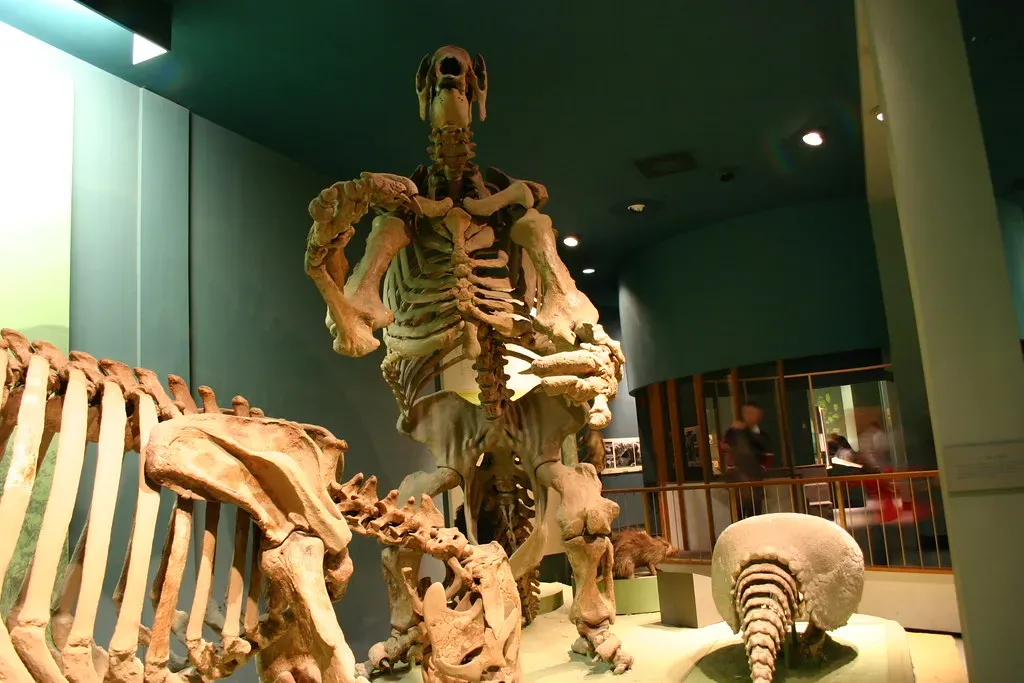
Most people assume giant ground sloths vanished the moment the last Ice Age ended. Newer evidence says otherwise. Fossils and dung deposits pulled from caves in South America and the Caribbean show ground sloths still shuffling around several thousand years after they were “supposed” to be gone.
In places like Cuba and Hispaniola, remains line up with dates that overlap early Indigenous settlements – meaning people and these shaggy giants likely crossed paths far more than once assumed. Some bone markings even resemble butchering cuts. If that holds up, their final extinction wasn’t a slow climate fade-out at all, but a late, localized collapse driven by hunting and habitat loss. Textbooks love drawing a clean line between “Ice Age megafauna” and “modern fauna.” These sloths quietly erase it.
#13 – The Last Woolly Mammoths on a Tiny Arctic Island
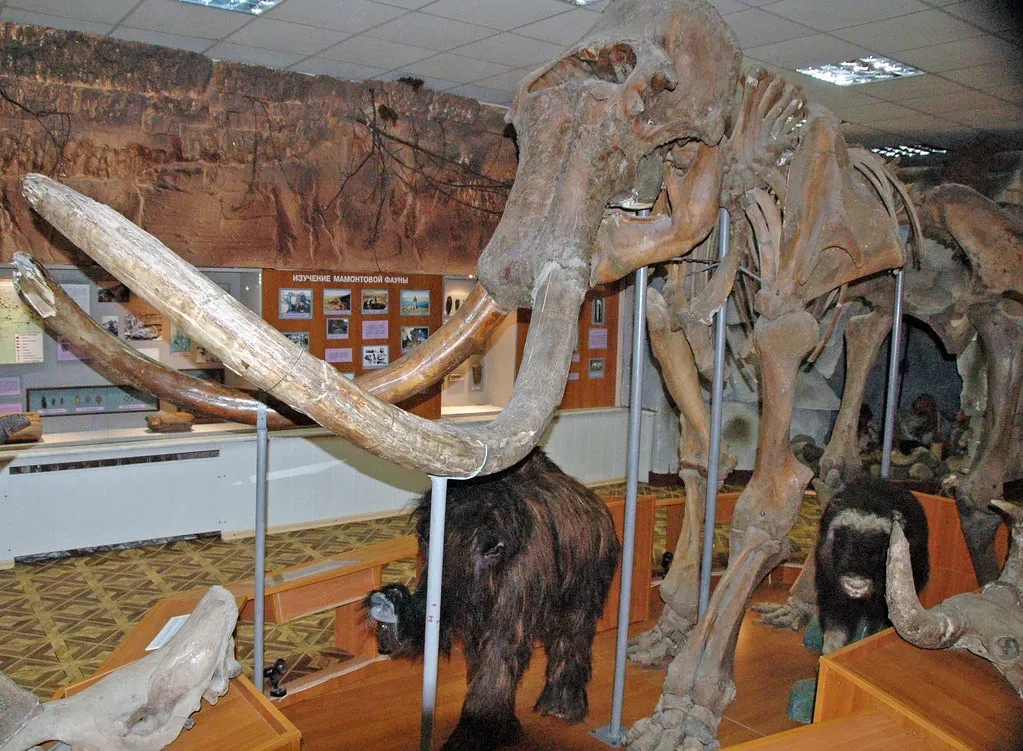
Ask anyone when mammoths died out and you’ll hear “about 10,000 years ago.” True for most herds – but not all of them. On Wrangel Island in the Arctic Ocean, a tiny, isolated mammoth population survived until around 4,000 years ago, meaning they were still alive while the Egyptian pyramids were being built.
That’s not a fun fact pulled from nowhere; it’s built on radiocarbon dates from bones, tusks, and preserved hair. These island mammoths were smaller, almost dwarf-sized, and their genome shows a brutal bottleneck – inbreeding, mutation buildup, declining health, the whole grim slide. Yet they still outlasted mainland herds by millennia. Extinction, it turns out, is rarely one clean global event. It’s usually a patchwork of last stands.
Fast Facts
- Woolly mammoths vanished from mainland Siberia roughly 10,000 years ago, but the Wrangel Island herd hung on for about 6,000 more years.
- That population survived for over 200 generations in near-total isolation before finally dying out.
- Genetic studies trace the entire island population back to a single maternal lineage, which locked in low genetic diversity from the start.
- A separate refuge population on St. Paul Island in the Bering Sea went extinct earlier, around 5,600 years ago, showing island survival wasn’t a one-off fluke.
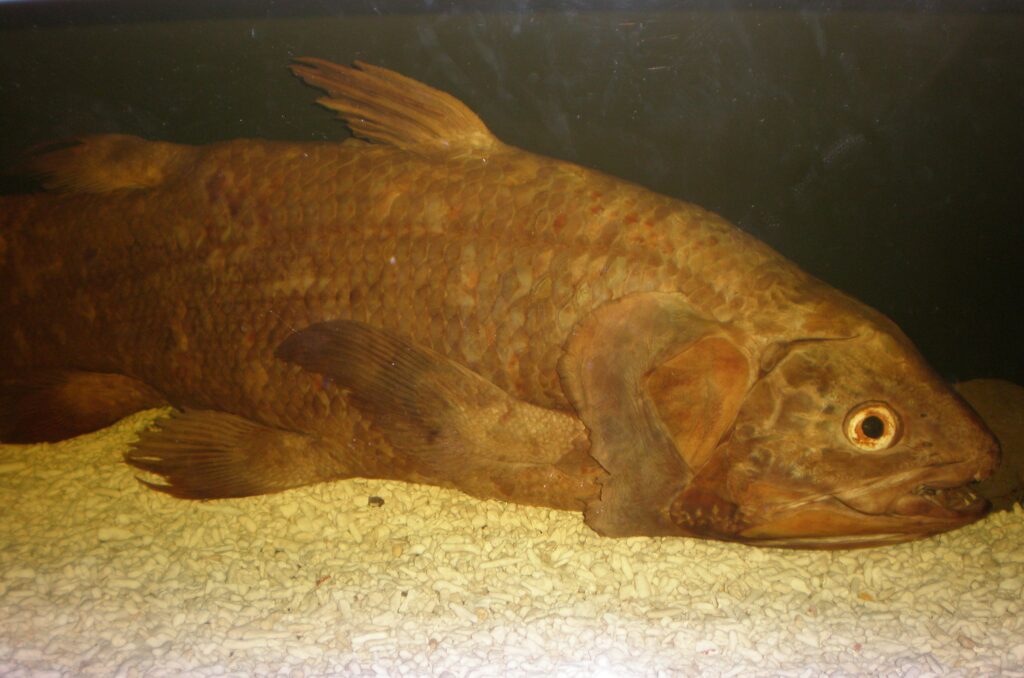
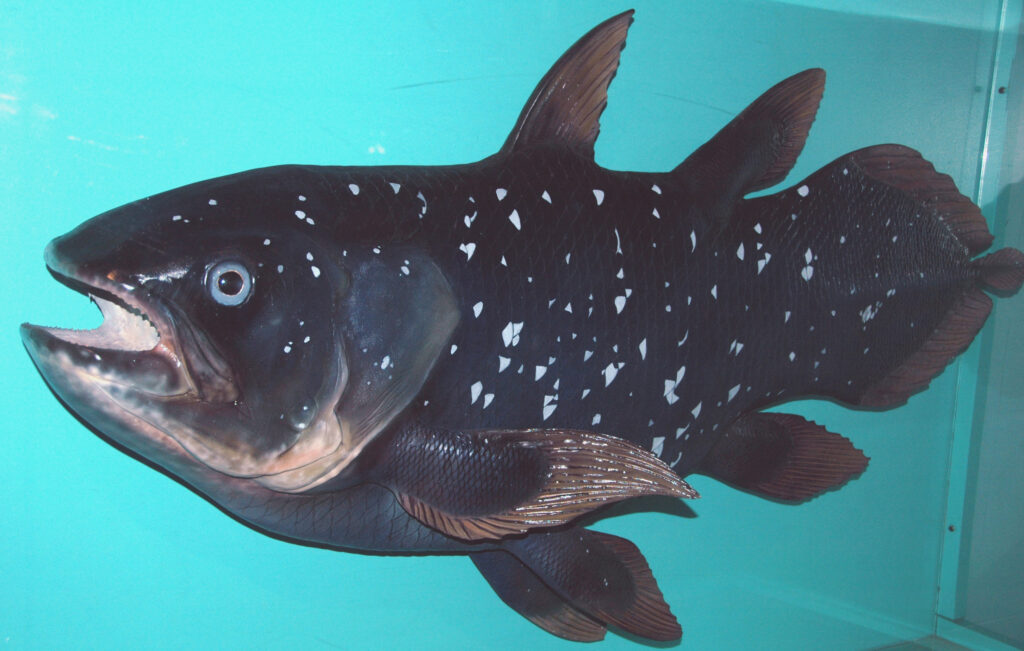
#12 – Coelacanths: The “Living Fossils” That Never Actually Left
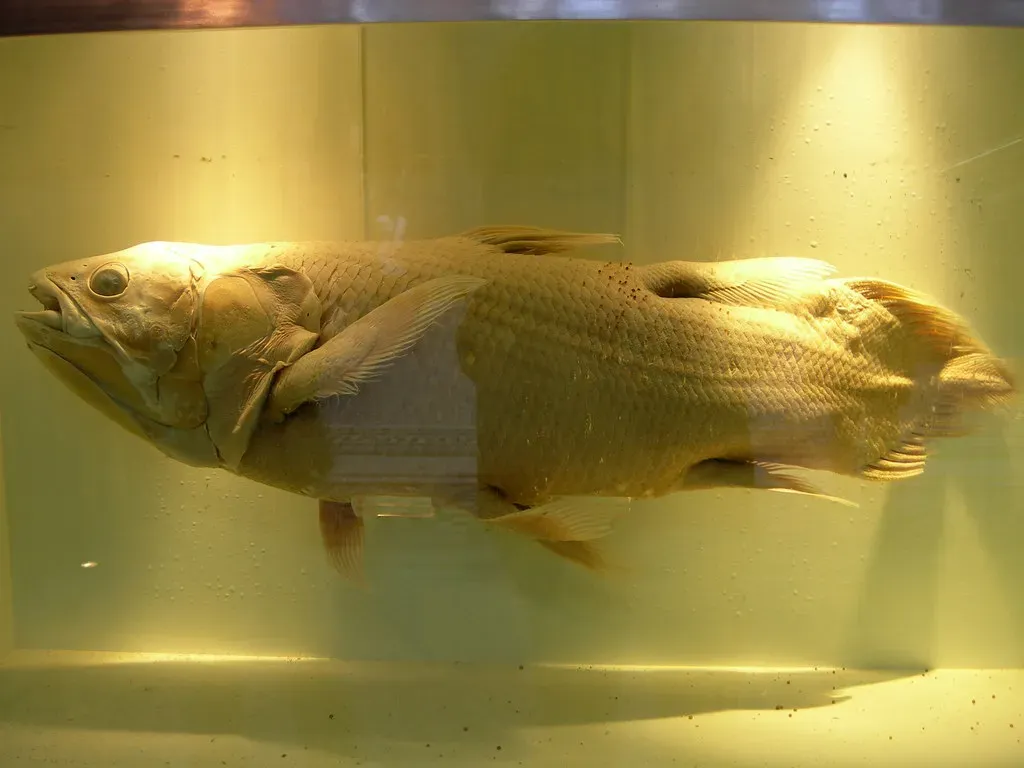
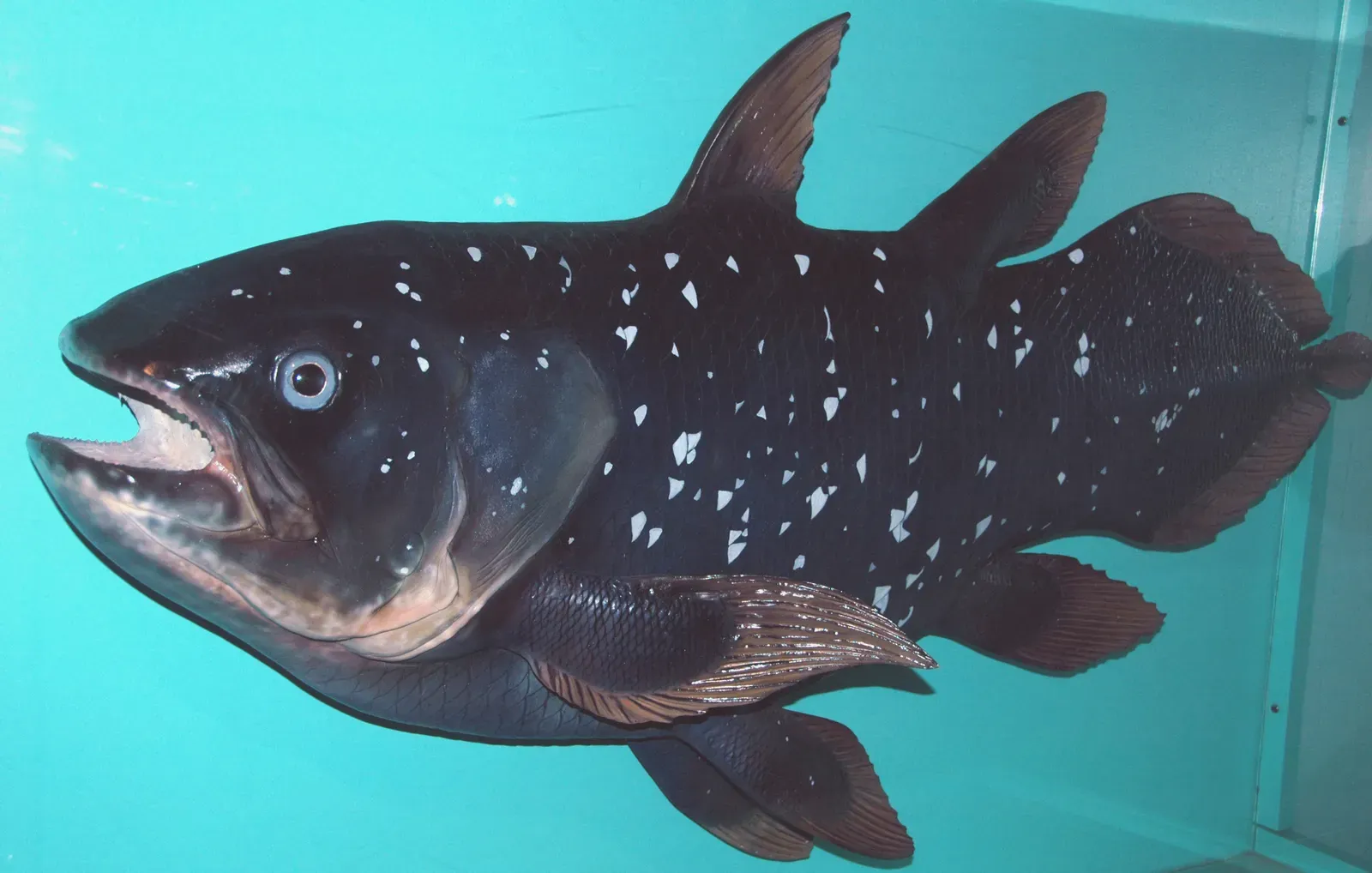
For decades, coelacanths were the poster child for a lineage that died with the dinosaurs. Their fossil trail seemed to go cold around 66 million years ago, right at the end of the Cretaceous. Then in 1938, someone pulled a living one out of the Indian Ocean, and the tidy narrative collapsed overnight.
The real shock wasn’t that they’d survived – it’s that they’d been hiding in plain sight in deep coastal waters, completely unknown to science the whole time. Genetic work and fresh fossil finds now suggest coelacanths didn’t just barely squeak through; they held a stable deep-water lifestyle while everything above them changed shape entirely. The correction stings a little: our fossil record is patchy, and “last fossil equals extinction” is often just wrong.
the most beautiful fish I had ever seen
Marjorie Courtenay-Latimer, museum curator who identified the first living coelacanth in 1938
#11 – The Moa Birds That May Have Survived Contact Longer Than Admitted
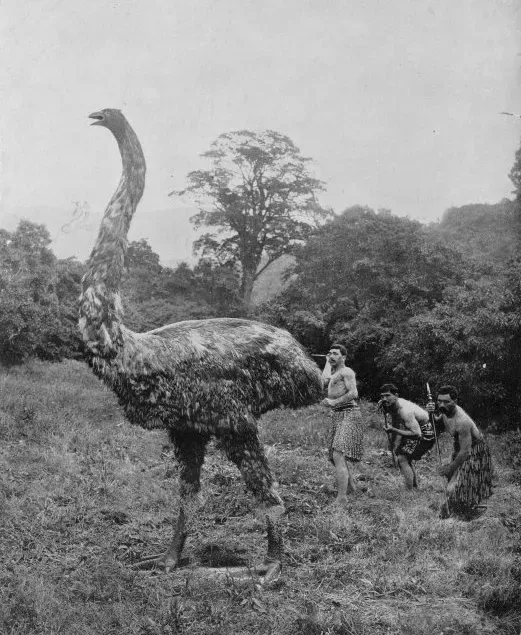
New Zealand’s moa are usually treated as a closed case – giant flightless birds wiped out within a few hundred years of human settlement, gone by roughly the 15th century. But newer radiocarbon dating and cultural evidence have pushed a subset of researchers to argue that certain populations may have hung on slightly longer, at least in remote terrain.
This isn’t fringe cryptid talk. It’s a question of how tightly anyone can pin down the very last survivors of a species. Some Indigenous oral histories describe large birds lingering in rough country after European contact, which makes precision-minded scientists uneasy. Mainstream consensus still places moa extinction before widespread European presence – but the debate is a good reminder of how fragile “exact” extinction dates really are, even for something this recent.
#10 – Thylacines That May Have Outlasted Their Official 1936 Death Date
![#10 - Thylacines That May Have Outlasted Their Official 1936 Death Date (Report of the Smithsonian Institution. 1904from the Smithsonian Institution archives. Published example
other information: [1]
Additional information: Female thylacine (front) with juvenile male offspring (rear).(30 September 2020). "A Catalogue of the Thylacine captured on film". Australian Zoologist 41 (2): 143–178. DOI:10.7882/AZ.2020.032., Public domain)](https://nvmwebsites-budwg5g9avh3epea.z03.azurefd.net/dws/36ac84ca8d76935ca55d0e65d79cf620.webp)
Officially, the last known thylacine died in a Tasmanian zoo in 1936. That’s the date in nearly every documentary. But the evidence isn’t as airtight as people assume. For decades afterward, hunters, bushwalkers, and park employees kept reporting animals with the striped back, stiff tail, and odd gait of a living thylacine.
Most biologists chalk these up to misidentification, but a few argue small remnant populations may have survived into the mid-20th century in remote pockets of Tasmania. What keeps the debate alive isn’t the blurry sightings themselves – it’s the math. When researchers model how long a species can plausibly survive after its last confirmed record, the probability curves often stretch decades past the official date. That doesn’t prove survival. It just means the door isn’t as firmly slammed shut as “1936, full stop” makes it sound.
#9 – “Dinosaur-Era” Sharks That Slipped Through Multiple Mass Extinctions
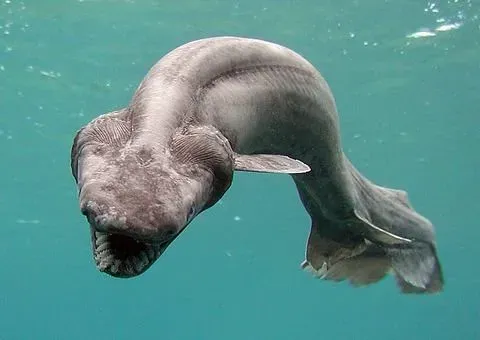
Sharks as a group are ancient news. What’s less appreciated is how stubborn a few specific lineages turned out to be. The frilled shark and goblin shark have body plans that look eerily similar to fossils over 80 million years old – shapes early paleontologists assumed had vanished along with the dinosaurs.
Deep-sea surveys and better fossil matching told a different story: some of these lineages survived, largely unchanged, through not one but multiple mass extinctions. The strange part isn’t that sharks are old – it’s that the “primitive-looking” designs outlasted flashier, more modern cousins that should have had the advantage. Deep, stable water shielded them from the surface-level chaos. Evolution isn’t always a race toward improvement. Sometimes “good enough in a quiet niche” wins by tens of millions of years.
Quick Compare
- Frilled shark – body plan echoes fossils over 80 million years old; keeps to deep, stable water columns.
- Goblin shark – same ancient lineage pattern; thrives in low-light depths largely untouched by surface-level upheaval.
- Flashier, more “modern” shark lineages – many went extinct despite seeming better adapted to changing conditions.
- Takeaway – deep-water stability, not flashy adaptation, is what let these ancient body plans quietly outlast everything else.
#8 – The Terror Bird Lineages That Clung On in South America
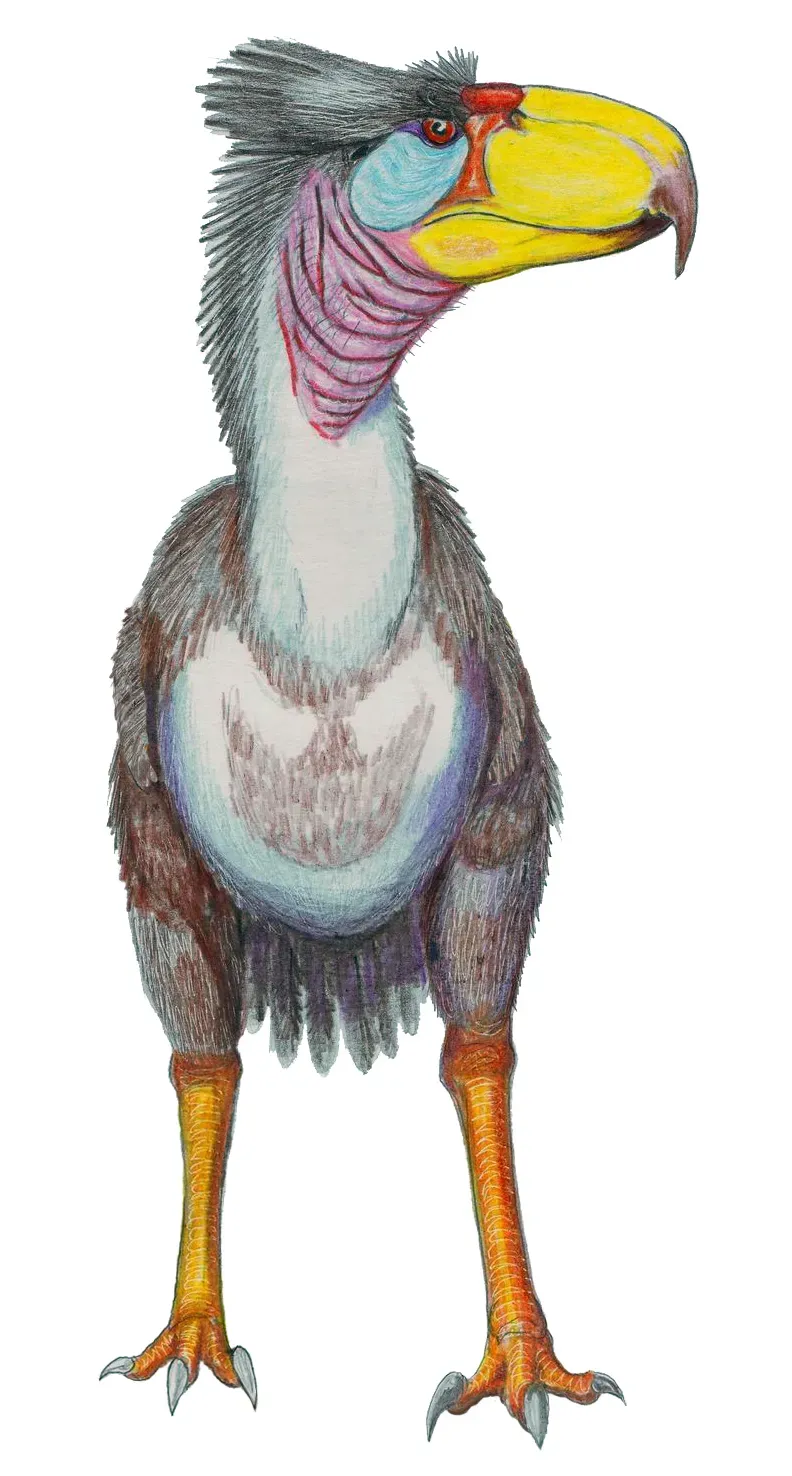
Terror birds, the phorusrhacids, get cast as iconic predators of a long-gone South America – assumed to have disappeared well before modern ecosystems took shape. Newer fossil dating tells a messier story: some of the smaller, later species persisted millions of years longer than the old records claimed, overlapping with modern mammal communities and even early big cats.
One species, Titanis walleri, even made it into North America during the Great American Biotic Interchange. Reanalysis suggests it survived later into the Pliocene than anyone previously believed. Terror birds weren’t just relics of a forgotten world – they were active players in relatively recent predator lineups. Old ecosystems didn’t vanish in clean stages. They bled into each other, and this bird is proof.
#7 – Giant Beavers That May Have Shared Wetlands With Early Peoples
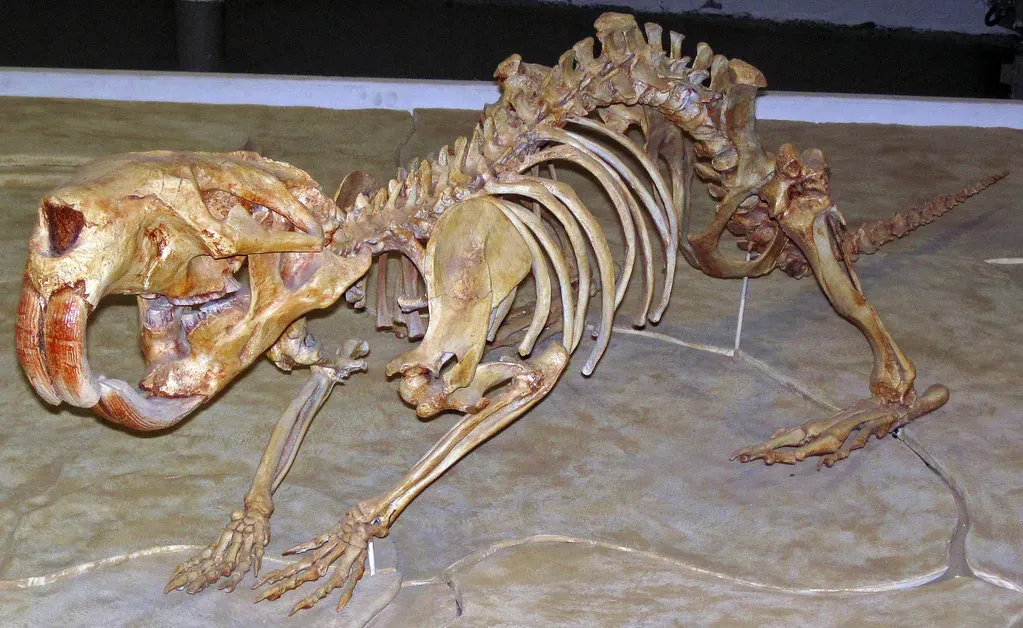
North America’s giant beaver, Castoroides, usually gets filed under “Ice Age megafauna, gone by 10,000 years ago.” But improved dating on bones from some northern sites hints that certain populations may have hung on a bit longer, into a period when humans were already spreading widely across the continent.
A thousand extra years doesn’t sound dramatic until you’re talking about the closing chapter of an entire lineage. There’s also growing recognition that the giant beaver’s decline wasn’t just a climate casualty – shifting wetlands, competition with modern beavers, and human landscape burning may have all played a part. If they really did survive in scattered refuges, humans and these enormous rodents overlapped more than the old story allowed. It’s not a clean climate exit. It’s a messy, gradual fade.
#6 – The “Last” Neanderthals Who Survived Longer in Hidden Pockets
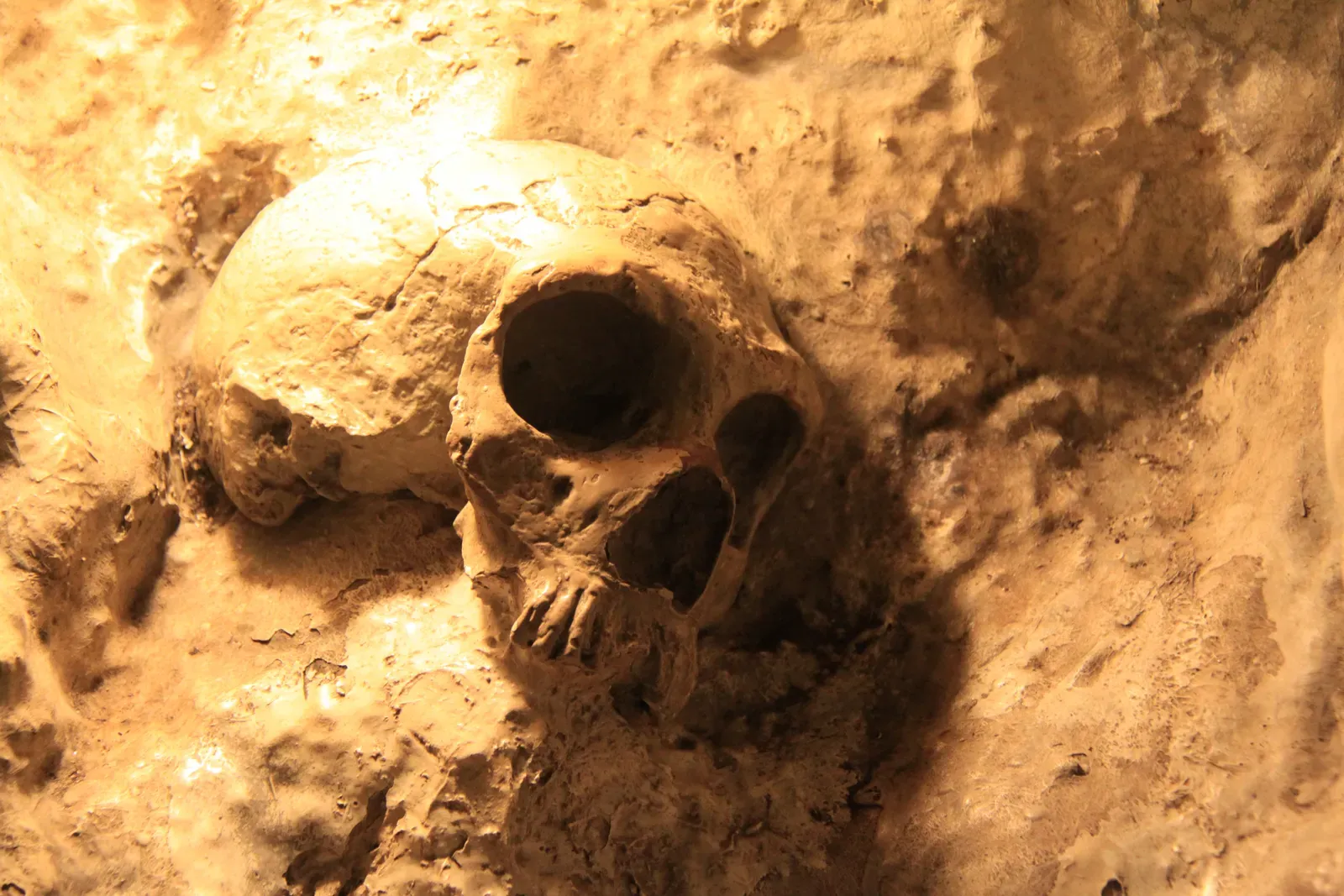
For years, the story went that Neanderthals vanished around 40,000 years ago, replaced entirely by Homo sapiens. More recent dating of sites in Spain and Gibraltar suggests some Neanderthal groups survived several thousand years longer in isolated refuges, holding on even as modern humans spread across the same land.
Those late pockets stretch Neanderthal existence past the neat global cutoff everyone memorized in school. Genetic evidence makes it even messier: many people alive today, especially outside Africa, carry Neanderthal DNA – hard proof of interbreeding. There was no clean “Neanderthals disappear, humans appear” moment. There were centuries, maybe millennia, of overlap, contact, and blending. The last Neanderthal skulls found in Iberian caves may just be the tail end of a long, uneven retreat.
Worth Knowing
- Late refuge sites in Spain and Gibraltar show some Neanderthal groups persisting well past the old “40,000 years ago” cutoff.
- Most people outside Africa today carry measurable amounts of Neanderthal DNA.
- The overlap between Neanderthals and modern humans likely spanned centuries or millennia, not a brief crossover.
- There was no single “replacement” moment – just a long, uneven retreat and blend.
#5 – The “Ghost” Horses That Lingered After North America’s Wild Herds Died Out

Most Americans assume horses arrived on the continent with Europeans – true for domestic horses, but not the whole story. Native horse species actually evolved in North America long before that and disappeared later. The classic extinction date sits around the end of the last Ice Age, roughly 10,000 to 11,000 years ago.
Some late-surviving remains hint that small, scattered populations might have persisted beyond that window in certain regions, outlasting the big die-off. Nobody’s claiming wild horses were trotting the plains in the 1500s. But the gap between ancient native horses and reintroduced European stock may be narrower than once thought, and that nuance actually matters for modern debates about what counts as “native” wildlife.
#4 – Cave Bears That Nearly Reached Recorded Human History
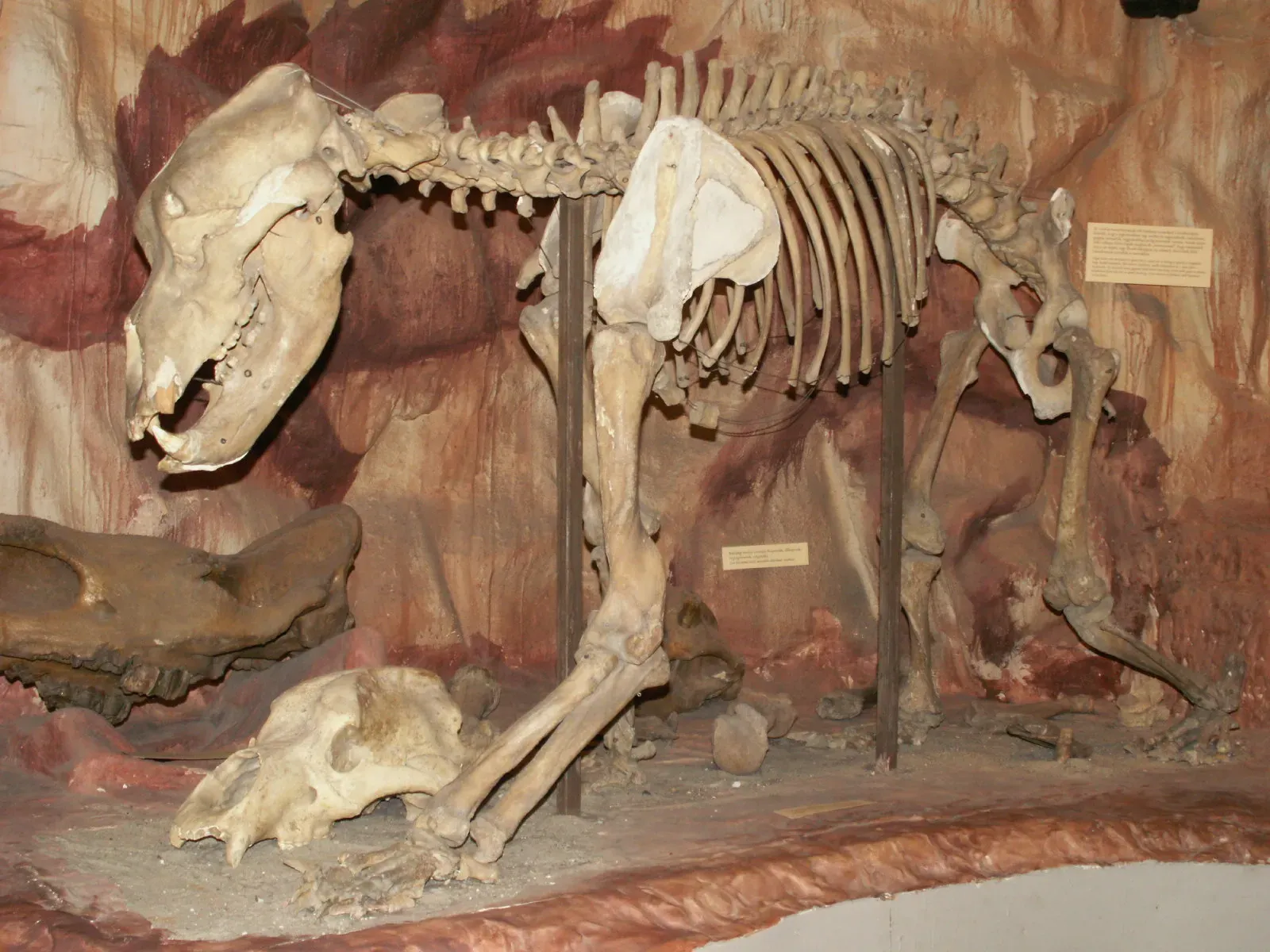
Cave bears were enormous, mostly plant-eating giants of Ice Age Europe, long portrayed as vanishing well before humans built anything resembling civilization. Older estimates put their extinction solidly before 25,000 years ago. Refined radiocarbon dating has pushed some of the last known individuals to roughly 24,000 to 23,000 years ago.
That means they survived deeper into the glacial period than believed, sharing Europe with growing human populations the whole time. Some researchers think humans moving into caves – prime shelter for both species – intensified competition and hunting pressure in those final millennia. If cave bears lasted longer, that’s a prolonged period of coexistence and conflict, not a brief overlap. Many Paleolithic humans wouldn’t have viewed these animals as legends. They’d have viewed them as real, present threats.
#3 – The “Last” Plesiosaurs and Mosasaurs Lingering in the Fossil Shadows
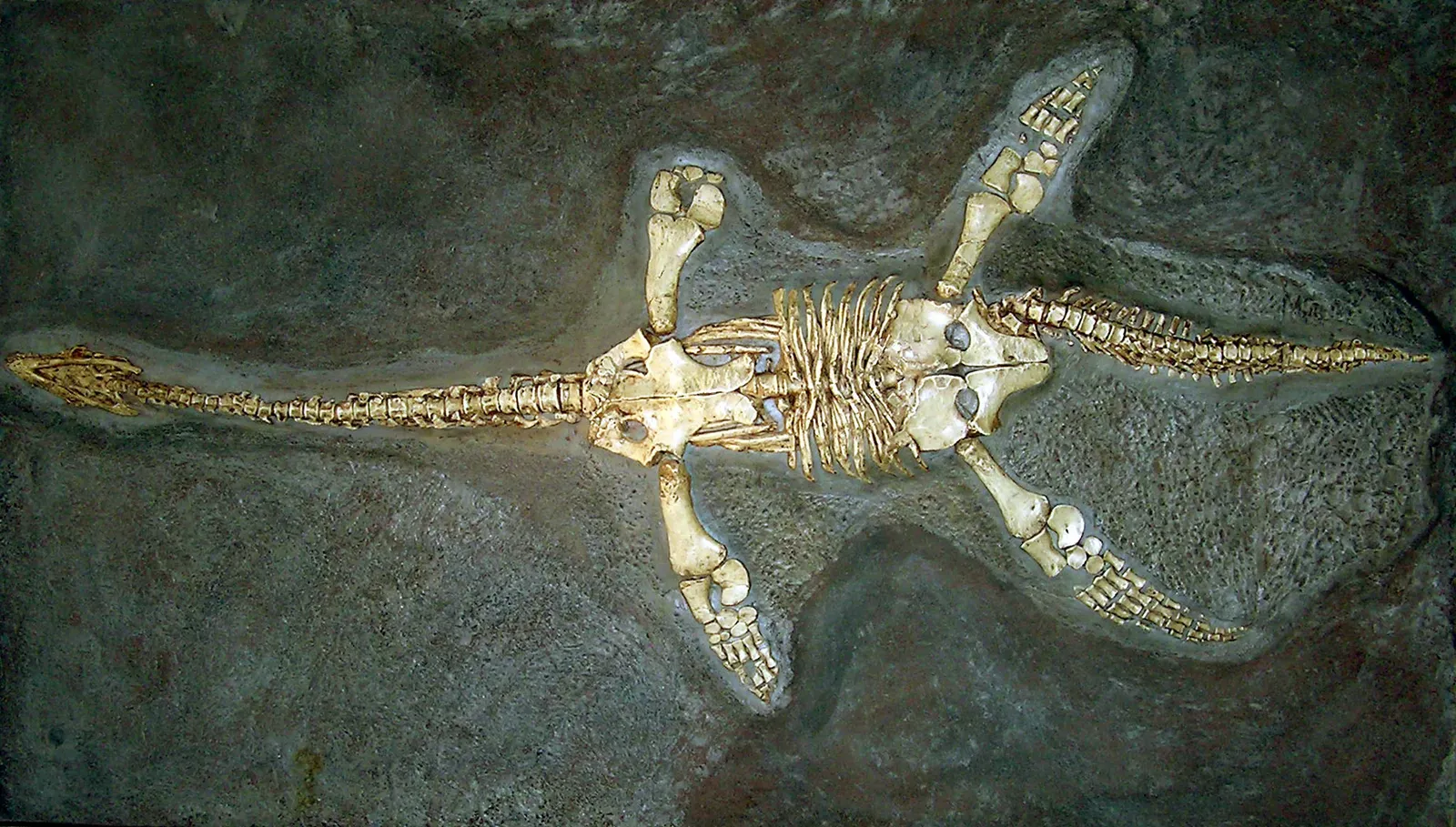
Marine reptiles like plesiosaurs and mosasaurs are textbook victims of the end-Cretaceous mass extinction 66 million years ago. Asteroid hits, giants vanish, story over – that’s the standard version. But a handful of controversial fossil finds, fragmentary bones and teeth from slightly younger rock layers, have pushed a minority of paleontologists to suggest tiny, scattered populations could have survived briefly into the Paleogene.
The evidence is thin and hotly debated, and no credible researcher is claiming these reptiles were cruising around millions of years later. Most experts still place their extinction right at, or extremely close to, the impact event. But these borderline finds are a useful reminder that the geological record’s “resolution” is coarse. An animal could survive tens of thousands of years past a mass extinction and still barely leave a trace – which means some of our sharpest-looking extinction lines are probably more confident than they should be.
#2 – The Tuatara: A Mesozoic Relic That Refused to Leave
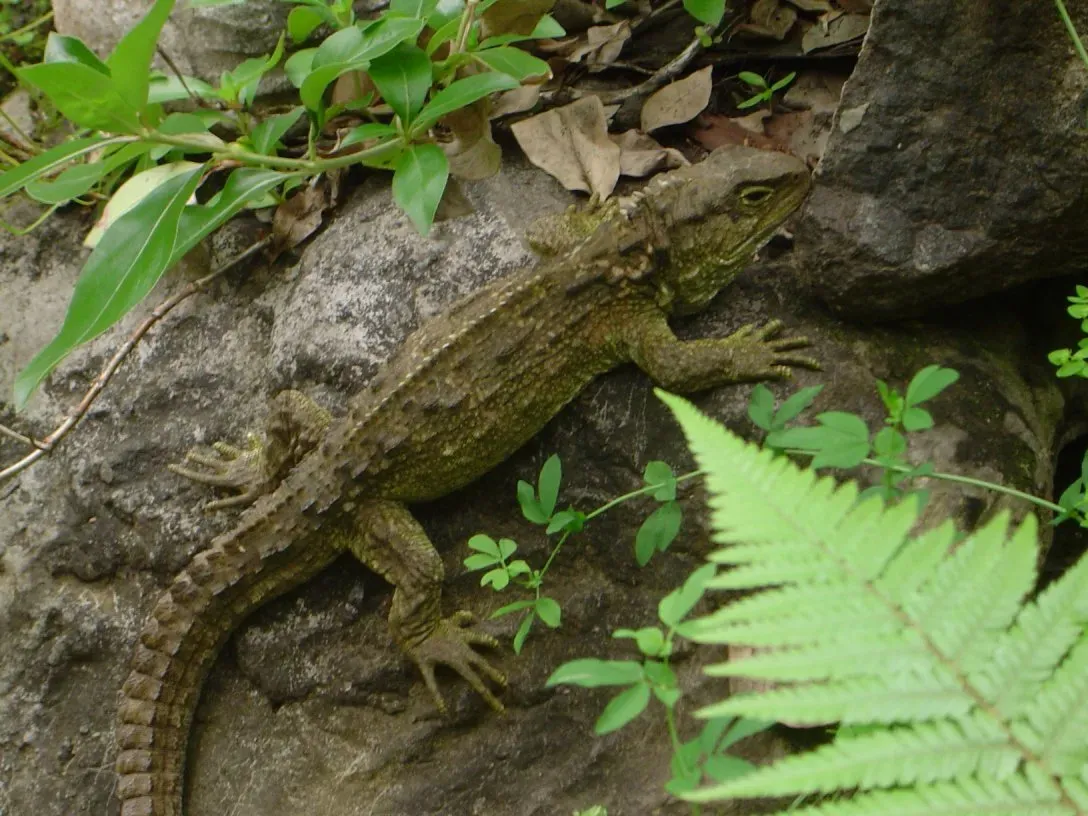
The tuatara looks like a lizard, but genetically it sits in its own ancient lineage, completely separate from snakes and lizards. Its closest fossil relatives were long thought to vanish near the end of the dinosaur age – implying a massive gap between those fossils and the living tuataras still found in New Zealand today.
As more fossils get found and re-dated, scientists now see that this lineage survived much later into the Cenozoic than previously recorded, with relatives hanging on in different regions before finally disappearing. What’s wild is how long tuatara-like reptiles lingered as background characters while mammals and birds took over center stage. Today’s tuatara still carries features – like a third “parietal eye” – that trace straight back to the Mesozoic. One tiny surviving branch stretches this group’s existence tens of millions of years beyond where older diagrams used to cut them off.
#1 – Denisovans: Humanity’s Vanished Cousins Still Living in Our DNA
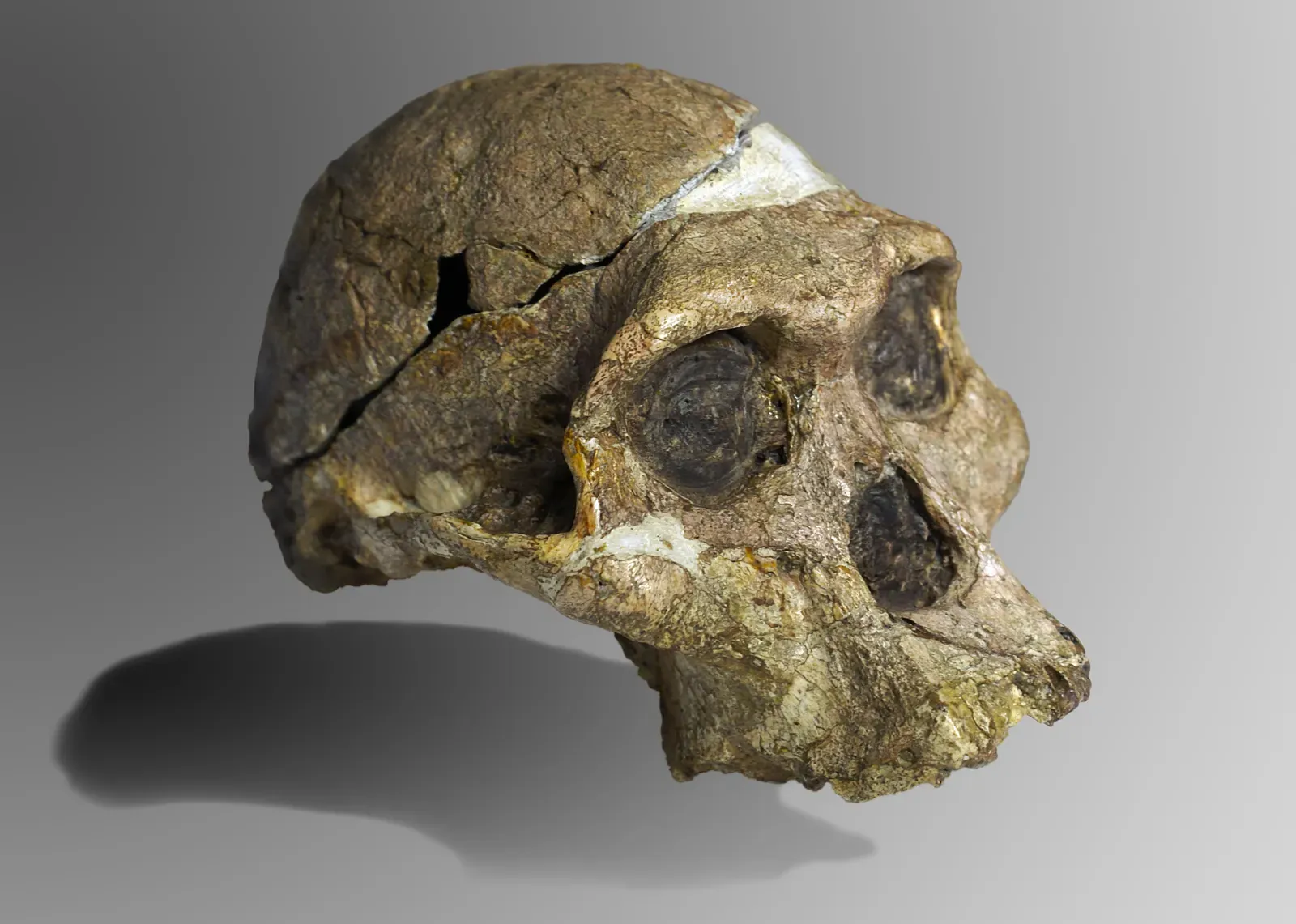
The strangest case on this entire list isn’t even something you’d find in a museum display. For years, we didn’t even know Denisovans existed – they were lumped vaguely into “archaic humans.” Tiny fossil fragments from Denisova Cave in Siberia, dated to roughly 50,000 to 30,000 years ago, revealed a distinct human group science had completely missed.
Here’s the twist: genetics shows Denisovans interbred with the ancestors of modern people across Asia and Oceania, and their DNA is still riding around in living humans right now. Their “extinction” was never a tidy disappearance – it was a gradual genetic merger. Some genes tied to high-altitude adaptation in Tibetans appear to trace directly back to Denisovan ancestry. The fossil record for them is so thin that their last physical remains almost certainly underestimate how long they actually stuck around. A supposedly vanished species is still quietly shaping human biology today – and nothing on this list unsettles our sense of time quite like that.
At a Glance
- Discovered from tiny fossil fragments found in Denisova Cave, Siberia.
- Known remains date to roughly 50,000 to 30,000 years ago – almost certainly not their true end point.
- DNA from interbreeding persists in modern populations across Asia and Oceania today.
- Certain high-altitude adaptation genes in Tibetans trace back to Denisovan ancestry.
The Bottom Line
Line up all fourteen of these cases and a pattern emerges that’s honestly a little humbling: our extinction dates are often rough guesses dressed up as precision. Mammoths were wandering the Arctic while pharaohs ruled. Coelacanths and tuataras kept minding their own business through eras we assumed wiped them out. Denisovan DNA is riding around in human blood right now, today, in people who’ve never heard the name.
The gaps in the fossil record were never proof of absence. They were proof of our ignorance.
What bugs me most is how badly this wrecks the stories people actually want to believe – clean extinctions, sharp before-and-after lines, one clear villain like an asteroid or a spear. Reality doesn’t work that way. It’s slower, messier, and far less certain than any textbook diagram admits. My honest take: we’re still underestimating how many species quietly bridged those “dead zones” we drew across Earth’s history, and the next major fossil find or genome sequence is probably going to embarrass another one of our confident little dates.
Which of these survival stories caught you off guard – or do you think one of them is still overstated? If there’s a creature you’d fight to add to this list, say so in the comments.