
Somewhere in a filing cabinet of official extinction records, a scientist once wrote “gone forever” about an animal that, at that exact moment, was still breathing somewhere on Earth. Not once. Not twice. At least a dozen times that we know of. Biologists even have a name for these creatures: Lazarus species, borrowed from the man the Bible says walked out of his own tomb.
These aren’t hoaxes, cryptid legends, or wishful thinking. They’re documented, DNA-confirmed comebacks that made careful, credentialed scientists quietly eat their own obituaries. Some hid on a single vertical cliff face. Some were sitting in a fish market the whole time. One had been evolving, unnoticed, for millions of years. Here’s what actually happened when “extinct” turned out to mean “still here, just better at hiding than we were at looking.”
#12 – The Lord Howe Island Stick Insect That Hid on a Vertical Rock
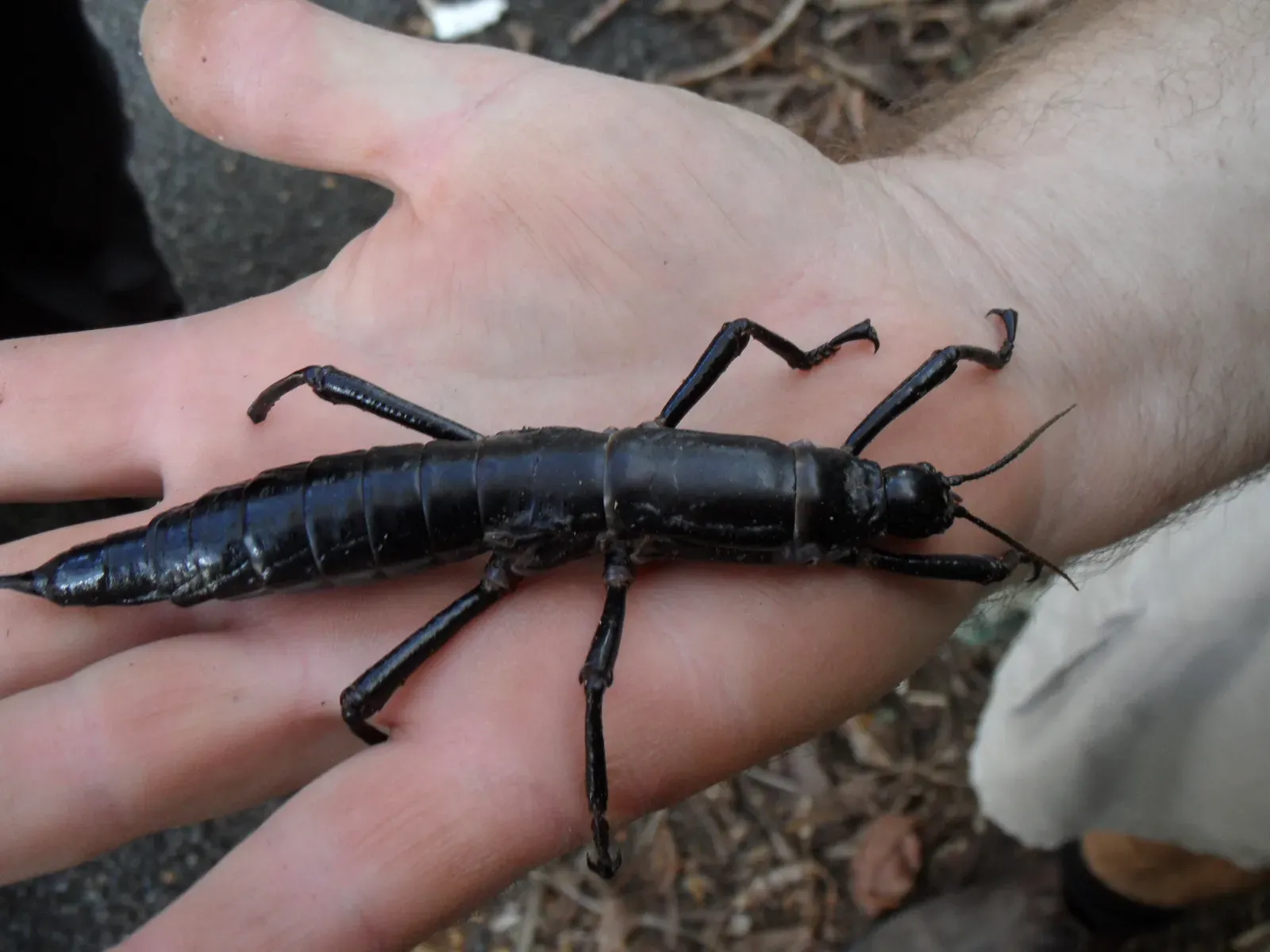
For most of the 20th century, textbooks confidently declared the Lord Howe Island stick insect gone forever. A single shipwreck in 1918 dumped black rats onto Lord Howe Island, and within a few years this huge, glossy, flightless insect – locals nicknamed it the “tree lobster” – had vanished completely. By the 1930s it was formally written off as extinct in the wild.
Then, in 2001, two climbers scaling Ball’s Pyramid – a knife-edge volcanic spire 14 miles offshore – noticed fresh insect droppings under a lone shrub clinging to bare rock. Night surveys turned up a tiny population of massive stick insects, genetically confirmed in 2017 as the very species science had buried decades earlier. Breeding programs in Australia now nurture hundreds of descendants from that one desperate cliffside colony. We nearly lost an entire species to a shipwreck, and for eighty years nobody thought to check the one rock nearby.
Fast Facts
- Ball’s Pyramid is the tallest volcanic sea stack in the world at 1,844 feet (562 meters) high.
- In 2001, entomologists discovered a population of the stick insect living under a single Melaleuca howeana shrub about 100 meters above the shoreline, with only 24 individuals total.
- Two pairs were brought to mainland Australia, and new populations have been successfully bred with the goal of eventual reintroduction.
- Genetic testing didn’t confirm the match to the “extinct” species until 2017 – sixteen years after climbers first found the evidence.
#11 – The Takahe: New Zealand’s “Extinct” Giant Swamp Hen
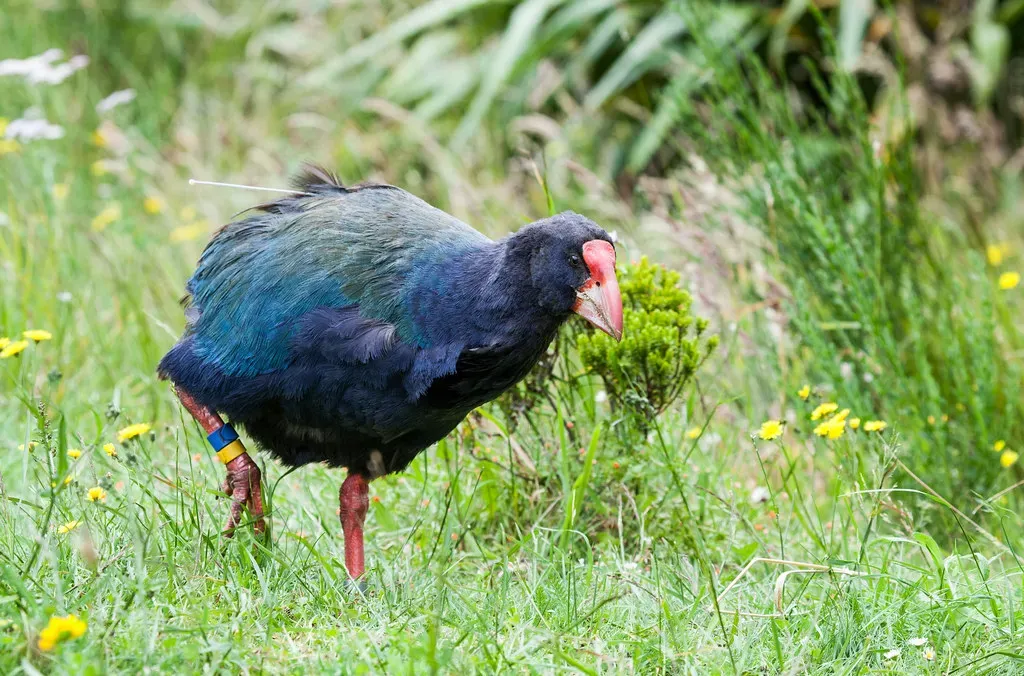
New Zealanders once genuinely mourned the takahe. This chunky, blue-green, flightless rail had been crushed by habitat loss, hunting, and introduced predators, and by 1898 it was declared extinct with nothing left but dusty museum skins. For half a century, field guides simply stopped mentioning it.
Then in 1948, a small team hiking a remote Fiordland valley kicked up a bird that wasn’t supposed to exist anymore. It was unmistakably alive. That ghost population became the foundation of one of New Zealand’s most intense recovery efforts – predator-free sanctuaries, careful translocations, obsessive nest monitoring. A few hundred takahe survive today, still critically vulnerable, but breathing proof that “extinct” and “undiscovered” aren’t always the same word.
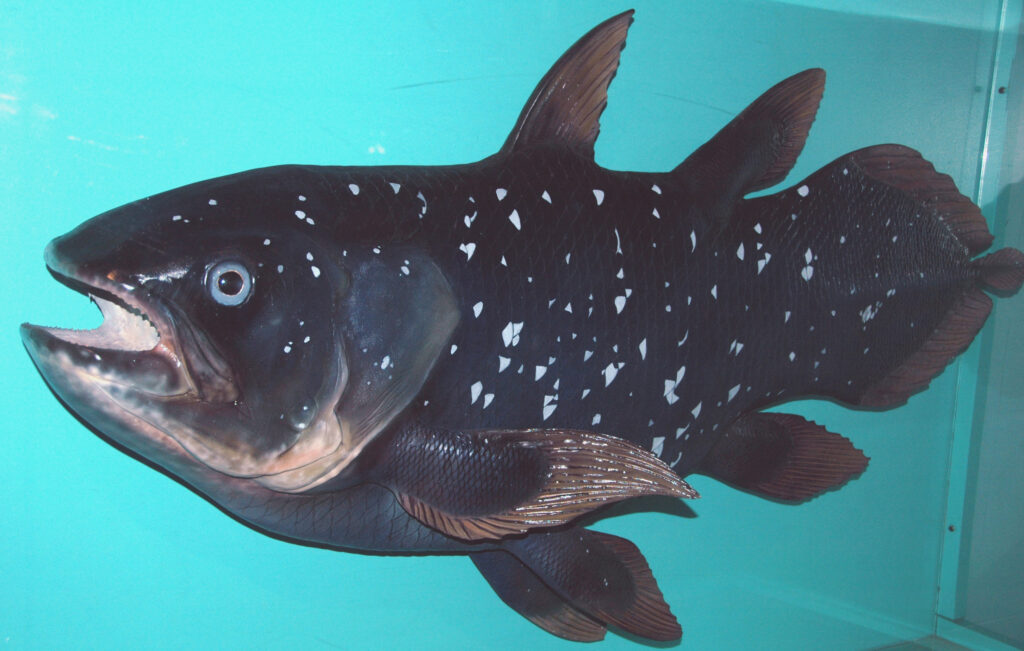
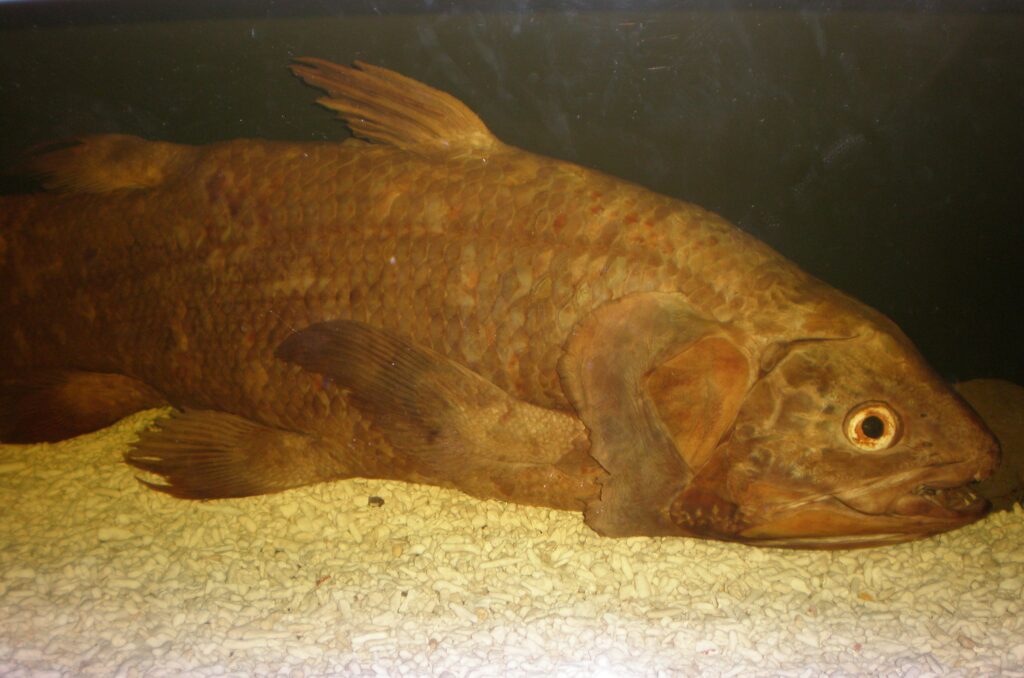
#10 – The Coelacanth: The “Dinosaur Fish” That Refused to Stay Fossilized
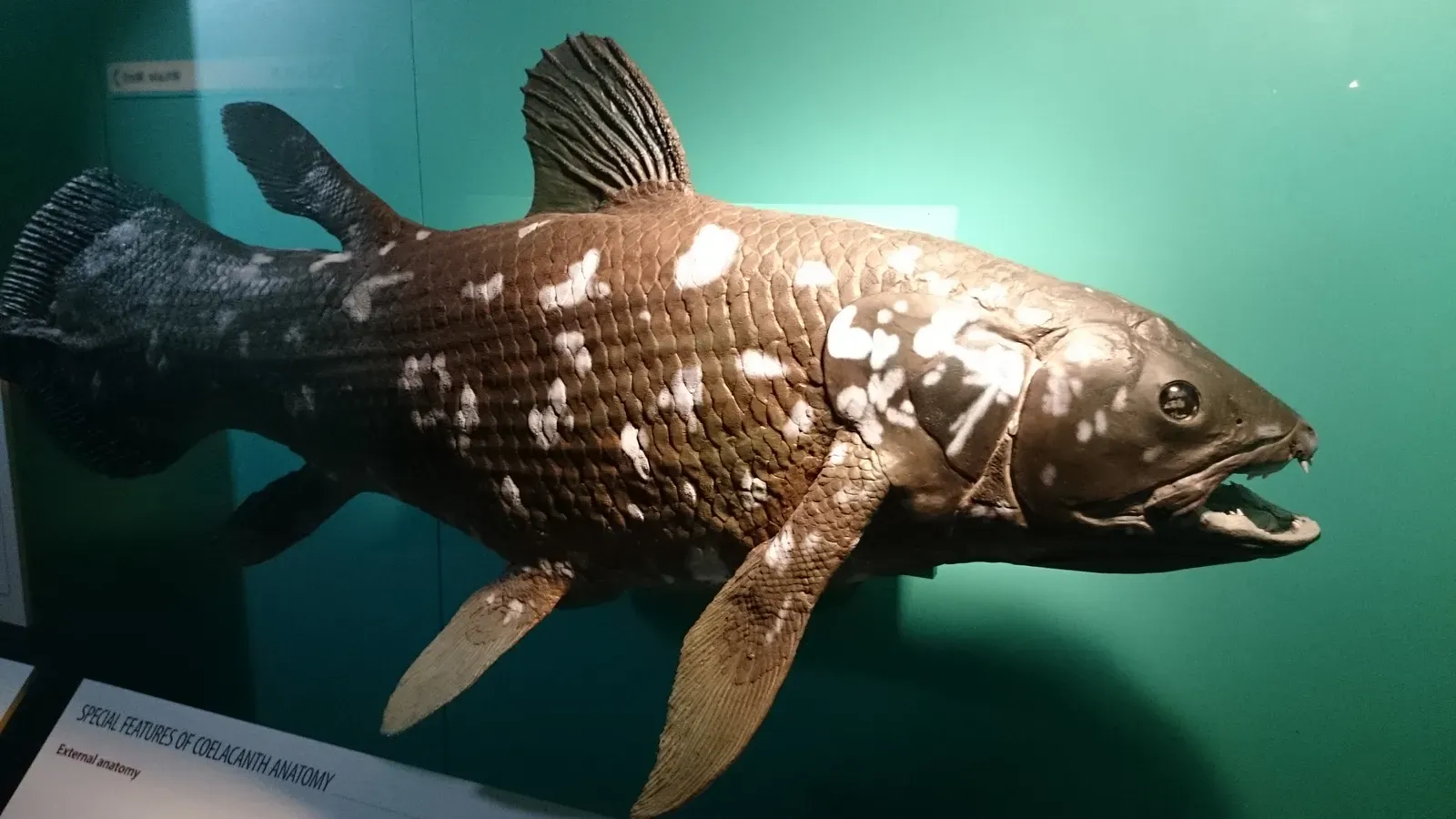
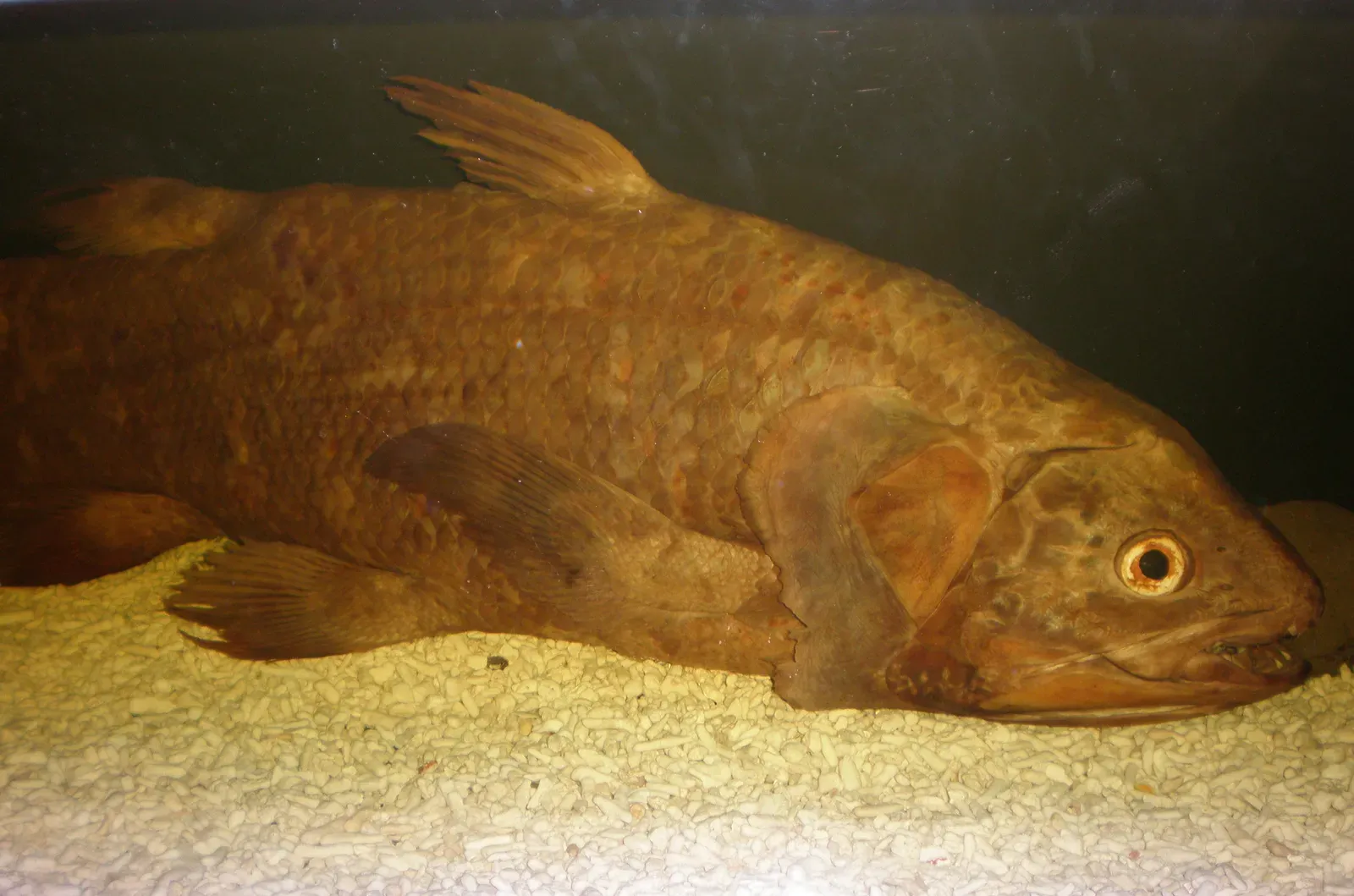
Few extinctions felt more settled than the coelacanth’s. Paleontologists knew it only as a lobe-finned fish from rock layers over 65 million years old, and “coelacanths died out with the dinosaurs” became a textbook throwaway line. Then in 1938, a South African trawler hauled up a very confused, very alive coelacanth from deep water off the Indian Ocean coast.
I would not have been more surprised if I had seen a dinosaur walking down the street.
J.L.B. Smith, ichthyologist
Researchers later realized local fishers had known about the fish for generations – science simply hadn’t asked. A second species turned up near Indonesia in the 1990s, proving this wasn’t one freak relic but a whole hidden lineage lurking in the ocean’s twilight zone. The bitter irony: the fame that saved coelacanths from being forgotten now paints a target on their habitat, as deep-sea fishing and oil exploration close in.
#9 – La Palma Giant Lizard: A Canary Island Dragon That Wouldn’t Die
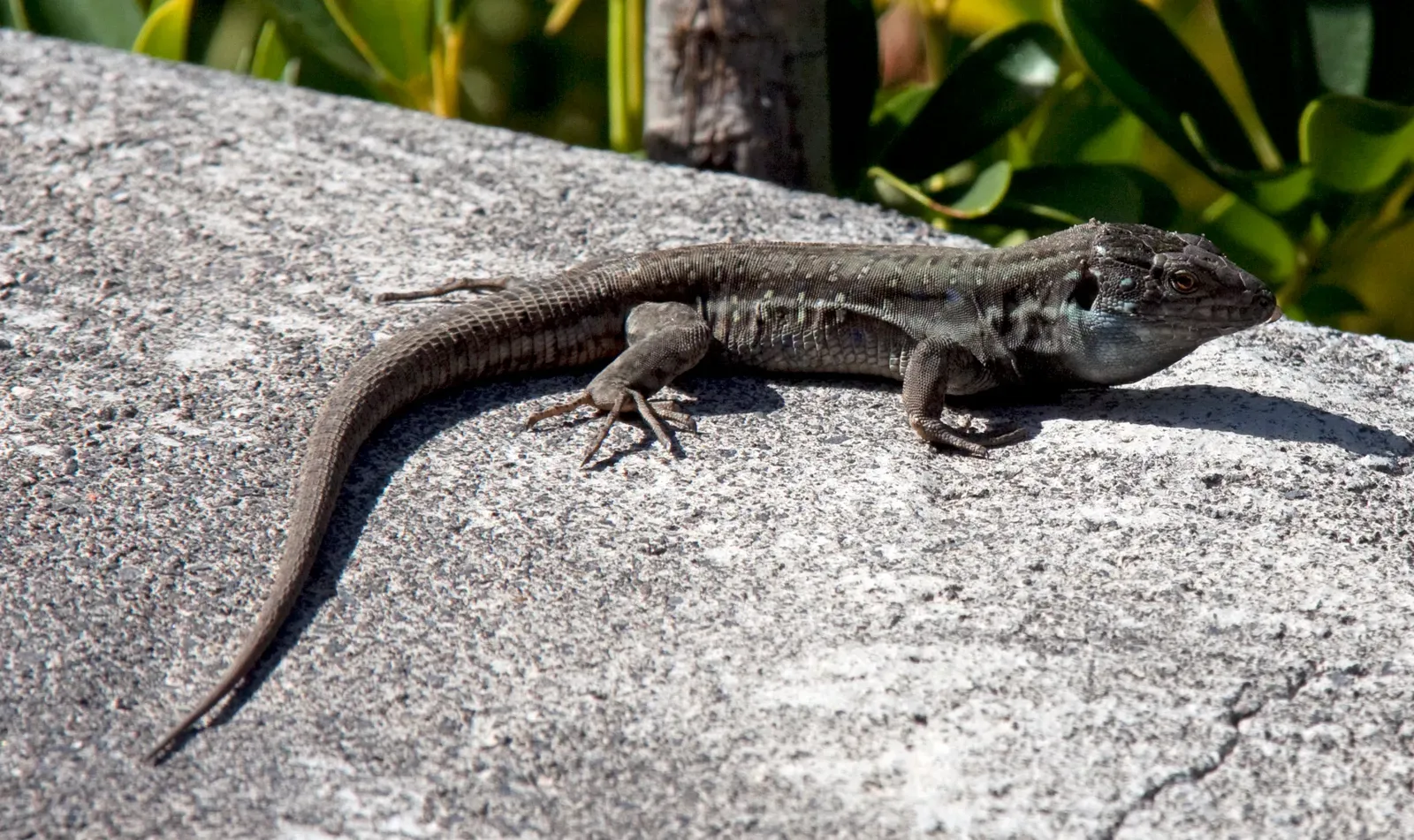
On Spain’s Canary Islands, stories of dragon-like lizards basking on coastal cliffs sounded like pure folklore. By the mid-1900s, biologists treated the La Palma giant lizard as a fossil species only, wiped out by cats, rats, and human persecution long before living memory. For decades, bones were the entire body of evidence.
Then, in the late 1990s and early 2000s, surveys of remote, nearly unreachable cliffs on La Palma found living lizards matching those fossils exactly. The “extinct” reptile had been quietly dodging predators and rockslides the whole time. Conservation now depends on predator control and captive breeding – but the uncomfortable question lingers: if European biologists missed a giant lizard on a popular tourist island, what else are we casually writing off somewhere less convenient?
#8 – The Smoothtooth Blacktip Shark That Reappeared in a Fish Market
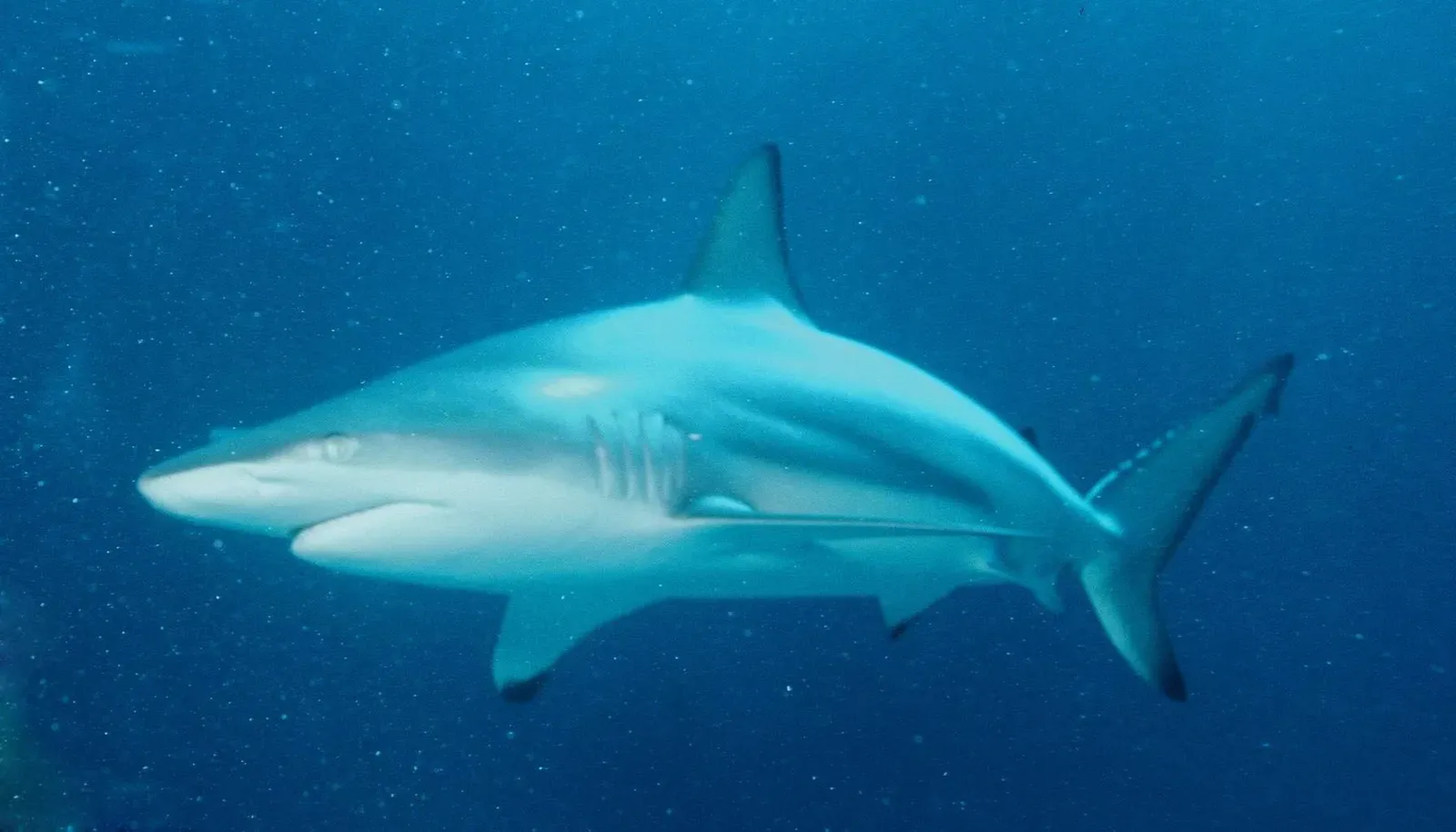
Some Lazarus stories don’t start with a dramatic expedition. They start on a cutting board. The smoothtooth blacktip shark was known from a single specimen collected in 1902 and never seen again – a footnote presumed extinct, or maybe never a real species at all.
Then in 2008, researchers surveying a Kuwaiti fish market noticed odd blacktip sharks among the catch. Genetic and anatomical testing confirmed it: a species erased from the record by a single 1902 sighting had been quietly sold as bycatch for years. That’s the real nightmare here – a species only gets “rediscovered” because industrial fishing finally reached its last hideout. If we only notice an animal when it’s already lying on ice, we’re managing entire oceans half-blind.
#7 – Neptune’s Cup Sponge: The Victorian Trophy That Vanished, Then Returned
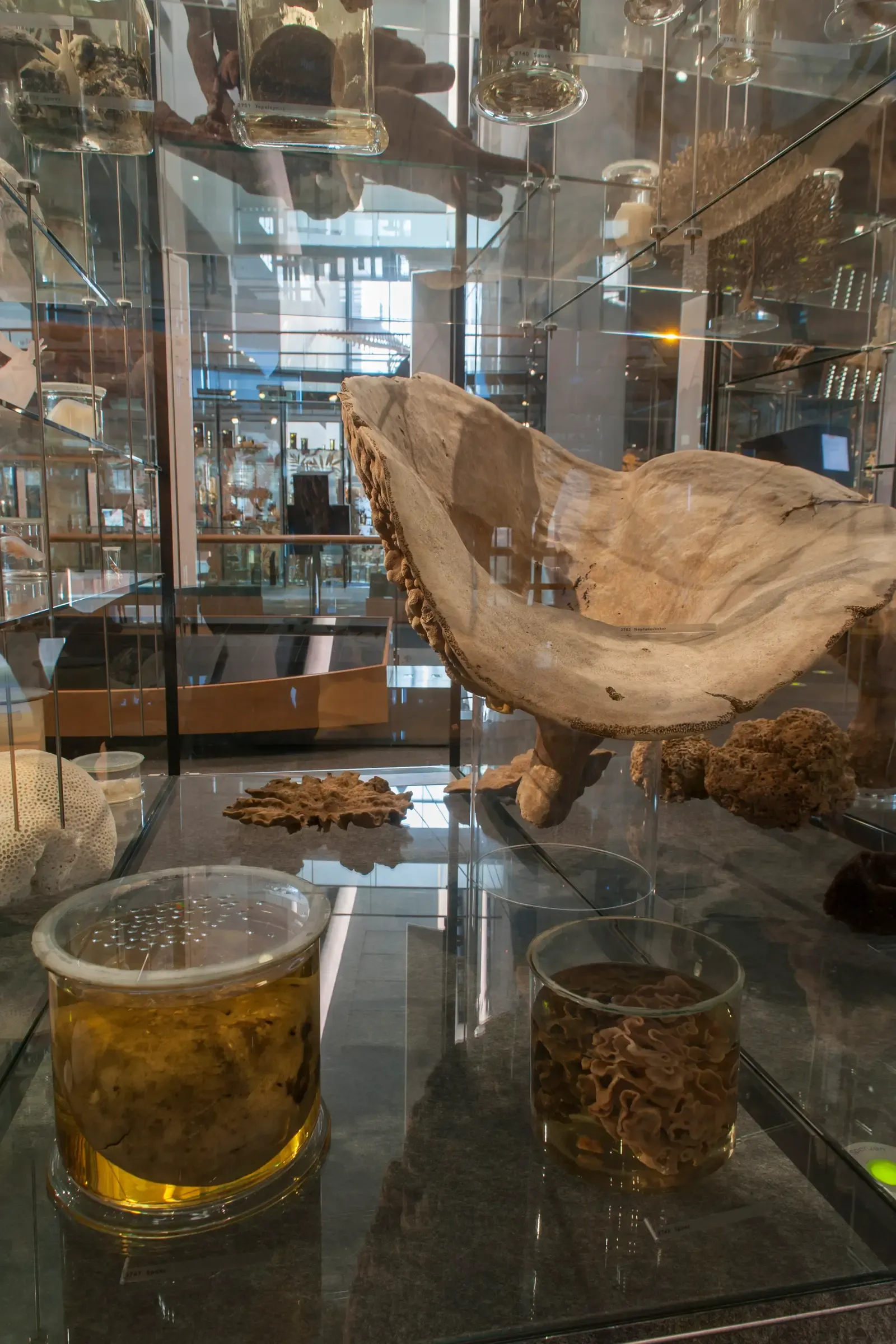
In the 1800s, Neptune’s cup sponge was basically a status symbol. Wealthy Europeans bought these huge, chalice-shaped sponges from Southeast Asia to use as bathtubs and conversation pieces. Naturally, overharvesting crushed this slow-growing species, and by the early 1900s biologists believed it was gone – surviving only in museums and yellowing photographs.
In 2011, divers off Singapore stumbled onto a large, unmistakable sponge sitting in shallow water on a busy shipping lane. It was Neptune’s cup, alive. Follow-up finds in Thailand confirmed a small but real remnant population still clinging on. We loved this animal almost to death for decorating bathrooms – and now scientists are quietly monitoring its comeback just as warming seas start closing in from a different direction.
#6 – Laotian Rock Rat: A “Living Fossil” Discovered in a Meat Stall
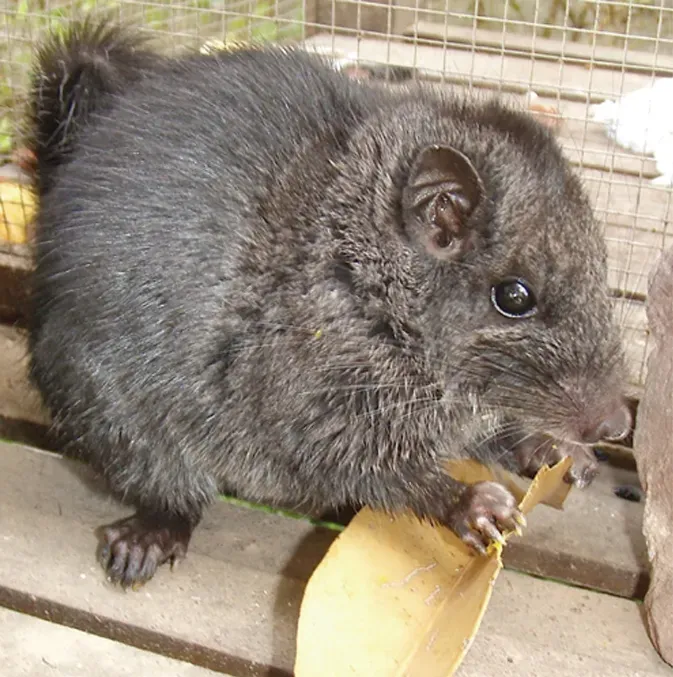
When the Laotian rock rat first showed up in 1990s Laotian food markets, scientists assumed it was just an odd-looking squirrel. DNA and skeletal analysis told a much stranger story: it belonged to Diatomyidae, a rodent family known only from fossils more than 11 million years old. A lineage presumed gone since the Miocene was suddenly gnawing roots in the present day.
Locals had been hunting and eating the animal – nicknamed the “kha-nyou” – for generations, once again proving that Western science often “discovers” what local communities already knew. It lives among karst limestone formations that are now being blasted apart for cement production. The Lazarus label sounds romantic, but this is really a story about a fragile survivor whose only reward for finally being noticed is a new set of modern threats at its doorstep.
Worth Knowing
- The rock rat belongs to Diatomyidae, a rodent family biologists thought had gone extinct roughly 11 million years ago.
- Local hunters and market vendors knew the “kha-nyou” firsthand long before any scientist gave it a Latin name.
- Its habitat is almost entirely limestone karst – the same terrain now prized by cement quarries.
- No solid population estimate exists yet, so its true conservation status is still something of a mystery.
#5 – The Cahow: A Seabird Pulled Back from Eighteen Nesting Pairs
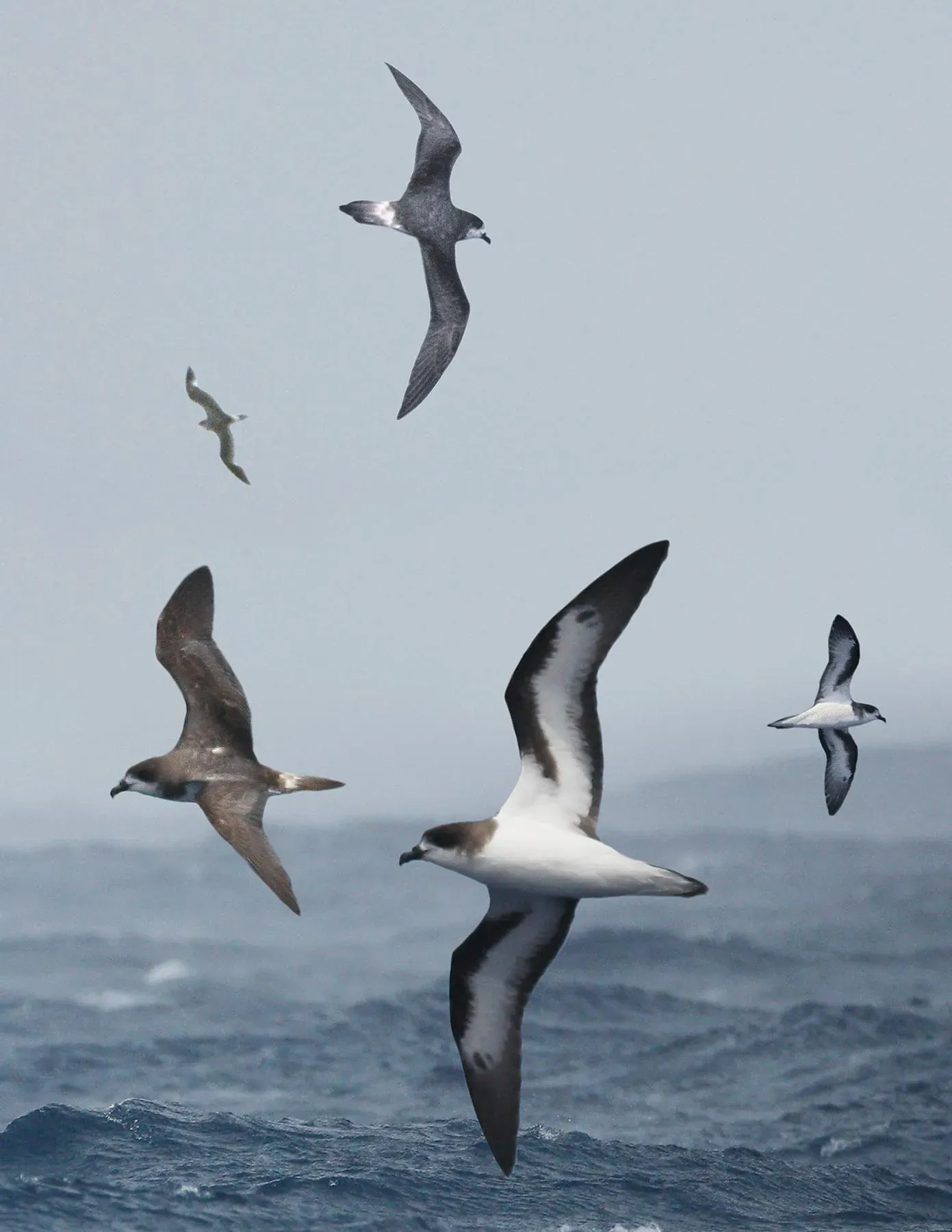
Bermuda’s cahow shows how thoroughly humans can wreck a species without even understanding it. Early colonists slaughtered this burrow-nesting petrel for meat while the rats, cats, and pigs they introduced destroyed its nesting islands. By the 1620s, people already called it extinct, and for roughly 330 years it existed only in old records and subfossil bones.
In 1951, researchers found a tiny remnant population – just 18 pairs – clinging to a few storm-battered islets. What followed was one of conservation’s most stubborn rescue jobs: eradicating predators, building artificial burrows, hand-rearing chicks, even relocating chicks to teach them new, safer homes. A few hundred cahows exist today, still critically endangered but climbing steadily – living proof that some damage can be reversed if someone refuses to give up on it.
#4 – Pygmy Long-Fingered Possum: A Marsupial Back from a 6,000-Year “Death”
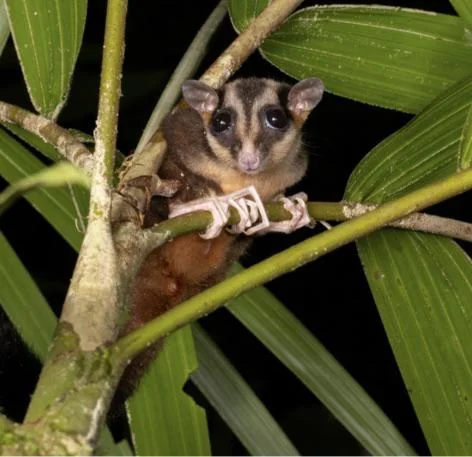
In 2026, researchers working in New Guinea dropped a quiet bombshell: two marsupials believed extinct for roughly 6,000 years were alive in remote forest. One of them, the pygmy long-fingered possum, had only ever been known from Ice Age and early Holocene fossils in Australia – a relic that had simply disappeared from the record millennia ago.
Guided by Indigenous knowledge from the Tambrauw and Maybrat communities, biologists finally tracked down and photographed live individuals in the Vogelkop Peninsula of Indonesian New Guinea. Its oddly elongated finger, perfect for digging out insects, had been quietly evolving the whole time science filed it under “gone.” This isn’t just a cute rediscovery – it’s a blunt reminder that when Western teams declare a species extinct for thousands of years, they’re often really just saying nobody they funded had looked lately.
#3 – Ring-Tailed Glider: A “Sacred” Species Hidden by Culture as Much as Forest
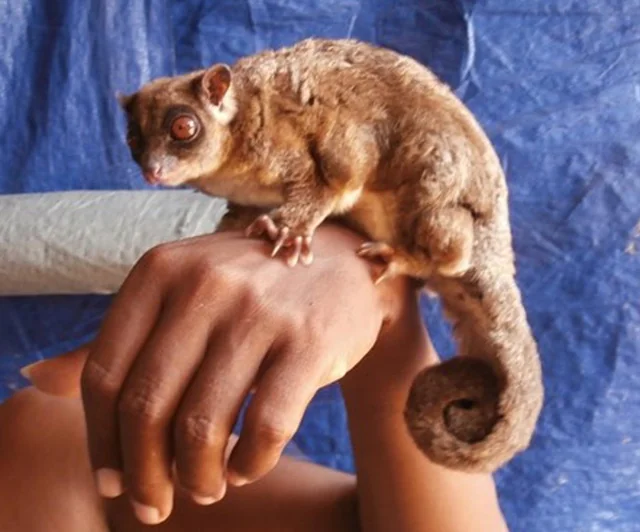
The second Lazarus marsupial from that same 2026 study adds an even sharper twist. Like the pygmy possum, the ring-tailed glider was known only from old Australian fossils and assumed extinct for thousands of years – until it turned up gliding silently through New Guinea treetops, smaller than its Australian relatives and built for dense forest life.
Here’s the part that rarely makes headlines: some local Indigenous groups already knew this animal well and considered it sacred, protected by cultural taboo rather than any conservation law. That reverence likely shielded it from hunting – and from outside attention – for centuries. In other words, this “rediscovery” in Western journals was really a discovery that science had been culturally blind the whole time, not that the animal had been especially hard to find.
#2 – The “Extinct” Moth Rediscovered by a Hobbyist with a Camera
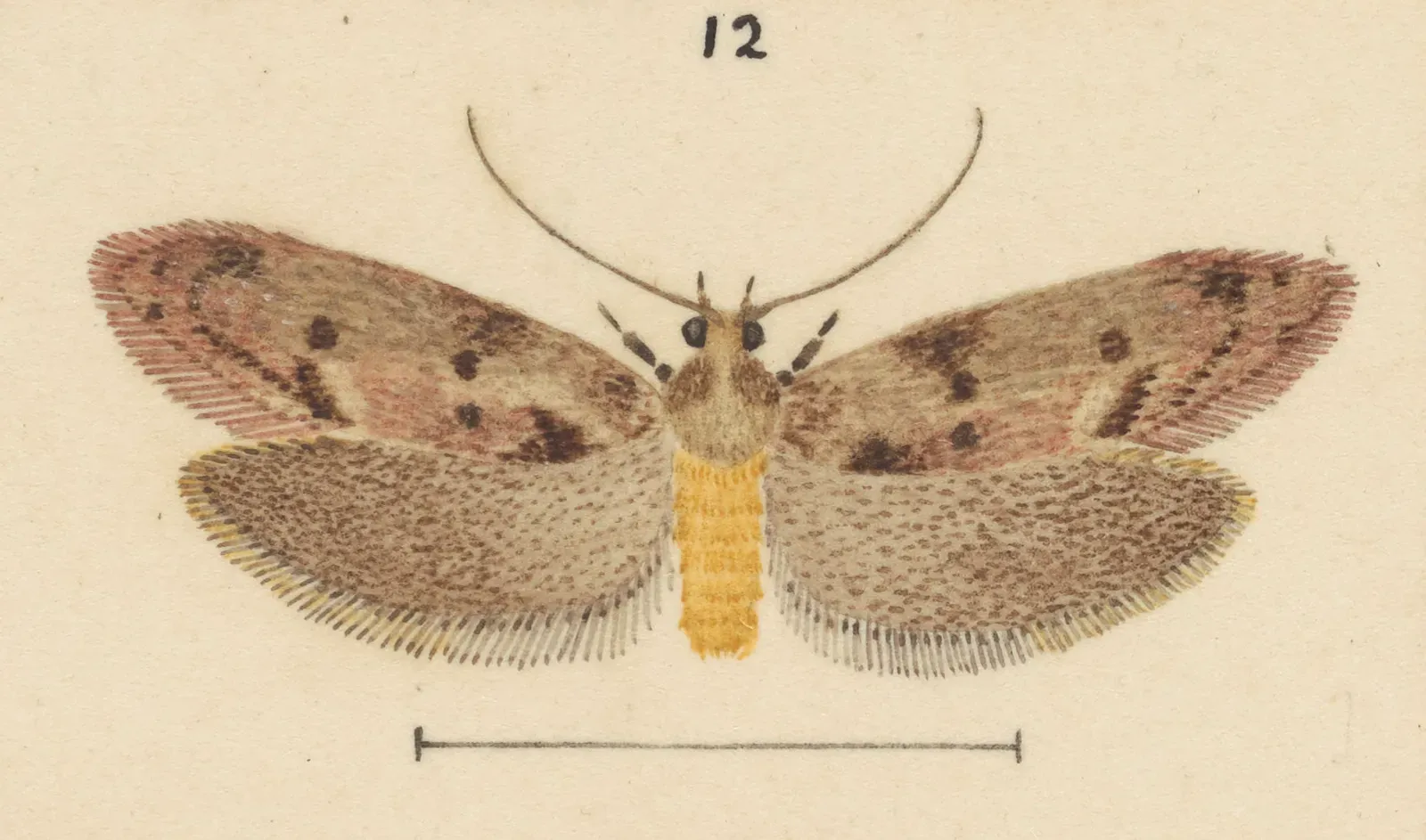
Not every Lazarus species is charismatic, and that’s exactly the point. Chersadaula ochrogastra, a small New Zealand moth, was last recorded in the 1920s and quietly dropped off scientific radar. For decades it sat in limbo: no specimens, no confirmed sightings, treated as possibly extinct simply because nobody had bothered to look closely.
Then in 2020, an amateur naturalist uploaded a photo to iNaturalist, and experts reviewing community submissions recognized the moth instantly, confirming a living population. This wasn’t just a feel-good footnote – it exposed a real bias in how conservation attention gets distributed. We pour resources into tracking big mammals and birds while insects quietly flicker out, or in this case, quietly persist while everyone shrugs and assumes the worst.
#1 – Fernanda the Tortoise: A Species Presumed Gone for Over a Century
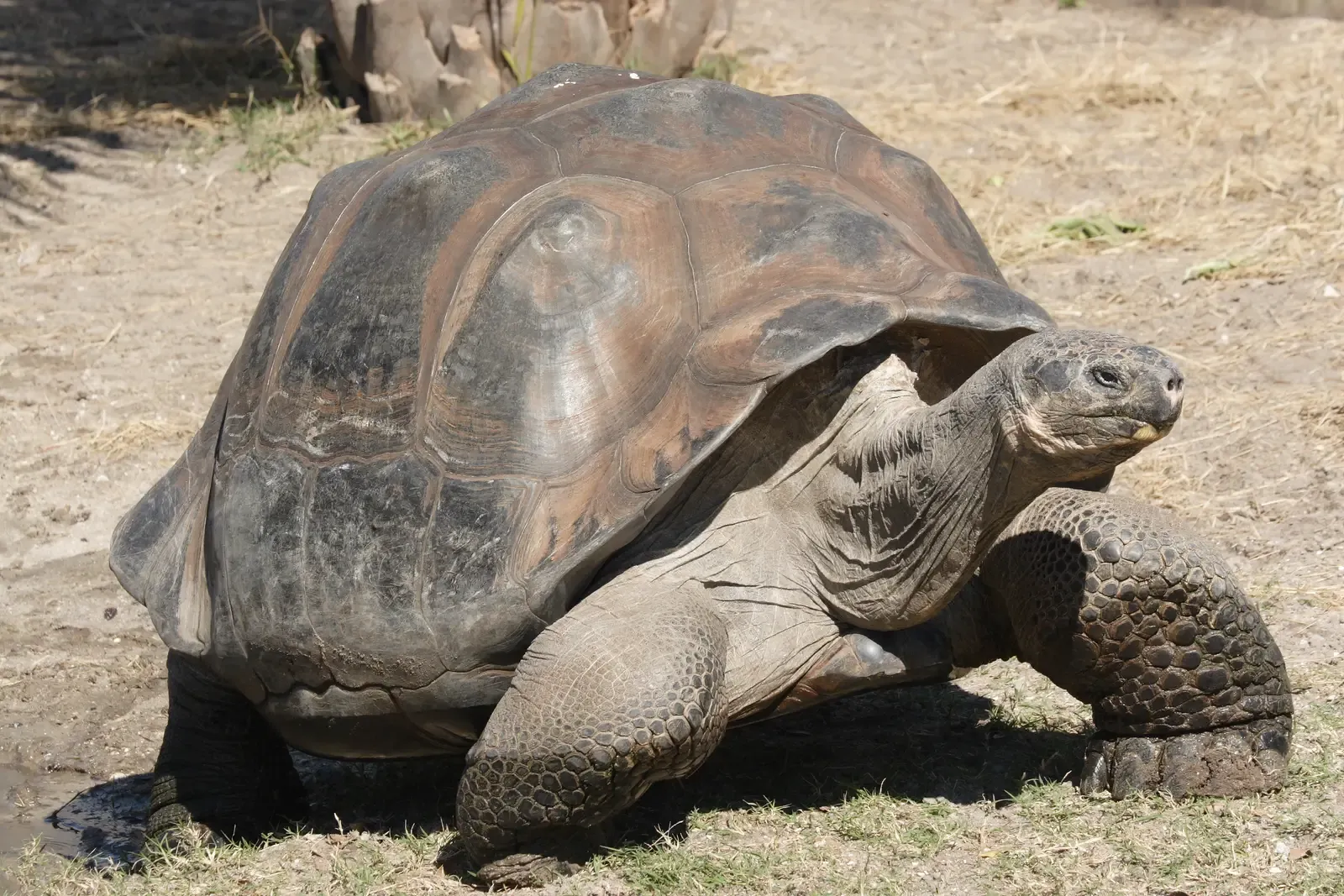
For more than a hundred years, the Fernandina giant tortoise existed only as a single stuffed specimen collected in 1906 from Fernandina Island in the Galápagos. Between the island’s active volcano and the historical slaughter of giant tortoises by passing whaling ships, scientists assumed there had never been a real breeding population to begin with. It became one of the most emblematic “extinct” tortoises in the world.
Then, in February 2019, a joint expedition found a lone adult female tucked into cactus scrub on the island. Nicknamed Fernanda, she was moved to a breeding center, and genetic testing published in 2022 confirmed she matched the century-old specimen exactly – proof the species had survived undetected on an active volcano for well over a hundred years. Scientists still haven’t found a single male. It’s a bittersweet kind of comeback: alive, confirmed, and still standing right at the edge of the cliff she never quite fell off.
At a Glance
- The species’ scientific name, Chelonoidis phantasticus, roughly translates to “fantastic giant tortoise.”
- While searching for Fernanda, researchers found tracks and scat suggesting at least two other tortoises might still be on the island.
- The only other specimen ever documented was a male collected in 1906, now kept in a California museum collection.
- Despite repeated, exhaustive expeditions to find her a mate, researchers are increasingly concluding Fernanda may be an “endling” – the last of her species.
The Bottom Line
These “back from the dead” stories feel hopeful, and honestly, they are – but they’re not proof that nature always bounces back. They’re warnings about how sloppy and unequal our attention has been. Coelacanths hiding in deep reefs, marsupials known only from fossils turning up in Indigenous homelands, a supposedly extinct insect surviving on one shrub on a sea stack, a forgotten moth resurrected by a phone camera – each one exposes a data gap we glossed over and called “extinction.”
Quick Compare
| Species | Declared Gone | Found Again | Time “Missing” |
|---|---|---|---|
| Lord Howe Island Stick Insect | 1930s | 2001 | ~70 years |
| Takahe | 1898 | 1948 | 50 years |
| Cahow | 1620s | 1951 | ~330 years |
| Fernandina Tortoise | 1906 | 2019 | 113 years |
My honestly opinionated take: we romanticize Lazarus species because it lets us feel better about the damage we’ve already done. The harder truth is that most species we drive to the edge never get a surprise sequel – they just stay gone. The smart move isn’t betting on miracle rediscoveries. It’s protecting habitats before the obituary gets written, actually listening to the people who lived alongside these animals for generations, and funding the unglamorous surveys that catch a decline while there’s still something left to save.
Which of these comebacks changed how you think about extinction – and honestly, do you think we’re still declaring species extinct too fast, or not fast enough to actually protect what’s left?