
Tour guides love a clean story. Pyramids were built exactly this way, Stonehenge means exactly that, the Acropolis has always looked like this. Archaeologists keep proving them wrong the moment they dig one layer further down.
Underneath the postcard version of these sites, researchers keep hitting things that don’t fit the script – sealed rivers of liquid mercury, bones from people who shouldn’t be there, entire cities stacked on top of older cities. Some of these finds are confirmed by scans and peer-reviewed digs. Others are still raising eyebrows in academic journals. Either way, here are twelve discoveries that turned famous ruins into something much stranger than the plaque out front admits.
#12 – The Hidden Void Inside the Great Pyramid of Giza
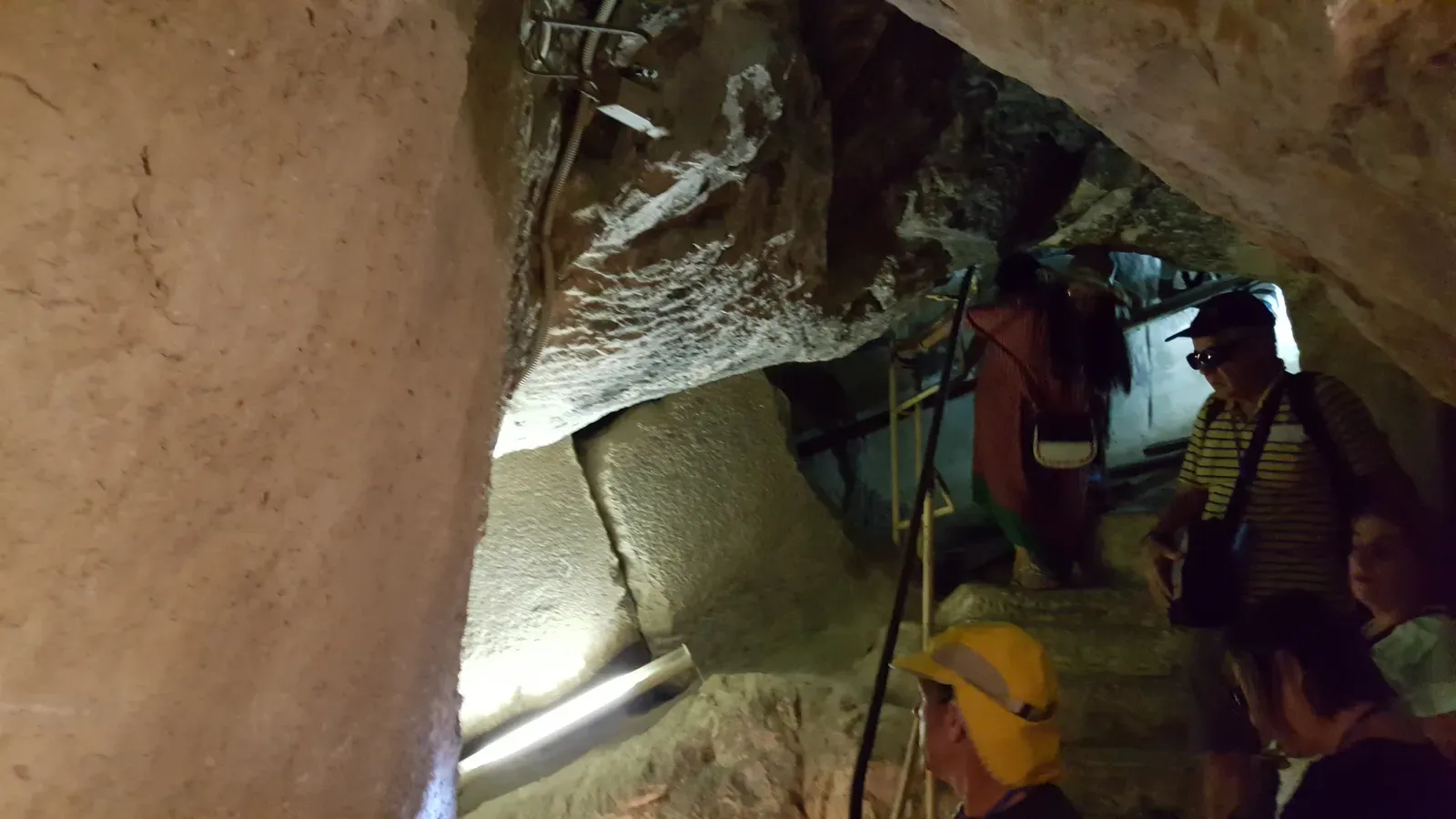
For over a century, everyone assumed the Great Pyramid’s internal map was finished: descending corridor, ascending corridor, Queen’s Chamber, King’s Chamber, done. Then scientists pointed muon detectors at it – instruments that track cosmic-ray particles passing through solid stone – and found something that shouldn’t exist. A void at least 30 meters long sits above the Grand Gallery, and it doesn’t match any known passage on the blueprints.
Nobody has physically entered it. Right now it only exists as a ghostly shadow on sensor readouts, which somehow makes it creepier. Engineers insist the pyramid doesn’t structurally need a cavity that size, so the guesses keep multiplying: stress-relief gap, unfinished corridor, or a deliberately hidden room with a purpose nobody wants to say out loud. Egyptian authorities have blocked any drilling for now, which means the mystery stays sealed. But that’s tame next to what showed up under a Mexican temple.
Fast Facts
- Built for the pharaoh Khufu around 2560 BCE, making the void discovery a find inside a monument over 4,500 years old
- The ScanPyramids project began scanning in 2015 using muon detectors, infrared thermography, and 3D simulations
- The Big Void was formally announced in the journal Nature in November 2017 – the first major inner structure found since the 1800s
- No known corridor connects to the space, and researchers have ruled out drilling into it to protect the structure
#11 – A Sealed River of Liquid Mercury Beneath Teotihuacan
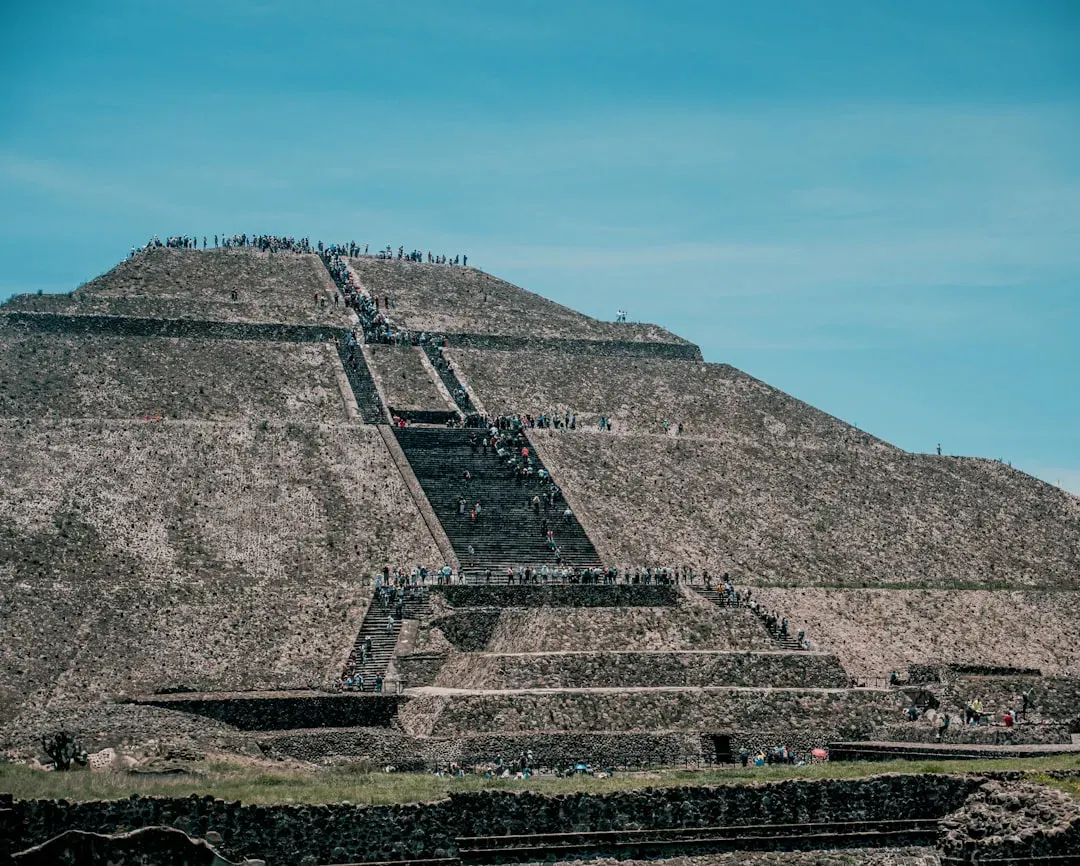
When archaeologists pushed deeper under Teotihuacan’s Temple of the Feathered Serpent, ground-penetrating radar revealed a sealed tunnel nobody had touched in nearly two thousand years. Inside was liquid mercury, pyrite spheres polished like stars, and offerings that seem designed for exactly one purpose: to shimmer like an underworld river when lit by torchlight.
Alongside the mercury, researchers pulled out jade, seashells hauled in from distant coastlines, and carved figures that suggest this wasn’t storage – it was staging. Mercury is toxic and notoriously hard to control, which makes its presence here feel deliberate rather than accidental. Some Mexican scholars think this tunnel was theater on a massive scale, built so Teotihuacan’s elite could stage their own descent into the afterlife. What turned up under the Colosseum, though, tells an even messier story.
#10 – The Buried Neighborhood Underneath Rome’s Colosseum
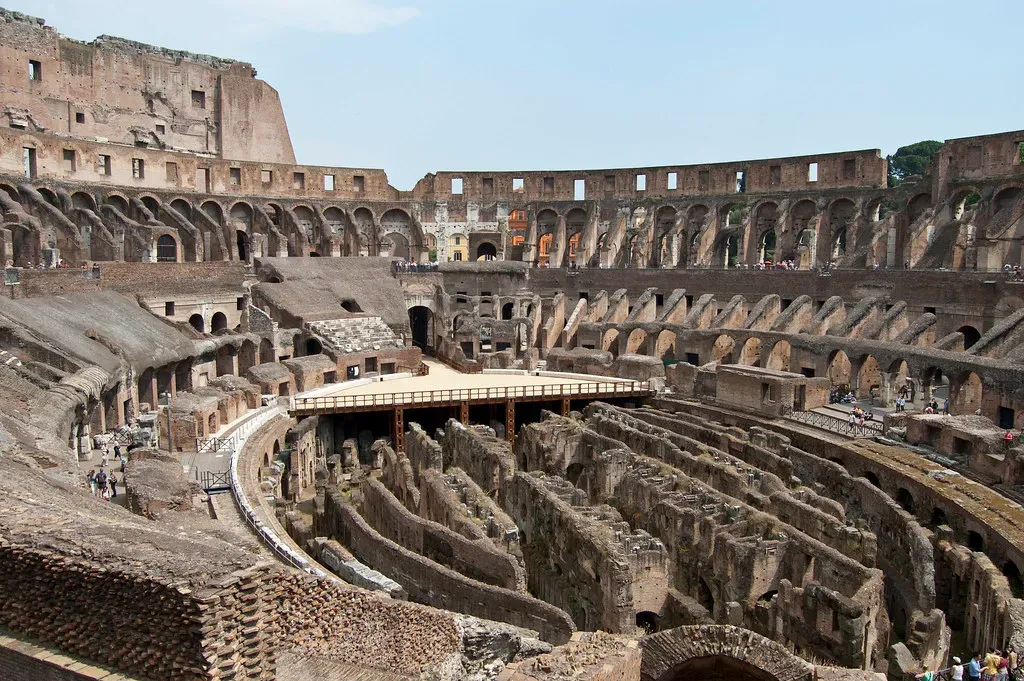
Most visitors only ever see the exposed hypogeum beneath the arena floor. Deeper excavations found something stranger: streets, drains, and fragments of an entire Roman neighborhood that existed before the Colosseum was ever built on top of it. In several spots, older walls were simply sliced off and reused as foundations for the new arena.
That detail changes how you have to think about the building. The Colosseum isn’t a clean, freestanding monument – it’s a brutal megaproject stamped straight over people’s actual homes. Excavators have pulled coins, ceramic shards, and animal bones out of the fill, tangled up with the massive drainage channels engineers needed to keep the arena from flooding. Some Italian historians now describe it less as a monument and more as a machine bolted into a city that was already there. Stonehenge has its own version of buried surprise, and it involves bones that don’t belong.
#9 – Skeletons at Stonehenge That Don’t Match the Local Soil
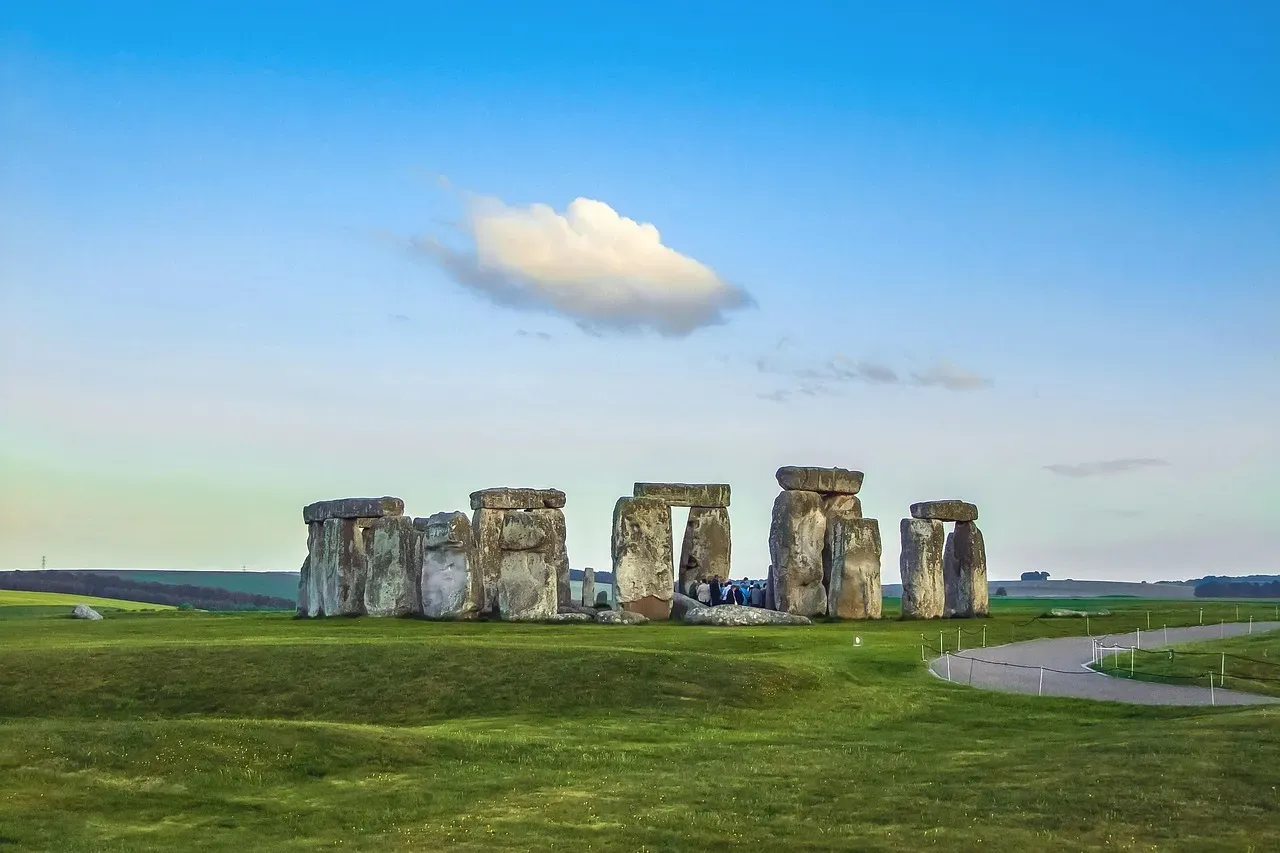
Everyone pictures Stonehenge as one lonely stone circle. Deeper digs around it reveal a crowded prehistoric landscape – burial pits, cremation deposits, and bones that keep failing to match the local geology. Isotope analysis has shown that some people buried near Stonehenge grew up hundreds of miles away, possibly in Wales or even continental Europe.
That single detail wrecks the old image of isolated Neolithic farmers who never left home. It suggests Stonehenge worked more like a pilgrimage site, pulling people in for healing, rites of passage, or elite gatherings. The uncomfortable part is what the bones themselves show: signs of disease and physical stress in many of the burials, meaning this sacred site may have been tied to sickness and death just as much as to the solstice alignments everyone talks about. Alexandria’s coastline hides something even harder to fully map.
Worth Knowing
- Stonehenge’s earliest earthwork phase dates to roughly 3000 BCE, with the iconic stone circle raised centuries later around 2500 BCE
- The smaller bluestones were hauled from the Preseli Hills in Wales, more than 140 miles away
- The massive sarsen stones came from West Woods, Wiltshire, only about 15 miles from the monument
- Cremated human remains have turned up in the site’s ancient Aubrey Holes, hinting the location served as a burial ground long before the stones went up
#8 – A Sunken Royal District Beneath Alexandria’s Harbor
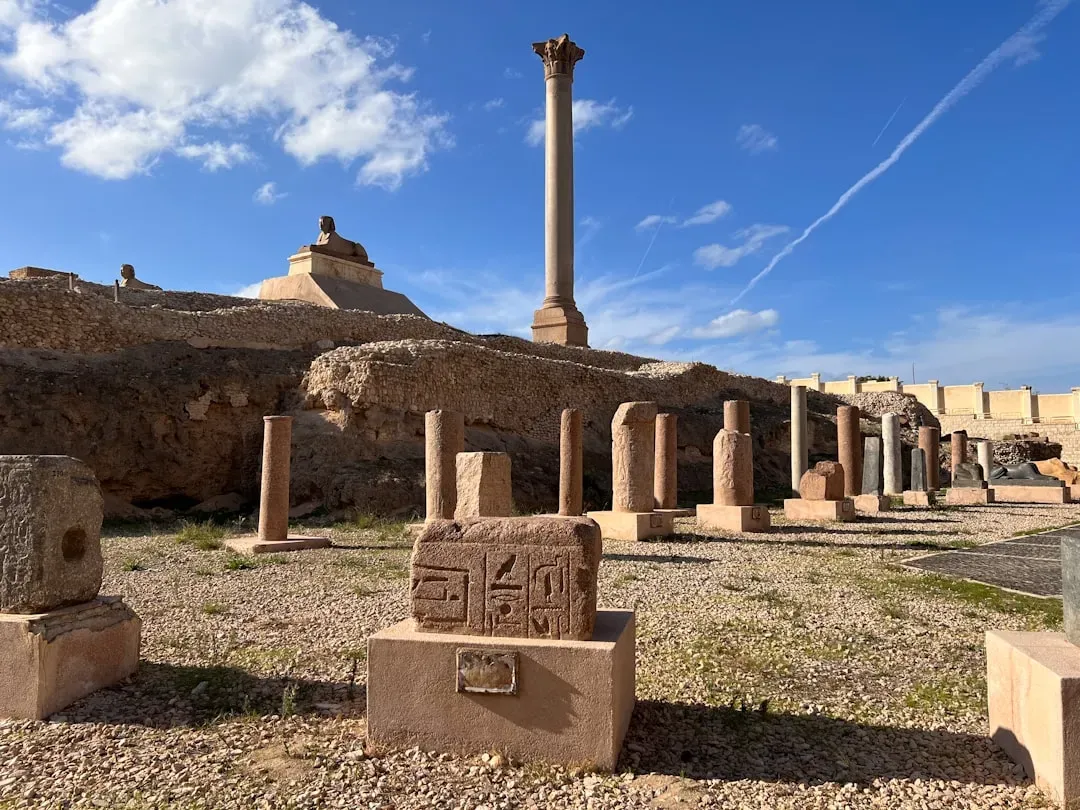
Alexandria is famous for what vanished above ground – the lighthouse, the great library. Underwater excavations off the modern coast found something just as dramatic: entire submerged districts, including collapsed columns, sphinxes, and harbor structures likely connected to Cleopatra’s palace complex, all buried under meters of silt.
The existence of these ruins isn’t the shocking part – ancient writers described a coastal royal quarter. What’s strange is how violently it seems to have disappeared. Geological evidence points to repeated earthquakes and gradual subsidence rather than one clean catastrophe, and the debris pattern suggests multiple collapses over time. Some researchers now believe there are more intact complexes still sealed under modern Alexandria itself – time capsules nobody’s opened yet. Jerusalem’s Temple Mount area hides something just as layered, but far more politically explosive.
#7 – Labyrinth Tunnels Beneath Jerusalem’s Temple Mount
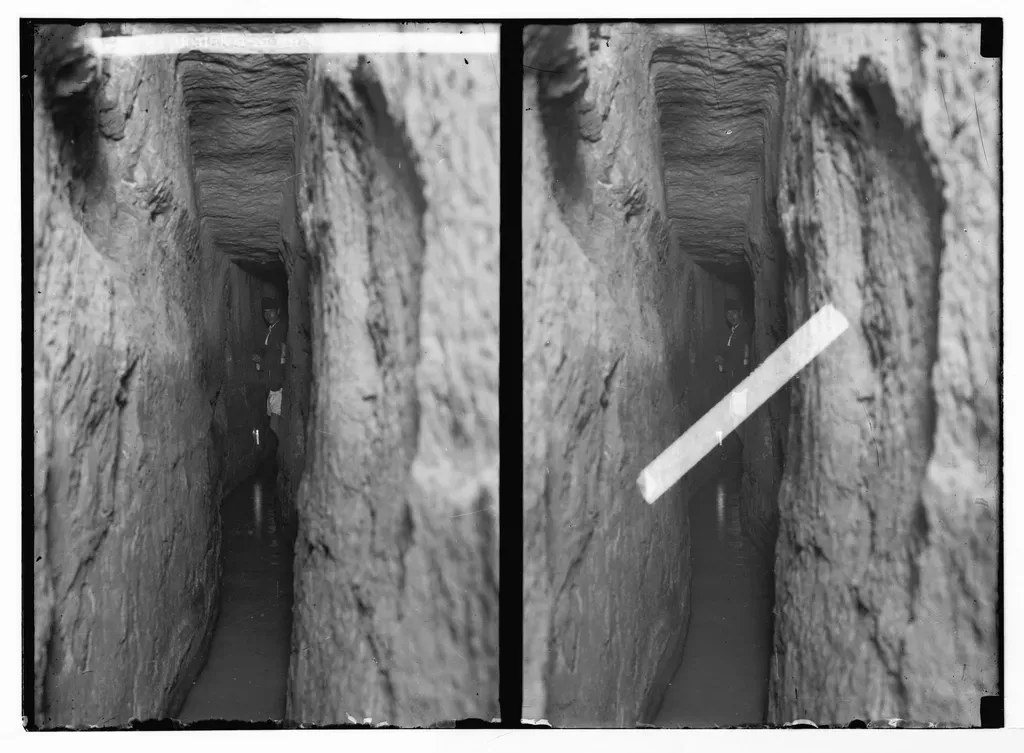
Few excavation zones on Earth carry as much political and religious weight as the Temple Mount. Direct digging on the platform itself is essentially off-limits, but work in the surrounding tunnels – including the Western Wall passages – has revealed blocked arches, older monumental stones, and labyrinthine spaces buried beneath much later construction.
Some of these segments seem to belong to earlier temple expansions. Others remain genuinely puzzling, especially fragments pulled from debris removed without standard archaeological documentation – small artifacts dated to the First Temple period mixed in with later Roman and Islamic material. That mix hints at centuries of intense rebuilding beneath the surface that we may never be able to fully untangle, because politics, not archaeology, decides how deep anyone is allowed to dig here. Göbekli Tepe, by contrast, was buried on purpose – and nobody fully agrees on why.
#6 – The Deliberately Buried Complex Under Göbekli Tepe
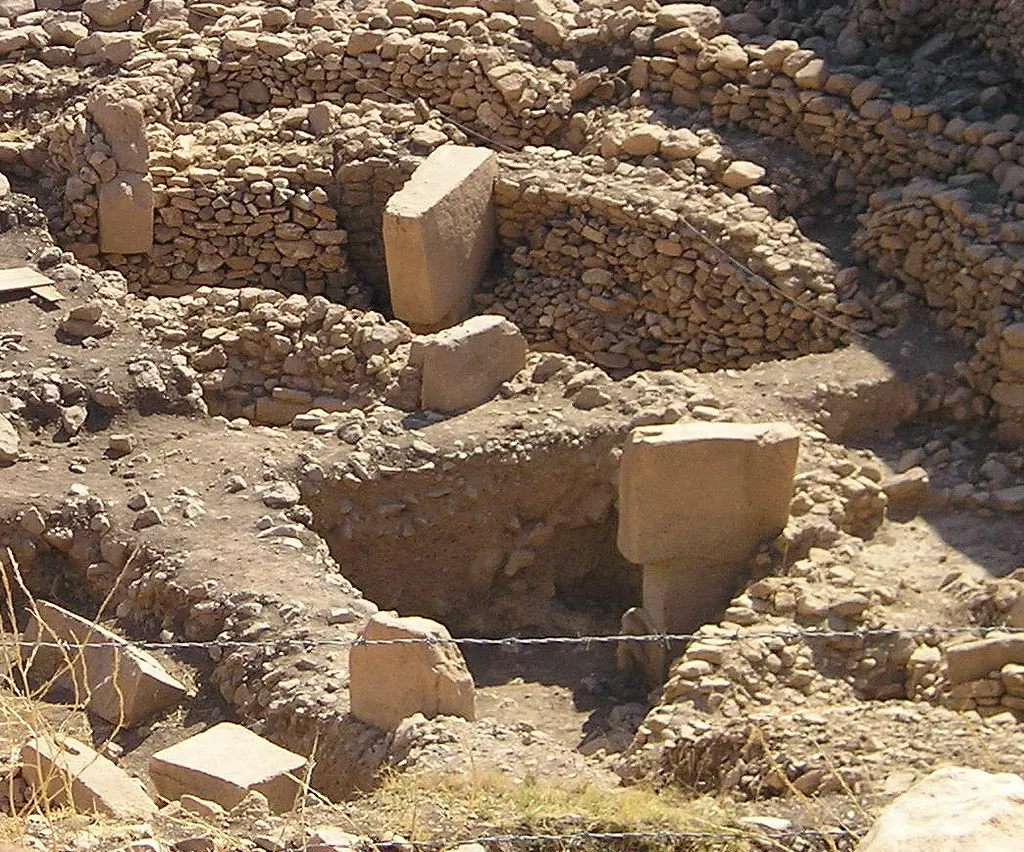
Göbekli Tepe already rewrote the archaeology textbooks by pushing monumental ritual architecture back to roughly 10,000 BCE, built by hunter-gatherers who supposedly weren’t organized enough for that yet. Deeper geophysical surveys around the carved enclosures found something even stranger: regular, anomalous shapes suggesting additional buried structures that haven’t been excavated at all.
Some of these hidden features form straight lines or circular arrangements echoing the enclosures already dug up, meaning what tourists see today is likely just a fraction of the full site. What really puzzles researchers is that the burial was intentional and uniform – not erosion, not accident. One theory calls it ritual closure, a deliberate retirement of sacred ground. Another suggests something far more practical, like slope stabilization. Until the fill gets properly dated, Göbekli Tepe stays a monument built up over its own sacred past on purpose. Machu Picchu’s underground story is less mystical and a lot more human.
At a Glance
- The earliest excavated layers date to roughly 9600 BCE – more than 11,000 years ago
- That makes the megaliths older than Stonehenge by about 6,000 years
- German archaeologist Klaus Schmidt began systematic excavations at the site in 1994
- Researchers estimate less than five percent of the entire site has been excavated so far
#5 – The Forgotten Workshops Beneath Machu Picchu
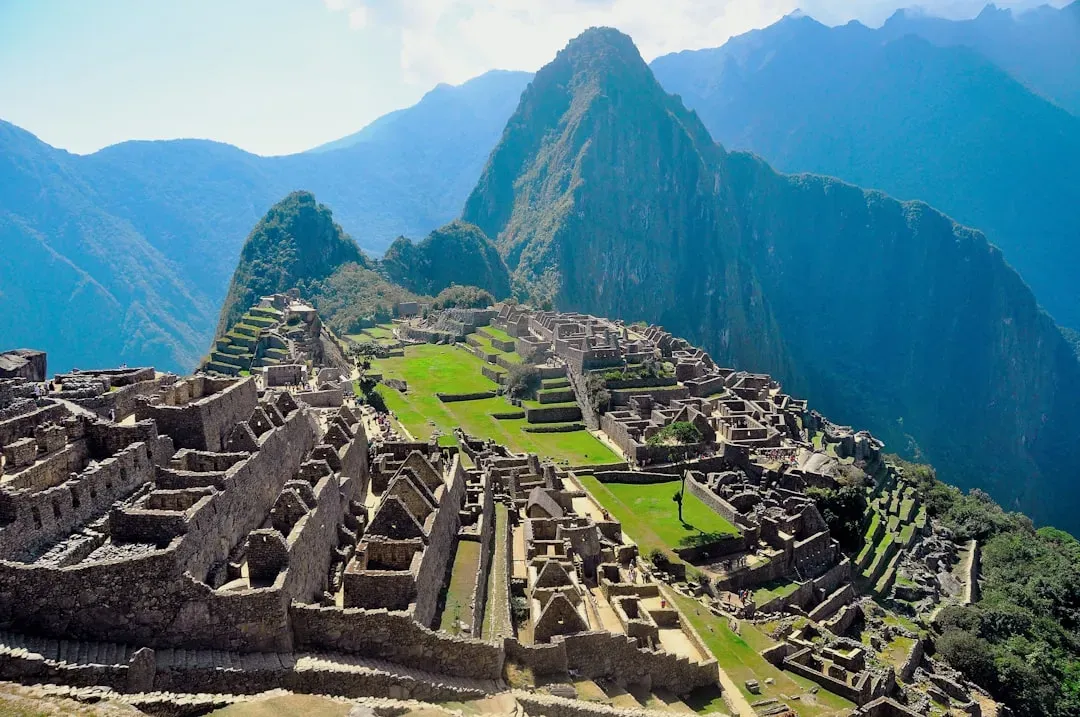
Machu Picchu gets sold as an isolated mountaintop citadel, untouched by ordinary life. Deeper digs beneath its terraces tell a grittier story: evidence of metalworking, ceramics production, and agricultural experimentation, with later Inca construction literally built on top of earlier workspaces.
Burials found across the wider complex add another layer. Skeletons show varied diets and different origin points, meaning not everyone living and dying here was high-status. Many appear to be laborers or retainers, possibly brought in from other corners of the empire, working in the shadow of the elite rituals happening above them. The romantic “lost ceremonial city” image quietly gives way to a picture of labor, production, and control. Chichén Itzá hides something even stranger under its most famous pyramid.
#4 – The Water-Filled Void Hidden Beneath Chichén Itzá’s El Castillo
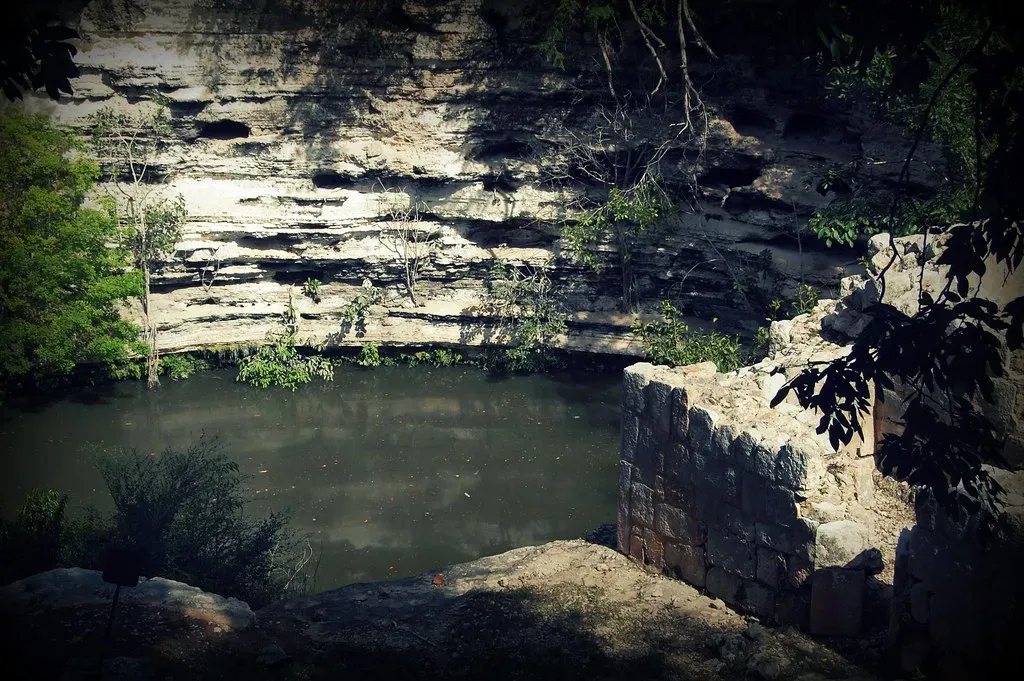
El Castillo looks like a single, iconic pyramid. Geophysical surveys reveal it’s actually a shell built over earlier temples and natural features, including a cenote-like water-filled void positioned in a way that looks anything but accidental. The Maya appear to have deliberately placed this pyramid directly over an underground water system loaded with cosmological meaning.
Recent imaging suggests hidden internal stairways and chambers that still haven’t been physically reached. Some Mexican archaeologists describe the structure as a nested sequence of monuments, each one encasing the last – architectural matryoshka dolls built for political or religious reasons. There’s also a darker theory floating around: some of these sealed spaces may hold tombs or sacrificial deposits, walled off by later masonry and never meant to be found. Notre-Dame’s crypt holds its own version of that discomfort, right under the altar.
#3 – Forgotten Burials Hidden Beneath Notre-Dame’s Crypt
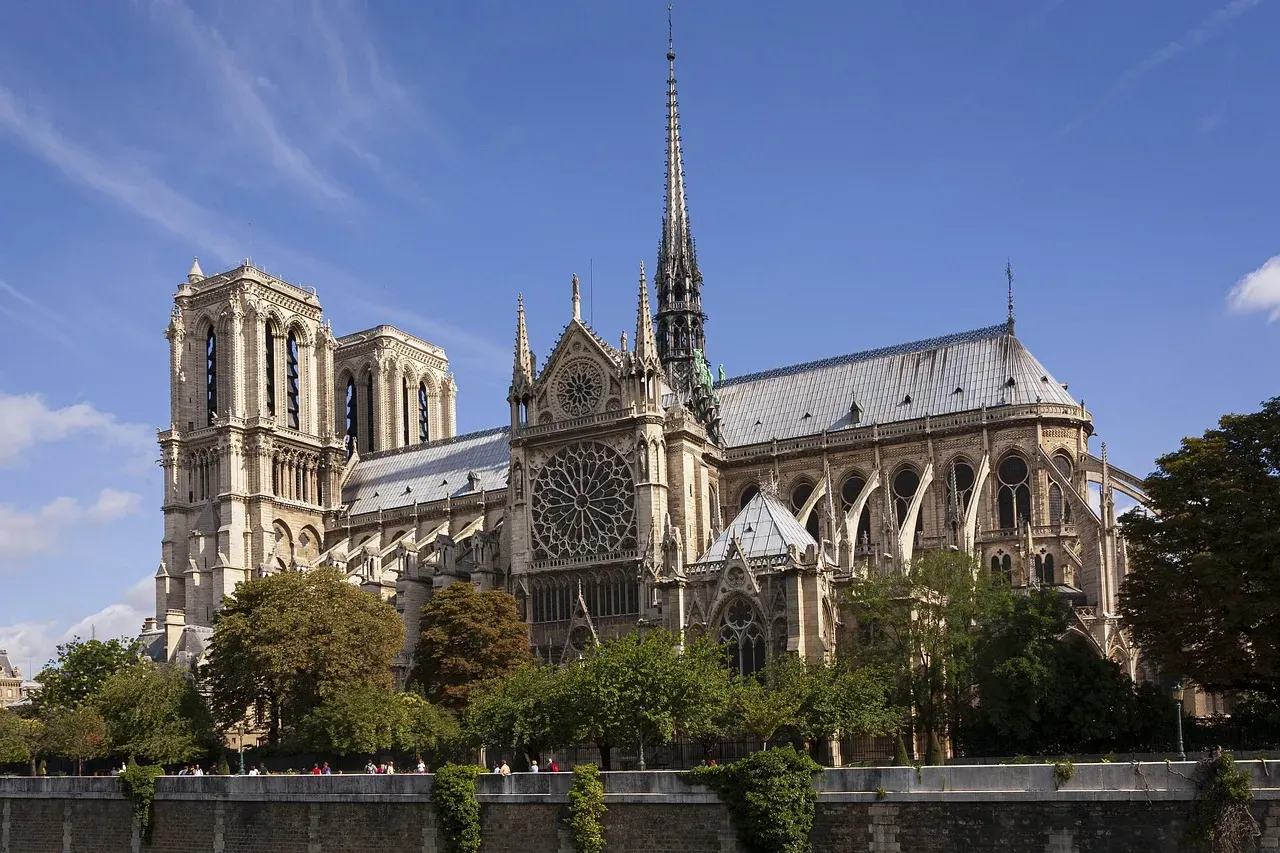
Everyone knows about the sprawling catacombs under Paris. Fewer people know that Notre-Dame’s own foundations hide their own secrets – restoration work uncovered layers of earlier religious buildings, Gallo-Roman remains, and burials tucked under floors that predate the Gothic cathedral entirely. Some graves came first; others were slipped into already-sacred ground centuries after the fact.
What unsettled researchers most was how casually some remains had been shifted, reused, or partially disturbed during later construction phases. Bones and grave goods kept turning up in fill layers beneath the pavement, evidence of a long habit of quietly building over the dead in the heart of Paris. A handful of high-status burials, complete with elaborate coffins and artifacts, have sparked real debate over who exactly earned a resting spot directly beneath the altar. Cappadocia takes that idea of hidden depth and multiplies it by an entire city.
#2 – The Underground City Hidden Beneath Cappadocia’s Rock Churches
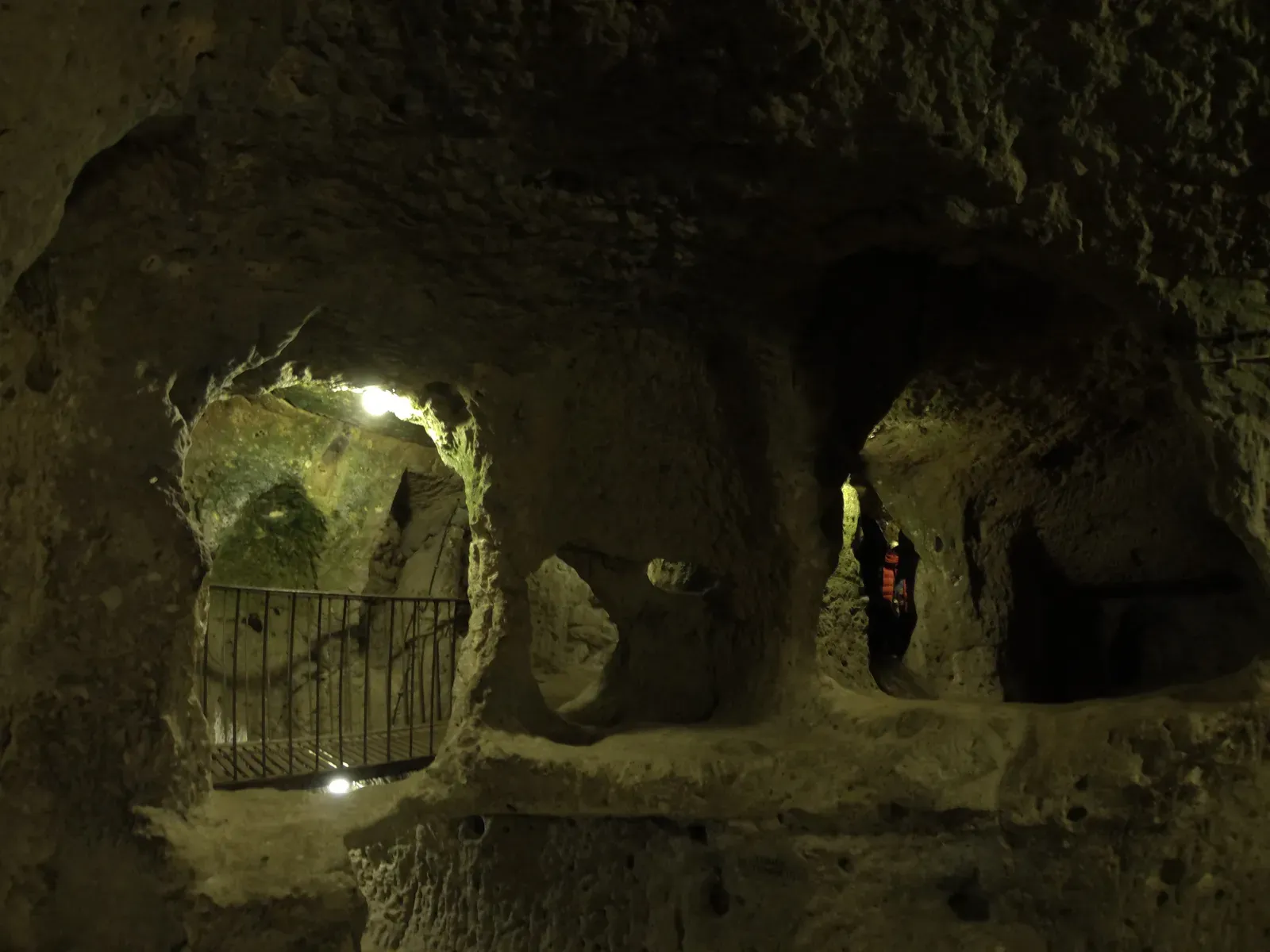
Cappadocia’s rock-cut churches already look otherworldly from the surface. Deeper excavations around sites like Derinkuyu and Kaymakli revealed something far bigger: vast underground cities descending multiple levels below ground, linked directly to the religious complexes above. Hundreds of rooms, communal kitchens, stables, and air shafts, all carved by hand into soft volcanic rock.
Nobody fully agrees on who built which level, or when. Some sections show clear early Christian features; others may be older, later reoccupied by communities fleeing invasion or persecution. Estimates suggest tens of thousands of people could have sheltered down here for extended stretches at a time. It flips the whole site on its head – the picturesque rock churches turn out to be just the visible tip of a defensive, spiritual world carved downward instead of up. And still, nothing beats what’s sitting under Athens’ most photographed hill.
Quick Compare
- Derinkuyu plunges roughly 85 meters underground, though only 8 of its estimated 18 levels are open to visitors today
- The city could reportedly shelter as many as 20,000 people, along with their livestock and food stores
- A 55-meter ventilation shaft doubled as a well, keeping water and fresh air flowing even under siege
- Half-ton rolling stone doors let residents seal off each level from the inside during an attack
#1 – The Buried Ages Beneath the Acropolis of Athens
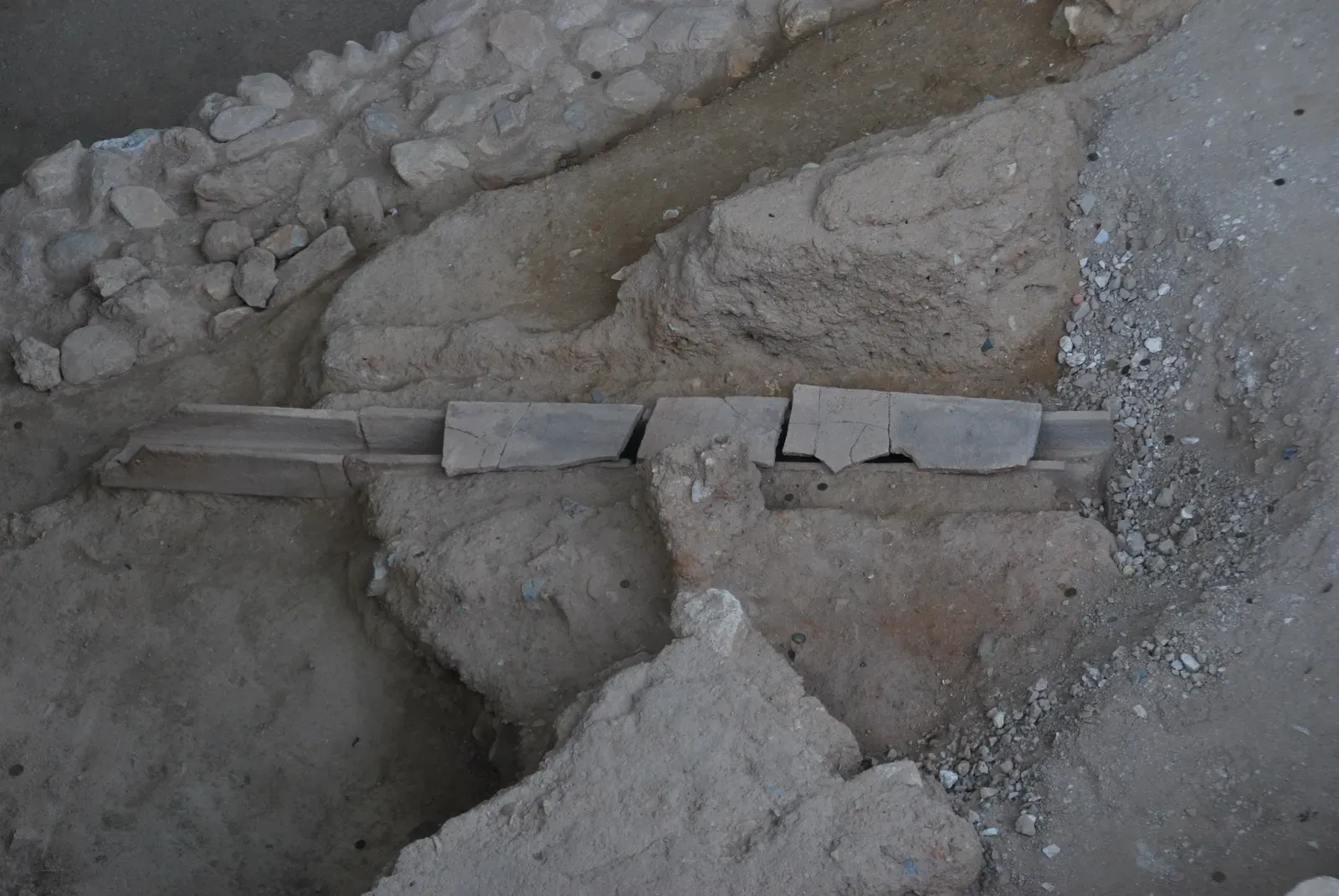
The Acropolis reads like one clean slice of Classical Greece – white marble, the Parthenon, the golden age, end of story. Deeper excavations demolish that illusion completely. Beneath the familiar temples sit older shrines, Mycenaean fortifications, wells, and ritual pits packed with offerings, proof that this rock was sacred and strategically valuable to multiple civilizations long before Pericles ever broke ground.
In several places, Classical foundations were simply set directly into earlier walls, cutting through older deposits without any apparent hesitation. The smallest finds are the most telling: inscribed pottery shards, miniature figurines, odd little offerings tucked into rock crevices, hinting at private, unofficial rituals nobody wrote down. The official monuments celebrate a city-state’s golden age. The layers underneath record something rawer – centuries of fear, petition, and quiet negotiation with older gods who never fully left the rock.
The Bottom Line
Once excavations go deeper, famous landmarks stop being tidy symbols and start looking like what they actually are: palimpsests, rewritten and patched and haunted by everything that came before them. An unentered void inside a pyramid, an underground city holding up a row of picturesque churches – the pattern repeats everywhere. What you visit today is almost always the newest skin over something older, stranger, and far less convenient to the official story.
That’s exactly why serious archaeologists tend to wince at sanitized plaques and single-date timelines. The uncomfortable truth is that plenty of “national icons” are sitting directly on top of burials, erased neighborhoods, or ritual sites that refuse to fit a neat narrative of progress. The real fights in this field usually aren’t about what’s already been found – they’re about how much deeper we’re actually willing, or politically allowed, to dig.
Which site do you think is still hiding its biggest secret? Say the name in the comments – odds are good someone’s already arguing about it in a journal somewhere.