
Every so often, nature pulls off a twist that feels almost unreal: a species the world had already said goodbye to quietly shows up again, alive and stubborn. These rediscoveries are called Lazarus species, and they force scientists, conservationists, and honestly the rest of us to rethink what “gone forever” actually means. They’re not just feel‑good stories; each one is a hard reminder of how little we still know about the wild places left on Earth.
In this article, we’ll look at 14 animals that biologists once considered gone, sometimes for decades, even centuries, before they turned up again and were officially removed from the extinct list. Some were hiding in deep oceans, some in remote mountains, some right under people’s noses. None of them are completely “safe” now, but each comeback shows that protecting even tiny scraps of habitat can give a species just enough room to hang on. And that, in a time of mass extinction, is both a warning and a weird kind of hope.
1. Coelacanth – The “Living Fossil” That Refused to Die
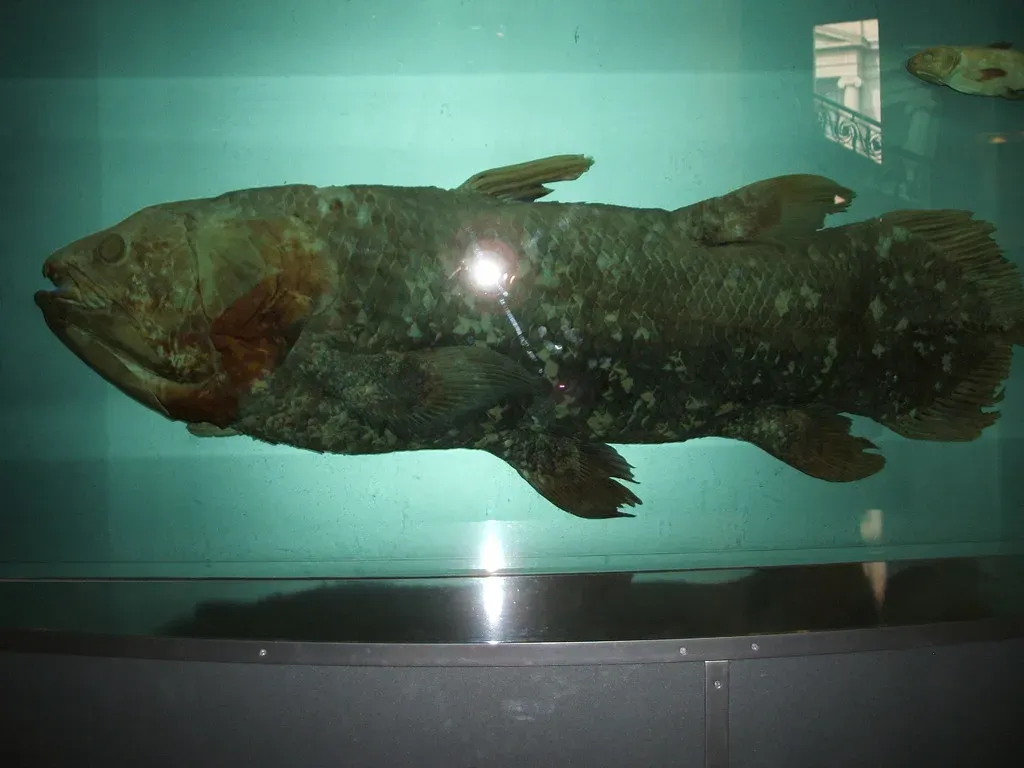
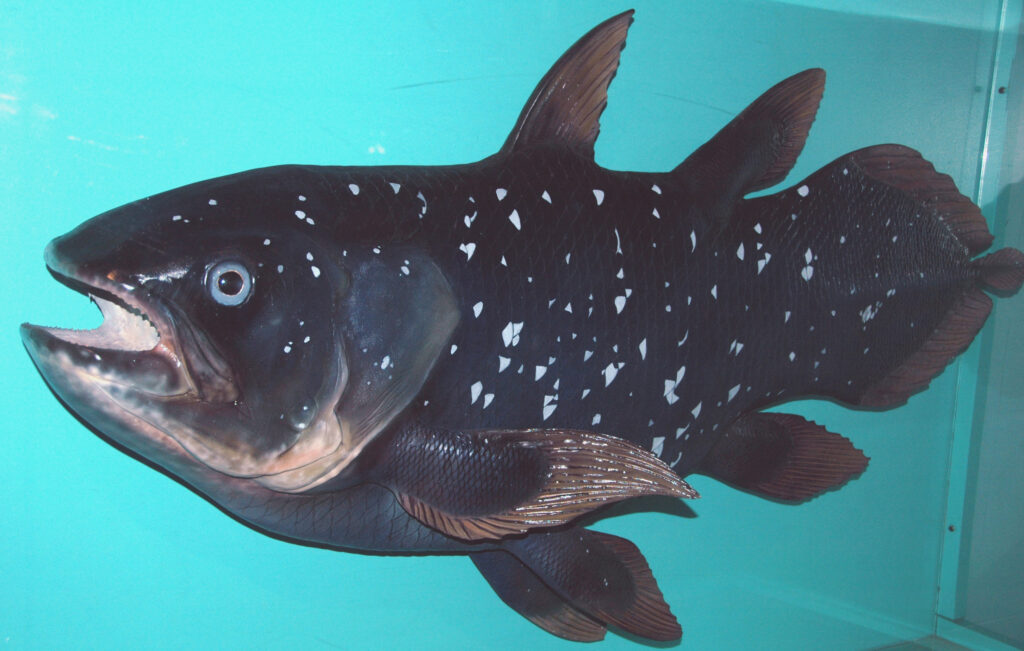
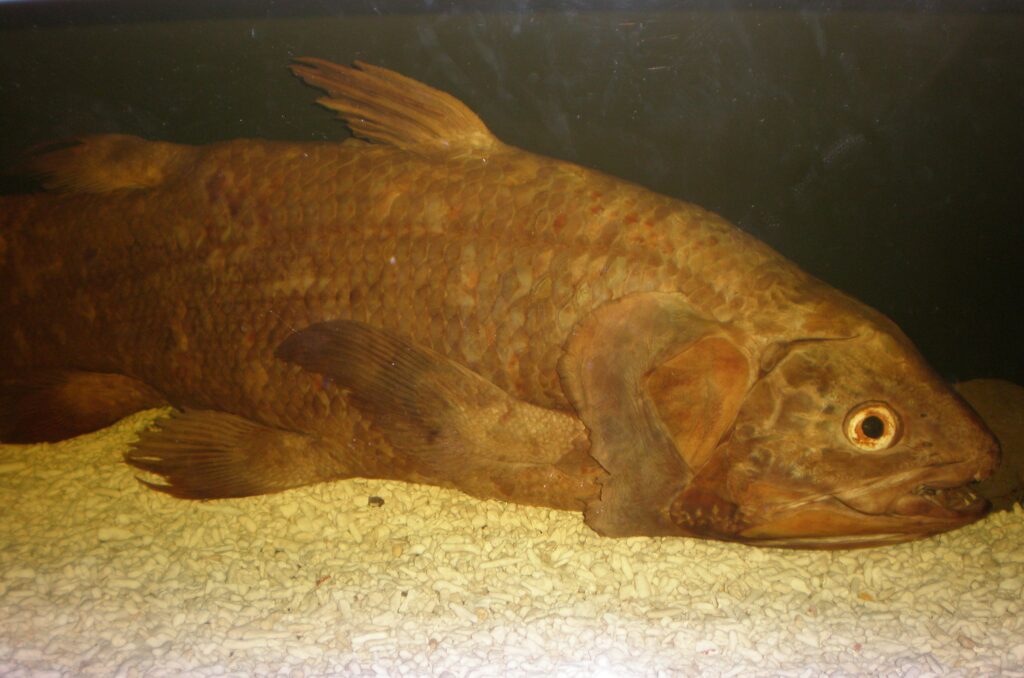
For most of the twentieth century, the coelacanth was a textbook example of an extinct animal, known only from fossils more than sixty million years old. Then, in the late nineteen thirties, a strange blue fish turned up in a South African fisherman’s net, and the scientific world had to rewrite an entire chapter of vertebrate history. Since then, researchers have found populations off the coasts of southern Africa and Indonesia, turning this former fossil into one of the most iconic Lazarus species on the planet.
Coelacanths live deep in volcanic caves, hundreds of meters below the surface, which is likely why nobody noticed they were still around. They have fleshy, limb‑like fins and a slow, energy‑saving lifestyle that seems almost out of place in the modern ocean. For biologists, their survival is like finding an old, crucial page of the evolutionary story that everyone thought was lost. For the rest of us, it is a humbling reminder that the ocean still has secrets humans barely touch.
2. Lord Howe Island Stick Insect – The Tree Lobster’s Midnight Comeback
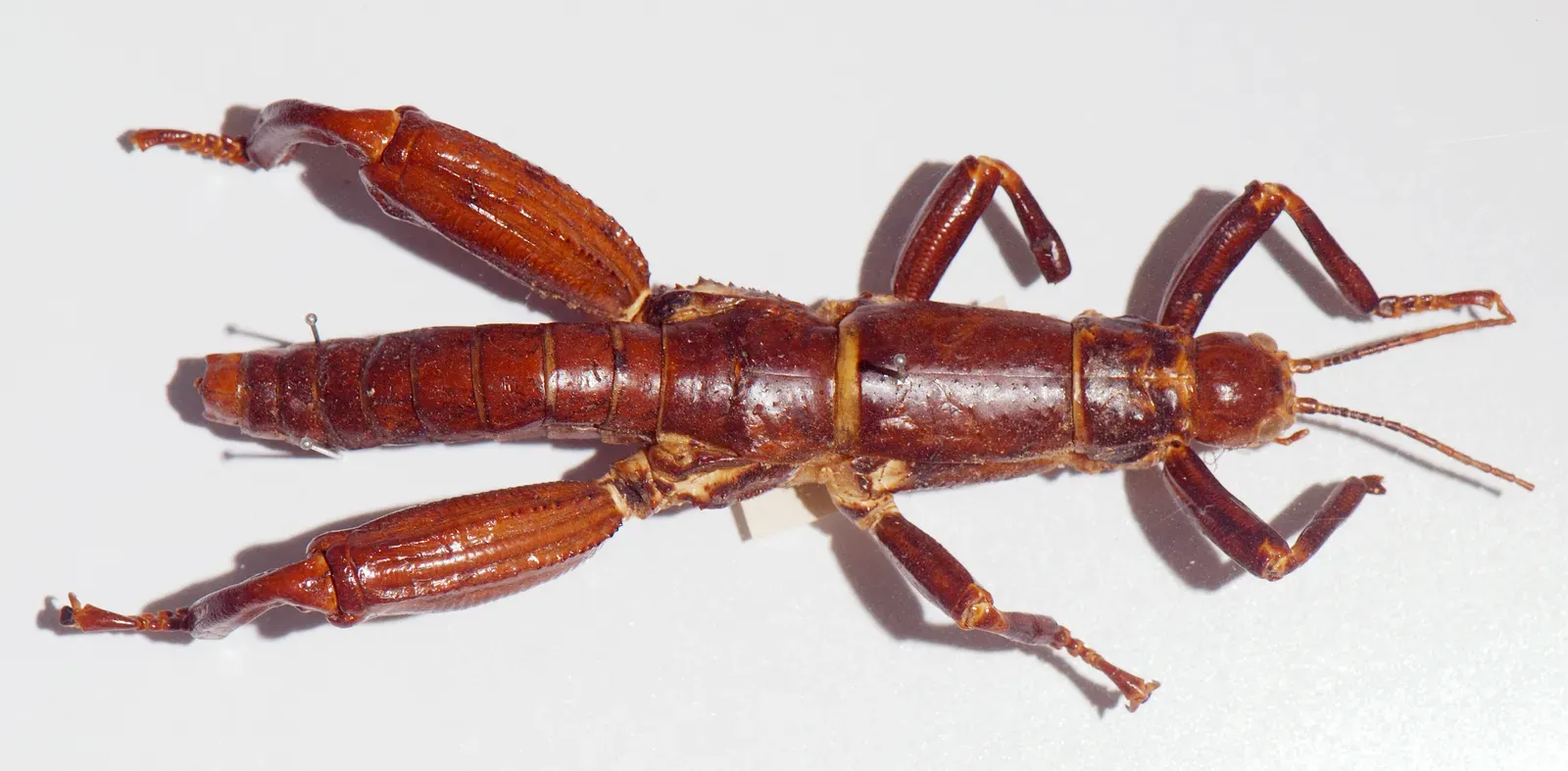
The Lord Howe Island stick insect, sometimes called the tree lobster, was declared extinct after rats were accidentally introduced to its tiny island home in the Tasman Sea early in the twentieth century. Reports of its disappearance became a cautionary tale about invasive species wiping out isolated island fauna. Then, decades later, climbers on a nearby volcanic rock called Ball’s Pyramid found a few large, glossy insects clinging to a single shrub on a sheer cliff, living out a secret life in the dark.
That fragile remnant became the seed for one of the most remarkable insect rescue efforts in recent history. Captive breeding programs have since produced thousands of individuals, and conservationists are now preparing to reintroduce them to a rat‑free Lord Howe Island. This species’ journey from “gone” to carefully nurtured comeback makes a pretty blunt point: even the strangest, least cuddly animals deserve space on this planet, and with a bit of luck and effort, they can bounce back from the brink.
3. New Zealand Takahe – The Flightless Bird That Outwaited Us
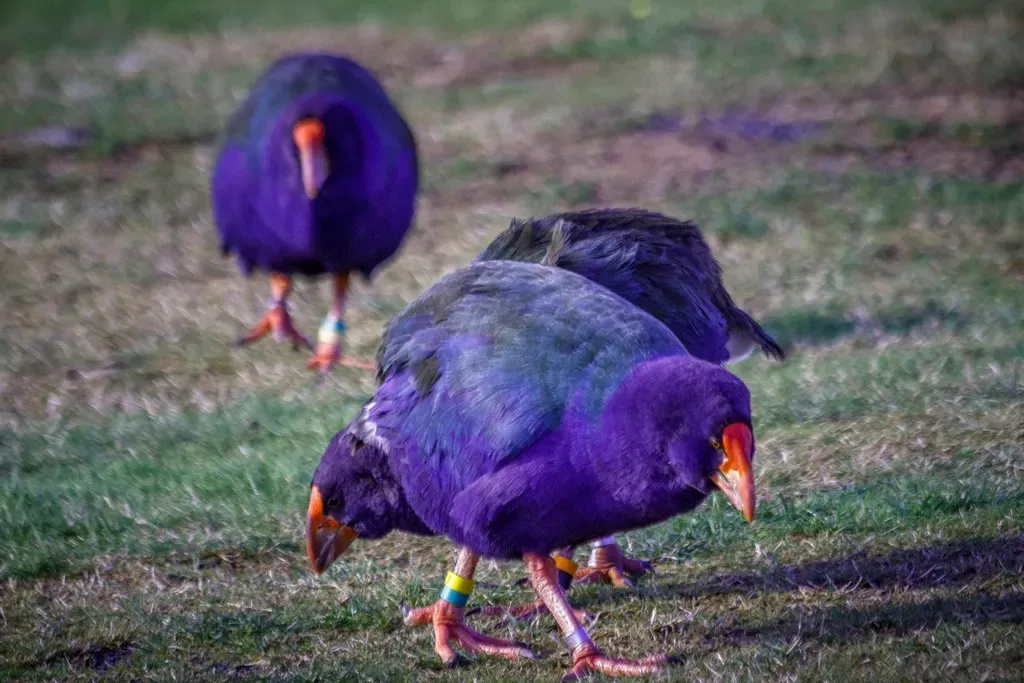
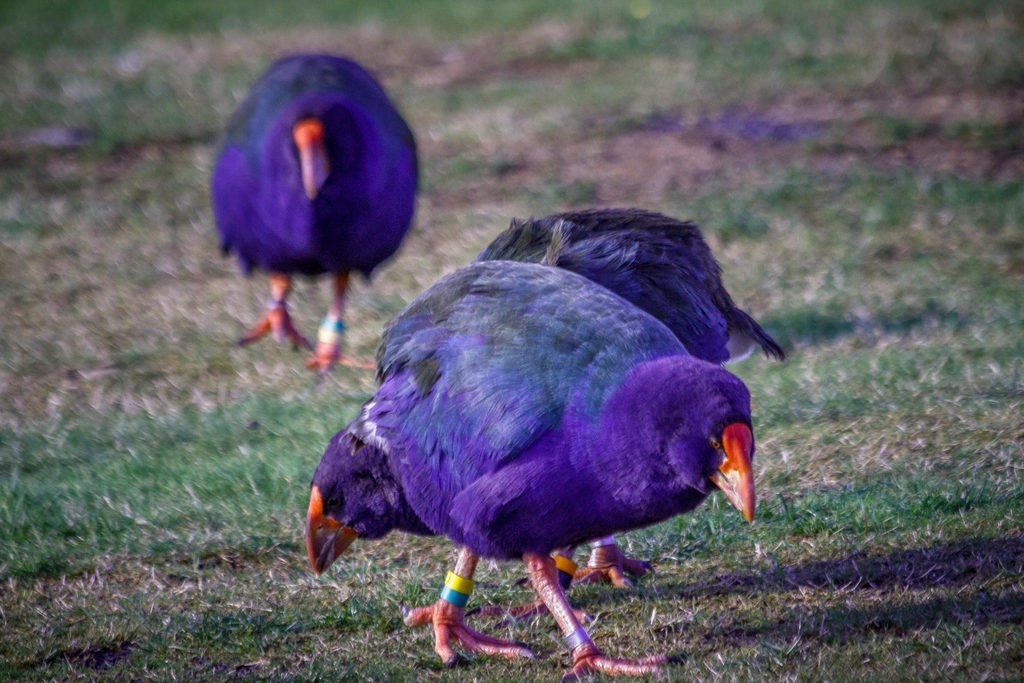
The South Island takahe, a large, flightless rail from New Zealand, was written off as extinct by the late nineteenth century after habitat loss and introduced predators devastated its numbers. For many years, museum skins and faded drawings were all that remained. Then in the mid‑twentieth century, a small group of birds was rediscovered in a remote alpine valley, shocking even local scientists who had grown up believing they were long gone.
Since that rediscovery, the takahe has become one of New Zealand’s flagship conservation stories. Intensive management, including predator control, translocations to predator‑free islands, and careful captive breeding, has slowly nudged numbers upward from just a few dozen to several hundred birds. The species is still endangered, but it is no longer written off as a ghost. The takahe shows that “extinct” can sometimes really mean “we did not look hard enough in the right places, and we did not protect those places when we should have.”
4. Ivory‑Billed Woodpecker – The Controversial Ghost of the Swamps
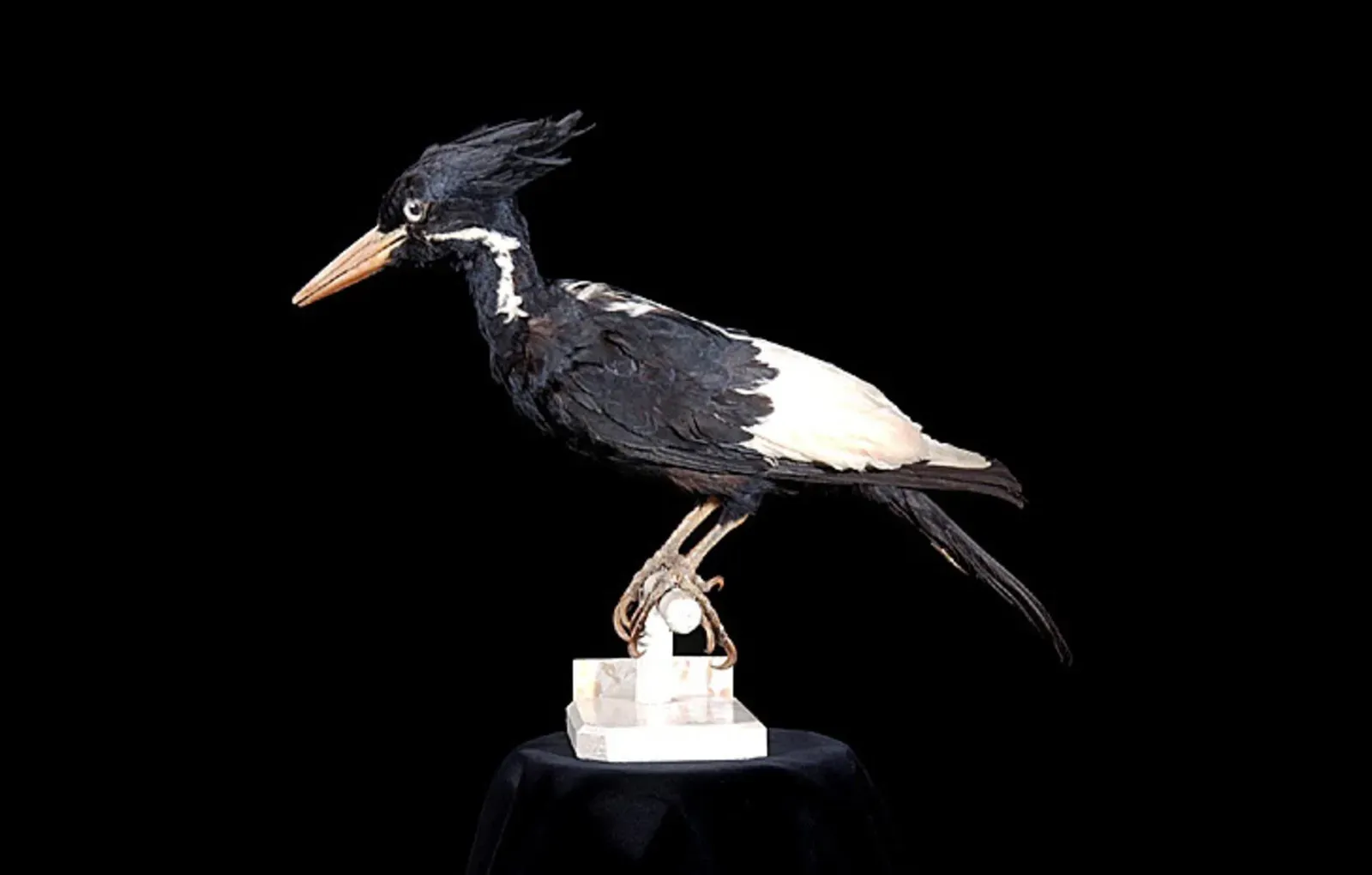
The ivory‑billed woodpecker might be the most debated Lazarus candidate on this list. Once widespread in the swampy forests of the southeastern United States, it crashed hard under logging and hunting pressures, and was officially declared extinct in the middle of the twentieth century. Since then, periodic claims of sightings, audio recordings, and blurry videos have triggered bursts of excitement, government surveys, and intense scientific arguments.
Some researchers have argued that certain observations warranted taking the bird off the extinct list and classifying it instead as critically endangered, lurking in remote patches of bottomland forest. Others think the evidence is simply too weak, and that hope is overshadowing data. Personally, I think the ivory‑billed case is a cautionary tale: we are desperate for redemption stories, but if we cling to ghosts instead of protecting real, still living species, we risk repeating the same mistakes. Whether the ivory‑billed truly belongs in the “removed from extinct” club may ultimately depend on whether someone can produce rock‑solid proof before the last old‑growth swamps are gone.
5. Bermuda Petrel (Cahow) – A Seabird Back From the Edge of Memory
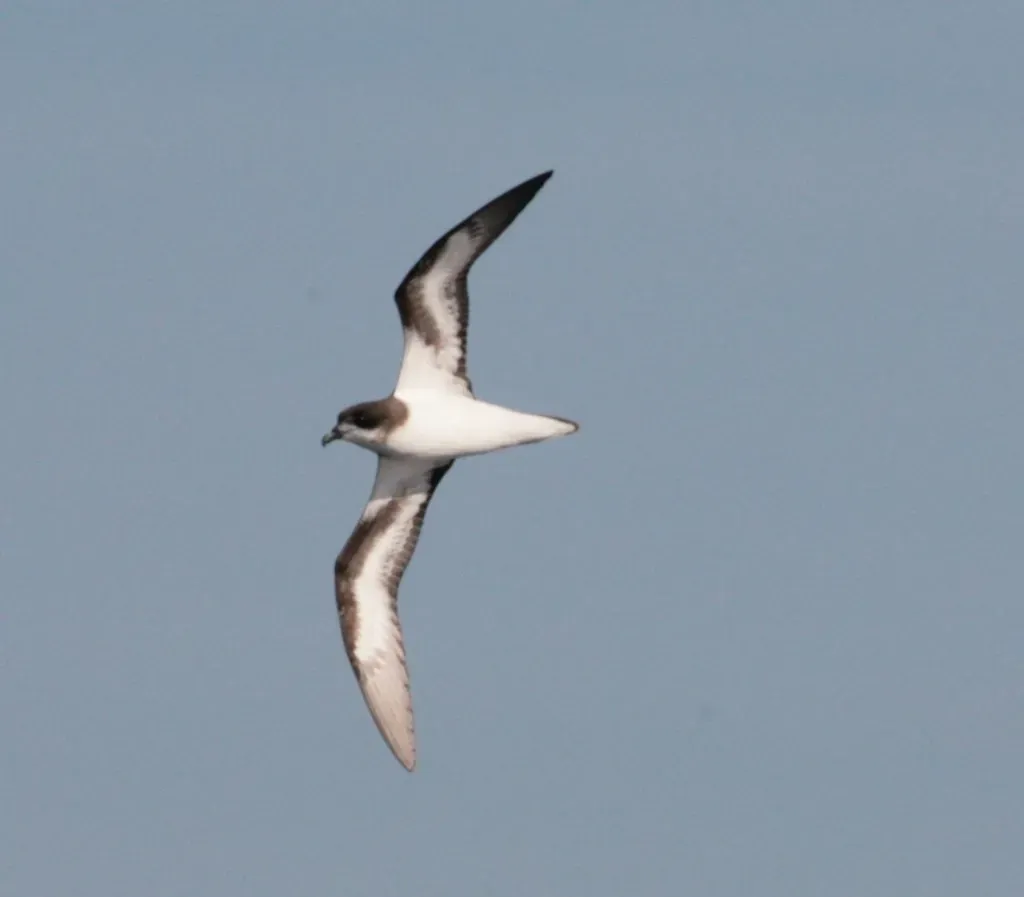
The Bermuda petrel, locally called the cahow, was considered extinct for roughly three centuries. Early European settlers exploited the nesting birds relentlessly and introduced predators that finished the job, or so it seemed. Then, in the mid‑twentieth century, a small number of breeding pairs were discovered clinging to life on tiny rocky islets off Bermuda, a biological echo from an earlier era that almost nobody expected.
Since its rediscovery, the cahow has been the focus of an intensive, long‑term recovery program. Conservationists have carefully managed nesting burrows, controlled invasive predators, and even used sound recordings to encourage young birds to colonize safer artificial burrows. The global population is still counted in only a few hundred individuals, but that is a massive step up from effectively zero. This bird’s stubborn survival underlines how long a species can hang on in tiny, overlooked corners if people give it even a sliver of a chance.
6. Cuban Solenodon – The Venomous Relic That Dodged Extinction
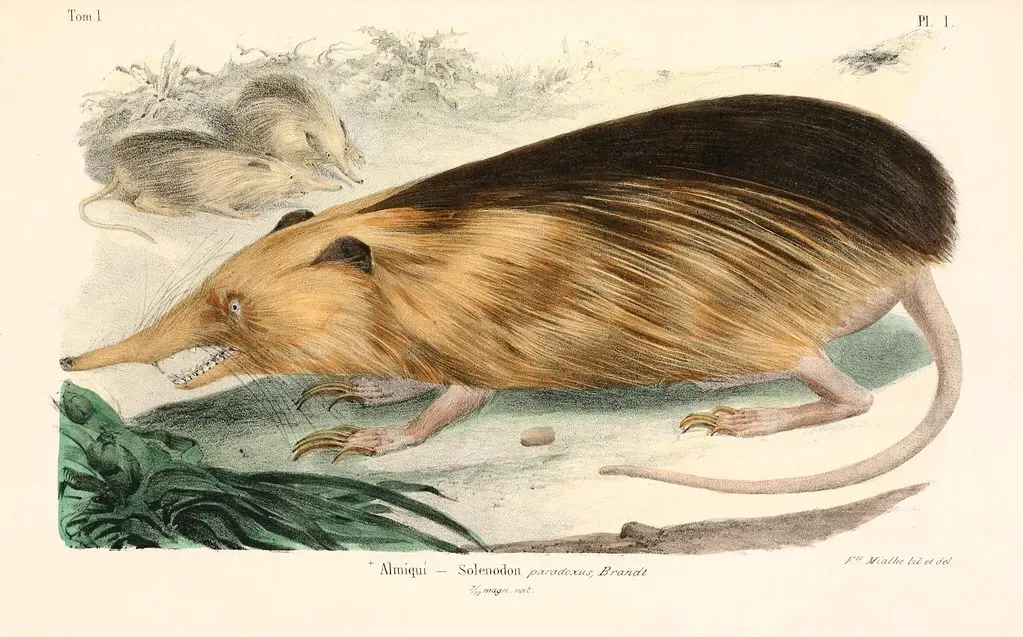
The Cuban solenodon looks like it stepped out of a prehistoric illustration: a long‑snouted, shrew‑like mammal that secretes venomous saliva, one of the very few mammals that do. For a long time, biologists feared it had gone extinct, squeezed by habitat loss and introduced predators on the island. For years, there were no reliable records, and it quietly drifted into the “probably gone” category in scientific discussions.
Then, field surveys and camera traps finally recorded live individuals again, proving that a tiny, scattered population persisted in remote forests. The species has since been recognized as critically endangered rather than extinct, and targeted conservation efforts have begun, although progress is slow. To me, the Cuban solenodon is a perfect example of how evolution’s strangest experiments often end up on islands, and how quickly humans almost erase them. Its return from presumed extinction is exhilarating, but it also feels like a last warning shot rather than a happy ending.
7. Night Parrot – Australia’s Phantom Bird
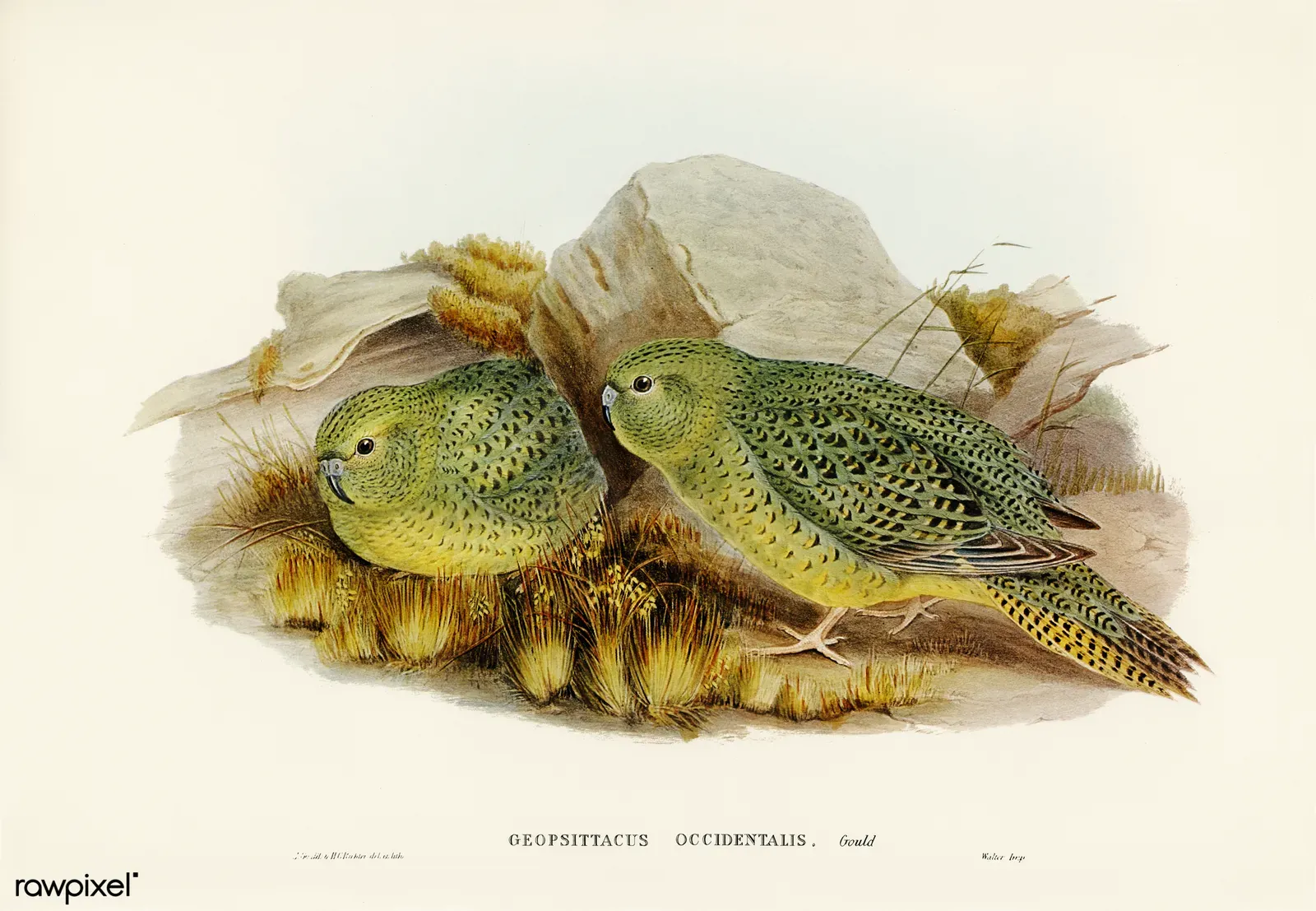
For decades, the night parrot of Australia was one of the world’s most mysterious birds, known mostly from a handful of old specimens and unconfirmed sightings in the outback. Many ornithologists quietly considered it extinct, and it was routinely listed that way in books and reports. Then, credible observations and eventually photographs confirmed that small populations still existed in extremely remote, arid regions, often in rugged spinifex grasslands that few people visit at night.
Following its rediscovery, there has been a rush to map where the remaining birds survive and to protect those fragile habitats from grazing, development, and feral predators. The night parrot remains exceptionally hard to study; it is secretive, nocturnal, and inhabits brutal environments where people do not linger. In a way, that inaccessibility probably saved it. The species’ upgrade from “extinct” to “critically endangered and real” is a stark reminder that human ignorance can be as dangerous as outright destruction when it comes to what we choose to conserve.
8. Giant Palouse Earthworm – The Underground Legend That Wasn’t Gone
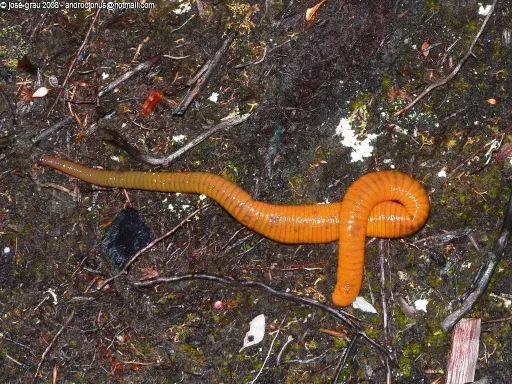
In the agricultural hills of the Pacific Northwest, rumors about a huge, pale earthworm that might smell faintly like lilies sounded more like a campfire story than a scientific mystery. The giant Palouse earthworm was described in the late nineteenth century but had not been reliably seen for generations, leading many biologists to assume it had gone extinct as native prairies were plowed under. It became a symbol of how easily we erase soil ecosystems without even noticing.
Then, after repeated targeted searches, researchers finally found living specimens, proving that the species had persisted in small, remnant patches of habitat. Far from being a myth, the worm turned out to be real but incredibly rare and localized. I find this rediscovery especially telling because it challenges our bias toward visible animals; people get fired up about wolves and eagles, but rarely about earthworms. Yet losing such a species would quietly rewrite the underground life that supports entire landscapes.
9. Javan Elephant – A Hidden Lineage in Plain Sight
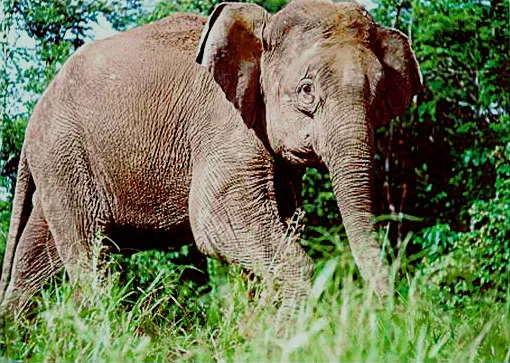
Historical records suggest that a distinct population of elephants once lived on the Indonesian island of Java, but they were believed to have gone extinct under centuries of hunting and habitat conversion. For a long time, that seemed to be the end of the story. Then, genetic work on elephants in nearby Borneo indicated that these animals were closely related to the supposedly extinct Javan population, suggesting that humans may have moved them centuries ago and that the lineage survived without anyone fully realizing its significance.
As a result, some scientists have argued that the Javan elephant should be considered a Lazarus taxon, not gone but hiding in a relocated population. This case is a little messier than a simple rediscovery in the wild, but it raises a fascinating question: when we shuffle animals around, intentionally or accidentally, we might be preserving lineages we thought we had destroyed. Personally, I think it also exposes how casually humans have treated big, intelligent animals as movable property, without bothering to keep track of the genetic stories we were rewriting.
10. Terror Skink – A Fearsome Lizard on a Tiny Island
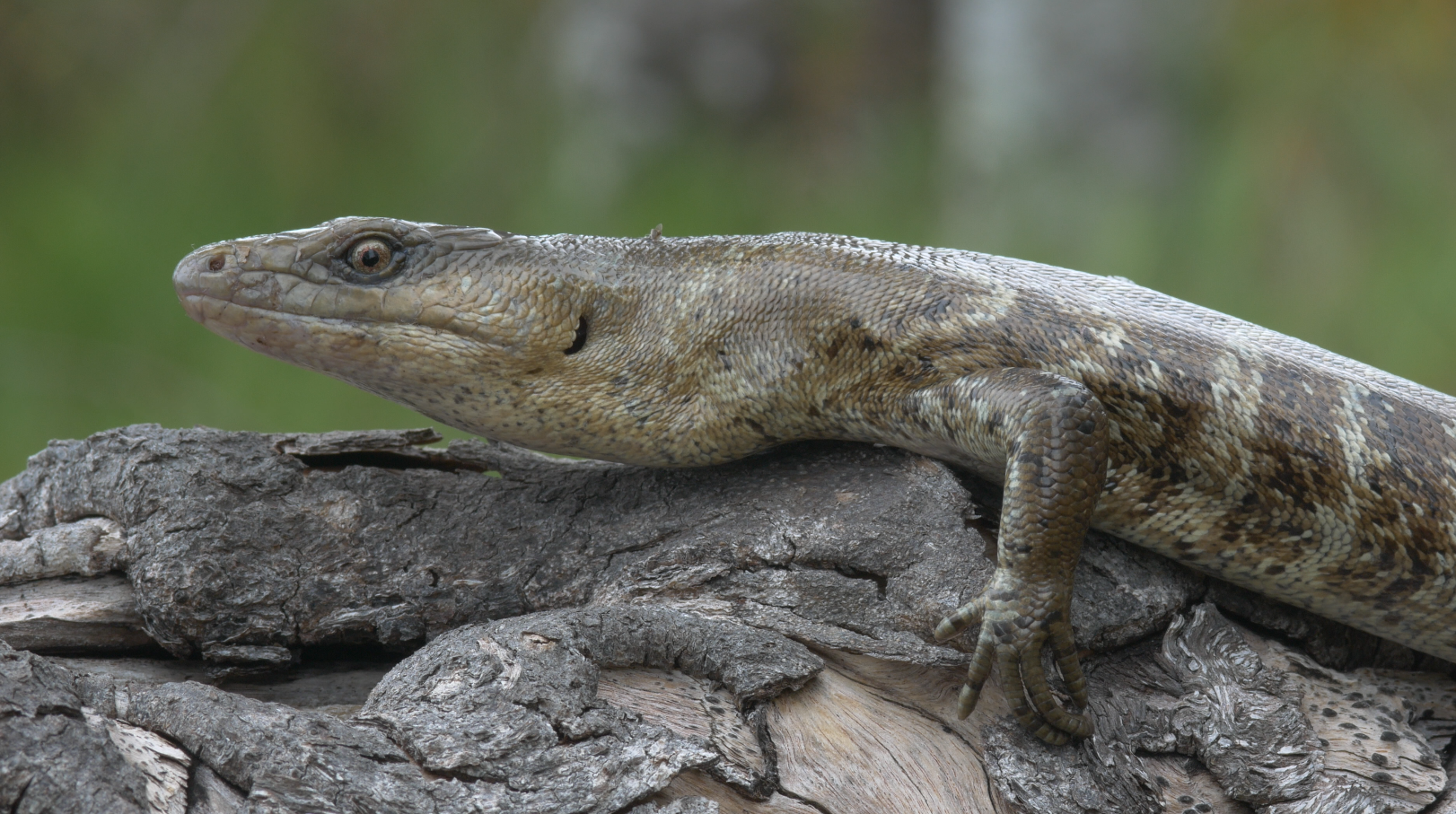
With a name like terror skink, you would expect something out of a monster movie, but this animal is really a large, predatory skink living on a minuscule islet near New Caledonia. It was originally described from a single specimen in the late nineteenth century and then vanished from scientific view. For over a century, many assumed it was extinct, another casualty of invasive predators and habitat disturbance on scattered Pacific islands.
Its dramatic reappearance in the early twenty‑first century stunned herpetologists. Subsequent surveys confirmed that a small population still survives, feeding on other lizards and invertebrates in a very limited patch of habitat. The terror skink’s comeback is thrilling, but it is also precarious; one bad storm or a single invasive predator could end the story for good. That is the uncomfortable truth behind many supposedly uplifting rediscoveries: being taken off the extinct list does not mean the danger is over, it just means the countdown has been reset.
11. Omura’s Whale – Misidentified, Overlooked, and Finally Recognized
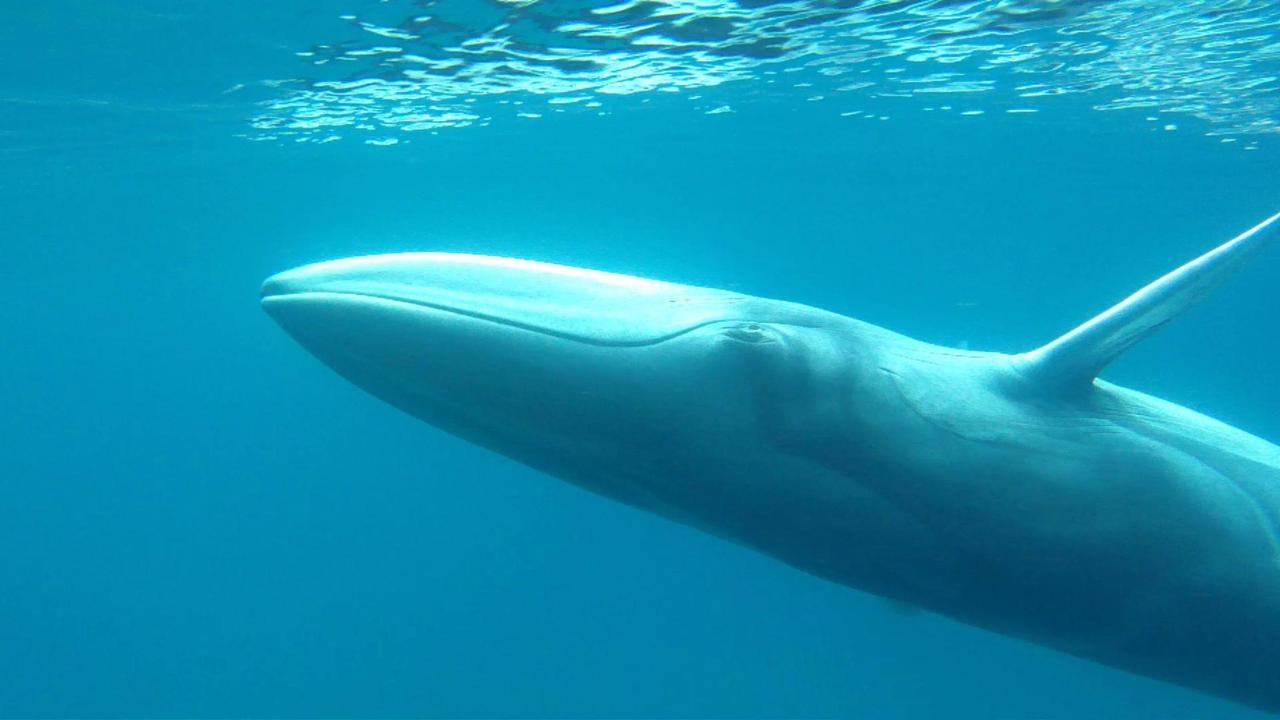
Omura’s whale is a sleek baleen whale that lives in tropical and subtropical oceans, but for most of modern history it was either unknown or lumped in with other, better‑known species. Some populations were so rarely encountered that they were effectively invisible to science, and in a few regions, local stories suggested whales once present had disappeared. Only with modern genetic and morphological work did researchers realize they were looking at a distinct species that had quietly persisted in scattered pockets.
Once scientists understood what to look for, they began to confirm live populations in multiple ocean basins, forcing a reevaluation of previous assumptions that certain tropical whales had been extirpated. In a sense, Omura’s whale was never truly removed from a formal extinct list, but it had occupied a kind of phantom status where its existence as a separate entity was doubted. Its recognition and confirmation as a living species shows how extinction and rediscovery are sometimes as much about our taxonomic blind spots as about actual disappearance.
From a personal point of view, this story is a quiet rebuke to the idea that the oceans are fully known. If an entire whale species can slip through two centuries of global shipping, whaling, and marine science, what else might we be missing beneath the waves?
12. La Palma Giant Lizard – A Canary Island Reboot
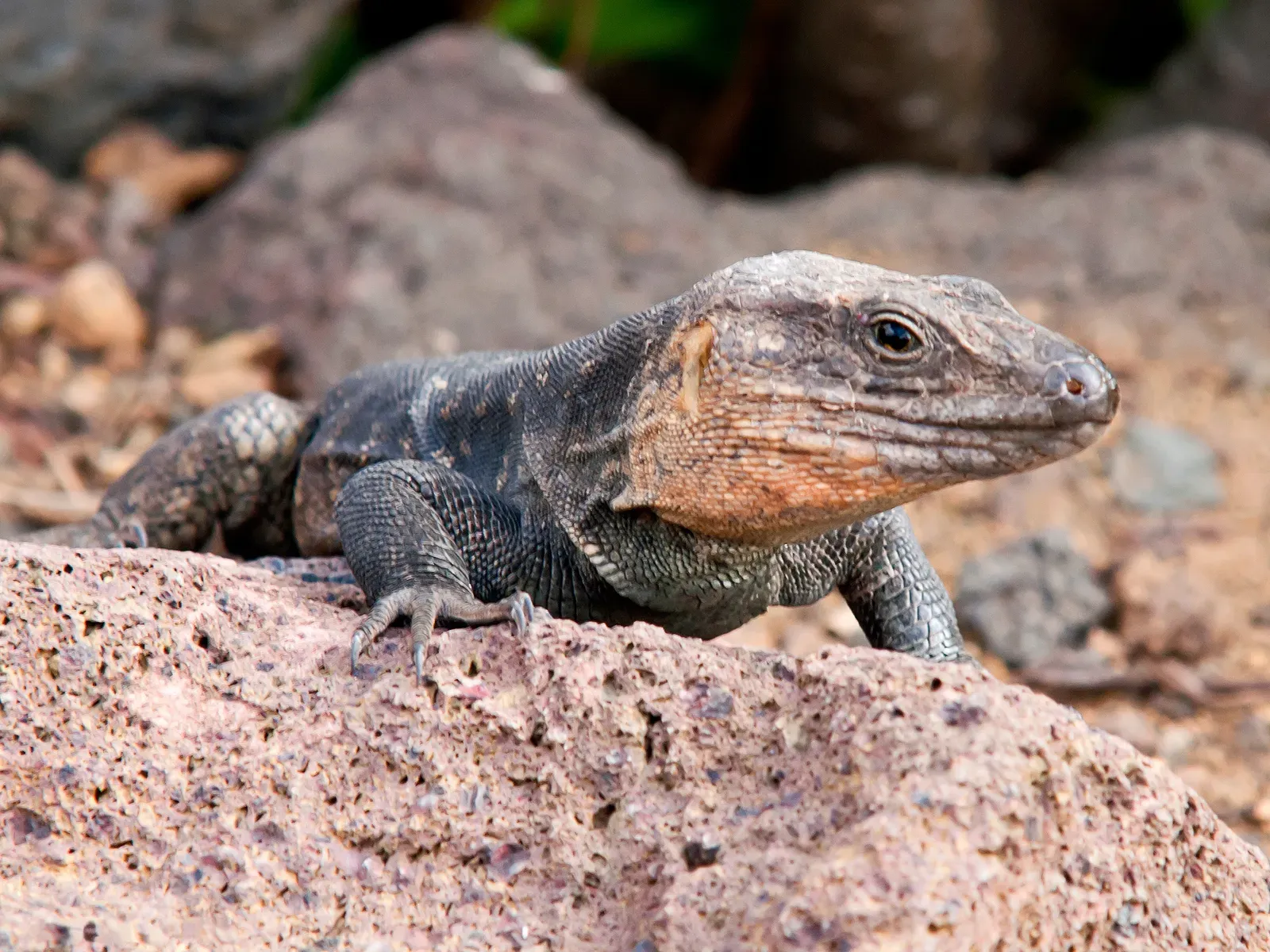
Several of the large endemic lizards of Spain’s Canary Islands were long thought to be extinct, wiped out by cats, rats, and human persecution. The La Palma giant lizard was one of those written off, known mainly from subfossil remains and historical notes. Then, in the early twenty‑first century, biologists discovered living individuals on inaccessible cliffs, rewriting the conservation story of the island in a single stroke.
Subsequent work has tried to map the remaining population, establish breeding programs, and figure out how to shield these lizards from the very pressures that nearly erased them. The rediscovery of the La Palma giant lizard and its relatives on other islands tells a bigger story about islands in general: they are both cradles and graveyards of biodiversity. When we protect what little wild space is left on them, we are often not just saving species we know, but also species we thought were history.
13. Kashmir Musk Deer – The Fragrant Ghost of the Himalayas
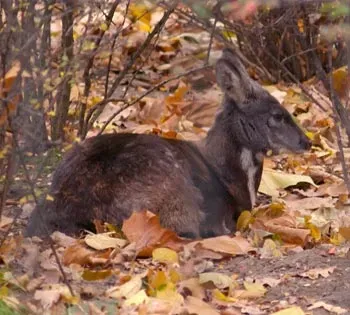
Musk deer in the Himalayas have been hunted heavily for centuries because of the high value of their musk glands in traditional perfumes and medicines. The Kashmir musk deer, in particular, went unrecorded for so long that many scientists assumed it had gone extinct in parts of its range. Harsh terrain, political instability, and poaching made surveys nearly impossible, and the animal faded into almost mythical status in some accounts.
Then, modern camera trap studies and field surveys finally produced clear evidence that the species still survives in remote, high‑altitude forests. Instead of being gone, it is now officially classed as endangered, which is not exactly a happy label but is much better than a blank one. To me, the Kashmir musk deer illustrates a brutal pattern: the animals we covet most for trade are the ones we drive closest to oblivion, and when they do manage to hang on, it is often in places where human attention is blunted by difficulty and danger.
14. Monito del Monte – A Tiny Marsupial With a Big Story
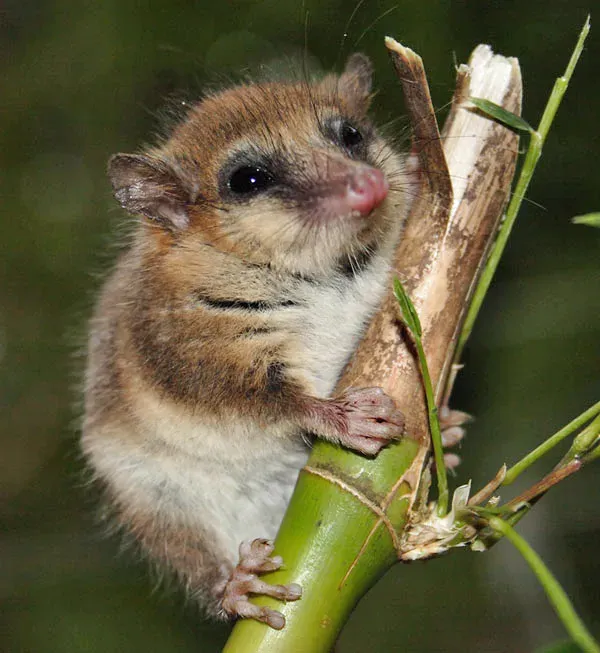
The monito del monte, or “little monkey of the mountain,” is a small, nocturnal marsupial found in the temperate forests of Chile and Argentina. For a long time, its evolutionary relationships were poorly understood, and at various points some researchers thought its lineage had vanished from the fossil record. When living populations were confirmed and studied, the species turned out to be a kind of living relic, the only surviving member of an ancient group of South American marsupials related to the ancestors of Australian species.
Although it was not always formally stamped “extinct,” the monito del monte’s story parallels many others that hovered in scientific limbo before being firmly placed back among the living. Conservationists now recognize that protecting its forest habitat safeguards not just a cute, mouse‑sized animal, but also a link to a deep evolutionary past. I find its survival oddly comforting: in a world where we are busily homogenizing landscapes, this little creature is proof that some old threads of life’s tapestry are still hanging on by stubborn, delicate fibers.
Conclusion – Hopeful Comebacks, Harsh Lessons
These fourteen animals share one headline: they were written off and then brought back into the ledger of the living. But look a little closer and you see that most of them are still on knife‑edge footing, clinging to scraps of habitat, threatened by the same old forces of land clearing, invasive species, overhunting, and climate disruption. Being removed from the extinct list is not a happy‑ever‑after; it is more like getting a last‑minute reprieve and a stark note in the file that says, “Do not screw this up again.”
My own take is that Lazarus stories are both inspiring and dangerous. They inspire because they show how resilient life can be when given half a chance, and they are dangerous because they can feed a lazy belief that nature will always bounce back, no matter what we do. The reality is harsher: for every coelacanth or takahe we rediscover, there are countless species slipping away without a name or a second chance. So the real question is not how many more miracles we can find, but how many extinctions we are finally willing to prevent before we are forced to go looking for ghosts again.