
Picture this: a Yale press conference, a National Geographic cover story, a Sherlock Holmes author swearing fairies are real, a German magazine paying millions for Hitler’s “lost” diaries. Every one of these moments was treated as a landmark of human knowledge. Every one of them was fake.
What’s unsettling isn’t just that people got fooled – it’s who got fooled. Museums, Ivy League universities, Pulitzer-winning journalists, and some of the sharpest scientific minds of their eras all vouched for these discoveries before the truth caught up. Some took years to unravel. One took 41. Here are 12 celebrated “discoveries” that turned out to be elaborate performances – and the strange, human reasons they worked for as long as they did.
#12 – The Kensington Runestone’s “Proof” of Vikings in Minnesota
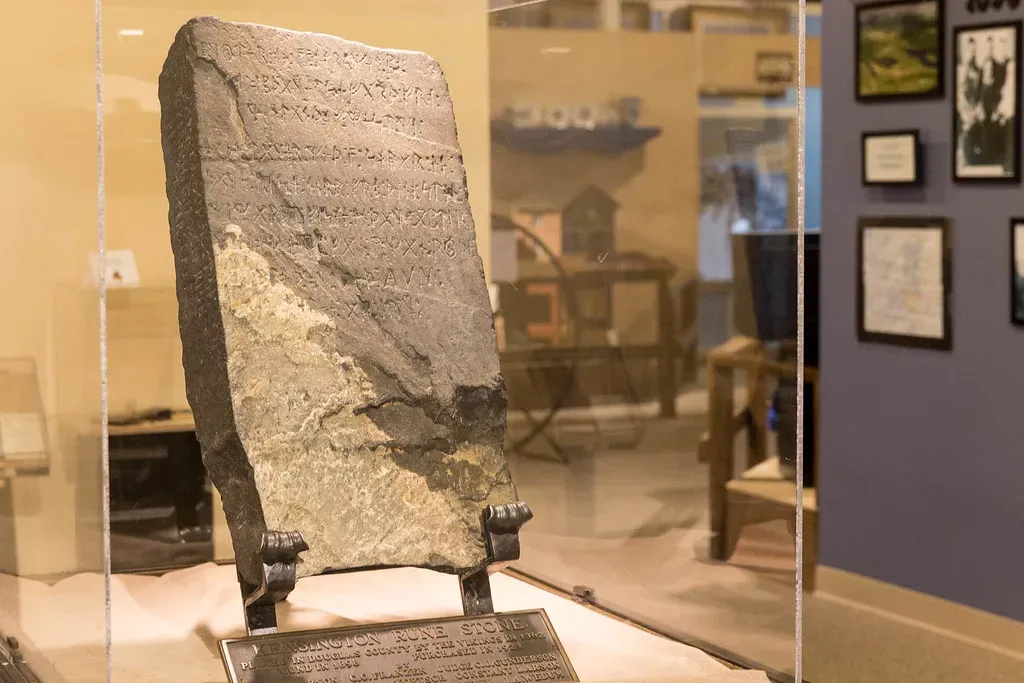
A Swedish immigrant farmer claimed he’d found solid evidence that Norse explorers reached the American Midwest more than a century before Columbus – and almost the entire runology community now disagrees with him.
In 1898, Olof Öhman said he unearthed a large stone slab tangled in a tree’s roots on his Minnesota farm, covered in runic writing describing a doomed 14th-century Scandinavian expedition. The story spread fast, feeding Scandinavian-American pride and a hunger for proof that Europeans had explored the continent’s interior long before Columbus. Local newspapers ran it as fact, and the stone became a source of civic identity for the region.
But linguists studying the inscription found something the original discoverers missed: the runes used grammar and vocabulary that didn’t exist until centuries after the supposed 1362 date. Modern Swedish words, incorrect verb tenses, and letterforms only found in 19th-century dictionaries all pointed to one conclusion – a homegrown forgery, not a medieval relic. Most professional runologists now classify it as a hoax, though a small group of defenders still argue otherwise.
Fast Facts
- Found in 1898 on a farm near Kensington, Minnesota
- The inscription’s claimed date: 1362 AD
- The slab weighs roughly 200 pounds of graywacke stone
- Fatal flaw: grammar and vocabulary linguists trace to the 1800s, not the 1300s
- Now on permanent display at the Runestone Museum in Alexandria, Minnesota
#11 – The Michigan Relics That Rewrote a State’s Ancient History
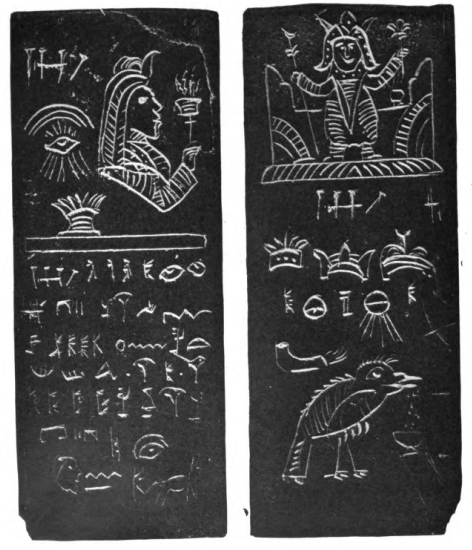
For decades, a Michigan surveyor convinced the public he’d dug up proof of a lost biblical civilization buried in ancient burial mounds. It turned out to be one of the most prolific forgery operations in American archaeology.
Beginning in the late 1800s, James Scotford started “discovering” strange clay and slate tablets stamped with pseudo-hieroglyphics, pyramid images, and invented alphabets – all supposedly pulled from Michigan burial mounds. The relics fed a sensational theory that a lost tribe of literate, Old World settlers had lived in the region long before Native Americans, a claim that flattered certain religious and racial narratives of the era. Newspapers and even some clergy embraced the story as validation of scripture.
Archaeologists eventually determined the objects were carved with modern tools and buried recently enough that the surrounding soil showed no natural stratification. Investigators traced the operation back to Scotford and a small circle of collaborators who profited by selling “authenticated” pieces to eager buyers and museums. The Smithsonian publicly denounced the relics as fakes, though pockets of belief lingered in local communities for years.
#10 – Peru’s Ica Stones and Their “Ancient” Dinosaur Carvings
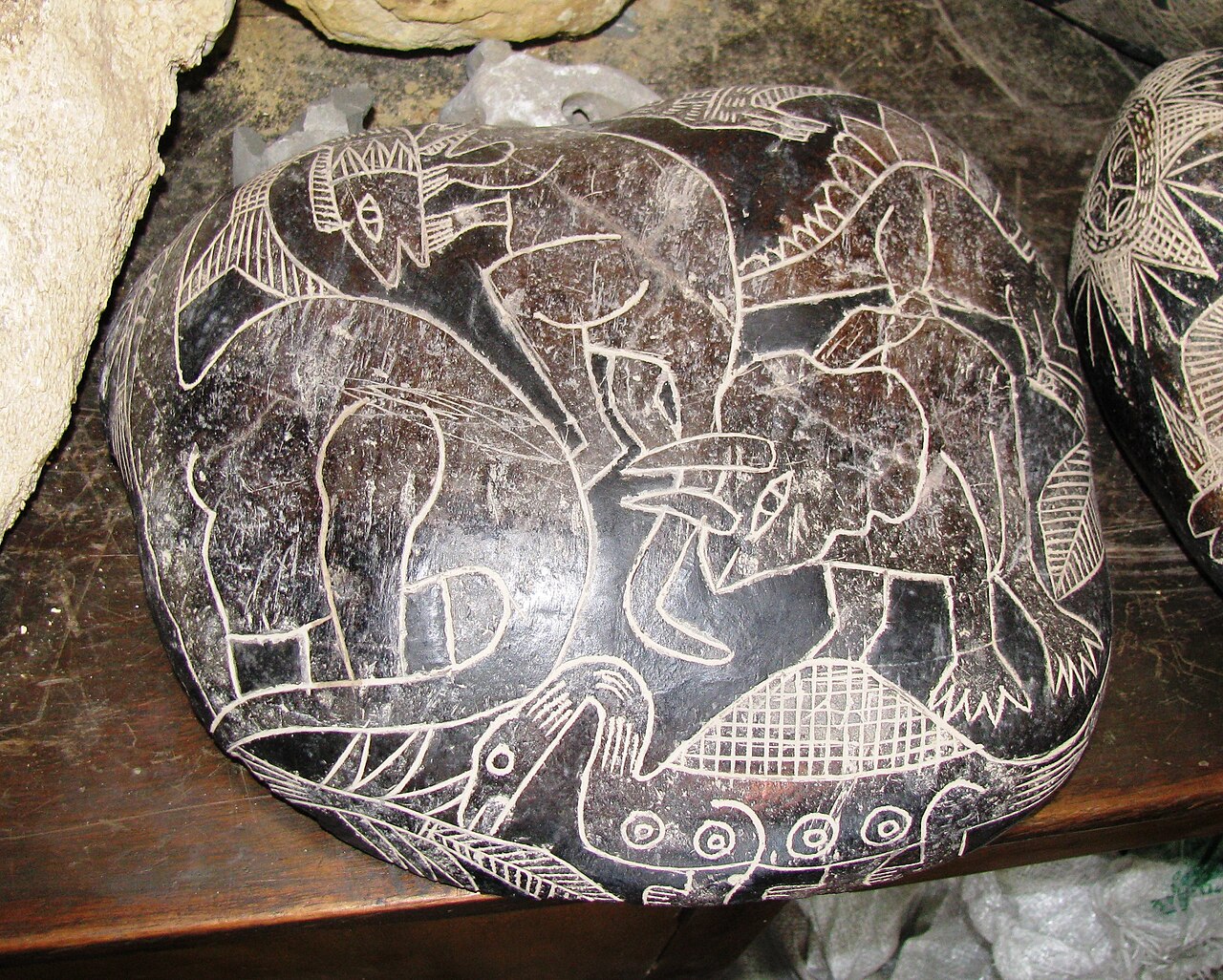
Thousands of stones engraved with humans riding dinosaurs surfaced in Peru, and for a brief moment, they threatened to upend the entire timeline of human history.
The stones gained international attention through a local doctor who collected and promoted thousands of them, arguing they proved an advanced ancient civilization coexisted with dinosaurs and understood astronomy, surgery, and even other continents. Photographs of the engraved rocks circulated widely among alternative history enthusiasts, who treated them as smoking-gun evidence against mainstream science.
The unraveling came from an unexpected source: a local farmer publicly admitted he’d carved the stones himself, copying imagery from magazines and comic books, and sold them to tourists for extra income. Geologists also noted the carvings sat on fresh, unweathered rock surfaces inconsistent with genuine antiquity. Despite the confession, a small subculture still insists the stones are authentic and that the farmer’s admission was coerced.
#9 – Beringer’s “Lying Stones” and the Prank That Humiliated a Professor
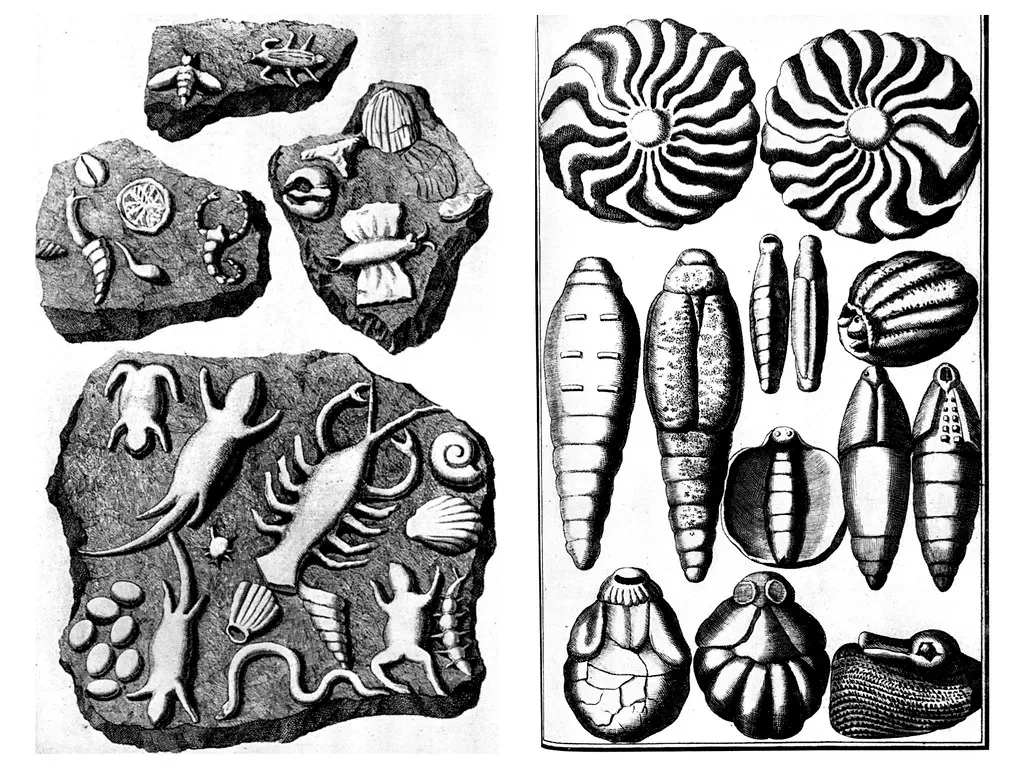
An 18th-century German scientist published an entire book celebrating fossils that turned out to be nothing more than an elaborate practical joke played by his own colleagues.
Johann Bartholomew Adam Beringer, a respected professor and physician, began “discovering” limestone slabs carved with animals, plants, comets, and even Hebrew letters spelling the name of God. Convinced he’d found evidence of divine creation preserved in stone, Beringer rushed to publish an illustrated volume documenting hundreds of the bizarre specimens, certain it would cement his scholarly legacy.
The catch: two jealous colleagues had secretly carved and buried the stones specifically to embarrass Beringer for his arrogance, planting them in spots he was known to excavate. By popular account, the professor only realized the ruse after finding a stone bearing his own name freshly carved into it. The scandal effectively ended his career and is still taught today as a cautionary tale about confirmation bias.
#8 – The Cottingley Fairies That Fooled Sherlock Holmes’ Creator

Two young girls in England produced photographs so convincing they persuaded one of the most famous writers of the 20th century that fairies were real.
In 1917, cousins Elsie Wright and Frances Griffiths photographed what appeared to be small winged fairies dancing near them in a Cottingley garden. The images reached Sir Arthur Conan Doyle, creator of Sherlock Holmes, who was deeply invested in spiritualism at the time. He championed the photos publicly, using them as evidence in articles and a book arguing that supernatural beings genuinely lived alongside humans.
It took over sixty years for the truth to surface: the girls eventually admitted the fairies were paper cutouts, copied from a children’s illustration book and propped up with hatpins. One cousin maintained until her death that a fifth photograph was genuine, adding a strange asterisk to an otherwise fully confessed hoax. It remains one of the clearest examples of belief overriding obvious visual evidence.
#7 – The “Stone Age” Tribe That Was Allegedly Coached for Cameras

A remote rainforest tribe supposedly untouched by modern civilization captivated the world in 1971 – until journalists revisited the site and found reasons to doubt the entire story.
Philippine officials announced the discovery of the Tasaday, a small group living in caves in the Mindanao rainforest, said to have no contact with the outside world and no knowledge of agriculture or tools. The story ran in major international publications with photographs of cave-dwelling families dressed in leaves, and anthropologists rushed to study what was billed as a living window into the Stone Age.
Years later, journalists returning to the region reported that local residents claimed they’d been asked to pose as an isolated tribe, discard modern clothing for the cameras, and pretend to live in caves they didn’t normally inhabit. Some researchers and Tasaday descendants have pushed back on the “total hoax” framing, arguing the group was genuinely isolated even if coverage exaggerated their primitiveness. Either way, most historians now treat the original story as at least partly staged for sensational impact.
Worth Knowing
- The Tasaday were announced to the world in 1971 amid heavy government-backed publicity
- Coverage included National Geographic features and international TV documentaries
- Journalists returned in the mid-1980s, after political upheaval in the Philippines, and found conflicting local testimony
- Anthropologists remain split: some call it a total fabrication, others say a real but exaggerated isolation existed
#6 – The Crystal Skull “Discovered” in a Maya Temple
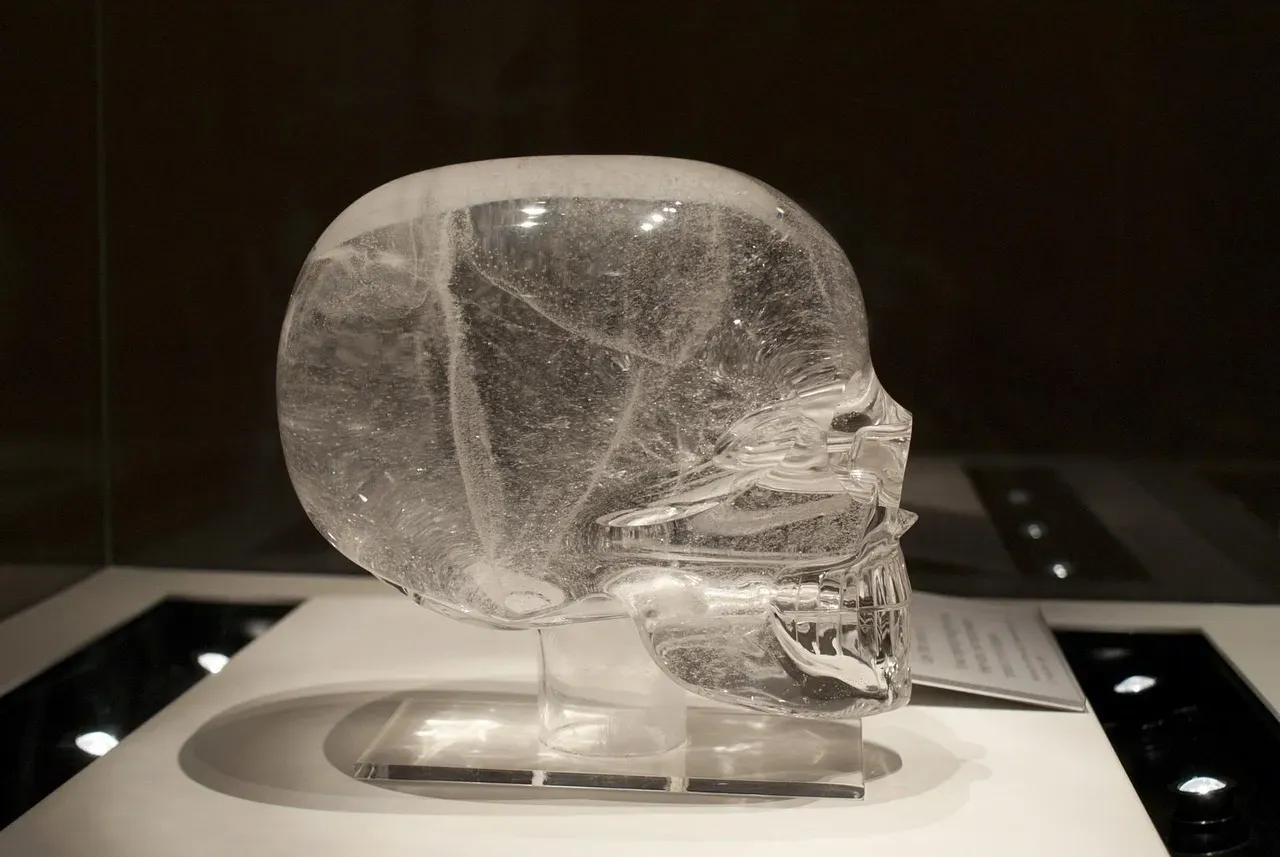
A dazzling, perfectly carved crystal skull was said to have been unearthed inside an ancient Maya ruin by a teenage explorer – a story too good to be entirely true.
The tale began in the 1920s, when adventurer F.A. Mitchell-Hedges claimed his adopted daughter, Anna, discovered a flawless quartz skull inside a collapsed temple in Belize while clearing rubble during an expedition. The object became legendary in paranormal circles, credited with mystical healing powers and ties to lost civilizations, and toured museums for decades as a genuine pre-Columbian artifact.
Later investigation told a very different story: auction records showed the skull had actually been purchased at Sotheby’s in London in the 1940s, and microscopic analysis revealed tool marks consistent with modern rotary lapidary equipment, not the stone or bone tools available to the ancient Maya. No Maya or Aztec site has ever produced a crystal skull through a documented, verified excavation. Archaeologists now regard the romantic “discovery” story as pure invention layered onto a modern art object.
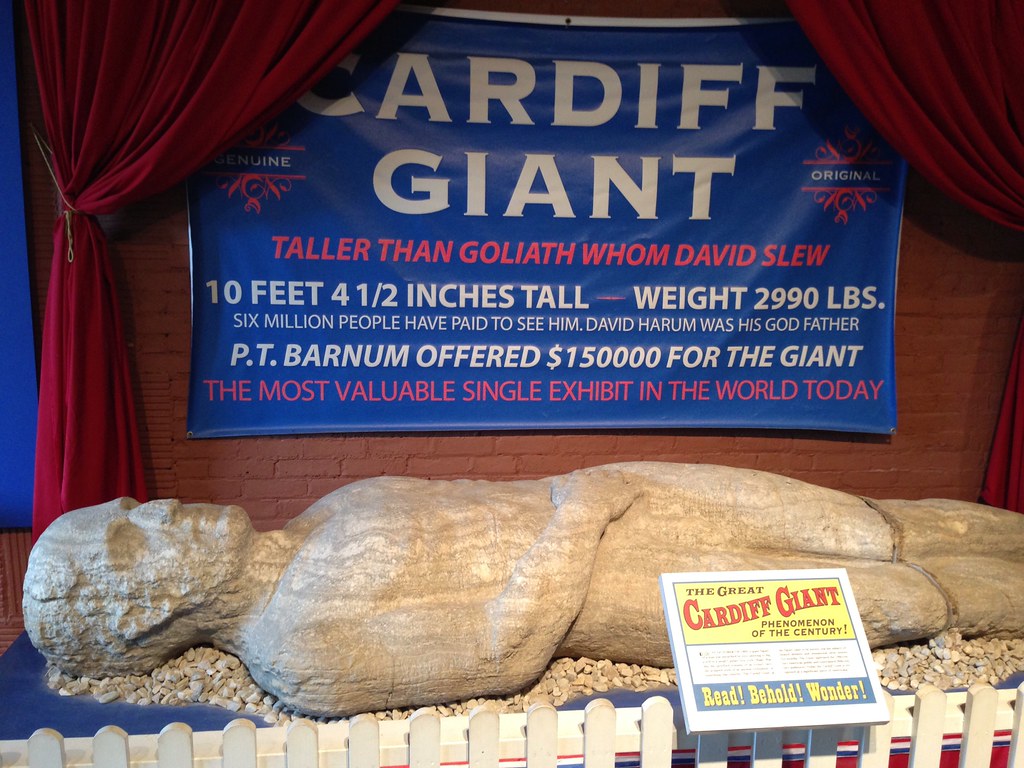
#5 – The Petrified “Giant” That Fooled an Entire Nation
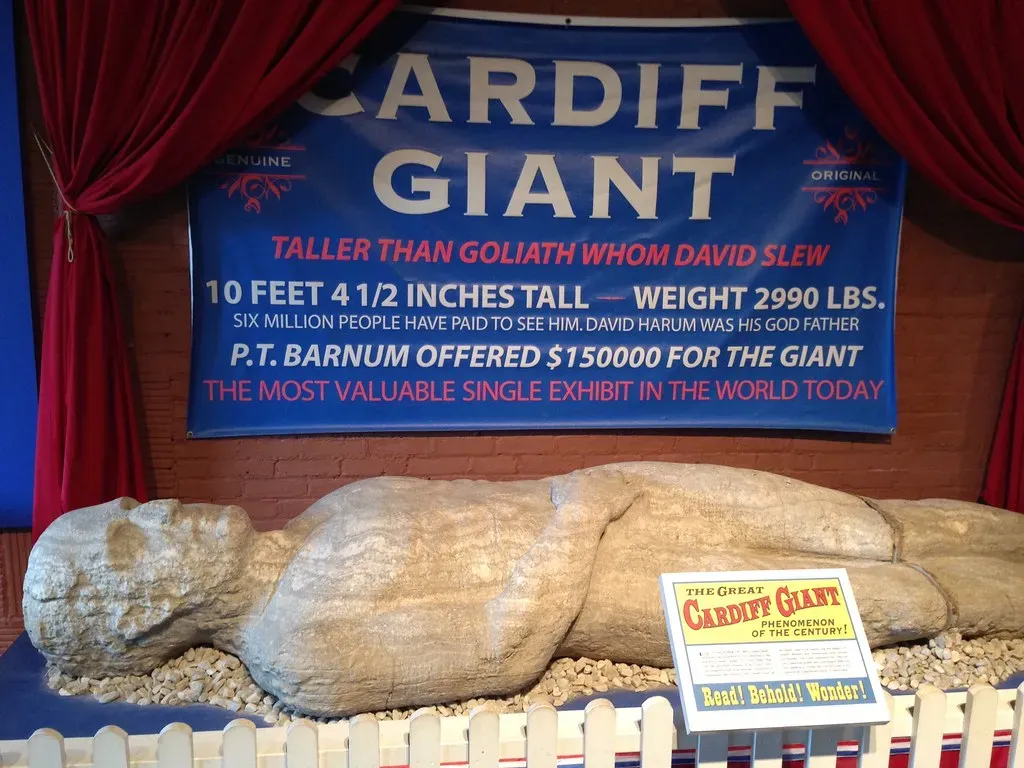
A ten-foot stone man dug up behind a New York barn convinced thousands of Americans that biblical giants once walked the earth.
On October 16, 1869, workers digging a well behind William “Stub” Newell’s barn in Cardiff, New York struck what appeared to be a fossilized foot, and continued digging to reveal a ten-foot-tall, roughly 3,000-pound stone giant. Crowds poured in from surrounding towns, willing to pay for a glimpse of what many believed was physical proof of the giants mentioned in the Book of Genesis. Newell charged admission and made a small fortune within days.
A most decided humbug.
Othniel C. Marsh, geologist, on first inspecting the Cardiff Giant
The truth came out fast by hoax standards. By December, mastermind George Hull confessed to the entire scheme, revealing he’d had the giant carved from gypsum and buried a year earlier after a heated argument about biblical literalism. Showman P.T. Barnum then built his own unauthorized copy and displayed it as the “real” giant, turning the fraud into a fraud of a fraud. Both statues, remarkably, still exist and are viewable today.
#4 – The “Missing Link” Fossil That Was Glued From Spare Parts
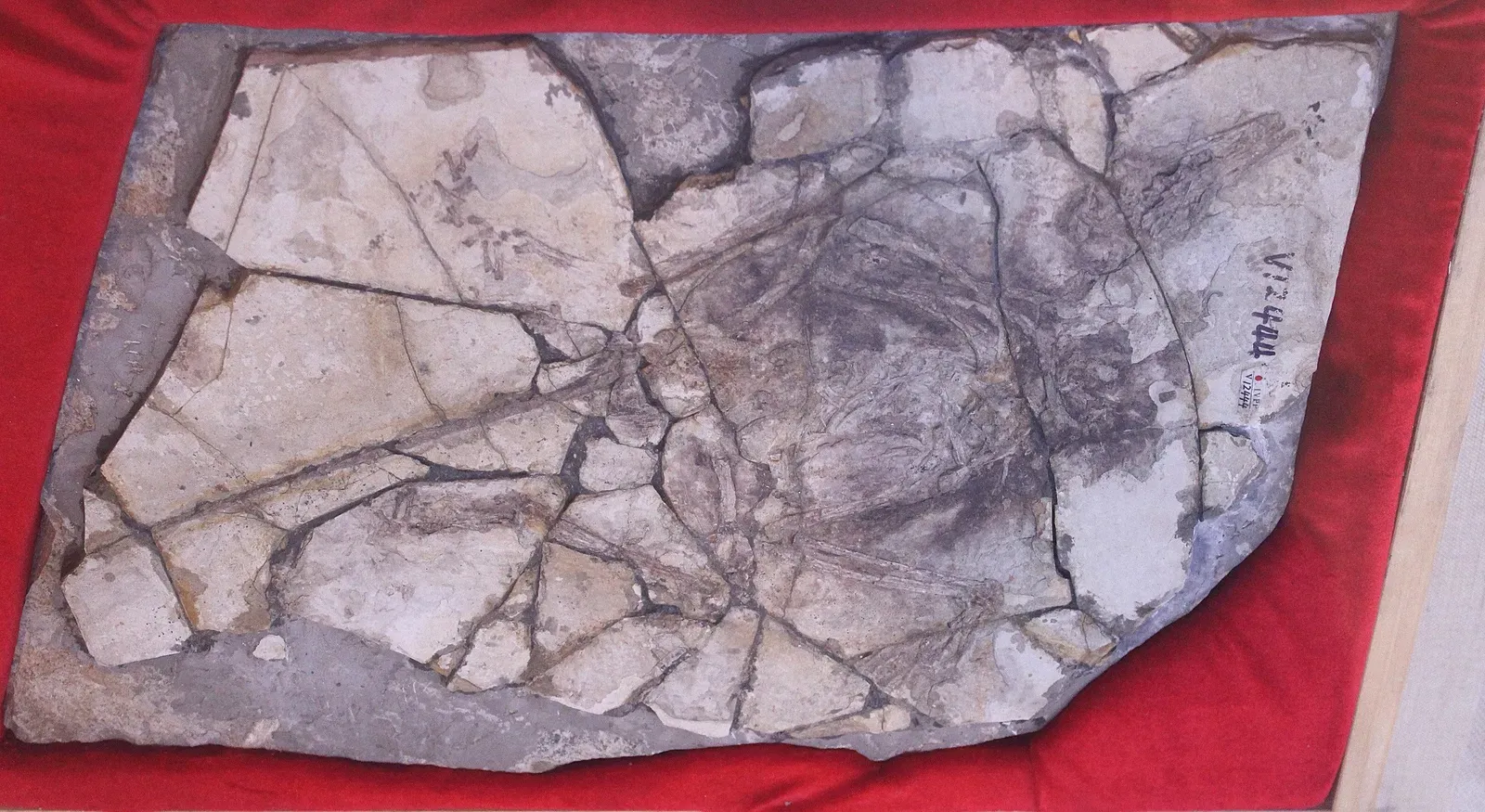
In 1999, National Geographic unveiled what it called definitive proof that dinosaurs evolved into birds – only to discover the fossil had been assembled like a jigsaw puzzle from unrelated animals.
The magazine introduced Archaeoraptor liaoningensis with enormous fanfare, publishing images of a fossil that appeared to fuse a bird’s wings with a dinosaur’s tail. The story ran despite two scientific reviewers already warning the journal Science that the specimen had been smuggled out of China and “doctored” to boost its value – a warning that led Science to reject the paper before National Geographic published it anyway.
The unraveling began when a Chinese paleontologist spotted a matching tail fragment in a separate specimen. Investigators determined the fossil wasn’t from a single animal at all – dozens of separate fossil fragments had been glued together to create the half-bird, half-dinosaur creature, and CT scans confirmed the tail simply didn’t belong to the body. Press outlets quickly nicknamed it the “Piltdown chicken,” a nod to an even older hoax we’ll get to shortly.
Quick Compare
- Claimed: a single fossil fusing genuine bird wings with a dinosaur tail
- Reality: fragments glued together from multiple unrelated animals
- Claimed: a peer-reviewed evolutionary breakthrough
- Reality: the journal Science had already rejected it before publication
- Claimed: a legitimately excavated specimen
- Reality: smuggled out of China before it ever reached scientists
#3 – The Viking Map That Took 60 Years to Debunk
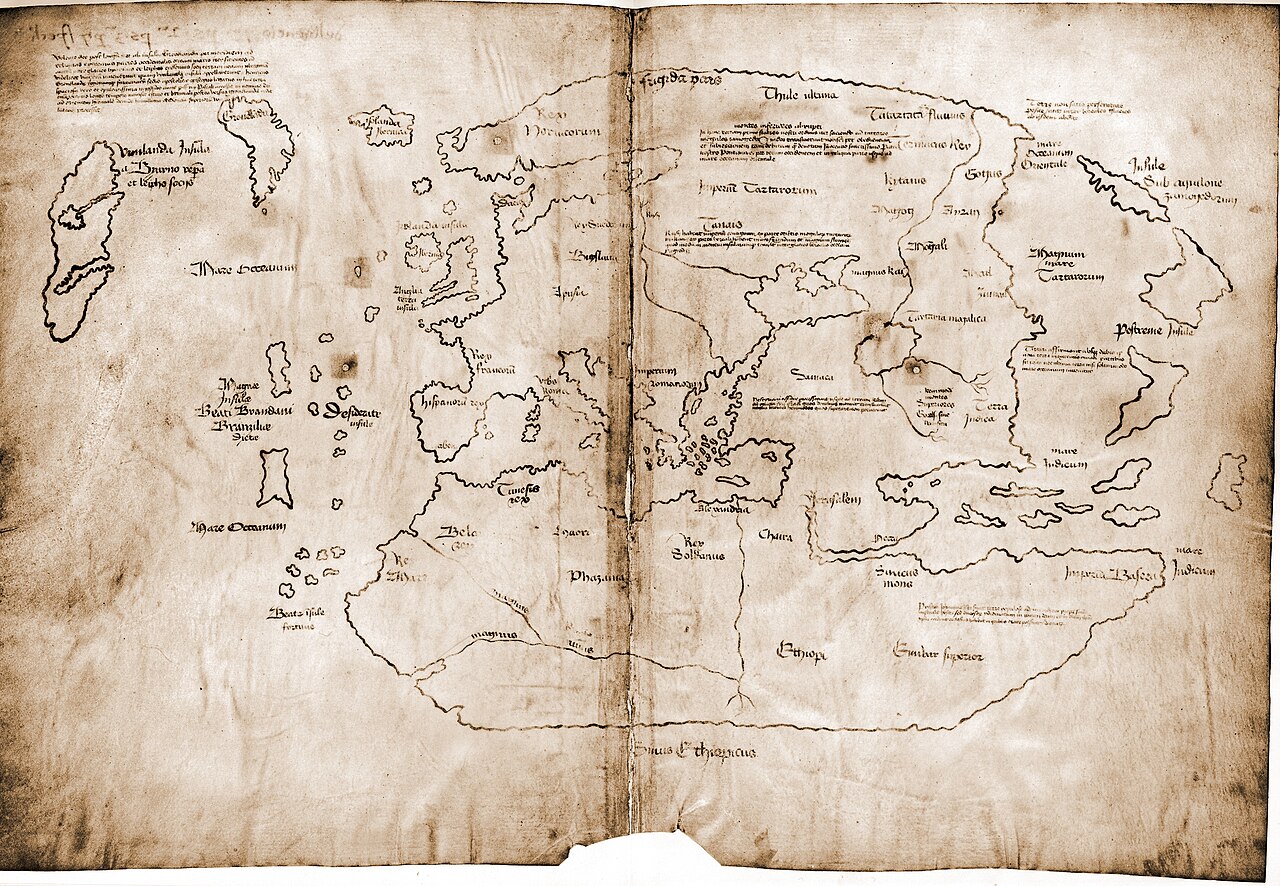
Yale University once possessed what looked like undeniable proof that Norse explorers mapped North America before Columbus – until the ink itself gave away the game.
The Vinland Map surfaced in 1957, depicting Greenland alongside a landmass labeled “Vinland,” suggesting Norse sailors had charted the northeastern coast of North America in the 15th century. Yale purchased the document for a wealthy alumnus and published it with major fanfare in 1965, immediately triggering suspicion among historians. In 2018, after decades of investigation and debate, Yale specialists declared the map a modern forgery.
The final nail came from cutting-edge chemistry: a titanium compound used in inks first produced in the 1920s pervades the map’s lines and text – five centuries after the map was supposedly drawn. Researchers found something even more damning too, including a Latin inscription on the back overwritten with modern ink to look like binding instructions for a genuine 15th-century manuscript. The forger’s identity remains unknown to this day.
#2 – The Forged Diaries That Fooled Historians and the World’s Press
In 1983, a German magazine paid millions of dollars for what it believed were Adolf Hitler’s personal diaries – a scoop that collapsed within weeks and destroyed careers.
Stern magazine purchased the 60-volume set for roughly $3.7 million, believing them authentic. The diaries were purported to have been rescued from a plane crash in East Germany at the end of the war and hidden in a hayloft – a backstory dramatic enough that respected historian Hugh Trevor-Roper publicly vouched for their authenticity before publication.
The truth emerged almost immediately after release. Forensic tests confirmed the materials were manufactured after World War II, and handwriting analysis showed clear discrepancies from Hitler’s real writing. The forger, Konrad Kujau, had never been anywhere near Hitler’s inner circle – he was simply a skilled con artist who had previously forged and sold paintings he also falsely attributed to Hitler. Both Kujau and Stern’s reporter Gerd Heidemann were sentenced to prison for their roles.
#1 – The “Missing Link” That Fooled Science for 41 Years
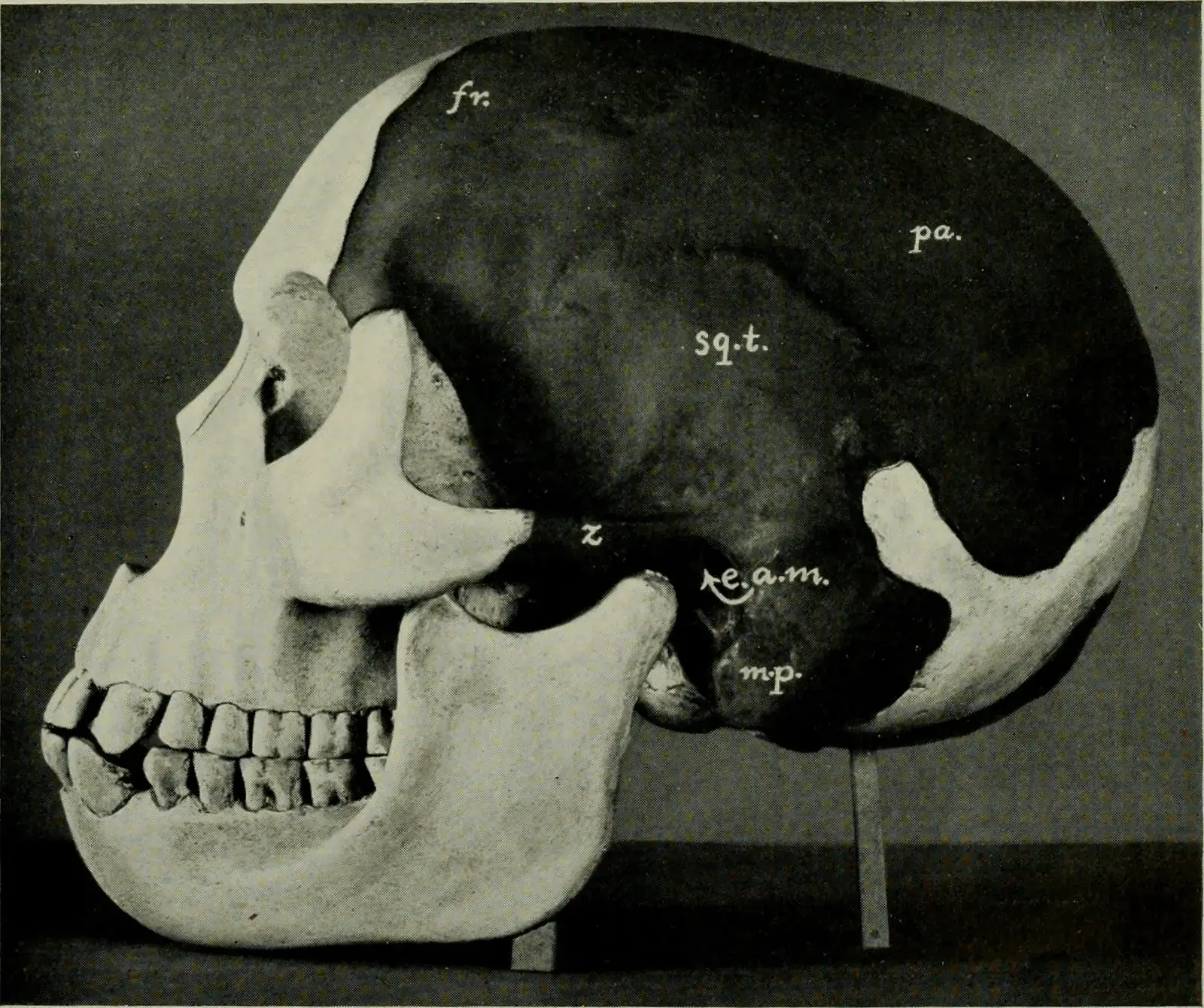
The single most damaging hoax in the history of science convinced the world’s top experts they’d found the evolutionary bridge between apes and humans – and it took four decades to catch.
In 1912, amateur archaeologist Charles Dawson announced he’d discovered bone fragments he claimed were the fossilized remains of a previously unknown early human – the “missing link” between apes and modern people. Dubbed Piltdown Man, the find was embraced by leading scientists at the Natural History Museum and cited for decades as proof of humanity’s evolutionary origins in England specifically.
The unraveling was slow but total. Not conclusively exposed as a forgery until 1953, the find was revealed to be an altered orangutan jaw and teeth deliberately paired with the skull of a modern human. Researchers examining the teeth under a microscope found they’d been deliberately filed down and chemically stained to mimic hundreds of thousands of years of fossilization. A 2016 scientific review confirmed Charles Dawson himself as the likely perpetrator, apparently in pursuit of recognition from fellow archaeologists – making it the longest-running scientific fraud ever definitively solved.
At a Glance
- 1912: Charles Dawson announces the bone fragments to the scientific world
- Decades: cited internationally as proof of human evolutionary origins in England
- 1953: exposed as a hoax – 41 years after the original announcement
- The fraud: a filed-down orangutan jaw chemically stained and paired with a human skull
- 2016: a scientific review names Dawson the likely sole perpetrator
The Bottom Line
What ties every entry on this list together isn’t stupidity – it’s ambition. Museums wanted headlines, magazines wanted scoops, historians wanted their names on the “missing link,” and ordinary people wanted proof of giants, fairies, and lost civilizations badly enough to stop asking hard questions.
The scariest part isn’t that these hoaxes happened – it’s how long they survived scrutiny from supposedly trained experts. Forensic chemistry, not common sense, is what finally caught most of them. If institutions with unlimited funding and PhDs can be fooled for decades, it’s worth asking what’s sitting in a museum case right now that hasn’t been tested yet. Which of these surprised you the most? Drop your take in the comments.