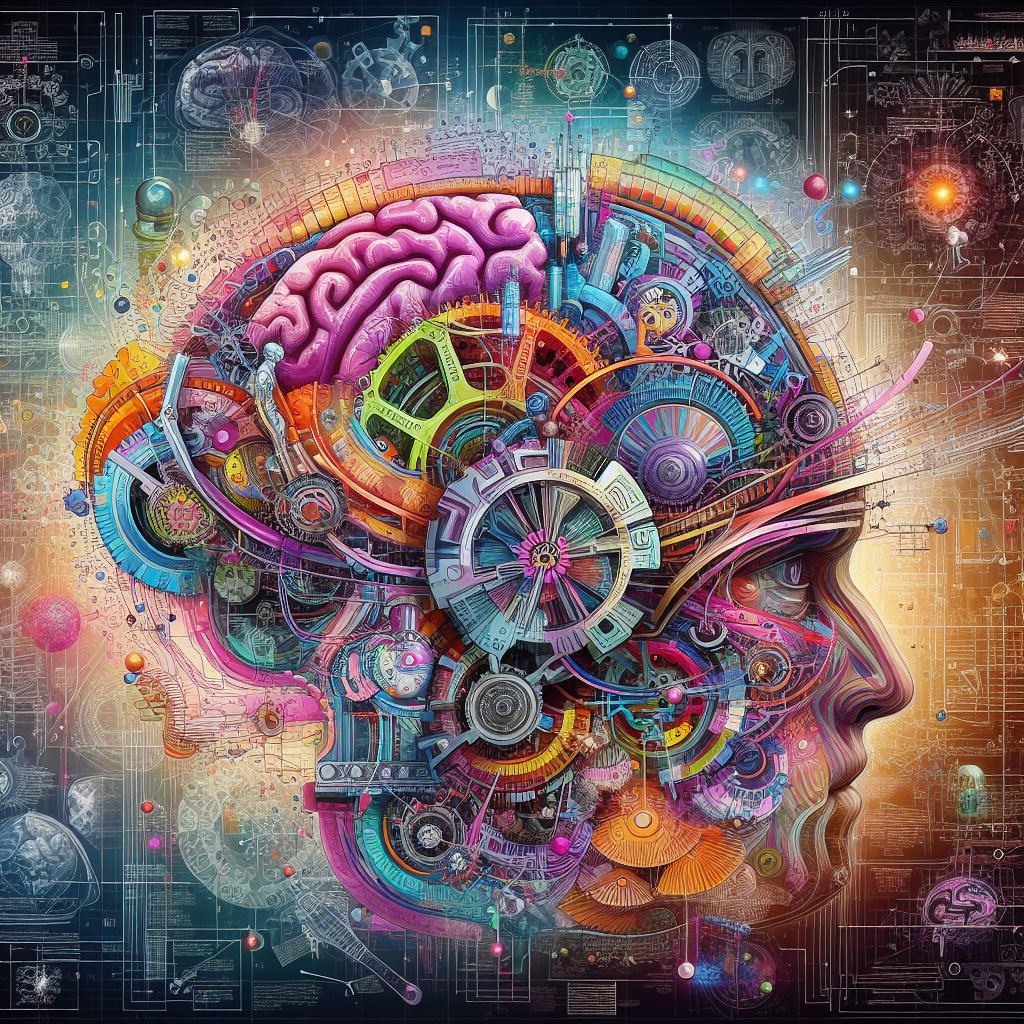

You feel time as something solid and obvious: first this happened, then that, like beads on a string. But when you look closely at how your brain actually builds that feeling of “now,” “before,” and “after,” the picture gets much stranger. What feels like a smooth, continuous river is more like a carefully edited movie, assembled milliseconds after the raw events hit your senses. In the last few decades, experiments in psychology and neuroscience have shown that your brain can reorder events, backdate experiences, and even make you feel a decision happened before it actually did. You still get a coherent story, but that story is stitched together behind the scenes. Once you see how that stitching works, it becomes very hard to trust your own sense of time as a simple reflection of reality.
How Your Brain Builds a “Now” That Isn’t Instant
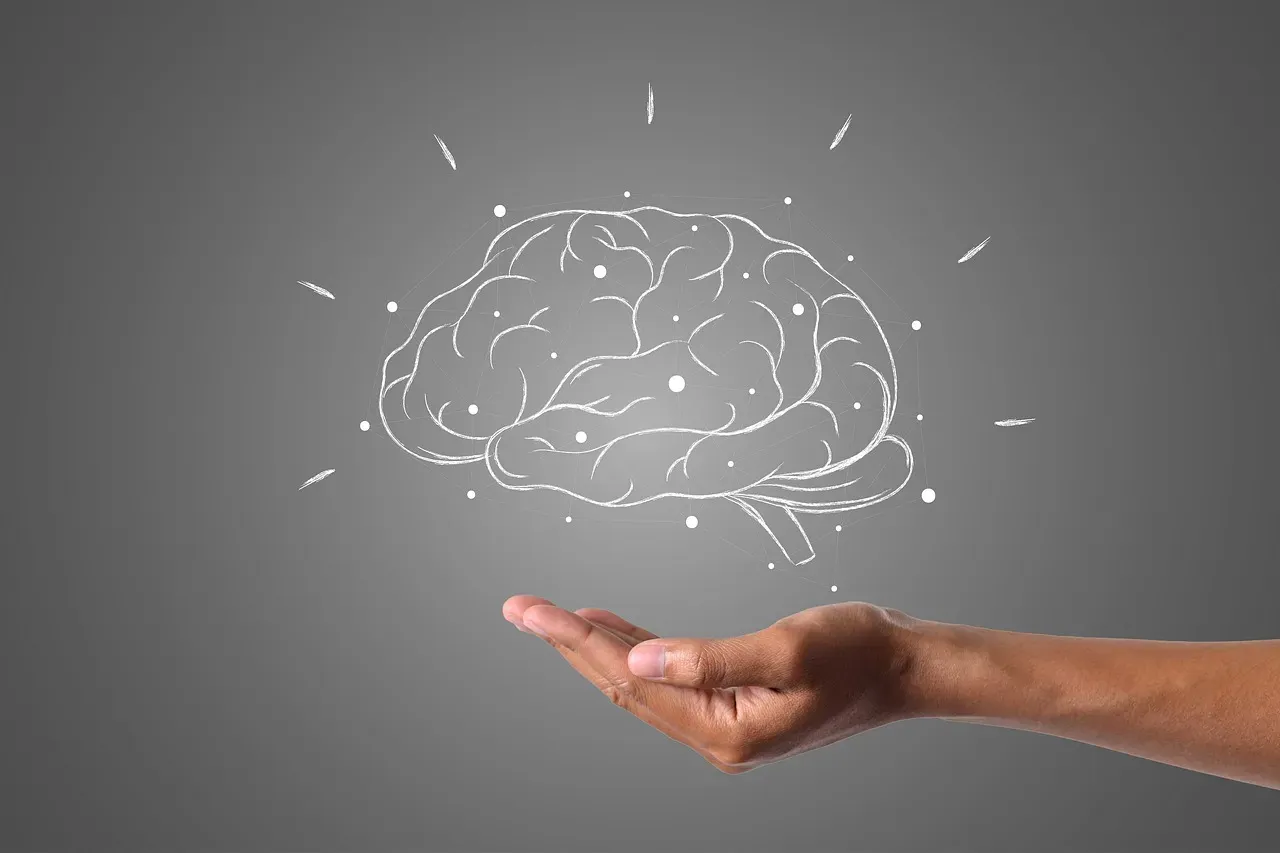
You might think you experience the world in real time, but your brain is always a little late to the party. Signals from your eyes, ears, skin, and body all travel at different speeds, through different pathways, and your brain has to wait just long enough to combine them into a single, unified moment that feels like “now.” That waiting and stitching is invisible to you, but it means what you feel as the present is actually a short slice of the immediate past. You can think of it like live TV with a tiny broadcast delay: it feels live, but it is not truly instant. Your brain takes around a few tens to a few hundreds of milliseconds to process different sensory inputs, then pulls them together and presents you with a polished version of what just happened. Because this little delay is consistent and automatic, you never notice it, and you walk around with the conviction that your experience lines up exactly with physical time.
When Vision and Touch Disagree, Your Brain Edits the Timeline
Imagine you see a flash on a screen and feel a tap on your finger. If the timing between the flash and the tap is adjusted just slightly, you can be tricked into thinking the tap happened before the flash, even when it did not. Researchers have used setups like this to show that your brain does not just passively receive an order of events; it actively infers and sometimes corrects that order to keep your experience tidy and sensible. You are not reading time off the world; you are constructing it. If you keep experiencing a certain delay between two senses – say, sound always arriving just after sight – your brain starts to “calibrate” and shift when it thinks those events occurred. Over time, it can even overshoot and make you feel that the sound happened earlier than it physically did. This is similar to how you adjust to audio lag in a video call: after a while, your brain quietly compensates, and you barely notice the mismatch.
The Brain Sometimes Backdates What You Think You Felt
One of the most unsettling findings in this area is that your brain can assign the timing of a sensation to a moment before the processing that actually generated it finished. In some experiments, a brief stimulus is followed by a second, stronger one, and your brain uses the second event to reinterpret the first. You end up feeling as if the first event was clearer or different than it really was, as though your experience of the past has been rewritten. You can picture it like a movie editor who goes back and inserts a shot earlier in the sequence because it makes the story flow better. Your conscious timeline is not created instant by instant; it is compiled over a short window, with the brain willing to revise what “must have happened” a fraction of a second ago. From your perspective, the revision feels original and immediate, which is why it is so hard to spot.
Illusions That Make You Feel Motion and Change That Never Happened
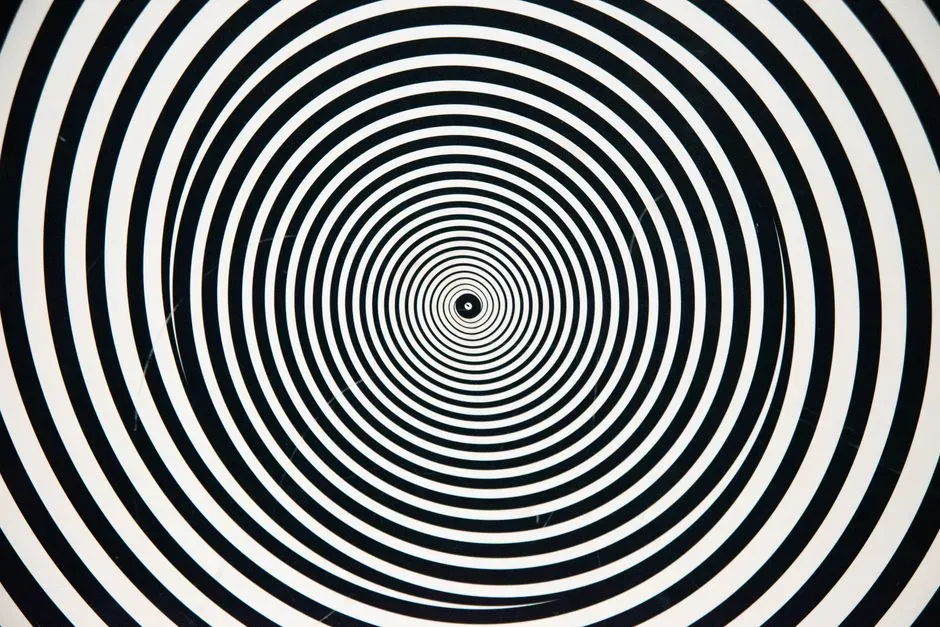
You have probably seen an animation or illusion where a dot seems to jump ahead of where it should reasonably be, yet it still feels natural. In some visual illusions, your brain uses information from the future – like where a moving object ends up a moment later – to decide where it “must have been” in the recent past. You feel a smooth motion even when the raw input was jerky or incomplete. The experience of continuous time is being filled in after the fact. The same thing happens with sudden changes. In some displays, a stimulus changes in a way that your brain only fully recognizes a blink later, but you feel as if you saw the transition as it happened. Your brain dislikes gaps and abrupt jumps, so it quietly smooths the timeline, much like a photo app automatically removing blemishes. You end up with a world that feels more fluid and predictable than the choppy, delayed data your senses actually deliver.
Decisions, Free Will, and the “Already Started” Feeling

Things get even more provocative when you look at the timing of your decisions. In some experiments where brain activity is measured while you prepare to make a simple choice, certain patterns in your brain ramp up before you report the conscious decision to act. From your point of view, you feel you chose in that moment, but under the hood, relevant neural processes were already unfolding beforehand. That creates the eerie impression that your conscious experience of “now I choose” might be riding on top of earlier, unconscious processes. You do not have to interpret this as meaning you have no free will, but you do have to accept that your sense of when you chose is not a perfect stopwatch. It is more like the narrator coming in halfway through the story and claiming they were in charge from the beginning. Your brain gives you a coherent, meaningful feeling of agency, but it may not be telling you the exact millisecond-by-millisecond truth about when things started.
Time Slows Down, Speeds Up, and Sometimes Breaks Apart
Think about the last time you were terrified or in an accident. You might remember time stretching out, with every detail in slow motion, even though clocks and cameras would show everything happening at normal speed. In extreme situations, your brain can switch into a mode where it lays down more dense, vivid memories and allocates more attention to the moment. Later, when you recall it, the memory feels packed with information, which your mind interprets as “this must have taken longer.” On the other hand, when you are bored or stuck in routine, time can feel like it drags in the moment but collapses afterward into a blur. This shows you that your experience of time depends not just on the raw passage of seconds, but on how many events your brain treats as significant enough to store. It is a bit like scrolling through a photo gallery: a day with many distinct photos feels long and rich; a day with almost none feels like it barely existed.
Technology, Virtual Worlds, and Hacking Your Sense of Time

As virtual reality and immersive media get more sophisticated, you are stepping into environments that can deliberately play with your time perception. Slight delays between your movements and what you see, unusual patterns of motion, or manipulated feedback can all shift how you feel the timing of events. Designers can stretch, compress, or reorder your sense of cause and effect to make a game more dramatic or a training simulation more intense. You still feel grounded, but your brain is adjusting continuously to make sense of the altered timing. Even simple technologies already nudge your sense of time. Fast-cut editing, jump cuts, slow motion, and time-lapse in films and videos teach your brain to accept non-natural timelines as emotionally real. You might cry over events you know were shot out of order, patched together months apart, yet your experience of the story’s time feels continuous and convincing. That shows how ready your brain is to build coherent timelines from fragmented, manipulated input.
What It Means to Live Inside a Constructed Timeline
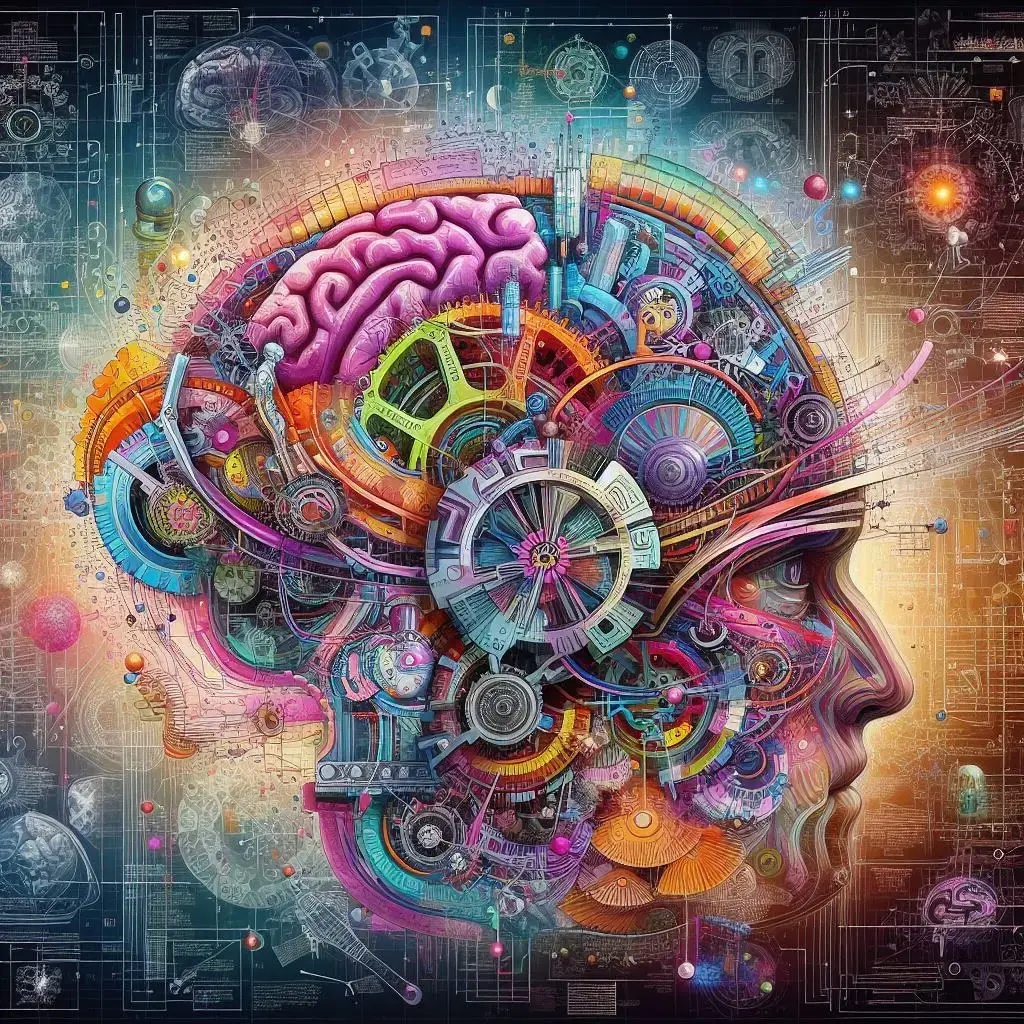
Once you realize that your brain can reorder, smooth, and backdate your experiences, you might feel a little unsettled. But you can also see that this construction of time is not a bug; it is a feature that keeps you functional in a noisy, delayed world. You need a stable sense of cause and effect to move, plan, and survive, so your brain prioritizes coherence over literal accuracy at the millisecond scale. Most of the time, this trade-off works beautifully and you never notice anything odd. It also means that humility about your own experience is healthy. When you swear something happened in a certain order or at a certain speed, you are reporting what your brain reconstructed, not giving a perfect data log. That does not mean your experience is meaningless; it just means it is more like a carefully edited memoir than a raw security-camera feed. Knowing that, you can approach your own memories and moments with a bit more curiosity and a bit less blind certainty. In the end, you are not simply moving through time; you are constantly helping to create it in your own mind. Your sense of past, present, and future is a living story your brain tells itself, adjusting and rewriting as new information arrives. The real magic is not that the brain sometimes gets the order wrong, but that it usually builds a world that feels stable enough for you to love, fear, and make choices in. Now that you know how flexible your inner timeline is, how sure are you really about what just happened a moment ago?