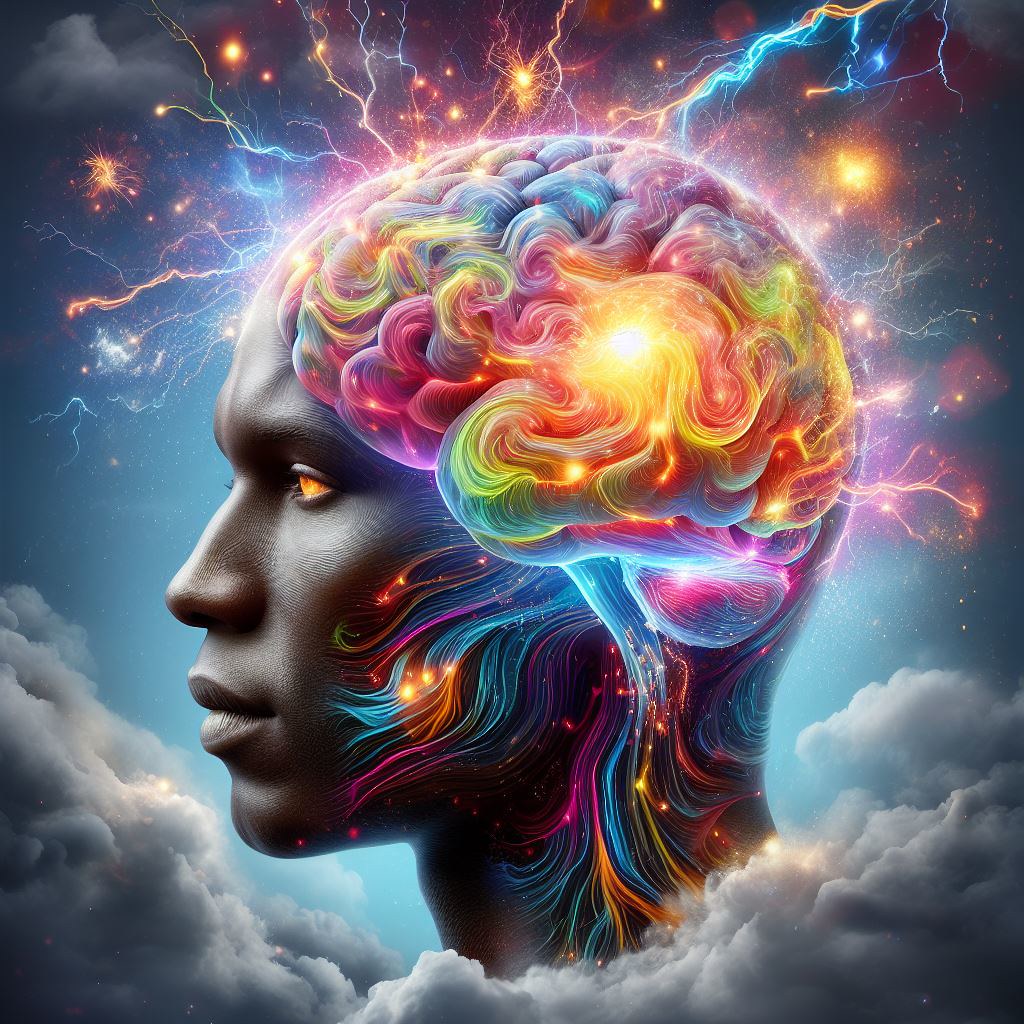

You have probably grown up thinking of your cells as tiny machines, blindly following chemical instructions without any sense of what they are doing. Yet when you look at how your body develops, heals, and adapts, that simple picture starts to feel strangely incomplete. The cellular consciousness hypothesis steps into that gap and suggests something bold: each of your cells might have a primitive kind of awareness, and what you call “you” could be the emergent result of countless micro-experiences woven together. You are not being asked to imagine that a skin cell is secretly composing poetry or that a liver cell worries about its future. Instead, you are invited to consider that cells might have very basic forms of sensing, evaluating, and choosing – tiny sparks of proto-experience. When trillions of these sparks interact in your body and nervous system, you might get the blazing fire of human consciousness. It is a daring idea, but once you walk through the evidence and implications, you may find it is not as far-fetched as it sounds.
How Cells Already Behave Like Tiny Decision-Makers
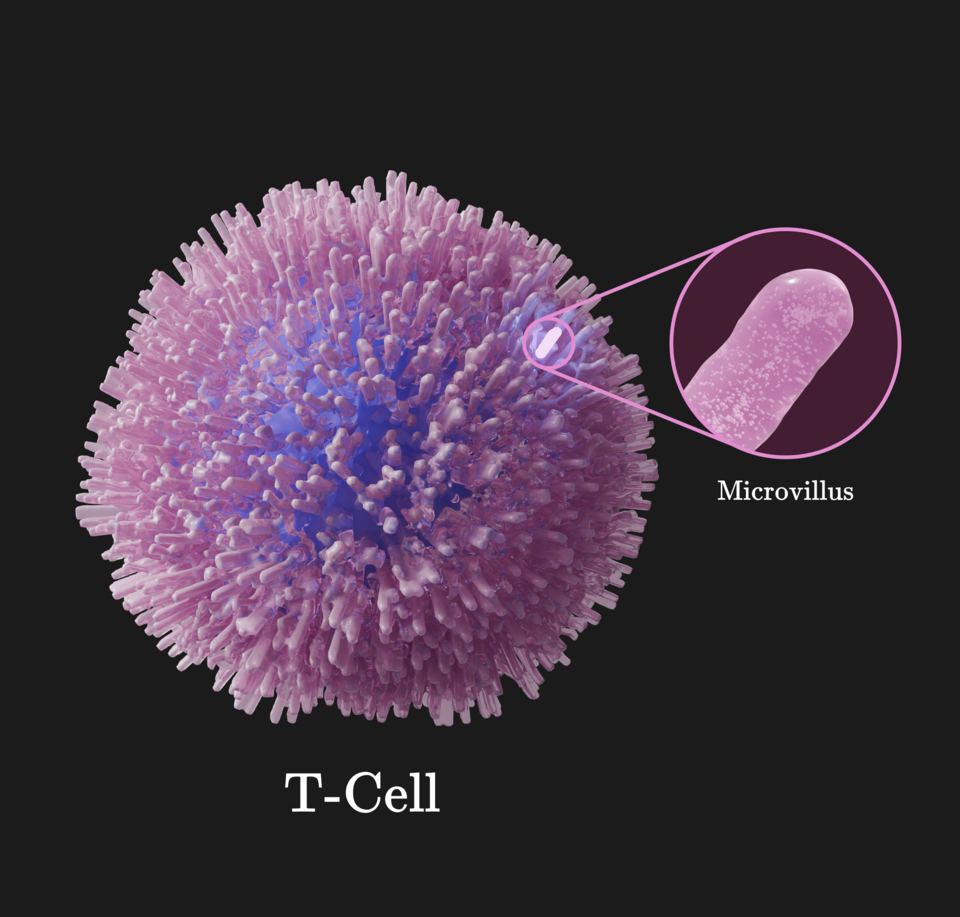
You are usually told that cells simply react to chemical signals, but when you look closer, their behavior often resembles problem-solving rather than mere reflex. A single immune cell, for example, has to navigate through complex tissue, distinguish between friend and foe, and decide whether to attack, tolerate, or retreat. It does this without a brain, yet it integrates information from receptors, past molecular “memories,” and context before acting in surprisingly flexible ways. If you watch a single-celled organism under a microscope, you see something similar: it explores, avoids danger, searches for nutrients, and sometimes changes strategies if conditions shift. You can describe all of this mechanically, in terms of receptors, ion channels, and signaling pathways. Still, from another angle, it looks like a form of evaluation: this is better than that, move here rather than there. The cellular consciousness hypothesis suggests that when you see this kind of goal-directed behavior, you might be seeing the simplest building blocks of what later becomes mind.
From Simple Sensing to Proto-Awareness
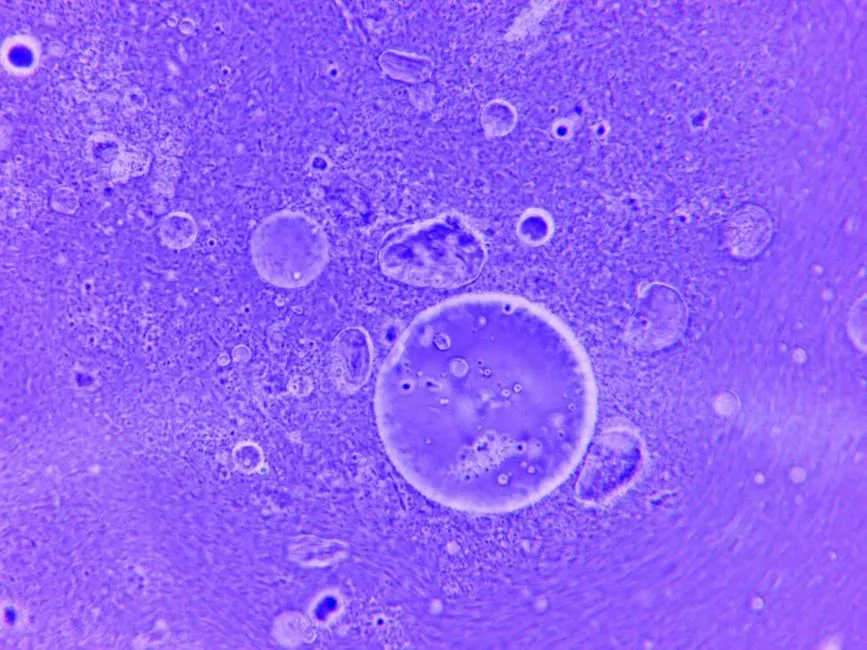
You already accept that your nervous system converts stimuli into experience: light waves become color, air vibrations become sound, pressure becomes touch. The hypothesis nudges you one step earlier and asks whether something faintly experience-like might be happening at the cellular level whenever a cell “notices” a signal. When a cell changes its behavior because the environment has shifted, it is not just following one rigid reaction; it often weighs competing inputs and adapts, which looks like a primitive form of evaluation. Think about pain as an example. You feel it as an integrated conscious state, but the process begins with specialized cells detecting damage and sending signals. At each stage, from local tissue to spinal cord to brain, there are layers of sensing and response. The cellular consciousness view encourages you to see those early steps not as dead, mechanical relays, but as the faintest hints of a subjective stance: something like “this is harmful” encoded in biochemical language. Your full-blown experience of pain, in this framing, is the grand finale of a long chain of tiny awareness-like moments.
How Trillions of Micro-Experiences Might Combine
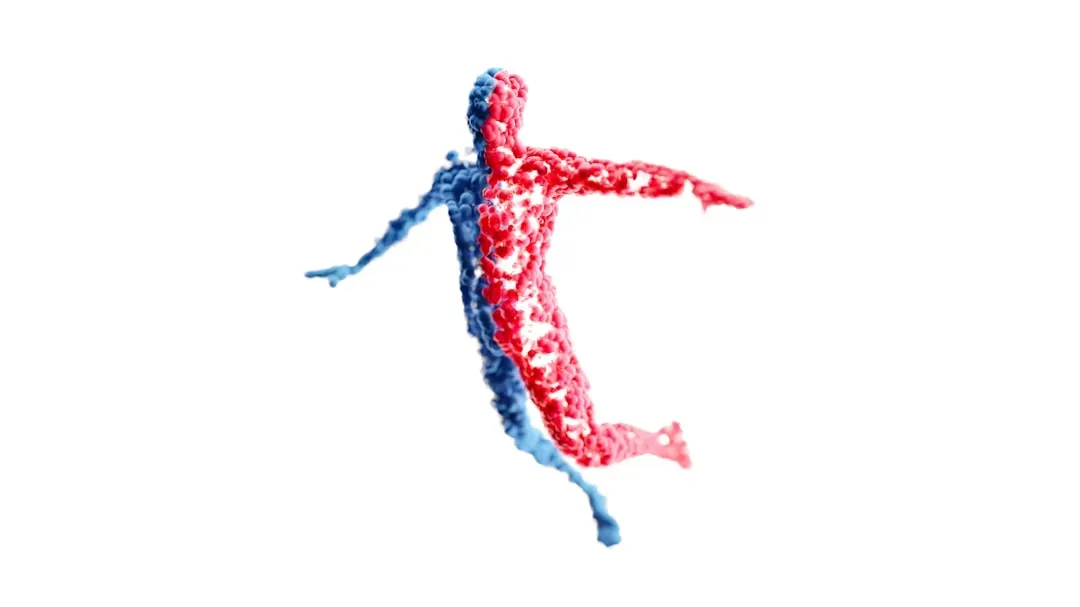
You are used to the idea that many small parts can create something entirely new when they work together. A single water molecule is not “wet,” but a vast number of them behaving collectively gives you the sensation of wetness. In a similar way, the hypothesis proposes that your individual cells might each contribute a minuscule “point of view,” and when those are organized in the right way, you get the unified, continuous experience you call your mind. Your brain is the most obvious stage for this combination. Neurons are cells that constantly talk to one another, forming circuits, networks, and patterns that shift over milliseconds. If each neuron carries a tiny whisper of proto-experience, then your conscious awareness might be the complex chorus of those whispers harmonizing and interfering. Outside the brain, other cells could still be participating more indirectly, influencing mood, comfort, and bodily states that color what it feels like to be you in any given moment.
Clues from Development, Regeneration, and Collective Intelligence
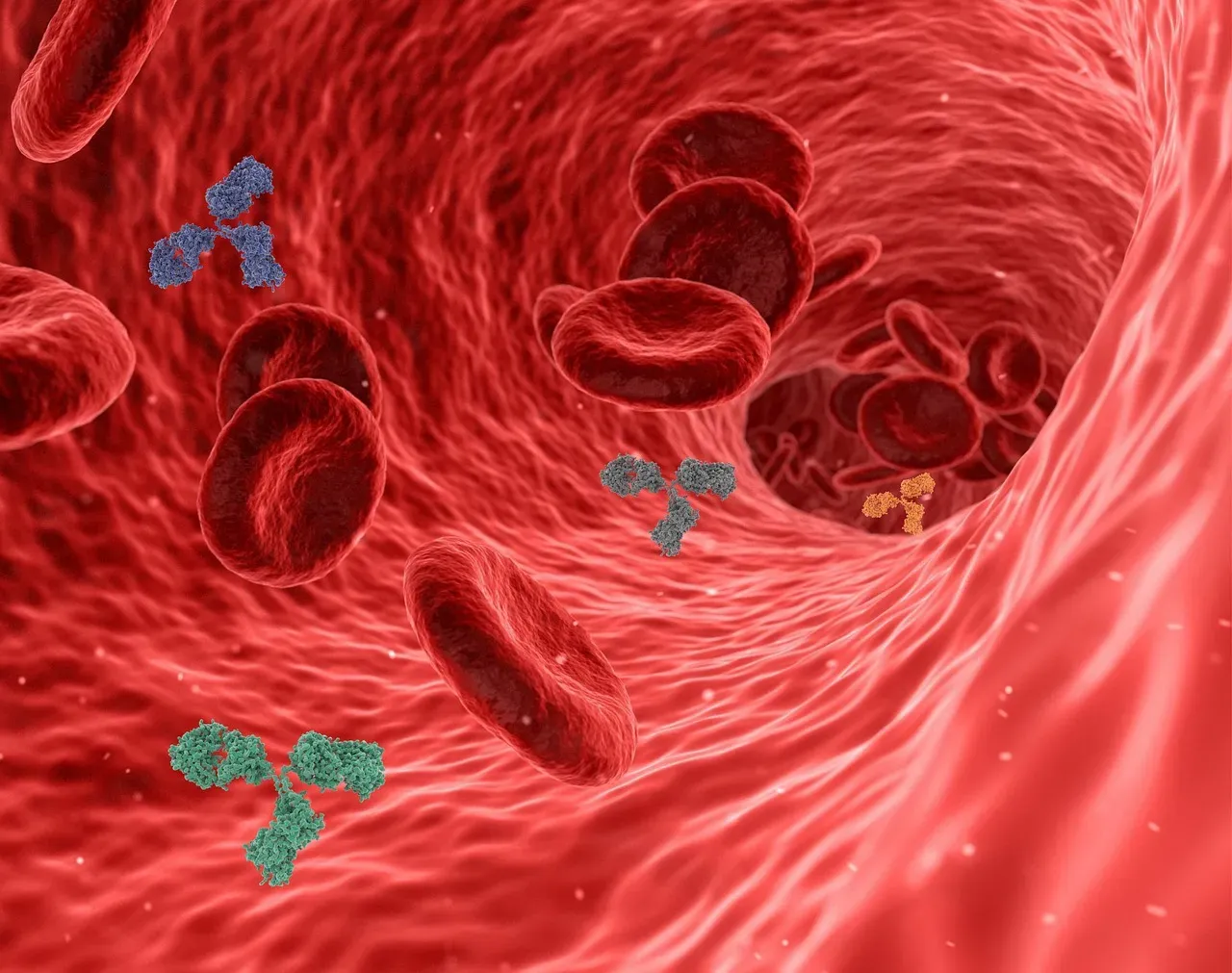
You start life as a single fertilized cell that somehow organizes itself into a body with organs, limbs, and a working brain. Cells coordinate, communicate, and negotiate during this process to reach a shared anatomical goal, such as forming a correctly shaped heart or a symmetrical face. When you look at this with fresh eyes, it resembles a community making joint decisions and following long-term plans more than it resembles a random swarm of particles. You see similar patterns in regeneration and in other forms of collective intelligence. Some animals can regrow limbs, and their cells “know” where to stop, which shape to build, and how to reconnect with existing structures. In swarms of insects or flocks of birds, you see simple individuals combining to achieve complex goals without central control. The cellular consciousness hypothesis suggests that your body is doing something related at a microscopic level: each cell has limited but meaningful “preferences,” and when those preferences interact, a coherent organism – and ultimately a conscious mind – emerges.
Where This Idea Meets Mainstream Science (and Where It Does Not)
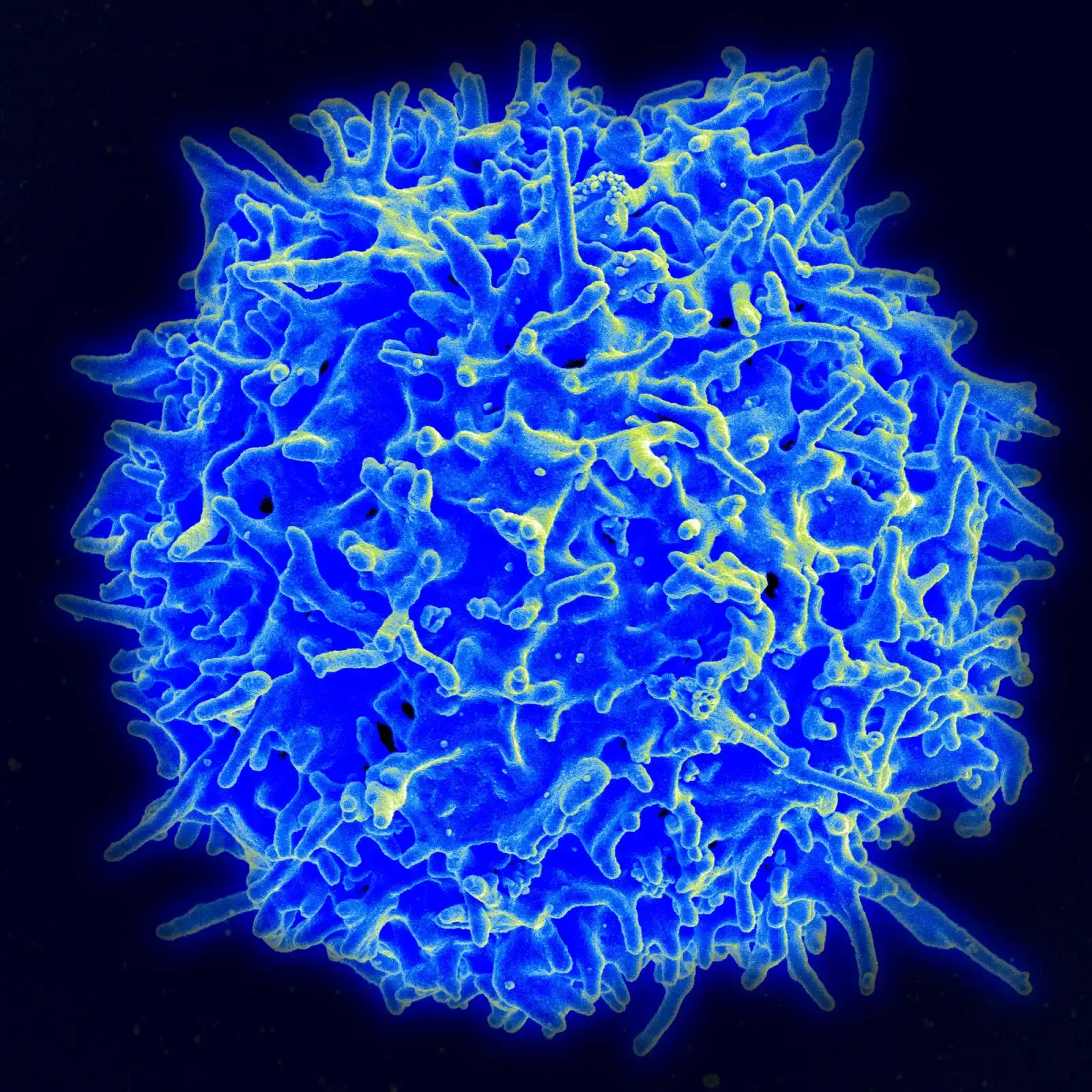
You might worry that talking about aware cells sounds mystical, but many of the ingredients are already present in serious scientific discussions. Researchers studying cell signaling, bioelectric communication, and developmental biology often describe cells as having goals, memories, and strategies, even if they mean those terms metaphorically. You see similar language in fields that study how complex systems produce surprising new properties that none of the parts have alone. At the same time, you need to be clear about the limits of the idea. There is no solid proof that a single cell has any kind of inner experience, and you cannot ask it directly how it “feels.” Right now, this hypothesis is more of a philosophical interpretation layered on top of established biology than a settled scientific theory. You can use it as a lens to generate questions and experiments, but you should not pretend it has the same status as well-tested models of neurons, synapses, or brain networks.
Implications for How You See Yourself and Your Body
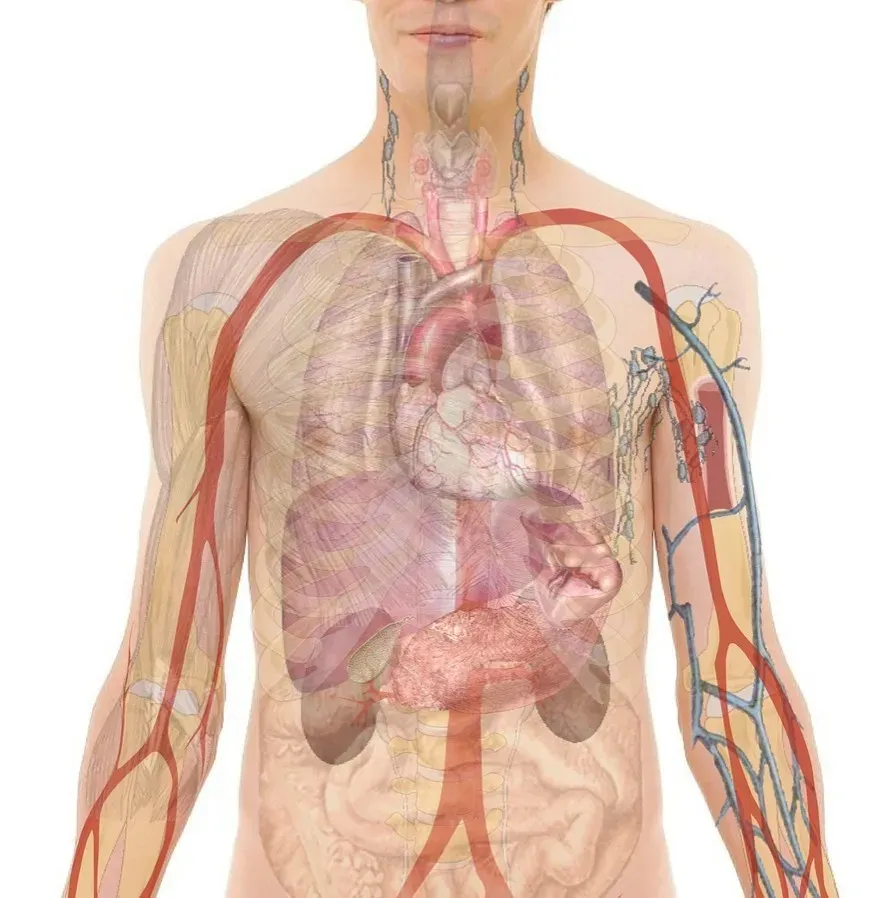
If you take this hypothesis seriously, you stop thinking of yourself as a ghost in a machine and start seeing yourself as a vast community of tiny agents collaborating. Your sense of being a single “I” becomes the emergent story that arises from trillions of coordinated micro-perspectives. That can be strangely humbling: you are less a solitary mind living in a body and more like a living city of cells, all working together to sustain the narrative you call your life. This shift in perspective can change how you relate to your own health and behavior. When you nourish, rest, or move your body, you are not just maintaining a shell; you are supporting the conditions in which your cellular society can function well. Practices like good nutrition, sleep, and stress management become ways of keeping the underlying micro-organization stable, which in turn shapes the clarity, mood, and stability of your conscious experience. You start to see mental states not as floating abstractions, but as the collective mood of your entire cellular ecosystem.
Philosophical Challenges and Tough Questions You Have to Face
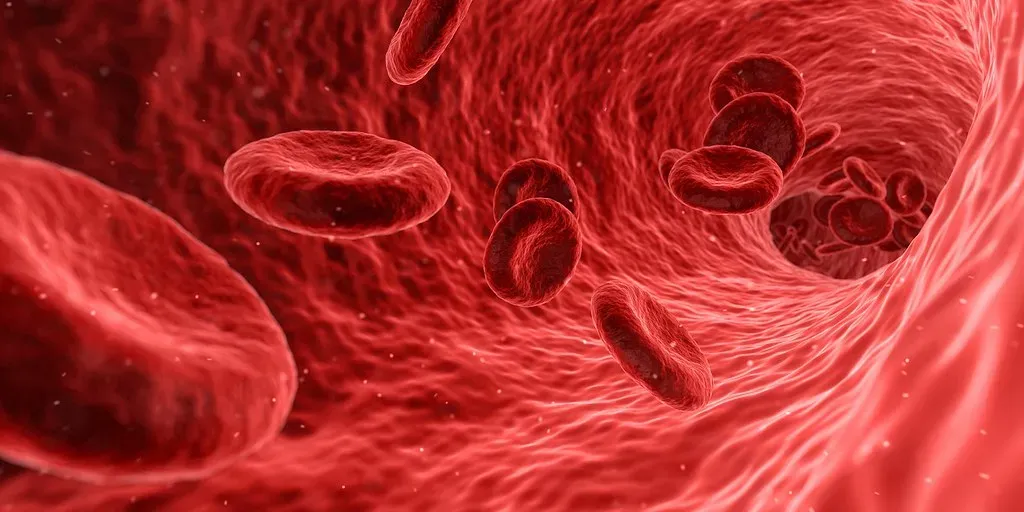
If you imagine cells as having primitive awareness, you immediately run into thorny questions. At what point does a cluster of cells become a unified subject, rather than just a crowd of tiny feelers? If your cells have micro-experiences, what happens to those when they die, divide, or are replaced? You also face the hard problem of consciousness from a new angle: it is not just your brain you need to explain, but how any tiny pocket of awareness could emerge from matter at all. You also have to consider ethical questions. If you ever accepted that individual cells have some minimal form of experience, you might need to think differently about experiments, tissue engineering, or even how casually you treat parts of your body. Most researchers would say that even if cells do have any proto-experience, it is unimaginably simple compared to animal consciousness, and your moral focus should still be on beings that can clearly suffer. Still, the hypothesis nudges you toward a more connected, less dismissive view of the living fabric you are made of.
How You Might See the Future of Consciousness Research Through This Lens
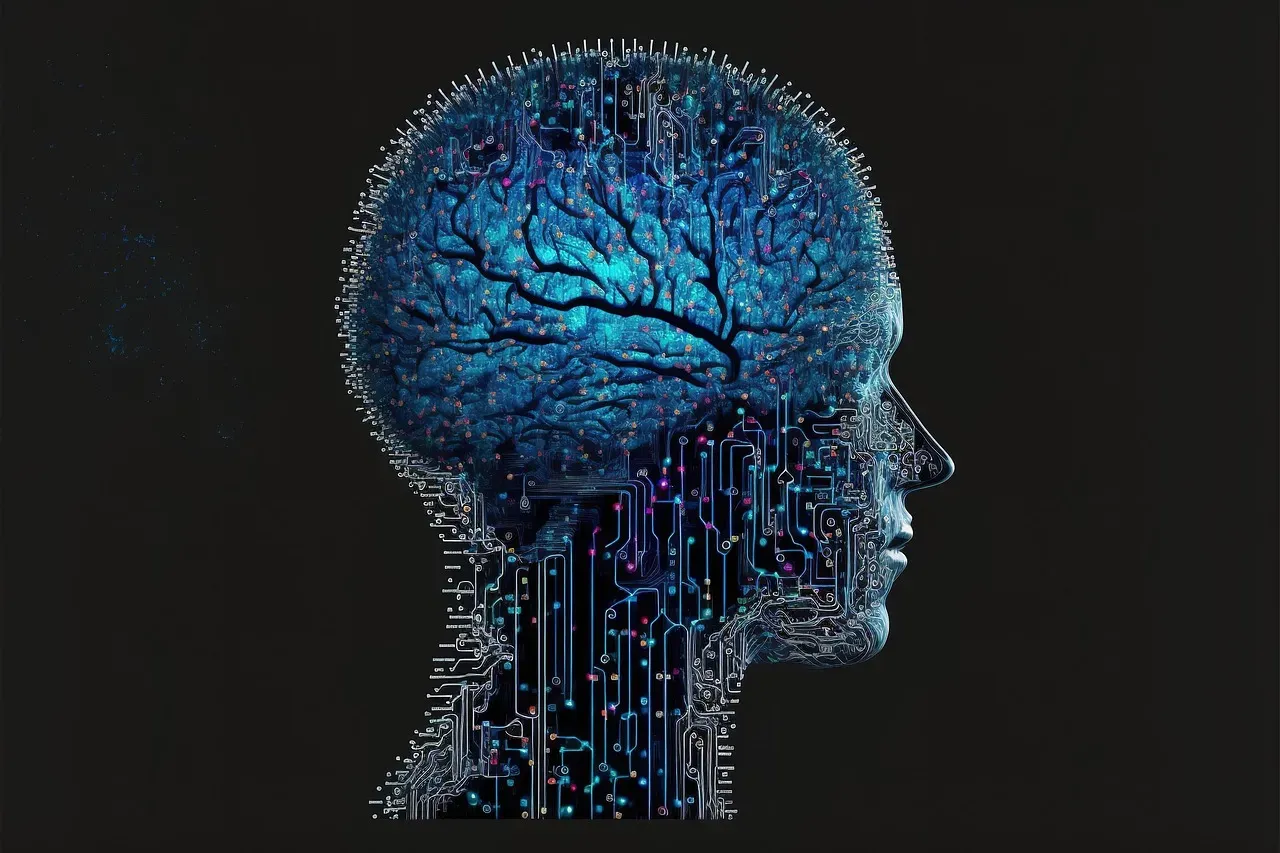
You are already living in a time when scientists are building organoids, brain–computer interfaces, and advanced simulations of neural circuits. If you take the cellular consciousness hypothesis as a serious possibility, you start to wonder what happens as you assemble living cells into new configurations. Could lab-grown networks of neurons have faint experiences? Could machine–cell hybrids blur the lines between biological micro-awareness and digital processing in ways you have not yet imagined? You might also look differently at artificial intelligence. If you think consciousness depends crucially on the kind of cellular micro-experience found in biological tissue, then you will be more skeptical that purely silicon-based systems will ever truly feel anything. On the other hand, if you see consciousness as what happens whenever enough simple information-processing units interact in the right way, you might think that advanced AI and human minds are two different paths to similar emergent phenomena. Either way, this hypothesis pushes you to keep your mind open as new technologies probe deeper into what minds are and how they can be built.
Conclusion: Living as a Colony of Minds Within a Mind
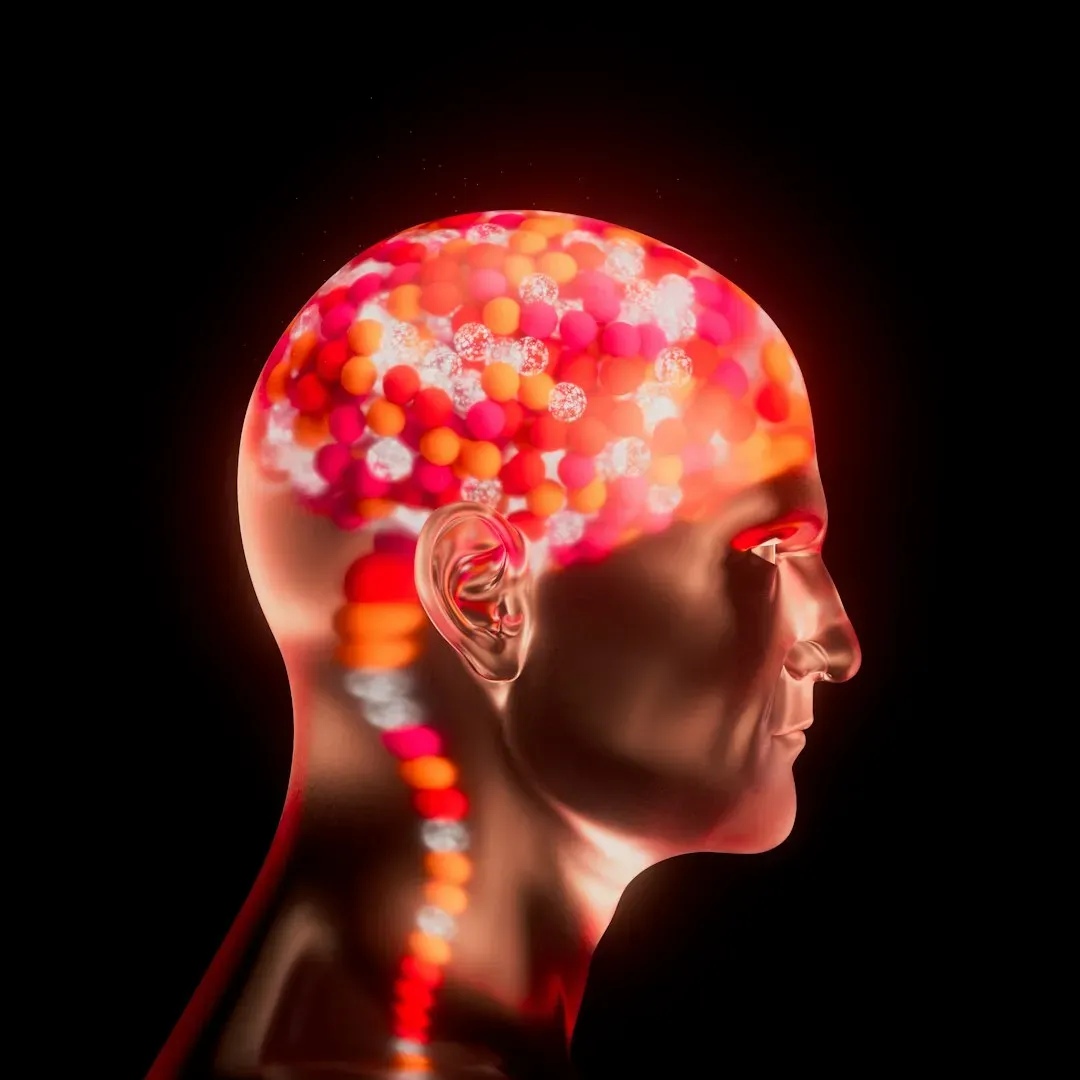
When you step back, the cellular consciousness hypothesis offers you a striking picture: you are not a single, isolated mind floating above matter, but the emergent song of countless tiny players, each adding its whisper to the chorus. Your cells sense, respond, and adapt moment by moment, and your conscious life may be the way that immense internal drama feels from the inside. Even if future research ends up rejecting the idea of truly aware cells, the hypothesis still invites you to respect the depth and sophistication of the living processes that sustain you. You do not need to abandon science or embrace fantasy to find value in this way of thinking. You simply let yourself entertain the possibility that experience does not just suddenly appear at the level of a whole brain, but is built up from smaller-scale processes that are richer than you first assumed. Next time you feel your heart race, your skin tingle, or your gut tighten, you might quietly remember that you are feeling the coordinated work of countless cellular lives moving together. If you really are the awareness that emerges from all of them at once, how differently might you treat your body – and your mind – starting now?