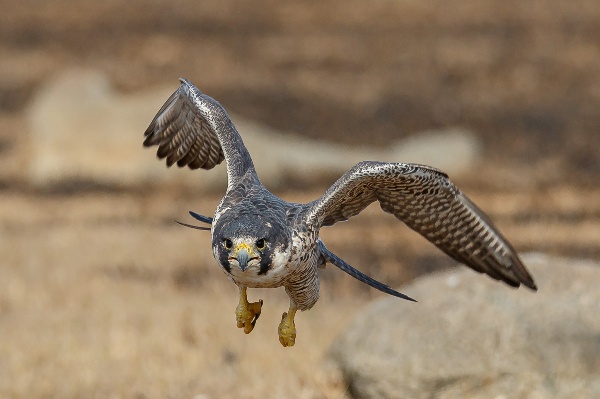

If you had to bet on nature’s ultimate speed champion, who would you pick: the sprinting cheetah or the diving peregrine falcon? At first glance, the spotted cat looks like the obvious winner. It is all muscle, claws, and pure explosive power, while the falcon seems almost too light and delicate to compete. But the moment you factor in gravity, air, and altitude, the race becomes a lot more interesting than a simple land versus sky contest.
Let’s unpack this showdown properly. The answer is not just a single number or world record; it depends on how you define speed, what kind of movement you count, and what conditions you allow. Once you understand the physics, biology, and hunting tactics involved, the story shifts from a quick trivia fact to a surprisingly deep lesson in evolution. By the end, you might see both animals as winners in completely different games.
The Raw Numbers: Top Speeds Of Falcon Versus Cheetah
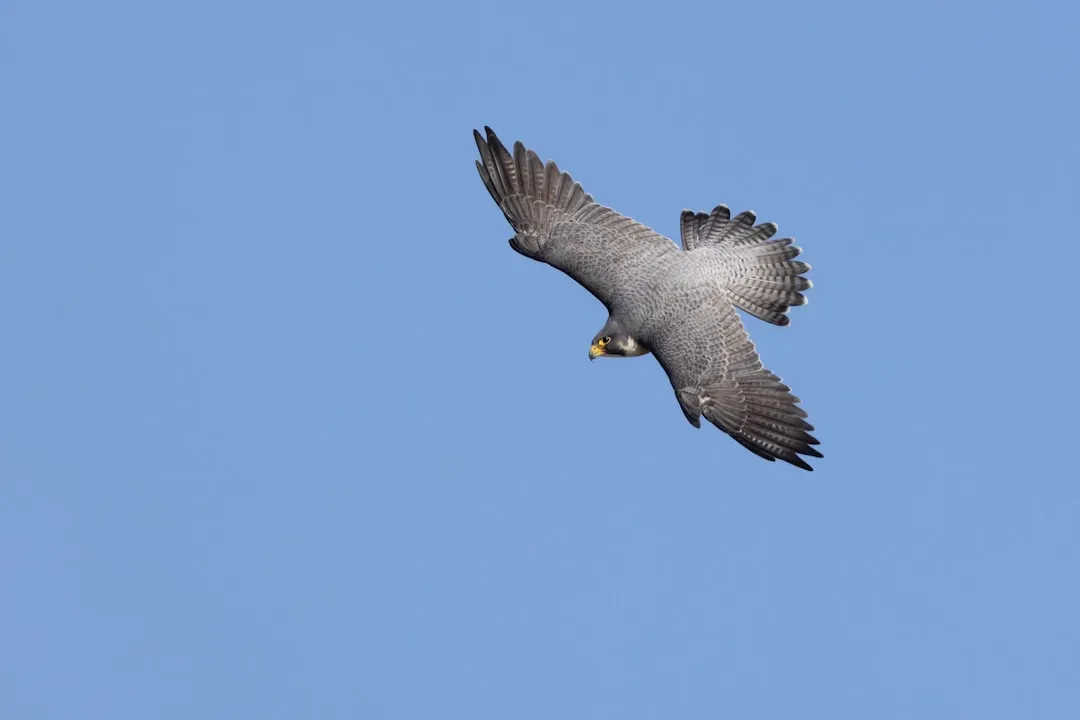
When people talk about the peregrine falcon, the headline number is that it can reach well over a hundred miles an hour during a hunting dive, with carefully measured dives showing speeds that dramatically exceed anything a land animal can reach. By comparison, a cheetah’s top speed on flat ground is usually reported in the range of around sixty to seventy miles an hour over a short sprint. Put bluntly, if we only look at the biggest recorded numbers, the falcon absolutely blows the cheetah away.
But there is a catch baked into those numbers. The falcon’s record speeds come from dropping into a steep dive from height, using gravity to help accelerate, while the cheetah’s speed is powered entirely by its own muscles on level ground. If we compared only flat, powered flight versus flat, powered running, the gap would shrink a lot, and the cheetah would suddenly look more competitive. That is why this question is more subtle than it appears on a trivia card.
Dive Versus Sprint: Are We Even Comparing The Same Thing?
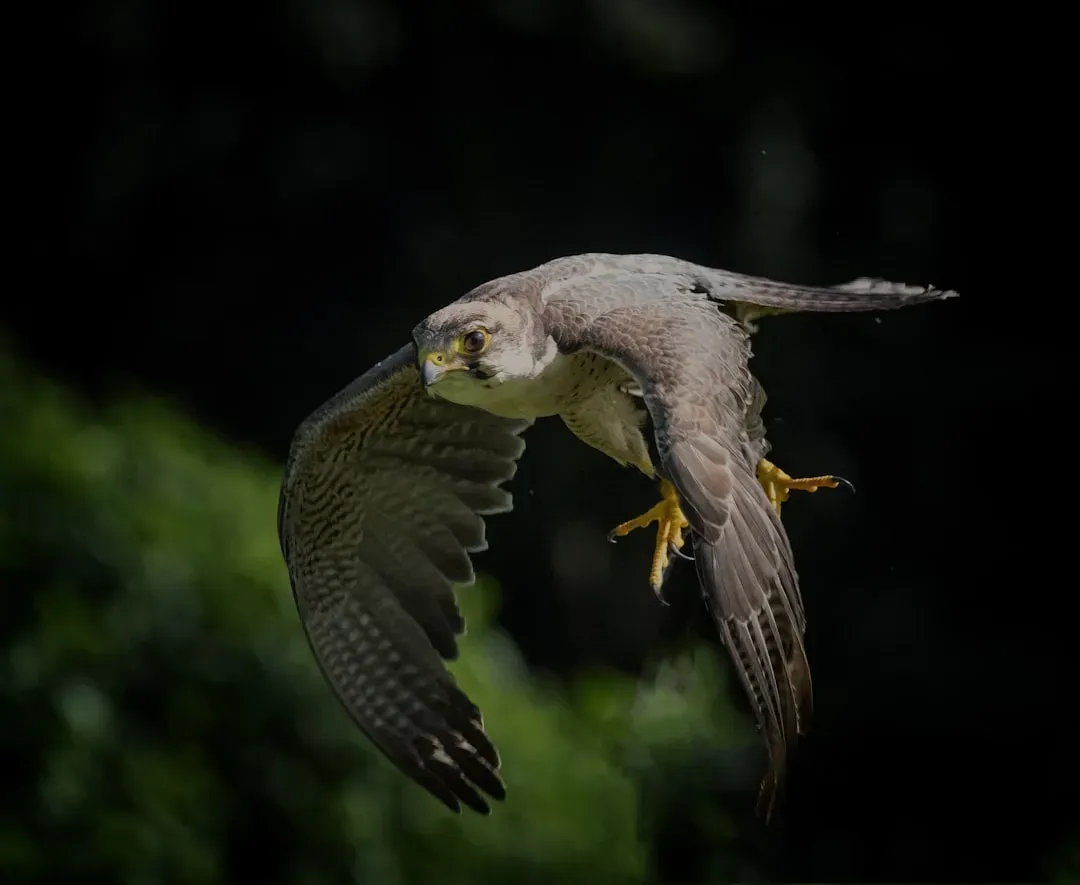
As soon as you ask whether a falcon can fly faster than a cheetah can run, you are really asking whether a gravity-assisted dive is comparable to a self-propelled sprint. The peregrine’s iconic hunting move is a high-altitude stoop, where it folds its wings tight against its body and points itself downward like a feathered missile. A cheetah, on the other hand, starts from the ground and accelerates using raw muscle power alone, no help from a drop in height.
It is a bit like comparing a cyclist pedaling hard on a flat road to a skateboarder dropping into a steep half-pipe. Both are moving fast, but one is getting a serious assist from gravity and terrain. So yes, the falcon in its dive is much faster than the cheetah in its sprint, but they are not playing the same game. Understanding that difference makes the falcon’s record even more impressive, and at the same time, it stops us from unfairly dismissing the cheetah’s athleticism.
The Peregrine Falcon’s Design: Built For Supersonic-Looking Dives
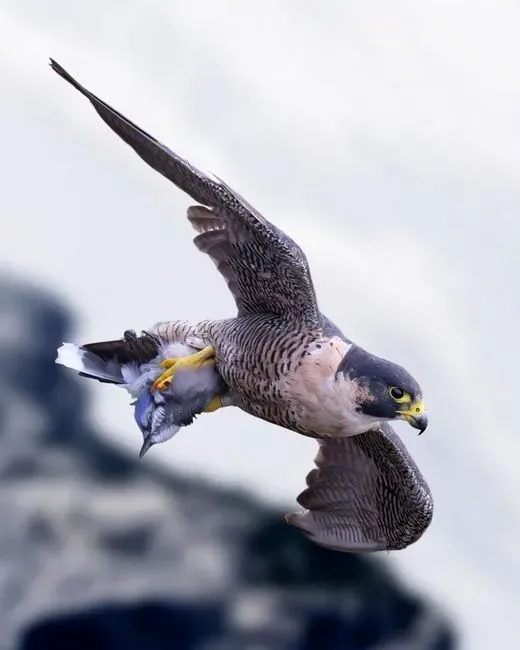
The peregrine falcon is shaped like a living dart. Its body tapers smoothly, its wings can pull in tight, and its feathers are arranged in a way that reduces turbulence as it cuts through the air. The bird does not just fall; it streamlines itself with incredible precision to slice through the sky at speeds that would make a sports car designer jealous. Every curve and contour exists to cheat air resistance just a bit more.
On top of that, the falcon’s bones are light yet strong, its chest muscles are powerful, and its respiratory system is tuned to handle fast, intense exertion at altitude. It even has small adaptations around its nostrils that help manage the rush of air during a rapid dive, preventing damage to its lungs. When you look closely, you realize the peregrine is not some generic bird that happens to fly fast; it is a specialized predator tuned by evolution to weaponize gravity.
The Cheetah’s Engineering: The Ultimate Four-Legged Sprinter
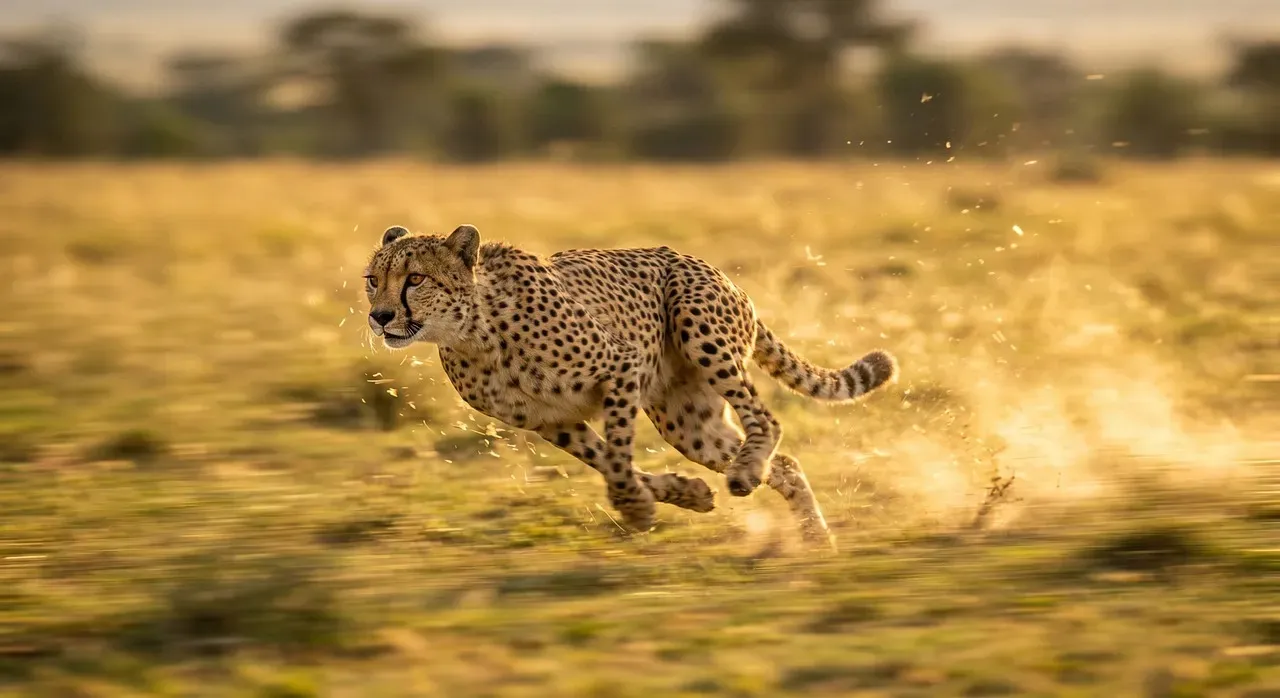
If the peregrine is a dart, the cheetah is a spring-loaded whip. Its spine acts like a giant flexible bow that coils and uncoils with each stride, extending its reach and letting it cover huge distances with every bound. Long legs, slightly enlarged nasal passages, and a relatively light frame all come together to make the cheetah a specialist in short, blazing sprints across open ground. It is not just fast; it is purpose-built for acceleration and agility.
However, that specialization comes with limits. A cheetah cannot maintain its top speed for long, often only for a brief burst before overheating or exhausting its muscles. Think of it like a drag racer rather than a long-distance sports car: phenomenal off the line, but not made to cruise for extended periods. Comparing that to a falcon’s long, controlled dive from height shows how different their roles are, even though both are labeled as the fastest in their own arenas.
How Air Resistance Changes The Game
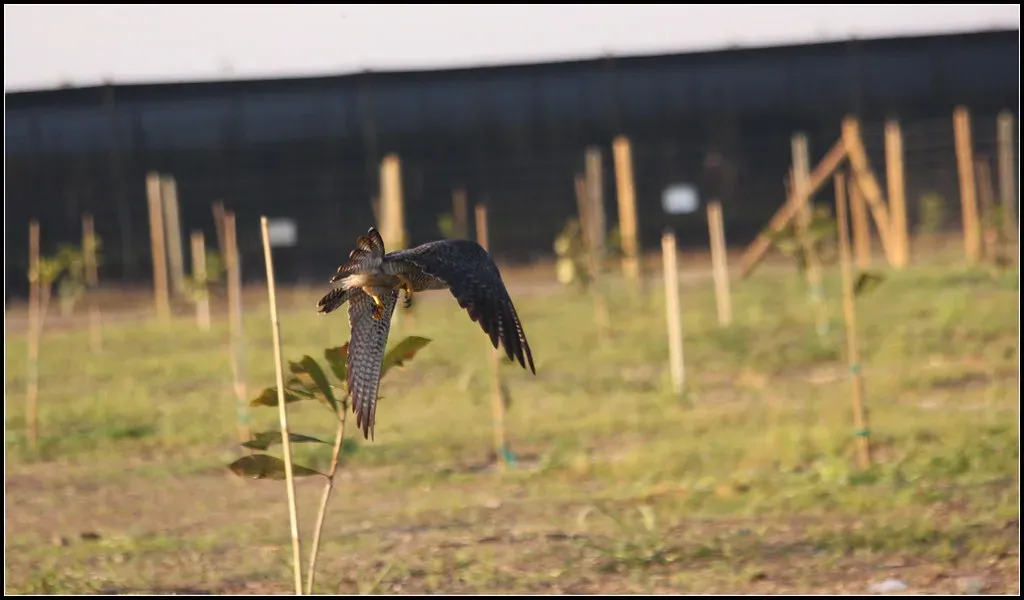
Air is an invisible but very real opponent for both animals. At high speeds, air resistance does not just increase; it ramps up dramatically, turning every extra bit of velocity into a tougher battle. The peregrine falcon uses a sleek, compact form that lets it cut through this invisible wall far better than a bulkier shape could ever hope to. Gravity helps it accelerate downward, but streamlining is what keeps it from slamming into an air barrier it cannot push through.
For the cheetah, air resistance on land is still a big deal, but friction with the ground and the challenge of keeping four limbs coordinated at extreme strides are equally limiting. The cat’s body is more exposed and less aerodynamic than the falcon’s in a dive, simply because it has to support internal organs against gravity and stay balanced over fast-moving legs. In other words, land animals pay a combined tax of air drag and ground forces, while a diving bird leans into gravity and shape to win the speed war.
Evolutionary Arms Races: Why Each Species Needs Its Speed
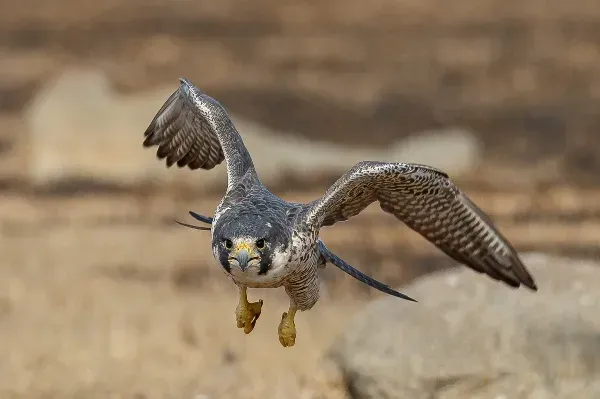
Neither the falcon nor the cheetah evolved to win internet arguments about who is faster. They evolved to eat. For the peregrine falcon, its prey is often other birds that are already flying at decent speeds and can dodge, twist, and bolt away at a moment’s notice. The easiest way to outmatch them is to attack from above with terrifying velocity, leaving almost no time to react. That is where the record-breaking dive becomes more than a stunt; it is a survival tool.
The cheetah, by contrast, hunts on open ground where prey like antelope or gazelles rely on an early head start and agile sprints to escape. The cat does not need to maintain its top speed for very long, just long enough to close the gap and bring down a target before the risk and energy costs become too high. In that sense, each animal is perfectly tuned to its battleground: the falcon rules vertical space, while the cheetah dominates short horizontal chases.
Measuring Speed: Why The Details Really Matter
When people throw speed numbers around for these animals, they often skip a lot of nuance. How far did the animal run or dive? For how long? Was it in peak condition, or stressed, or in captivity? Were the measurements based on radar, high-speed cameras, or older, less precise methods? All of these details can nudge the final top speed figures up or down in meaningful ways.
There is also a difference between the fastest ever recorded individual and what most healthy animals of that species can realistically achieve on a typical day. A cheetah’s famous sprint might be a once-in-a-while best, not something it can repeat every afternoon. A peregrine’s record dive might be a rare combination of altitude, wind, and perfect technique. So while it is safe to say the falcon wins on maximum speed, it is worth remembering that both records live in the extreme edge of what these animals can do.
Stamina, Control, And Precision: Speed Is Only Half The Story
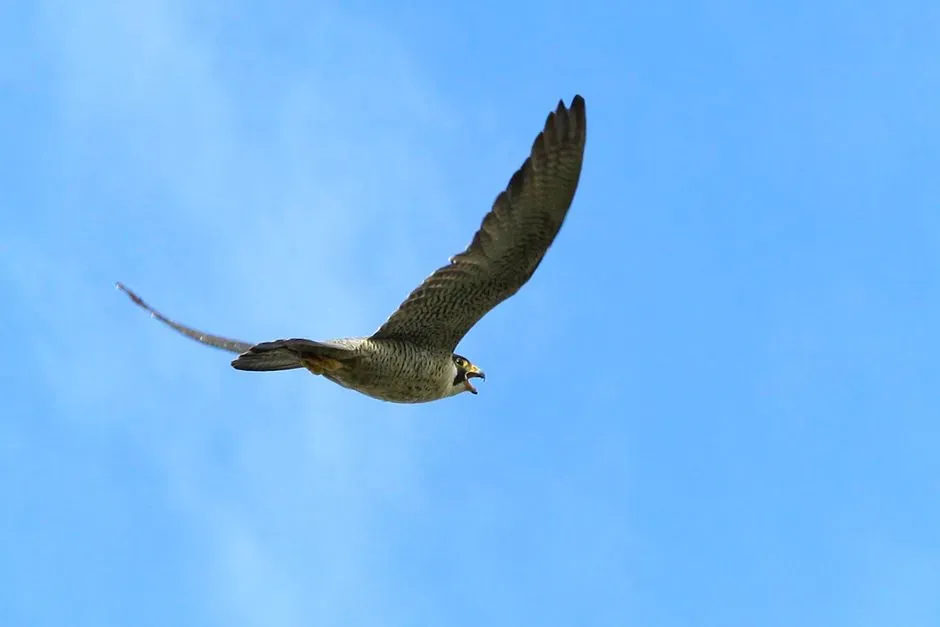
Speed without control is just chaos. A peregrine falcon has to aim its dive with incredible precision, then slow down enough to strike prey without shattering itself on impact. It adjusts tiny angles of its wings and tail feathers to fine-tune its trajectory, almost like a guided missile making micro-corrections. That level of control at such high speeds is arguably as impressive as the raw number on the speedometer.
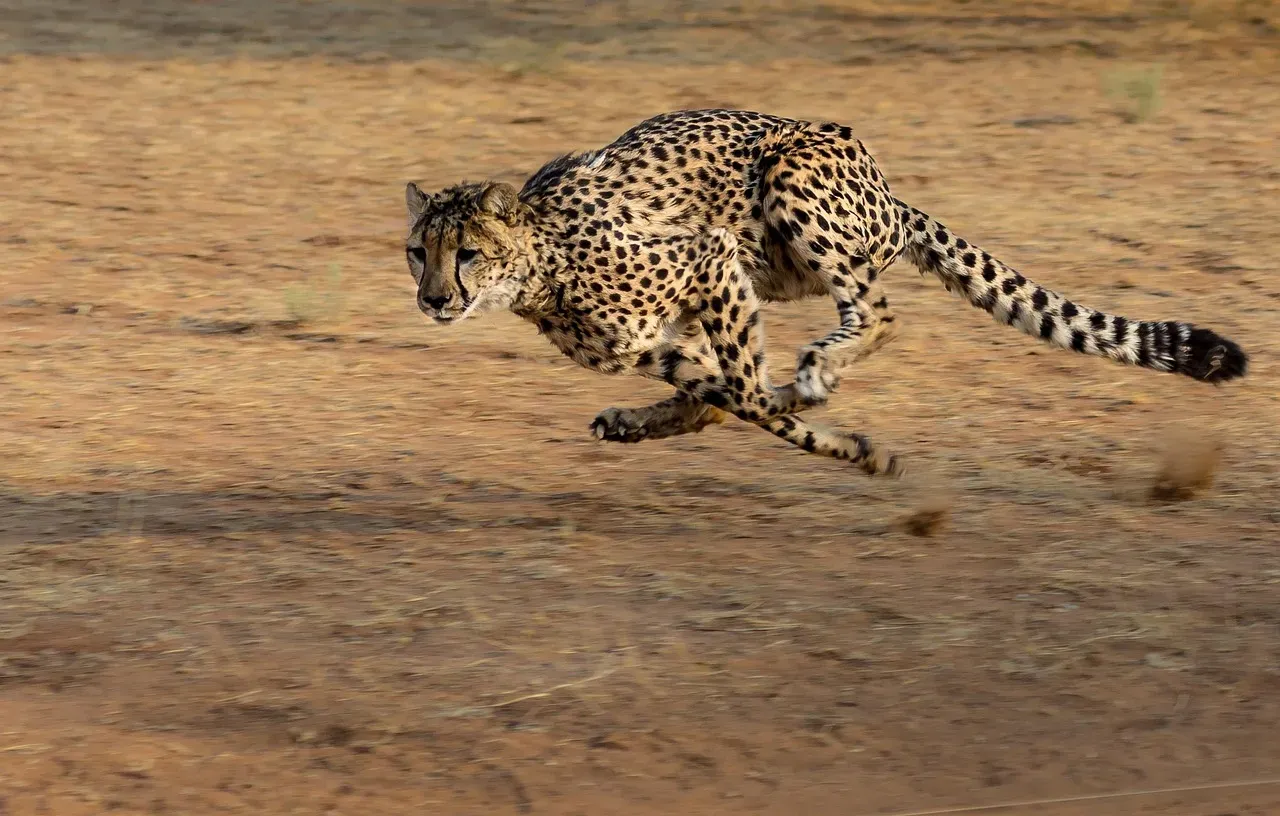
The cheetah faces its own control challenges. At full sprint, it must make split-second turns, maintain traction with its claws, and avoid stumbling over uneven ground. Its tail acts like a counterbalance, helping it pivot without flipping or losing stability. If either animal simply went as fast as possible with no regard for steering or braking, it would not last very long. Evolution favored not just the fastest individuals, but the ones who could survive their own speed.
Who Really “Wins” The Speed Crown?
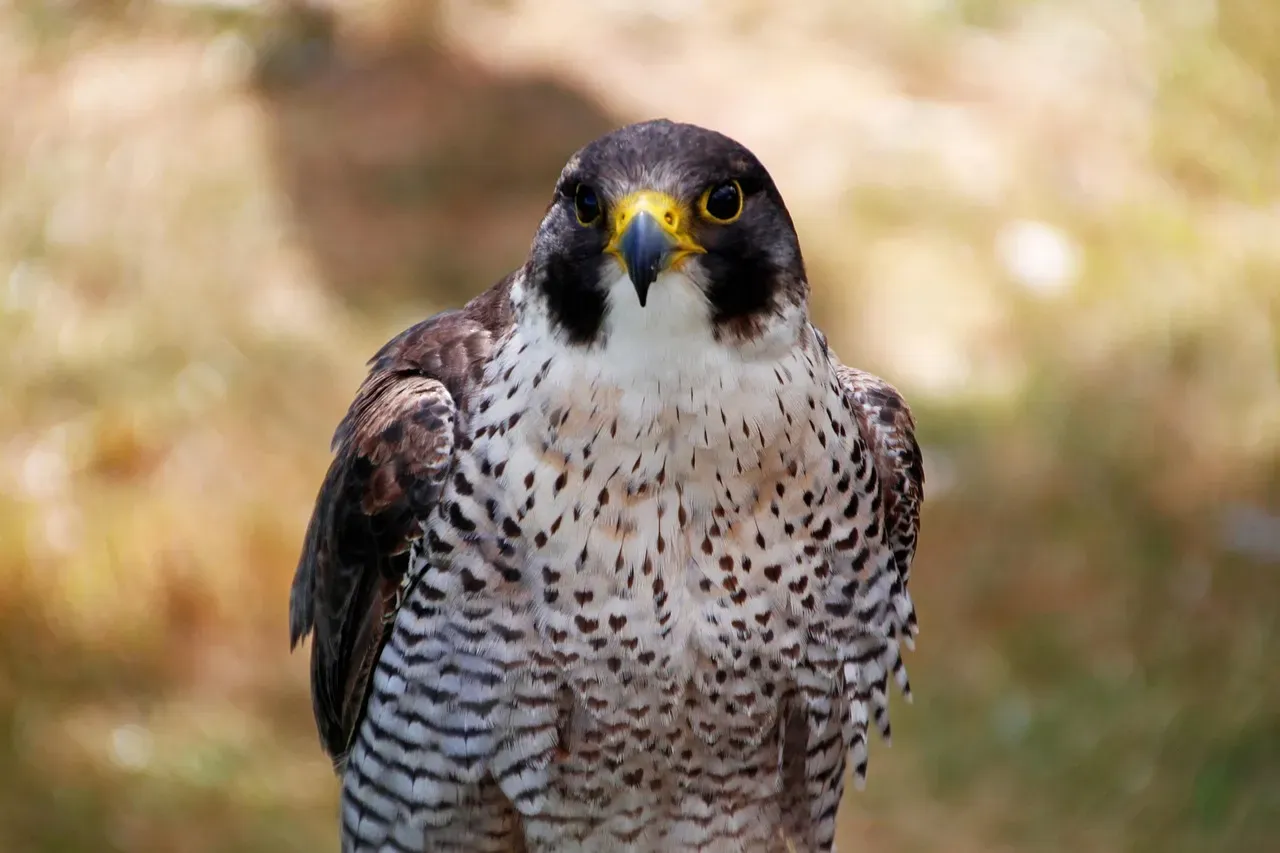
If we stick to the simplest possible reading of the question and talk only about absolute top speed, then yes, the peregrine falcon in a steep dive is clearly faster than a cheetah in a land sprint. The bird’s gravity-assisted, streamlined plunge reaches velocities that a four-legged runner on flat ground simply cannot match. On that narrow definition, the falcon takes the crown without much debate.
However, if we shift the question to ask who is more impressive relative to their environment and physiology, things get murkier. The cheetah’s ability to accelerate from a standstill on rough terrain, balance a flexible spine, and coordinate limbs at such high speeds is mind-blowing in its own way. My own view is that the peregrine wins on raw numbers, but the cheetah is equally awe-inspiring when you consider what it has to fight against: friction, gravity pulling it down instead of forward, and the constant threat of overheating in a hot, open landscape.
Conclusion: Two Different Champions In Two Different Races
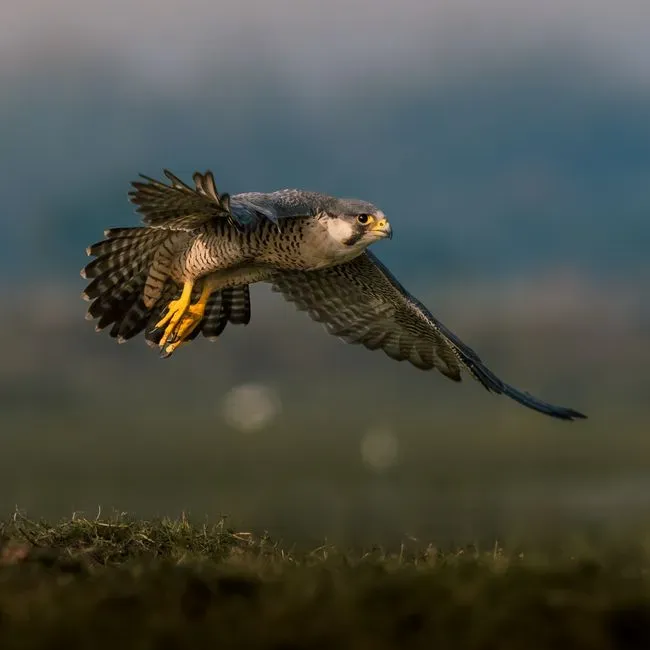
So, ? In terms of headline maximum speed, absolutely, and by a wide margin. The falcon’s diving stoop is one of nature’s most extreme athletic feats, a perfect blend of gravity, aerodynamics, and deadly intention. Yet the more you look at both animals, the more that simple yes starts to feel a little unfair to the cheetah.
In my opinion, the honest answer is that the peregrine is the champion of the vertical, high-speed ambush, while the cheetah remains the unrivaled sprinter of the horizontal world. They are like two different Olympic gold medalists in completely separate events, each unbeatable on their own turf. Maybe the real mistake is trying to cram them into the same race in the first place. Knowing what you know now, which champion would you choose to watch in action if you could see only one?