
You know that feeling when an animal moves and you just stop and stare, almost holding your breath without realizing it? That quiet mix of power, control, and beauty is what people usually mean by grace. It is not only about looking pretty; it is about the way a body seems to flow through space like it was made for that exact moment. As you explore some of the most graceful animals on Earth, you start to notice patterns: balance, efficiency, confidence, and a kind of calm focus, whether they are flying, leaping, or gliding underwater. As you read through this list, you might even find yourself seeing your own movements a little differently – how you walk, swim, dance, or just stand still – because grace, in many ways, is a universal language.
1. Horse – Power Wrapped In Elegance
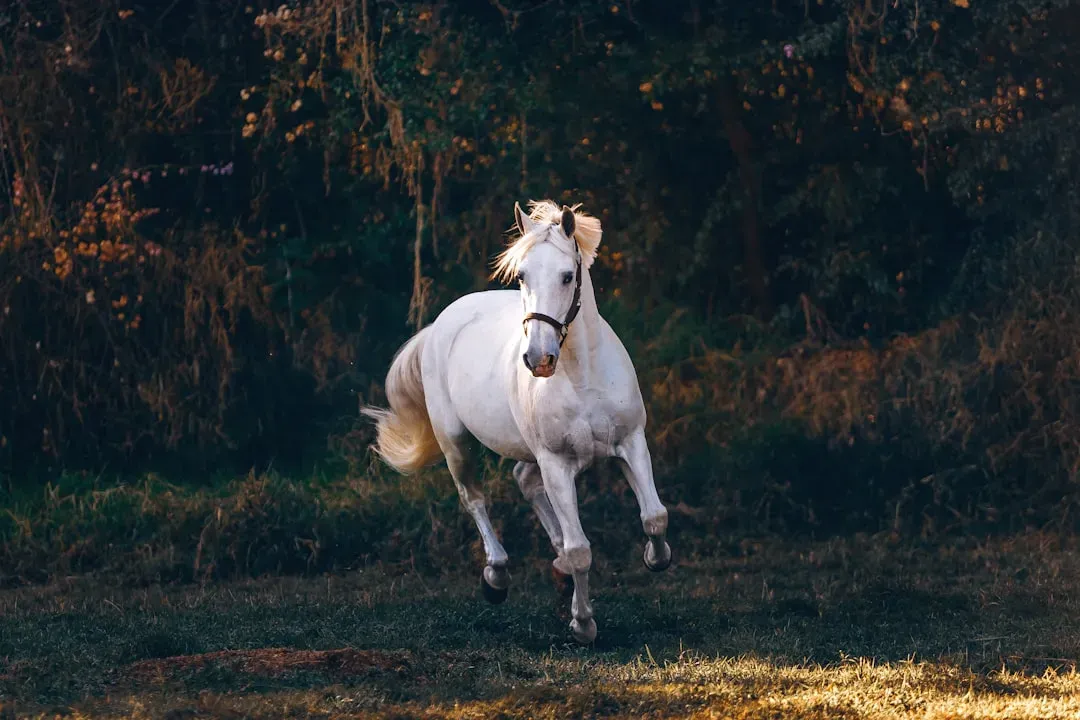
When you watch a horse in full gallop, you can almost feel the ground vibrate beneath your feet, yet every stride still looks impossibly smooth. You see muscles rippling under a sleek coat, a mane flowing like water, and hooves landing in a rhythm that feels like a living drumbeat. What makes a horse so graceful is that combination of raw strength and precise coordination, especially in breeds known for dressage or racing where every small shift of weight matters. You can picture a horse turning sharply without skidding, jumping a fence with a rounded arc, and landing as if gravity barely applies. Even at rest, you notice the way a horse stands – ears alert, neck arched, legs placed evenly – as if it is always ready to move in a controlled, deliberate way. When you see that, you are not just watching an animal; you are watching a living example of how power can be softened into beauty.
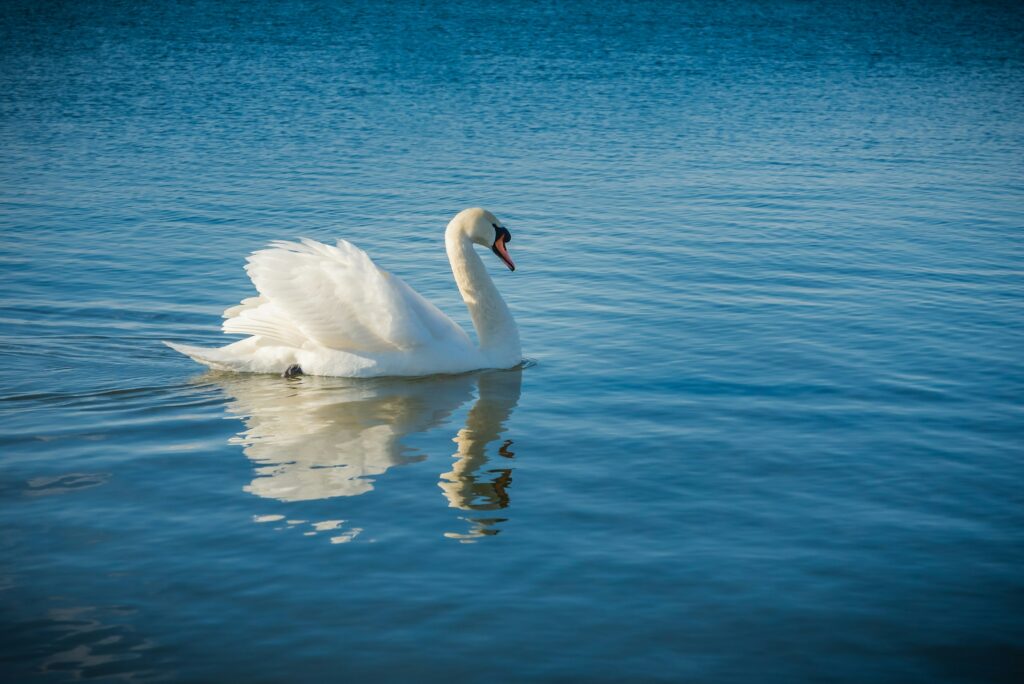
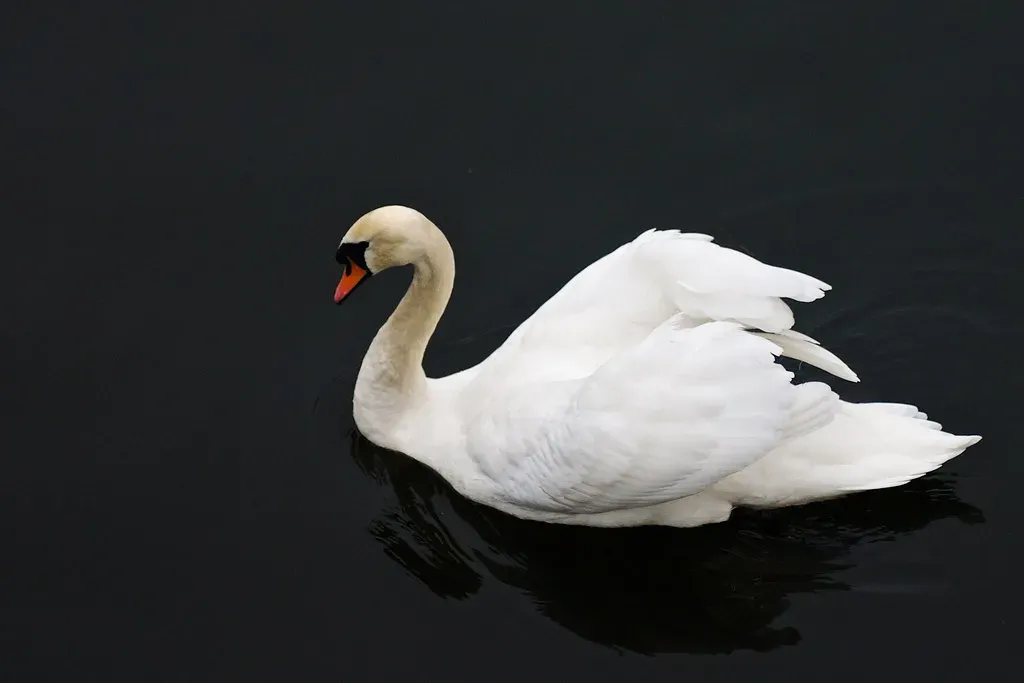
2. Swan – The Icon Of Tranquil Beauty
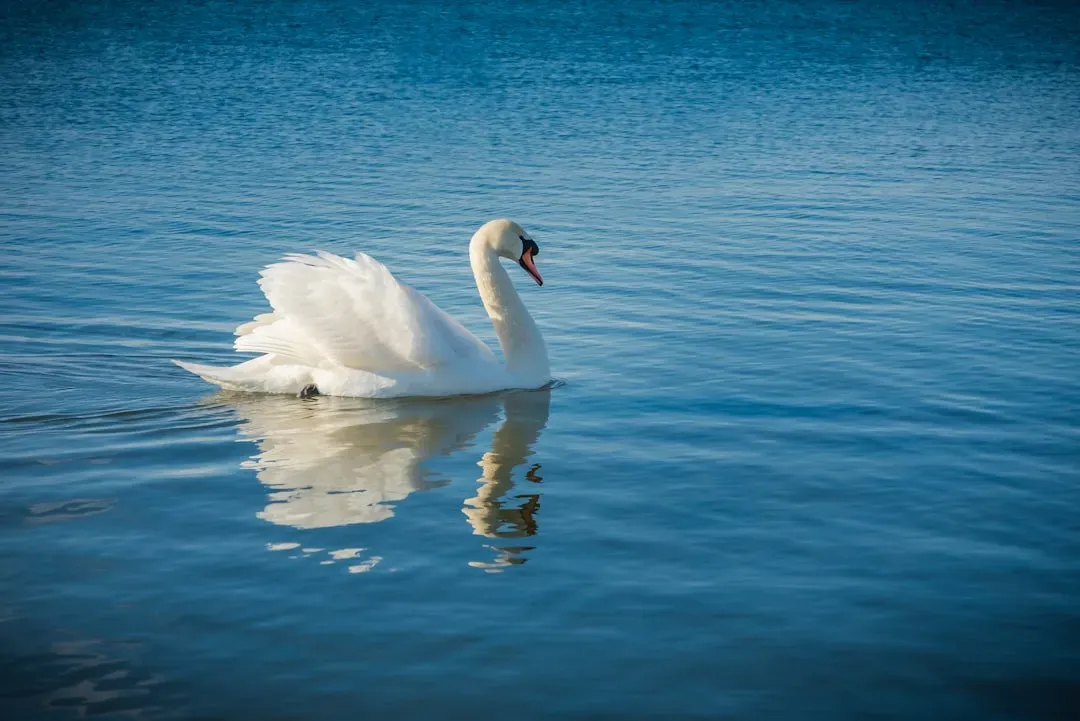
If grace had a mascot, you would probably pick the swan. When you see one gliding across a lake, the motion is so smooth that the water barely ripples around it. The long neck forms soft, slow curves, and the body almost seems to float without effort. You get the sense that a swan understands the art of doing more with less movement, turning simple paddling into something that looks like a water ballet. What might surprise you is that beneath this calm surface, a swan is working quite a bit, paddling steadily and adjusting balance as it navigates. You rarely see the struggle; you just see the result – gliding, turning, dipping its head with a deliberate slowness that feels almost meditative. When you watch a swan take off or land on water, wings beating and spray flying, you get a reminder that even the calmest elegance is powered by real effort.
3. Cheetah – Speed With Surgical Precision
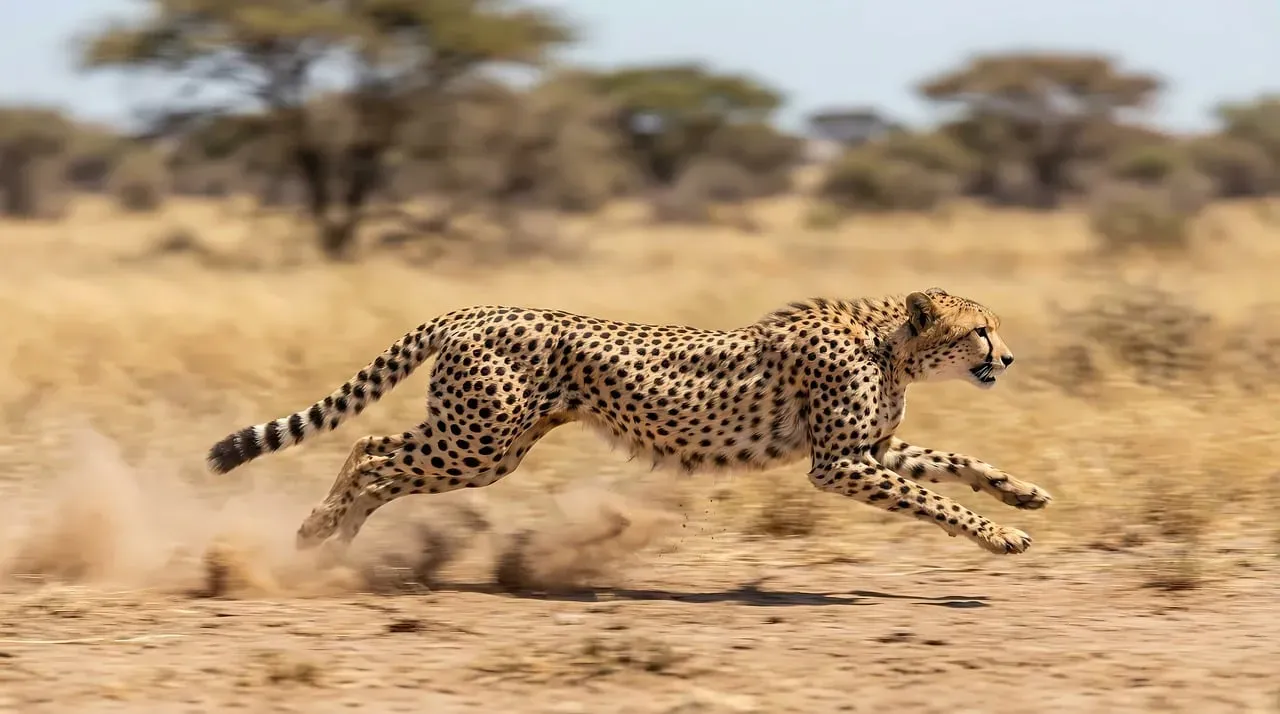
You often think of cheetahs as the fastest land animals, but what really sets them apart is how controlled that speed is. When a cheetah runs, its spine works like a coiled spring, stretching and compressing so the legs can reach far forward and backward in a smooth, elastic motion. You can almost trace the path of every muscle as it accelerates, then pivots mid-chase with a turn so sharp it would throw most animals off balance. Watching a cheetah hunt, you see that it is not just sprinting wildly; it is constantly adjusting its stride, tail, and body angle to stay locked onto a target. The tail acts like a counterweight, swinging smoothly to help with balance like a tightrope walker’s pole. Even when it stops, breathing heavily, there is a controlled stillness in its posture, as if every part of its body has learned exactly when to explode into motion and when to freeze.
4. Dolphin – The Acrobat Of The Sea
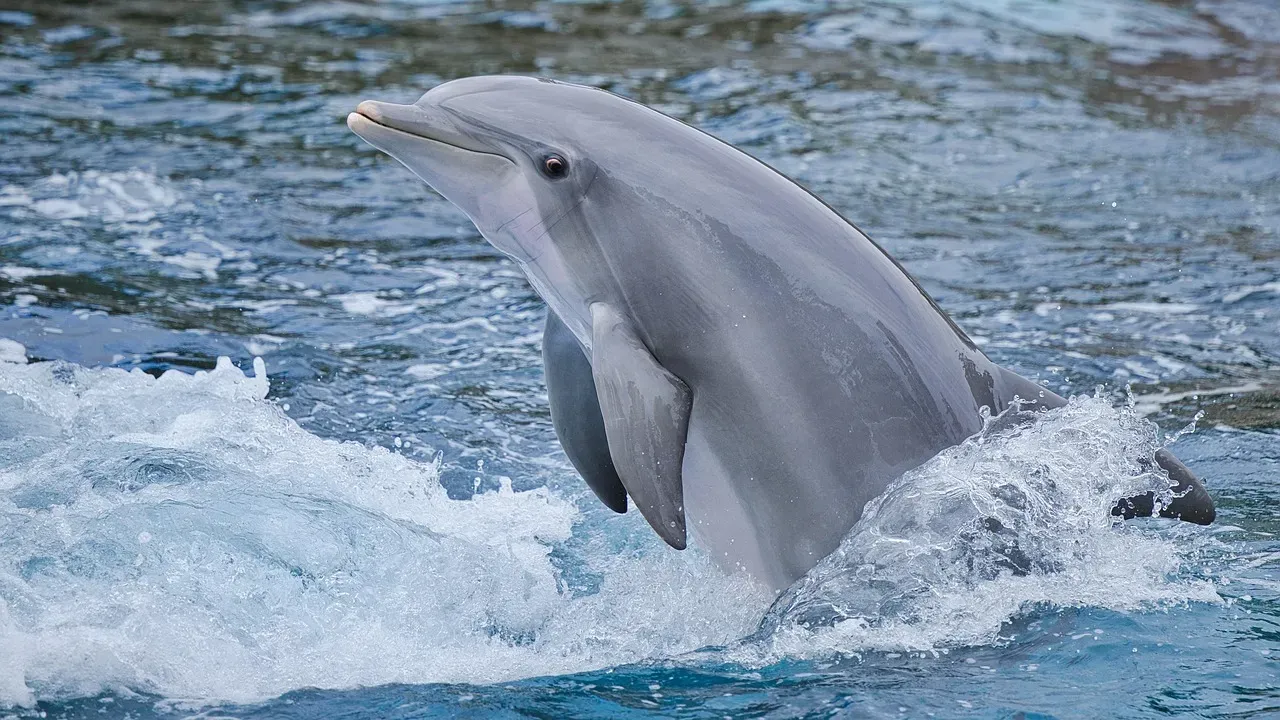
If you have ever seen a dolphin arc out of the water, you know why people call them graceful. You see a clean, curved body slicing through waves, leaping high, then re-entering with hardly a splash. Their streamlined shape is not just for looks; it is the result of evolution trimming away anything that would disturb the flow of water. When a dolphin swims, it moves in smooth, wave-like undulations that almost hypnotize you if you watch long enough. You also notice how dolphins handle sharp turns and group movements. A pod can twist, dive, and surface together like a choreographed dance routine, with each individual keeping perfect spacing. You might compare it to a group of expert synchronized swimmers who never collide. Every flick of the tail, every roll of the body, is precise and efficient, turning the sea into a three-dimensional stage for quiet underwater artistry.
5. Giraffe – Grace On Stilts
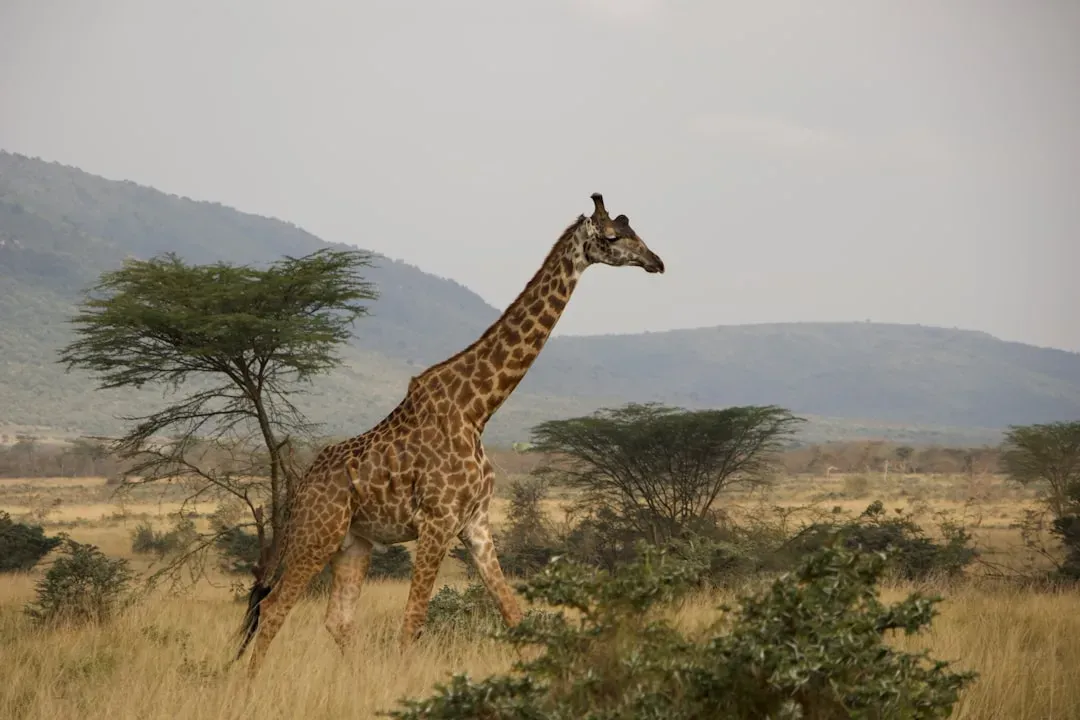
At first glance, you might not think of a giraffe as graceful. It looks almost too tall, with legs and neck stretched to extremes, like nature tried something risky. But when you watch a giraffe walk, you see a surprisingly smooth, rocking motion. It moves both legs on one side of its body at the same time, which gives its walk a slow, sweeping rhythm, almost like it is gliding over the savanna instead of stepping on it. What really shows the giraffe’s grace is how it handles its own height. Bending down to drink water, a giraffe has to spread its front legs wide and lower its neck carefully to reach the surface. That looks awkward in photos, but when you see it in real time, you notice how controlled every part of the motion is. It is like watching a very tall dancer fold into a pose that should not be possible and then unfold again with the same calm precision.
6. Snow Leopard – Silent Ghost Of The Mountains
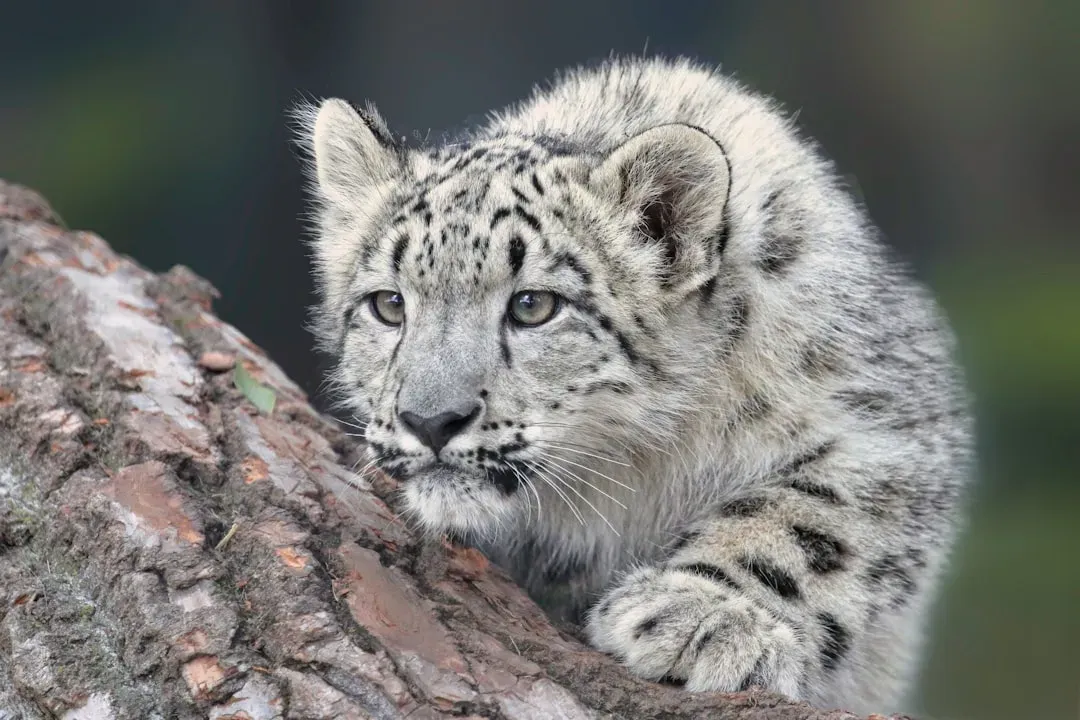
You rarely see a snow leopard in the wild, but when you do, the word that comes to mind is effortless. You watch it move across steep, rocky slopes where you would probably lose your footing in an instant. Its huge, furry paws spread its weight, and its thick tail acts as a counterbalance, letting it leap from rock to rock like a shadow that forgot about gravity. Every placement of the paw seems planned a moment before it lands. Even when a snow leopard is just resting or stalking, you notice a liquid quality to its movements. It flows into position, crouching low, body aligned behind its gaze with no wasted motion. The long tail wraps or trails with a slow, natural swing, helping it stay steady even on narrow ledges. You get the impression that this animal has turned survival in one of the harshest landscapes on Earth into a kind of solitary performance.
7. Manta Ray – The Underwater Glider
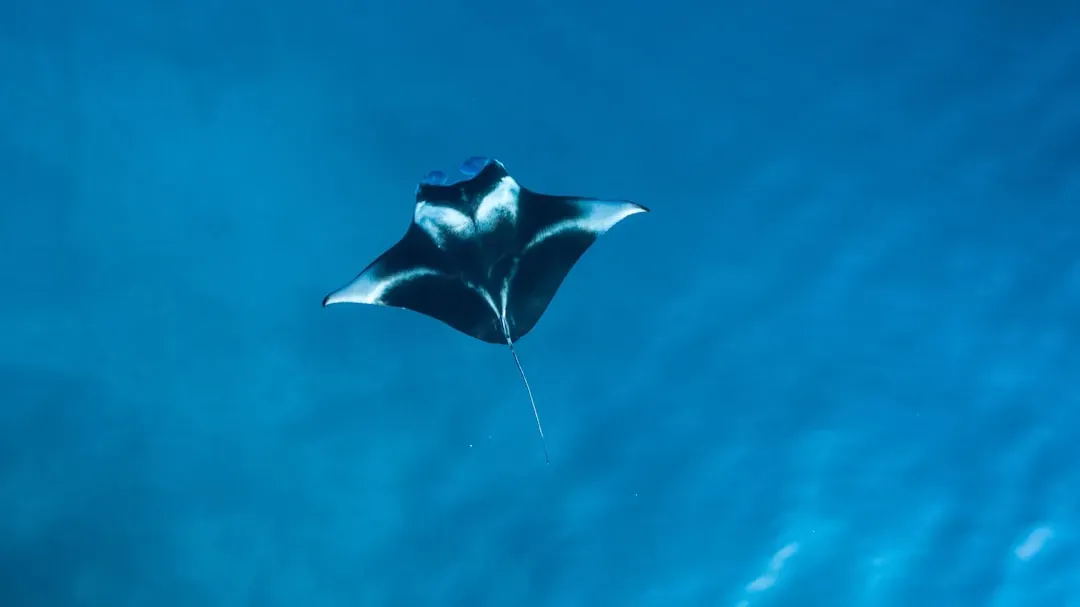
Seeing a manta ray for the first time can feel unreal, as if a blanket of living silk is gliding past you. Its huge, wing-like fins move with calm, steady strokes that push it through the water without any obvious struggle. Instead of the quick, fin-fluttering you see in many fish, a manta ray moves almost like a slow heartbeat – down, up, pause, repeat – crossing wide spaces with what looks like minimal effort. As you watch longer, you notice how a manta ray turns and banks in the water the way a plane tips its wings. A slight adjustment in angle sends it curving in broad, smooth arcs, whether it is feeding near the surface or cruising along a reef wall. When a group of mantas passes overhead, you feel as if you are standing at the bottom of the sky, watching silent clouds drift by, each one perfectly shaped for gentle, continuous motion.
8. Gazelle – The Art Of Lightness
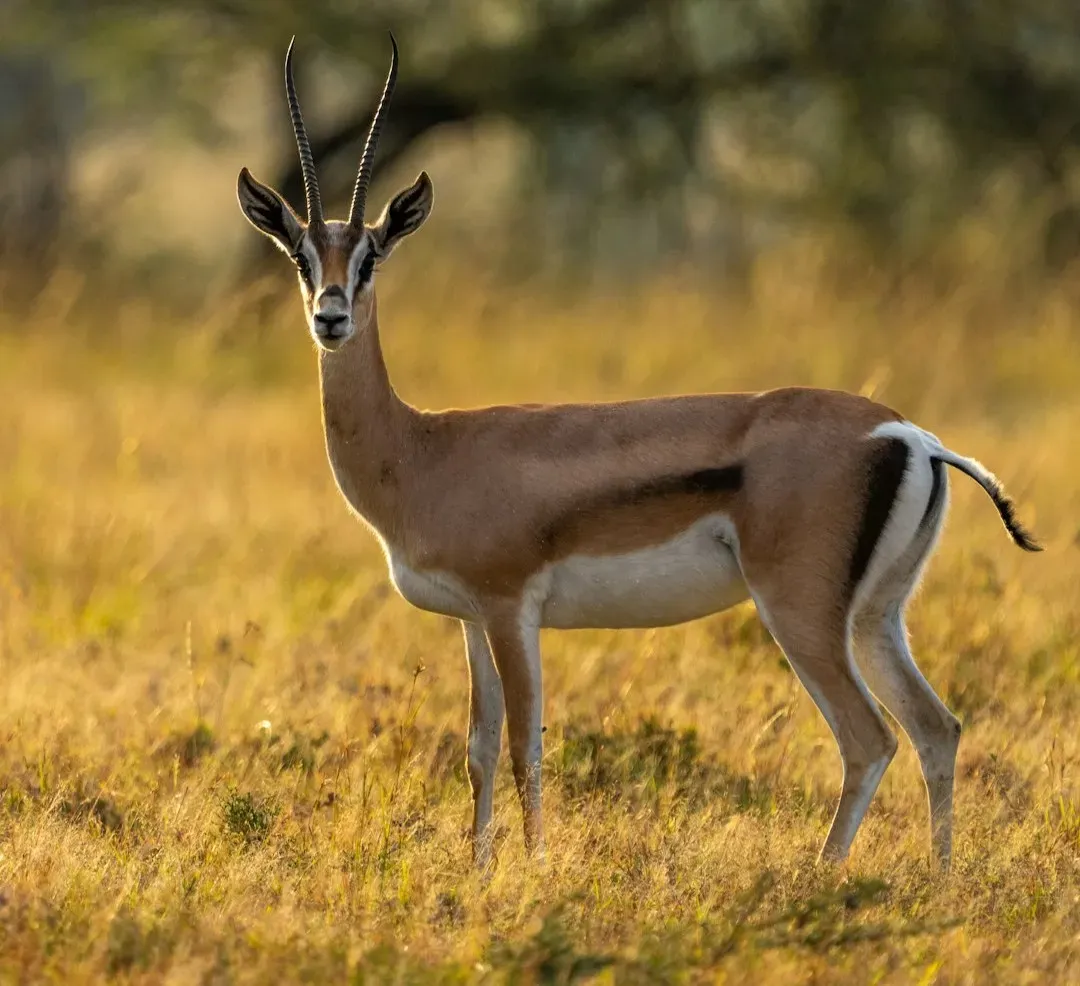
When a gazelle runs, you do not just see speed – you see lightness. Its legs are slim and springy, and it seems to bounce across the ground rather than pound into it. In a behavior called stotting or pronking, a gazelle may leap high with stiff legs, almost like a vertical jump that looks more like play than escape. To you, it can feel as if the animal is made of springs and air instead of bone and muscle. This light-footed style is not just beautiful; it is practical. By leaping and changing direction quickly, a gazelle makes itself harder for predators to catch while showing that it is fit and aware. When you watch a herd moving together, the effect is even more striking – dozens of bodies rising and landing in quick, scattered rhythms, as if the whole landscape has turned into a field of jumping sparks that never touch for long.
9. Albatross – Master Of The Endless Glide
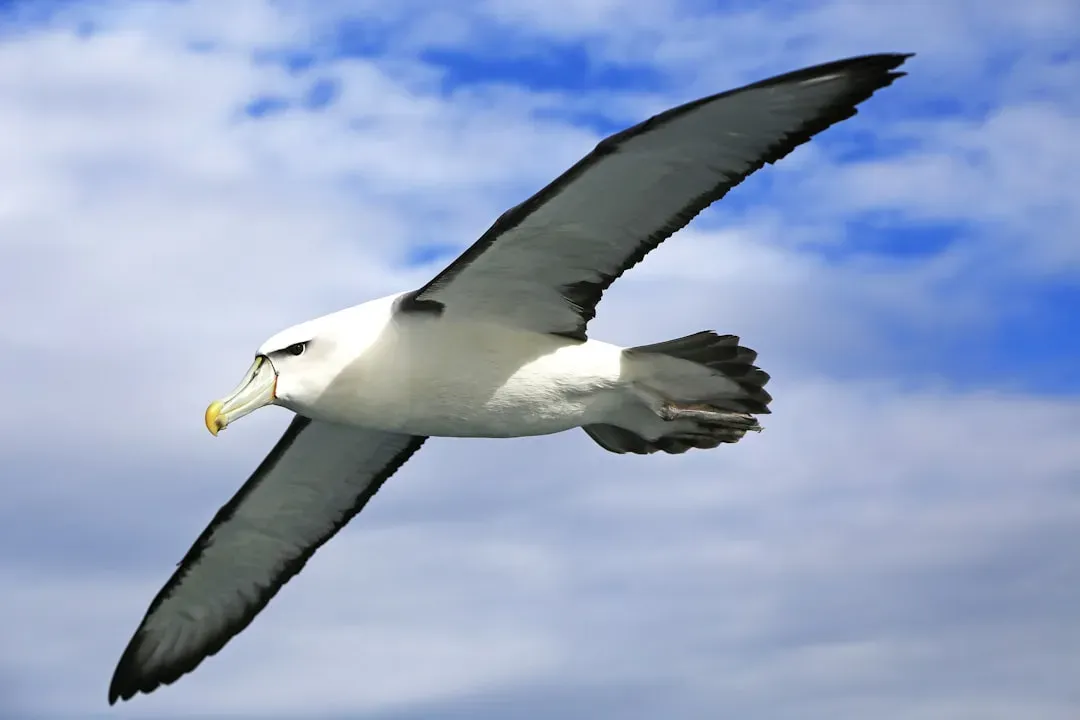
If you could choose one animal to represent effortless travel, the albatross would be a strong candidate. With an enormous wingspan and a body built for soaring, it can glide over the ocean for hours without flapping its wings much at all. You might watch an albatross ride the wind, angling its wings just right to catch invisible currents, rising and dipping above waves like a small, controlled kite attached to the sky instead of a string. What amazes you most is the efficiency behind this grace. By using a technique often called dynamic soaring, an albatross taps into changes in wind speed near the ocean’s surface, gaining energy with subtle climbs and dives. To your eyes, it just looks like a smooth, sweeping path over endless water, a bird tracing arcs on an invisible highway. You can almost feel the freedom in that motion – a kind of long-distance elegance that does not burn out.
10. Cat – Everyday Acrobat In Your Living Room
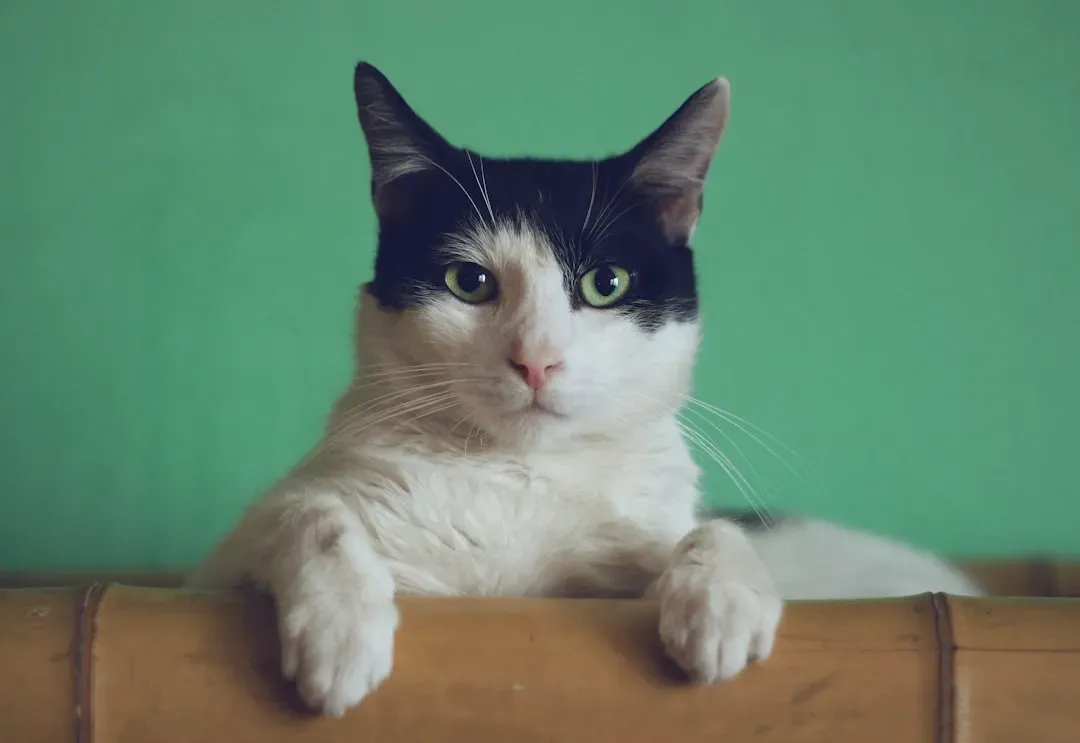
You do not have to travel to a remote wilderness to see grace; you can find it in the ordinary house cat. You have probably seen a cat leap onto a narrow shelf, walk along the back of a couch, or twist in midair to land on its feet. The secret lies in its flexible spine, powerful hind legs, and finely tuned sense of balance. When a cat jumps, it judges distance and landing spot with incredible accuracy, pushing off with just enough force to make it look easy. Even in slow, casual movements, a cat shows small, graceful details: the way it stretches one paw at a time, the curve of its back when it arches, the smooth turn of its head as its eyes track something. You may notice how it lowers itself before pouncing, body coiled and perfectly aligned with its target, then explodes forward in a blur and stops almost instantly. Living with a cat, you get daily lessons in how an animal can turn even a simple walk across the room into a quiet performance.
Conclusion – Seeing Grace Everywhere
As you think back over horses, swans, cheetahs, dolphins, and the rest, you start to realize that grace is not limited to one shape, size, or habitat. You see it in the grounded strength of hooves on earth, the silent slicing of wings through sky, and the fluid sweep of fins beneath the surface. Each of these animals has evolved a way of moving that wastes less energy, stays balanced under pressure, and turns survival into something that looks almost like art. When you pay attention, you begin to notice traces of this same quality in your own world – how a dancer lands a jump, how a surfer rides a wave, even how someone carries themselves when they are calm and confident. Grace is not perfection; it is harmony between body, environment, and intention. So the next time you spot a bird coasting on the wind or a cat slipping between furniture without a sound, you might ask yourself: how much quiet elegance have you been walking past without really seeing it?