

Imagine if one small, almost shockingly simple habit could nudge your mood up, calm your nervous system, and quietly protect your long-term health. No fancy supplement, no perfect morning routine, no expensive retreat – just two hours a week surrounded by trees, sky, water, or even a city park. It sounds almost too easy, which is exactly why many people underestimate it.
Psychology and public health research over the last decade keep circling back to the same finding: people who regularly spend time in nature tend to feel and function better. Not in a vague, “I like the outdoors” kind of way, but in measurable differences in stress, depression, life satisfaction, sleep quality, and even physical markers like blood pressure. The twist is that those benefits do not require disappearing into the mountains for days. Short, repeatable pockets of nature time – that add up to roughly two hours a week – may be enough to move the needle in a meaningful way.
Why two hours in nature seems to be a meaningful threshold

One of the most intriguing things psychologists and public health researchers have noticed is that nature’s benefits do not seem to rise perfectly smoothly with every extra minute you spend outside. Instead, people who manage at least about two hours a week in natural settings often report noticeably better health and wellbeing than those who do not, while going beyond that seems to bring more gradual rather than dramatic gains. In other words, there appears to be a kind of “good enough” threshold, rather than an all-or-nothing rule requiring you to be an outdoors fanatic.
That does not mean one hundred and nineteen minutes is bad and one hundred and twenty is magic, but it suggests that human minds and bodies may need a certain minimum dose of green space before the benefits really start to lock in. Like drinking enough water or getting enough sleep, there is a point where your system finally says, “Okay, now I can do my job properly.” The encouraging part is that this threshold is surprisingly reachable for many people if they break it into smaller pieces rather than trying to carve out one long weekly adventure.
Short, regular visits can be just as powerful as one long escape

A lot of people hear “two hours in nature” and imagine a half-day hike or a slow weekend in the countryside, then immediately think, “That’s not realistic for my life.” But the evidence that shorter, repeated visits can produce similar benefits is one of the most hopeful parts of this research. Think twenty minutes on your lunch break under a tree, a half-hour walk after dinner around a lake or through a leafy neighborhood, or a quick visit to a local park between errands – these all count toward that weekly total.
Psychologically, repeated small doses might even be better for some people than one long hit. Each time you step into a natural space, your attention has another chance to rest, your nervous system has another chance to downshift, and your brain gets another reminder that the world is more than screens, deadlines, and traffic. It is like choosing to brush your teeth every day instead of once a week for twenty minutes straight – frequency matters as much as raw duration.
Personally, I only started believing this when I stopped chasing “perfect” outdoor days and began walking the same small loop of trees near my apartment most evenings. Ten to twenty minutes at a time did not feel impressive, but after a few weeks I realized I was less tightly wound at night and actually looking forward to that little window of quiet. The loop did not get prettier. I just finally showed up often enough for my brain to notice.
How nature calms your nervous system and lowers stress
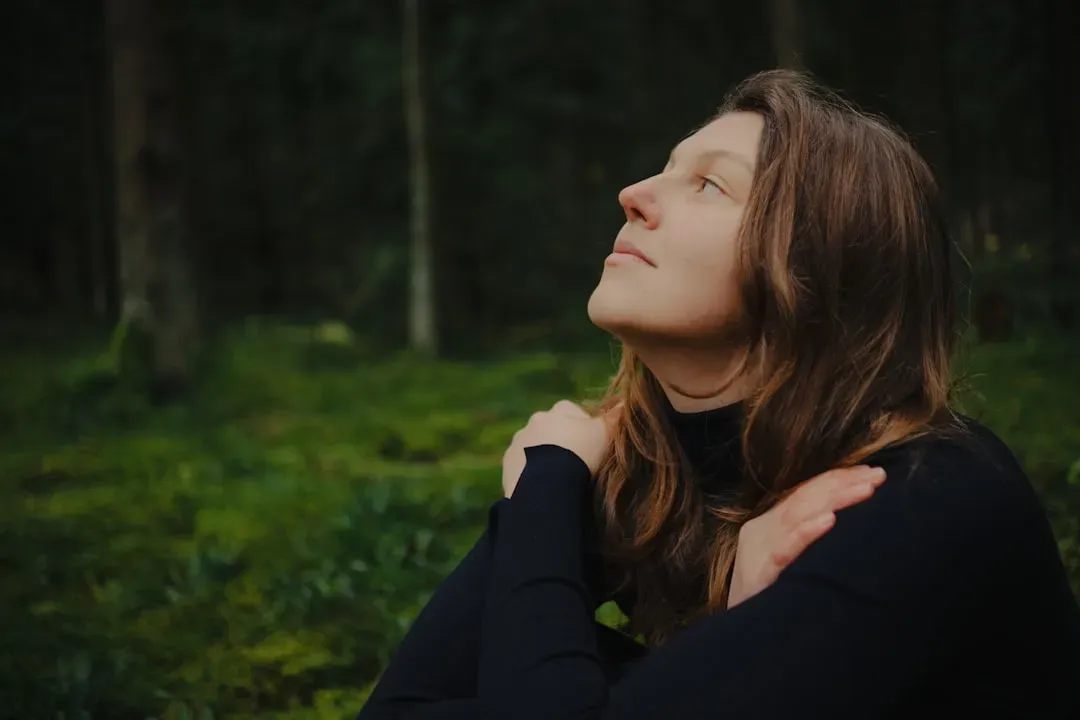
From a psychological perspective, one of the clearest ways nature helps is by dialing down the body’s stress response. Constant alerts, noise, and social pressure keep many people in a low-grade fight-or-flight state more often than they realize. Being in a natural environment – with softer sounds, more open space, and fewer demands on your attention – gives your nervous system a rare permission slip to drop its shoulders. People report feeling calmer, and studies often show lower levels of stress-related hormones and reduced tension after time in green spaces.
This is not just “feeling relaxed” in a vague sense. When your stress system gets a regular chance to reset, your sleep tends to improve, your patience grows, and your ability to think clearly under pressure gets stronger. Two hours a week in nature becomes less of a luxury and more of a maintenance routine for your mind. Think of it as regularly shutting down and restarting an overheating laptop; the hardware can handle a lot more when it is not constantly running at maximum load.
Attention restoration: why your brain feels clearer outdoors

Modern life hijacks your attention in a very specific way: it demands constant, directed focus. Answer this message, respond to that email, switch tasks, listen to three people at once. Psychologists sometimes call that directed attention, and it is a limited resource. Nature, by contrast, engages what is often described as a softer, more effortless kind of attention – your eyes follow leaves moving in the wind, notice changing light, trace the shape of a cloud without trying. That gentle engagement lets the parts of your brain responsible for deliberate focus finally exhale.
After even a short walk in a natural setting, people often report that their mind feels less cluttered and that tasks feel a bit more manageable. Cognitive tests in research settings frequently show small but meaningful improvements in concentration and working memory after exposure to natural environments compared with busy urban streets or indoor spaces. If you have ever gone for a walk in a park to “clear your head” and come back feeling more capable of handling your to-do list, you have already experienced a real-world version of this effect.
Nature time and mental health: mood, anxiety, and resilience
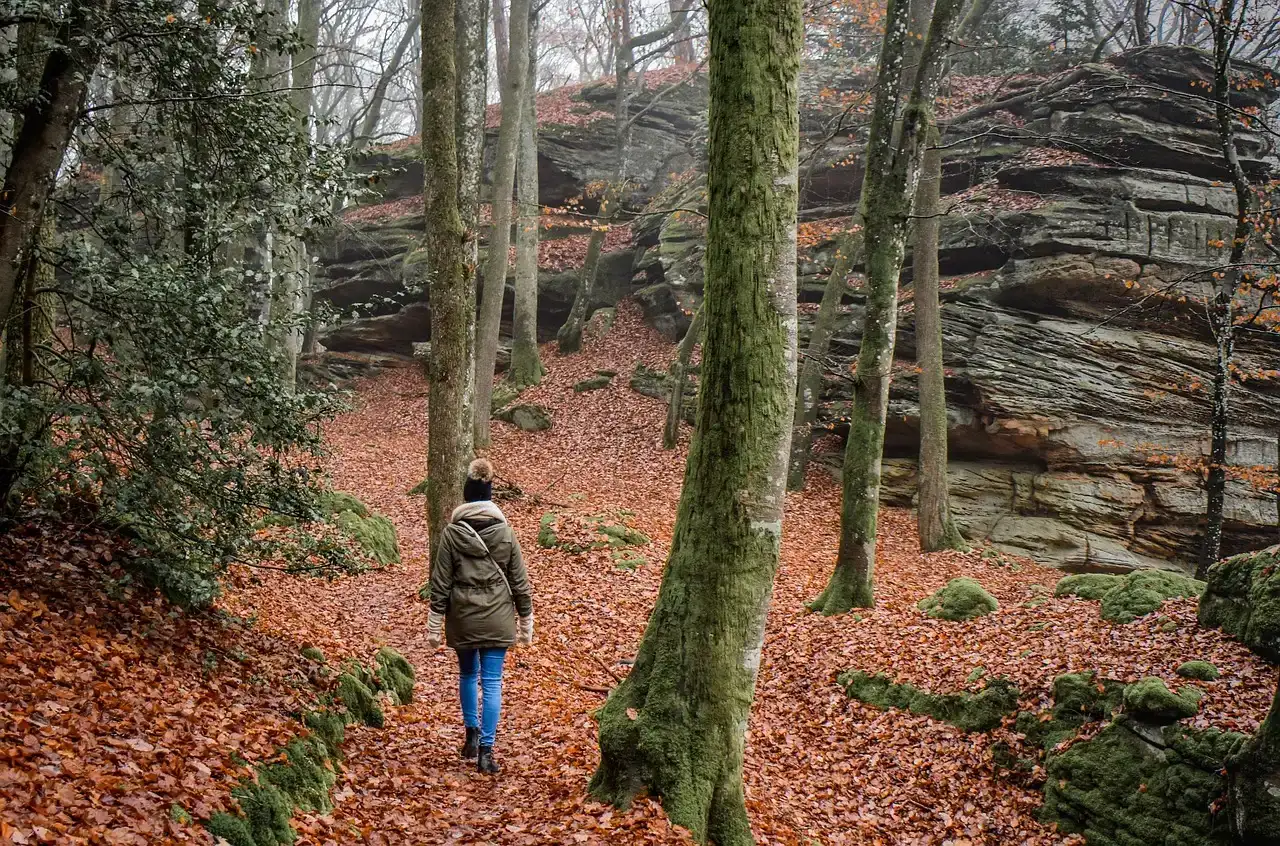
Mental health benefits are one of the strongest reasons psychologists keep recommending time in nature. People who regularly spend time in parks, forests, or by water often report fewer symptoms of depression and anxiety and a greater sense of overall life satisfaction. The effects are not miraculous cures, but they are consistent enough that some clinicians now consider nature exposure a useful complement to therapies and, in some cases, medications – especially when combined with movement, like walking or gentle hiking.
There is also a deeper layer here: feeling connected to something larger than your immediate problems. Standing under a big sky, listening to waves, or even just watching birds in a city tree can nudge you out of the mental tunnel where only your worries exist. Over time, that sense of connection can build psychological resilience, giving you a little more inner cushioning when life gets rough. Two hours a week becomes less about “checking a wellness box” and more about regularly reminding your brain that your life is bigger than your inbox.
Physical health: more than just feeling refreshed
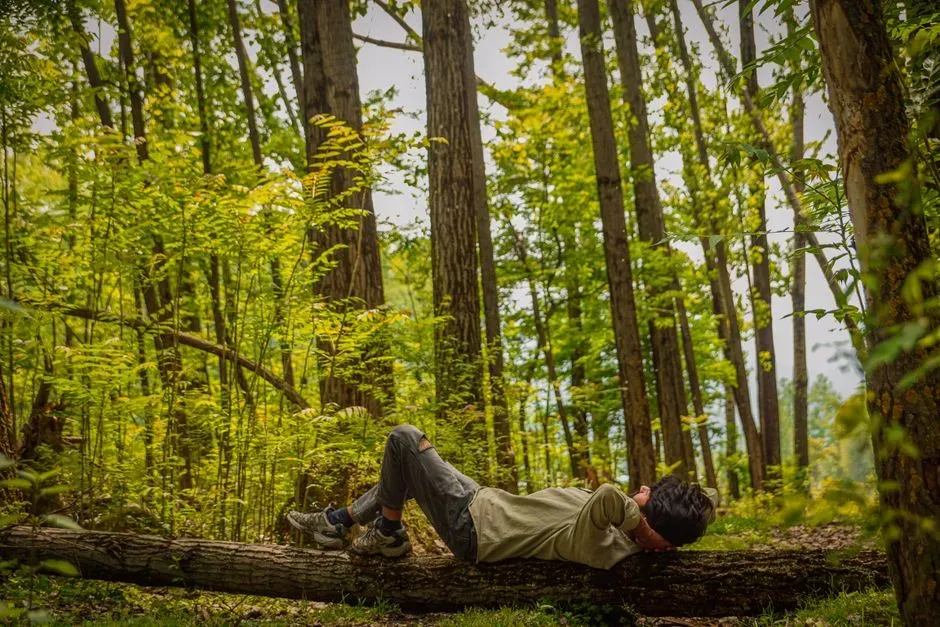
The psychological story is powerful, but the physical side is just as interesting. People who spend more time in nature, especially when they use that time to move their bodies, often show better cardiovascular health, healthier blood pressure, and lower rates of certain chronic conditions over the long term. It is hard to separate the effects of the environment from the effects of physical activity, but in real life, that blend is what matters – nature very often makes movement feel easier and more enjoyable.
There are also subtler physical pathways that researchers are still exploring. Cleaner air, exposure to natural light, and even contact with diverse microscopic life in soil and plants may all play small roles in supporting immune function and overall health. No one is claiming that a weekly walk in the park replaces medical care or erases genetic risk, but as a low-cost, low-risk habit that gently supports your body on many fronts at once, two hours in nature is hard to argue against.
Urban nature still counts: you do not need a remote forest

A common objection is that this all sounds nice if you live near mountains, oceans, or countryside, but what if your reality is concrete, traffic, and high-rises? The encouraging news is that you do not need untouched wilderness to get many of these benefits. Studies that include city dwellers routinely find that tree-lined streets, small neighborhood parks, riverside paths, and community gardens can still offer meaningful boosts to wellbeing if people actually use them.
The key seems to be the presence of living things and natural elements – trees, grass, plants, water, sky – not a perfect postcard landscape. That little triangle of grass next to a busy road, or the scruffy park wedged between buildings, might not look impressive on social media, but your nervous system does not care about aesthetics in the same way your camera does. If you can see and hear some amount of nature and briefly step out of the tight grip of your indoor routine, you are already giving your brain and body something valuable.
Making two hours realistic: weaving nature into a busy week

Knowing that two hours in nature is helpful is one thing; actually fitting it into a crowded life is another. One practical strategy is to think in terms of “nature snacks” rather than big chunks. Three twenty-minute walks on weekdays plus a slightly longer weekend visit to a park can easily get you there. Even choosing the longer, leafy route home, eating a snack on a bench under a tree, or taking your phone call while slowly walking through a nearby green space can help you accumulate time almost without noticing.
It also helps to lower the bar for what “counts.” You do not need perfect weather, fancy gear, or a flawless mood. If you are tired, stressed, or grumpy, that may actually be the best time to go. Bring your music if silence feels uncomfortable, or go with a friend if you do not like being outside alone. The goal is consistency, not purity. When two hours a week starts to feel like a normal part of your routine rather than another self-improvement project, you are far more likely to keep it going long enough to see meaningful changes.
Digital detox by accident: escaping the screen loop

Another underrated advantage of nature time is that it often becomes an unplanned break from screens. Even if you bring your phone, you are less likely to scroll nonstop when there are birds, people, dogs, water, or changing light to watch. That shift from digital stimulation to real-world sensory input gives your brain a different kind of information – richer, more varied, and less demanding – which is exactly what an overloaded mind needs.
Many people think they are relaxing when they collapse onto the couch with a device, but their nervous system stays on high alert, constantly reacting to new content. Stepping into a natural environment interrupts that loop. Instead of your attention being yanked in twenty directions by algorithms, it is gently pulled by a breeze, a sound, or a distant view. Over time, those regular breaks can soften the grip of compulsive checking and leave you feeling less jittery and more grounded, even when you are back online.
Nature as a quiet act of resistance in a burnt-out culture

In a world that quietly glorifies exhaustion, packing every minute with productivity, and living mostly through screens, choosing to spend two hours a week in nature is not just a wellness hack. It is a small act of resistance. You are essentially saying that your nervous system, your senses, and your inner life matter enough to carve out time that cannot easily be monetized or optimized. You are stepping out of the machine, even briefly, and letting yourself be a human animal again instead of a walking inbox.
My own opinion is that we dramatically undervalue this. We treat nature time as optional, something “nice if you can fit it in,” while we treat constant digital connection and overstimulation as normal, even necessary. The research suggesting that a mere two hours a week outdoors can meaningfully improve health and wellbeing is a quiet rebuke to that mindset. It hints that our bodies and minds are not broken; they are simply doing their best in environments they were never designed for. If something this simple can help, the real question is not whether it is worth it, but why we keep pretending we can live well without it. When you look at your week, where could those two hours begin to grow?