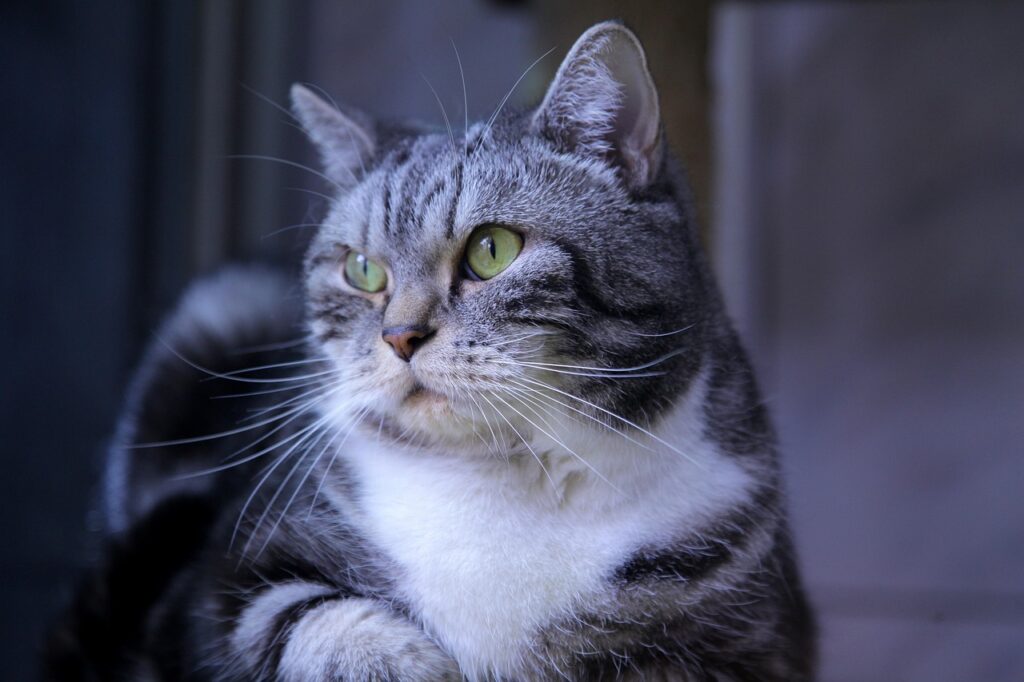

You probably already suspect your cat knows far more about your home than you do. They vanish into thin air, reappear from nowhere, and somehow always know exactly where the sunny patch is going to land. When you look closer at what scientists have found about animal cognition, a startling idea emerges: your cat is not just wandering around at random. They may be building a mental map of their world – and quietly updating it every single day.
Once you start seeing your cat through this lens, their quirks stop looking like “cat nonsense” and start looking like strategy. From how they move through rooms to how they react when you change the furniture, their behavior hints at a surprisingly flexible mind. You are not just living with a fluffy roommate; you are sharing space with a small, silent cartographer who constantly redraws the landscape in their head.
The Hidden World Inside Your Cat’s Mind

Imagine walking through your home with your eyes half closed, relying mostly on memory and sound. That is not far from how your cat experiences their world. Research in animal cognition suggests many animals, including cats, use internal representations of space rather than reacting only to what is directly in front of them, which means your cat is likely holding a mental sketch of where doors, chairs, windows, and even you tend to be.
You can see this most clearly when something changes. Move a favorite chair or block a hallway, and watch how your cat pauses, blinks, and then cautiously explores. That brief hesitation is your clue: the map in their head no longer matches reality, and they need to redraw it. You are watching a tiny brain do a real-time software update on its internal version of your home.
How Cats Track You Even When You Are Out of Sight
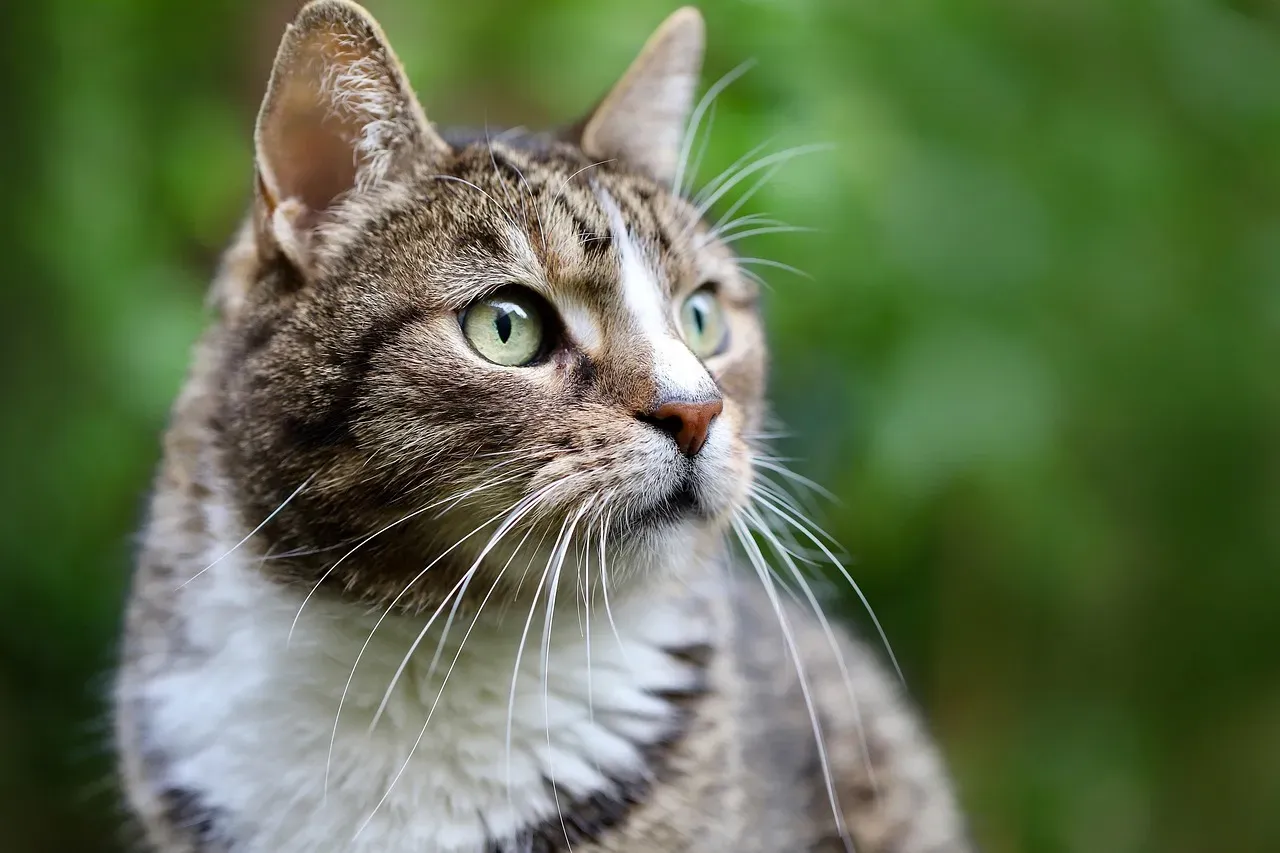
You have probably noticed your cat staring at a door you just walked through, as if they can still “see” you there. Studies on animal spatial awareness show that some animals can track the location of others using sound and memory, not just vision, and cats appear to be one of them. When they hear your footsteps or your voice, they do not just register the noise; they place you somewhere on their internal map.
That is why your cat sometimes waits in the next room right before you appear or runs to the door a moment before you open it. In their mind, you have a position and a path, almost like a moving dot on a mental radar screen. Even when you are in another room, your cat might still be “following” you by updating that little dot, using every sound, scent, and routine they have learned from living with you.
Daily Routines as Map Updates
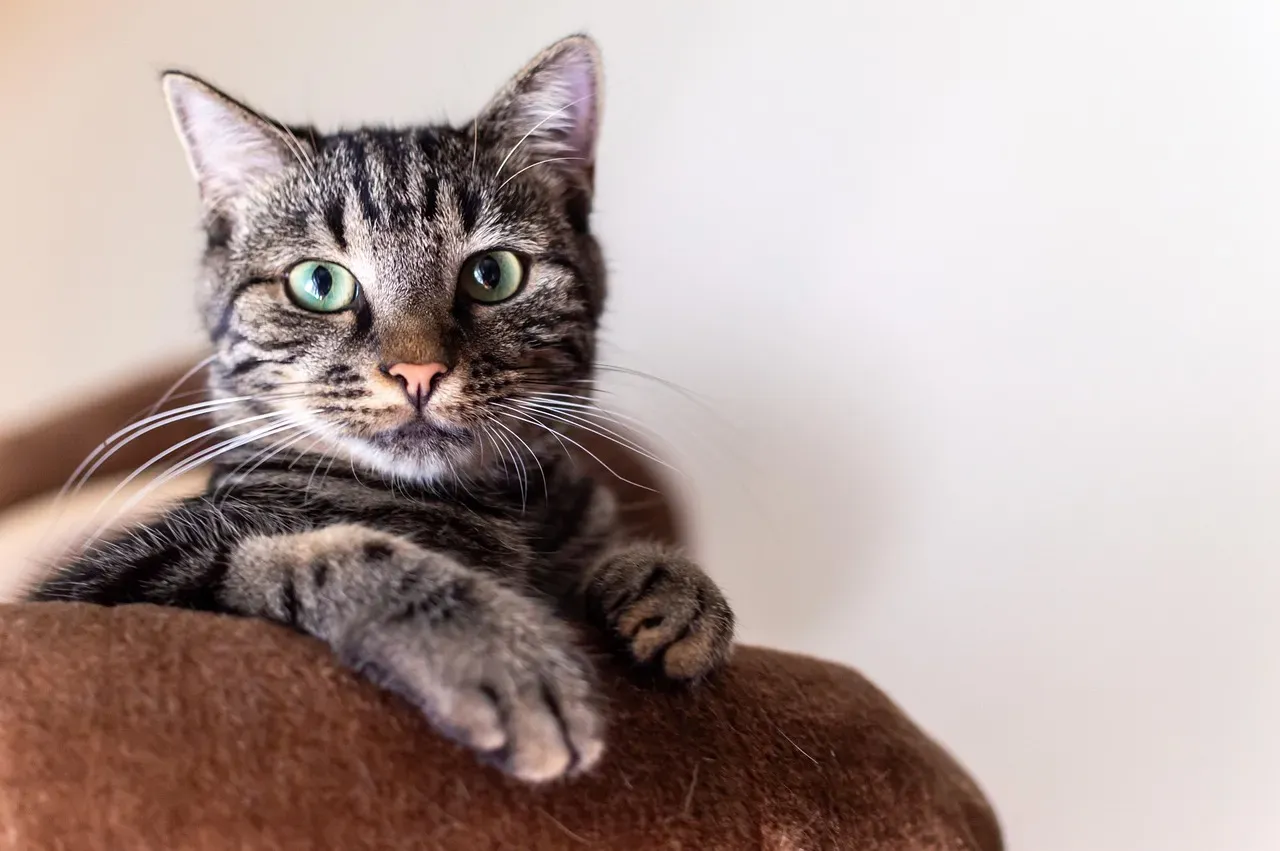
If you think your routines are boring, your cat would disagree. To them, your repeated patterns – when you wake up, where you walk first, how you move through the kitchen – are like reference points on a constantly refined map. Every day, your cat gets another chance to predict what you will do, and they quietly correct their guesses when you act differently.
You can see this when you break your routine. Sleep in later than usual, skip your usual morning coffee route, or work from a different room, and notice how your cat follows you with extra interest. They may trail behind, circle around you, or sit somewhere new and just watch. What you are seeing is their mapping system noticing an error and adjusting the model: the familiar pattern shifted, so the map gets redrawn around your new habits.
Why Your Cat Handles Furniture Changes (And Sometimes Hates Them)
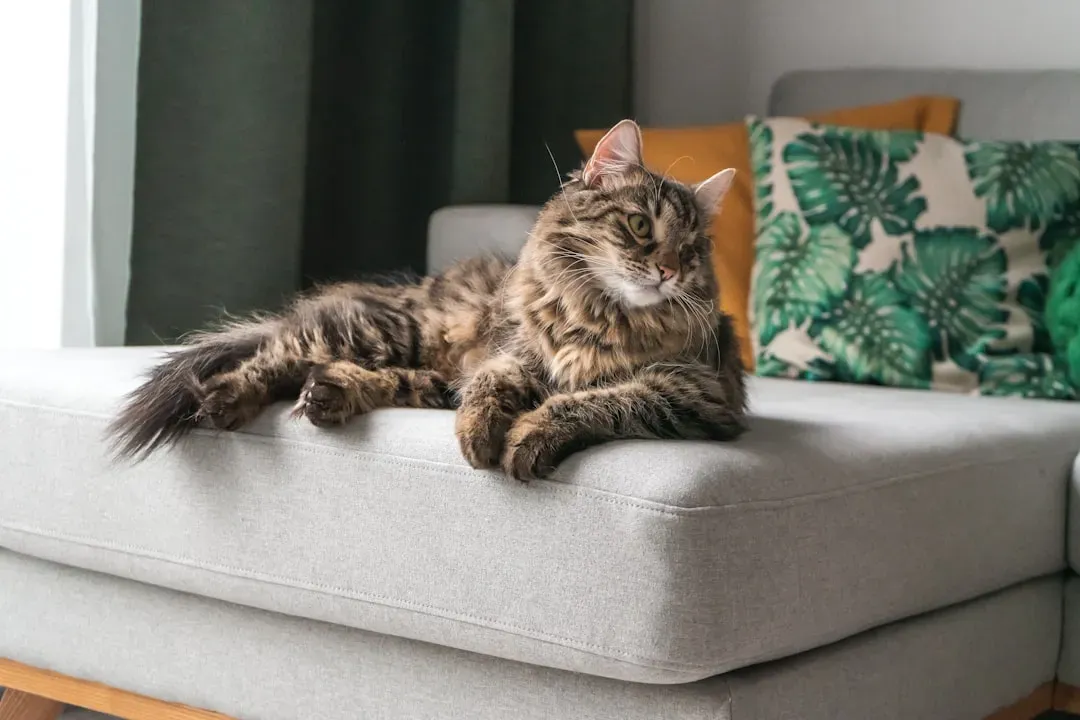
Those reactions tell you something important: your cat is comparing the old mental map with the new physical reality. If they are confident and curious, they update quickly, adding new vantage points, hiding spots, and routes. If they are more cautious or anxious, their map update takes longer, and they may avoid certain areas until repeated safe experiences overwrite the old, now-wrong version in their mind.
The Role of Sound in Your Cat’s Spatial Map
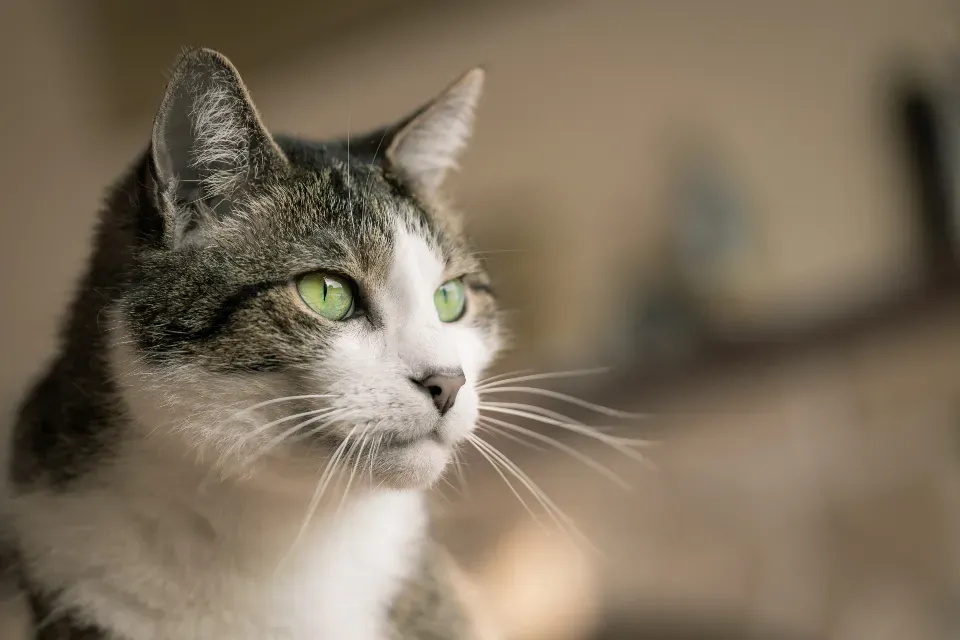
You might think vision is everything, but for cats, sound is like a second set of eyes on their map. Experiments with other animals have shown that hearing a familiar sound from a new location can trigger surprise, as if the brain is thinking, “That is not where that should be.” With cats, you can see a similar reaction when your voice comes from your phone speaker in another room or when a familiar appliance hums somewhere unexpected.
Your cat seems to lock sounds onto locations. The fridge has a place, the treat bag has a place, your laptop keyboard has a place. When a sound you usually make in the kitchen suddenly happens in the bedroom, your cat may pause, twitch their ears sharply, and then go investigate. In that moment, their mental map flags an inconsistency, and they are driven to reconcile it: sound and space must match again before the world feels right.
Memory, Smell, and Invisible Pathways
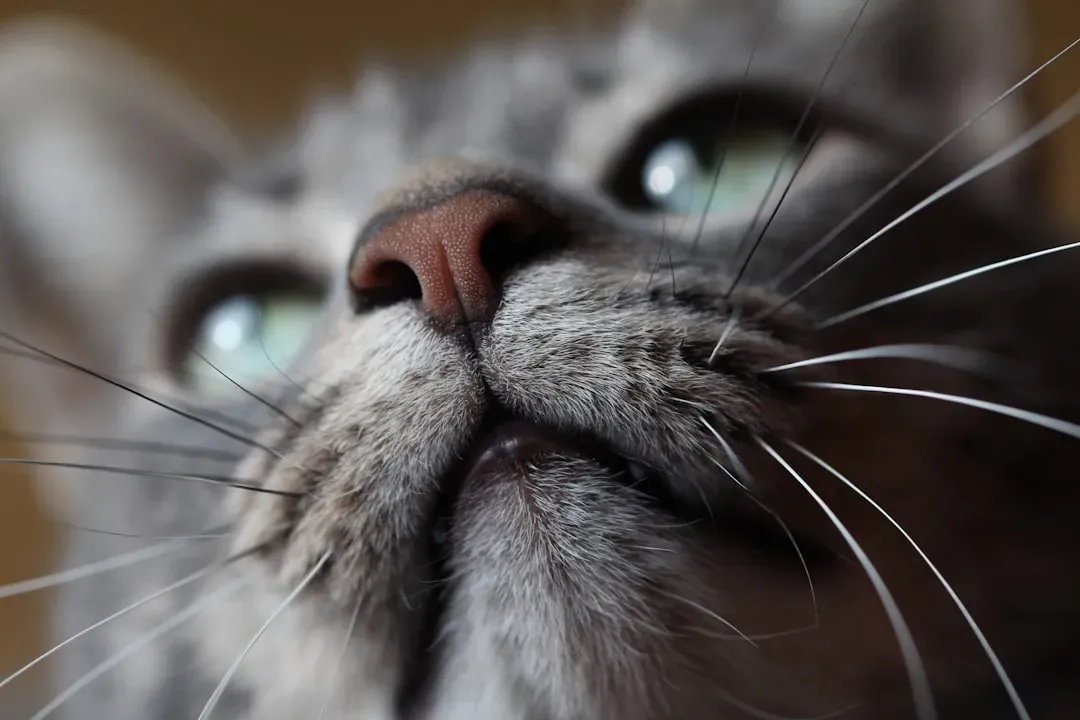
Cats do not just map what they can see; they also map what they can smell. While a human walks through a house and mostly remembers furniture and walls, your cat layers scent trails onto that basic structure. Your usual spot on the couch, their favorite sleeping place, the last place you set down your shoes – all of those become invisible landmarks that help them orient even in the dark.
This is why your cat can walk through a dim room without hesitation or can find the exact place where a strange visitor once sat, long after the person left. Their map is part visual layout, part scent archive. When you clean or rearrange too aggressively, you are not only shifting objects, you are scrubbing away these odor-based markers. Your cat then has to rebuild both the visible map and the scent map from scratch.
What Anxiety and Confidence Reveal About Their Internal Maps
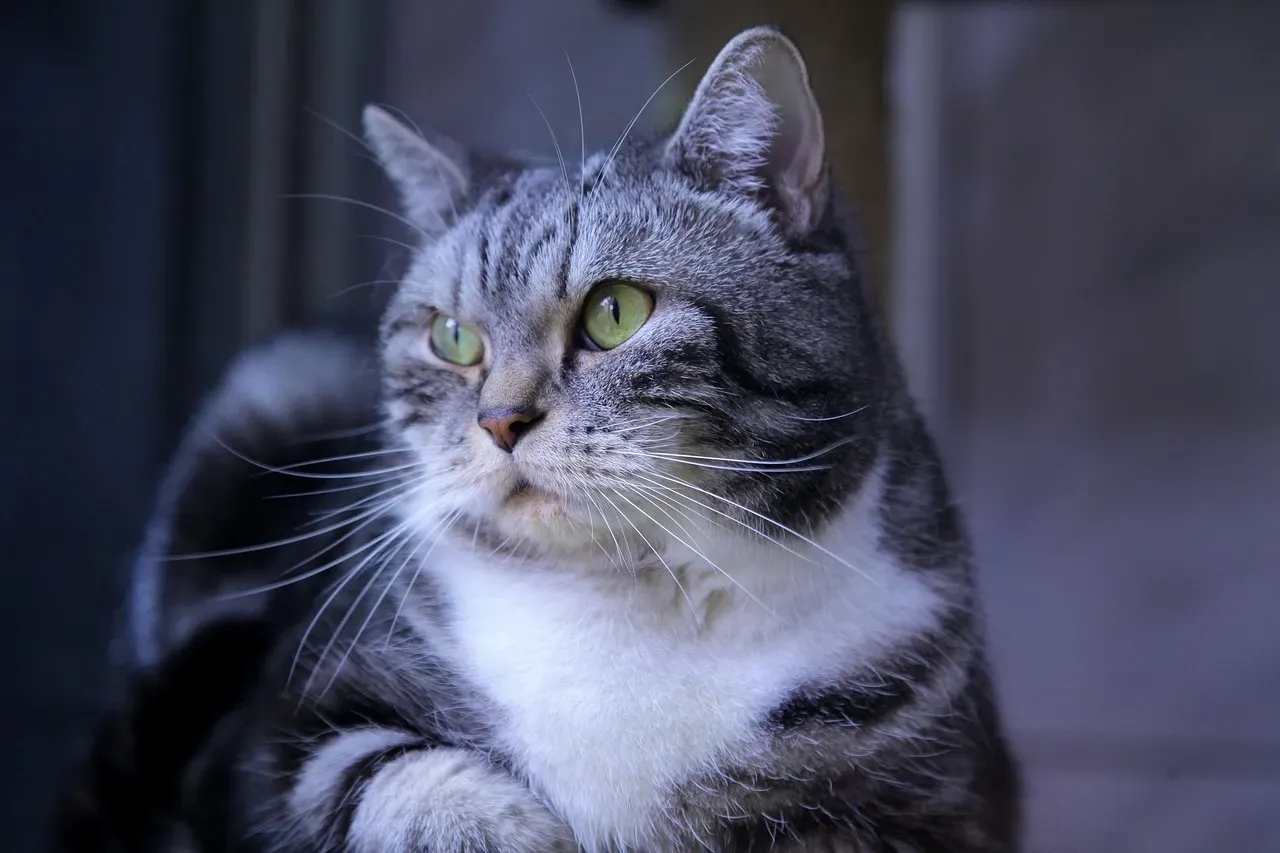
Watch how your cat behaves in a new place, and you will get a glimpse of how their mapping system boots up from zero. A confident cat might stride around, tail up, scanning, sniffing, and quickly establishing key points: hiding spots, high perches, escape routes. A more anxious cat might hide at first, then gradually extend their range in short, cautious forays, updating their map in tiny, safe pieces.
You can support either type by giving them predictable paths and stable landmarks. Leaving a carrier open in a corner, keeping a favorite blanket in the same spot, or not constantly rotating their litter box location all help their internal map stabilize. The more consistent the “anchor points,” the easier it is for your cat to relax, because the map in their mind stops shifting under their paws.
How You Can Enrich Your Cat’s Mental Map (Without Overwhelming Them)
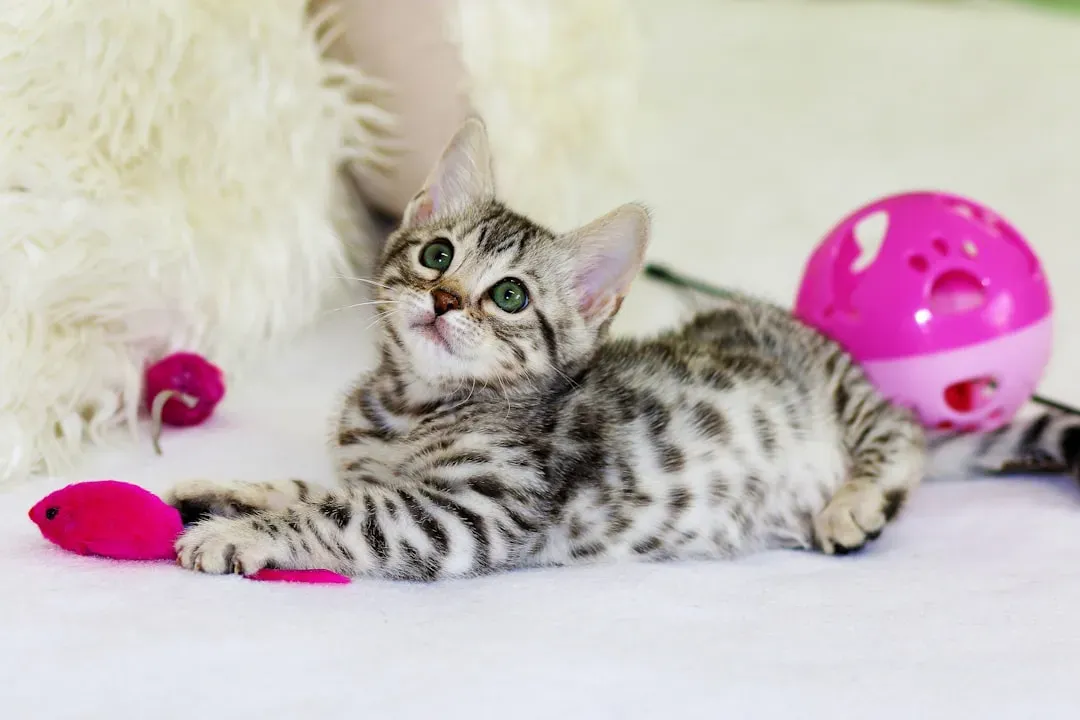
Once you realize your cat is constantly updating a mental map, you can start to enrich it in thoughtful ways. Instead of random chaos, you can offer controlled novelty: a new box in a familiar corner, a tunnel added along a known path, a shelf they can reach from a spot they already use. This gives their brain fresh material to map without making them feel like the whole world has been scrambled.
You can also play games that tap into their mapping skills. Hide a toy in a room they know well and let them search, or toss treats into predictable zones so they learn to check those spots. Over time, you will notice that your cat begins to anticipate where “interesting things” tend to appear, folding these reward locations into their daily patrol. You are essentially collaborating with them on building a richer, more stimulating version of the place you both call home.
What This Means for How You See Your Cat
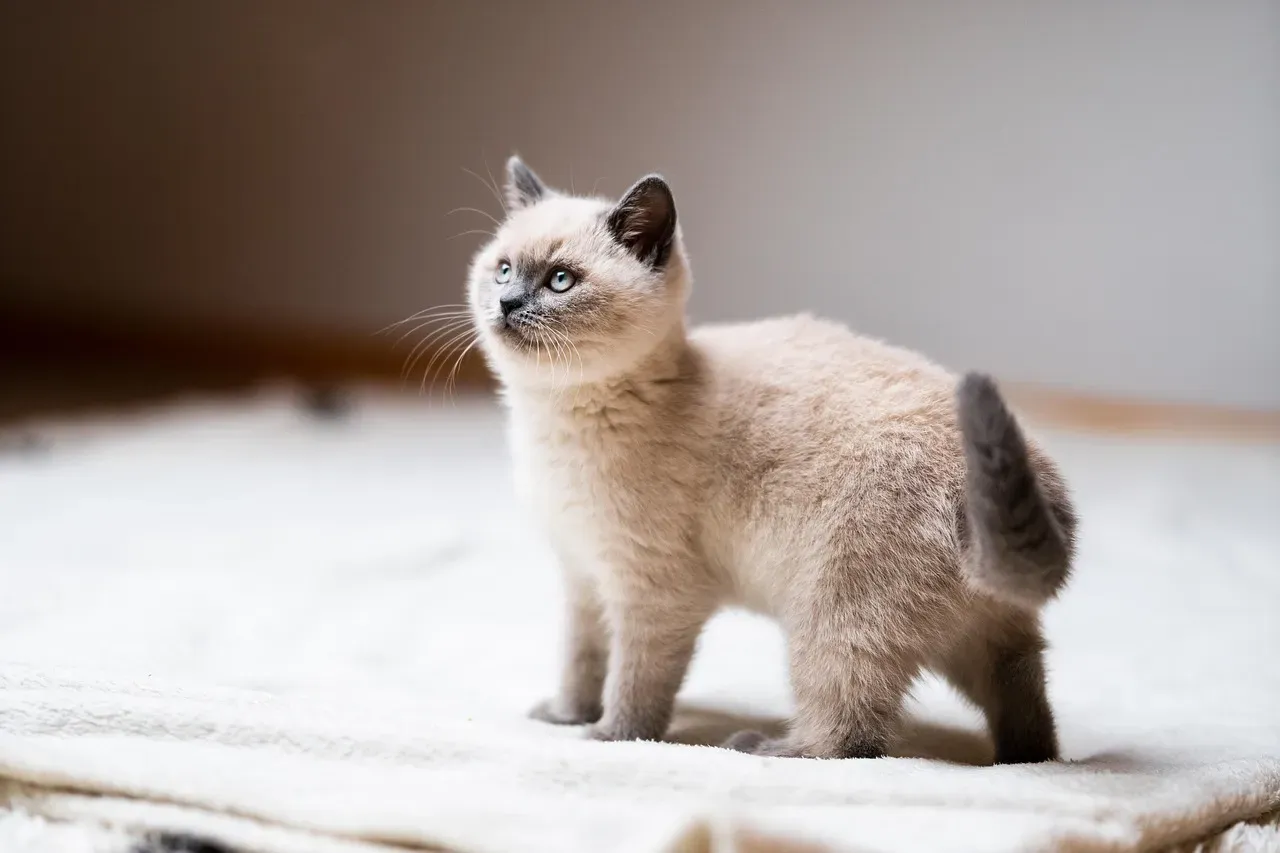
When you start thinking of your cat as a mapmaker instead of a random wanderer, their everyday behavior becomes far more impressive. That weird pause in the hallway, the way they circle a room before lying down, the fact that they appear the second you open a certain cupboard – all of it fits into the picture of an animal constantly modeling and remodelling the space you share. You are living with a quiet navigator who is always one step ahead of what you notice.
This perspective also makes your relationship feel deeper. You are not just the person who fills the bowl; you are one of the main moving landmarks in their mental universe, a predictable presence they can locate, track, and rely on. The next time your cat seems to appear out of nowhere in exactly the right place, you will know: it is not magic, it is the work of a small, skilled brain updating its map of you and your world. Did you ever imagine your cat was keeping such careful track of everything you do?