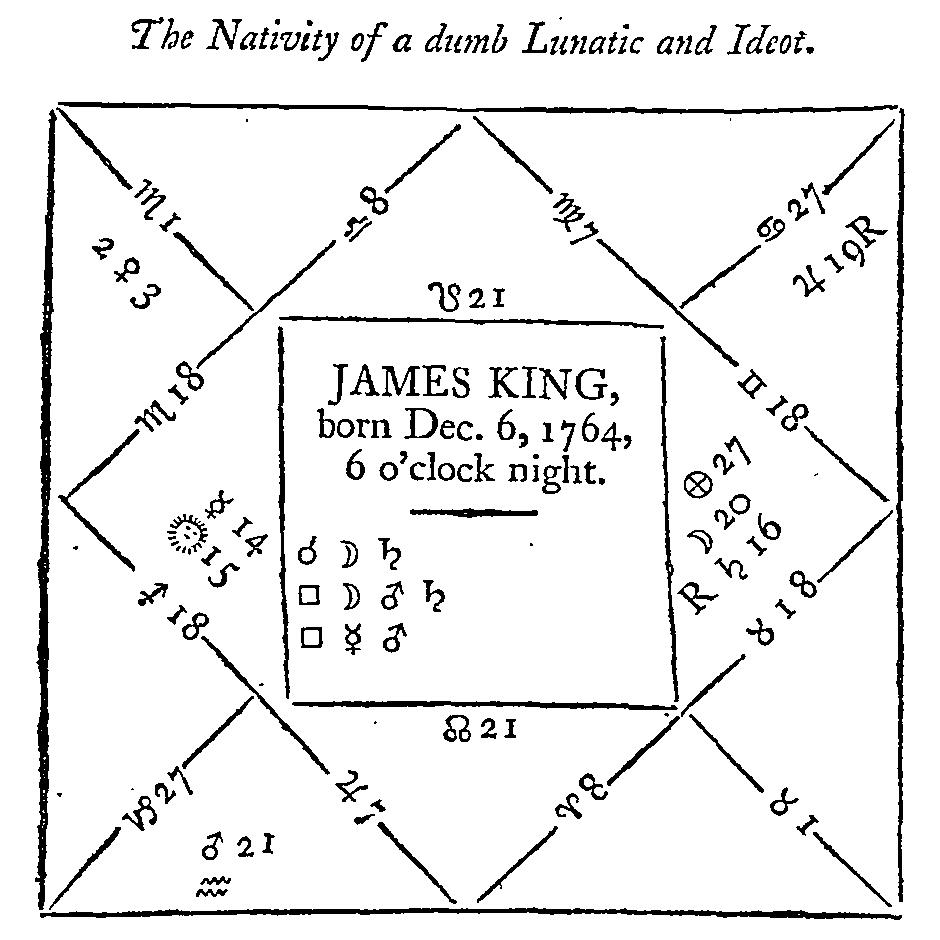

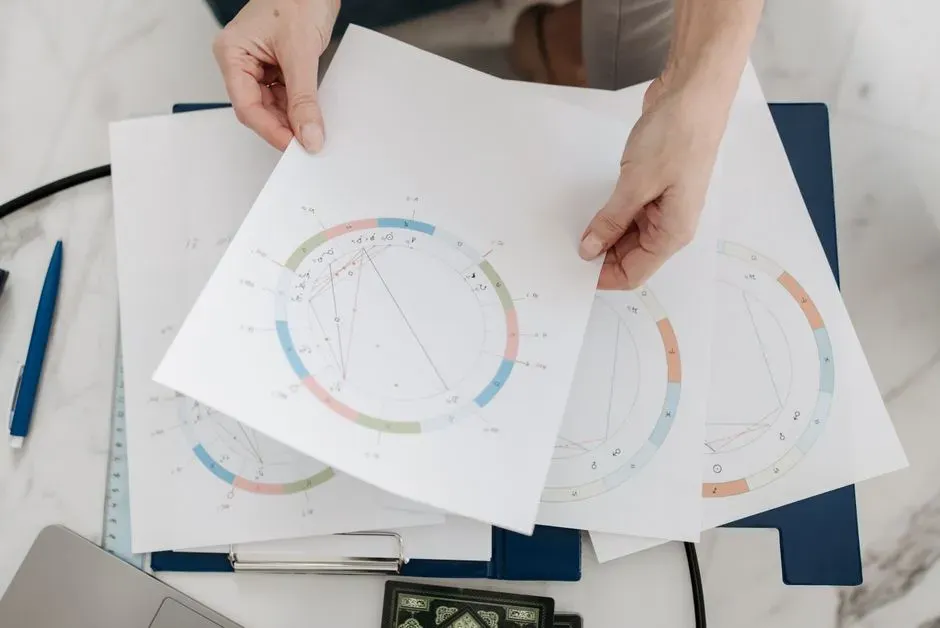
You do not have to believe in astrology to feel something when you see your birth chart for the first time. That messy wheel of symbols can feel a bit like the universe doodled a portrait of you while it was bored in class. Even if you roll your eyes at horoscopes, it is hard to deny the weird sense of recognition that sometimes shows up when you read a description that seems a little too on point.
This is where things get interesting. Because when you strip away the mystical branding and zodiac memes, a birth chart is basically a psychological mirror disguised as a star map. The science is very clear that astrology has no proven predictive power, yet millions of people still use charts to reflect, reframe, and re-story who they are. The magic is not in the planets; it is in the questions the chart makes us ask.
The Science Says “No” – But Our Brains Whisper “Maybe”
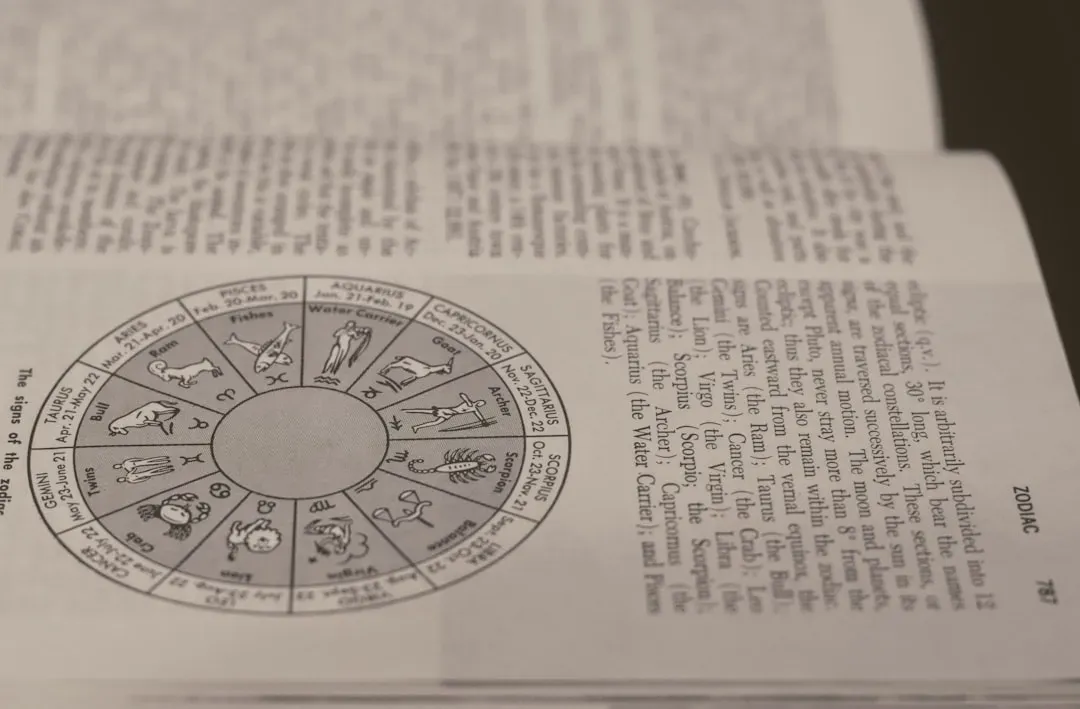
From a scientific standpoint, astrology fails the usual tests. When researchers compare people’s real birth charts to randomly assigned charts in blind experiments, people cannot reliably tell which one is theirs. When astrologers try to match charts to personality profiles under controlled conditions, their accuracy tends to hover around chance. In other words, there is no solid evidence that the position of Mars when you were born reliably explains why you hate small talk or love spreadsheets.
But our brains are not research labs; they are storytelling engines. We are wired to search for patterns, especially patterns that make us feel seen, special, or less alone. When you read a birth chart interpretation, you are not just receiving information; you are actively scanning for resonance. The tiniest hit of familiarity can feel meaningful, and once that spark lands, your mind starts weaving explanations and memories around it. The science says the chart is not objectively accurate, but your brain is busy asking, “What if this is a little bit true?”
The Birth Chart As A Cosmic Personality Test
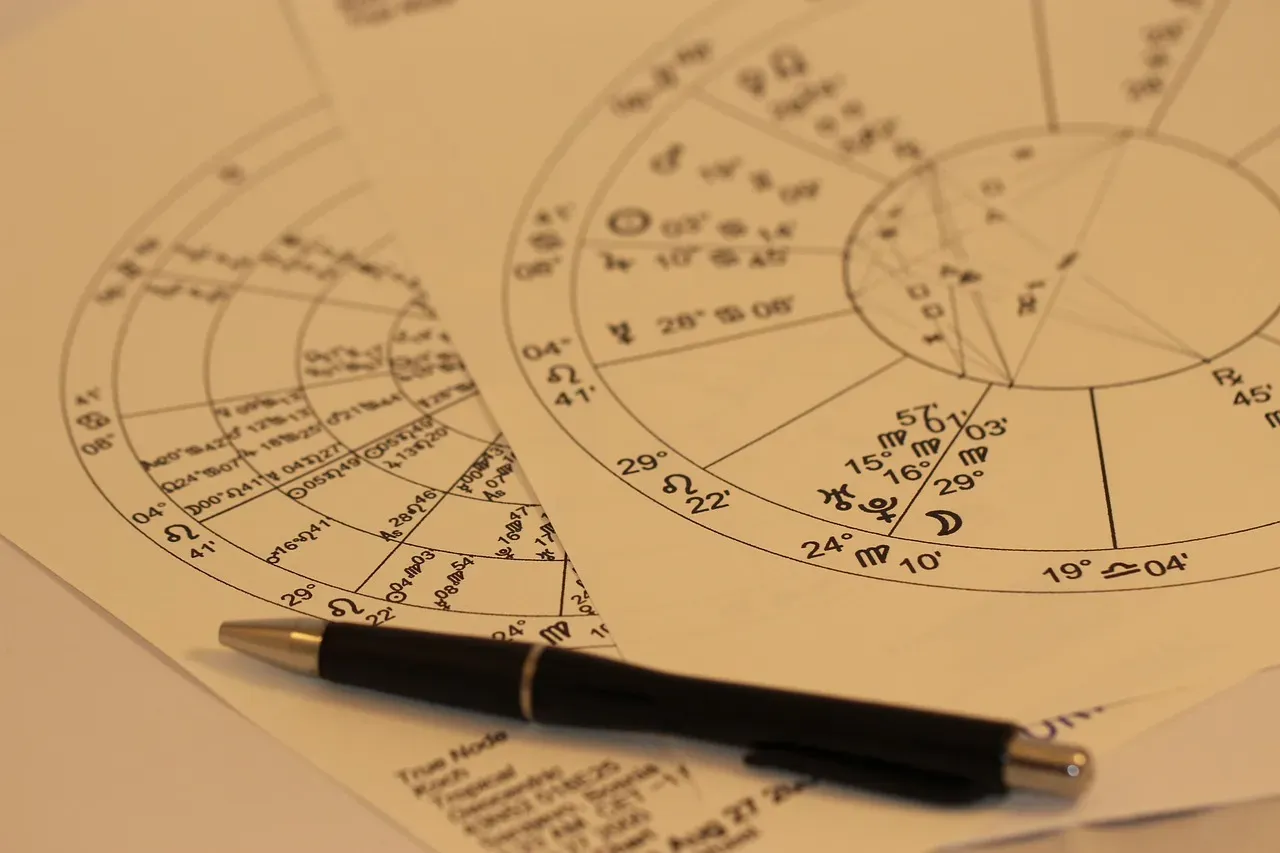
If you squint a little, a birth chart is basically a free-form personality test with better aesthetics. Where a questionnaire forces you to tick boxes about how often you feel anxious or sociable, a chart says something vague like “tension between independence and security,” and watches what you do with it. The interpretation gives you a broad theme; your mind fills in the specifics from your life. In psychology, that tendency to find yourself in vague descriptions is called the Barnum effect, and astrology leans on it heavily.
The difference is that most personality tests feel like homework, while a birth chart feels like lore. Symbols, houses, and planetary aspects give you a kind of mythic language for your quirks and contradictions. Instead of saying “I am bad with boundaries,” you might say “my Neptune in the seventh house blurs lines in relationships.” It is still a story about your tendencies, but framed in a way that feels more poetic than clinical. That alone can make self-knowledge feel more approachable and less like a diagnosis.
Projection, Reflection, And Why Vague Descriptions Hit So Hard
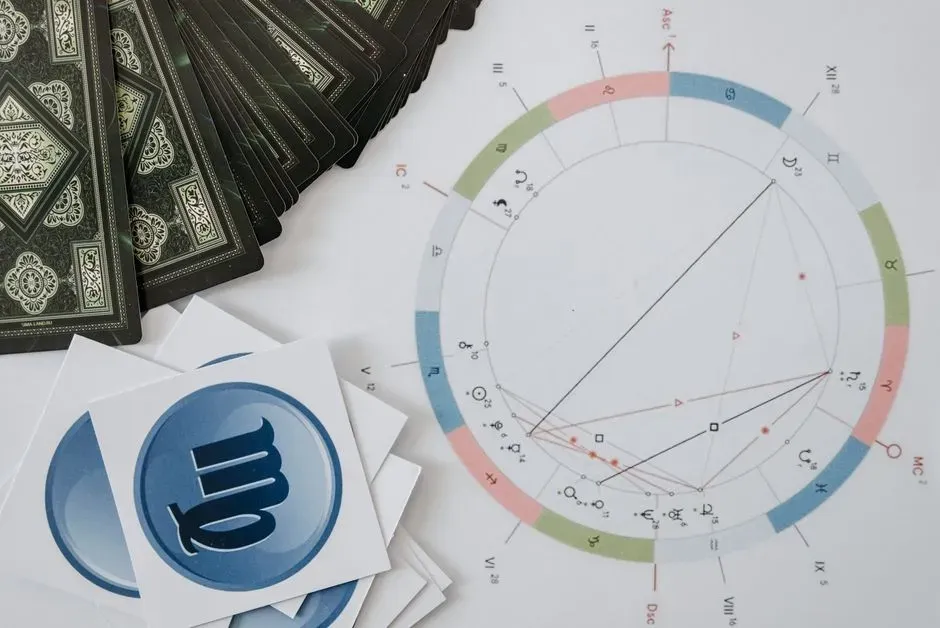
Think of a birth chart sentence like “you crave deep emotional connection but fear vulnerability” as a cosmic inkblot. Some people will shrug and move on because it does not resonate. Others will suddenly remember every relationship where they pulled back just when things got real. The sentence did not reach into their soul and expose a secret; it simply offered a template that their memories could snap into like magnets. The power is not in the stars; it is in what your mind chooses to highlight.
This is projection in action: you are projecting your own experiences, wounds, hopes, and memories onto a neutral canvas. At the same time, the chart works as a reflection tool: once something feels named, you start recognizing it everywhere. It is like buying a red car and suddenly seeing red cars on every street. When you read that you “tend to overgive,” you start noticing every little moment that fits that narrative. The chart did not create the trait; it just gave your brain a catchy headline for it.
A Safe, Stylish Way To Talk About Scary Stuff
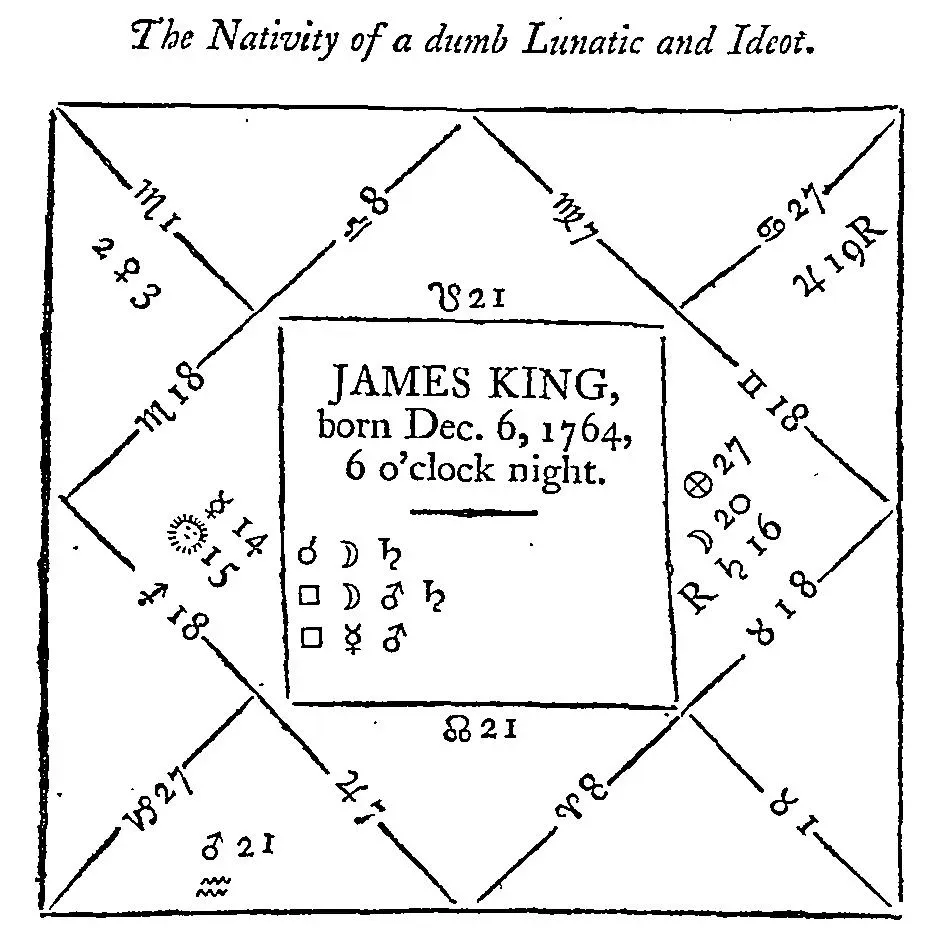
One underrated function of birth charts is that they give people a socially acceptable way to talk about uncomfortable truths. It is a lot less intimidating to say “my Saturn return is wrecking me” than “I am deeply afraid I have wasted my twenties and do not know what I am doing with my life.” The astrological language creates a kind of soft buffer around real emotional content. You get to open up, but it feels like you are talking about weather patterns rather than your rawest fears.
This distance can actually be helpful. People who would never book a therapist might happily sit down for a chart reading and end up unpacking their childhood, their relationships, and their habits. Even if the framework is not scientifically valid, the conversation can still be real. A birth chart consultation often functions like a low-stakes, stylized counseling session, where the planets are props that make it easier to admit, “Yeah, I do push people away when they get too close.”
Identity Play: Trying On Traits Like Outfits

Looking at your chart is a bit like wandering through a personality thrift store. You pick up different traits, hold them against yourself, and see what fits. “Do I recognize myself in this description of a moody, intuitive Moon? Does this ‘driven Mars’ archetype feel like me, or more like who I wish I were?” Even when you decide something does not fit, that act of rejection still tells you something about your identity. You are defining yourself in contrast to what the chart suggests.
In a world where identity can feel weirdly slippery – constantly curated, commented on, and compared – this kind of playful exploration can feel grounding. You are not locked into a result the way you might be with a personality test that stamps you with four letters. With astrology, you can lean into some placements, ignore others, reinterpret meanings over time, or decide a certain archetype belongs more to your teenage self than your current one. It becomes an evolving conversation rather than a fixed label.
Confirmation Bias: How Charts Reinforce The Stories We Already Believe
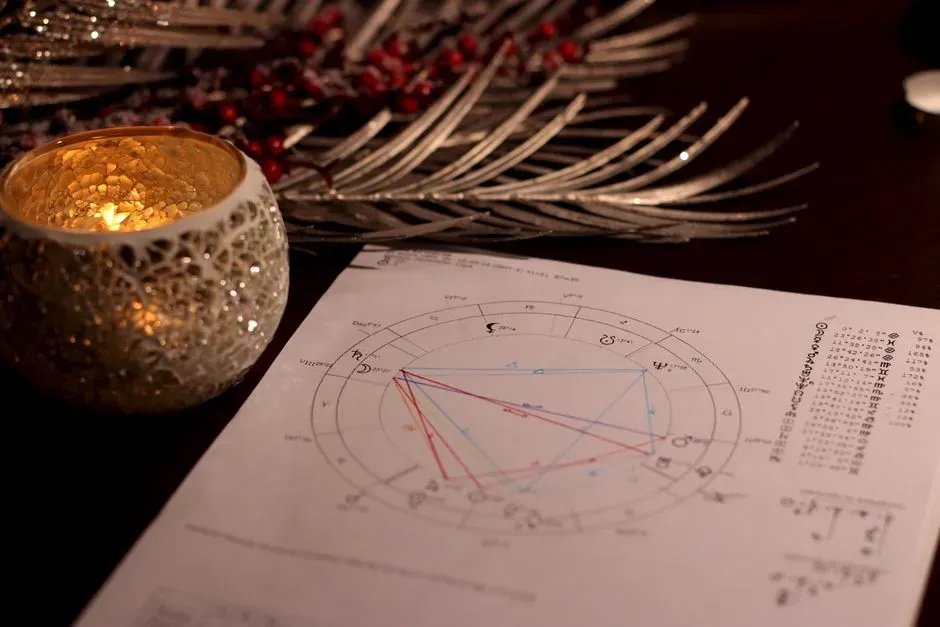
Our brains are surprisingly biased editors. Once we believe a story about ourselves – “I am the responsible one,” “I always attract chaos,” “I am terrible at commitment” – we start collecting evidence that supports it and quietly discarding anything that does not. Birth charts make this process more colorful, but they do not fundamentally change it. When you see “heavy Saturn energy” and you already think of yourself as burdened or serious, it is easy to nod and say, “Yep, that tracks.”
That does not make the whole exercise useless; it just means we have to be honest about what is really happening. The chart is not an objective report card from the cosmos; it is more like a mood board for your existing narratives. Sometimes that is harmful, like when someone uses their chart to excuse toxic behavior. Other times it is incredibly helpful, like when a shy person reads about their “sensitive, empathetic nature” and, for the first time, frames their quietness as a strength rather than a flaw.
When Astrology Accidentally Pushes Real Growth
Here is the twist: even if astrology does not work the way believers claim, it can still catalyze real change. If a chart interpretation nudges you to set better boundaries, pursue a career that actually fits you, or leave a relationship that is been dead for years, those outcomes are real, regardless of whether Mercury did anything mystical on your birthday. The belief system is acting like a psychological exoskeleton – something outside you that helps you stand up straighter inside your own life.
In practice, many people use their birth charts as a loose blueprint for self-improvement. They decide to “work on their Saturn,” “lean into their Jupiter,” or “heal their Moon,” which is just poetic shorthand for facing fears, expanding comfort zones, and tending to old wounds. Is that scientifically rigorous language? Not at all. But if the symbolism gives someone the courage to go to therapy, set a boundary, or apologize to a friend, then the chart has functioned less like prophecy and more like a motivational poster that actually got read.
Using The Cosmic Rorschach Without Fooling Yourself

I am personally skeptical of the idea that the positions of distant planets can dictate human personality, but I completely get why birth charts feel powerful. I have watched smart, rational people discover surprisingly honest insights about themselves while unpacking their chart over coffee. The key is to treat astrology like a mirror, not a map. It can reflect back parts of you in interesting, aesthetic ways, but it should not be given authority over your choices, your ethics, or your sense of possibility.
If we can hold that tension – seeing astrology as a cosmic Rorschach test instead of a cosmic instruction manual – it becomes a playful, creative tool for self-exploration. You can mine it for metaphors, language, and prompts without handing over your agency or critical thinking. In that sense, the real question is not whether your chart is true, but whether the stories you build from it make your life kinder, braver, and more honest. When you look up at the stars, are you searching for orders, or are you finally giving yourself permission to listen to your own voice – what would you rather choose?