
You know that feeling when your brain is buzzing, your chest is tight, and then your dog just drops a tennis ball at your feet or your cat curls up on your lap – and suddenly, the world feels softer? Nothing in your inbox has changed. Your problems are still there. But your body loosens, your thoughts slow down, and for a few minutes, you can actually breathe.
Psychology is finally catching up to what pet people have quietly known for years: sometimes a few minutes with an animal is more calming than a deep conversation with someone you love. It is not because people are bad or because talking is useless. It is because your nervous system processes a silent, non-demanding creature very differently than it processes another human who can need, judge, react, or push back. Your brain often reads an animal as pure presence and no pressure – and that, on a biological level, feels like rest.
When Your Brain Is Overloaded, Even Kind People Can Feel Like “Too Much”

When you are overwhelmed, your brain is usually in some blend of fight, flight, or freeze. Stress hormones rise, your thoughts spin faster, and your body moves into survival mode. In that state, every extra input – every question, facial expression, or suggestion – can feel like another tab opening on a browser that is already about to crash.
Talking to someone, even someone kind and supportive, adds cognitive and emotional tasks: you have to find words, track their reactions, decide how honest to be, and manage the risk of misunderstanding. All of that takes mental energy. So while human connection is incredibly important, in the exact moment of overload, another person can feel like more data your brain has to process instead of less.
Animals Feel Emotionally “Low-Demand,” and Your Brain Loves That
An animal sits with you, nudges your hand, leans against your leg, or purrs on your chest – but it does not ask you to explain yourself. There is no subtle social script to manage, no pressure to respond the right way, and no fear that you will say the wrong thing. Psychologically, that makes animals emotionally low-demand: you get warmth, contact, and a sense of being with another living being, without the usual social cost.
Your brain, constantly scanning for demands and threats, notices that this creature is just there and does not need you to perform. That absence of expectation is incredibly powerful. It can flip your nervous system from “I have to keep up and protect myself” into “I can safely power down a little.” In a sense, your brain files the animal under the category of “no emotional debt,” and that quiets a lot of internal alarms.
Touching an Animal Calms the Body Before the Mind Catches Up
Stroking a dog’s fur, feeling a cat’s rhythmic purring, or even watching fish glide in a tank sends soothing sensory signals up to the brain. Gentle, predictable touch activates parts of the nervous system associated with safety and comfort, helping to lower heart rate and tension. You do not have to think or explain anything for your body to begin shifting out of high alert.
With people, physical touch carries more complex meaning: is this appropriate, what does this say, how do they feel about me, what do I owe back? With animals, that complexity usually drops away. The touch is simple and unilateral – you pet, they receive. That simplicity lets the calming signals land in your body without getting tangled up in social analysis.
Your Brain Is Constantly Reading “Social Threats,” and Animals Mostly Opt Out

The human brain is wired to care very deeply about other humans. That is great for relationships, but it also means that your stress system lights up quickly in the presence of other people. You start unconsciously tracking micro-expressions, tone shifts, and possible judgment. Even in a loving conversation, part of your brain is working hard to predict reactions and keep belonging intact.
Most animals are not running that same complex social game with you. A dog may look at you with wide, expectant eyes, but there is no hidden agenda about your career, your identity, or your latest mistake. Because your brain does not experience the same level of social evaluation from an animal, it can relax its constant threat scanning. In practical terms, that gives your mind a rare break from worrying about how you are being perceived.
Silence With an Animal Feels Comforting, Not Awkward

Think about the last time you sat in silence with another person. After a short while, many people start to feel pressure: should I say something, are they bored, do they think I am upset? The quiet is not really quiet at all; it is filled with unspoken questions. Your brain starts working again, trying to interpret what this silence means socially.
Now compare that to sitting quietly with a dog sleeping at your feet or a cat on your lap. The silence feels full rather than empty. There is no expectation that you should fill it with words or emotional labor. That difference matters: with animals, silence is not a problem to solve, it is a state you can simply inhabit. For an overwhelmed brain, that kind of silence is like turning off background noise you did not realize was draining you.
With Animals, You Are Free From Performing a “Self”
Humans tend to show different versions of themselves depending on the audience: the competent one at work, the funny one with friends, the strong one with family. Even in safe relationships, there is usually some ongoing performance, some effort to be a particular kind of person. When you are exhausted, that performance becomes heavy and tiring.
Animals do not need you to be anything but present. Your dog does not care about your job title; your cat is not grading your emotional maturity. That freedom from impression management is quietly radical. Your brain gets a break from constantly editing, shaping, and curating your identity. Instead of thinking, “Who do I have to be right now?” you can just be – and your nervous system registers that as a rare and profound form of rest.
Responsibility Flows One Way, and That Simplifies Everything
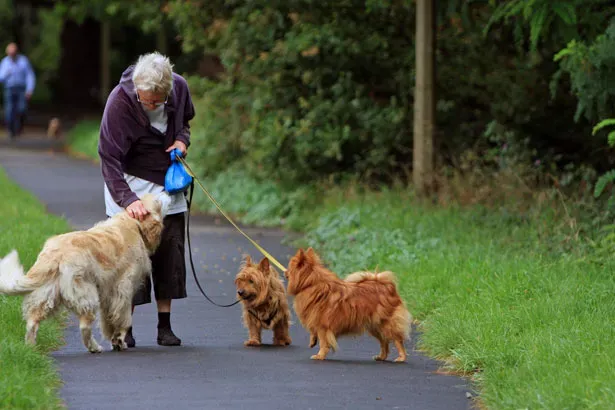
In human relationships, emotional responsibility goes in both directions. You care how they are doing, they care how you are doing, and each person influences the other’s mood. That reciprocity is beautiful, but it also adds weight. When you are hanging on by a thread, the idea of managing someone else’s feelings on top of your own can feel impossible.
With animals, the emotional responsibility is simpler and more one-sided: you make sure they are fed, safe, and cared for, and in return they just exist with you. They do not bring you complex emotional stories, family drama, or a list of needs they need you to process. That simplified dynamic means your brain can rest from juggling multiple emotional realities. In that sense, time with an animal is not an escape from responsibility, but a break from the most cognitively demanding kind of responsibility: other people’s inner worlds.
Animals Offer Acceptance Without Opinions, Advice, or Solutions
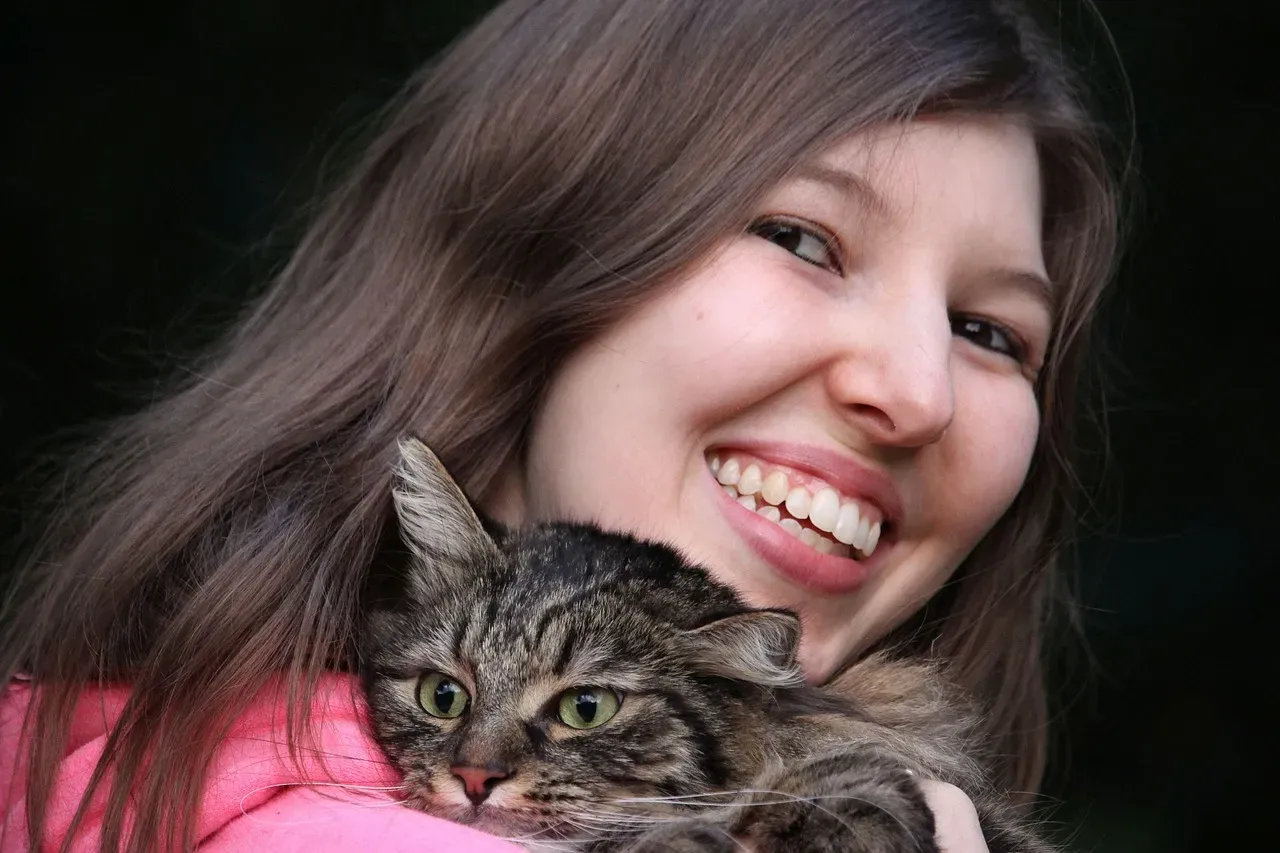
When you open up to another person, even a kind one, you often brace for something: advice, suggestions, a different take, maybe even subtle criticism. This is not always bad; honest feedback can be helpful. But in moments of overwhelm, your brain may not have the bandwidth to filter advice, negotiate disagreement, or integrate a new perspective. The very thing that might help you tomorrow can feel like an attack today.
An animal does not try to fix you. They do not analyze your behavior, challenge your narrative, or wonder whether you are overreacting. Their form of support is presence, not problem-solving. That kind of non-interfering companionship lets your own internal processing system come back online at its own pace. Your brain is no longer defending its story or managing someone else’s reaction; it is allowed to simply feel what it feels, which is often the first step toward genuine regulation.
Why This Matters: Animals Are Not a Replacement for People, but a Different Kind of Medicine

It is tempting to turn this into a simple story where animals are pure and people are stressful, but that would miss the point. Deep human connection, real conversations, and emotional intimacy are crucial for long-term mental health. However, the timing and the state of your nervous system matter. In the peak of overwhelm, your brain sometimes needs rest more than it needs insight, and animals are uniquely good at providing that rest because they require almost nothing from you emotionally.
In my own life, I have had days where talking to someone felt like trying to run a software update on a nearly dead battery – everything lagged and glitched. Sitting on the floor with a dog, though, felt like plugging into a slow, steady charger. The problems did not disappear, but my capacity to face them came back a little. That is the quiet, underrated power here: animals do not solve your life, but by giving your brain a break from emotional demands, they help you get strong enough to solve it yourself.
Conclusion: The Radical Relief of Being Needed Less
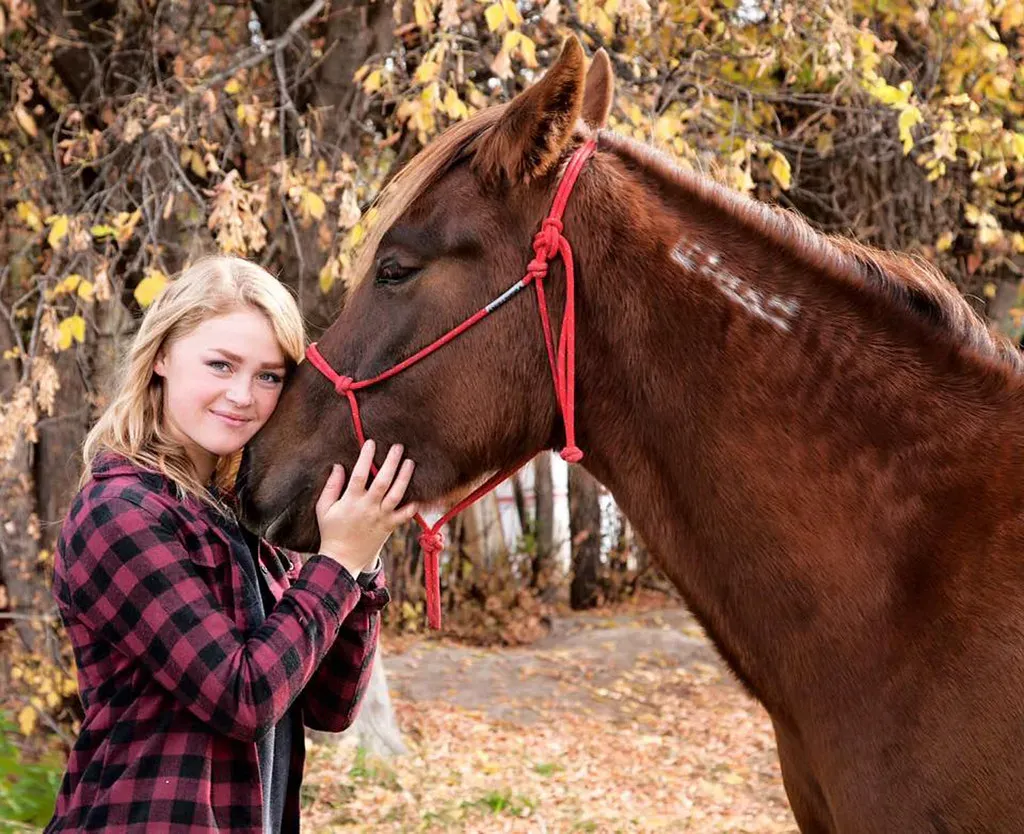
When psychology says animals help because they require nothing from you emotionally, it is really pointing to something bigger: most of us are drowning in demands, expectations, and invisible emotional work. In that context, the simple presence of a creature that just wants to exist near you is not trivial – it is radical. Your brain interprets that lack of demand as permission to rest, and in a culture obsessed with productivity and constant communication, that kind of rest is rare medicine.
So no, animals are not magic, and they do not replace therapists, partners, or friends. But in the moments when words feel heavy and people feel like too much, reaching for fur, feathers, or even the quiet motion of fish can be a deeply intelligent choice. It is your nervous system recognizing where it can finally stop performing and simply be. The real question is not whether animals help – your body already knows they do – but whether you will let yourself treat that simple, wordless comfort as a legitimate form of care.