
If you strip away the movie roar, the museum glass, and the dramatic documentaries, prehistoric life was just one long, brutal experiment in what works and what fails. You are here today because your ancestors, human and non-human, inherited the traits that actually kept them alive when the world was chaos. So if you had to pick a prehistoric apex predator as your spirit animal, you wouldn’t really be picking a mascot – you’d be picking a survival strategy.
As you read through these ancient heavyweights, don’t just think about teeth and claws. Think about mindset, habits, and the quiet advantages that never make the poster. You might discover you’re less like the obvious Tyrannosaurus and more like a stealthy mosasaur, or that your greatest strength is not aggression, but adaptability, patience, or even knowing when to back off.
The Tyrannosaurus rex: The Opportunistic Powerhouse
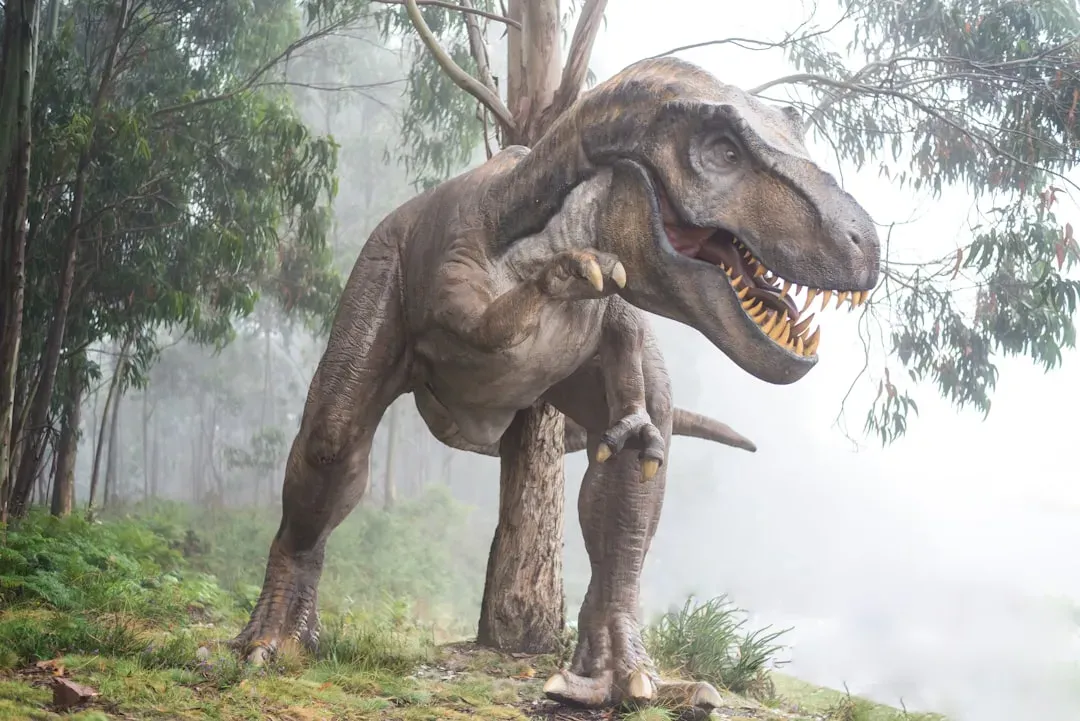
If your spirit animal is T. rex, you’re not just drawn to raw dominance; you thrive on efficiency and timing. T. rex had a bite force strong enough to crush bone, but it did not rely only on headline-grabbing strength – it likely scavenged when it could and hunted when it had to, making it more of a ruthless opportunist than a nonstop brawler. You might be the kind of person who steps in when the moment is right, not wasting your energy on every battle.
Survival for T. rex was about combining a massive body, keen senses, and a willingness to take advantage of any opening, whether that meant ambushing live prey or stealing someone else’s kill. If you relate to that, you probably survive by being strategic about where you invest your energy, hitting hard in the places that actually matter. You know that in a world full of noise, sheer power is only useful when you apply it with precision and patience.
The Velociraptor (and its real cousins): The Pack Tactician
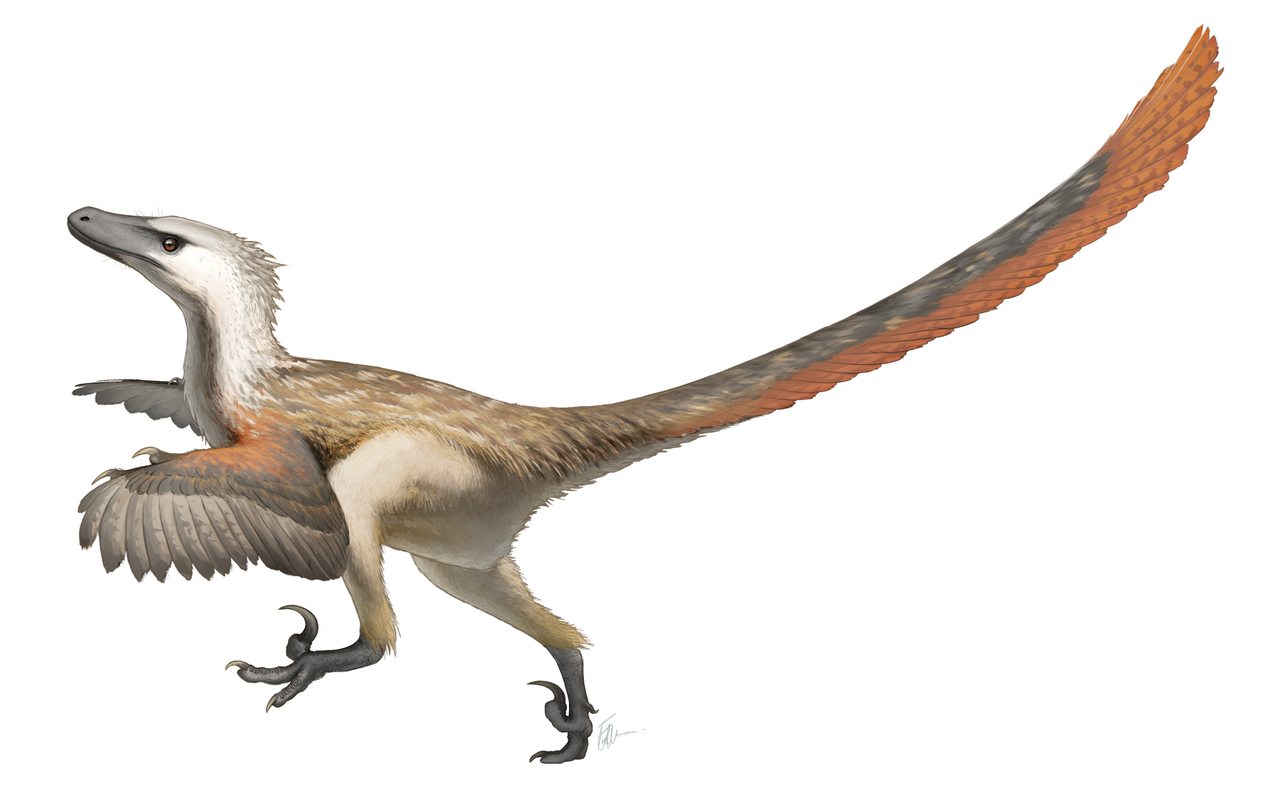
If you see yourself in raptor-like predators, your survival trait is brains plus teamwork rather than brute force. Real dromaeosaurids were closer to lean, agile hunters than the oversized movie monsters you’re used to, and they probably relied on speed, coordination, and sharp senses to take down prey bigger than themselves. You might be that person who survives by reading the room, organizing people, and using information as your main weapon.
These predators show you that being smaller is not a disadvantage when you’re clever and connected. If this is your spirit animal lane, you probably rely on collaboration and planning, not just going solo with a frontal attack. You find ways to exploit weakness, you notice details others miss, and you often succeed because you move quickly, communicate well, and refuse to underestimate the power of a well-timed group effort.
The Mosasaur: The Silent Deep-Water Ambusher
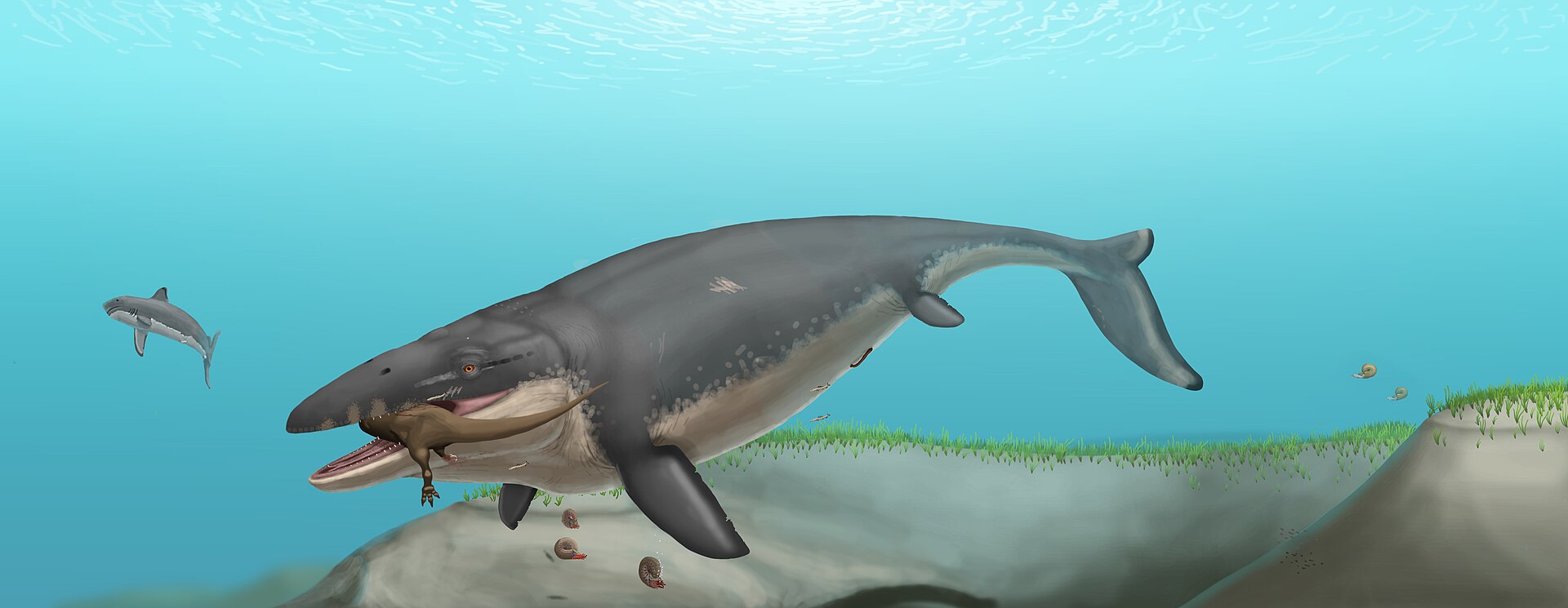
You might operate the same way in your own life – quiet, observant, and more dangerous than you look at first glance. Instead of constantly performing or asserting yourself, you gather information and wait for the moment when everyone else is distracted or unprepared. Your strength lies in patience, timing, and the ability to stay calm in deep, uncertain waters, using your environment instead of trying to overpower it.
The Smilodon (Sabertooth Cat): The High-Risk Specialist
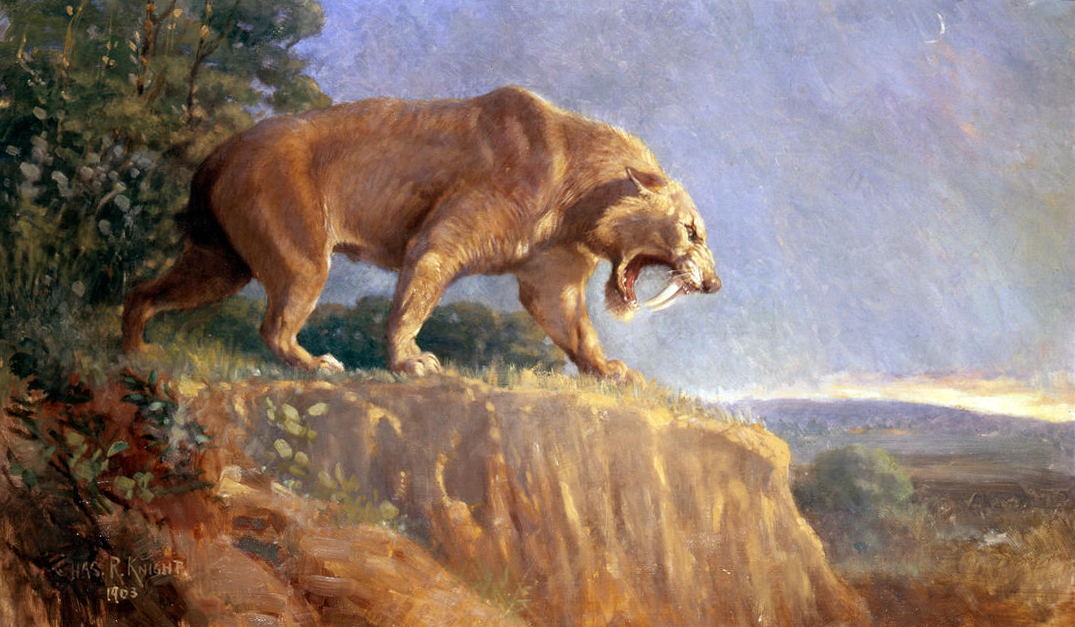
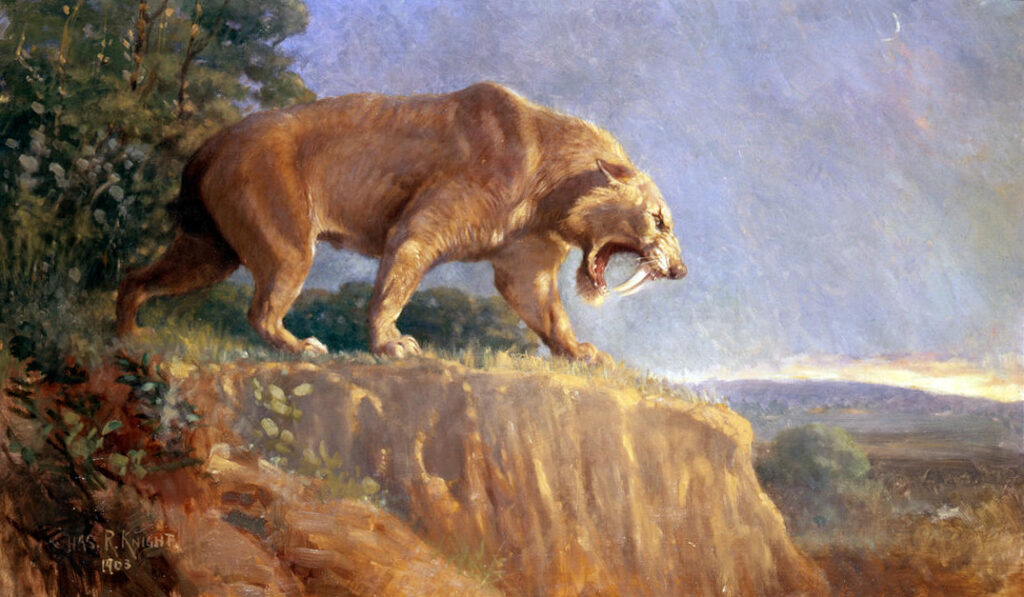
If your spirit animal leans toward sabertooth cats like Smilodon, your survival trait is the willingness to commit to a bold, high-risk strategy. Smilodon was not built like a marathon runner; it was stocky and muscular with long, fragile-looking canine teeth that were terrible for casual use but devastating in the right situation. This kind of animal likely depended on ambushes, grappling strength, and short bursts of power instead of long chases.
Maybe you live the same way: you do not do everything; you do a few things very intensely. You might be the person who takes on big, focused projects and then rests instead of constantly hustling at a low level. Your risk is that specialization can backfire when the environment changes, but your advantage is that when the right situation comes along, you can outperform almost everyone else by going all in where your strengths truly count.
The Spinosaurus: The Hybrid Specialist Between Worlds
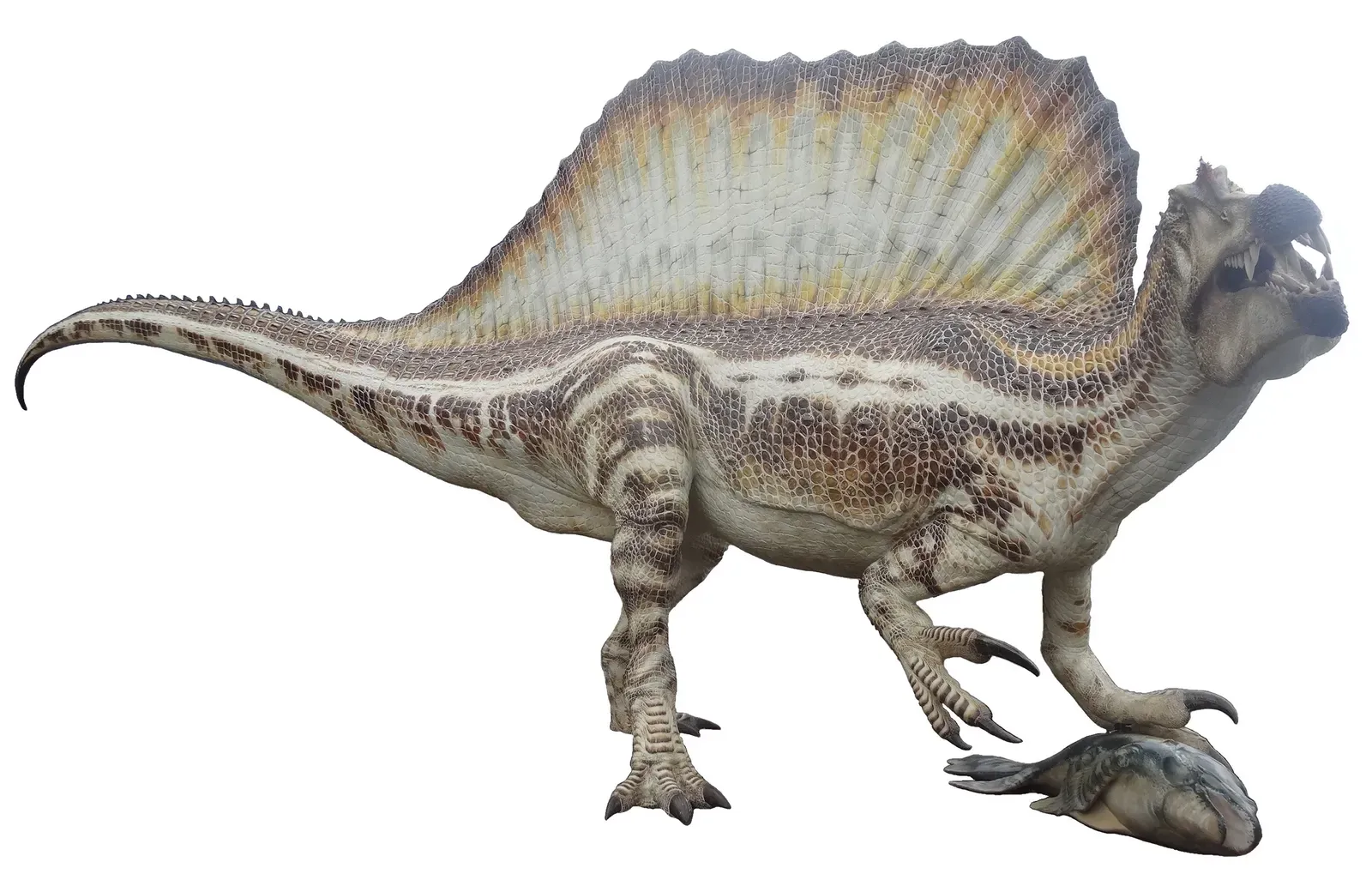
If Spinosaurus feels like your prehistoric mirror, your key survival trait is flexibility that still leans into a niche. Spinosaurus shows evidence of being at least semi-aquatic, with adaptations that suggest it spent a lot of time in and around water, likely hunting fish as well as other prey. It broke the standard big-theropod mold by occupying a lifestyle in between worlds – not just a land predator and not just an aquatic hunter.
You might thrive the same way by living between categories, jobs, or identities that most people see as separate. Instead of picking one lane forever, you mix skills and environments, turning what looks like “not fitting anywhere” into a survival superpower. You can navigate different social groups, professional fields, or cultures, and in a crisis, you’re the one who can cross boundaries and pull solutions from multiple directions at once.
The Megalodon: The Long-Game Dominator
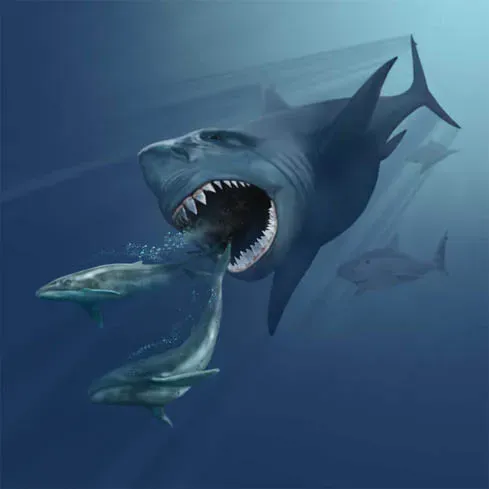
If Megalodon is your spirit predator, your survival edge is long-term dominance rather than short-lived flashes of success. This giant prehistoric shark likely sat near the very top of its food chain, preying on large marine animals and roaming vast stretches of ocean. To survive that high up, it needed not only size and strength, but also an efficient body, keen senses, and the ability to find enough food across huge distances.
You might operate with a similar instinct for the long game, thinking in years instead of days. You do not burn yourself out on every opportunity; you choose targets that justify the effort. Instead of reacting to every small wave in your life, you ride the bigger currents, building habits and systems that keep you strong over time. For you, survival is not about winning a single clash – it is about staying powerful, stable, and resourced for as long as possible.
The Deinosuchus and Ancient Crocodilians: The Patient Survivors
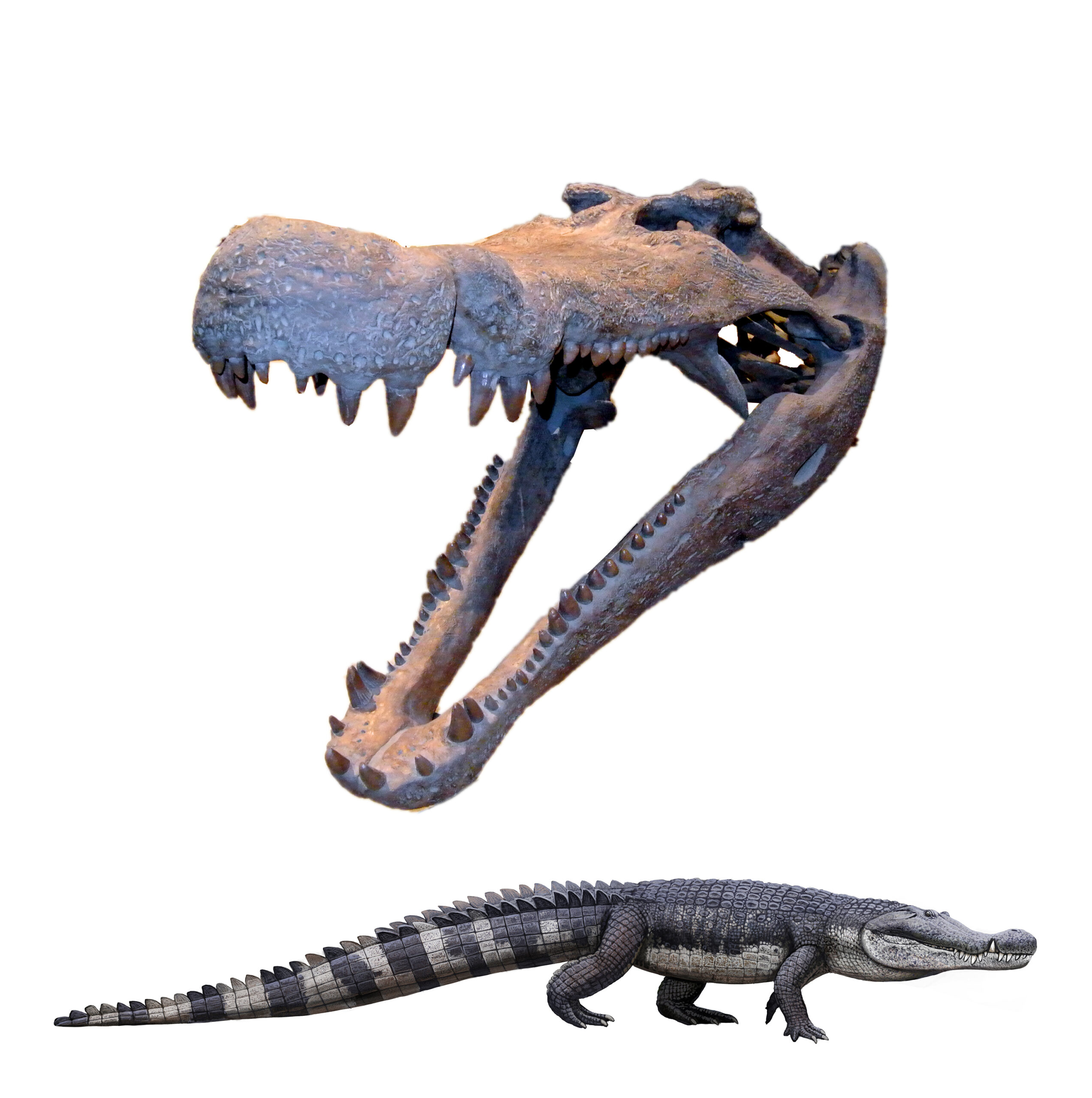
If your spirit animal is closer to the giant prehistoric crocodilians, your survival trait is patience and low-cost persistence. Massive croc-like predators such as Deinosuchus did not chase their prey across open lands; they waited, half-hidden in water, and exploded into action only when the odds were already in their favor. Their basic body plan is so effective that modern crocodiles still look and live in ways that echo their ancient relatives.
You might survive the same way by conserving your energy and staying ready instead of always being in motion. You watch, you wait, and you act decisively when a clear opportunity passes within reach. You are less interested in showing off and more interested in outcomes, even if it means staying under the radar. Your power lies in being hard to shake, hard to exhaust, and almost impossible to get rid of once you have locked onto something that matters.
The Troodontid-Type Dinosaurs: The Adaptable Problem Solvers
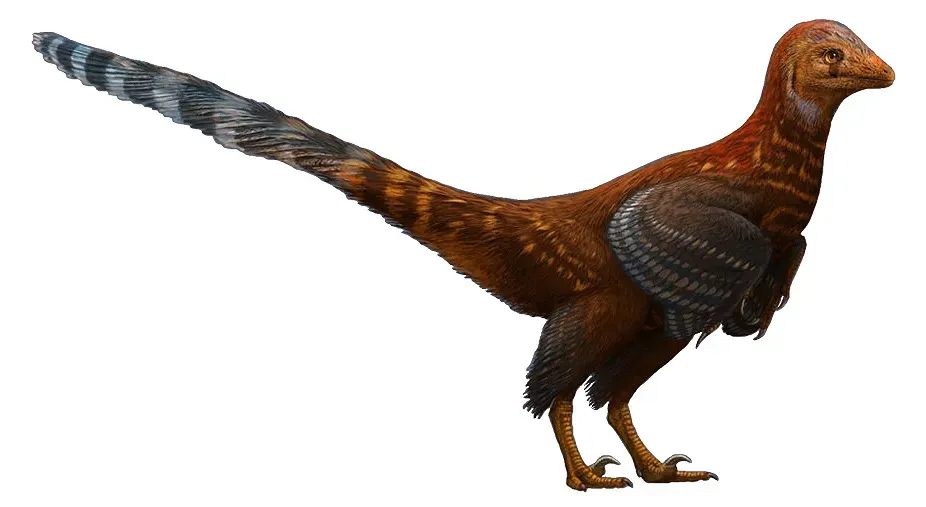
If you feel aligned with smaller, intelligent predators like troodontids, your core survival trait is adaptability backed by quick learning. These dinosaurs had relatively large brains for their body size and likely relied more on awareness, agility, and experimentation than on raw force. They may not have ruled the food chain, but their strategy hints at the kind of behavior that would eventually favor the rise of birds and, much later, you.
You probably face life by probing, testing, and adjusting instead of doubling down on a single rigid plan. You notice patterns, change tactics quickly, and treat failures as information instead of disasters. In a world where environments shift constantly, your advantage is not that you are the biggest or the toughest, but that you are the one who can reinvent yourself the fastest when the rules change without warning.
What Your Prehistoric Spirit Predator Really Says About You
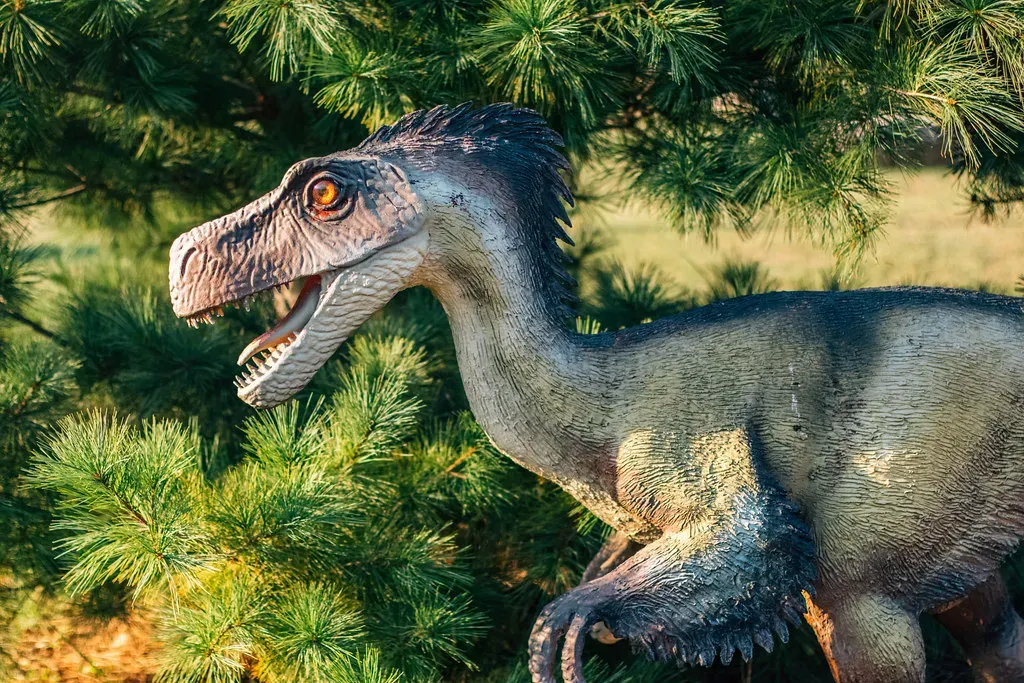
When you look past the teeth and claws, each of these prehistoric apex predators represents a different way of solving the same ancient problem: how to stay alive in a world that does not care if you make it. If you see yourself in T. rex, you may rely on well-timed power; if you lean toward raptors, you might trust your brain and your allies more than your muscles. If you resonate with mosasaurs or Deinosuchus, your edge might be patience and the ability to endure when others burn out.
The key is not to ask which animal looks the coolest, but which survival trait you actually use in your everyday life. Are you the ambusher, the strategist, the long-distance hunter, or the quiet survivor who outlasts everyone else? In the end, your real spirit predator is the one whose strategy you are already living, even if you never realized it had ancient roots. So, now that you have met them, which one feels uncomfortably familiar?