

You probably imagine the deep ocean as a place of pure, eerie quiet – a kind of endless, blue-black library where nothing dares to make a sound. That picture is powerful, but it is also misleading. Once you start listening with the right tools, you find that the deep sea is more like a dimly lit train station at night: not crowded, but never completely still, and never truly silent. As you dive into what scientists have actually recorded far below the waves, you discover a hidden soundtrack made of earthquakes, storms, animals, and even your own species. When you understand that sound is often the only way anything can sense anything down there, the idea of a silent abyss stops making sense. The deep ocean is talking all the time – you just have to learn how to hear it.
The Myth of an Underwater Void
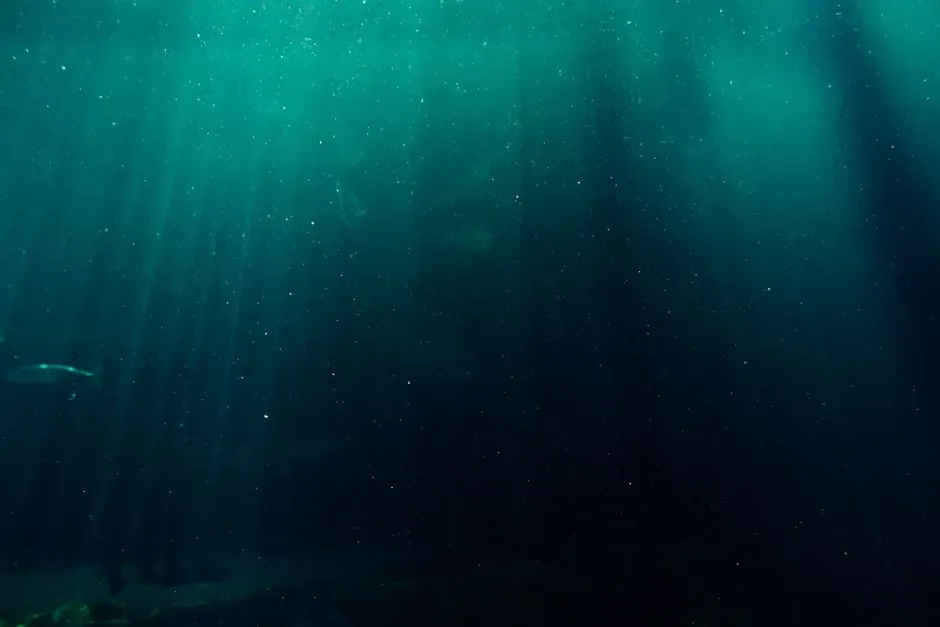
If you grew up with nature documentaries that show a lone submersible drifting through empty blue, it makes sense that you’d picture the deep as a quiet void. Light barely reaches below a few hundred meters, and by the time you get to the abyssal plains, your eyes would be almost completely useless. That darkness tricks your brain into assuming that what you cannot see must also be what you cannot hear. But sound travels very differently than light in seawater. Once a noise is created, it can travel hundreds, sometimes thousands, of kilometers, especially in deep sound channels where temperature and pressure bend sound waves and help them go farther. So while your eyes would tell you that the deep sea is empty, your ears – if they were tuned like an oceanographer’s hydrophone – would tell you it is full of distant rumbles, clicks, and hums drifting in from far away.
How Sound Moves Through the Ocean

To make sense of why the deep ocean is so full of sound, you need to understand how well sound moves through water. In seawater, sound travels more than four times faster than it does in air, and it loses less energy as it goes. It is as if the ocean is designed to carry noise, the way a cathedral carries a whisper from one end to the other. At certain depths, roughly a kilometer down in many regions, you find what scientists call a sound channel, where sound waves bend back toward the middle instead of escaping upward or downward. If a sound enters this layer, it can get trapped and travel astonishing distances, turning the deep ocean into a natural acoustic highway. That means a single distant storm, ship, or whale can be heard far away, adding to the constant background you would pick up if you could listen from the deep.
Earthquakes, Volcanoes, and the Planet’s Pulse
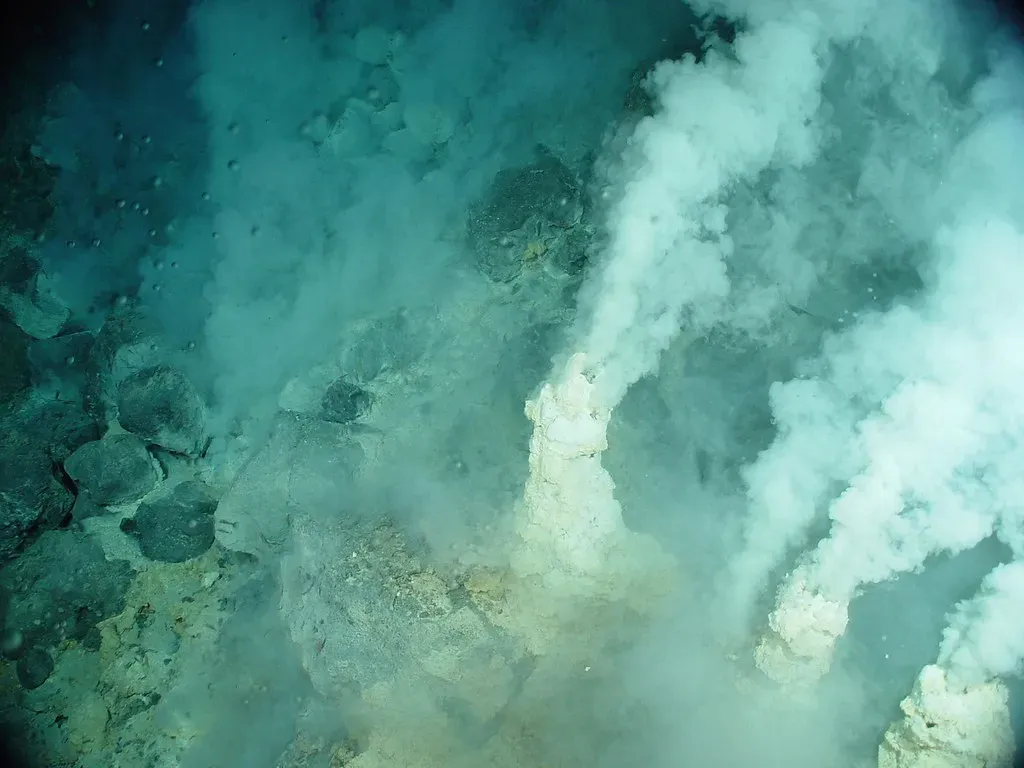
You might not think of the seafloor as noisy, but it never truly rests. Under the ocean, tectonic plates grind, slip, and occasionally jolt past each other, sending out low-frequency rumbles that roll through the water column. If you were listening with sensitive instruments, you would hear these seismic sounds as a kind of slow, distant thunder that never completely stops. Underwater volcanoes add another layer to this soundtrack. When magma moves, gas bubbles burst, or lava meets cold seawater, you get pops, hisses, and booms that can echo across large regions. You may never see a submarine eruption with your own eyes, but the ocean hears it, folds it into the background hum, and carries those signals across basins in a kind of planetary heartbeat.
Storms and Ice: Weather You Can Hear from the Abyss
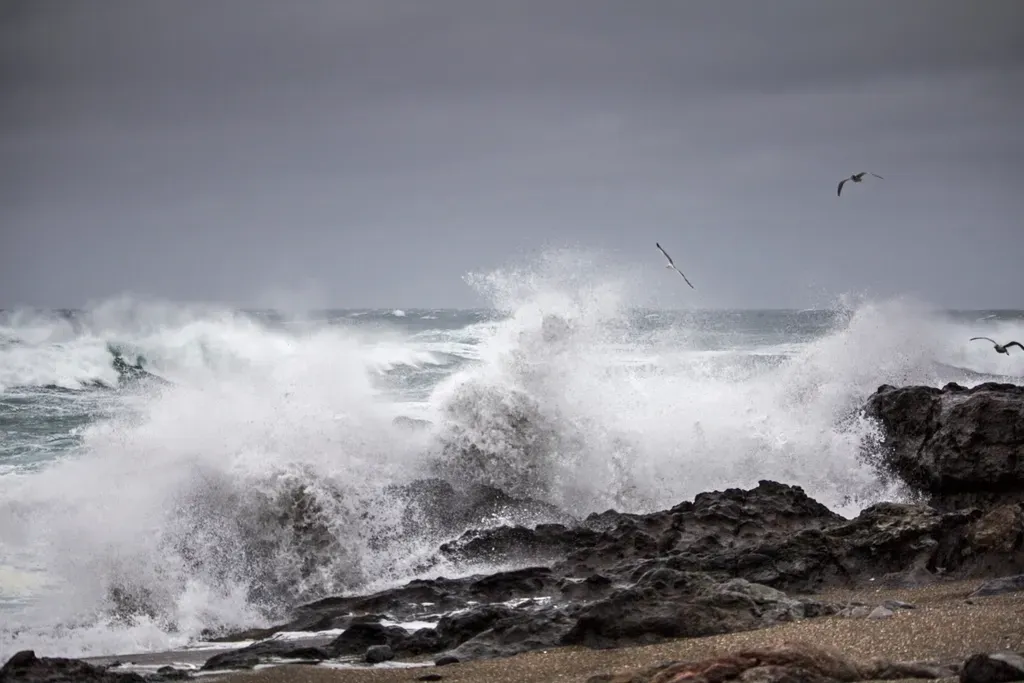
Even when you are thousands of meters below the surface, you are still connected to the weather overhead. Powerful storms whip up waves that crash and bubble, and those bubbly surfaces create high-frequency noise that trickles down into the deep. To a hydrophone, a passing storm sounds like a long burst of static, slowly rising and falling as the weather system moves on. In colder regions, you can even listen to ice. When glaciers calve into the sea, ice cracks, grinds, and explodes into smaller pieces, creating sharp, sudden sounds that can be picked up far away. Sea ice can groan and creak as it shifts, sending eerie noises through the water that reach down to the abyss, reminding you that even frozen landscapes have a voice beneath the waves.
Whales, Fish, and Life in the Dark
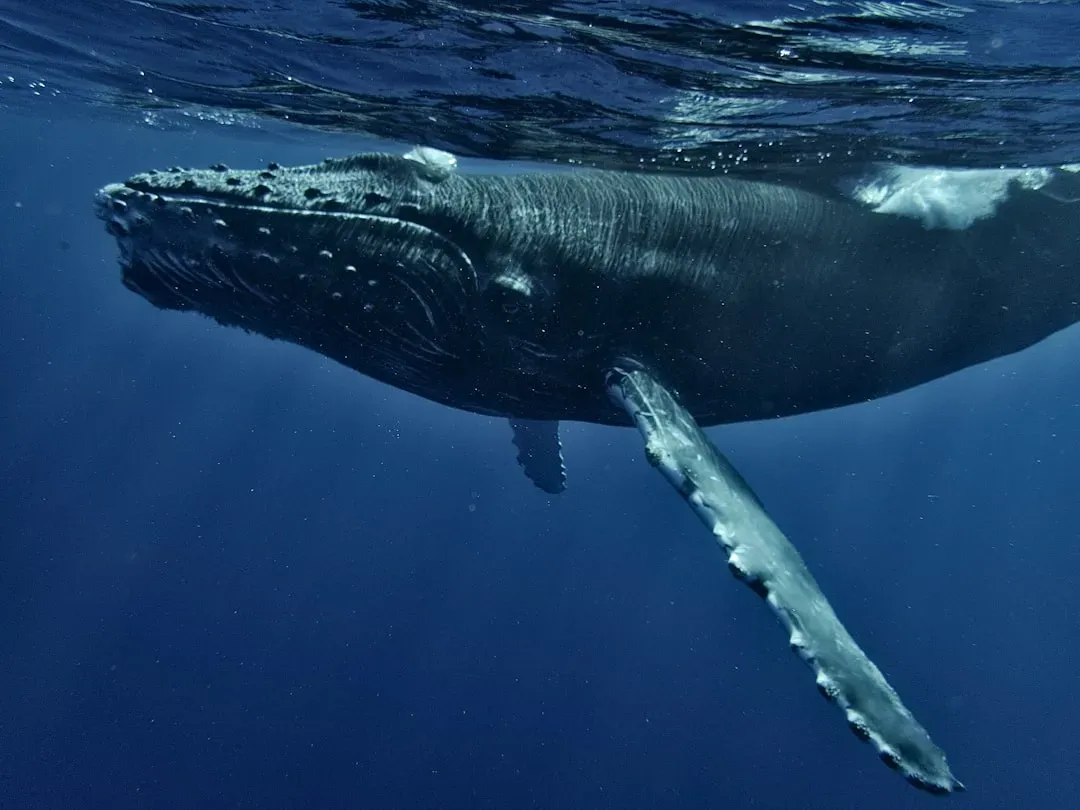
If you think of the ocean’s soundscape as an orchestra, whales are some of the most powerful instruments. Their low-frequency calls can travel huge distances, sometimes spanning ocean basins, especially when they slip into those deep sound channels. If you could listen from a quiet point in the deep, you might hear calls from animals you will never see, passing like distant foghorns in the dark. Smaller creatures add their own textures. Many fish make grunts, knocks, or drumming sounds using special muscles or their swim bladders, and deep-sea species are no exception. Crustaceans snap, crackle, and scrape, creating a kind of biological static that fills in the gaps between louder events. Once you accept that sound is often the only reliable sense in the dark, it makes perfect sense that so many deep-sea animals have evolved to contribute to – and listen in on – this constant underwater conversation.
Human Noise Reaches Farther Than You Think

You might hope that the deepest parts of the ocean are still untouched by us, but when it comes to sound, your species has already arrived. Shipping traffic creates a nearly continuous low-frequency hum in many parts of the world’s oceans, and because those sounds travel so well, they can leak down into the deep. Even when you are imagining an untouched abyss, the faint drone of distant engines may be there in the background. On top of that, there are louder, more abrupt noises from things like seismic surveys, military sonar, and industrial activities. These sounds can be intense enough to interfere with how marine animals communicate, navigate, or find food, especially if those animals rely heavily on sound. Even far from the surface, life in the deep is now forced to share its ancient soundscape with new, artificial voices it never had to deal with before.
Listening With Hydrophones: How You Actually Know
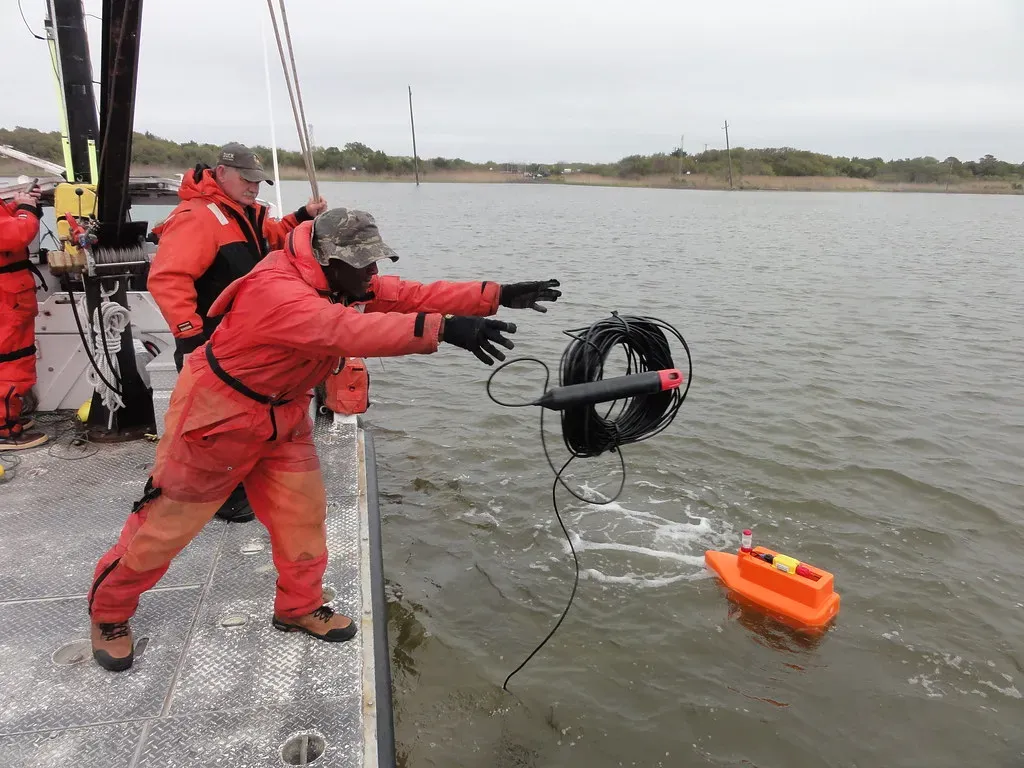
To hear this hidden world for yourself, you would need hydrophones – underwater microphones that can pick up vibrations your ears would miss. Ocean scientists lower them from ships, anchor them to the seafloor, or build them into long-term observatories that sit in the dark and listen for months or years. The recordings they bring back rarely contain silence; instead, you get layers of overlapping sounds that tell a story about everything happening above, below, and far away. When you visualize these recordings as spectrograms – pictures of sound over time and frequency – patterns jump out. You can see the streak of a passing ship, the burst of an earthquake, the steady hiss of waves, and the repeating songs of whales, all stacked on top of each other. Once you have seen and heard those patterns, it becomes impossible to think of the deep sea as mute. It is more like a crowded radio band, where you are just learning which station to tune into.
Why the Deep Needs Sound More Than Light

If you were a deep-sea animal, you would not bother much with eyesight; there is barely any light to work with. Instead, you would lean on sound because it travels far, works in the dark, and can carry detailed information about who is out there and what they are doing. Every call, click, or rumble becomes a way to map your world, even if you never see the source directly. This makes the deep ocean’s constant noise not just a curiosity, but a survival tool. When you hear a distant whale, a school of fish, or even the approach of a storm, you are getting clues you need to feed, migrate, or avoid danger. So the lack of silence is not a flaw; it is a feature. The deep ocean needs sound the way a forest needs wind and birdsong to feel alive.
Rethinking Silence: What “Quiet” Really Means Underwater

When ocean scientists talk about a quiet place in the sea, they rarely mean it is actually silent. They usually mean there is less human-made noise, or fewer loud events, so you can hear the subtler, natural background more clearly. Even in these so-called quiet spots, you still have low rumbles from distant earthquakes, gentle hiss from far-off waves, and faint calls from animals you will never see. For you, the idea that can be oddly comforting. Instead of picturing a cold, lifeless desert, you can imagine a vast, dark world that is always humming, whispering, and cracking with energy. The next time you stand on a beach and listen to the waves, you can remember that far below your feet, the ocean is having its own constant conversation, one your ears were never built to hear.
Conclusion: Learning to Listen to the Hidden Ocean

Once you accept that , you start to see the ocean in a new way. It becomes less of a distant, empty space and more of a living, sounding body that is always in motion, always in dialogue with itself. You realize that sound is not just background noise; it is how the ocean keeps time, tells stories, and connects distant places through invisible waves. As you go about your life on land, you might never hear a submarine earthquake or the low song of a whale echoing through a deep sound channel. But they are happening anyway, right now, beneath every calm horizon you see. The real question is not whether the deep ocean is silent, but whether you are finally ready to imagine what it would be like to listen in. Would you have guessed that the quietest place you can picture is actually one of the most endlessly noisy?