
You do not expect to walk through a Kansas cornfield and stumble on the remains of a shark that died tens of millions of years ago. Yet that is exactly what has happened again and again across the state. If that sounds almost absurd – a sea predator buried under Midwestern soil – it is only because you are seeing Kansas as it is today, not as it once was. When you learn what Kansas used to look like, those strange fossils start to feel less like a mystery and more like a time machine. You are really looking at the floor of a long-vanished ocean, preserved under your feet and quietly revealed by farmers’ plows and eroding hillsides. Once you see it that way, a shark tooth in a corn row suddenly makes perfect sense.
You’re Standing on the Bottom of an Ancient Inland Sea
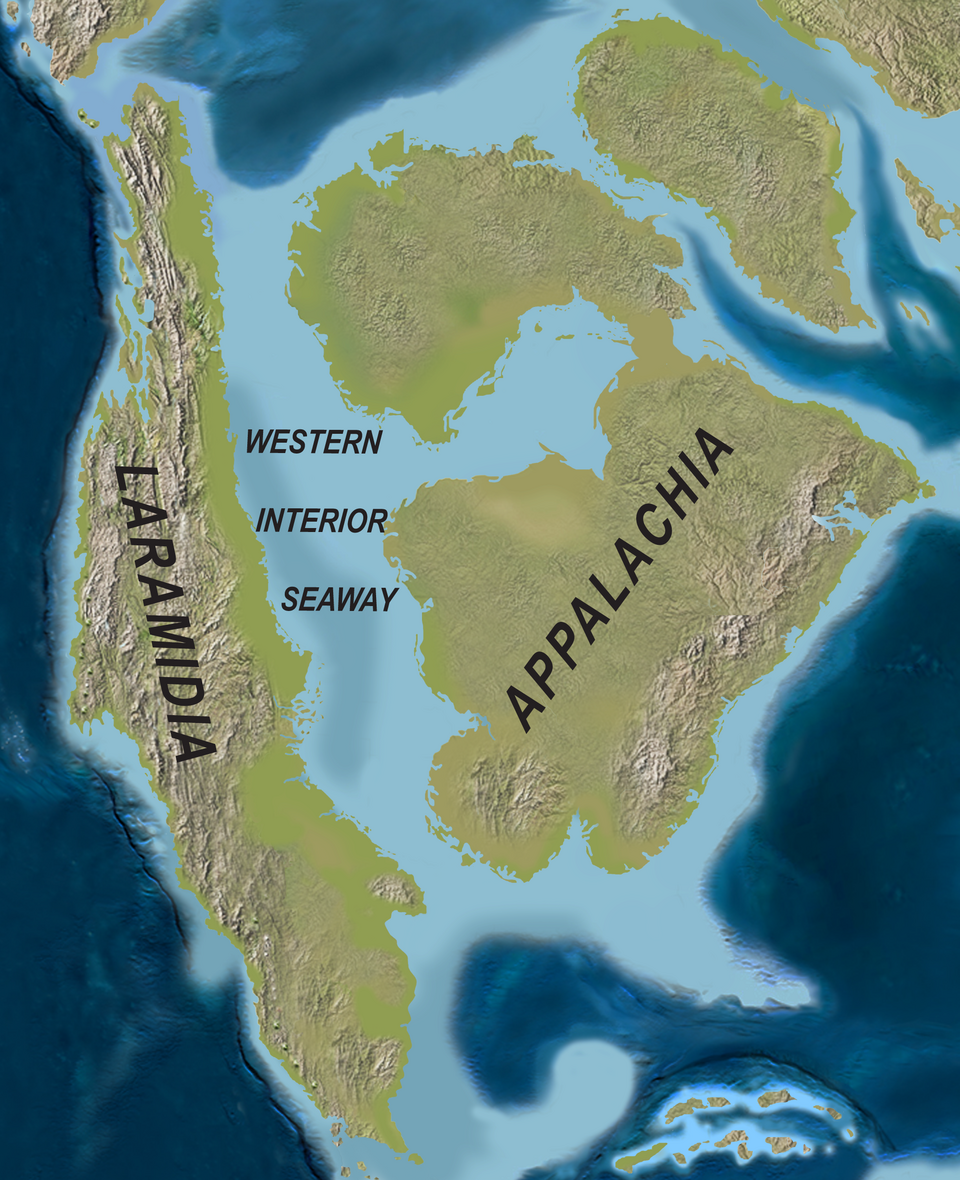
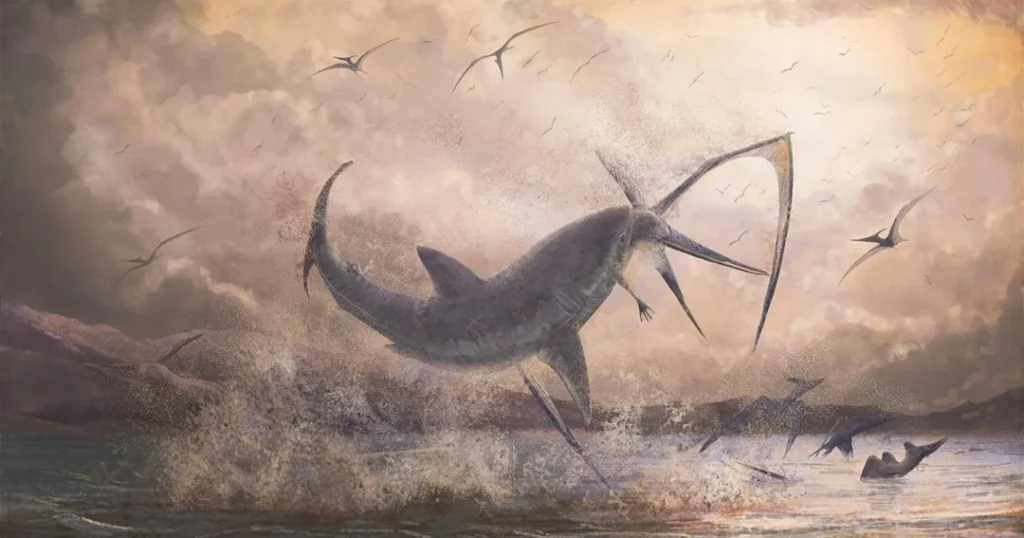
If you could rewind time about eighty to one hundred million years and drop yourself where Kansas sits today, you would not see amber waves of grain. You would be treading water in the Western Interior Seaway, a warm, shallow inland ocean that sliced North America into two landmasses. Where you now drive past grain silos and feedlots, you would instead be watching sharks, mosasaurs, and giant fish cruising over your head. As sediments rained down to the seafloor – tiny shells, mud, and the remains of dead organisms – they slowly built up thick layers of chalky deposits. Over millions of years, those sediments hardened into rock, like pages in a book recording everything that lived and died there. When you walk across a plowed Kansas field today, you are really walking across the top of that book, with shark remains sealed inside the pages just below the soil.
Why Sharks Loved This Long-Gone Kansas “Beachfront”
You might picture sharks as strictly ocean hunters prowling deep blue water, but the Western Interior Seaway was more like a gigantic tropical bay. It was shallow in many places, relatively warm, and packed with life – from schools of fish to squid-like animals to marine reptiles. That kind of environment is a buffet line if you are a shark, which is exactly why so many species thrived there. Imagine long sandbars, underwater shelves, and changing shorelines, all perfect for attracting prey. Sharks used these zones like modern sharks use coastal reefs and banks, cruising along edges where food is concentrated. Every time a shark died, lost a tooth, or had its remains scavenged, some of that material settled to the seafloor. Over countless generations, those tiny events stacked up into the fossil-rich layers you now unknowingly plant corn on.
From Seafloor Mud to Farm Soil: How Sharks Turned to Stone
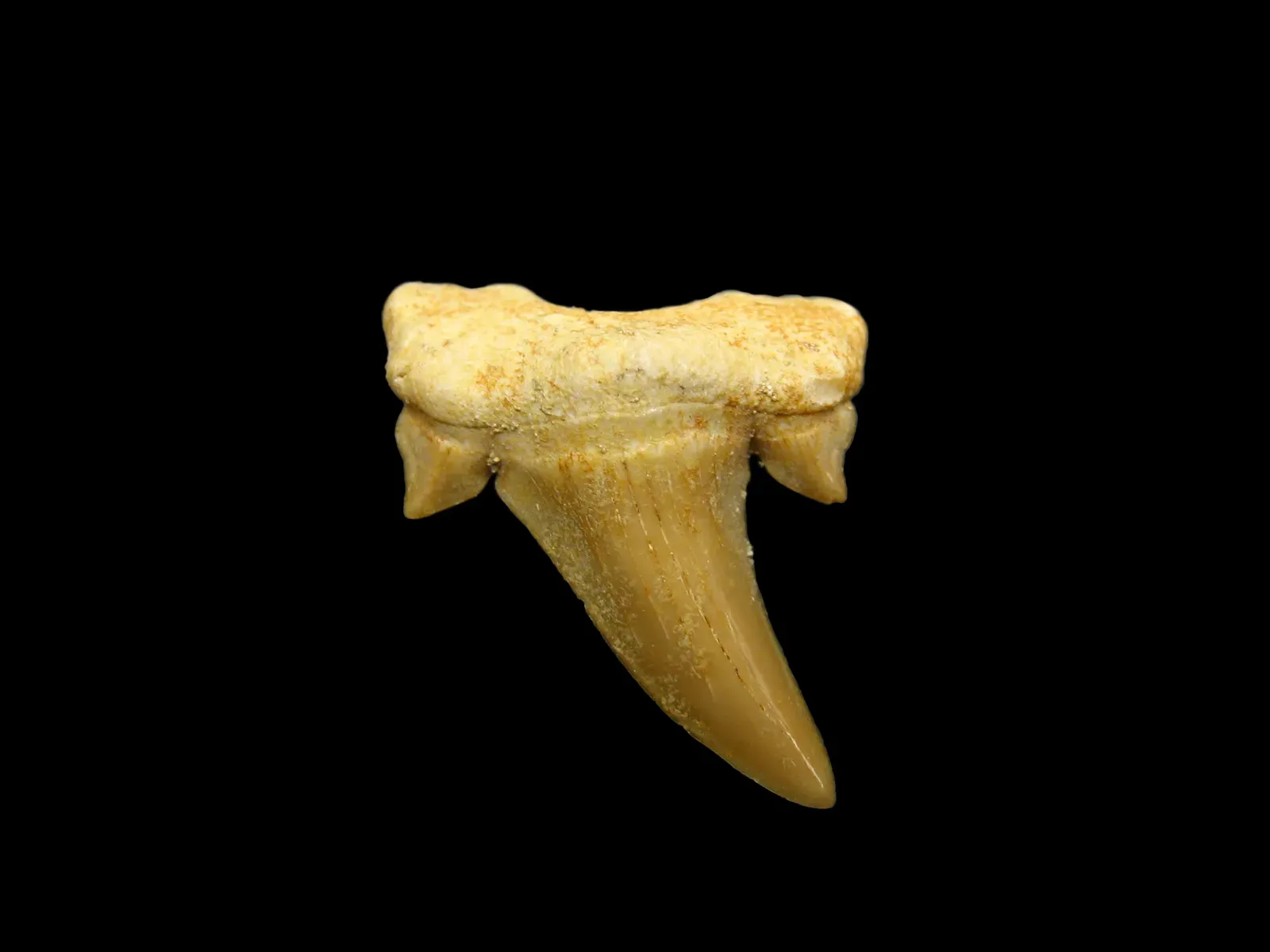
The leap from a dead shark sinking in seawater to you holding a fossil in your hand is not obvious, so you have to imagine the process step by step. When a shark died, most of its soft body decayed or was eaten, but hard parts like teeth and bits of cartilage had a better chance of getting buried in soft seafloor mud. Once they were buried quickly enough, oxygen could not easily reach them, slowing decay and offering a shot at long-term preservation. Over time, mineral-rich water seeped through those sediments. Minerals gradually replaced the original material or filled in the tiny spaces within it, turning the remains into rock. Meanwhile, more and more sediment piled on top, compressing the layers underneath into solid rock. When you find a shark tooth or a fin spine in Kansas, you are not just picking up a bone; you are lifting a piece of rock that has faithfully kept the shape and structure of something that once swam through a prehistoric sea.
Why Cornfields Are Perfect Places to Spot Fossils
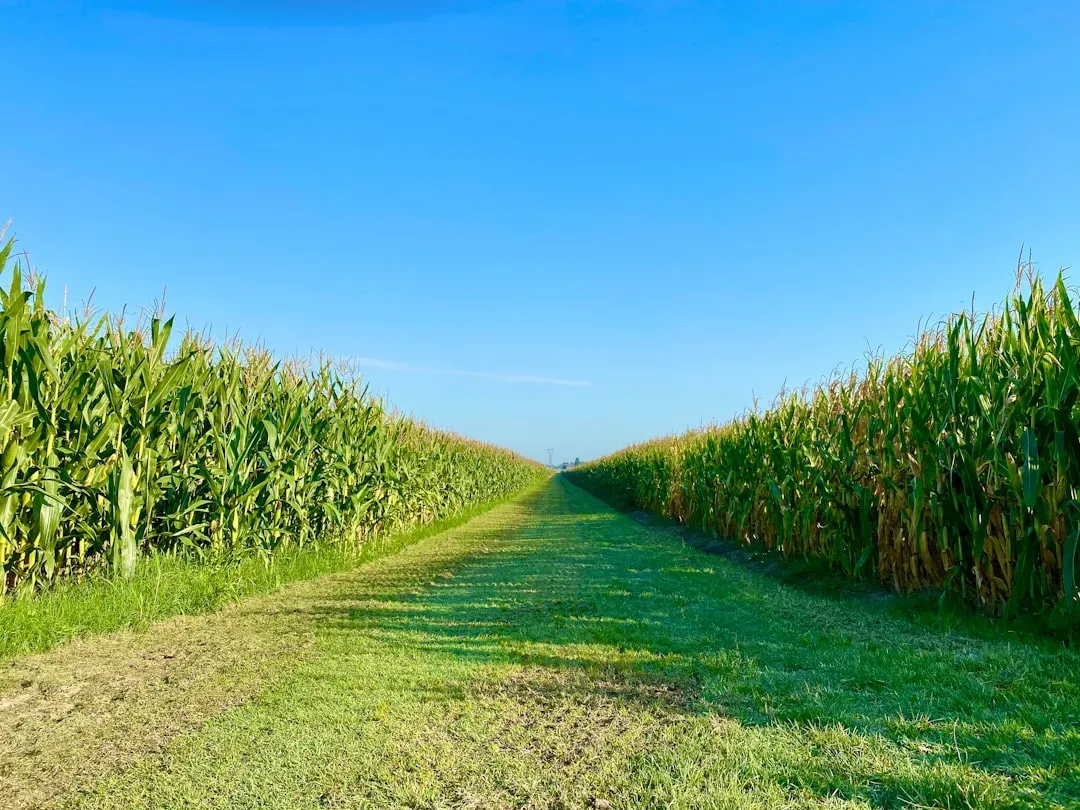
You might wonder why you hear so many stories about shark fossils from farm fields instead of untouched prairie. The answer is simple: farming disturbs the ground. When fields are plowed, tilled, or terraced, the upper layer of soil is turned over and mixed, exposing rocks that might have been hidden just a few inches down. That gives fossils a chance to work their way to the surface where you can see them. Rain, wind, and erosion do the rest, washing away looser soil and leaving harder fossil pieces behind. If a fragment of shark tooth is slightly denser than the surrounding material, it can linger at the surface a little longer. So when you or a farmer walk a field after a rain, those strange, glossy shapes in the dirt are often the survivors of that slow, natural sorting process – tiny remnants of sharks that have waited ages for someone to notice them.
Reading the Chalk: Kansas Rock Layers as a Shark Archive
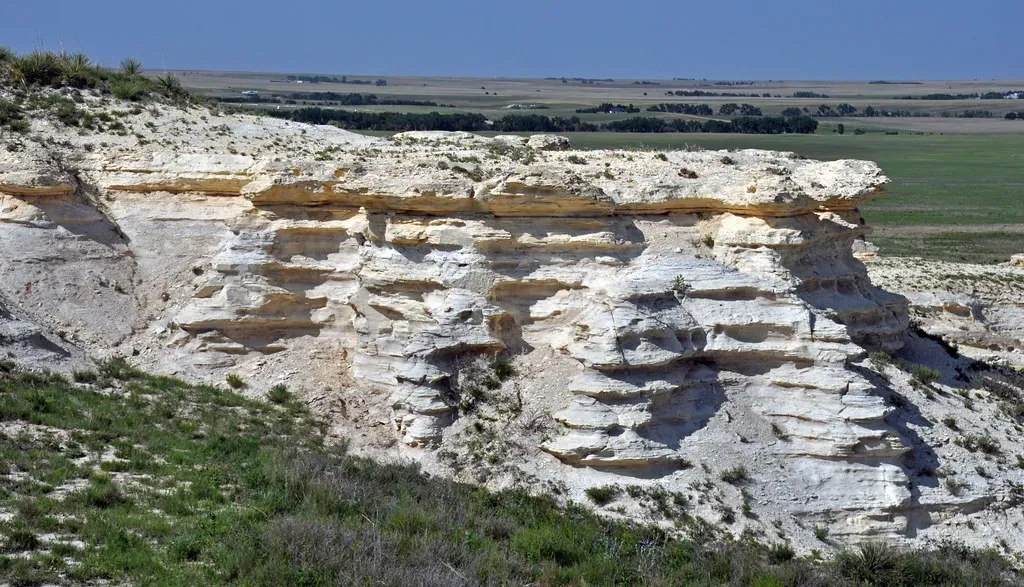
If you head to certain parts of western and central Kansas, you find striking white cliffs and bluffs made of soft chalk and limestone. These rock layers were originally seafloor mud, rich with microscopic shells and scattered larger fossils. Within those layers, you can trace different shark species and even changes in their abundance over time, almost like reading a family history carved into stone. When similar rocks lie just under a cornfield, the same fossil record is hidden there too. As geologists map these rock units, they can tell you which formations are particularly famous for yielding shark remains. When those formations sit near the surface beneath farmland, every erosion event and every pass of a plow becomes a fossil-revealing tool. Without realizing it, you might be driving your tractor over a layer that has preserved shark teeth, fish bones, and other fossil treasures in astonishing detail.
How Kansas Drifted from Ocean Floor to Heartland
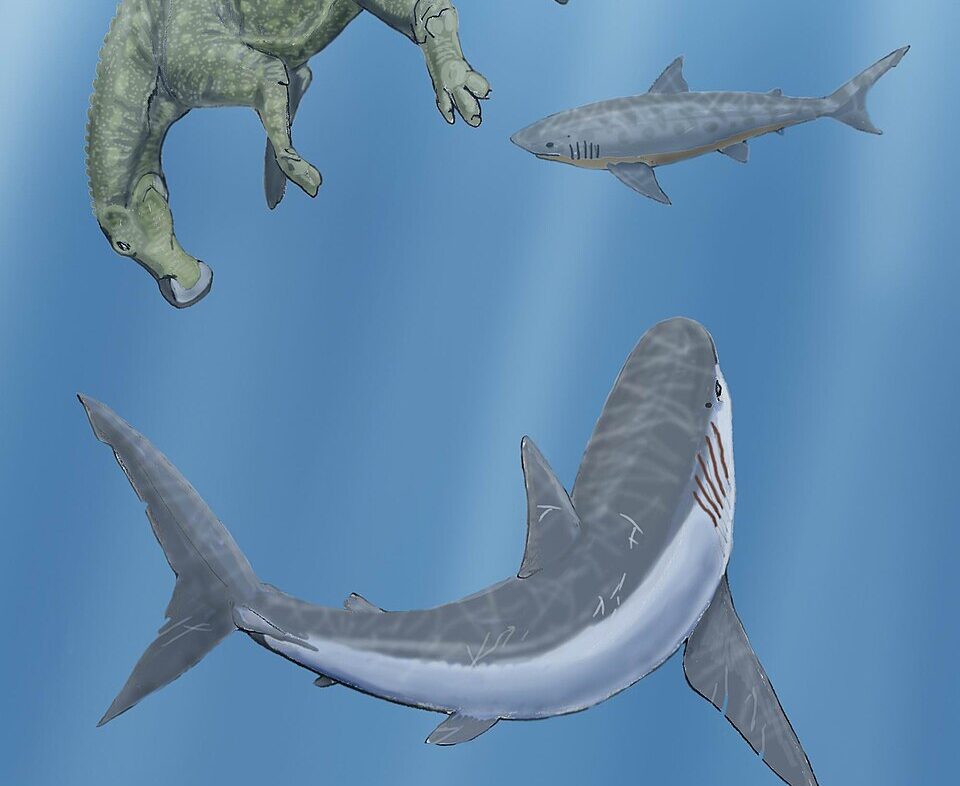
Kansas did not magically pop from seabed to dry land overnight. Over millions of years, global sea levels changed, and the continent itself slowly rose and shifted. As the Western Interior Seaway retreated and finally disappeared, what used to be ocean floor became low-lying land, then plains, then eventually the patchwork of farms and towns you recognize now. You can think of it like draining an enormous, shallow bathtub and then waiting long enough for grass and people to move in. Once exposed, the former seafloor rocks started to weather and break down into soil. That soil turned out to be pretty good for agriculture in many regions, which is why you see so much farmland there today. When you realize your corn, wheat, or soybeans are growing in what is basically reworked marine sediment, packed with microscopic sea life and the occasional shark fossil, Kansas starts to feel more like a secret coastline that time forgot.
What Finding a Shark Fossil in Your Field Really Tells You
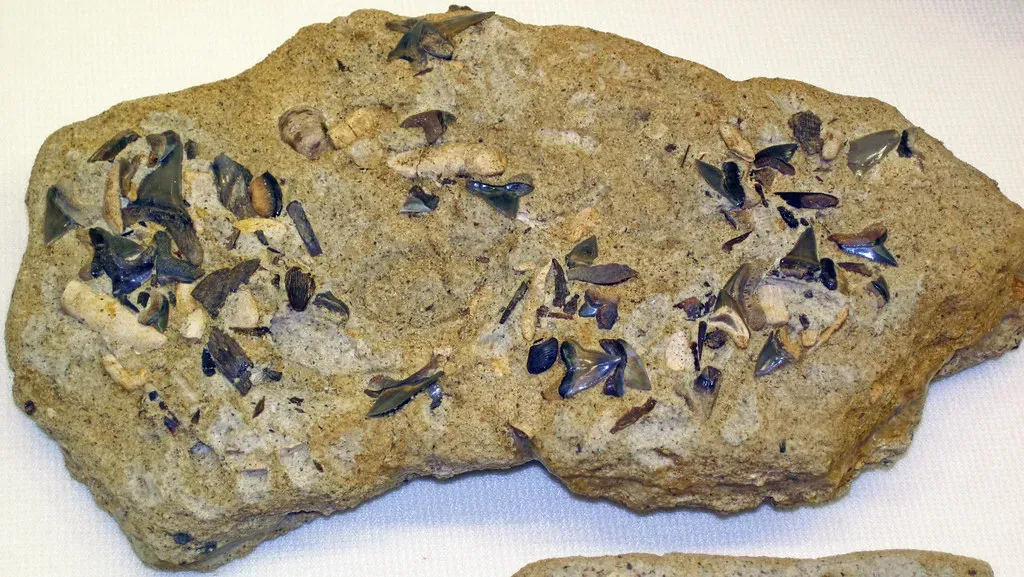
When you pick up a shark tooth in a Kansas field, you are not just finding a random curiosity; you are holding hard evidence that your land once lay beneath an ancient sea. It confirms that sharks hunted where grain bins now stand, and that long before fences and tractors, this place was part of a sprawling marine world. That small fossil pulls you out of the narrow slice of time you live in and forces you to zoom out to a planet-scale timeline. If you allow yourself a moment to feel it, the discovery can be strangely emotional. Your familiar field becomes part of a deep, wild story that stretches far beyond your lifetime or even human history. That little fossil is a reminder that landscapes change, climates shift, and oceans come and go – yet traces of those worlds remain under your boots, waiting for someone like you to notice.
How You Can Spot and Respect Fossils on Your Own Land
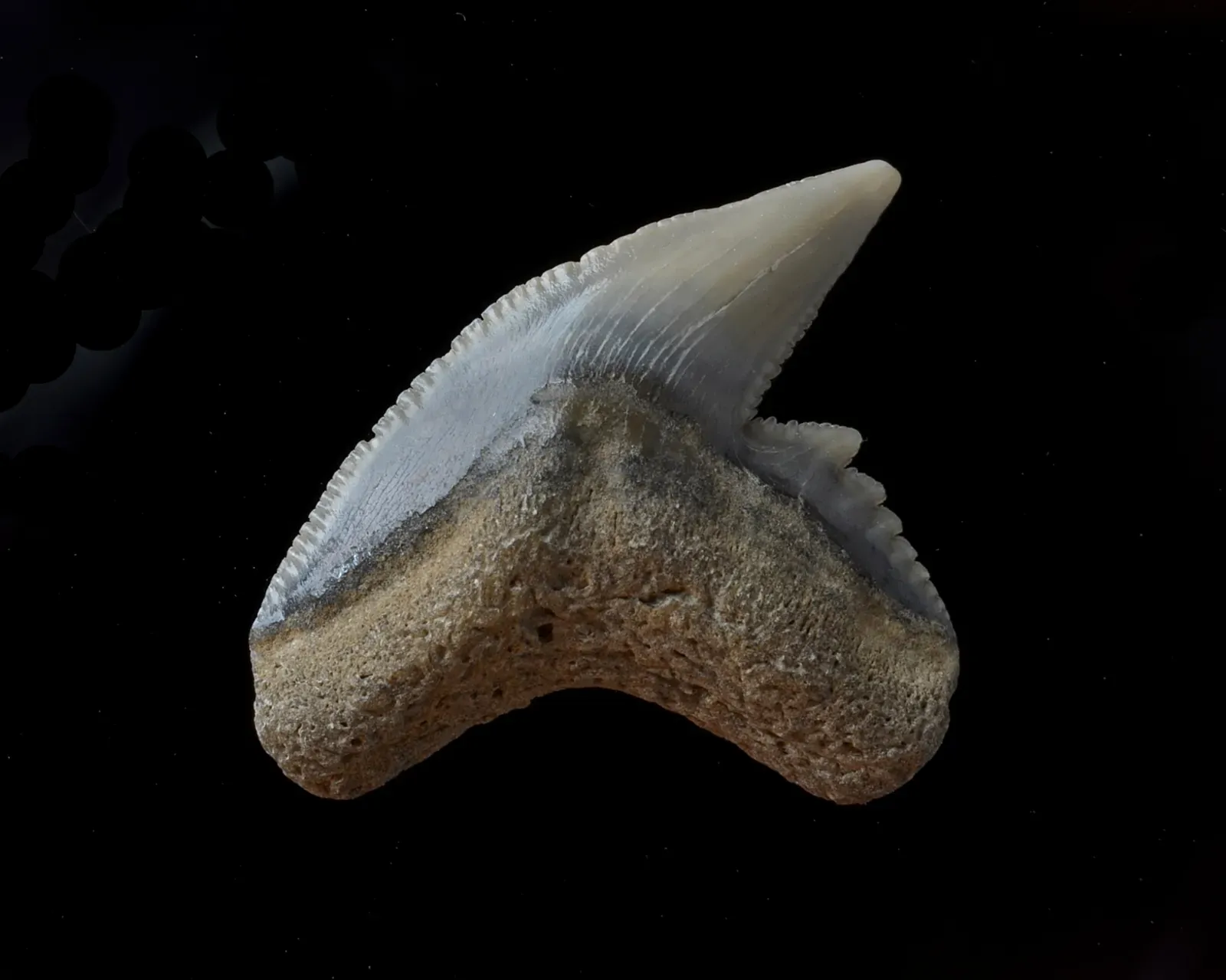
If you walk your fields or local backroads with this ancient-sea picture in mind, you can start training your eye to find fossils more often. After a good rain or fresh plowing, look closely at the ground for small, oddly symmetrical shapes or edges that look too regular to be random rock. Shark teeth often have a distinct triangular or curved form, with a sharp-looking edge that catches your eye once you know what to watch for. At the same time, you have a chance to treat these finds with a bit of care. If you discover something unusual, you can gently collect it, note where you found it, and even contact local museums or universities if it seems especially interesting. By doing that, you are not just adding a cool object to your shelf – you are helping piece together the ancient map of that long-vanished sea, using your own land as the evidence.
Conclusion: Seeing Kansas With Ancient Eyes

Once you understand why fossil sharks show up , the state’s flat horizons and quiet farms stop looking ordinary. You start to see a drowned landscape brought back to air, a former ocean bottom now buzzing with tractors instead of sharks. Every tooth and bone you find is a postcard from that drowned world, slipped into the soil and delivered to you millions of years late. The next time you walk a field or drive past a stand of corn, you can picture waves where rows now stand and imagine shadows of prehistoric sharks gliding above what is now dry ground. That mental shift might not change your daily routine, but it does connect you to something vast and humbling: the deep history under your feet. When you look at your land now, do you still see just a field – or do you see the ghost of an ancient sea?