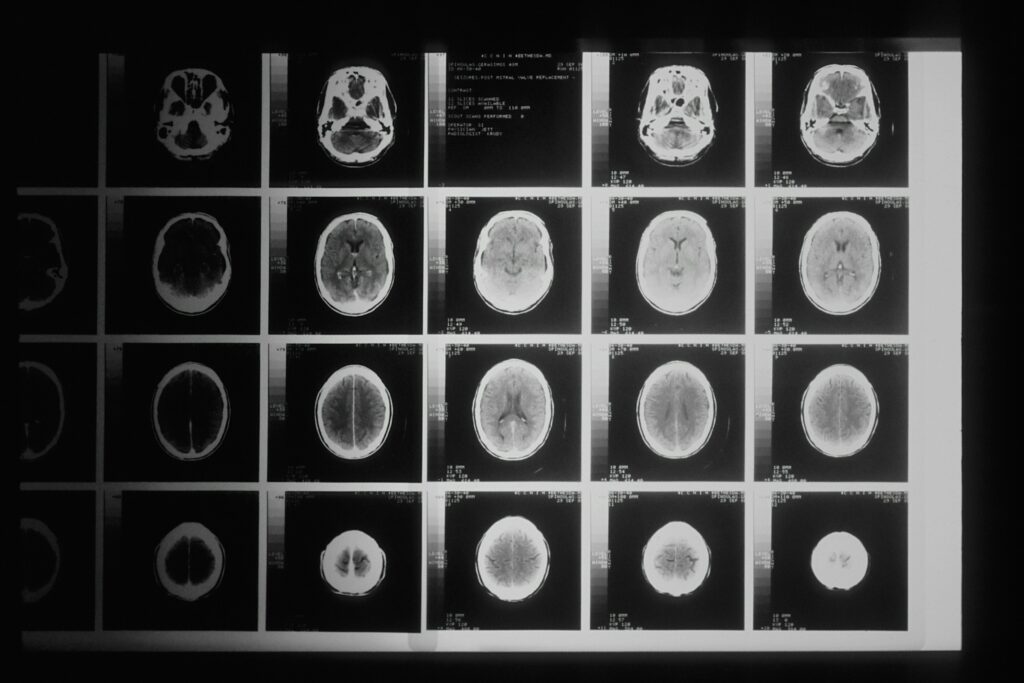

Imagine your heart has stopped, the monitors are flat, and a doctor quietly notes the time of death. By every clinical measure, you are gone. Yet deep inside your skull, billions of neurons may still be firing in complex, synchronized patterns for as long as half a minute. That idea is as unsettling as it is fascinating, and it is exactly what several recent studies are forcing scientists, doctors, and philosophers to wrestle with.
The twist is that nobody can quite agree on what this lingering brain activity actually means. Is it a fading echo of consciousness, the biological equivalent of a power grid winding down? Is it a last surge of organized signaling that could explain near-death experiences? Or is it just a complicated, but essentially mindless, reflex of dying tissue? The honest answer is that we do not know yet – and that uncertainty is where things get truly interesting.
A Shocking Discovery: The Brain Does Not Go Quiet at the Moment of Death
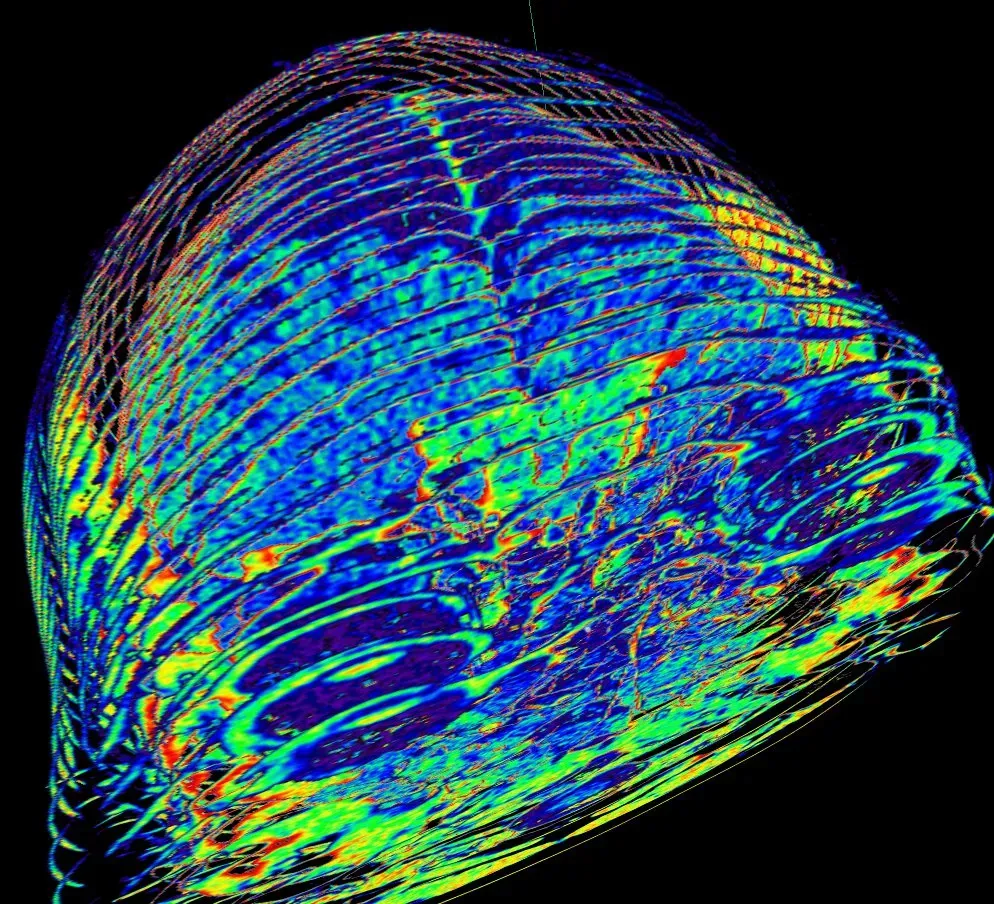
For a long time, both in medicine and in everyday thinking, people treated death like a light switch: one second you are alive, the next second you are not. But careful monitoring of patients at the end of life and of animals in tightly controlled experiments has shattered that simple picture. When the heart stops and blood flow crashes, the brain does not instantly fall into total silence. Instead, scientists see bursts of coordinated activity across different regions that can last for tens of seconds.
These are not random twitches or isolated spikes. They often look like organized waves or patterns, on EEG and more advanced recordings, that suggest networks of neurons are still talking to one another even after the body has crossed into clinical death. To a neuroscientist, that is like walking into a supposedly abandoned concert hall and still hearing the orchestra playing a complicated piece, even though someone has already locked the doors and turned off the lights.
Clinical Death vs Biological Death: The Messy Middle Ground
Part of the confusion comes from how we define death. Clinical death usually means the heart has stopped beating, breathing has ceased, and there is no detectable circulation. Biological death, however, is more like a slow, cascading collapse of cells and systems. The brain, which is extremely sensitive to oxygen loss, starts to fail quickly – but not all at once and not in a perfectly synchronized way.
In that messy middle ground, you can have a clinically dead body and a brain that is still running some level of complex activity. That does not automatically mean that a person remains conscious, but it does mean that the old idea of a neat, precise line between life and death does not really hold up. Instead of a simple on–off transition, it looks more like a dimmer switch turning down through a series of strange and only partly understood states.
What Does “Complex Coordinated Activity” Actually Look Like?
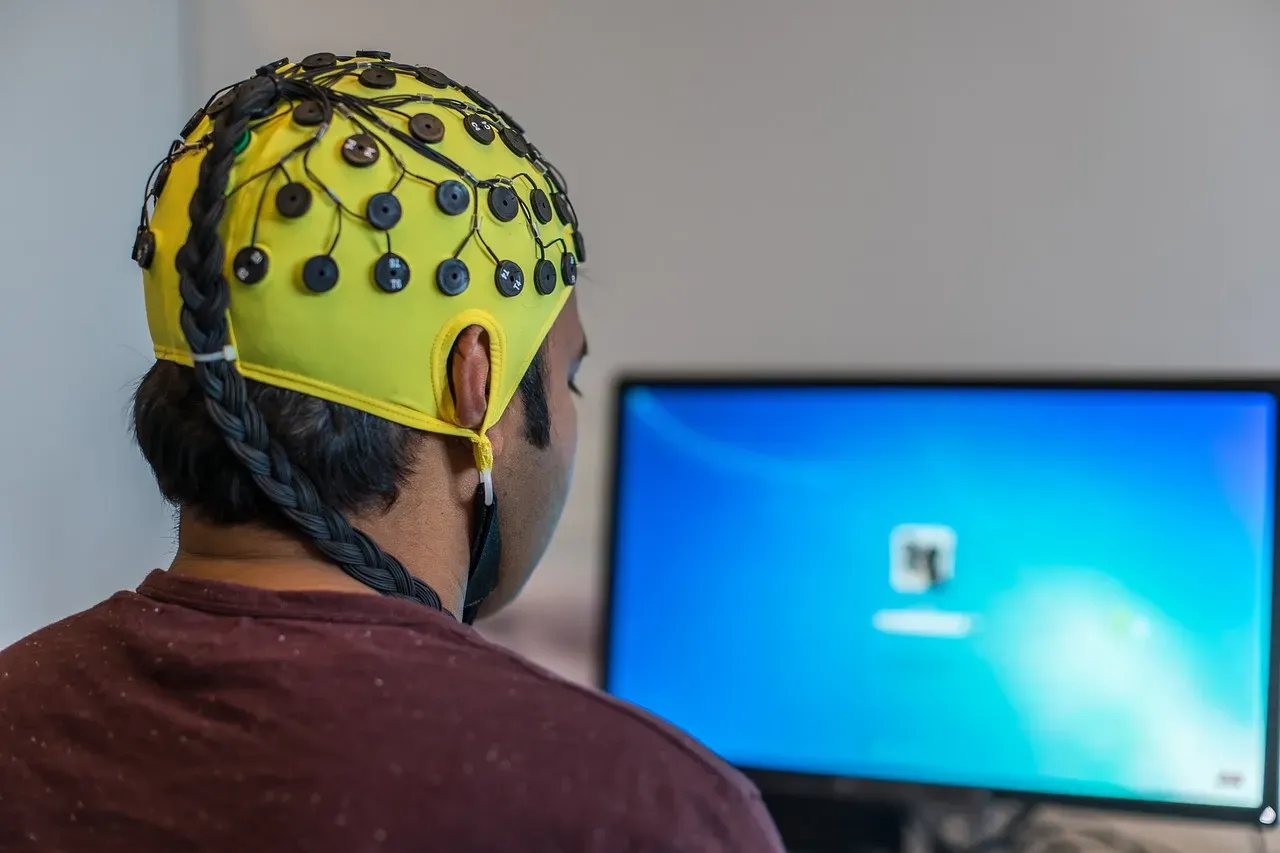
When researchers say the brain shows complex coordinated activity after clinical death, they are not just being dramatic. On EEG or invasive recordings, they often see patterns that resemble normal, awake or dreamlike states: oscillations in certain frequency bands, synchronized firing across different cortical areas, and even brief network events that look a bit like memory replay or integration. It is not identical to a healthy awake brain, but it is far from random static.
Think of it like a city during a blackout. You might lose the main power grid, but backup generators can flicker on, traffic signals may still run for a while, and people can move with flashlights. From a satellite, you could still see structured pockets of light and movement even though the city is, in theory, shut down. The dying brain is similar: the main power source is gone, but there are pockets of briefly organized activity that might still be capable of doing something meaningful – or might just be the last coordinated gasp of a failing system.
Near-Death Experiences: Profound Insight or Beautiful Confabulation?
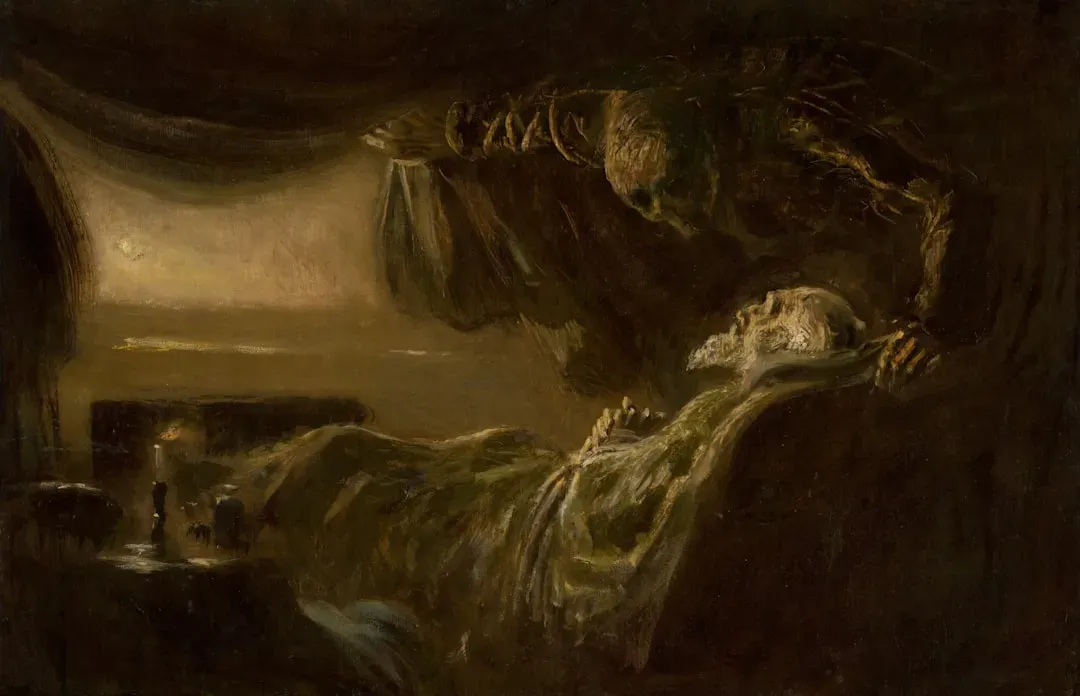
The idea that the brain stays active after clinical death has fueled a lot of speculation around near-death experiences, those vivid reports of tunnels of light, life reviews, encounters with deceased loved ones, or a sense of leaving the body. Some researchers argue that the brain’s final bursts of coordinated activity could generate powerful, dreamlike experiences that later get woven into elaborate narratives. Under this view, the dying brain is intensely active, not quietly fading, and that heightened activity feels extraordinary from the inside.
Others insist that these experiences are more likely stitched together by memory, expectation, and cultural stories after the fact, especially when people are revived and try to make sense of a terrifying and confusing medical crisis. I am personally skeptical of any explanation that leans too hard in either direction. It seems entirely plausible that a starving, stressed, hypoxic brain produces strange, emotionally loaded perceptions, and that our storytelling minds later polish those perceptions into something that sounds coherent, spiritual, or deeply meaningful.
Is There Any Evidence for Conscious Awareness After the Heart Stops?
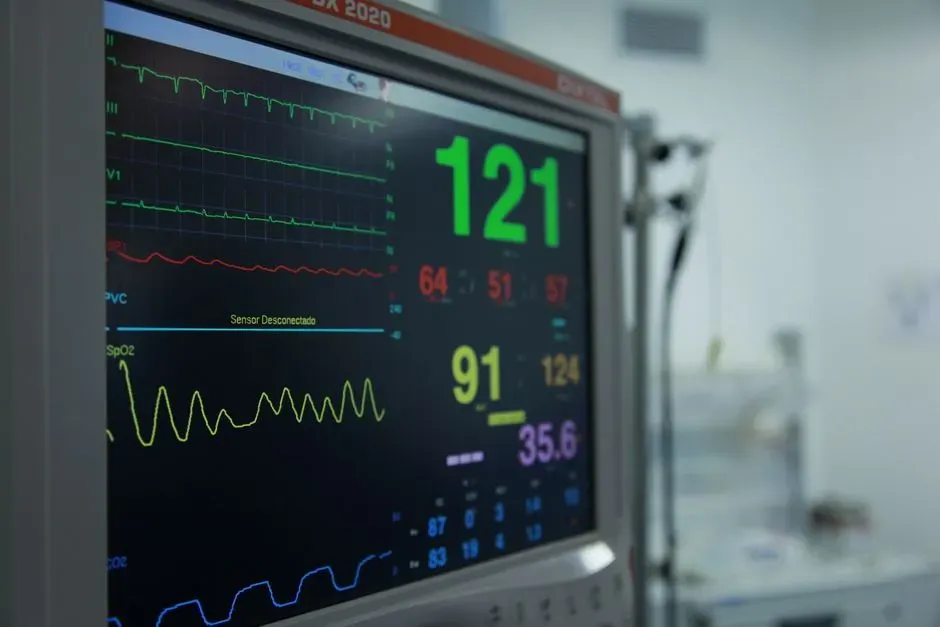
This is the million-dollar question and, depending on your worldview, either the most exciting or the most uncomfortable part. A few studies have tried to test awareness during and just after cardiac arrest by using audio cues or hidden visual targets and then checking if resuscitated patients can report them accurately. Results so far are mixed, sparse, and very hard to interpret. A handful of cases hint that some people may have had organized perception during periods that looked like clinical death, but the data are nowhere near clear or robust enough to claim proof.
From a sober scientific perspective, we can say that brain activity may persist in complex ways for tens of seconds after the heart stops, and that a small subset of patients report structured, detailed experiences around that time. However, linking those two facts into a strong claim about consciousness surviving clinical death is a huge leap. Personally, I think it is much safer – and more honest – to say that the evidence is intriguing but nowhere close to decisive, and that anyone telling you otherwise is probably stretching the data to fit their beliefs.
Why Scientists Cannot Agree: Competing Frameworks and Hidden Biases
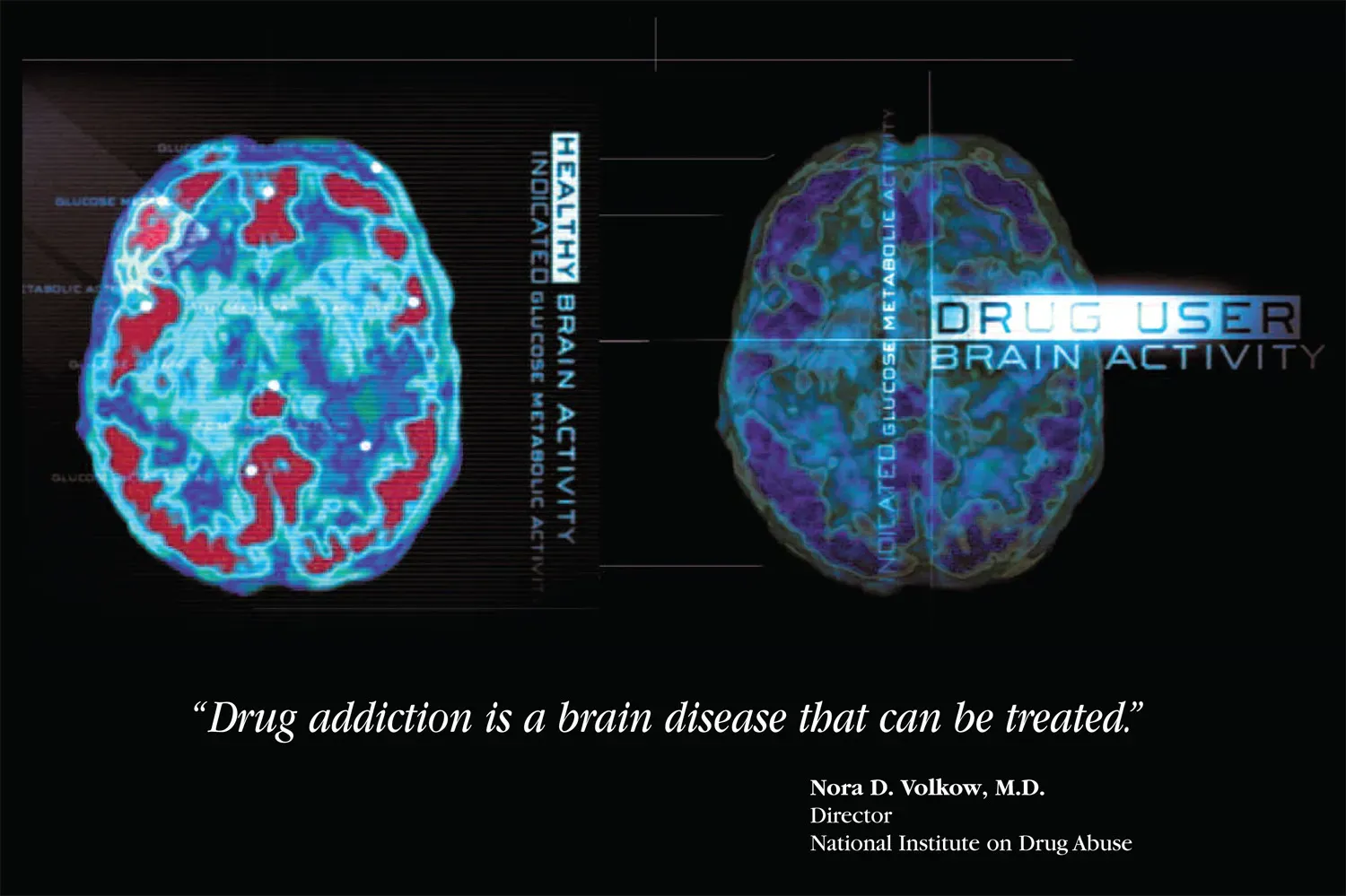
One reason nobody agrees on what this post-mortem brain activity means is that people bring very different assumptions to the table. If you start from a strong materialist stance that consciousness is nothing more than brain processes, you will naturally interpret the data as the dying brain’s last fireworks – noisy, interesting, but ultimately not mysterious in a metaphysical sense. If you lean toward a view that mind or awareness might not be fully reducible to the physical brain, you may see these findings as cracks in the scientific story and hints that something deeper is going on.
On top of that, the experiments themselves are technically challenging and ethically constrained. You cannot design perfect controlled trials on dying humans, and even animal work has limits. So different labs, using slightly different setups or definitions, can end up with different-looking results. It is a bit like trying to understand a storm by looking through keyholes in different doors; what you see depends strongly on where you are standing and what you already believe about the weather.
Implications for Resuscitation, Organ Donation, and End-of-Life Care
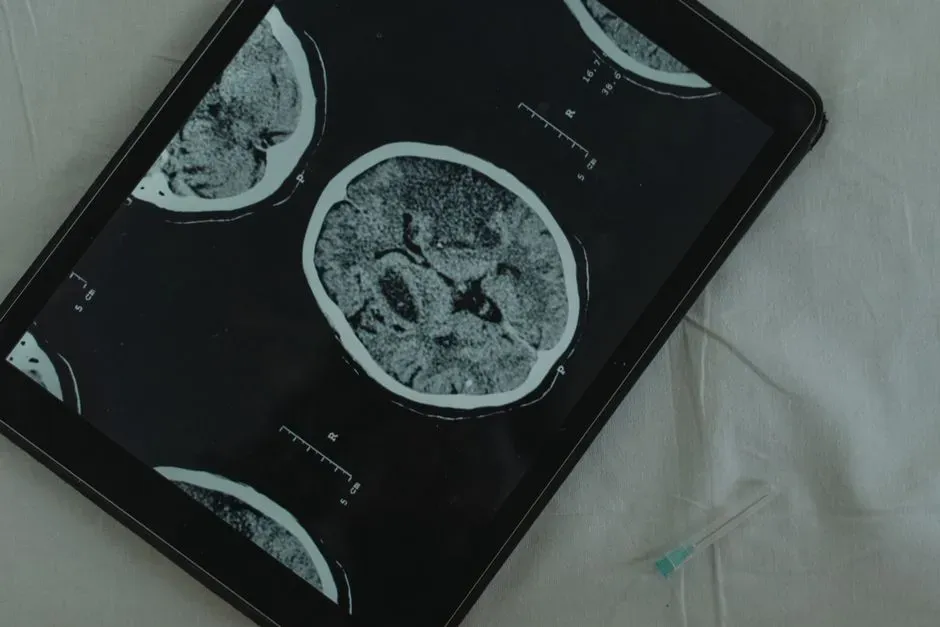
These findings are not just philosophical curiosities; they could reshape practical medicine. If the brain remains capable of complex activity for up to half a minute, or possibly longer in some conditions, that raises tough questions about when, exactly, it is ethically safe to say that a person is beyond any meaningful return. It could influence guidelines for how long to attempt resuscitation, or how to interpret EEG and other measures when deciding whether to continue life support.
Organ donation is another sensitive area. Many systems rely on clear criteria for brain death or circulatory death before retrieving organs. If the brain can still be running sophisticated patterns of activity briefly after those criteria are met, some people will understandably feel uneasy, even if that activity does not represent conscious suffering. I think medicine will have to become more transparent about the gray area between “alive” and “irreversibly dead,” and offer families clearer, more nuanced explanations instead of hiding behind neat but outdated formulas.
What This Does Not Prove: Pushing Back Against Overhyped Claims
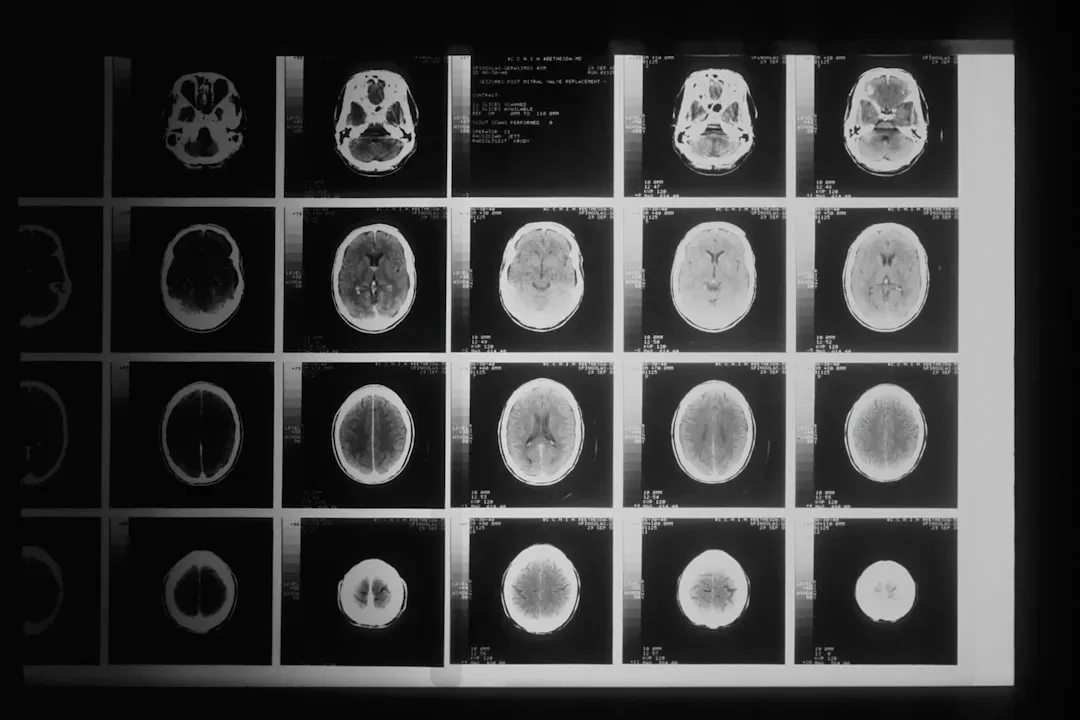
Whenever a study about the brain and death hits the headlines, dramatic interpretations appear almost instantly. Some people jump to claims that science has finally proved that consciousness survives death, while others insist that biology has completely explained away any possibility of an afterlife. The reality, frustrating as it may be, is somewhere in between. Post-mortem complex brain activity does not prove that the self, soul, or awareness lives on, but it also does not fully nail the coffin on all non-materialist ideas.
What it clearly shows is that the boundary between life and death is fuzzier and more intricate than we thought. It also reminds us that consciousness is still very poorly understood, even while awake and healthy, let alone in the extraordinary conditions of collapse, resuscitation, and dying. To me, the responsible stance is to resist both the sensational spiritual spin and the smug, oversimplified skepticism. We should admit how much we do not know and stay open to being surprised by future data, even if they unsettle our favorite stories about what we are.
Conclusion: A Strange, Liminal Flicker Between Presence and Absence
To me, the most striking thing about this research is not that it proves anything grand about souls, afterlives, or cosmic meaning, but that it shows how stubbornly alive the brain is, right up to the edge of oblivion. Those last thirty seconds of complex, coordinated activity feel like a final, liminal flicker – not clearly life as we know it, not clearly the empty stillness we associate with death, but something in between. It is a reminder that our tidy categories struggle to capture what is actually happening inside a dying brain.
If I had to take a stand, I would say this: the evidence so far fits best with a picture of consciousness as a fragile, emergent process of the living brain that can briefly persist in altered form as the system fails, but probably does not float free once the hardware is gone. At the same time, those brief, intense moments at the threshold may well feel huge, vivid, and deeply meaningful from the inside, and we should take people’s accounts of them seriously without turning them into proof of anything. Maybe the most honest, and oddly comforting, takeaway is that even at the end, our brains do not simply switch off – they fight, they flare, they tell one last story. What kind of story would you hope your brain tells in its final seconds?