
If you dropped a few dozen engineers into a river valley and asked them to redesign the entire system, they’d probably need years, heavy machinery, and a terrifying budget. Beavers do it with teeth, mud, and stubbornness. And somehow, their low-key construction projects end up transforming whole watersheds in ways satellites can actually see.
What fascinates me most is how subtle this all looks up close. A small dam here, a pond there, a half-gnawed willow trunk on the bank. Yet when you zoom out, these animals are literally redrawing where water goes, how long it stays, and which species can live there. Once you see a landscape that has been “beavered,” you can’t unsee it – and you start to realize how much power one persistent rodent can have over an entire river system.
1. Slowing Water Down From a Roaring Rush to a Steady Soak
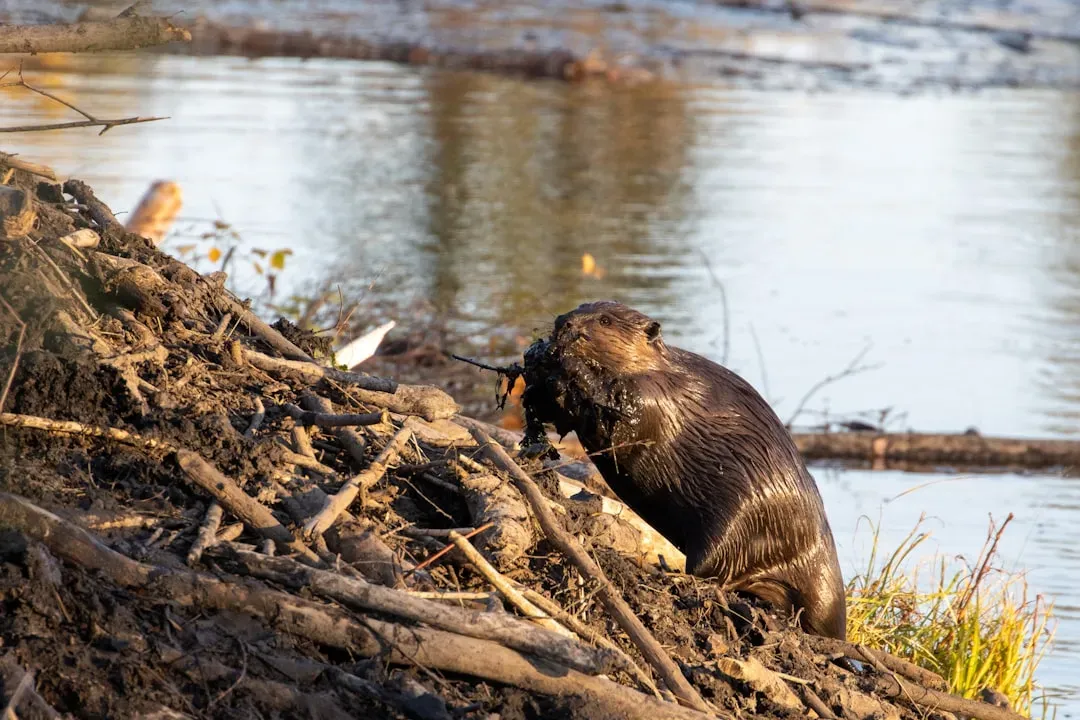
Here’s the first surprising shift beavers force on a watershed: speed. Rivers and streams that used to rage straight downhill become a slowed, stepped ladder of ponds and pools. Every dam is like a speed bump for water, taking a system built for fast runoff and turning it into one that holds and releases water gradually.
That matters more than it sounds. When water slows, it spreads out, sinks in, and sticks around. Instead of a big, flashy surge after a storm and then a dry, tired channel for weeks, beaver-shaped streams deliver steadier flows downstream. Think of it like upgrading from being paid once a year in a single paycheck to getting a reliable weekly deposit – less dramatic, far more livable.
2. Spreading Water Sideways to Rewet Entire Valleys
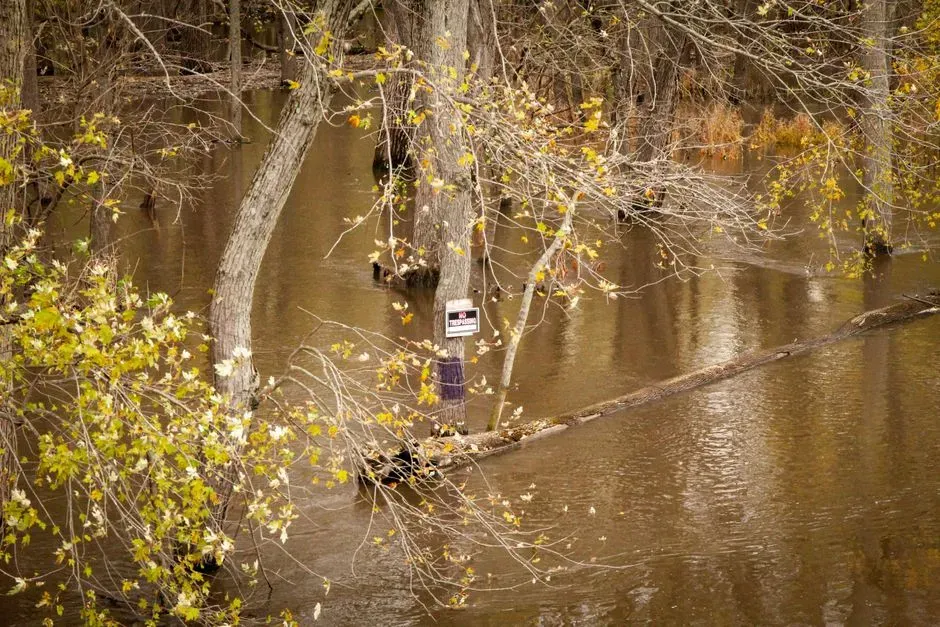
Beaver dams do not just slow water; they push it sideways into places it hasn’t reached in decades. As ponds expand and back up, they reconnect old side channels, floodplains, and low-lying meadows that modern drainage has quietly cut off. Valleys that once had a single narrow stream suddenly become messy mosaics of channels, marshes, and shallow pools.
This sideways spread is how beavers turn a simple ditch into a whole wetland complex. Water seeps into soils, fills old oxbows, and lingers in pockets that stay damp even in dry months. I’ve walked into valleys that looked like tidy pastures on a map, only to find my boots sinking into a reawakened marsh because some beaver family decided the grass there looked promising.
3. Building Natural Reservoirs That Store Water Underground
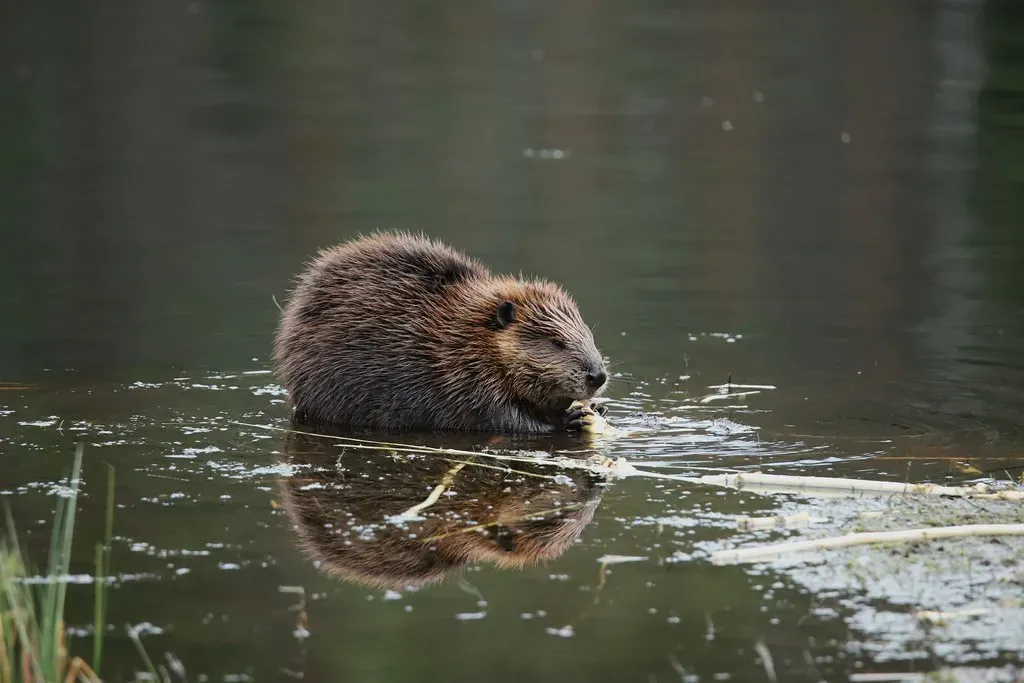
Most people notice the ponds. The real magic, though, is the invisible reservoir that forms beneath them. When beavers back up water, the elevated water levels increase pressure on the surrounding soils, driving water down into gravel, sand, and deep sediment. Over time, the entire valley floor becomes a giant, slow-draining sponge.
That underground storage is a big deal in dry seasons and during droughts. As the surface ponds shrink, groundwater that has seeped in slowly leaks back into the stream, keeping it alive when nearby channels run dry. In a sense, beavers build small, distributed reservoirs everywhere, without a single concrete wall or political fight about where to put the dam.
4. Trapping Sediment and Rebuilding the Valley Floor
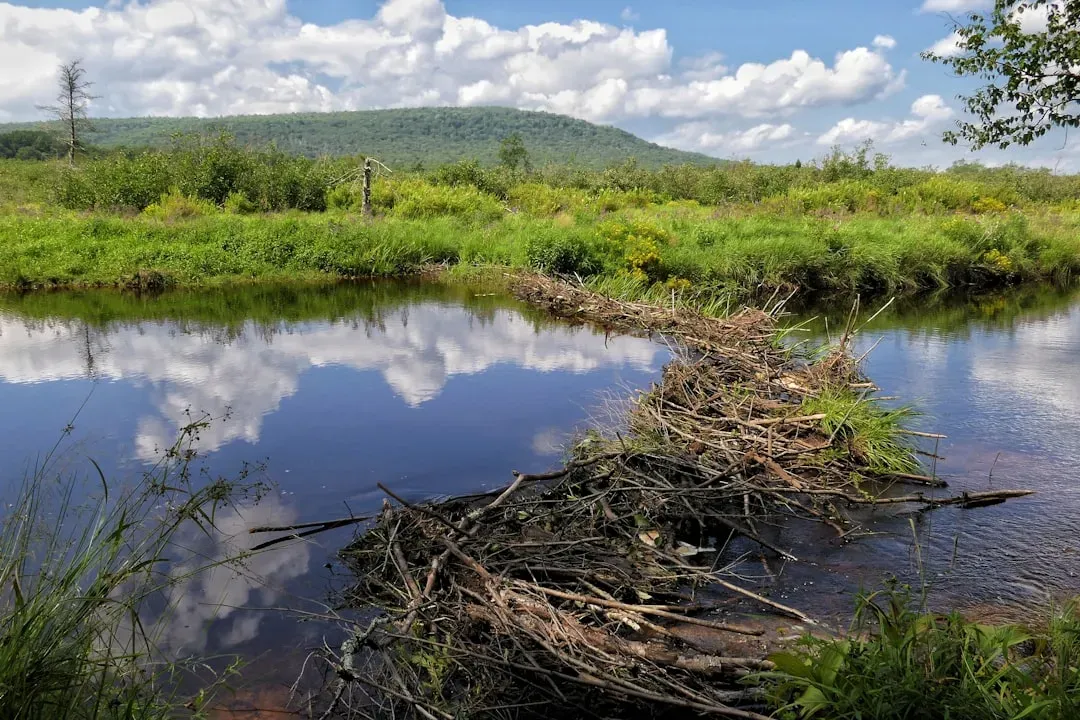
Rivers without beavers tend to scour away their own beds, carving deeper and deeper channels that are hard for plants and animals to colonize. Beaver dams flip that script. As water slows behind each dam, it drops the sediment it was carrying – sand, silt, organic bits – into the pond. Over years, these ponds gradually fill, raising the streambed and thickening the valley floor.
This means beavers are, quite literally, lifting landscapes. The more dams, the more layers of material accumulate, building fertile, layered soils that can support willows, sedges, and all the life that depends on them. It is like watching a construction crew truck in load after load of rich topsoil, except the crew is fur-covered, nocturnal, and paid entirely in bark.
5. Creating Complex Wetland Habitats for Wildlife Booms
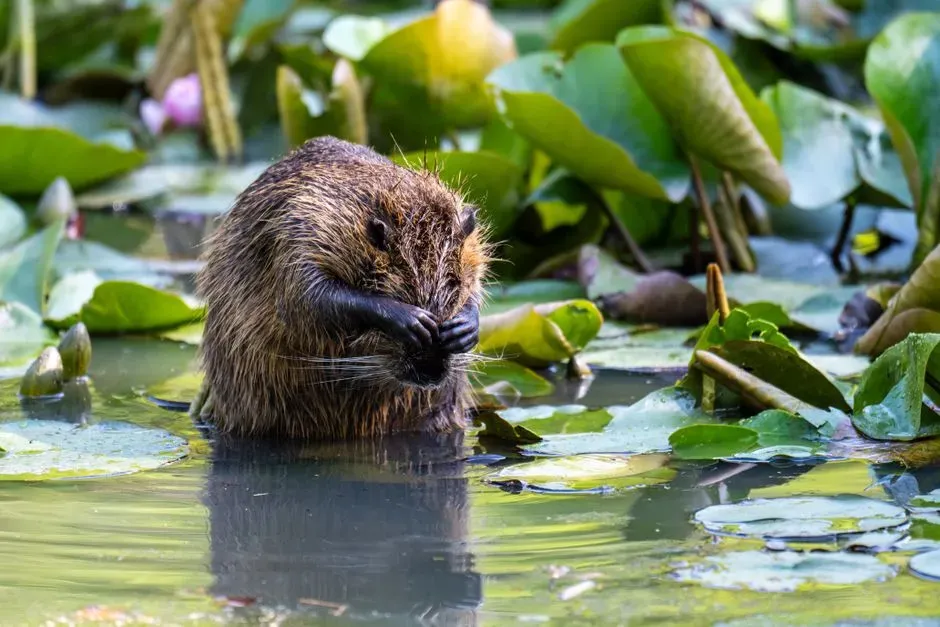
Once beavers start rearranging water and sediments, the biology of a watershed explodes with variety. Ponds, backwaters, shallow flooded zones, and damp meadows each offer different conditions – warm pockets for amphibians, slow corners for young fish, muddy edges for wading birds, and thick willow stands for nesting songbirds. The same stretch of creek that once offered just one kind of habitat suddenly offers dozens.
That complexity is rocket fuel for biodiversity. Species that cannot survive in bare, fast-moving channels suddenly find food, shelter, and breeding spots. You start seeing dragonflies, ducks, moose, trout, and in some places even large predators clustering around beaver complexes because everything they eat is there. If you care about wildlife, you very quickly end up caring, maybe grudgingly at first, about beavers.
6. Cooling Streams and Buffering Heat in a Warming Climate
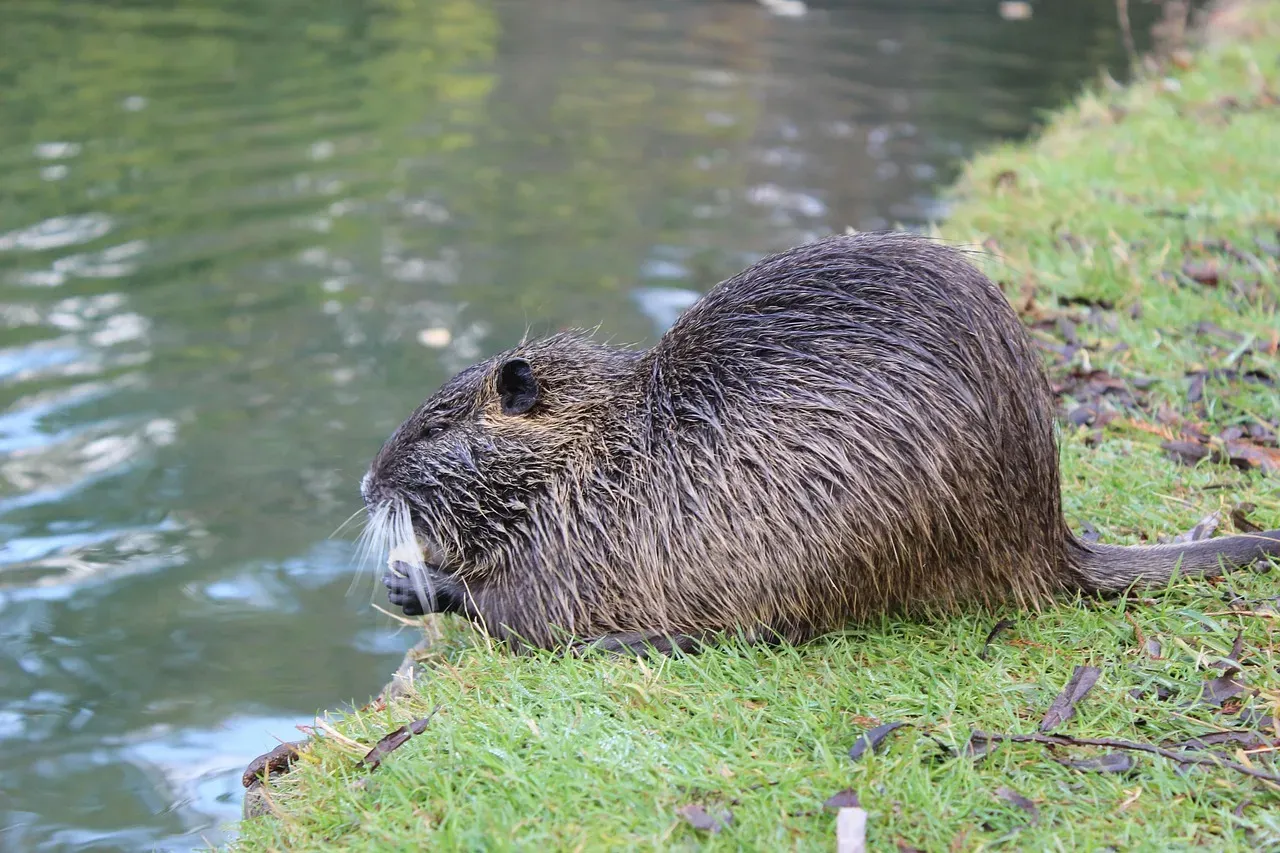
As heat waves and low flows become more common, water temperature is quietly becoming a life-or-death issue for cold-water fish and aquatic insects. Beaver ponds and the groundwater they encourage change thermal patterns in a watershed. Deeper pools, shaded banks, and constant seepage from cooler underground stores can carve out pockets of refuge when the rest of the stream warms too much.
It is not that every beaver pond is a perfect cold-water sanctuary – some shallow ponds can get warm – but the overall system becomes more buffered and patchy. Instead of one uniform temperature spike that stresses everything at once, you get a mix of warmer and cooler areas. That patchiness can be enough to keep vulnerable species hanging on through extreme conditions, giving a watershed some climate resilience it would not otherwise have.
7. Shifting Nutrients and Organic Matter Through the System
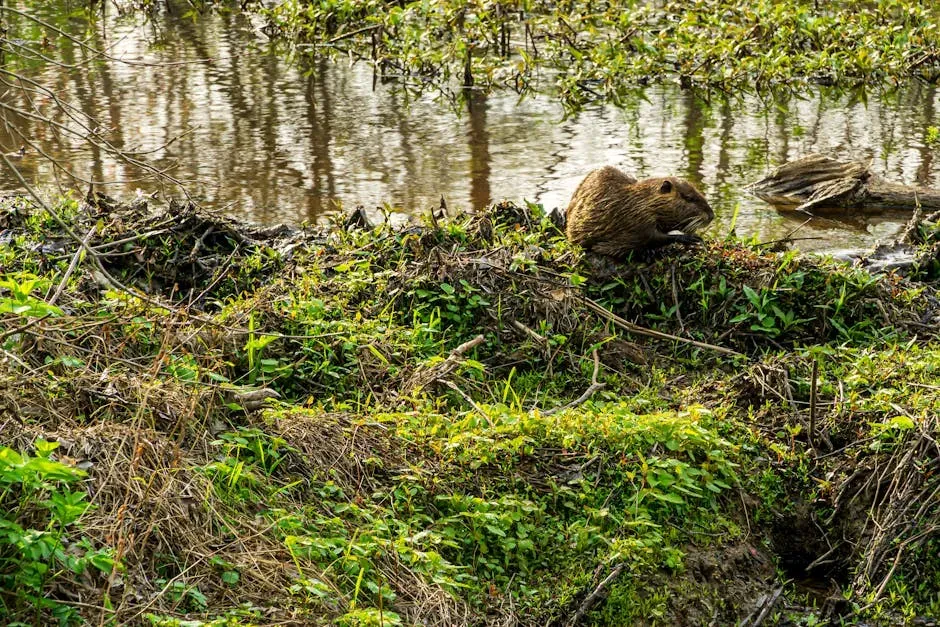
Beavers are not just moving water and mud; they are also rearranging nutrients. Dams trap leaves, twigs, algae, and other organic debris that would have rushed downstream. In the slow, low-oxygen corners of a beaver pond, this material breaks down differently than it does in fast-flowing water, changing how carbon and nutrients cycle through the system.
Over time, this can turn once-lean, gravelly reaches into richer, darker-soiled environments that fuel plant growth and microbial life. Downstream, the water that leaves beaver complexes can carry different nutrient loads and suspended materials than it used to, subtly changing which species thrive and how productive the system is. It is like adjusting the diet of a whole watershed – what goes in, what stays put, and what moves on all get recalibrated.
8. Softening Floods and Reducing Erosion Damage Downstream
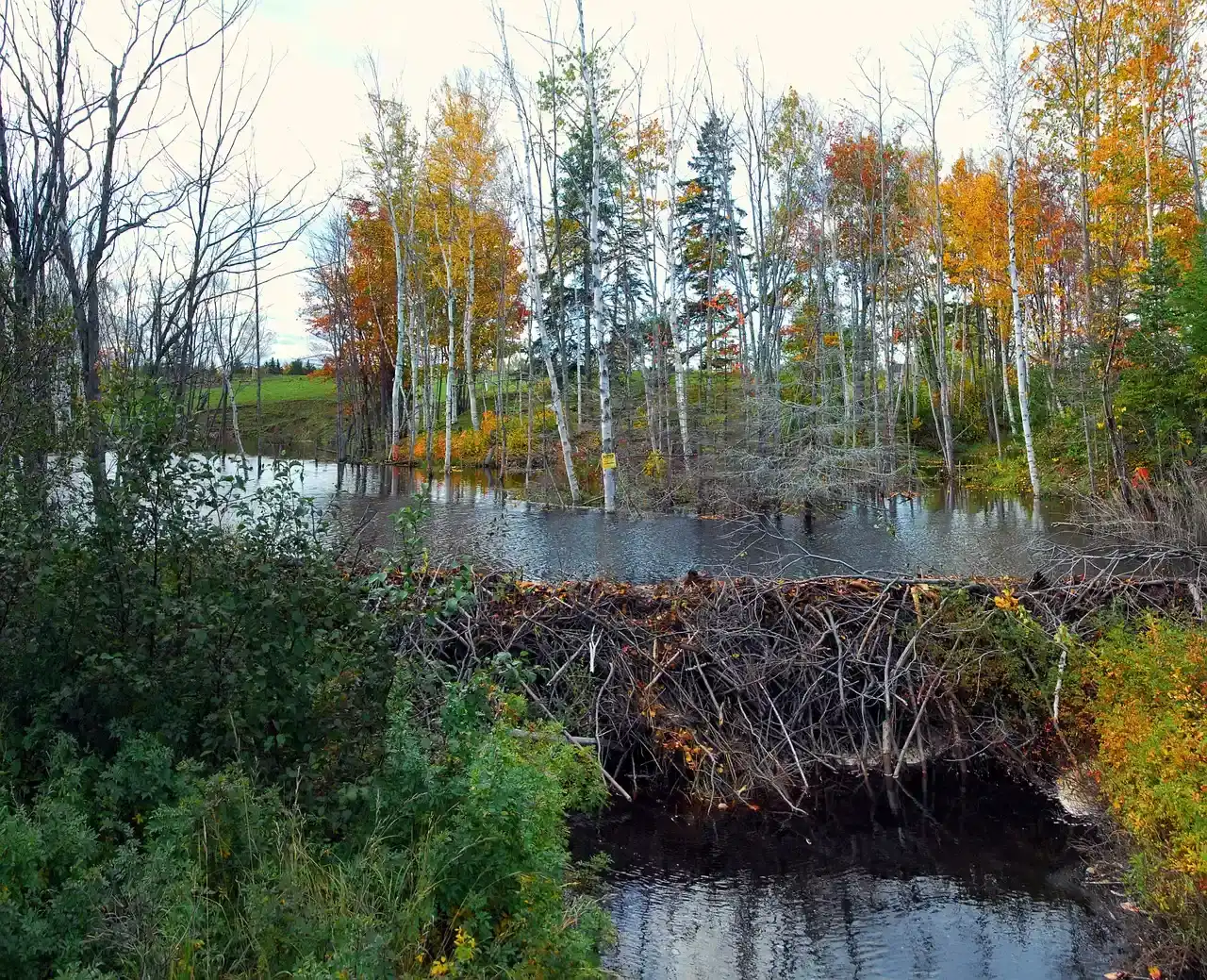
One of the most dramatic ways beavers shows up during storms. In a landscape with straight, incised channels, heavy rain turns into fast, high peaks of flow that can rip out banks, smash infrastructure, and then vanish just as quickly. In a beaver-rich system, those same storms hit a dragnet of ponds, wetlands, and side channels that soak up and slow that energy.
The result is that peak flows tend to be lower and spread out over a longer time, and the water has more chances to infiltrate instead of blasting straight through. That does not mean beavers are some magic shield against every flood, but they often turn violent, destructive surges into more muted events. If you live downstream, a valley full of beaver dams is basically a free, self-maintaining flood buffer – until someone decides those dams look messy and tears them out.
Conclusion: Why We Should Take a Rodent Seriously
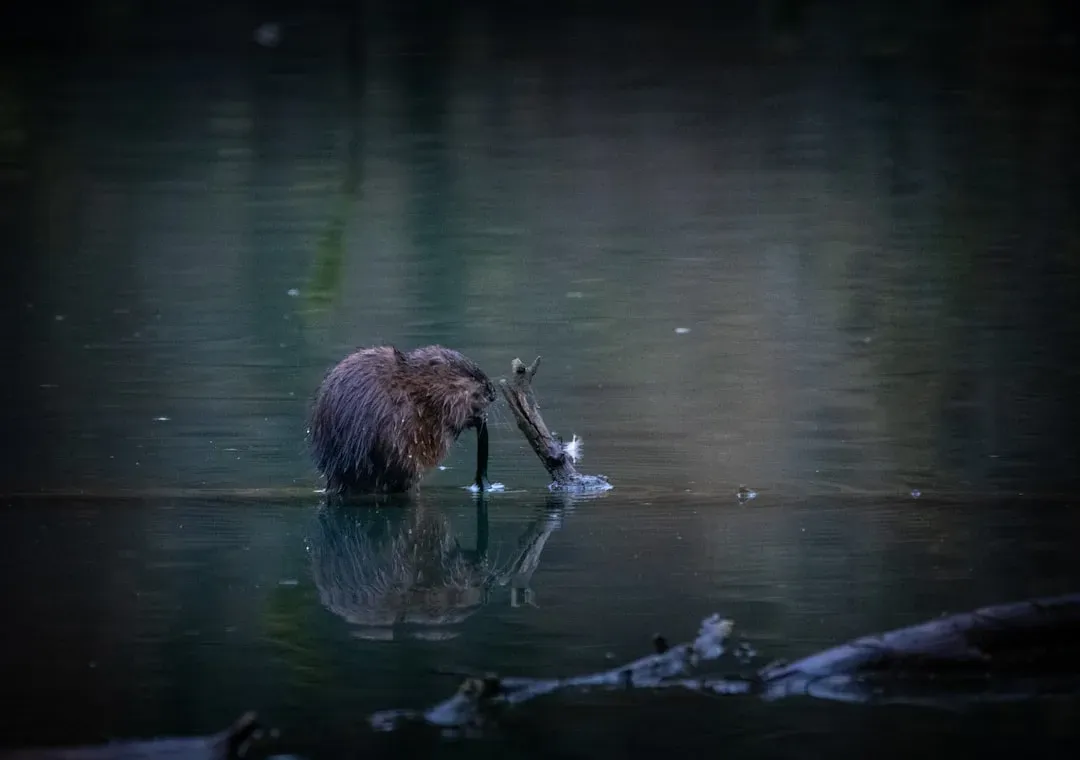
Here is my blunt opinion: if we ignore beavers when we talk about water, we are missing one of the most powerful, affordable, and time-tested tools we have for healing damaged watersheds. These animals build reservoirs, raise streambeds, cool water, create habitat, and blunt floods, all while asking for nothing but a reliable supply of trees and a bit of tolerance from us. For something we once trapped almost to oblivion just for fur, that is a pretty generous deal.
Of course, living with beavers is not always tidy – they flood roads, chew valuable trees, and move into places we did not plan for. But on balance, the landscapes that have learned to work with them instead of against them are more alive, more resilient, and better prepared for a hotter, drier, more chaotic future. When you picture the engineers of tomorrow’s rivers, do you see spreadsheets and concrete, or teeth and mud and a family of rodents quietly remaking a valley while we sleep?