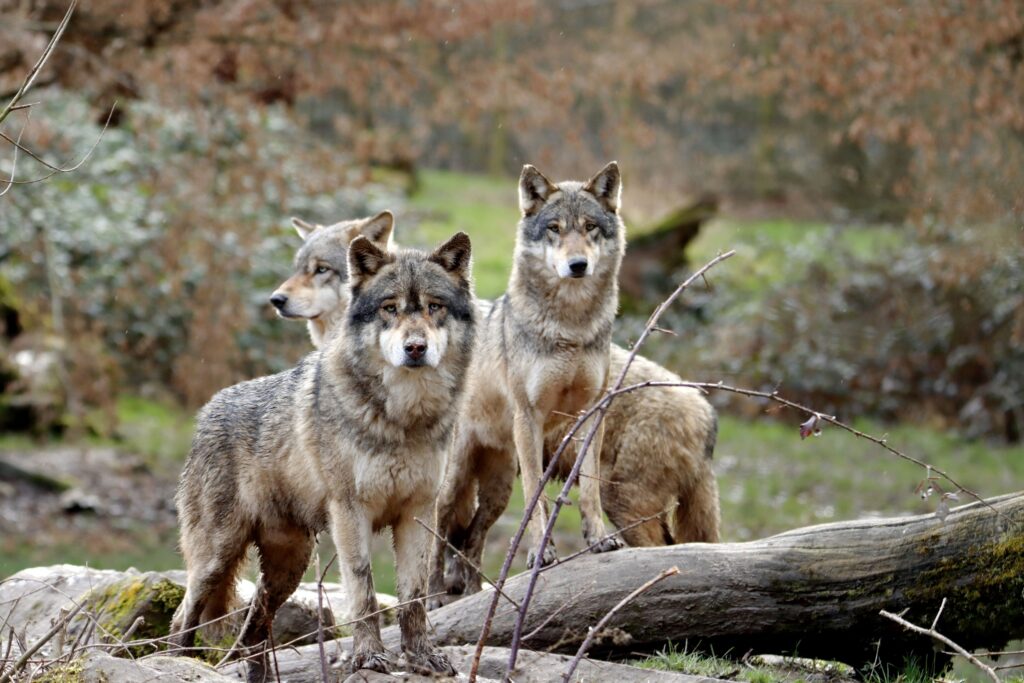

You probably grew up hearing that wolves are ruthless, power-hungry pack leaders constantly battling for control. It sounds dramatic, but animal science paints a very different picture. When you look closely at how wolves actually live, you find something surprisingly familiar: a family trying to get through a tough world by cooperating more than they compete. Instead of being obsessed with dominance, wild wolves spend most of their time doing things you’d recognize from your own life – raising young, dividing tasks, solving problems together, and avoiding drama that could get someone hurt. Once you see how much energy they put into preventing conflict, the whole idea of the permanently aggressive “alpha wolf” starts to fall apart in your mind.
Why The Old “Alpha Wolf” Story Got Wolves Wrong
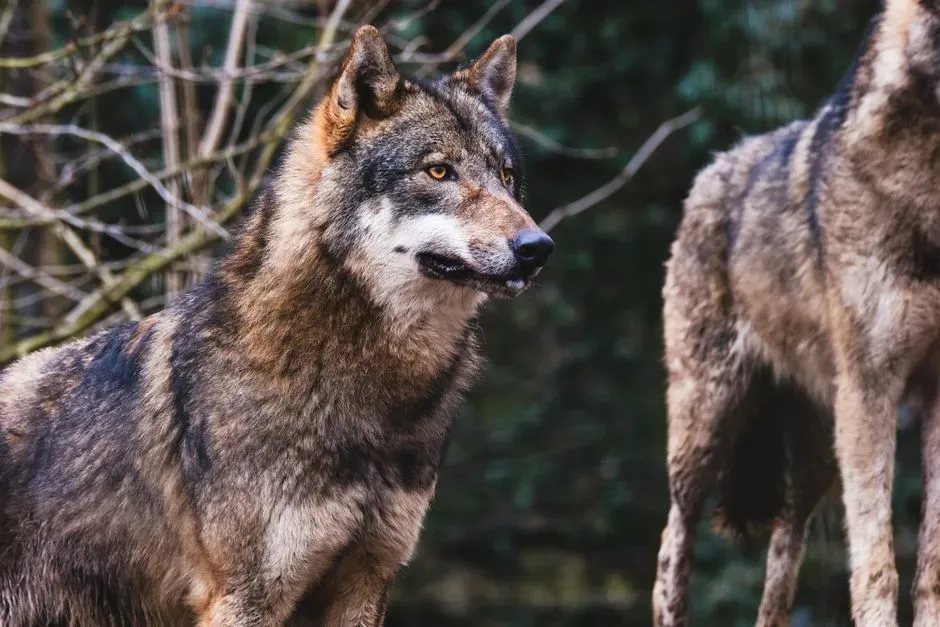
If you still picture a snarling “alpha” beating everyone into submission, you’re really looking at an old idea that researchers themselves have largely moved away from. That image came from early studies on unrelated adult wolves forced together in captivity, which is about as natural as making strangers share a tiny apartment and then judging all of human behavior from that situation. In the wild, wolf packs are usually just parents and their offspring, not random adults locked in a cage. When you remember that, the pack suddenly looks less like a gang and more like a household. The so‑called dominant pair is usually just mom and dad, and the others are kids from different years helping out. When you see it that way, it makes sense that constant fighting would be rare: you do not launch into a full brawl with your family every time you disagree about dinner or chores, and wolves mostly do not either.
Cooperation Is A Survival Strategy, Not A Nice Extra
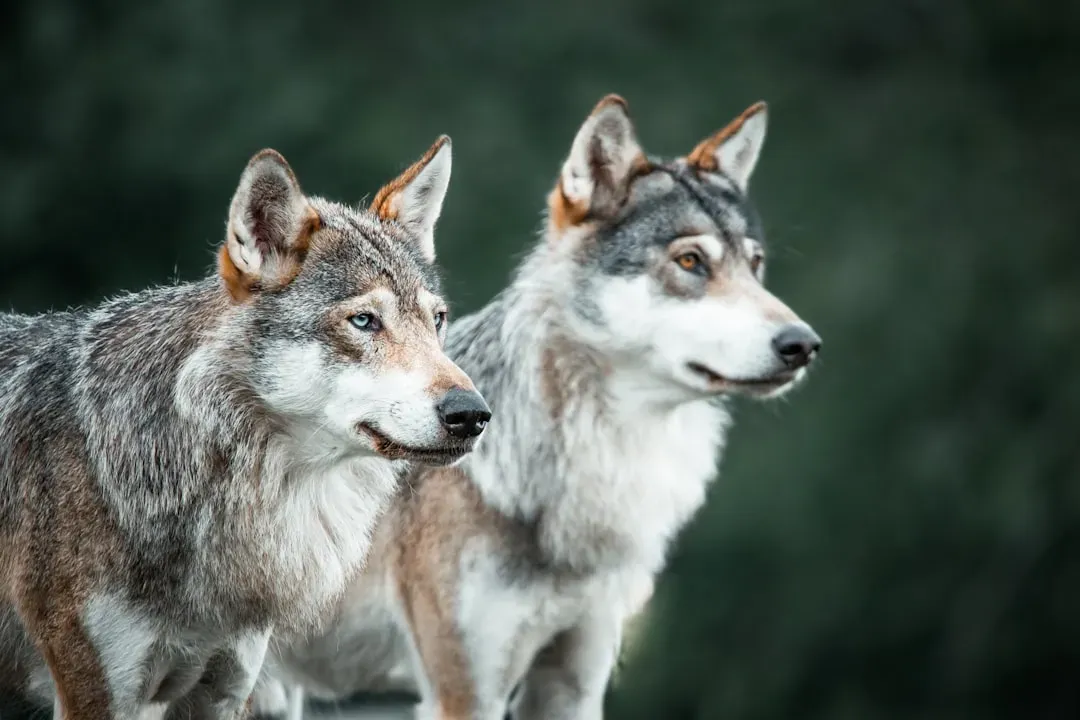
If you lived as a wolf, your life would revolve around getting enough food while burning as little energy as possible. Big prey like elk or moose are dangerous, and even a small injury can be a death sentence in the wild. That means you and your pack cannot afford to waste strength on pointless battles with each other when you need every muscle and brain cell focused on the hunt. So cooperation becomes your main survival tool. You would rely on pack-mates to help surround prey, chase it in shifts, and share the spoils so everyone has the strength to go out again. When you look at wolves this way, you start to see that the real “top dog” in the long run is not the one who wins the most fights – it is the pack that manages to stay healthy, coordinated, and unified over many harsh seasons.
How Wolves Use Signals To Prevent Fights Before They Start
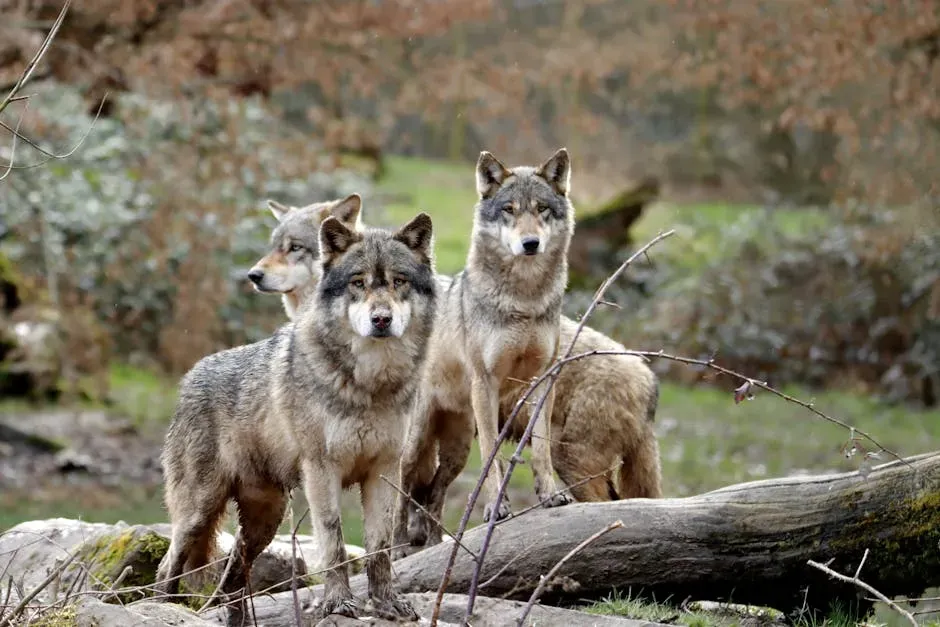
If you watch wolves closely, you notice how often they solve tension with body language instead of teeth. You see lowered bodies, tucked tails, turned heads, lip-licking, and careful eye contact that works more like a negotiation than a challenge. You might think of it like a group chat where everyone is constantly reading the room, backing off a little here, giving space there, adjusting energy to keep things from boiling over. You do something similar when you soften your voice in an argument, crack a joke to break tension, or walk away before you say something you regret. Wolves are masters of these subtle moves because the stakes for them are so high. If someone misreads a signal and a real fight breaks out, both wolves can get hurt, and in a world where you depend on each other to hunt and defend territory, everyone pays the price.
Family Structure: Why Most Packs Are Peaceful
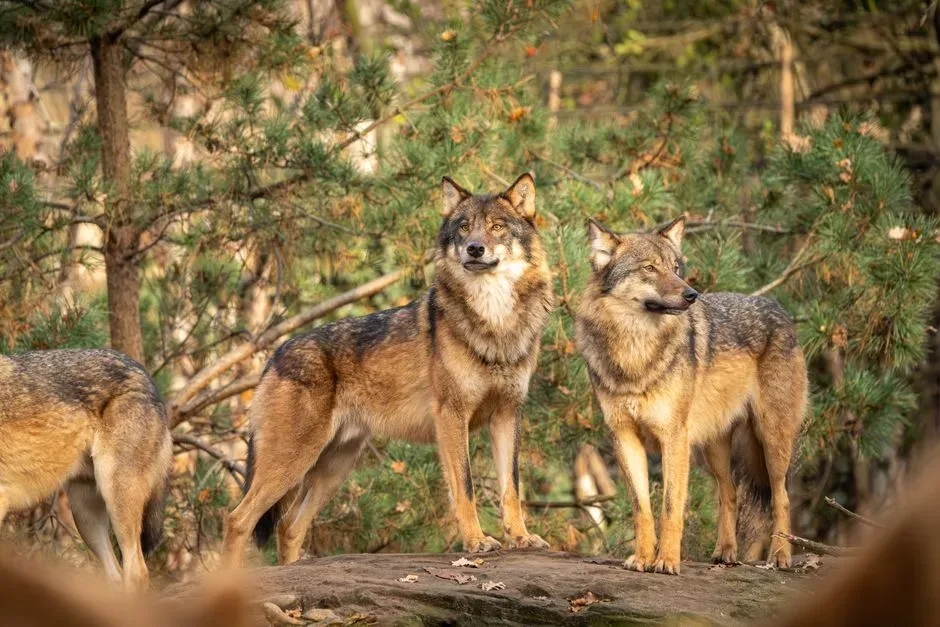
Imagine your household labeled like a wolf pack: the “dominant pair” are just your parents or caregivers, and the rest of the pack is you and your siblings of different ages. That is basically what scientists find in most wild wolf packs. Because everyone is related, you are naturally more invested in each other’s survival, and that softens a lot of potential conflict before it escalates. You can see how this works when you think about human families. You might argue over space, food, or attention, but most of the time you do not launch into serious, injury-level fights. Wolves also squabble, especially around food or when young adults start maturing, but the baseline is cooperation wrapped in kinship. The pack depends on shared genes and shared effort, not constant power struggles.
Resource Sharing: Why Winning Alone Is Actually Losing
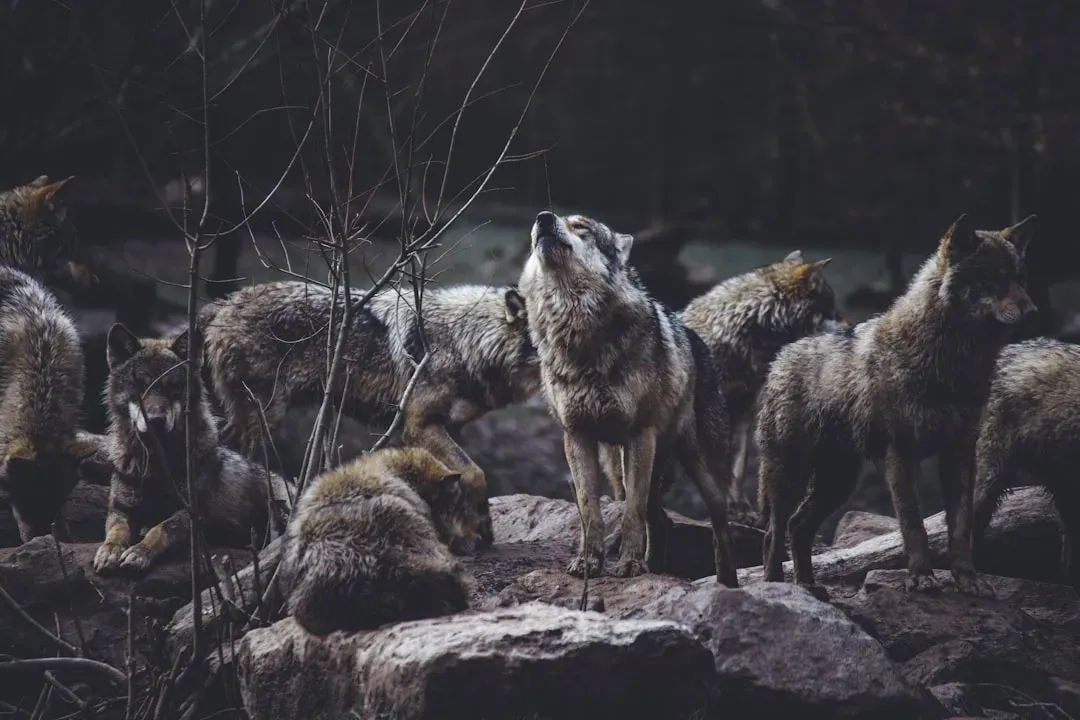
It is easy to assume that in nature, whoever grabs the most food wins. For a wolf, though, hoarding can backfire quickly. If you tried to keep every kill to yourself, your pack-mates would weaken, pups would starve, and soon you would be hunting alone – which makes you much more likely to fail or get injured. In a harsh landscape, your future depends on having capable allies beside you, not hungry, resentful shadows lagging behind. So while there are rules about who eats first at a carcass, there is also a strong tendency to share, especially with pups and nursing mothers. You can see the logic when you apply it to your own life. If you took every advantage at work but never helped your team, eventually no one would cover you when you needed backup. Wolves seem to run on a similar unwritten code: short-term dominance never outweighs long-term group strength.
Conflict Does Happen – But It Is Usually Calculated
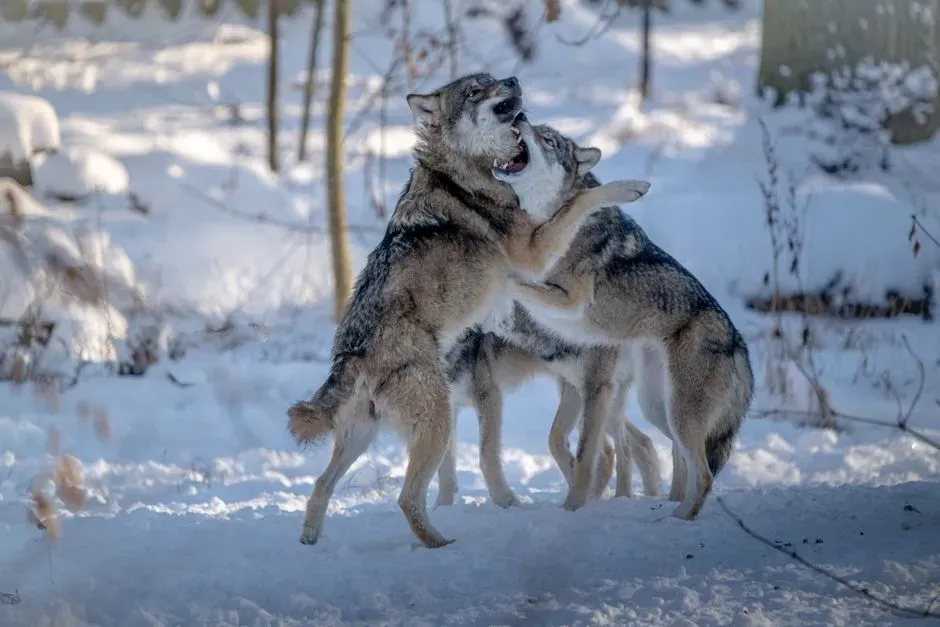
None of this means wolves are gentle saints tiptoeing through the forest. You still find dominance displays, growls, snaps, and sometimes real fights. But when you look closely, serious aggression inside the pack is relatively rare and usually tied to major turning points, like breeding opportunities or struggles when food becomes extremely scarce. Even then, there is a clear cost–benefit trade-off at play. If you were a wolf, you would constantly be weighing whether that extra bite of meat or status boost is worth the risk of being injured. Most of the time, the answer is no, and what you do instead is bluff, posture, back down, or redirect your frustration. That is not weakness; it is strategic. In your own life, you probably do something similar when you bite your tongue in a meeting because you know the fallout would not be worth the momentary satisfaction of “winning.”
Young Wolves Learn That Teamwork Beats Toughness
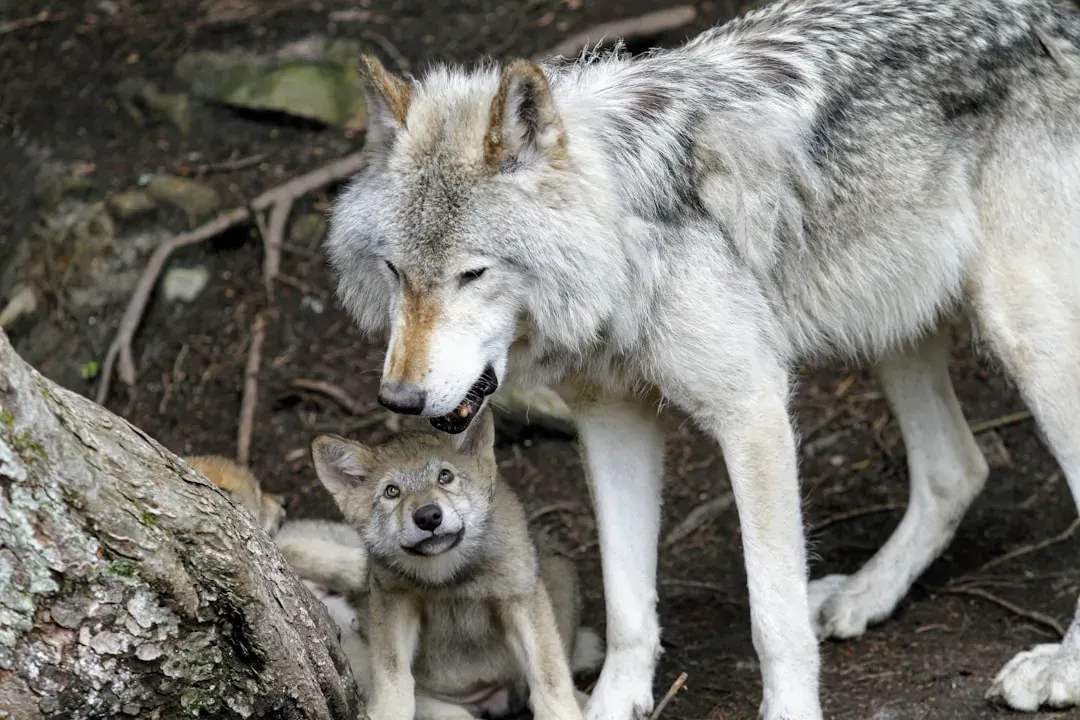
Picture a wolf pup tumbling around with its siblings, nipping, pinning, and chasing. At first glance it looks like pure chaos, but what you are really seeing is a training ground for social rules. Through play, young wolves learn how hard they can bite, how far they can push, and when they need to back off. If they cross a line, an adult may step in with a growl or a quick correction, shaping their sense of limits. If you were raised in a wolf pack, you would grow up discovering that cooperation earns you more security than constant confrontation. You would notice that the wolves who get included, groomed, and trusted also get better chances at food and support. Over time, you would internalize that being a reliable partner matters more than proving you are the toughest individual in every moment.
Dispersal: When Leaving Is Safer Than Fighting For The Top
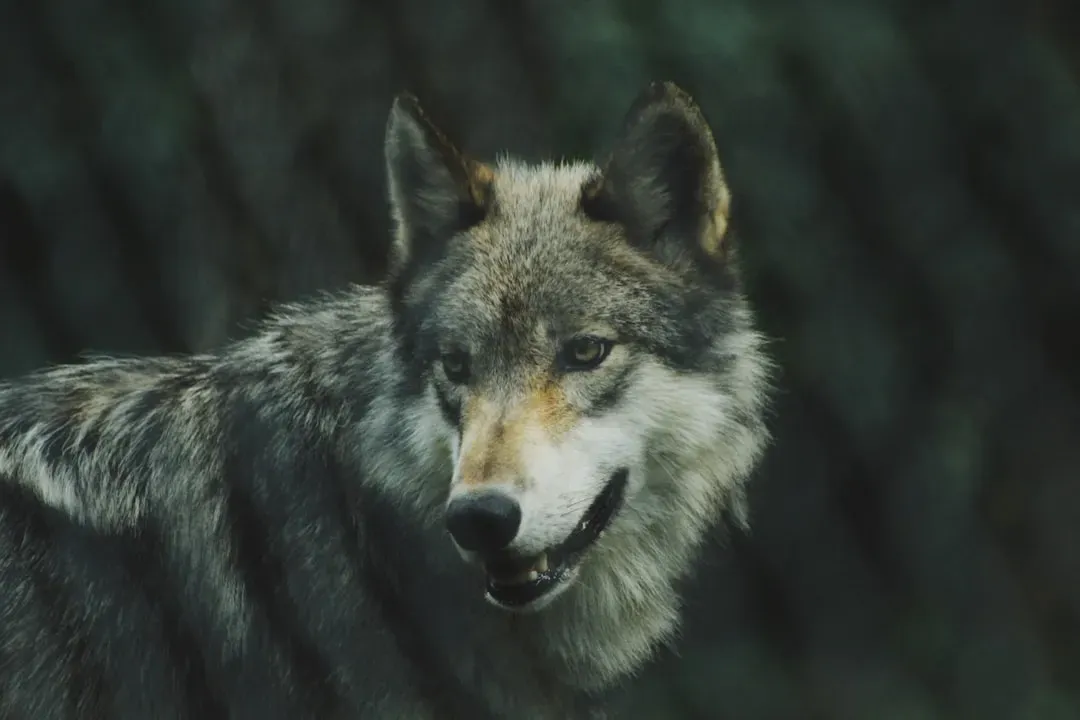
One of the most striking things about wolves is how often they avoid big internal power struggles by simply leaving. As adolescents mature, many of them do not stay and challenge their parents for control. Instead, they disperse – wandering off alone or in a small group to find a mate and start a new pack. That is a huge risk in the short term, but it can be smarter than turning your home into a battleground. If you think about times you have left a toxic job, outgrown a friend group, or moved out of a tense family situation, you are touching the same logic. Sometimes the most strategic move is not to claw your way to the top where you are, but to find a place where cooperation comes more naturally. Wolves show you that dominance is not always the prize worth fighting for; sometimes the real prize is a fresh start with better odds of long-term stability.
What Wolves Can Teach You About Power And Peace
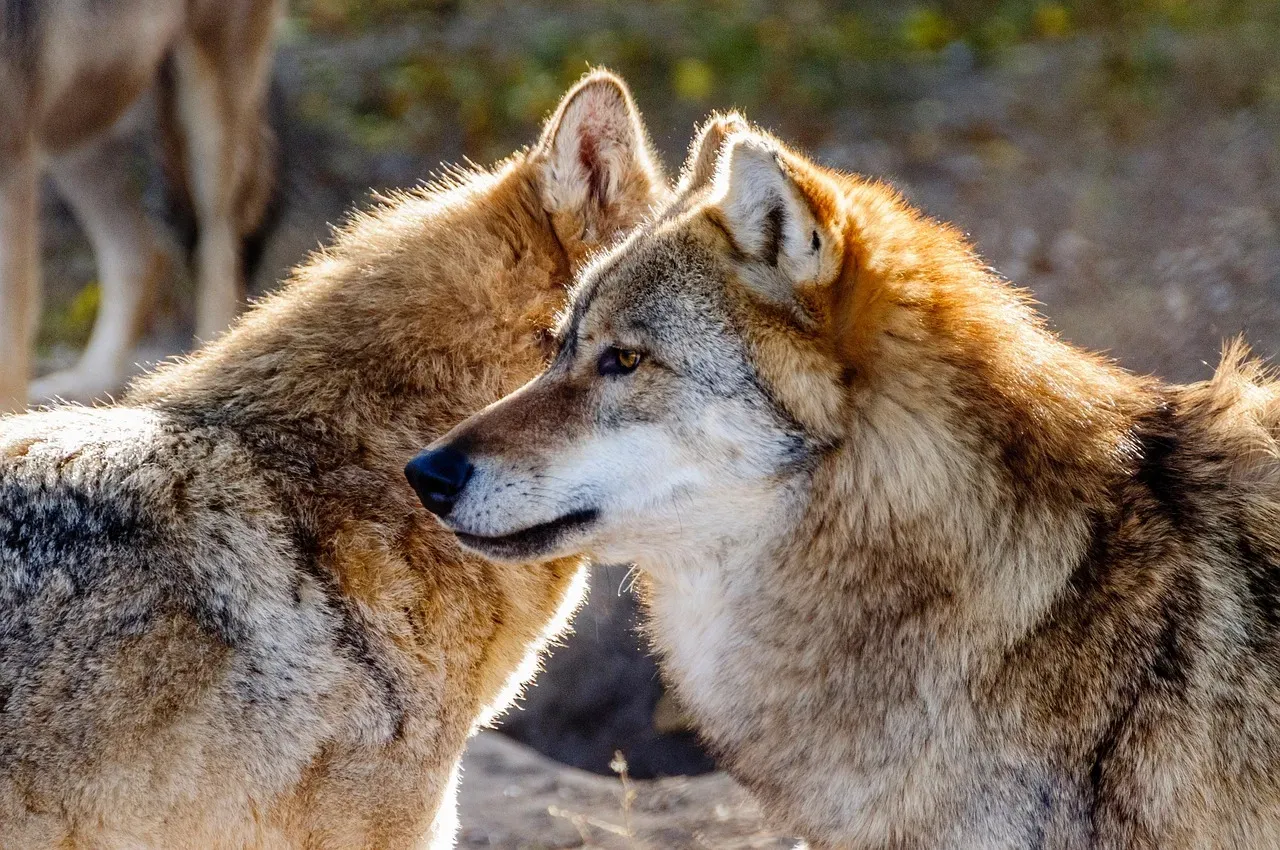
When you strip away the myth, wolves stop being symbols of ruthless domination and become models of careful balance. They remind you that in any group – family, workplace, community – constant conflict is expensive, and the hidden winner is often the one who can read signals, de-escalate tension, and protect relationships while still getting important things done. That kind of quiet, steady influence looks a lot like leadership, even if it does not fit the old “alpha” stereotype. If you let this sink in, you might start to question how often you have been sold the idea that power means never backing down. Wolves show you another path: you can be strong without being reckless, assertive without being destructive, and cooperative without being weak. In a world that often rewards loud dominance, their survival story whispers a different lesson – one where the pack that lasts is the pack that learns to fight only when it truly must.
In the end, wolves are not just wild predators living far from your world; they are social strategists navigating many of the same trade-offs you face every day. They avoid unnecessary fights not because they are afraid, but because they understand, in their own way, that cooperation is the foundation of survival. When you think about your own relationships, teams, and conflicts, it is worth asking yourself: are you chasing dominance, or building the kind of cooperation that actually keeps your pack strong?