
You probably think of dolphins as playful, almost carefree animals, but their daily survival depends on something surprisingly familiar: learning from their elders. When you look closely at how they hunt, you’re not just watching instinct in action, you’re seeing culture being passed down, lesson by lesson, from older dolphins to younger ones. It is less like a random ocean chase and more like a carefully taught craft, similar to how you might learn cooking tricks from a grandparent in your own kitchen. As researchers have dug deeper into dolphin societies, a clear pattern has emerged: different groups of dolphins develop their own local hunting styles, and younger animals pick them up by watching and copying older group members. You are, in a way, watching a wild classroom without walls. Those local methods can be as simple as how they corner a school of fish or as complex as using tools or coordinated maneuvers that look almost choreographed. Once you realize that, it changes how you see them forever.
Why Dolphin Hunting Is More Than Just Instinct
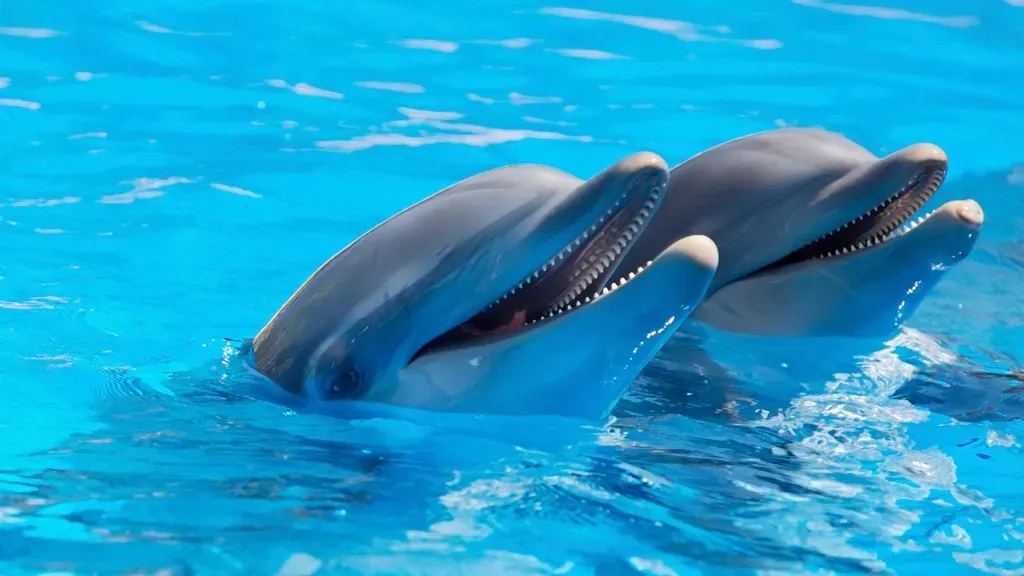
If you imagine a young dolphin being born with a full hunting playbook already wired into its brain, you’re underestimating how much learning is going on. Yes, there is instinct, but instinct is just the starting point: a basic template that gets filled in over time. To catch real prey in real conditions, a young dolphin has to adapt, adjust, and refine what it does based on what the older, more experienced animals around it are doing. You can think of instinct as the default setting on your phone the day you buy it, and learned hunting culture as all the custom apps, shortcuts, and tweaks you add later. The ocean is a messy, shifting place: fish move, currents change, human activity disrupts old patterns. A fixed, rigid behavior would fall apart quickly. What keeps a dolphin group successful over the long haul is its flexible mix of basic instincts and very specific local knowledge passed down socially.
Local “Traditions”: Why Dolphins Hunt Differently From Place to Place

If you travel to different coasts around the world, you’ll notice something surprising: dolphins in one bay may hunt in a dramatically different way from dolphins in another. In one area, you might see them working together to herd fish into tight balls near the surface; in another, they may drive fish toward the shore or even cooperate with fishermen. You’re essentially looking at regional traditions, the same way accents or cooking styles vary between towns and countries. These variations are not random; they are repeated, recognizable patterns that young dolphins absorb by growing up in a particular social group. Once you pay attention to this, the parallel with human culture becomes hard to ignore. Just like you might learn to eat with chopsticks in one home and with a fork in another, a young dolphin learns the “right” way to hunt based on what everyone around it is doing. Over time, those traditions become hallmarks of each community.
How Young Dolphins Learn by Watching Older Group Members
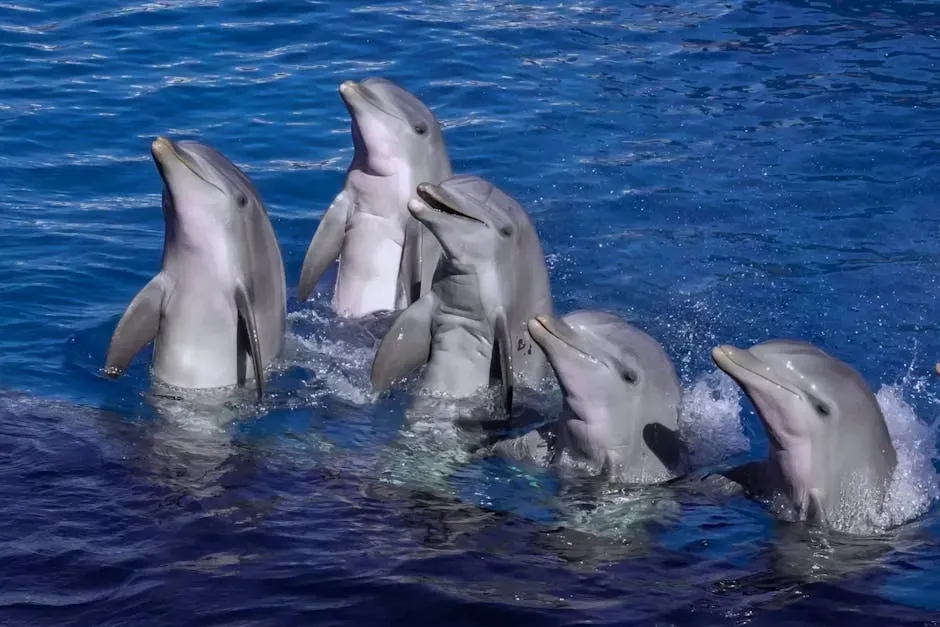
Picture a young dolphin sticking close to its mother or a group of older companions, shadowing their every move as they chase fish. You’re watching social learning in real time. Instead of being formally taught step by step, the youngster learns by constant exposure: watching how the older dolphins approach a school of fish, when they turn, when they dive, and how they position themselves for the best strike. Repetition, proximity, and curiosity become their teachers. If you’ve ever learned a sport by playing with people who are better than you, you already understand the process. You copy small details almost without thinking: the way someone turns their wrist, how they position their feet, when they choose to sprint. Young dolphins do something very similar, except their field is the open sea and their “coaches” are experienced hunters. Over time, those subtle details add up to a polished hunting style that matches the local tradition.
The Role of Mothers, Aunts, and Older Companions
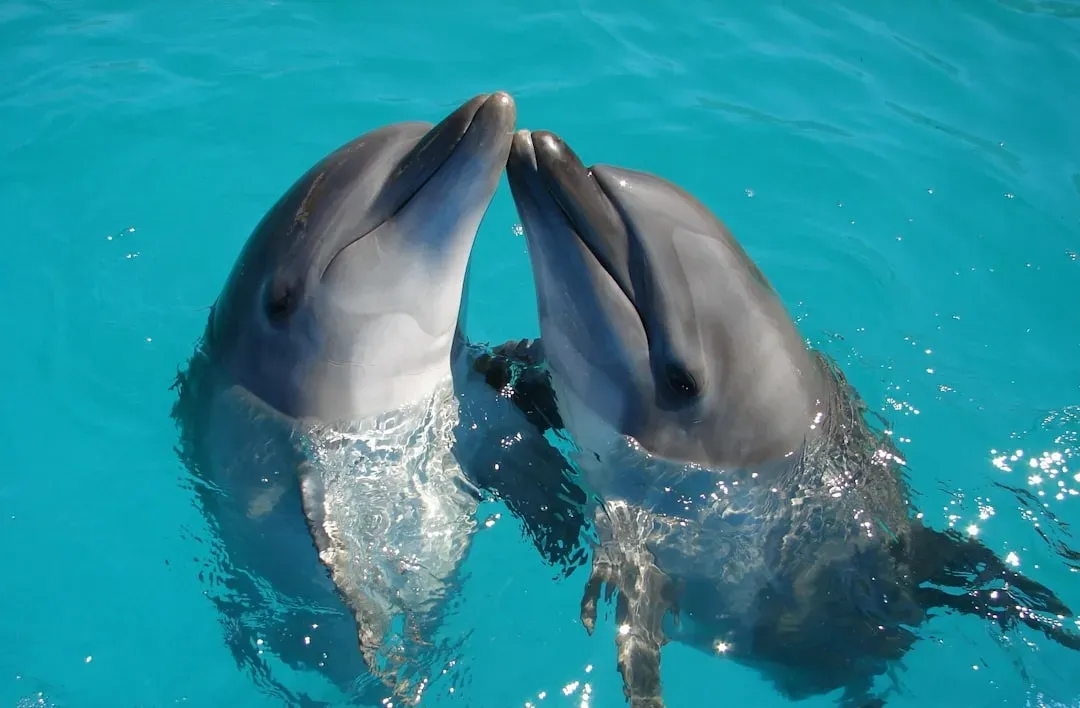
When you imagine who does most of the teaching, you might think of one wise “leader,” but dolphin learning is more distributed than that. Mothers play an especially central role, with calves often staying close to them for several years. During that time, the calf is exposed again and again to local hunting methods, almost like riding in the passenger seat while someone more experienced drives on a tricky road every day. At the same time, you have a broader social web: older siblings, “aunt” figures, and other long-term companions who provide extra models to copy. It is more like growing up in a tight-knit neighborhood where everyone knows everyone, and the kids pick up habits from lots of adults, not just their parents. In that kind of setting, it makes sense that hunting traditions stay surprisingly stable over time, because many different elders are reinforcing the same basic patterns.
Tool Use and Clever Tricks You Wouldn’t Expect

Some dolphin hunting methods are so inventive that they feel almost unreal when you first hear about them. In a few populations, dolphins use objects in their environment in ways that go far beyond simple trial and error. You might see them picking up marine sponges to protect their snouts while they probe the seafloor for hidden prey. That is not something they are born knowing how to do; it is something they acquire by watching others. What makes this especially striking is that not all dolphins do it. You have pockets of the species where this trick is common and others where it simply does not exist, much like a regional craft or recipe that never left its hometown. When you see a young dolphin start to imitate this kind of behavior after spending time with an older sponge-user, you’re looking at cultural transmission as clearly as you might see a child learning to use a new kitchen gadget by copying a parent.
Cooperative Hunts: Teamwork You Can Actually Recognize

One of the most jaw-dropping things you notice about dolphin hunting is how synchronized it can be. You watch a group surround a school of fish, each individual taking up a position that makes it harder for the prey to escape. If you’ve ever watched a well-practiced sports team execute a play where everyone seems to know exactly where to be, you get the idea. That kind of coordination does not come from instinct alone; it requires practice and experience together. You can imagine young dolphins on the edge of the action at first, almost like rookies sitting on the bench, observing more than participating. Over time, they start joining in, making mistakes, adjusting their timing, and finally slotting into roles that suit their strengths. The older dolphins serve as living templates of how to move and when to strike. You’re looking at social learning not just of a single trick, but of a shared group performance.
Why Scientists Call This Culture, Not Just Behavior

When you hear the word “culture,” you might think of music, language, or holiday traditions, but the underlying idea is simpler: shared behaviors and knowledge passed down socially, not just genetically. Dolphins tick that box: they have group-specific hunting methods, they learn those methods from older members, and those practices can persist for many generations. That is why researchers increasingly talk about dolphin culture rather than just dolphin behavior. For you, the key takeaway is that culture is not a uniquely human invention. You are part of a long continuum of animals that pass on local knowledge using social learning. Dolphins stand out because their cultures are relatively complex and flexible, but they are not alone. Seeing them this way changes how you think about intelligence, because it suggests that what really matters is not just how big a brain is, but how effectively that brain can plug into a social network of shared knowledge.
What Dolphin Hunting Culture Tells You About Intelligence

If you judge intelligence only by raw problem-solving in isolation, you miss something crucial. With dolphins, the real brilliance shows up in how well they learn from one another and adapt group knowledge to new conditions. A young dolphin does not have to reinvent its hunting method from scratch; it builds on a foundation laid by those who came before. You might recognize the same pattern in human schooling, apprenticeships, and family traditions. This matters because it shows you that intelligence in the wild is often collective. Social learning lets information survive beyond any single animal’s lifetime. In your own life, you rarely start at zero; you stand on borrowed experience from parents, teachers, authors, and friends. Dolphins do something similar through their hunting culture. Once you see that continuity, it becomes harder to draw a sharp line between human minds and other minds in the animal world.
Why This Matters for Conservation and for You
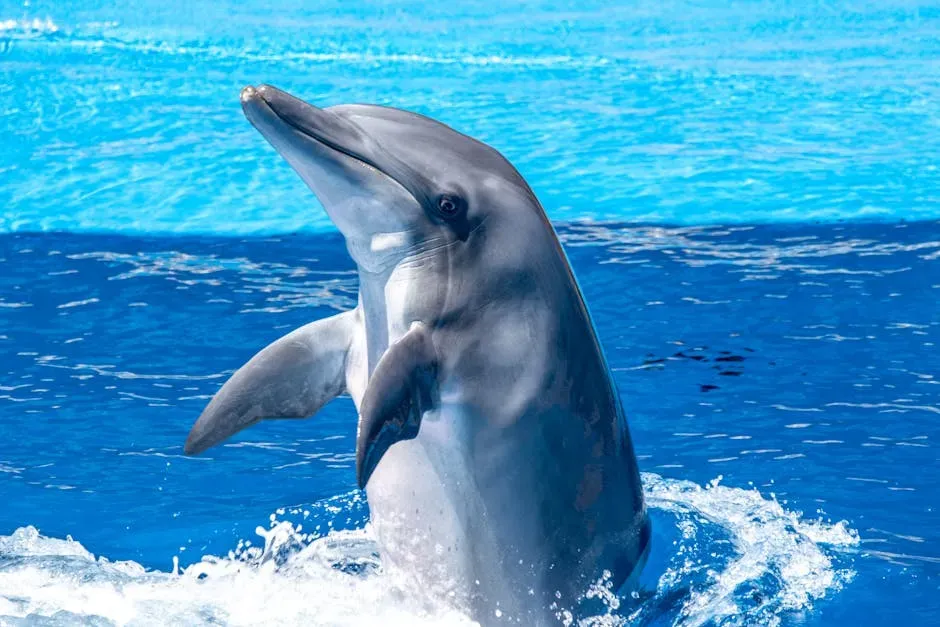
When you realize dolphins are carrying cultural knowledge, not just genetic traits, the stakes of conservation look different. If a particular social group is lost due to pollution, overfishing, or noise disturbance, you are not just losing a number of animals, you are losing a unique hunting tradition that younger dolphins elsewhere may never learn. That is like losing a language or a craft that no one else practices. For you personally, this insight adds an emotional layer to how you think about the ocean. You are not just looking at wildlife; you are looking at communities with their own history, their own shared skills, and their own ways of making a living. Supporting measures that protect dolphin habitats is, in a very real sense, supporting the survival of those invisible cultural threads that tie generations together.
Conclusion: Seeing Dolphins as Keepers of Ocean Knowledge

Once you understand that , you start to see them less as performers and more as keepers of ocean knowledge. Each group carries a toolkit refined over countless hunts, passed down through careful watching, copying, and cooperating. You might never hear their “lessons,” but the results are written in how they move and feed together. That perspective invites you to rethink your own place in the world as well. You, too, live inside a web of inherited know-how, from recipes and skills to full-blown belief systems. Dolphins remind you that culture is not some distant, abstract concept; it is a practical survival strategy that connects past, present, and future. The next time you see a dolphin leap from the water, will you picture the generations of teachers behind that single, graceful motion?