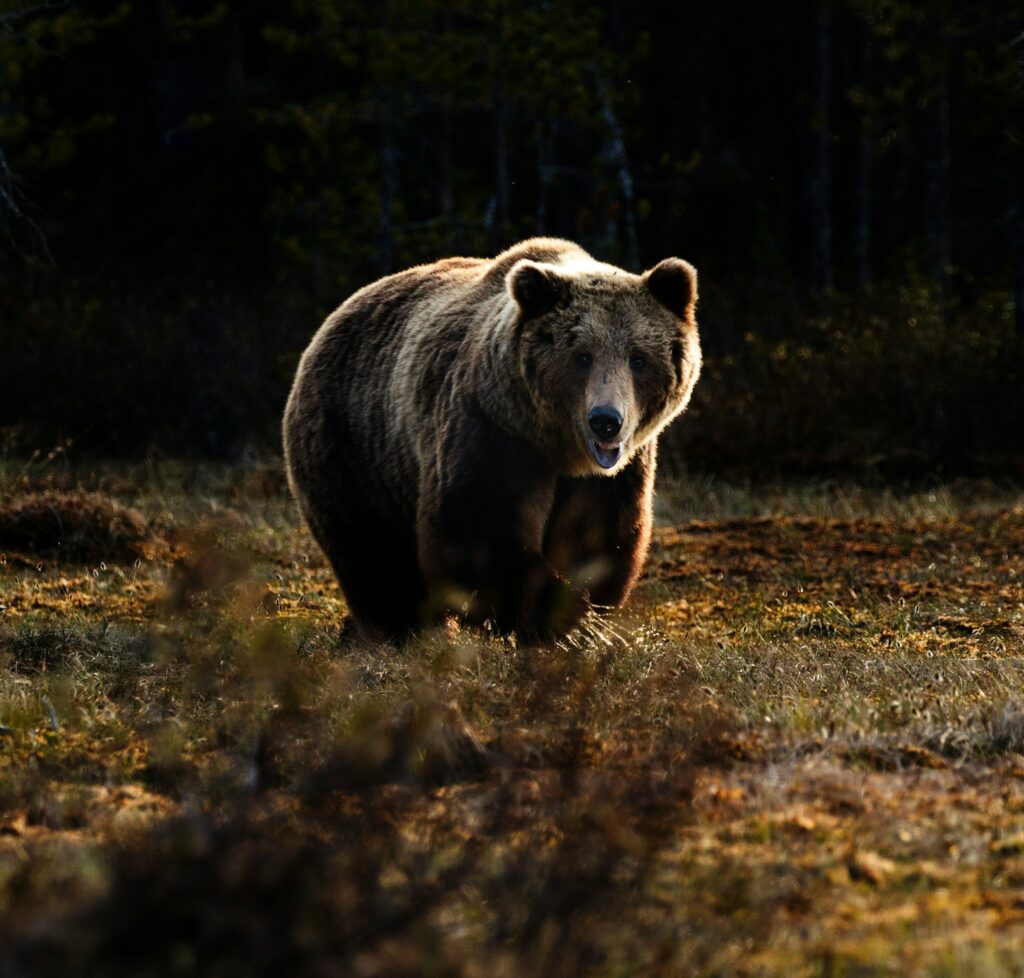

You might watch a fox slip through your garden or along a hedgerow and feel like you’ve seen that exact scene before. Same line of fence, same corner of the yard, same silent trot. That’s not your imagination. Foxes really do reuse the same paths, sometimes with the kind of loyalty you’d expect from a train stuck to its track. When you start to understand why, their night-time routines go from mysterious to strangely logical. Once you look more closely, you realize those neat little tracks in the grass, the gap in the hedge, or the muddy line along a ditch are more than random routes. They’re highways, carefully learned over time. You’re not just seeing an animal wandering around; you’re watching years of habits, decisions, and survival strategies all playing out in a few quiet footsteps.
1. Familiar paths mean fewer dangerous surprises

Think about how you feel walking a dark street you know by heart compared to stumbling through an unfamiliar alley. Foxes are doing the same thing, just with fur and sharper ears. When a fox follows a path it’s used a hundred times, it already knows where the fences are, where the holes in the ground might trip it, and where it can duck into cover if something goes wrong. By reusing a route, a fox cuts down on surprises. It has already tested where the dog usually barks, where people tend to leave rubbish bags, and which corners feel exposed. Every repeated walk is like another rehearsal, turning an uncertain nighttime world into something more predictable and safer to move through.
2. Routine saves precious energy

If you had to reinvent your commute every day, always picking a completely new way to get to work, you’d be exhausted before you even arrived. A fox has the same problem, only for it, wasted energy can mean going to sleep hungry. Sticking to tried-and-true paths is an energy-saving trick: the fox moves efficiently, without stopping to constantly reassess where to go. Over time, a fox’s main routes become streamlined. It knows the quickest way to cut across a field, how to weave through back gardens with minimal backtracking, and where the easiest slopes and gaps are. That kind of muscle memory lets it trot along at night without overthinking every turn, conserving just enough energy to sprint if a threat appears or to pounce when an opportunity shows up.
3. Reused routes lead to reliable food spots

When you think about why you choose the grocery store you always go to, it’s probably simple: you know what you’ll find there. Foxes build their own mental map of “shops” along their routes. That might be a bin that often has leftovers, a spot where people leave pet food, a compost heap, a chicken coop, or a corner of a field that often has small mammals and insects. By using the same paths, a fox can check this circuit of food sources quickly and methodically. You can imagine it like a nightly list: bin behind the takeaway, hedgerow with voles, garden with dropped bird seed. Some stops pay off, others don’t, but the habit means the fox doesn’t waste time rummaging through random places; it targets locations that have produced a reward before.
4. Memory turns a path into a mental map
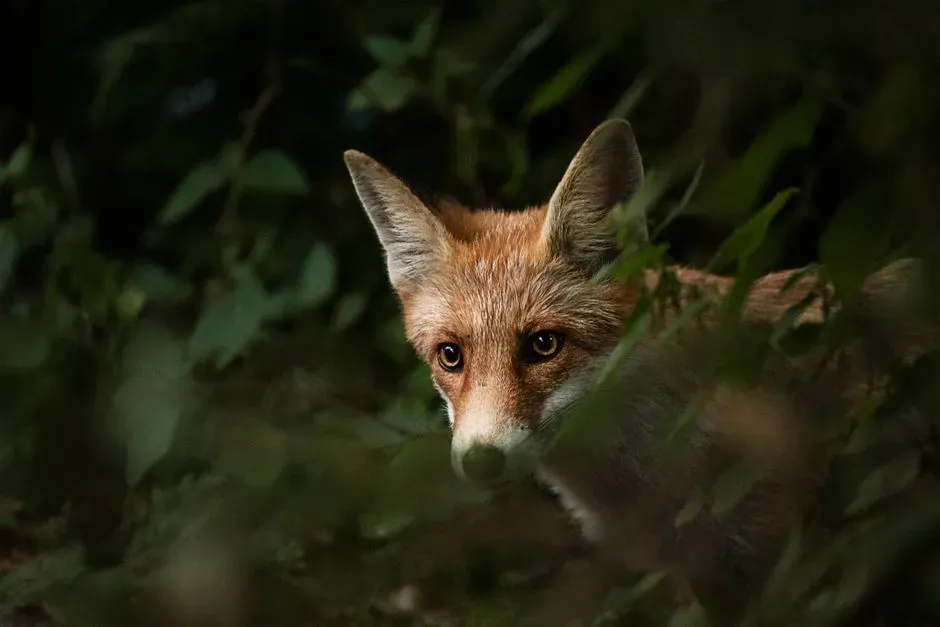
The more often you walk the same way home, the more your brain builds a rich mental map of it: that crack in the pavement, that bright porch light, that shortcut through the alley. A fox does something similar, using its memory to store the layout of its paths. Over time, every twist, obstacle, and escape route along that track becomes part of a detailed internal map. This mental map is not just visual. A fox remembers smells, sounds, and even subtle changes. It might notice if the scent of a new dog appears, if a gate that was always open is suddenly shut, or if human activity has increased in a particular yard. That deep familiarity makes the same path more useful with each passing night, because the fox isn’t just following a line on the ground – it’s navigating a landscape full of meaning.
5. Safe routes help foxes dodge bigger predators
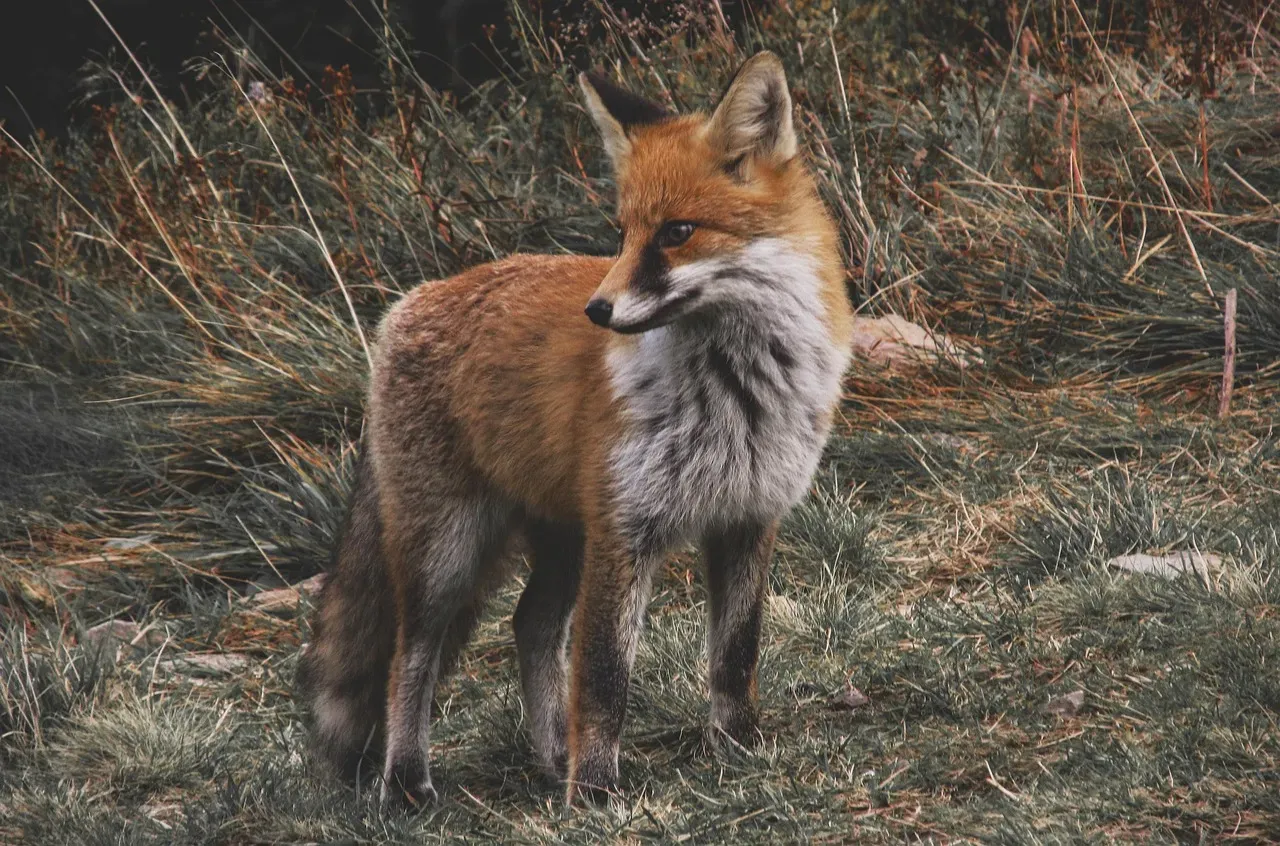
Even though you might mostly see foxes in quiet neighborhoods or fields, they still have plenty to worry about. Larger predators, aggressive dogs, territorial rivals, and even humans can all be dangerous. A path that has kept a fox safe night after night becomes a kind of trusted escape corridor, a route that has already been tested under stress. Along these routes, the fox knows where it can vanish in a second: a gap under a shed, a thicket of brambles, a hole in a fence, or a bank it can slip behind. If you’ve ever watched a fox disappear as if the ground swallowed it, you’re probably seeing one of these escape points in action. Reusing the same path lets the fox wire these emergency exits into its reflexes instead of having to improvise every time.
6. Fox families share paths like hand-me-down secrets
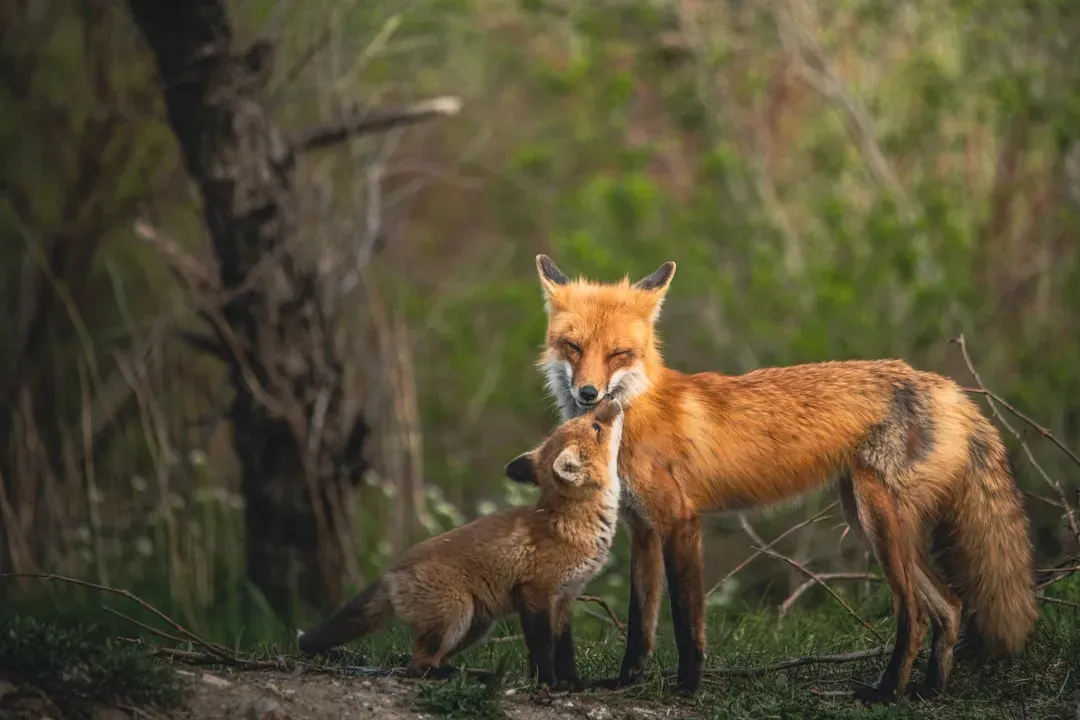
You’re not just looking at one fox’s preferences when you see the same route used over and over – you might be looking at family tradition. Fox parents raise their young in a den, and as the cubs grow, the adults lead them out along safe, well-tested paths to learn where to forage and how to move through the territory. Those first guided walks often follow the exact same lines that have worked for years. As the young foxes explore more on their own, they tend to stick close to what they were shown. Even if they tweak the routes a bit, the core paths can persist across generations. It’s like a shortcut that an older sibling shows you on the way to school: once you know it works, you keep using it, and maybe someday you show it to someone else.
7. Habits reduce risk in busy human landscapes

In towns, suburbs, and cities, foxes have to navigate roads, fences, gardens, pets, and people. It’s a risky maze. When a fox finds a safe way through – maybe using alleys, railway lines, back fences, and quiet side streets – it has every reason to stick to that discovery. Each repeated night walk confirms that the route still works and helps the fox time its movements to avoid peak human and traffic activity. If you pay close attention, you might notice a fox popping up in the same place at roughly the same time each evening, like a furry ghost on a schedule. It might be slipping across a particular road when traffic dies down, or cutting through a yard after the lights usually go off. Those repeated paths are a way of threading the needle through human chaos with as little risk as possible.
8. Repetition calms the constant stress of survival
Life for a wild animal is a steady drip of stress: hunger, noise, weather, rivals, danger. Reusing routes might not just be practical; it might also be a quiet form of comfort. When a fox follows a familiar line through its territory, the world becomes a bit more predictable. The sounds are known, the smells are expected, and the turns feel automatic instead of risky. If you’ve ever stuck to a familiar jogging loop or taken the same walk after a long day because it just feels easier, you already understand this. For a fox, routine can smooth the edge off constant alertness, letting it focus its attention on the things that really matter – like listening for prey or scanning for real threats – rather than worrying about what might be around every unfamiliar corner.
Conclusion: A nightly pattern with a clever purpose

When you see a fox padding along the same narrow line, you’re not just watching a random wanderer. You’re seeing survival strategy, inherited knowledge, energy-saving habits, and a kind of wild comfort all wrapped into one routine. Those repeated paths are proof that the fox is not wasting effort; it’s investing in what works. Next time you notice little tracks appearing in the same strip of grass, or catch the same fox slipping along a fence at dusk, you’ll know there’s a story behind that path – a story of tests passed, dangers dodged, and meals found. It might even make you look at your own daily routes a bit differently: how much of what you do is just habit, and how much is quiet strategy you’ve built over time?