
You probably walk past birds all the time without thinking twice, but ravens are quietly paying very close attention to you. Animal scientists have found that these big, dark birds can remember human faces for years and even treat you differently based on how you behaved around them before. You might think of birds as forgetful or simple, yet ravens are watching, learning, and building long-term files on you in their minds. Even more stunning, ravens do not keep that information to themselves. They share it. If you act aggressively around a raven, you are not just risking one angry bird, you may be getting flagged as dangerous to an entire local network of ravens. Once that social alarm bell starts ringing, it can echo for a long time. Let’s dig into what that means for how you see wildlife, and how wildlife sees you.
You Are Being Watched: How Ravens Learn Your Face
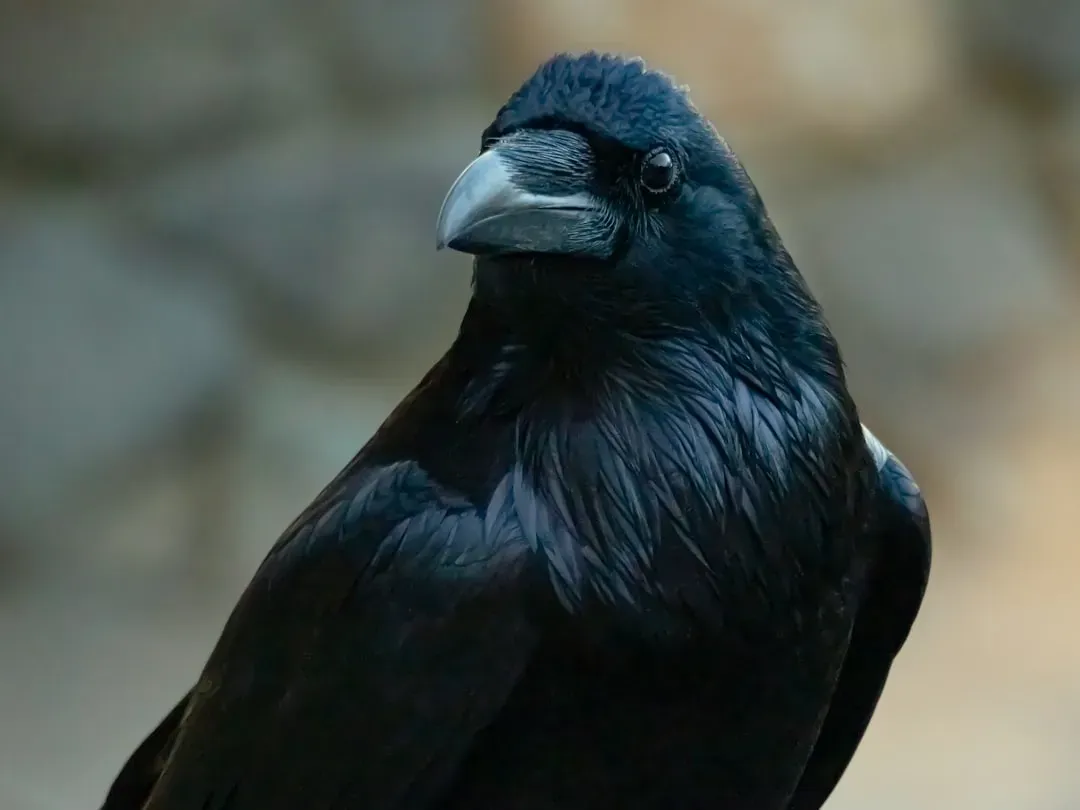
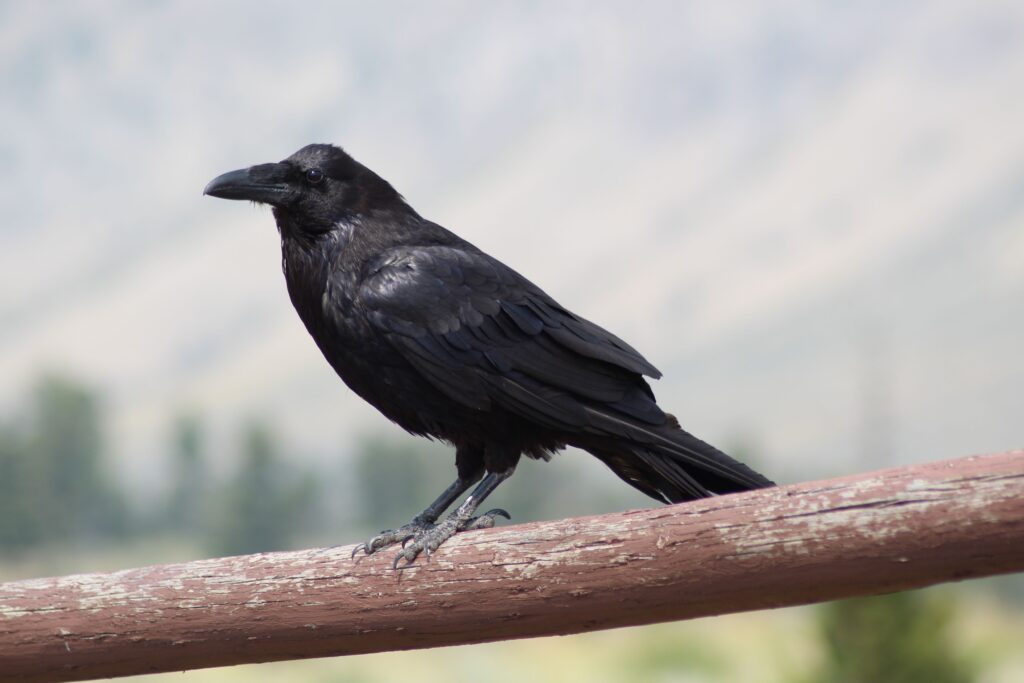
When you walk through a raven’s territory, you are not just a random shape in a crowd. To a raven, your face is almost like a unique ID badge. Animal behavior studies using masks and controlled encounters show that ravens can distinguish between different human faces and respond differently depending on whether they associate that face with danger, food, or neutral behavior. In plain terms, if you once chased a raven away, it can pick you out later and react as if you are still a threat. You might assume this kind of recognition is something only primates or pets like dogs can pull off, but ravens prove that bird brains are far from simple. Their visual memory, combined with high intelligence, lets them form lasting impressions of individuals, not just categories like “all humans.” That changes the relationship, because you are no longer just a stranger in the environment; you become a recurring character in the raven’s life story.
Years-Long Memory: Why Ravens Do Not Just “Get Over It”
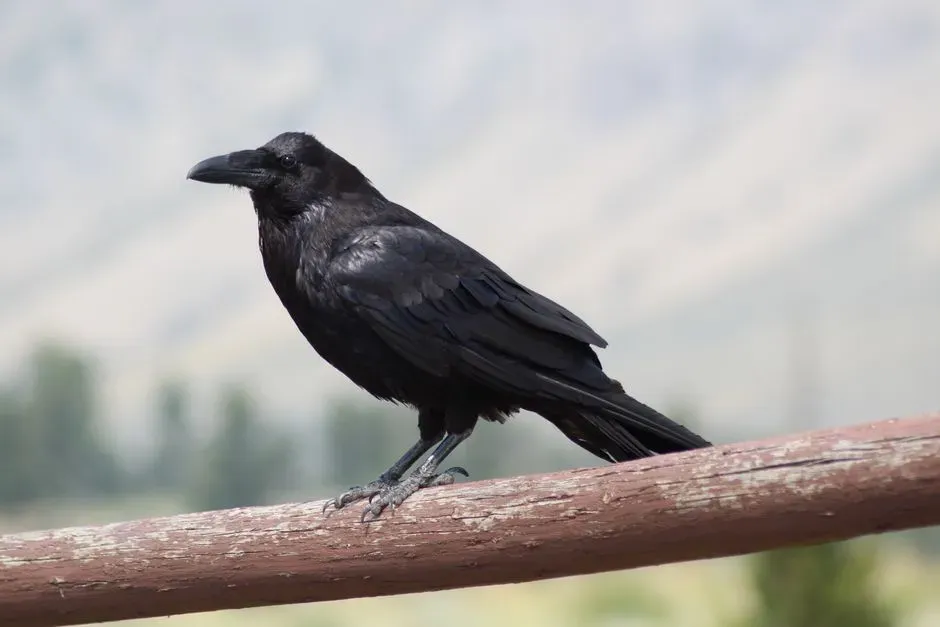
The part that really catches your attention is not just that ravens recognize faces, but that they remember them for years. In long-term follow‑up experiments, ravens continued to react strongly to a “dangerous” human face even after long gaps without seeing it. That suggests their memory of you does not quickly fade into noise; it sticks around like a mental warning label. Think about the daily chaos in a raven’s life: changing seasons, shifting flocks, predators, new people, new threats. For your face to still matter after all that means it occupies a special place in their mental filing system. You may forget a raven you once annoyed on a hike five years ago, but that bird could very well still treat you as the villain in its personal story if you cross paths again.
Spreading the Word: How Ravens Warn Each Other About You
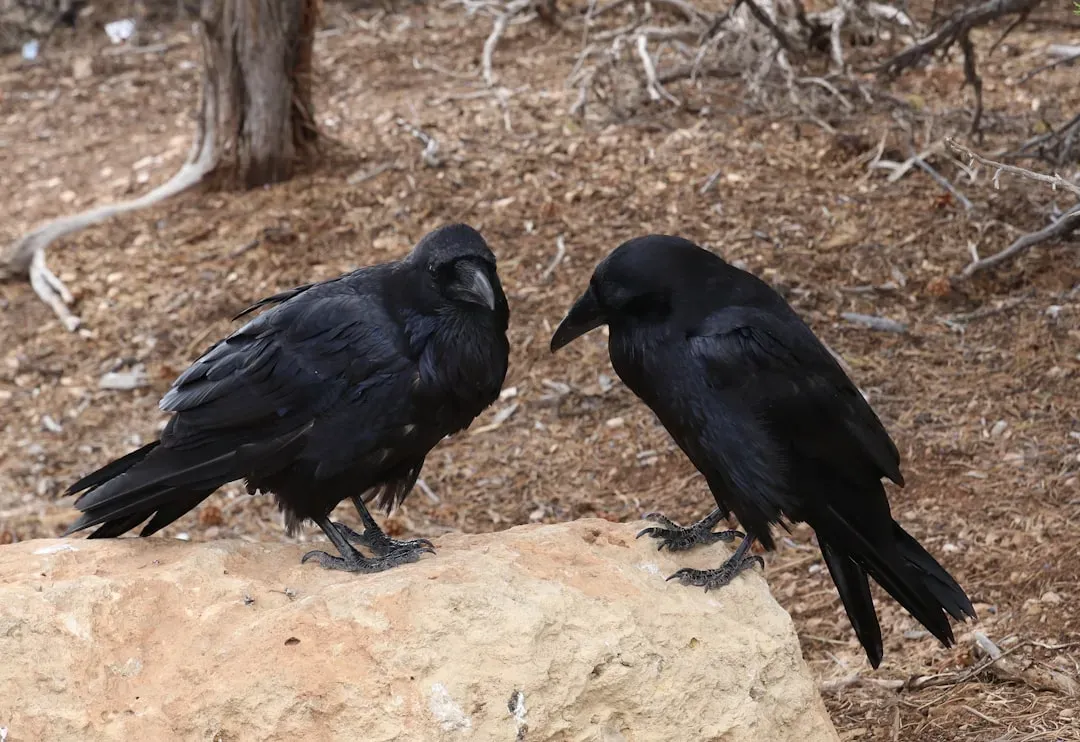
You are not just dealing with one brain when you upset a raven; you are dealing with a social network. Ravens are highly vocal, social birds that pay close attention to each other’s reactions. When a raven sees a face it considers dangerous, it can respond with specific alarm calls and agitated behavior that other ravens quickly notice and interpret. In effect, one bird’s bad experience with you can ripple out into a group response. Over time, this turns into a form of cultural transmission: information about who is safe and who is not can spread within a local raven community. You could be that person who once harassed a nesting raven, and years later still be greeted with loud scolding and wary eyes from birds that have never actually seen you do anything wrong – only because they learned to distrust your face from others.
Inside the Raven Mind: Intelligence Behind the Behavior
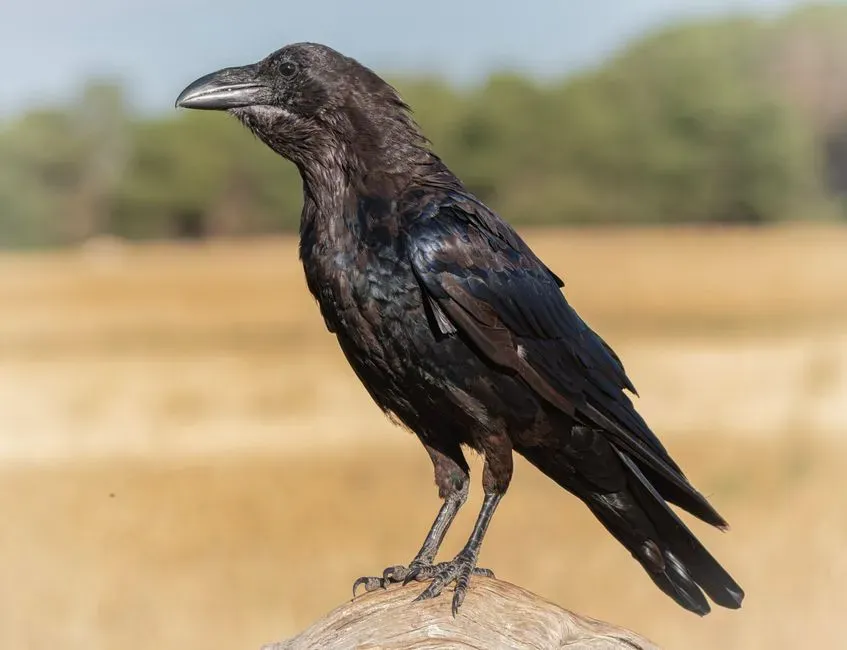
For ravens to pull this off, they need more than a simple reflex. You are looking at a bird with a brain capable of complex memory, flexible problem‑solving, and social reasoning. Researchers have shown that ravens can plan ahead, hide food while considering what other ravens might see, and even hold grudges or form alliances based on past interactions. Remembering your face and linking it to a story about your behavior fits right into that advanced skill set. If you think of intelligence as just test scores and language, birds might seem far behind you. But if you treat intelligence as the ability to navigate a complex, changing world, ravens start looking like feathered strategists. They are constantly updating a mental map of who is friend, who is foe, and who might be a useful partner. Your face becomes another data point in that social map.
Why Evolution Favors Ravens Who Remember You
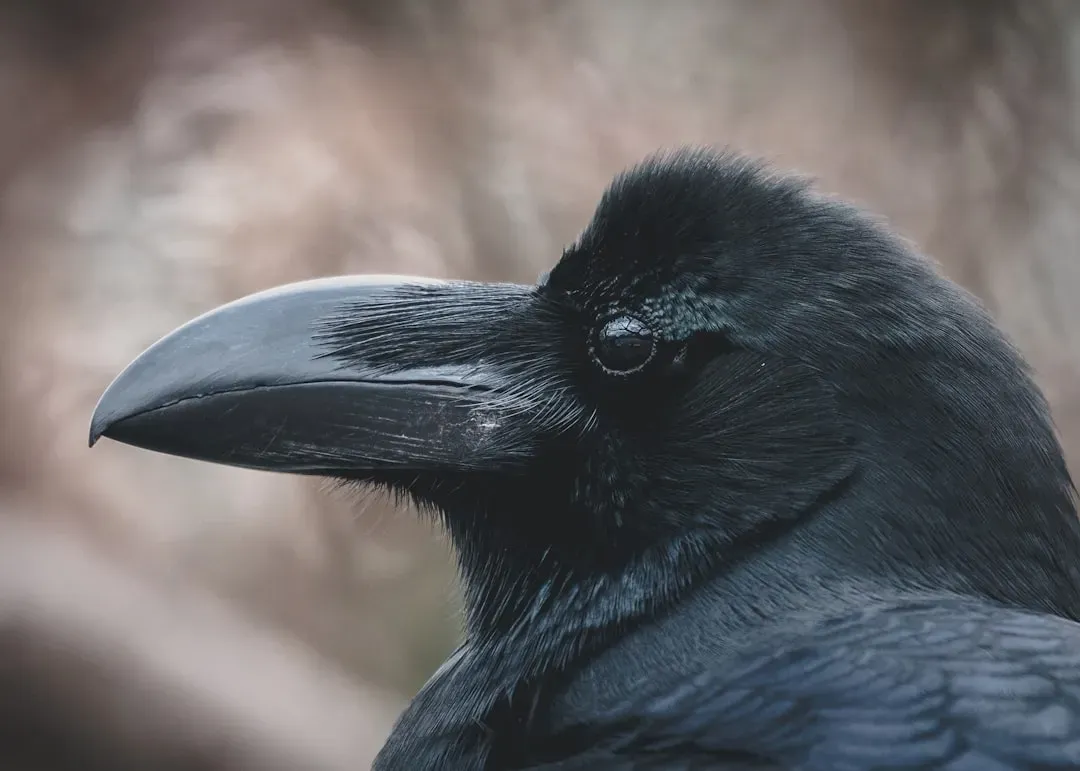
You might wonder why a wild bird would bother remembering you for so long. From an evolutionary angle, it makes perfect sense. A raven that remembers which humans are likely to throw rocks, destroy nests, or get too close to fledglings can avoid serious injury or death. Over many generations, birds that paid attention to individual threats had a survival edge over those that treated all humans the same. This kind of memory also helps ravens exploit positive relationships. If you are the person who always leaves food scraps in the same spot or never chases them away, remembering your face helps them find reliable opportunities. So you become either a walking hazard sign or a moving resource clue, and both roles are worth keeping track of in a harsh, competitive environment.
Ravens, Crows, and You: A Family of Face-Recognizers
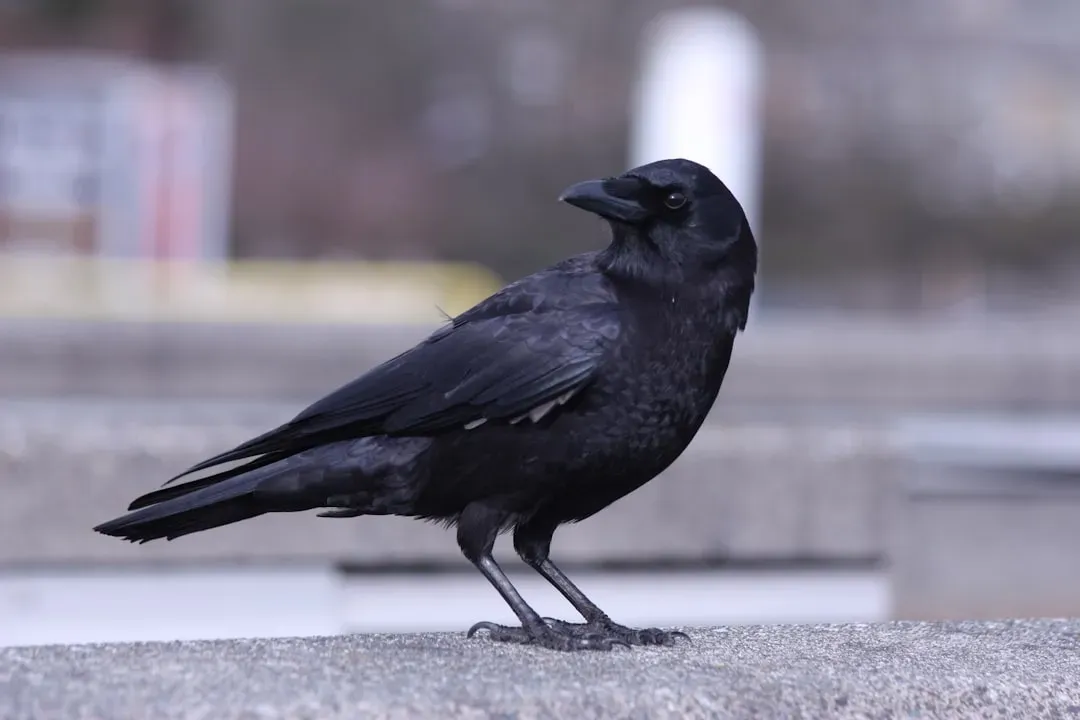
If you have ever felt like a crow was glaring at you from a telephone wire, you are not imagining things. Ravens belong to the corvid family, which includes crows, magpies, and jays – many of which also recognize and remember individual humans. In more than one city, crows have been documented mobbing specific people years after a negative encounter, while largely ignoring others walking right beside them. You can think of corvids as an extended clan of feathered neighborhood watch members. They each patrol their territory, share gossip through calls and behavior, and pass down knowledge of danger to younger birds. When you step into that world, you are entering an existing information network where your past actions can echo far beyond what you intended.
How Your Behavior Today Shapes Raven Reactions Tomorrow
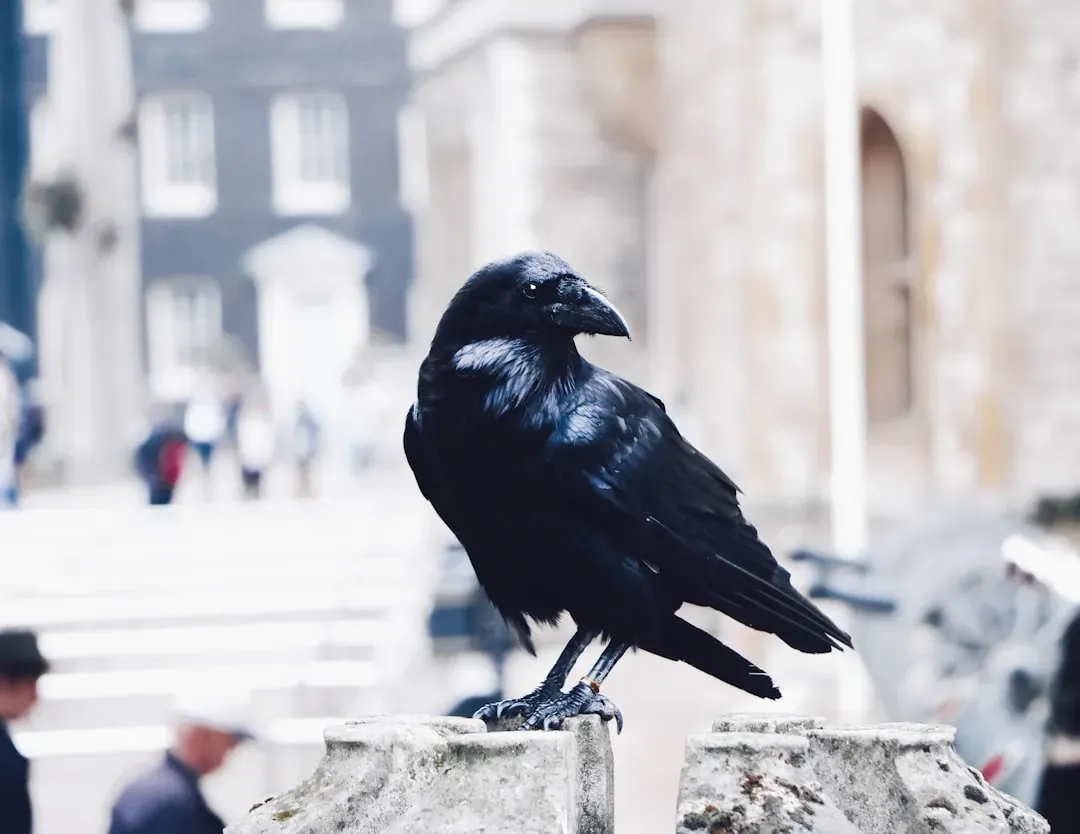
Once you realize ravens remember you, your choices around them start to look different. If you shout, throw things, or invade a nest area, you are not just having a bad moment – you are leaving a lasting emotional fingerprint on their memory. Later, when you casually return to the same park or trail, you may find ravens already acting defensive or alarmed before you do anything at all. On the flip side, calm, respectful behavior can set a very different tone. If you give them space, do not harass them, and maybe even leave occasional food where it is allowed and ethical, they can start to treat you as a known, low‑risk presence. You are still a big primate walking through their world, but you become a familiar one, and familiarity can reduce fear.
What This Changes About How You See “Wild” Animals
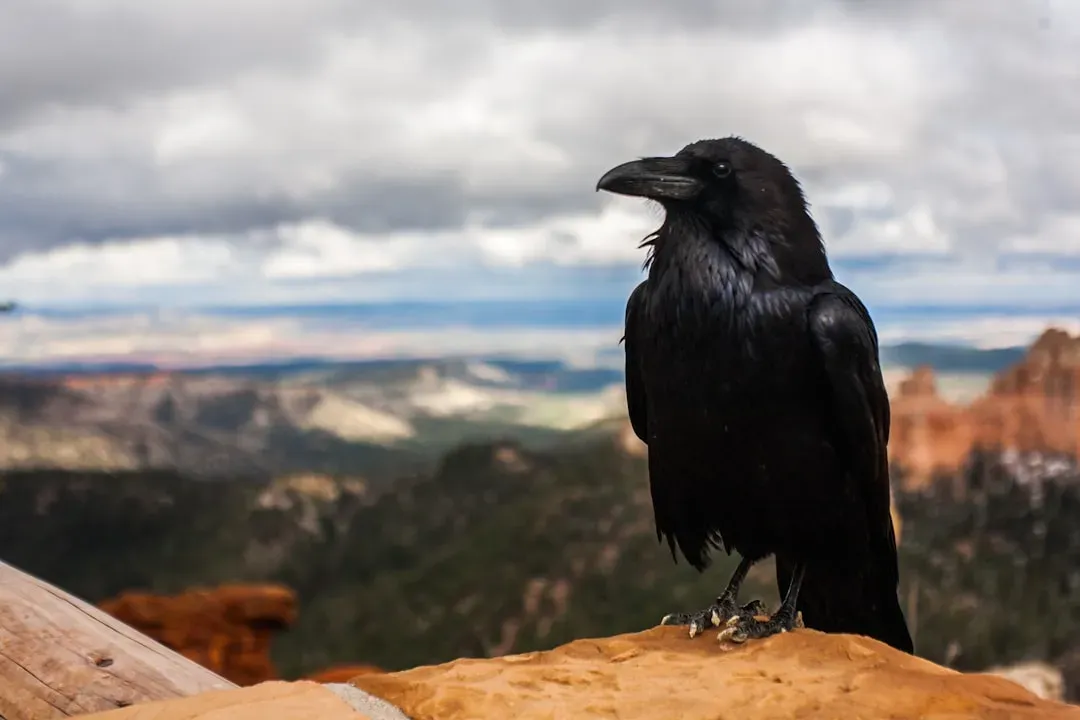
Knowing that ravens track your face for years forces you to rethink the idea that wild animals are just background decoration. They are not passive extras in your outdoor life; they are active observers forming judgments about you. When you understand that, every casual cruelty, every careless stone thrown, suddenly carries more weight than you might have ever admitted to yourself. It also makes respect feel less abstract. You are no longer being kind to some vague concept of nature; you are building or breaking trust with very specific, very attentive minds. That shift can change how you move through forests, cities, and fields, because you start to see yourself not as the main character, but as one of many intelligent beings sharing and remembering the same space.
Living With Ravens: Practical Ways to Be a “Good” Human in Their Eyes
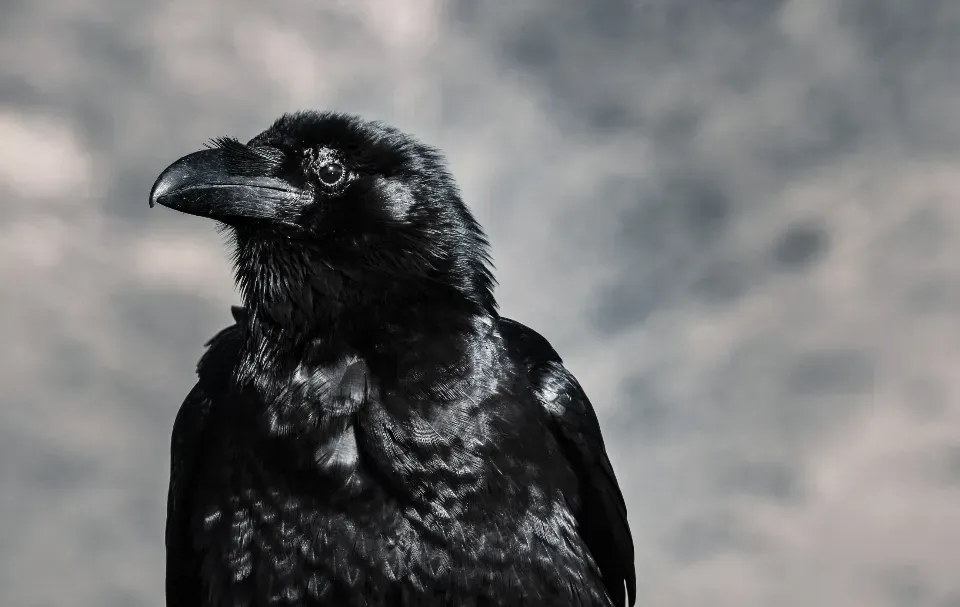
So what can you actually do with all this? First, you can choose not to be the villain in a raven’s story. Avoid disturbing nests, chasing birds, or letting children treat them like toys. Keep your distance when they are feeding or raising young, and remember that loud, sudden moves around them can read as aggression, even if you did not mean it that way. Second, if ravens are part of your regular environment – maybe around your home, farm, or work site – you can lean into cooperation instead of conflict. Secure trash so you are not training them to rely on human waste, but consider setting aside safe, controlled food sources if it is appropriate and legal where you live. Over time, you might find that the same birds start to recognize you as a stable, mostly harmless neighbor, rather than a threat that needs to be loudly advertised to everyone else.
Conclusion: The Face in the Flock
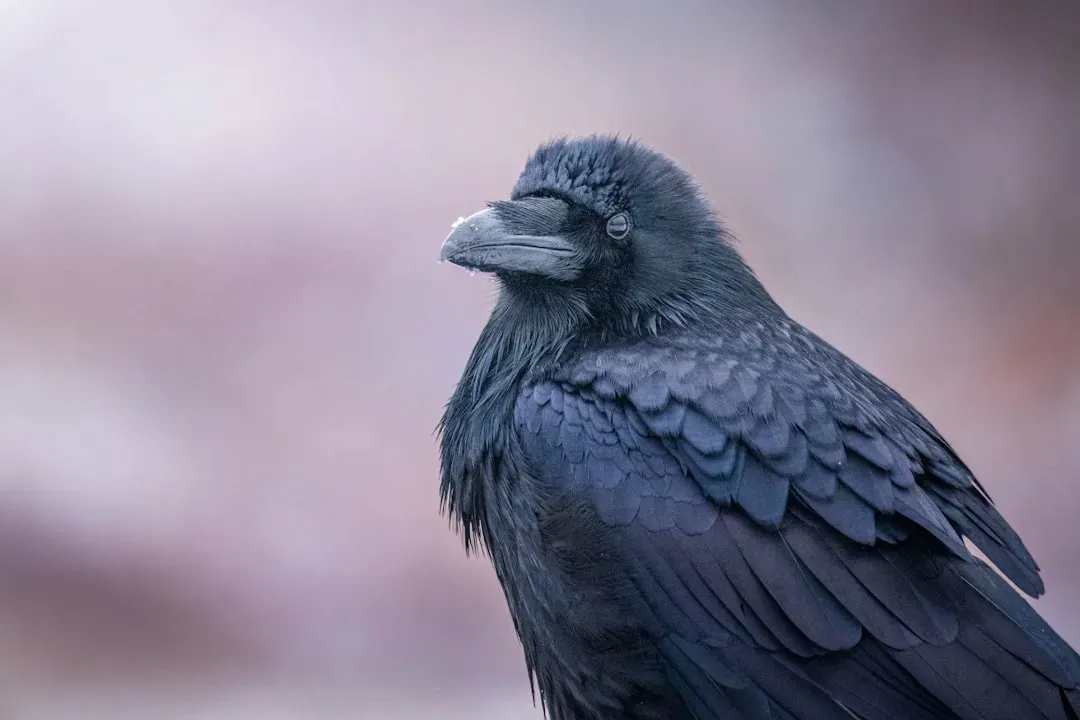
Once you know that ravens remember your face for years and warn others about what kind of human you are, it becomes very hard to see them as just dark, noisy birds in the distance. You realize you are walking through a world of quiet observers, each one holding a private opinion about you that might outlast your own memory of the encounter. Your actions stop being throwaway moments and start becoming part of a longer‑running story in a very different kind of mind. In the end, you are not just asking what ravens know about you; you are asking what kind of character you want to be in their version of the world. Do you want to be the shadow they shout about, or the familiar figure they tolerate – or even quietly welcome? The next time a raven looks straight at you, you might wonder: what story is it already telling others about your face?