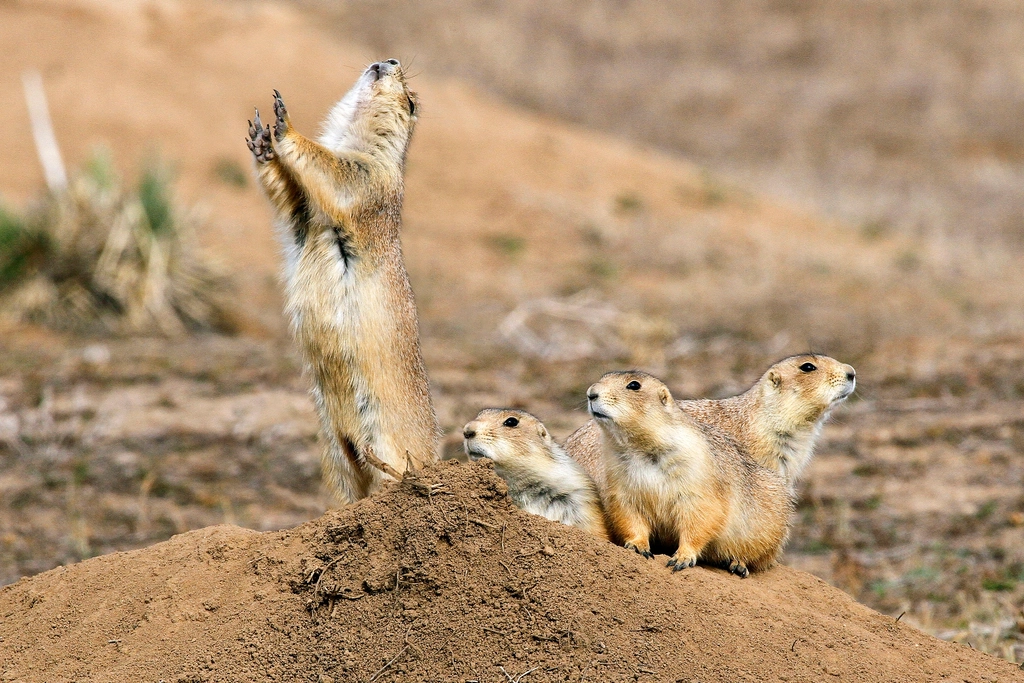

If you walked past a prairie dog colony and heard the high-pitched chatter, you might assume it is just background noise. But hidden inside that chorus is something astonishing: a kind of miniature language that can flag not just a predator, but details like what it looks like and how it is moving. I still remember the first time I watched a field recording of these calls being analyzed, and realizing that what sounded like random squeaks were more like tiny news bulletins being broadcast across the grassland.
This idea sounds almost too good to be true: that a small, ground-dwelling rodent could be encoding complex information in split-second calls. Yet for years now, animal behavior researchers have been gathering careful evidence that prairie dog alarm calls are not just generic screams of danger. They appear to carry specific, structured content in a way that blurs the line between animal communication and what we casually call language. And once you see that, it gets very hard to keep thinking of them as “just rodents.”
Prairie Dogs: Social Engineers Of The Grasslands
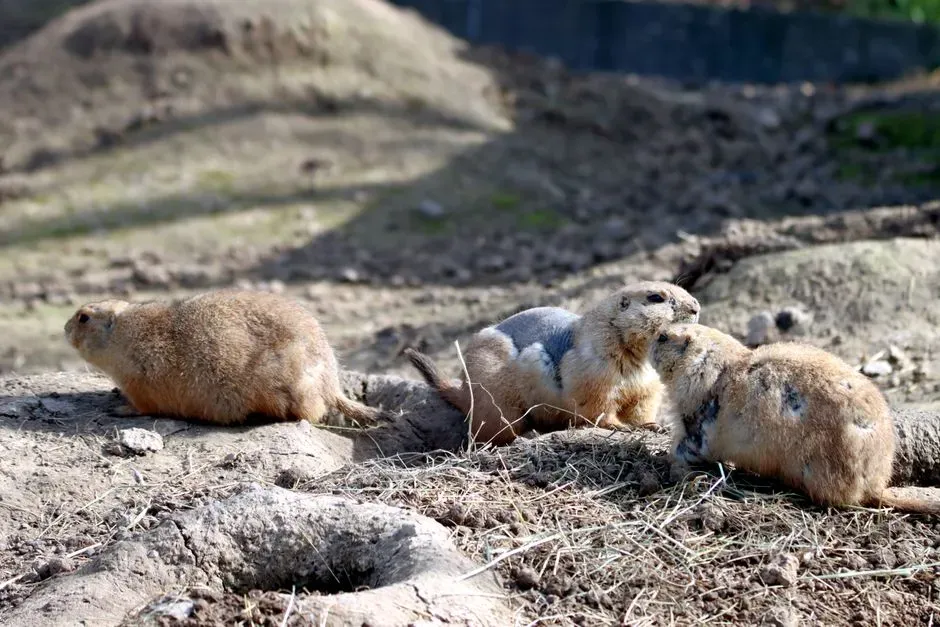
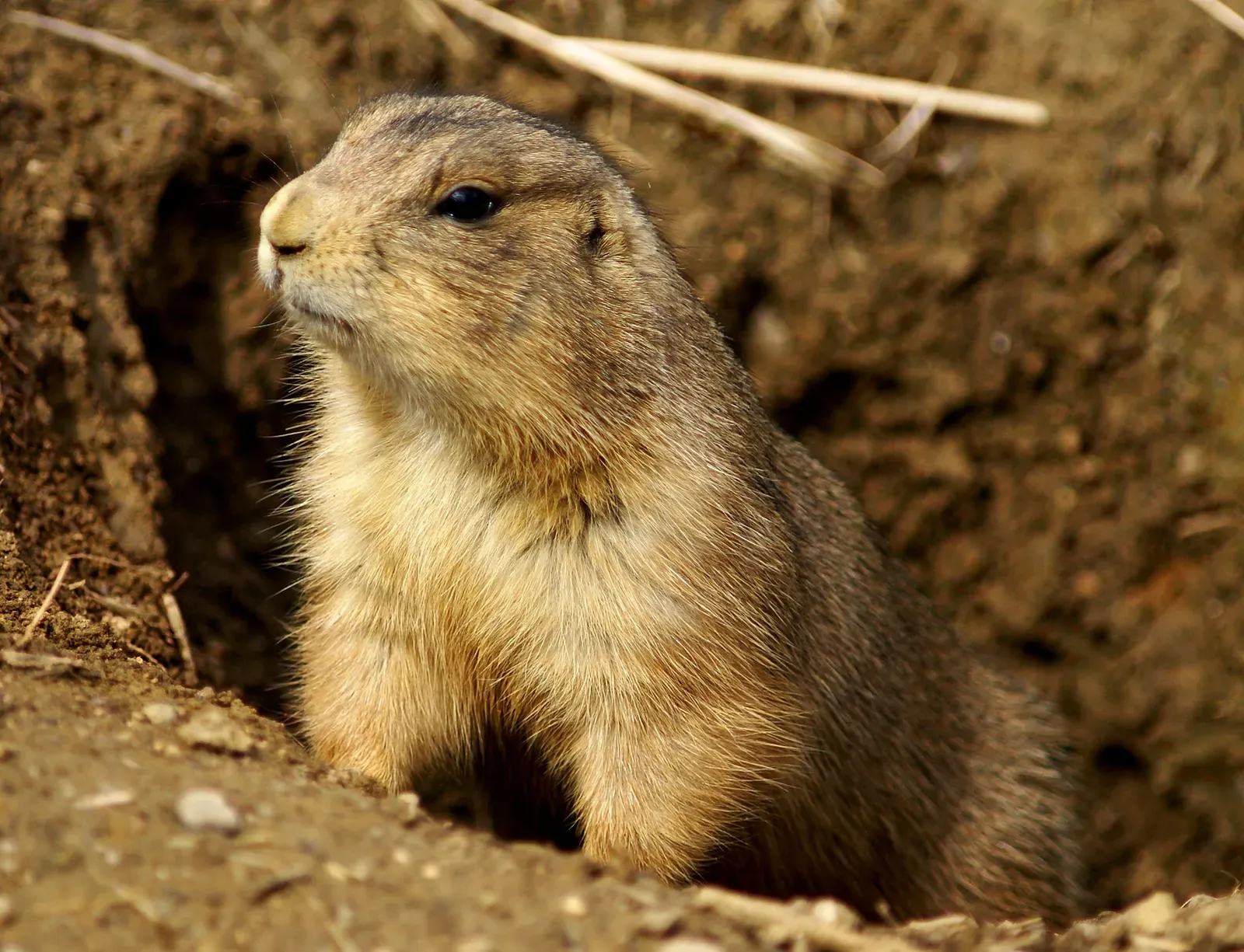
Prairie dogs are not loners hiding in burrows; they are hyper-social animals living in sprawling underground towns that can stretch for miles. These colonies are made up of smaller family units sometimes called coteries, where individuals share tunnels, grooming duties, and constant social contact. In a way, a prairie dog town is more like a dense urban neighborhood than a simple animal nest, full of gossip, arguments, and cooperation.
Living in such close quarters has obvious benefits, like extra eyes for spotting predators and shared defense. But it also creates a communication problem: how do you quickly inform everyone about an incoming threat in a way that is fast, reliable, and specific enough to matter? This is where alarm calls become a kind of social glue and early-warning system, helping organize group behavior when a hawk, coyote, or human suddenly appears at the edge of the colony.
Alarm Calls As More Than Just Screams Of Fear

At first glance, an alarm call might seem like the simplest possible vocalization. An animal gets scared, lets out a sound, and everyone runs. Yet that basic story falls apart once you listen closely to prairie dogs. Their calls vary in pitch, duration, and structure depending on what kind of predator is present, and the group reacts differently to each type of call, as if they are “hearing” not just danger but context.
Researchers have recorded prairie dogs making distinct call patterns when they spot a hawk circling above, a coyote approaching on the ground, or even a human walking nearby. Those calls are not just louder or more frantic versions of the same sound; spectrograms show specific acoustic features that repeatedly line up with specific threats. In practical terms, that suggests prairie dog alarm calls are like different coded messages, not just a one-size-fits-all panic shout.
Describing Predators: Species, Shape, And Movement

What really shocks many people is the idea that a prairie dog call might contain details like the size or shape of a predator, or whether a human is walking or running. In several carefully controlled experiments, scientists changed variables such as what a person was wearing or how fast they moved, then compared the recorded alarm calls. The patterns in the calls shifted systematically, hinting that the animals were encoding some visual details of what they saw.
This does not mean prairie dogs are giving poetic descriptions of a “tall, thin man in a blue jacket,” but it does suggest that their calls include building blocks that map to features like type of predator and style of movement. Many scientists think of this as a kind of proto-linguistic system: not a human language, but communication with a combinatorial structure that goes beyond a simple one-sound-per-danger setup. In plain language, the calls may say something closer to “fast-approaching coyote on the ground” instead of just “run.”
How Scientists Decode Prairie Dog Calls

To figure out what these calls mean, researchers do not just listen with their ears and make guesses. They use audio recorders, high-speed microphones, and computer software to break each call into its acoustic parts. These parts are analyzed for frequency, timing, modulation, and patterns that repeat across multiple recordings of the same predator type or situation. It looks a bit like turning sound into a barcode and checking which barcodes show up when.
Alongside that, behavior is carefully tracked: What do nearby animals do when they hear one type of call versus another? Do they dive into burrows, stand up and scan the sky, or cluster near certain areas? By pairing the calls with the observed reactions, scientists can test whether differences in sound are meaningful and consistent, rather than random noise. Over time, this builds a kind of dictionary of alarm calls linked to specific threats and responses.
Do Prairie Dogs Have Something Like Words And Grammar?

When you hear that prairie dogs may encode predator type, size, or movement in their calls, the next question almost asks itself: are these “words”? Some scientists argue that if a particular sound consistently refers to a particular object or action, then it behaves like a simple word. If different parts of a call can be combined or modified to shift meaning, that starts to look a bit like grammar, even if it is incredibly simple compared with human language.
Others are more cautious, pointing out that animal communication often has rich nuance without necessarily qualifying as language in the human sense. The safest way to describe prairie dogs might be that they use a structured communication system with meaningful units, where some acoustic components seem to correspond to properties of predators. Whether we decide to call those “words” or not, the key point is that their calls are not random: information is being packaged and transmitted with surprisingly fine detail.
Personally, I think getting hung up on whether it counts as “real language” sometimes misses the wonder of what is already there. Even a partial analog to words and grammar in a small rodent is a massive challenge to the old idea that human-style complexity sits on one side of a hard line and every other animal sits on the other side. Prairie dogs are reminding us that communication exists on a spectrum, not as an on–off switch.
Why Detailed Alarm Calls Are A Big Evolutionary Deal

From an evolutionary angle, being able to say more than just “danger” could be lifesaving. If you know a hawk is overhead, you might freeze or dive, while a coyote on the ground might trigger a different escape route or even coordinated mobbing by the group. Detailed alarm calls give prairie dogs the chance to use different strategies tailored to different threats, rather than wasting energy on maximum panic every single time.
In big colonies, this precision also reduces false alarms and general chaos. If every shadow caused a full evacuation, the animals would spend most of their time hiding instead of feeding, grooming, or caring for young. Being able to broadcast nuanced information makes the whole community more efficient: they can distinguish between “serious, drop everything now” moments and “be alert, but keep doing what you are doing” signals that keep life moving.
Learning The Language: Are Prairie Pups Born Fluent?
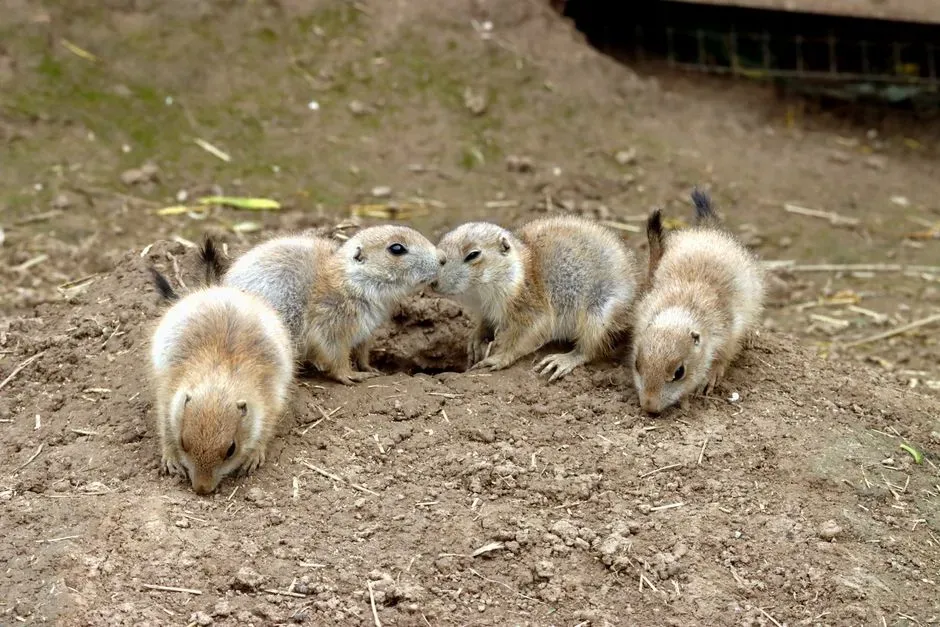
Another fascinating piece of the puzzle is how young prairie dogs pick up these calls. There is good evidence that some aspects of the alarm system are innate, meaning pups are born with a basic template for recognizing certain kinds of danger sounds. But they still need rich social exposure to use the system correctly, and they appear to refine their understanding and production as they grow up inside the colony’s acoustic environment.
Watching prairie pups, you can see them gradually responding faster and more appropriately to different alarms, mirroring how human children become more skilled at interpreting tone and context in speech. Over time, they also start contributing calls of their own, which are shaped and reinforced by the community. That mix of built-in tendencies and learned nuance feels very familiar to anyone who has seen a toddler grow into a talkative teenager who has mastered not just words, but when and how to use them.
What Prairie Dogs Teach Us About Animal Minds

The idea that a small burrowing rodent can classify predators and broadcast detailed descriptions forces us to confront some deep assumptions about intelligence. For a long time, people treated complex communication as the exclusive domain of big-brained animals like primates, dolphins, and certain birds. Prairie dogs quietly disrupt that hierarchy by showing that even relatively small mammals can develop sophisticated systems when their lifestyle demands it.
To me, the most important lesson is humility. If these animals were this complex all along and we simply failed to notice, how many other species are living out rich, information-dense lives just below our threshold of curiosity? Prairie dogs act like a spotlight on our own blind spots, reminding us that wild landscapes are not just visually busy, but acoustically crowded with meaning that we are only beginning to decode.
The Ethical Question: If They Communicate Like This, Do We Owe Them More?
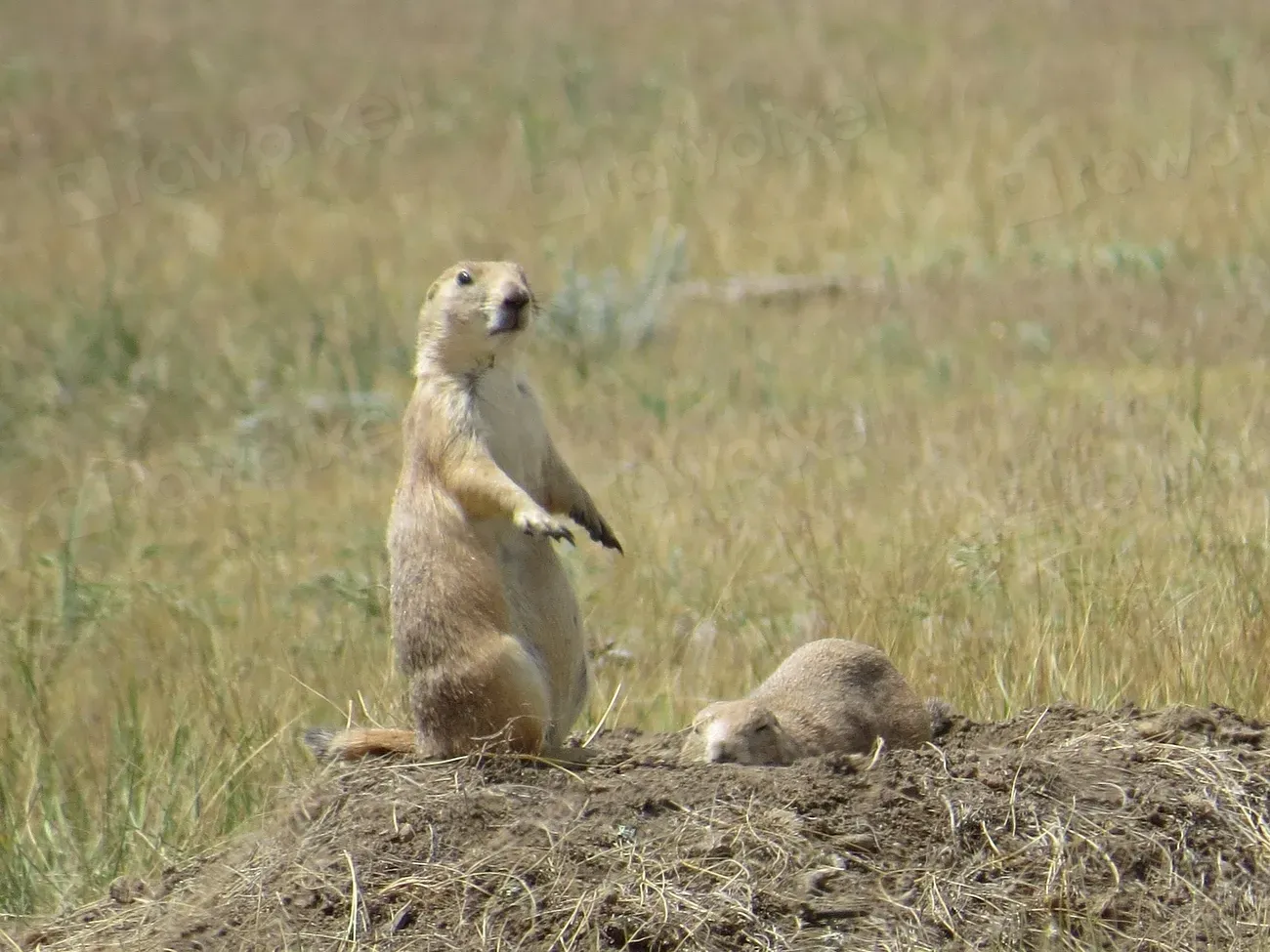
Once you recognize that prairie dogs have a detailed communication system, it becomes harder to see their colonies as expendable obstacles to development or agriculture. Many people still view them as pests that compete with livestock or damage fields, and in many regions they have been poisoned or removed on a large scale. Knowing that they live in tightly knit communities and trade detailed information about threats makes those extermination campaigns feel less like pest control and more like the dismantling of a complex society.
I am convinced that this kind of research should change how we treat them. If we discovered a remote human village that used intricate signals to coordinate defense and survival, we would be fascinated and protective, not eager to bulldoze it. Prairie dogs may not be human, but their ability to describe the world to each other suggests a depth of experience that deserves far more respect than they usually get. At the very least, their “languages” should make us think twice before we erase their towns from the map.
Conclusion: A Tiny Voice With A Big Message
The discovery that prairie dogs use alarm calls packed with specific information about predators is one of those scientific findings that quietly rewires how you see the world. What once sounded like random squeaks now starts to resemble a living network of alerts and descriptions pulsing through the grasslands. The more we study these calls, the more obvious it becomes that we have been underestimating not just prairie dogs, but the communicative genius scattered throughout the animal kingdom.
My opinion is that we should stop treating this as a quirky curiosity and start seeing it as a serious challenge to our human-centered view of intelligence. If a small rodent can encode predator type, size, and behavior into rapid-fire calls, what else might be happening in the minds of creatures we barely notice? The next time you hear a burst of chatter from a colony, it might be worth pausing and wondering: are you listening to noise, or to a conversation you simply have not learned to understand yet?