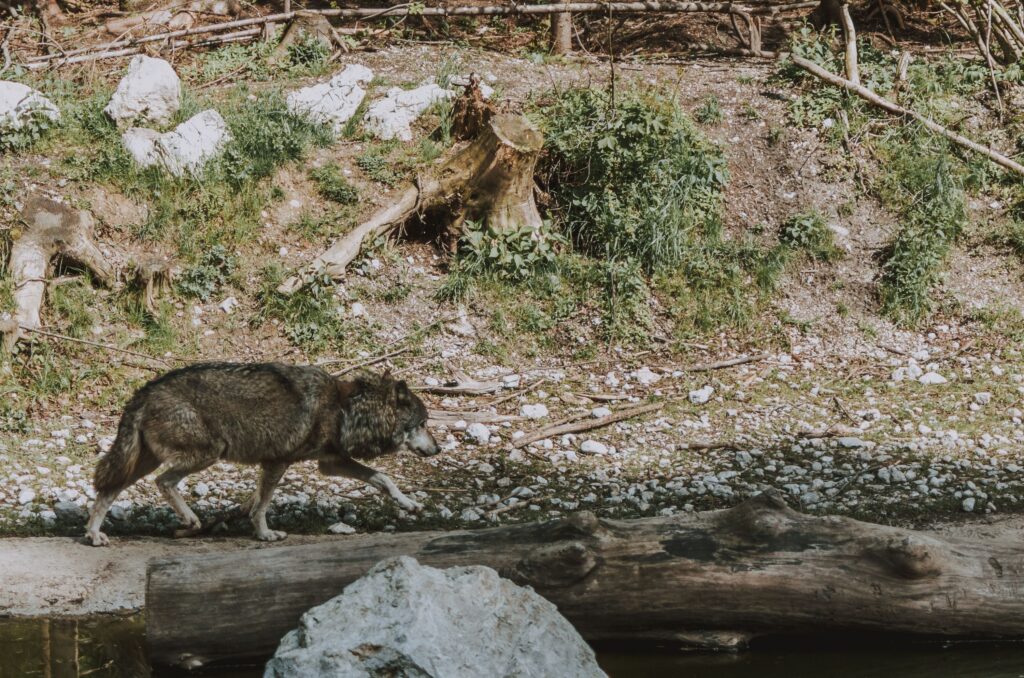

If you dropped a wolf back into its old range after several years away, there’s a very good chance it would still know exactly where it was. For humans, memories of places fade and blur, but for wolves, landscape is almost like a living map burned into their minds. They do not just wander at random through forests and tundra; they move as if following invisible lines only they can see.
Scientists studying wild packs with GPS collars keep finding the same thing: wolves return to the same travel corridors, resting spots, and hunting areas over and over, sometimes long after a pack has shifted or split. Watching that play out is a little eerie. It feels less like simple instinct and more like a deep, layered memory of home. Let’s dig into what, exactly, wolves seem to remember about their territories for years – and why it matters so much to them.
1. Old Travel Routes Worn Into the Landscape
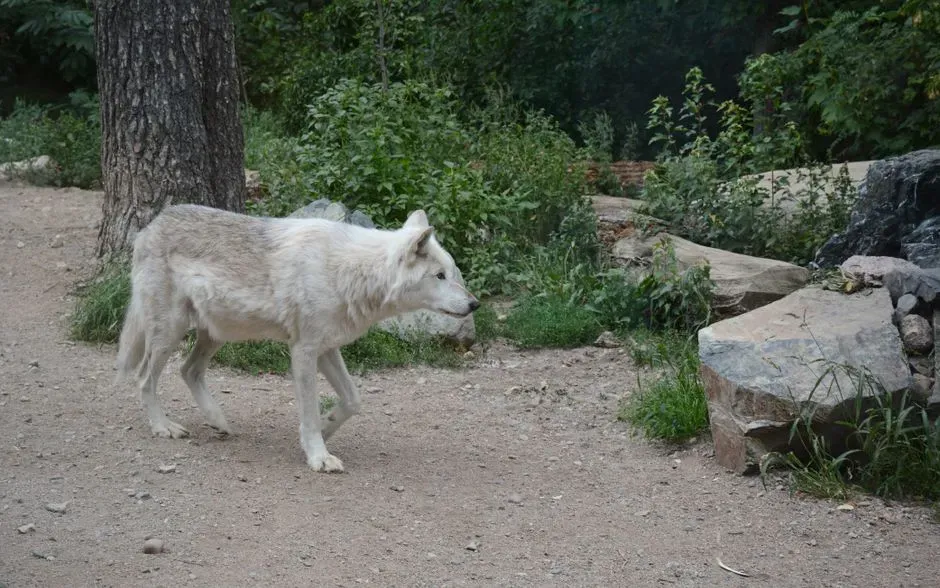
One of the most striking things researchers see on GPS maps is how wolves repeatedly trace the same narrow paths, almost like commuters using the same highway day after day. These routes often follow ridgelines, frozen rivers, valley bottoms, or human-made trails that make movement efficient and safe. Even if a pack has not used an area for a while, individuals often fall back into these corridors as soon as they return, as if those lines were still glowing in their minds.
These travel routes are not random; they are carefully learned over time. Pups follow adults and learn which paths offer quick escape from danger, where snow drifts less deeply, and where visibility is best. Once those routes are practiced enough, they become a kind of mental backbone of the territory. You can think of it like your own hometown: even if you move away for years, you could probably still drive from your old school to your favorite café without a map. Wolves seem to carry that same kind of “muscle memory” for their trails.
2. Reliable Prey Hotspots and Hunting Grounds
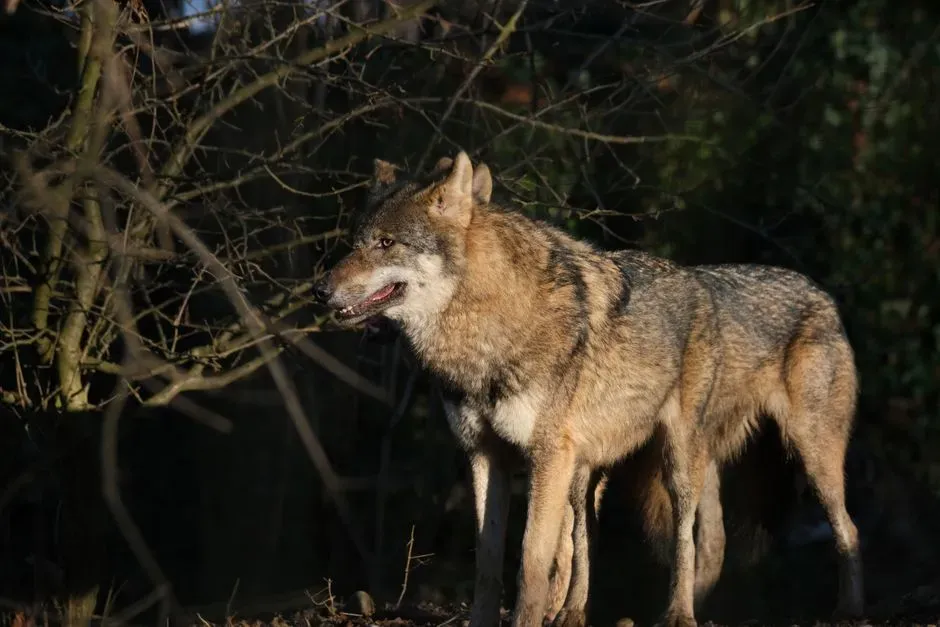
Wolves do not just remember where they are; they remember where the food is. Packs often return to the same river crossings where deer or elk bunch up, to the same open meadows where they can chase, or to the same wintering areas where prey animals are forced into smaller spaces. These spots are like prime fishing holes for a human angler – once you know they work, you do not forget them easily.
What makes this more impressive is that prey behavior changes with seasons and years, yet wolves still seem to anticipate where animals will likely appear. They learn migration routes, calving grounds, or spots where ungulates slip up more easily, such as steep hillsides or deep snow zones. In my view, this is where wolf memory really blurs into strategy: they do not just remember locations, they remember patterns, and those patterns can guide their hunts for a very long time.
3. Den Sites and Rendezvous Areas Tied to Family History
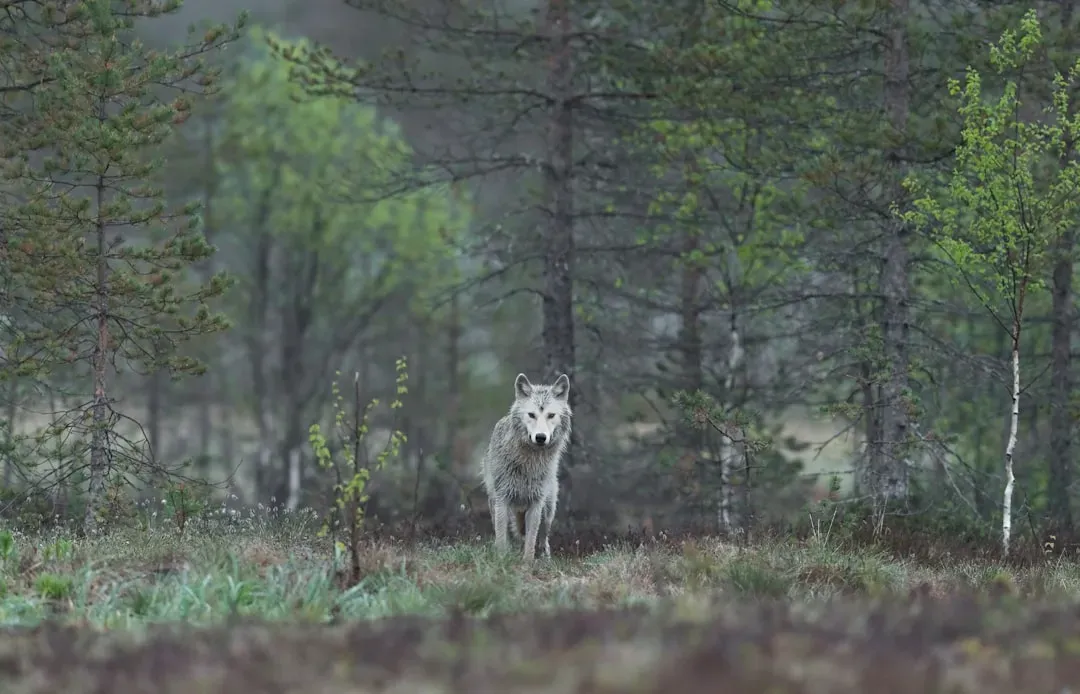
Den sites and rendezvous areas (the gathering spots where pups stay while adults hunt) are some of the most emotionally charged parts of a wolf’s territory. Packs often reuse old dens or denning areas year after year, even if they do not nest in the exact same hole. These places tend to be sheltered, well-drained, near water, and far enough from frequent human disturbance or rival packs. It is hard to imagine adult wolves revisiting these sites without some kind of memory of pups raised there.
Rendezvous sites, usually open meadows or forest clearings where pups play and howl, can also be revisited long after any surviving wolves have grown up and dispersed. Observers sometimes notice wolves pausing, sniffing, and lingering in these old family spaces. It is easy to project our own emotions onto that behavior, and we should be careful about that, but the repeated return alone suggests these sites are burned into their spatial memory far beyond one breeding season. In a way, it is like visiting your childhood playground years later – you may not live there anymore, but you know exactly where it is and what it meant.
4. Borders, Scent Marks, and Dangerous Neighbor Lines
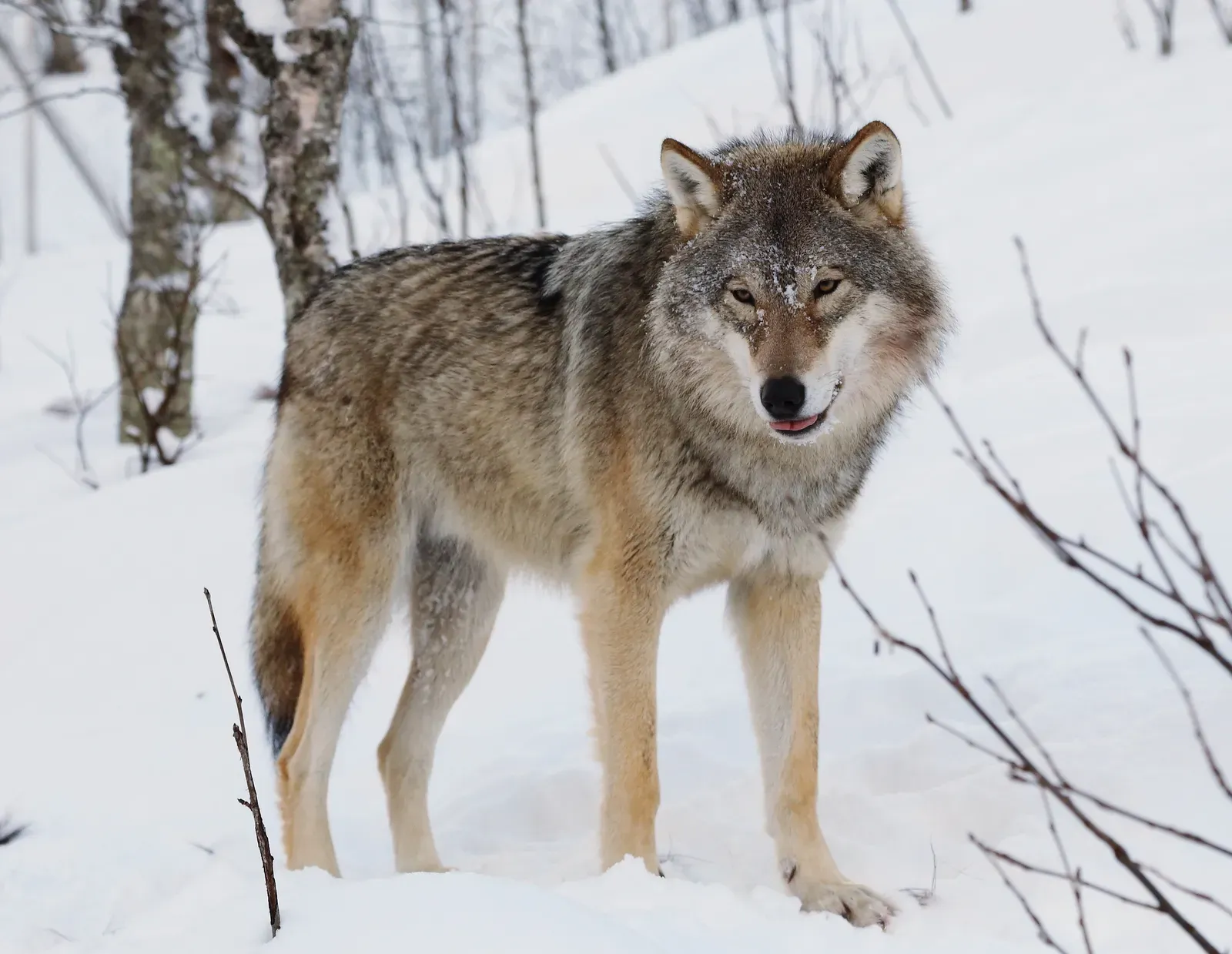
Wolves live and die by borders. Each pack holds a territory that may stretch dozens or even hundreds of square miles, and the edges of this space are constantly reinforced through scent marking and patrols. Wolves seem to remember these lines remarkably well. They regularly walk their boundaries, marking specific trees, rocks, and trail junctions where scent will carry and last. Those spots get revisited over and over, sometimes for years.
This is not just about pride of ownership; it is about survival. Crossing into another pack’s core area can lead to deadly fights. Wolves learn where rival packs tend to patrol, where howls were answered aggressively, or where past clashes occurred. Even if the neighboring pack changes slightly over time, those “danger lines” remain in their mental map. To me, this is one of the clearest reminders that wolf memory is not just about places they like – it is also about places that can kill them.
5. Safe Crossings, Escape Routes, and Hazards
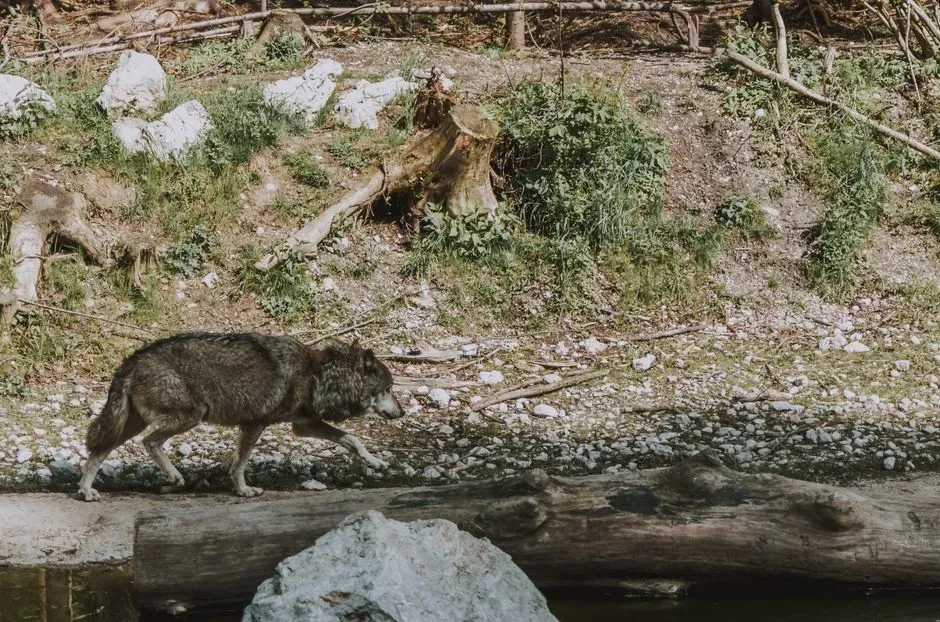
Territory is not just a flat shape on a map; it is a network of opportunities and threats. Wolves seem to remember where rivers freeze solid enough to cross, where ice is treacherous, where avalanche slopes loom, and where cliffs offer hiding spots. They also appear to learn which patches of thick brush provide good cover when prey turns the tables or when humans are nearby. After a wolf survives a risky incident at a certain spot, behavior around that location can change for a long time, hinting at a durable memory of danger.
Modern landscapes add another layer: roads, railways, fences, and towns. Studies have shown that wolves sometimes use roadside verges as fast travel lanes but also avoid certain crossing points where they may have encountered vehicles or hunters. I find it telling that these avoidance patterns can persist even after specific threats are gone, like a seasonal hunting period. That suggests wolves build a rich mental picture of which routes are safe and which should be shunned, and they carry that picture forward over years the way we remember a treacherous intersection where we once had a near miss.
6. Seasonal Pathways for Migration and Movement
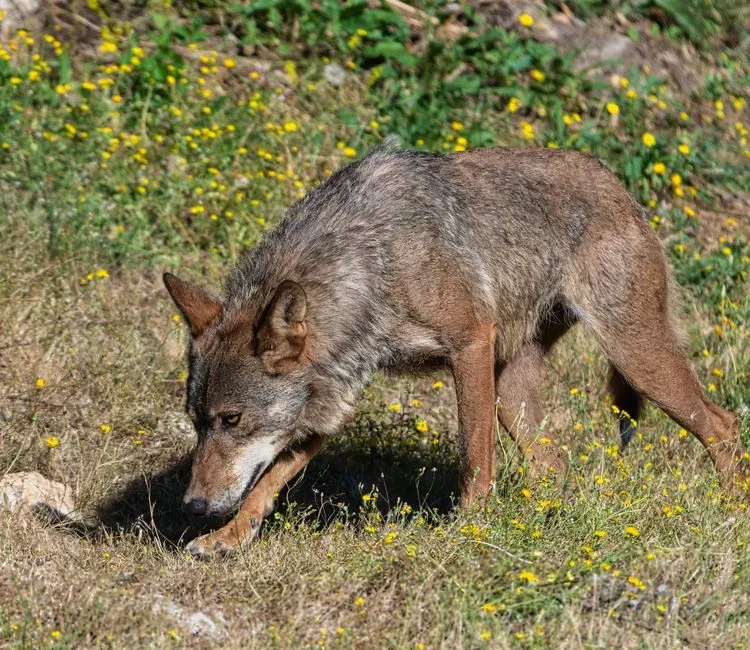
In some regions, both wolves and their prey move in broad seasonal rhythms – up into higher elevations in summer, down into valleys in winter, or along big river systems when ice conditions change. Wolves learn these shifts and appear to remember the best seasonal routes through their territory. They know which mountain passes open early, which valleys flood in spring, and where snow tends to crust over so they can travel easily while heavy-hoofed animals struggle.
Year after year, tracking data often shows almost ghostly repeats of the same seasonal loops. Even when younger wolves take charge or packs split, the new leaders often trace those old lines, as if inheriting a territorial memory from their elders. You can think of it like a family sharing driving directions to a cabin they visit every year. The directions might change slightly, but the core path is repeated enough that it becomes second nature, almost like a cultural tradition passed through generations.
7. Human Presence, Disturbance, and “No-Go” Zones
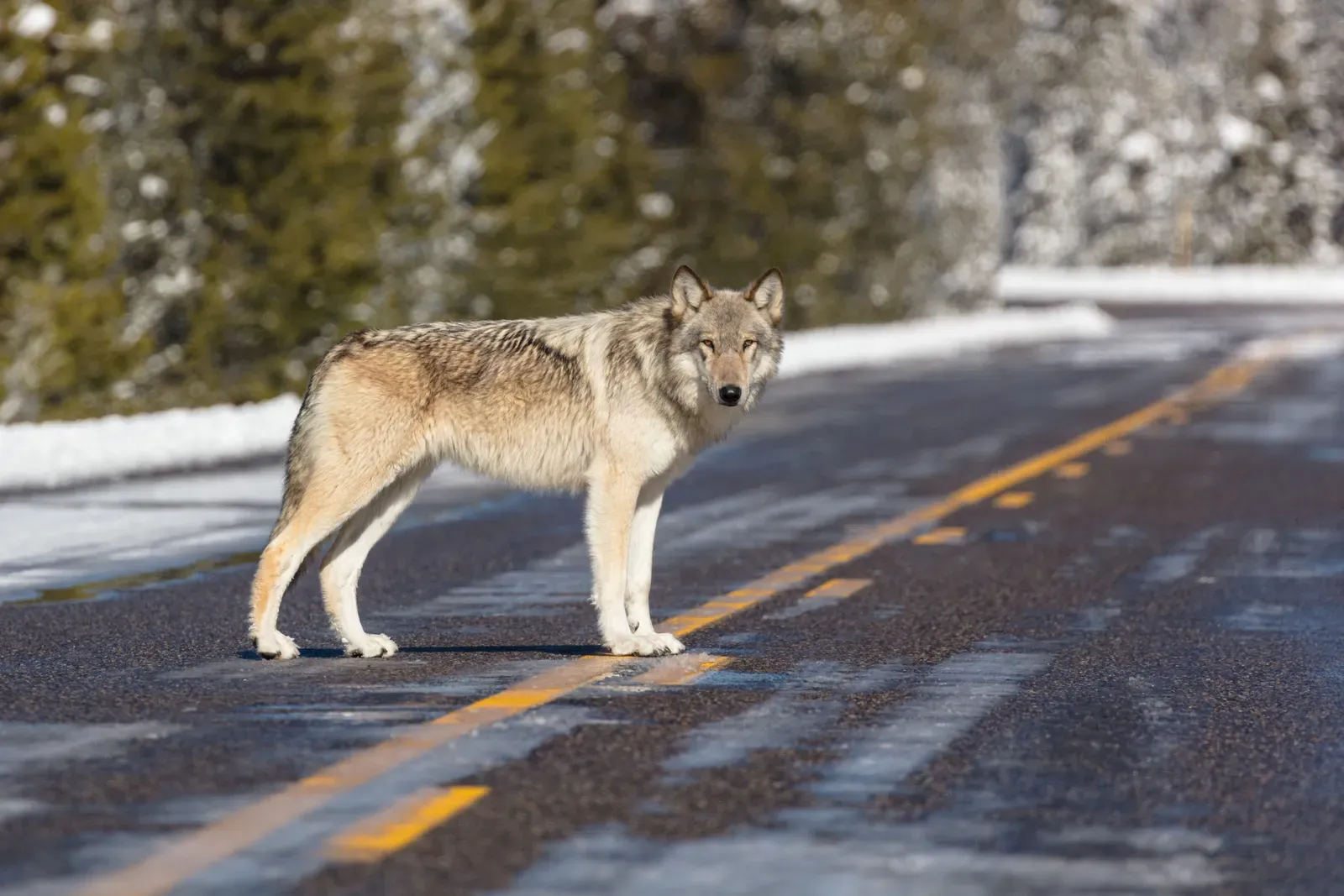
One of the saddest and most fascinating aspects of wolf memory is how clearly it includes us. Wolves quickly learn where humans are loud, frequent, or dangerous: busy roads, active logging areas, popular hiking trails, or places where they have been shot at or trapped before. Packs can shift their core use of a territory away from these hotspots and continue to avoid them for long periods, even after direct pressure eases. That long-lasting avoidance is a kind of collective memory of trauma burned into the landscape.
At the same time, some wolves figure out where human activity is predictable and low-risk, such as quiet farmland edges at night or sections of road where carcasses accumulate. Those spots become part of the remembered map too, just like good hunting grounds or safe crossings. Personally, I think this says a lot about how flexible and cautious wolves really are. They are not just reacting in the moment; they are updating a long-running mental model of which parts of their territory are worth the risk. In a world that keeps changing around them, that kind of memory might be their most powerful survival tool.
Conclusion: Territory as a Living Memory
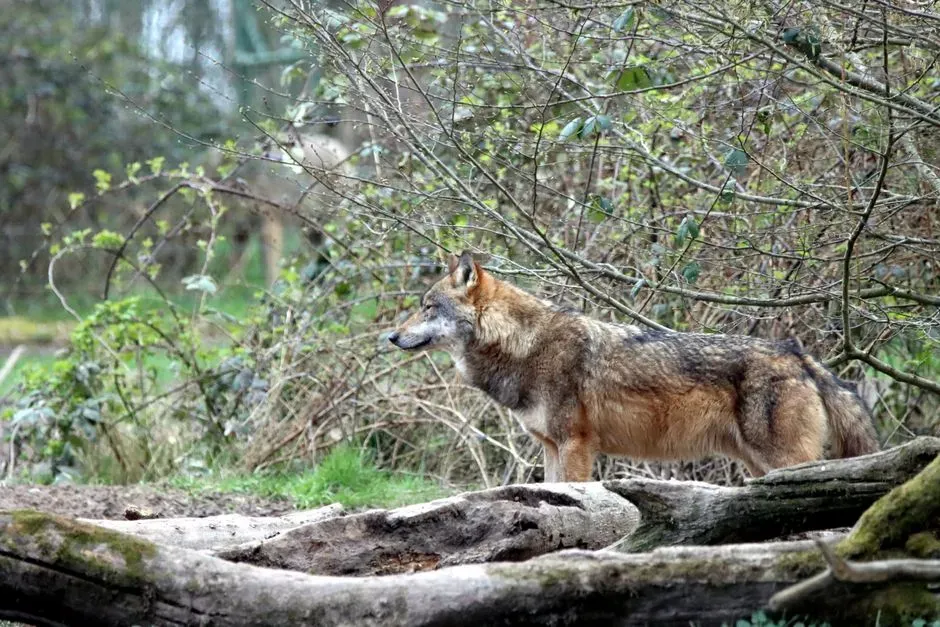
When you look at all of this together – reused paths, old dens, remembered dangers, and subtle seasonal shifts – it becomes hard to see wolf territory as just a patch of land. It feels more like a living memory palace, with each hill, riverbend, and clearing linked to lessons learned over years. In my view, we underestimate wolves when we talk about them as simple, instinct-driven predators; their relationship with place is layered, learned, and quietly sophisticated.
That has a big implication for how we manage landscapes: when we fragment habitat or force packs out of long-held areas, we are not just moving animals on a map, we are erasing a memory system they have built with their lives. Maybe the most respectful thing we can do is to admit that they know their home far better than we do, and try not to redraw the map beneath their feet every few years. Next time you see a headline about wolf territories, will you picture lines on a GPS screen – or a mind that remembers every bend in the trail?