
If you could suddenly see cosmic radiation with your eyes, our sky would look far from calm. Invisible particles and high‑energy rays would be streaming through you, your phone, the walls, and even deep underground, every second of every day. It sounds like the setup for a sci‑fi disaster, yet this quiet bombardment has been happening for billions of years and life on Earth has learned to live with it.
When I first learned that a single square centimeter of my skin is hit by many cosmic particles every second, my first instinct was mild panic. Then, the more I dug into the science, the more it felt less like a horror story and more like realizing we live next to an active, but mostly well‑behaved, volcano: powerful, sometimes dangerous, but also strangely beautiful and deeply informative. Here are ten of the most fascinating, and frankly underrated, truths about the cosmic radiation that constantly surrounds our planet.
Cosmic Radiation Is Not Just “Space Stuff” – It’s a Rain of Subatomic Bullets
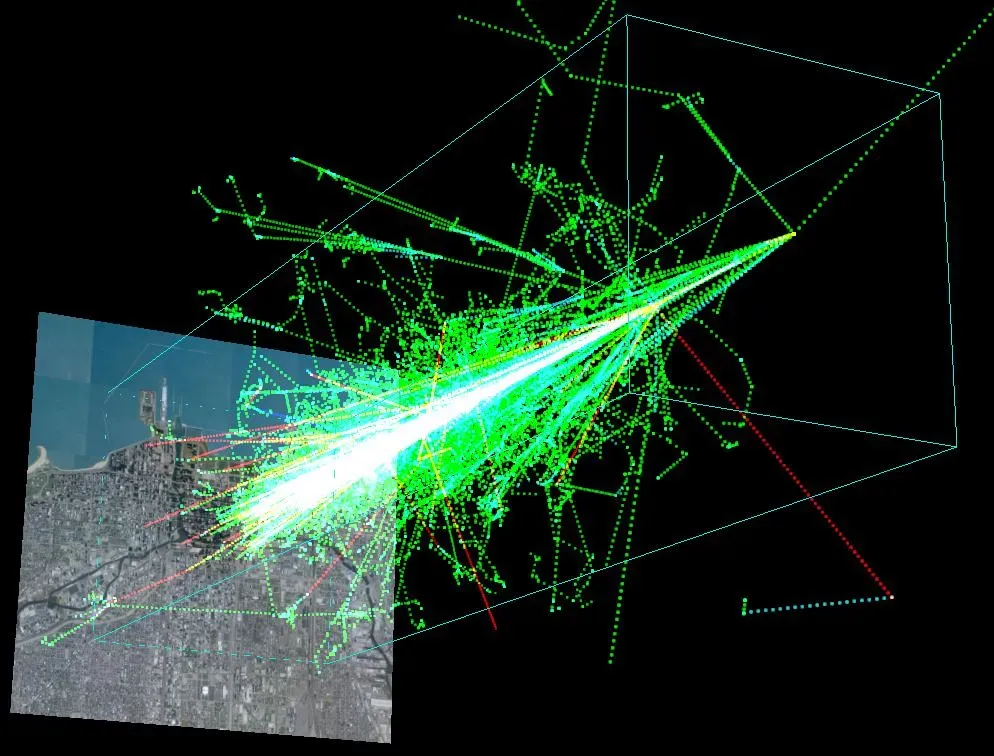
A lot of people picture cosmic radiation as some vague glow drifting through space, but in reality much of it is made of actual particles moving at mind‑bending speeds. We are talking protons, atomic nuclei, and other fragments accelerated to energies that can make anything we produce in human‑built accelerators look modest. When these particles slam into Earth’s atmosphere, they start a chain reaction, smashing into air molecules and creating showers of secondary particles that cascade down to the ground.
This cascade is why scientists often describe it as a rain of subatomic bullets. Even at sea level, many of the “cosmic rays” we detect are not the original particles from space but their descendants, born high in the atmosphere and transformed by violent collisions. It is a bit like a single cue ball striking a cluster in a game of pool, except the table is the entire sky and the balls are tiny pieces of matter flying near the speed of light. You do not feel any of this, but your body is constantly being passed through by the fallout of these invisible showers.
The Sun Is Only Part of the Story – Most Cosmic Rays Come from Far Beyond
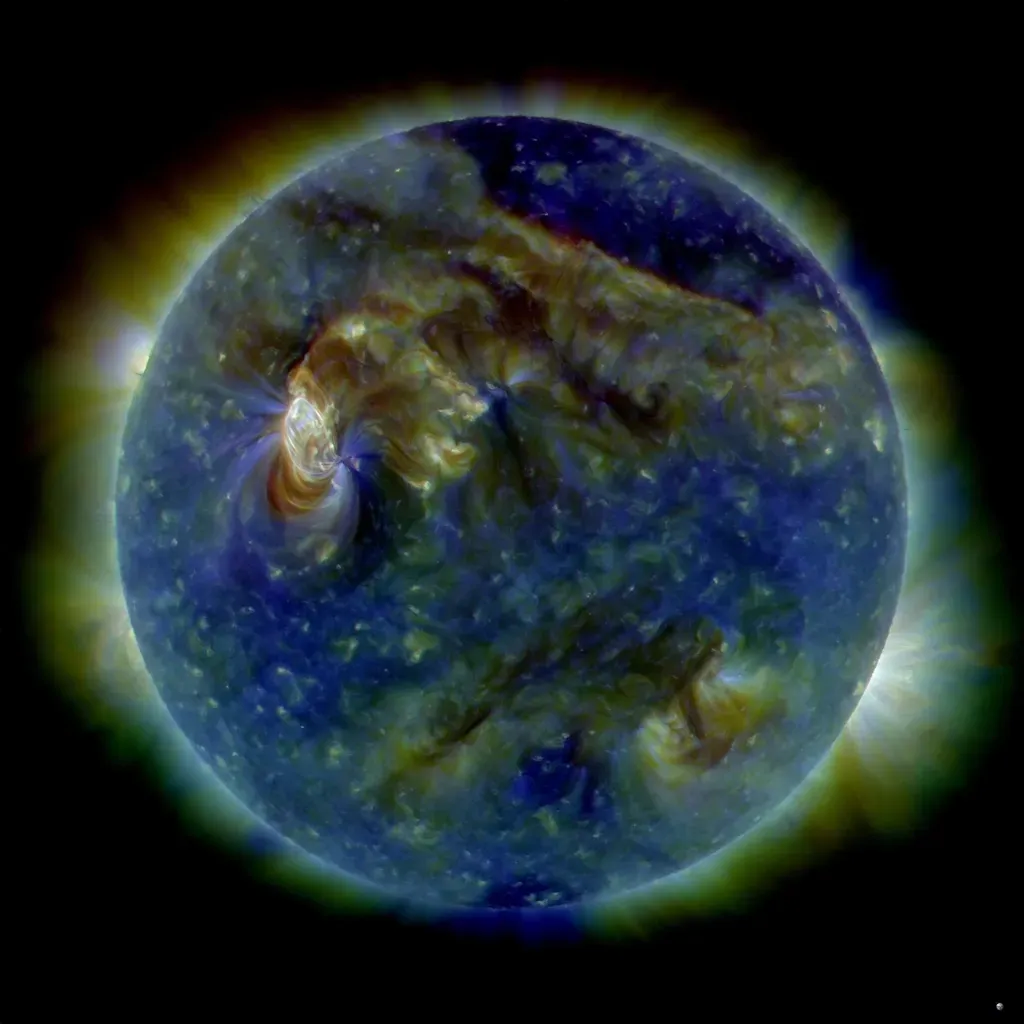
It is tempting to blame our Sun for all radiation from space, and to be fair, it does send out a steady gale of charged particles known as the solar wind. Solar flares and coronal mass ejections can dramatically spike radiation levels near Earth, especially for satellites and astronauts. But when scientists measure the most energetic cosmic rays hitting Earth, they find that a big slice, and especially the most extreme ones, come from outside our solar system.
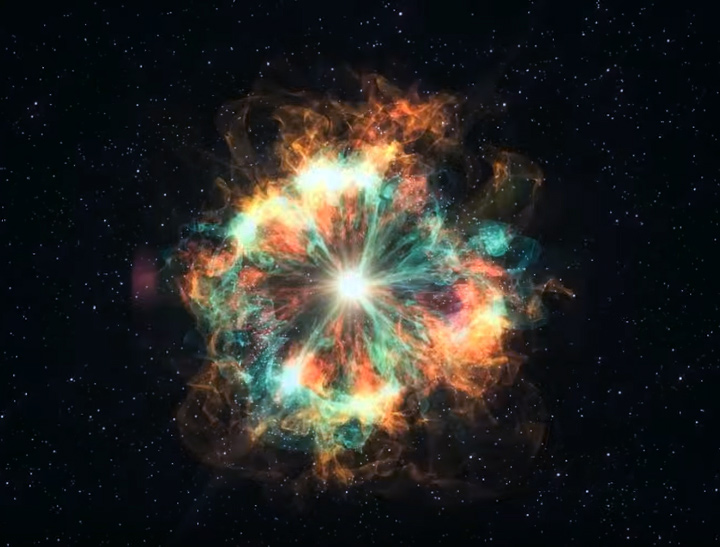
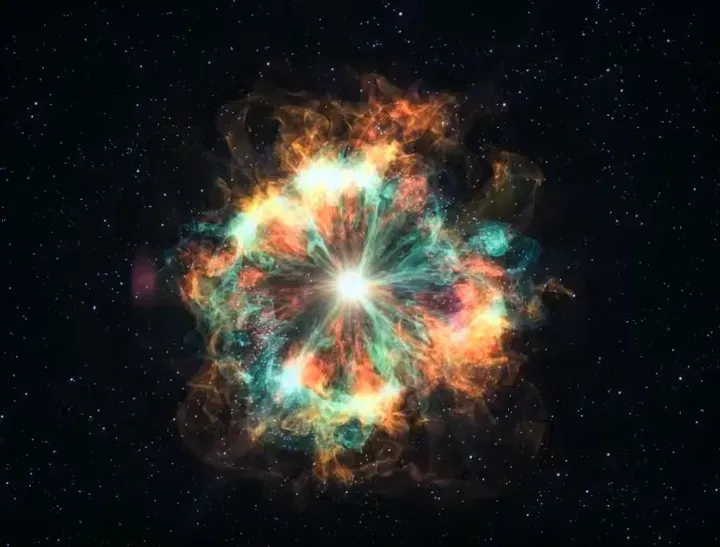
These high‑energy visitors are called galactic cosmic rays, and many are believed to be accelerated by shock waves from exploding stars, known as supernovae, scattered across our galaxy. There are also ultra‑high‑energy cosmic rays that may originate even farther away, perhaps from active galaxies or other exotic cosmic engines. In other words, when a cosmic particle zips through your body, there is a decent chance it started its journey in the remains of a star that died long before humans even existed.
Earth’s Magnetic Field Acts Like a Giant, Imperfect Shield
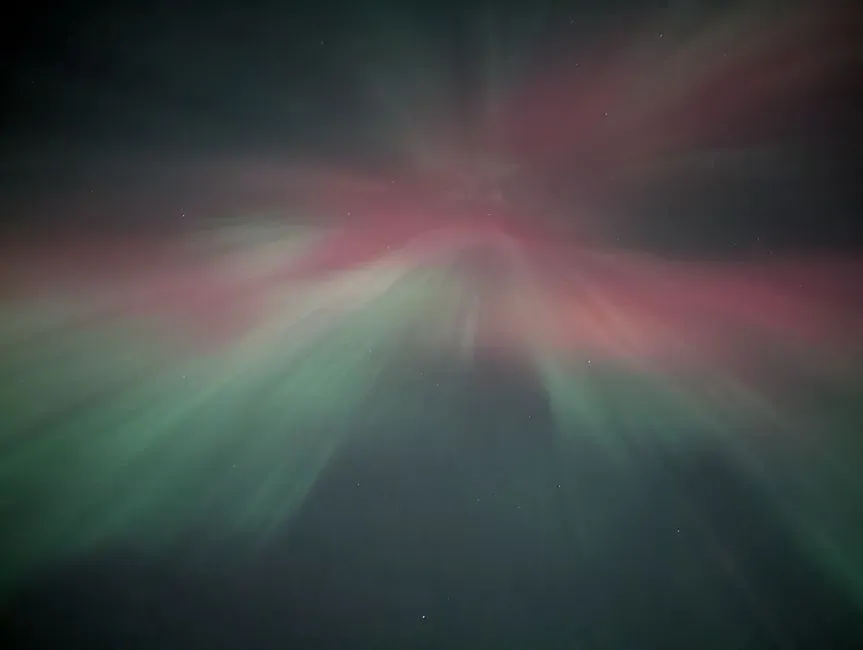
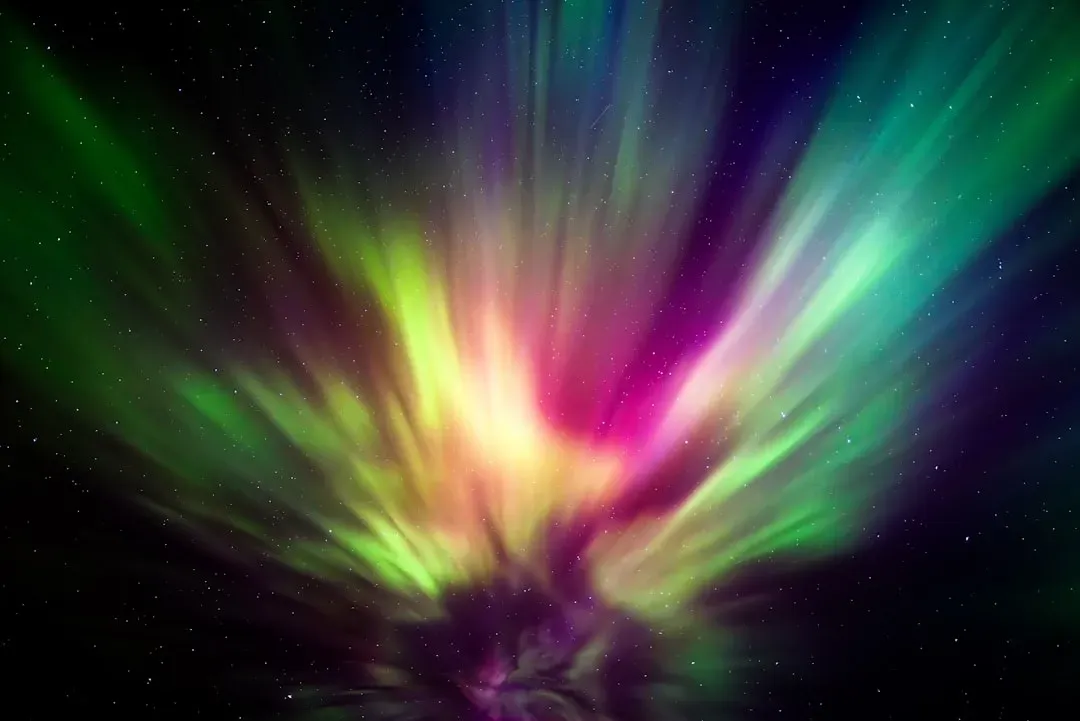
If Earth had no magnetic field, our surface radiation levels would be dramatically higher and life might look very different. The magnetic field extends far into space and carves out a protective bubble in the solar wind, deflecting many charged particles and steering them away from the planet. That invisible shield also funnels some particles toward the polar regions, where they spiral along magnetic field lines and help create the auroras that light up high‑latitude skies.
However, this shield is not perfect, and it does not stop everything. Very high‑energy cosmic rays can punch through it, and lower‑energy particles can still sneak in, especially near the poles where the field lines open up. On top of that, the magnetic field itself slowly shifts and occasionally weakens over geological timescales. So we are protected, but not wrapped in some flawless force field; it is more like a flexible, leaky umbrella that makes the storm survivable but never fully goes away.
Radiation Levels Increase Dramatically with Altitude
Standing at sea level, you are actually in a sweet spot where the atmosphere does a lot of the heavy lifting. The thick blanket of air above you absorbs and scatters many of the particles produced when cosmic rays hit the upper atmosphere. As you climb higher, that protective layer thins out, and the intensity of cosmic radiation rises noticeably. This is why pilots, frequent fliers, and especially astronauts are more exposed than someone who never leaves the ground.
Measurements show that at typical cruising altitudes for long‑haul flights, the dose rate from cosmic radiation can be many times higher than at sea level. It is still low enough that an occasional flight is not a big deal for your health, but for aircrew who log thousands of hours, it becomes a real occupational exposure that regulators track. It is one of those strange modern realities: you might worry about a bad in‑flight movie, but the more interesting invisible story is the quiet drizzle of particles passing through the cabin and everyone in it.
Cosmic Rays Can Flip Bits in Your Electronics
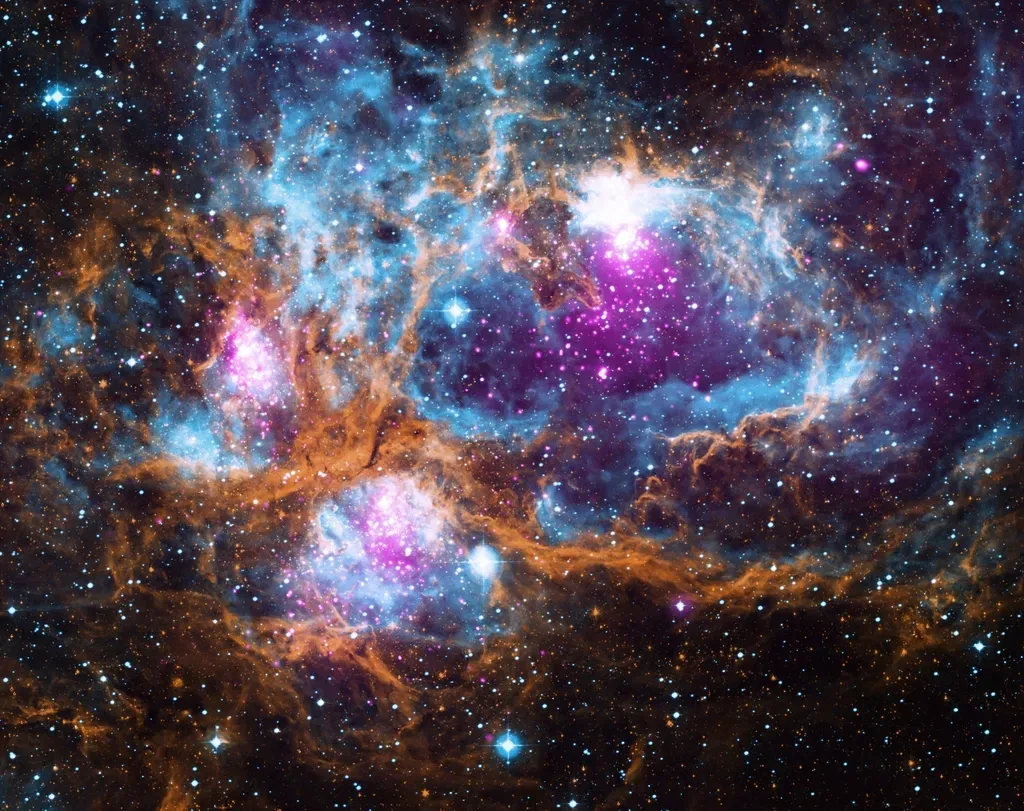
One of the more surprising consequences of cosmic radiation is how it messes with our technology. When energetic particles or their secondary by‑products slam into microchips, they can deposit tiny bursts of charge in the wrong place at the wrong time. That can cause what engineers call single‑event upsets, where a stored digital bit flips from a zero to a one or the other way around. Most of the time it is harmless or automatically corrected, but occasionally it can cause serious glitches.
There have been documented cases where such radiation‑induced errors have affected satellites, aircraft systems, and even high‑reliability servers on the ground. Modern electronics are so tiny, dense, and low‑voltage that a single stray particle can have an outsized impact, almost like a microscopic cue ball knocking over a carefully arranged row of dominoes. This is why space hardware is heavily tested for radiation tolerance, and why some critical systems use error‑correcting memory and redundancy. Cosmic rays are a reminder that even in the age of cloud computing, the universe still occasionally taps the keyboard.
Cosmic Radiation Has Been Used to Peek Inside Pyramids and Volcanoes
The same particles that occasionally cause headaches for engineers can also be turned into powerful scientific tools. When high‑energy cosmic rays strike the atmosphere, they produce particles called muons that are heavy cousins of the electron. Muons can penetrate rock, concrete, and even mountains, losing energy as they pass through. By placing detectors in strategic locations and measuring how many muons make it through, scientists can build up a picture of the density inside large structures.
This technique, often called muon tomography or muography, has been used to search for hidden chambers in ancient pyramids, to monitor the interiors of volcanoes, and to inspect critical industrial facilities. It is a bit like using nature’s own X‑ray machine, powered not by an electric plug but by the constant rain of cosmic particles from space. I find it quietly poetic that the same cosmic radiation that once just seemed like a hazard has become a non‑destructive imaging tool, letting us peel back layers of stone and earth without lifting a shovel.
Cosmic Rays Help Create Some of the Radioactive Atoms in Your Body
Believe it or not, part of your own body chemistry is shaped by cosmic radiation. When high‑energy particles collide with atoms in the upper atmosphere, they can transform ordinary nitrogen and oxygen into rare radioactive isotopes. One famous example is carbon‑14, which forms when cosmic rays help convert nitrogen into a radioactive form of carbon that then becomes part of carbon dioxide. Plants absorb that carbon dioxide, animals eat the plants, and so on, until some of those atoms become part of your tissues.
Carbon‑14 is the reason radiocarbon dating works, giving archaeologists a kind of time stamp on ancient bones, wood, and other once‑living materials. But it is also a reminder that you are not separate from the cosmic environment; you are literally built from atoms that carry the mark of distant high‑energy events. Your body is mostly stable, ordinary matter, but sprinkled through it are atoms whose very existence depended on cosmic rays slamming into the sky millions of times a second.
Cosmic Radiation Is a Major Hazard for Deep‑Space Travel
On Earth, and even in low Earth orbit, we get a lot of help from the atmosphere and magnetic field. Once you venture beyond that protective cocoon, the full brunt of cosmic radiation becomes a much bigger problem. Astronauts on the International Space Station already receive significantly higher doses than people on the ground, even though they are still partly shielded. For missions to the Moon or Mars, exposure times get much longer and the options for ducking behind Earth’s magnetic field disappear.
Space agencies and researchers worry not just about short‑term effects like acute radiation sickness, but also about the slow accumulation of damage that can raise long‑term cancer risk, harm the central nervous system, or affect fertility. Shielding helps, but high‑energy cosmic rays are tricky to block without making spacecraft unrealistically massive. So engineers are exploring combinations of physical shielding, careful mission timing, and even potential biological countermeasures. It is one of the hard, unglamorous challenges that stands between us and truly routine deep‑space travel.
Earth’s Radiation Environment Has Shifted Over Geological Time
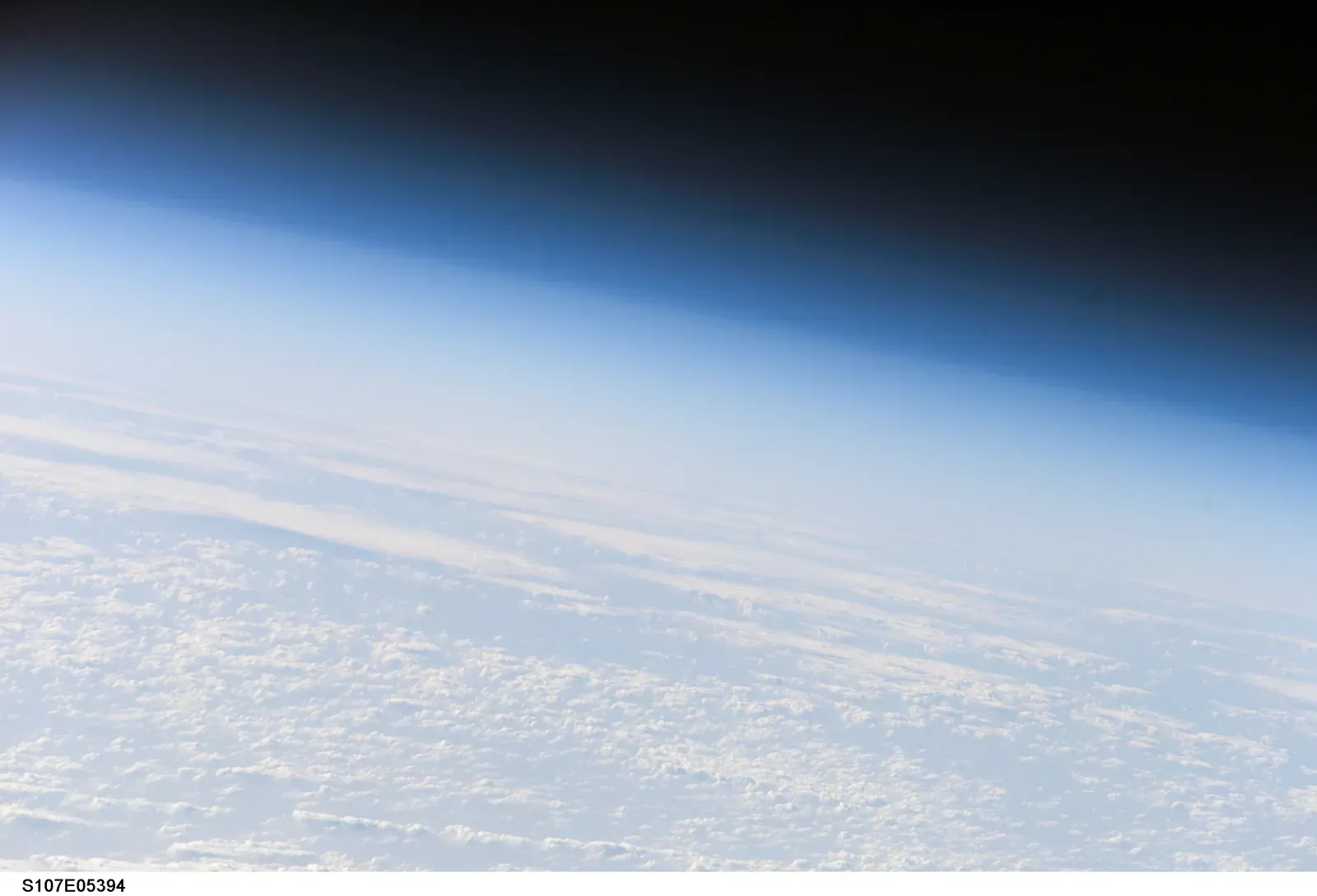
The level and character of cosmic radiation at Earth’s surface is not perfectly fixed; it has changed across millions of years. Factors like the strength of our magnetic field, the thickness of the atmosphere, and even our position in the galaxy all play roles. When the magnetic field weakens, more cosmic particles can reach the atmosphere. During periods when supernovae go off near our region of the galaxy, the background of high‑energy particles could change as well, although how much is still an active area of research.
Some scientists have explored whether these variations might have subtle influences on climate or biological evolution, though the evidence there is still cautious and debated. What we do know is that the radiation we measure today is a snapshot in a long, dynamic story. The fact that complex life evolved and survived through all these slow swings says something about the adaptability of biology in the face of an always‑present, always‑changing cosmic backdrop.
Despite the Drama, Cosmic Radiation Is Usually a Tiny Part of Your Risk Picture
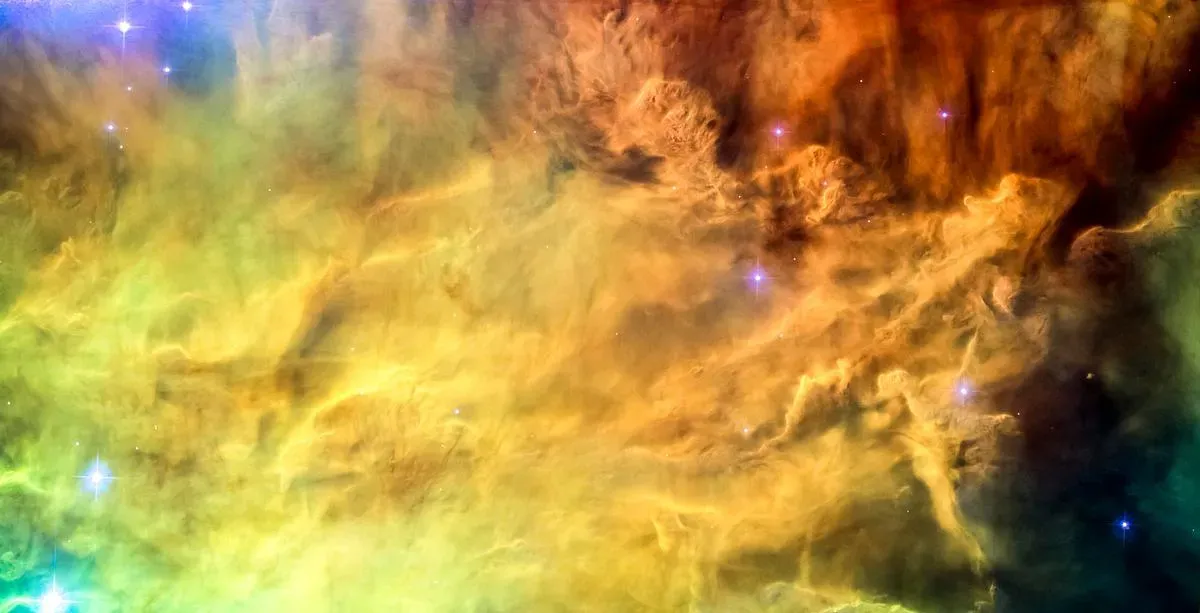
When you first hear that you are constantly being hit by particles born in exploding stars, it is easy to imagine that cosmic radiation must be a major health threat. For most people living at or near sea level, though, it is a small slice of their overall radiation exposure. Natural sources like radon gas in homes and medical imaging procedures often contribute much more to the typical annual dose. In everyday life, stressing about cosmic radiation is like worrying more about getting hit by a meteor than about looking both ways before crossing the street.
That said, there are groups for whom cosmic radiation is a non‑trivial concern: airline crew, frequent fliers, and of course people who work in space. For them, regulation, monitoring, and smart planning matter. Personally, I find the right mindset is respectful awareness, not fear. The universe is not out to get us, but it is not a padded room either. Cosmic radiation is simply one of the many background conditions we live with, like gravity or weather, and we manage its risks with a mixture of good science and practical judgment.
Conclusion: Living Peacefully Under a Storm of Invisible Starlight
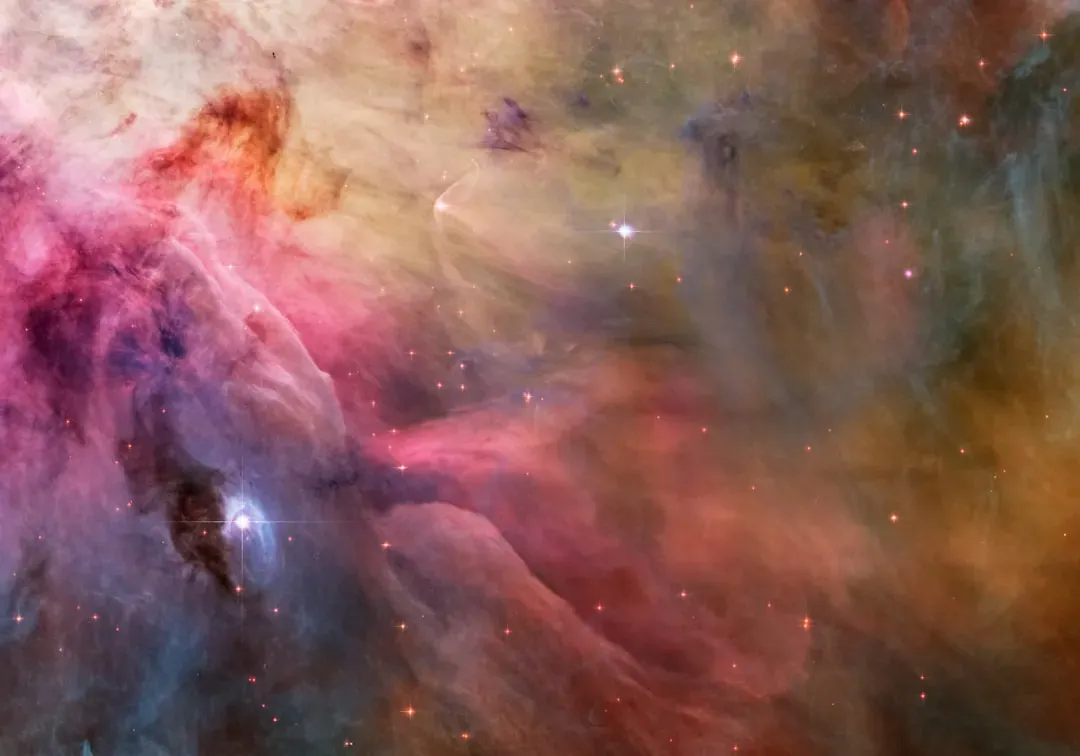
The more you learn about cosmic radiation, the harder it is to see the sky as empty. Above you is an ocean of high‑energy particles and rays, shaped by dying stars, restless galaxies, and the Sun’s moods, constantly interacting with Earth’s magnetic field, atmosphere, and even your own body. From flipping bits in our electronics to helping us scan pyramids, from seeding radioactive atoms in our bones to challenging our ambitions for deep‑space travel, this invisible storm quietly ties our daily lives to the wider universe.
My own opinion is that we have been too quick to frame cosmic radiation only as a threat. Yes, it demands respect and careful engineering, especially once we leave our planetary nest. But it is also a profound signal that we are not living in some sealed bubble; we are immersed in the aftershocks of cosmic events that happened across unimaginable distances and times. To me, that feels less like something to fear and more like a reminder that being human has always meant living under an open, energetic sky. When you step outside tonight and feel the calm air on your skin, will you also picture the quiet, ceaseless rain you cannot see?