

You know that feeling: you’ve been stuck on a problem for hours, then you step into a hot shower and suddenly the answer just pops into your head. It feels almost magical, like inspiration just dropped out of nowhere. But what neuroscience has been quietly revealing over the past years is that this moment is anything but random. Your brain has been working behind the scenes the whole time, and that shower simply changed how it was allowed to think. In those off-duty moments, your mind loosens its strict control, and parts of your brain that normally stay in their own lanes begin to talk to each other. Logical filters soften, background thoughts bubble up, and distant memories collide with fresh information. That collision is where the “aha” happens. If you understand what’s really going on, you can stop waiting for lucky lightning strikes and start creating more of those shower-style breakthroughs on purpose.
Your Brain’s “Strict Logical Filter” and Why It Has to Turn Down

When you’re grinding away at a task, you tend to lean hard on your brain’s executive control systems, especially areas in your prefrontal cortex. You’re focused, you’re filtering distractions, and you’re trying to think in straight lines. That’s great for following instructions or doing your taxes, but it’s actually terrible for big, original leaps. The very system that helps you stay on track often blocks unusual, messy, or half-formed ideas from ever reaching your awareness. In moments like a warm shower, a walk, or washing dishes, that strict filter relaxes. Your brain shifts from “must solve this now” into a looser, more associative mode. You’re not actively interrogating your thoughts, so more odd combinations are allowed to surface. It feels like your mind is wandering, but what’s really happening is that your logical gatekeeper is stepping aside just enough for the quiet, weird, and potentially brilliant connections to slip through.
The Default Mode Network: Your Brain’s Background Idea Machine
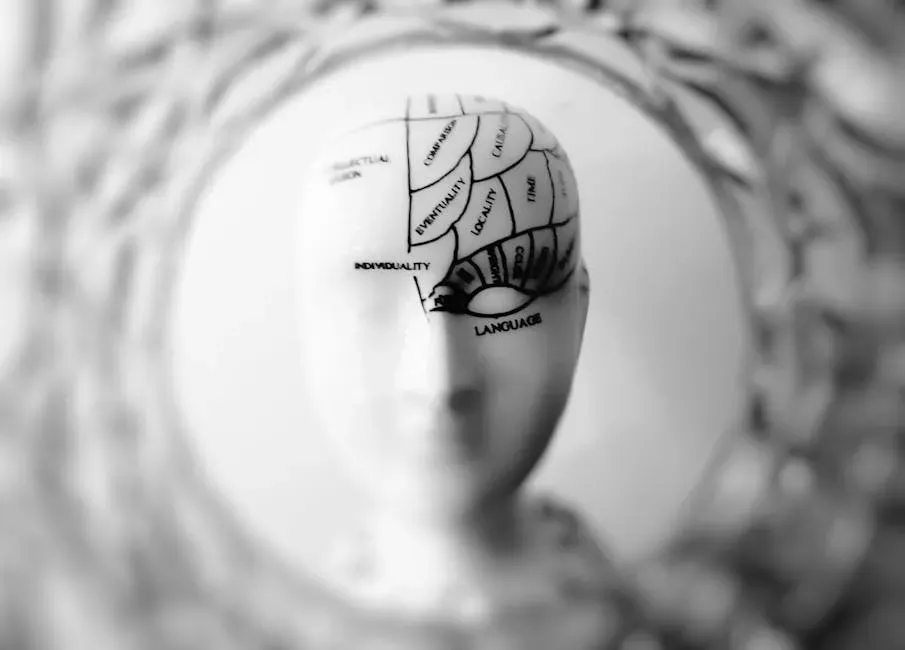
When you stop focusing so hard, another system in your brain ramps up: the default mode network. You can think of this as your brain’s background mode. It lights up when you’re daydreaming, reminiscing, imagining the future, or just letting your thoughts drift. It’s not laziness. It’s a different kind of work, one that quietly blends memories, experiences, and feelings in surprising ways. In the shower, you’re usually not checking your phone, replying to emails, or planning every second. That gentle sensory experience gives the default mode network room to play. You might replay a conversation from yesterday, mix it with an old childhood memory, and suddenly see a new solution or storyline. The idea feels spontaneous, but you’ve actually been running unconscious experiments in the background, and your default mode network just delivered the result.
Distant Memories and Hidden Thoughts: How Ideas Truly “Collide”
Creativity is less about inventing something from pure nothing and more about connecting things you already know in a way you’ve never connected them before. Your brain holds a huge storehouse of memories, facts, and experiences that you’re not consciously thinking about. When your logical filter is tight, you mainly access the usual suspects: the obvious memories and standard approaches you always use. When that filter relaxes, less-related memories are allowed into the mix. A silly joke from years ago might suddenly pair with a technical problem you’re facing today. A random image from a movie you watched last month might merge with a work task you’re stuck on. In that moment when two previously separate pieces click together, you experience it as a sudden insight. Under the hood, though, your brain has been shuffling and re-dealing your mental deck until something unexpected but useful lines up.
Why the Shower Is a Perfect “Insight Environment”

The shower hits a strange sweet spot: you’re awake, but not busy; mildly stimulated, but not overloaded. Warm water, gentle noise, and familiar routine reduce external demands on your attention. You don’t need to “try” to shower, so your conscious mind loosens its grip. That freed-up bandwidth is exactly what allows your subconscious processing to surface. On top of that, the shower cuts you off from a lot of your usual distractions. No notifications, no urgent visual clutter, no other people demanding a response. When your environment stops constantly poking your attention, your brain is finally allowed to look inward. That inward turn is where long-brewing ideas can rise, and where your hidden thoughts and distant memories finally get a chance to collide in peace.
The Role of Incubation: Why Stepping Away Helps You Step Forward
You might assume you come up with shower ideas because you finally “think harder” in there, but it’s usually the opposite. Before the shower, you’ve already loaded your brain with information: you studied the problem, gathered details, worried about it, tried a few approaches. Even when you stop actively thinking about it, that problem doesn’t just disappear. Your brain keeps processing in the background, rearranging pieces and quietly testing new combinations. This off-line period is often called incubation, and you can feel it when you’ve been stuck, walked away, and later had the answer suddenly click. The shower is just one form of that stepping away. When you allow yourself to pause, your mind can search beyond the obvious routes you already tried. That’s why the solution feels sudden: the groundwork was already laid, and incubation just needed a calm moment to push the finished connection into your awareness.
Stress, Overfocus, and How They Quiet Your Best Ideas

When you’re stressed and locked into “I must solve this right now” mode, your mind tends to narrow. You repeat the same thoughts, push the same approach, and ruminate instead of explore. Stress hormones are great if you need to run fast or react quickly; they’re not so great when you need fresh thinking. Under heavy pressure, you cling to what’s familiar, which is almost the opposite of creativity. In contrast, your shower mind is usually softer and more forgiving. You’re not rehearsing worst-case scenarios; you’re just there, present, letting water hit your skin. That calmer state lets your brain wander into less expected territory without constantly yanking it back with worries and deadlines. If you’ve ever noticed that your best ideas show up when you finally stop obsessing, that’s your nervous system proving how much a little relaxation can turn up the volume on your creative side.
How to Intentionally Trigger More “Shower Thoughts” in Daily Life

You obviously can’t live in the shower, but you can recreate the key ingredients of that state in other ways. You can build short, low-pressure rituals into your day: a slow walk without your phone, a few minutes staring out the window, folding laundry, driving without podcasts on. The point isn’t to force yourself to think. It’s to give your brain space and gentle rhythm so associations can drift in naturally. You can also consciously stop treating breaks as time wasted. When you step away from a problem after loading your mind with relevant information, you’re not being lazy; you’re giving your brain permission to incubate and connect. If you pair focused work with genuine mental downtime, you dramatically increase the odds that insights will pop up later in the shower, on the bus, or while brushing your teeth. You start to treat those “random” moments as part of your creative process, not accidents.
Using This Knowledge to Work, Create, and Live Smarter

Once you accept that your shower ideas are not random sparks, you can stop relying only on brute force and willpower to get things done. You start designing your days to respect how your brain actually works: cycles of focus, release, and insight. Instead of beating yourself up for staring at the ceiling or zoning out in the bathroom, you see those moments as fertile ground where your strict logical filter finally loosens its grip. This shift changes how you approach both work and life. You prioritize sleep, breaks, and simple routines, not just nonstop effort. You give yourself permission to walk away when you’re stuck, trusting that your mind will keep working quietly in the background. And when the next idea hits you in the shower, instead of treating it like a miracle, you recognize it as a signal: your brain just did something powerful while you weren’t looking. How many more ideas like that are waiting for you, once you start giving your mind the space it needs?