
You probably expect ghost stories and wild legends when you hear that someone “predicted their own death.” But once you start digging into the documented cases, you find something more unsettling: calm, specific statements and detailed dreams written down, repeated to witnesses, and only fully understood after the person was gone. You are not just dealing with vague hunches here; in several cases, you can actually trace who heard what, when they heard it, and how closely it matched reality. As you go through these lives, you’ll notice something important: nobody can prove that these people saw the future in a mystical sense. In many situations, you can also explain what happened through psychology, risk awareness, or hindsight bias. But when you read the accounts that were recorded before the deaths – not years later, not embellished over generations, but fixed in diaries, letters, and testimony – you are forced to admit that some people seemed to know far too much about the way they would leave this world.
1. Abraham Lincoln and the Dream of His Own Assassination
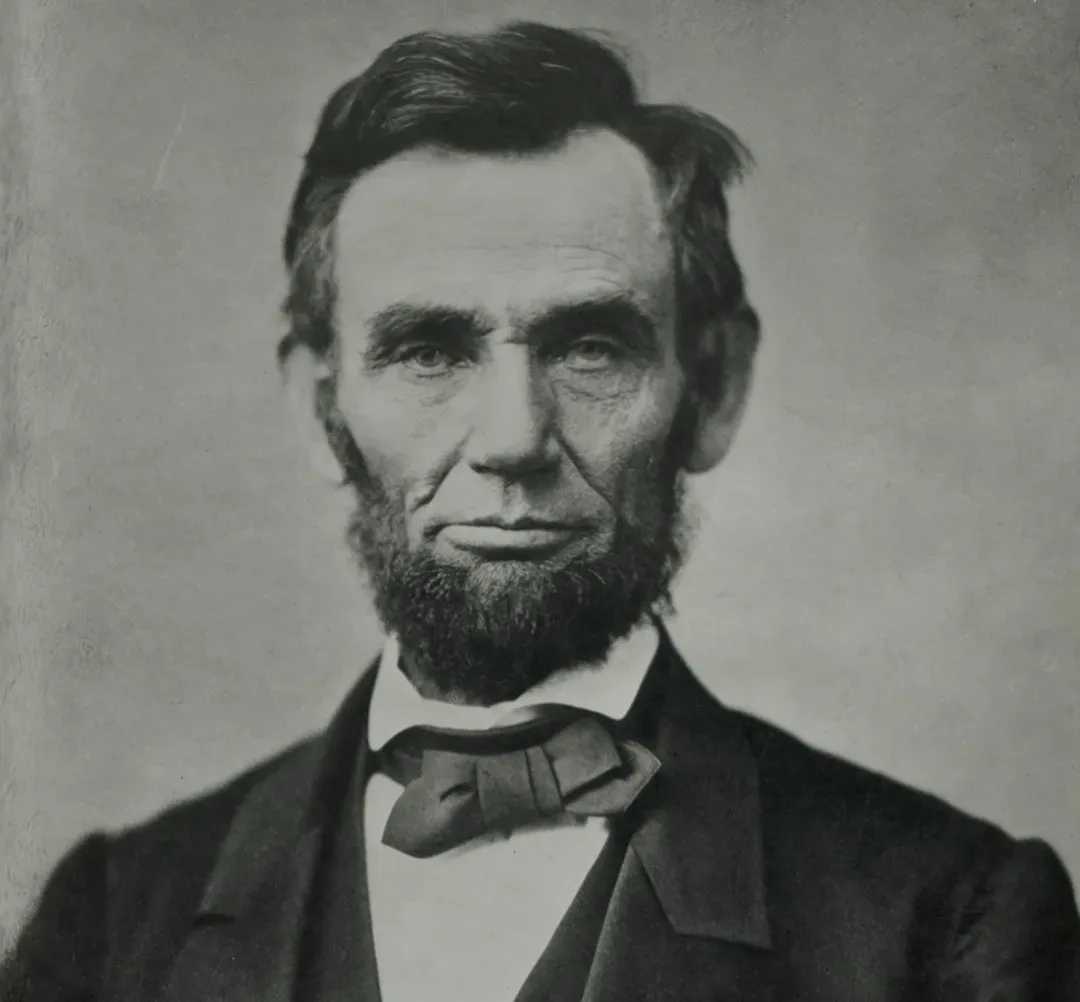
If you step into Abraham Lincoln’s final week alive, you find a president haunted by dreams. You are not hearing this second-hand through folklore alone; close associates later described how Lincoln spoke about a disturbing dream in which he walked through the White House, heard sobbing, and discovered a covered corpse in the East Room with soldiers guarding it. When he asked who had died, the answer in the dream was that the president had been assassinated. You cannot turn that into hard proof of supernatural foresight, but you can say with confidence that Lincoln really did share this dream before April 14, 1865, and that people around him took it seriously enough to write it down. You also have a man who had already survived multiple threats and lived with a constant sense of danger, which makes the dream feel less like fantasy and more like a brutally accurate emotional forecast. Still, when you line up the dream and the reality of his body lying in state in that same building, you’re left with an eerie sense that he somehow rehearsed his own death before it happened.
2. Mark Twain and the Return of Halley’s Comet
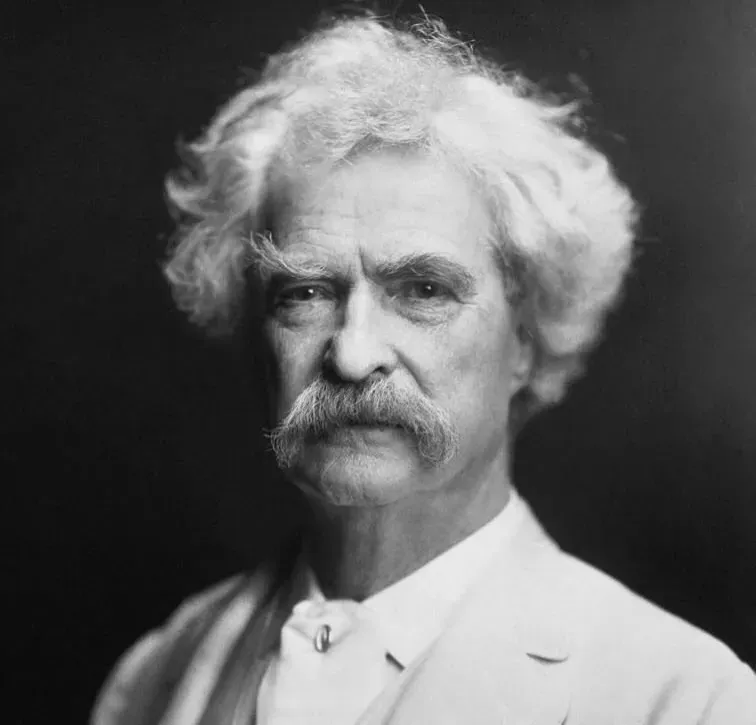
When you look at Mark Twain’s life, you see someone who turned even fate into a punchline – but the joke he made about his own death ended up sounding uncomfortably precise. You are told through his biographers and contemporaries that Twain liked to point out he was born shortly after Halley’s Comet appeared in 1835, and that he expected to die when it came back. He framed it as a kind of cosmic symmetry, the sort of grand, half-serious remark a showman would make. Yet when you check the timeline, you see that Halley’s Comet returned in 1910, and Twain died in April of that same year, within the comet’s window of visibility. You can reasonably argue that a man in his seventies who knew the comet’s schedule was playing the odds and dramatizing the inevitable reality of aging. But if you put yourself in the shoes of someone hearing that prediction before 1910 and then watching the news of his death arrive as the comet streaked back into the night sky, you can understand why the story never went away.
3. Nostradamus and the Quiet Line About “Next Morning”
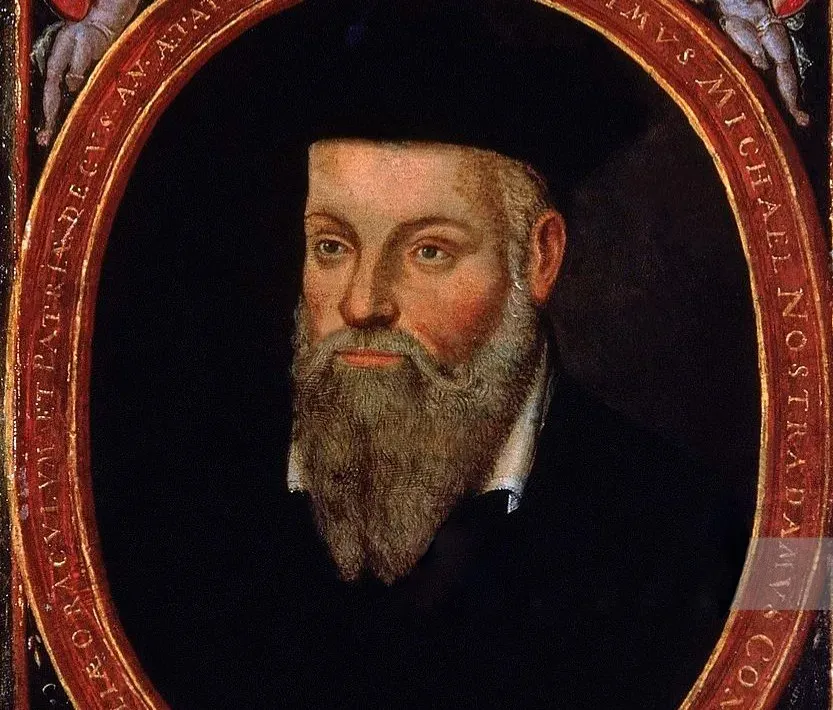
You might associate Nostradamus with sweeping, murky prophecies stretched to match almost any disaster, but his alleged prediction of his own death is remarkably small and simple by comparison. The story you encounter in later accounts is that, on the night before he died in 1566, he told a visiting priest or friend that they would not see him alive the next morning. It was not dressed up as elaborate poetry or shuffled into a book of verses – just a direct, everyday statement. When you trace the history, you see that the account of this remark appears in biographical material written after his death, based on people who knew him. That means you do not have courtroom-level proof, but you do have a tradition anchored in specific names and circumstances rather than anonymous legend. You can also imagine more ordinary explanations: he had chronic health issues and likely knew he was close to the end, and a man familiar with illness could easily sense a final decline. Still, something about the understated certainty of that “you will not find me alive at sunrise” line has kept it lodged in historical memory.
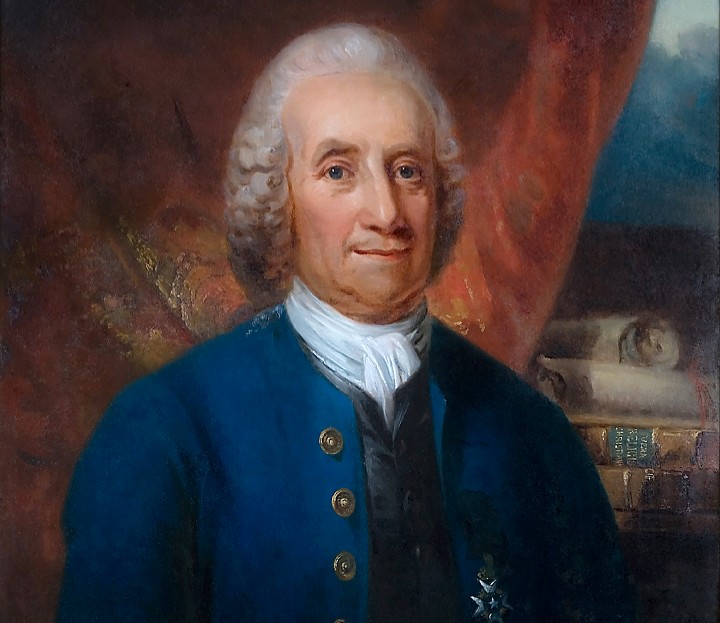
4. Emanuel Swedenborg and a Date Marked on the Calendar
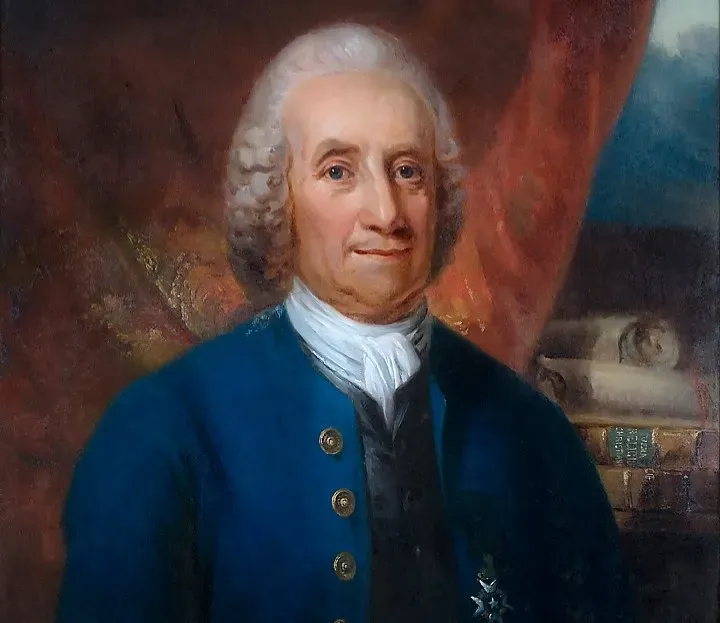
Emanuel Swedenborg gives you one of the cleanest, most documented cases of someone naming an exact date for their own death and apparently getting it right. This Swedish scientist-turned-mystic, active in the eighteenth century, was already known for elaborate descriptions of spiritual journeys. According to multiple contemporary reports from people who interacted with him, Swedenborg calmly stated, months in advance, the day he would die, and did not change his prediction as the date drew near. When you look closer, you find that his death in 1772 in London lined up with the very day he had specified. You can reasonably suspect that failing health, age, and the medical knowledge of his time could have allowed him to estimate his remaining weeks with more accuracy than you might expect. You also have the possibility that some witnesses, telling the story later, rounded events to fit the legend. But when you separate the embellishments from the core claim, you are still left with a man who named a date and then quietly reached it, as if he had circled it in his own mind long before the rest of the world caught up.
5. Grigori Rasputin and Warnings Before the Icy River
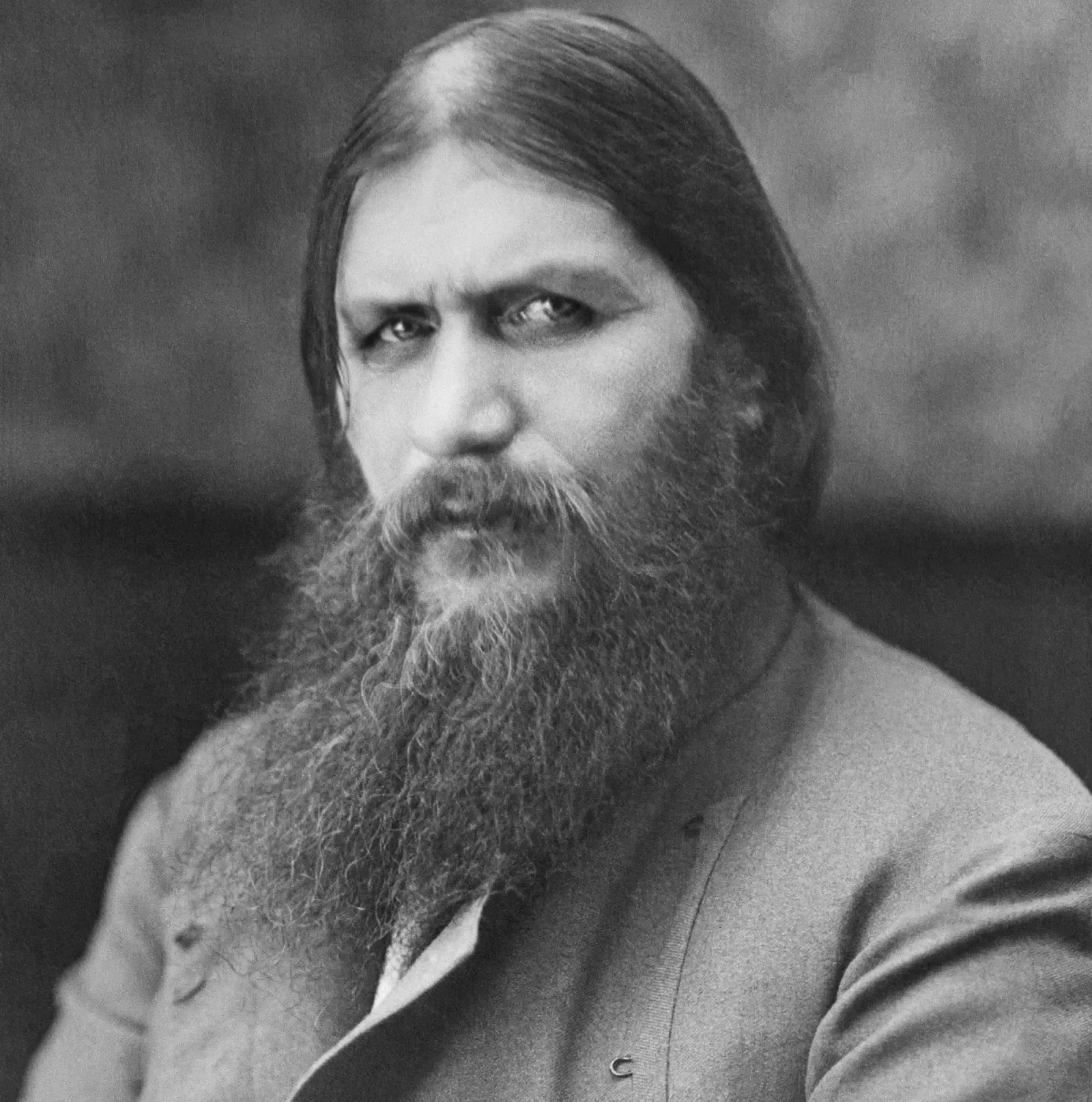
If you wander into the final years of the Russian Empire, you find Rasputin – the mystic adviser whose life was already surrounded by dark rumors. In some accounts, you see him leaving behind a letter that warned of impending disaster if he were killed by nobles close to the tsar. In a different layer of storytelling, you hear that he foresaw his own violent death at the hands of the aristocracy and spoke about it in advance. When you sift through the evidence, you find that the surviving “prophecy” text about his own death and the fall of the Romanovs appears in documents and testimonies only after his murder in 1916. That means you need to treat any detailed version very cautiously. However, what you can say with confidence is that Rasputin was fully aware of the hatred around him, openly talked about his enemies, and lived as if he expected a brutal end, which was ultimately delivered in the form of shooting, beating, and drowning. Whether you interpret that as mystical foreknowledge or a realistic understanding of the politics closing in on him, you are still looking at a man who repeatedly anticipated a violent fate that arrived almost exactly as feared.
6. Princess Diana and Her Fear of a Planned Car Crash

When you look at Princess Diana’s last years, you see a woman who believed her life was at risk and who committed that fear to paper. You can point to evidence that she wrote notes claiming there was a plan to kill her in a car crash and that she spoke to lawyers and friends about her worries. Those writings and testimonies later became part of official investigations, which gives you a firmer foundation than rumor alone. From your perspective, knowing the outcome, it’s hard not to shiver when you line up those written fears with the 1997 crash in Paris. At the same time, you also have to accept the limits of what you can claim: the notes were about suspicion and anxiety, not a precise date, route, or city, and they lived in a broader context of security concerns, media harassment, and marital breakdown. You are not dealing with an exact script of her last night; you are confronting the tragic sight of someone who genuinely believed she would die in a staged accident and later did, in circumstances that made those earlier words impossible to ignore.
7. William Lilly, the Astrologer Watching His Own Chart
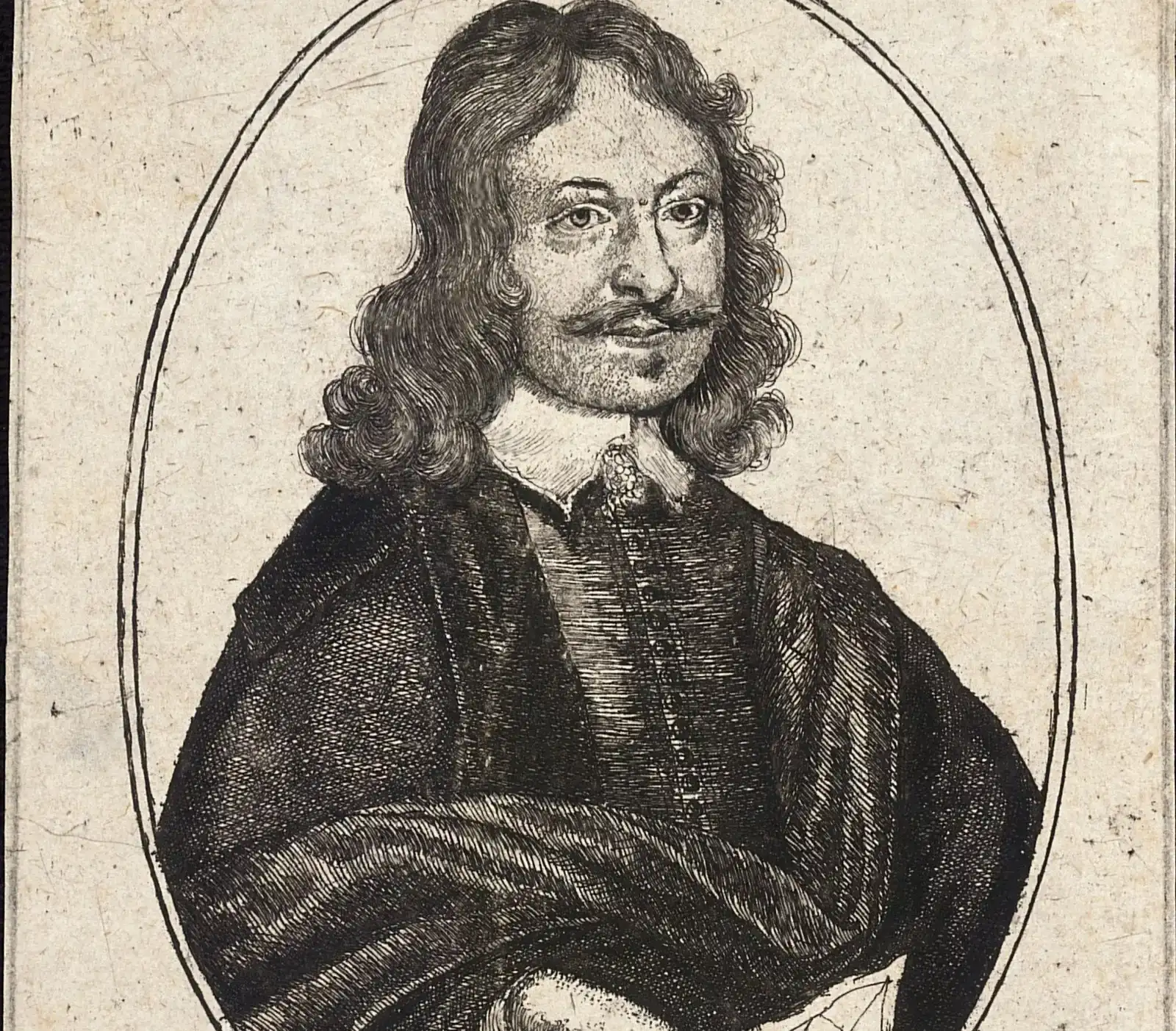
William Lilly, a seventeenth‑century English astrologer, made a career out of casting charts for wars, fires, and political upheavals. It’s hardly surprising to you that someone so steeped in prediction would eventually turn his gaze on himself. In later biographical discussions and specialist history pieces, you see references to Lilly examining his own horoscope and concluding that his time was almost up, then sharing that assessment before his death. You can explain this without invoking anything supernatural: Lilly was aging, his health was fading, and he interpreted those obvious physical signals through the symbolic language he knew best. It is entirely possible that he adjusted his declared forecast as his body weakened. Even so, what strikes you is not the mechanics of astrology but the human impulse behind it – a man trying to frame his own decline in a pattern that made sense to him, and apparently managing to align his personal timetable closely enough for later writers to treat it as a fulfilled prediction.
8. Jeane Dixon and the Shadow of Her Own End
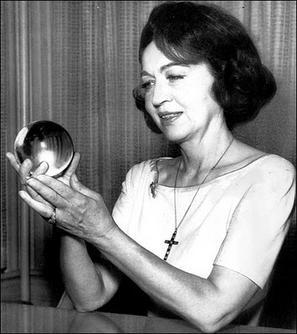
Jeane Dixon built a mid‑twentieth‑century reputation as a psychic and astrologer, helped along by a few famous hits and many quiet misses. You mostly hear about her prediction connected to President Kennedy’s assassination, but buried in discussions of her life are stories that she also foresaw her own death. Different biographical sources describe her as having warned close associates not to worry when she was gone and having spoken in general terms about an approaching end. As you examine this, you quickly see that there is no solid, time‑stamped record of her naming a specific date or cause the way some more dramatic popular retellings suggest. What you can say is that by the time of her death in 1997, Dixon was in her nineties and had long been conscious of mortality, both personally and professionally. When you live so publicly in the language of prediction, almost any remark about your eventual death gets retrofitted into a prophecy. So while you can acknowledge that she often talked about her own passing, you have to be honest with yourself about the lack of precise, verifiable detail.
9. Emanuel Lasker and the Calm Acceptance of an End
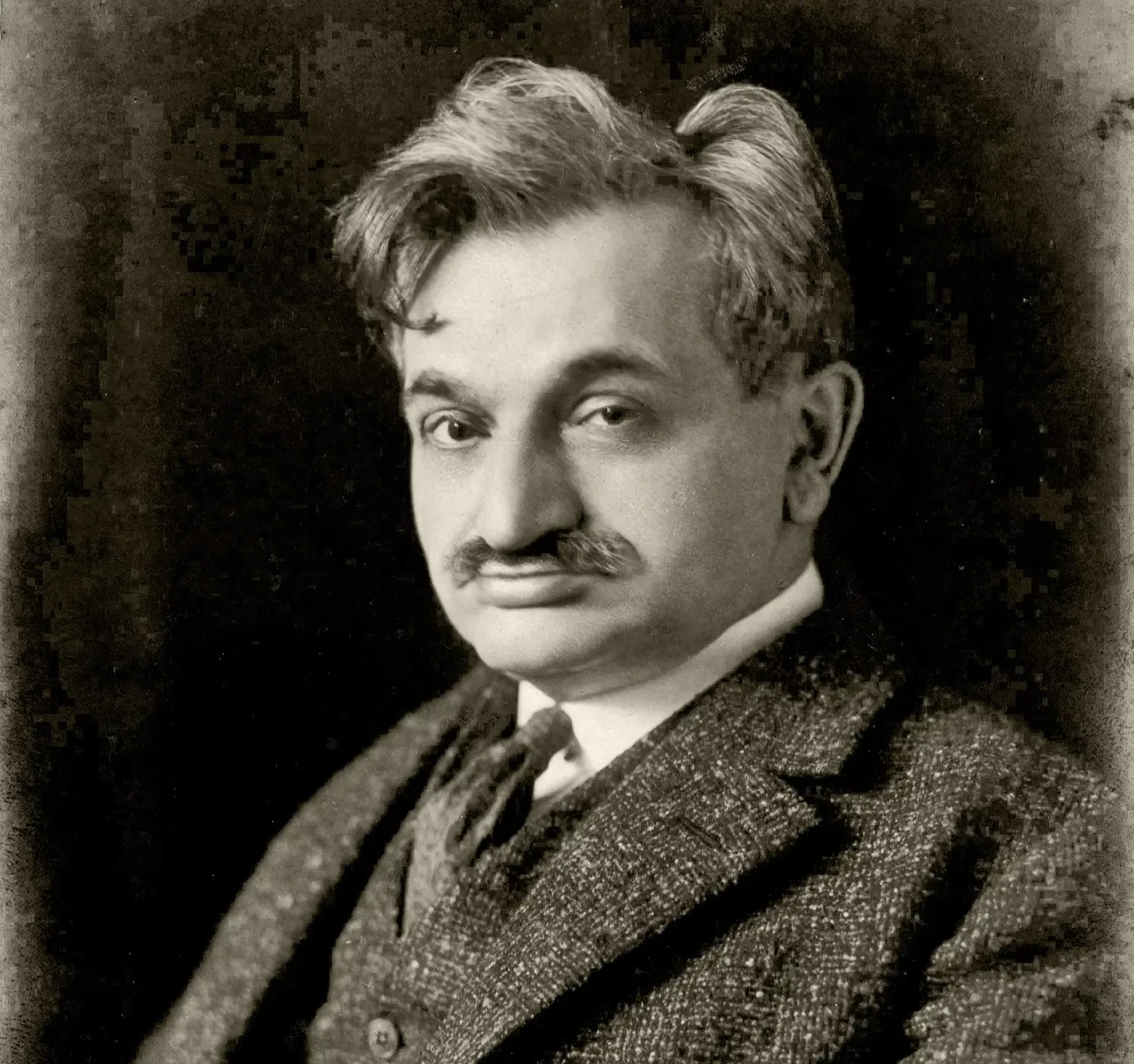
If you know Emanuel Lasker primarily as a world chess champion, you might be surprised to see his name in a discussion like this. Yet in some historical and psychological writings on mortality, you’ll find his final period used as an example of quiet, self‑aware forecasting. Accounts from those who knew him depict an aging, ill man who spoke with striking certainty about not having much time left, organizing his affairs accordingly and openly acknowledging that he was nearing his last move. Here, you are not dealing with visions, dates, or dramatic letters – you are watching a rational mind reading the board of his own health. Lasker had every reason to trust the signals of his body and the medical assessments around him, and his “prediction” of death looks very much like sober realism. Still, when friends later remembered how clearly he had stated his expectation of imminent death and how calmly he walked toward it, you can see why they described it in almost prophetic terms, even though the explanation sits squarely inside human reason.
10. Everyday Premonitions: Death Dreams Recorded in Clinical and Historical Studies

You might expect the most compelling stories to come only from famous names, but when you dive into psychological and medical literature, you find something broader: ordinary people who apparently predicted the timing or manner of their own deaths in dreams or sudden certainties. Researchers studying deathbed visions and premonitions have documented cases in which someone described a clear dream about dying a particular way, set their affairs in order, and then died in a way that seemed to match the scenario more closely than random chance feels comfortable explaining. Because you are dealing with humans and memory, you have to tread carefully. Many such experiences are shared only after the fact, and family members naturally emphasize the parallels and quietly ignore what does not fit. Yet even with that caution, you cannot completely dismiss the consistent pattern of people reporting vivid, emotionally charged images of their own deaths shortly before they occur. As you read across decades of case reports, you begin to see why some scientists cautiously ask whether the mind sometimes picks up on subtle, unconscious signals and turns them into a story of what is about to happen.
Conclusion: What Do You Do With a Life That Sees Its Own Ending?
When you lay these stories side by side, you notice that very few of them give you a neat, supernatural headline. You see dreams that might be shaped by fear, statements that could have been informed by illness, and predictions that were recorded by others who had every reason to remember only the hits. If you’re honest with yourself, you have to admit that memory, probability, and narrative hunger are powerful forces that can make almost any accurate guess feel like destiny. But you also feel something quieter and more personal when you read about Lincoln’s dream, Twain’s comet joke, or Swedenborg’s circled date. You are looking at people confronting the most universal fact of life and somehow finding a way to name it out loud before it arrives. Whether you interpret that as intuition, pattern‑recognition, or something stranger, it forces you to ask a simple, unsettling question: if you ever truly sensed the shape of your own ending, what would you do with that knowledge?