
For years, the story of Easter Island sounded almost too neat: an isolated people supposedly chopped down every last tree, built giant stone heads, ruined their own ecosystem, and collapsed in chaos before Europeans arrived. It was told like a warning fairy tale about human greed. But as archaeologists kept digging deeper around the famous statues and across the island, that tidy story started to fall apart.
Full excavations, better dating methods, and a closer look at the soil, bones, and stones have revealed something far more complex – and, honestly, much more interesting. The old explanation has been quietly revised, softened, or dropped altogether in academic circles, even if the dramatic myth still lingers in popular culture. Let’s walk through nine key facts that research has forced scholars to rethink, and why Easter Island’s real history is not a simple doomsday parable, but a story of ingenuity, resilience, and outside disruption.
The “Ecocide” Story Is Mostly Wrong
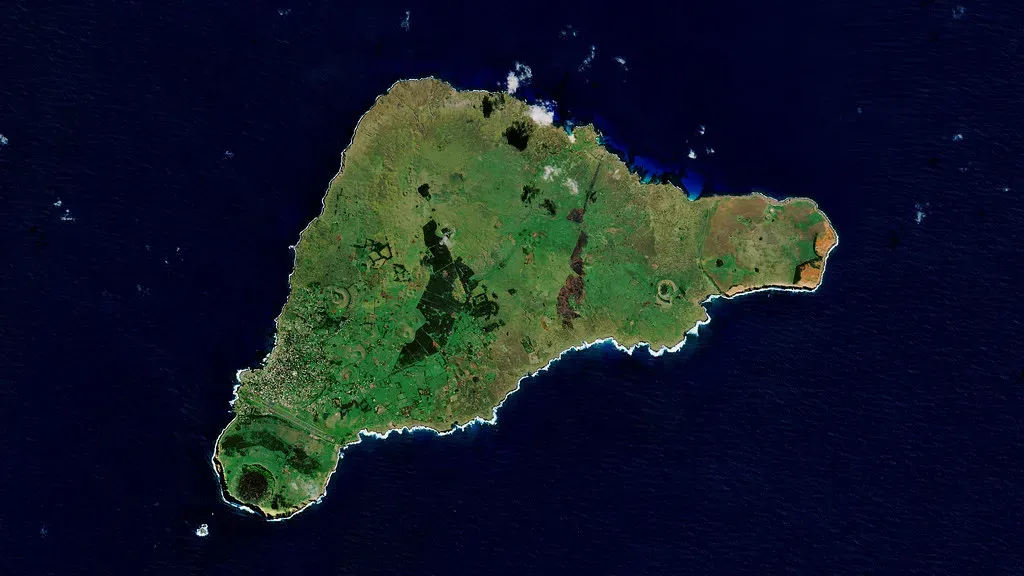
For a long time, the dominant story claimed that the Rapa Nui people destroyed their own environment through reckless deforestation and overpopulation, triggering collapse before Europeans showed up. Excavations across the island, including pollen records from lake sediments and detailed studies of ancient soils, tell a more nuanced story: the environment changed, but it was gradual and often managed, not a single catastrophic self-inflicted disaster.
Researchers now see a combination of factors – Polynesian rats eating tree seeds, slow agricultural pressure, and later European-introduced diseases and slave raids – as shaping the island’s fate. Instead of a people mindlessly sawing off the ecological branch they were sitting on, the evidence points to a community that adapted creatively for centuries in a tough environment, until outside forces hit them hard. The “ecocide” label makes for a dramatic headline, but it just doesn’t fit what the ground actually shows.
The Moai Are Not Just “Heads” – And That Changes Everything
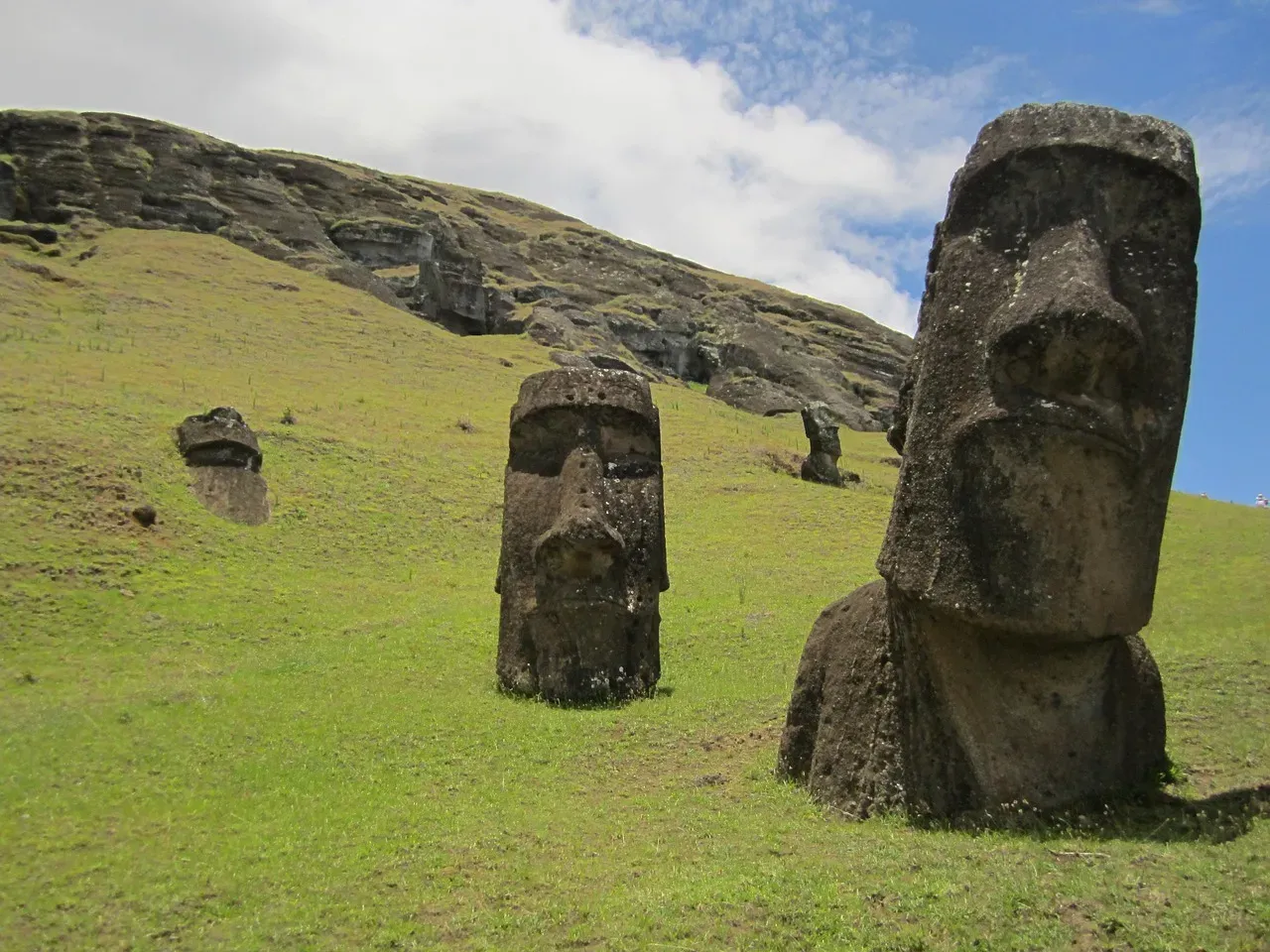
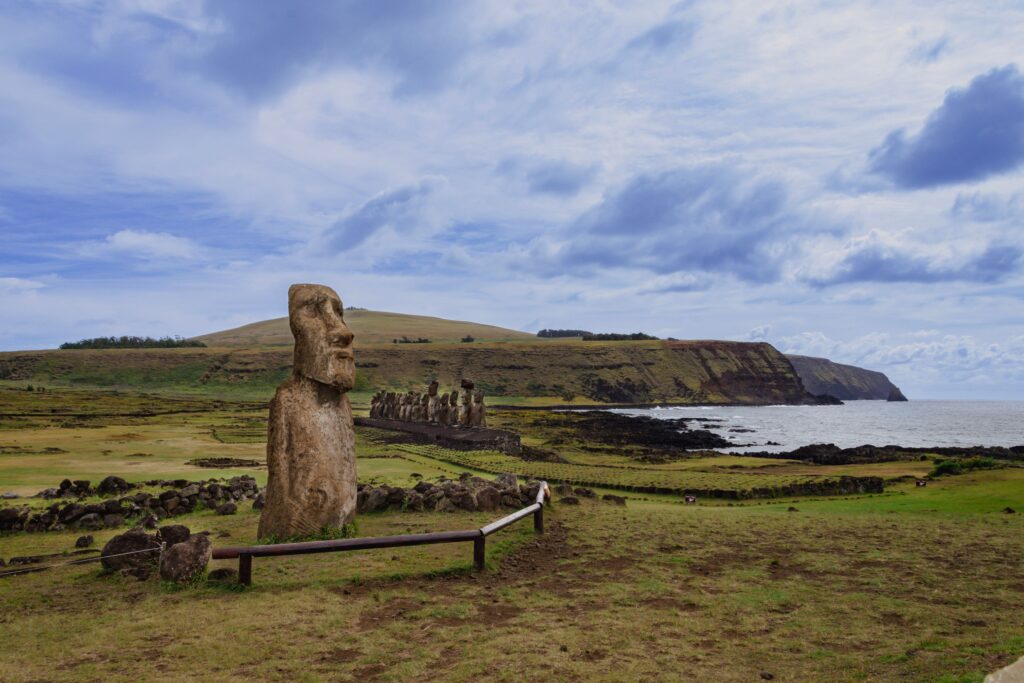
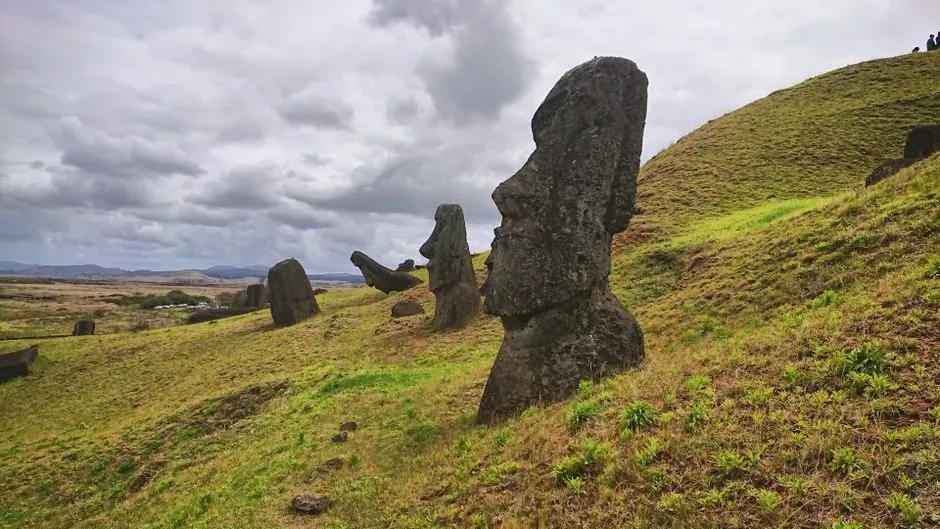
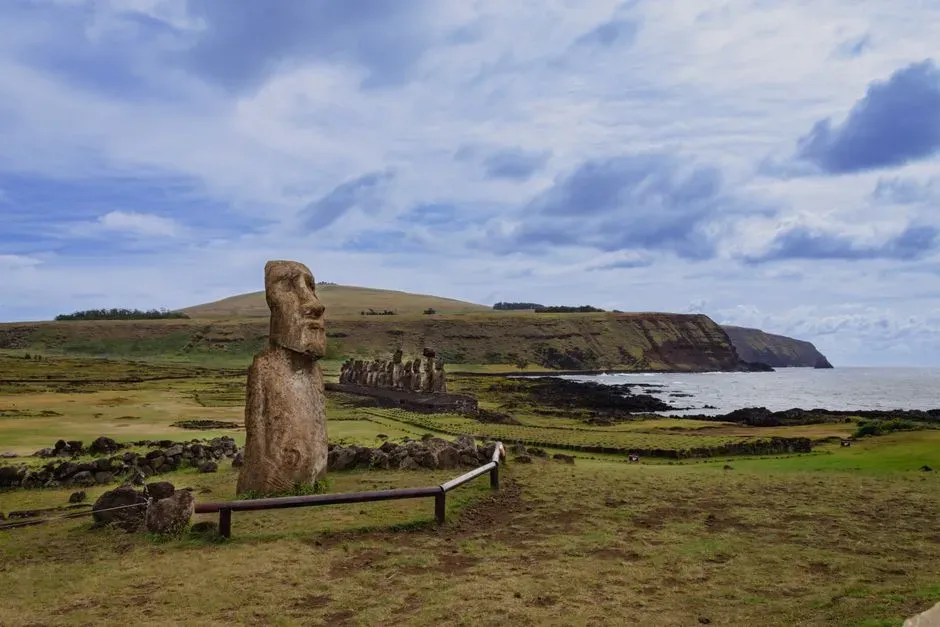
Those iconic photos of Easter Island usually show enormous stone heads staring over the landscape, almost alien in their stillness. But full excavations around several statues have revealed that many of the moai actually have long torsos and sometimes even hands, buried up to the shoulders or chest in accumulated soil. These bodies are carved with intricate details, including subtle backs, arms, and sometimes petroglyphs that you would never guess from the postcard images.
This matters because it shifts how we think about their symbolism and purpose. These were not just heads as some strange obsession with faces, but complete monumental figures, likely representing powerful ancestors watching over the land. Once you see the whole form, the statues feel less like mysterious alien artifacts and more like deeply human attempts to anchor memory, authority, and identity into stone. The “just heads in the middle of nowhere” narrative simply does not survive a proper dig.
The Islanders Did Not Vanish Before Europeans Arrived
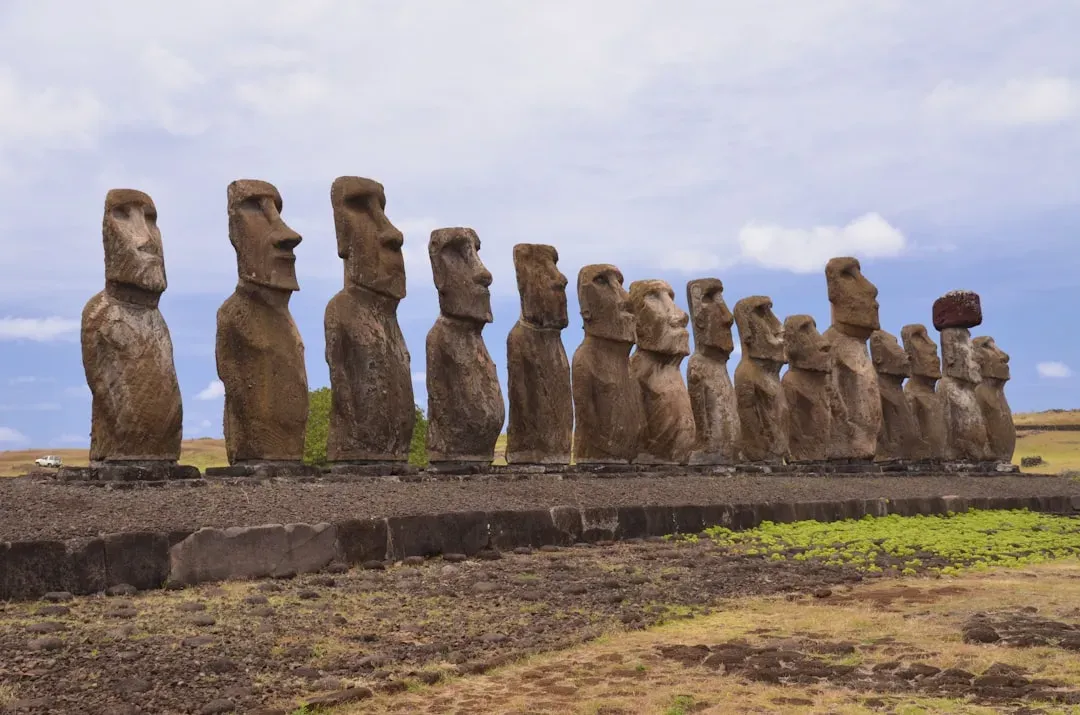
The popular story often goes like this: the society collapsed, the people died off or descended into chaos, and by the time Europeans showed up, the island was already a tragic wasteland. However, radiocarbon dating of settlements, bones, and agricultural features shows continuity of life on the island right up to and beyond first European contact in the early eighteenth century. The Rapa Nui were still there, farming, fishing, and maintaining their culture, even if the environment had changed.
What really devastates the population, according to historical records matched with archaeological clues, is not some prehistoric meltdown, but the arrival of outsiders. European diseases, forced labor, and especially nineteenth-century slave raids in the Pacific tore through the island’s population and social structures. When you look at the timeline carefully, it is painfully clear that the worst collapse comes after contact, not before – a fact that drastically undercuts the old “they did it to themselves” moral tale.
The Landscape Shows Careful Engineering, Not Chaotic Destruction
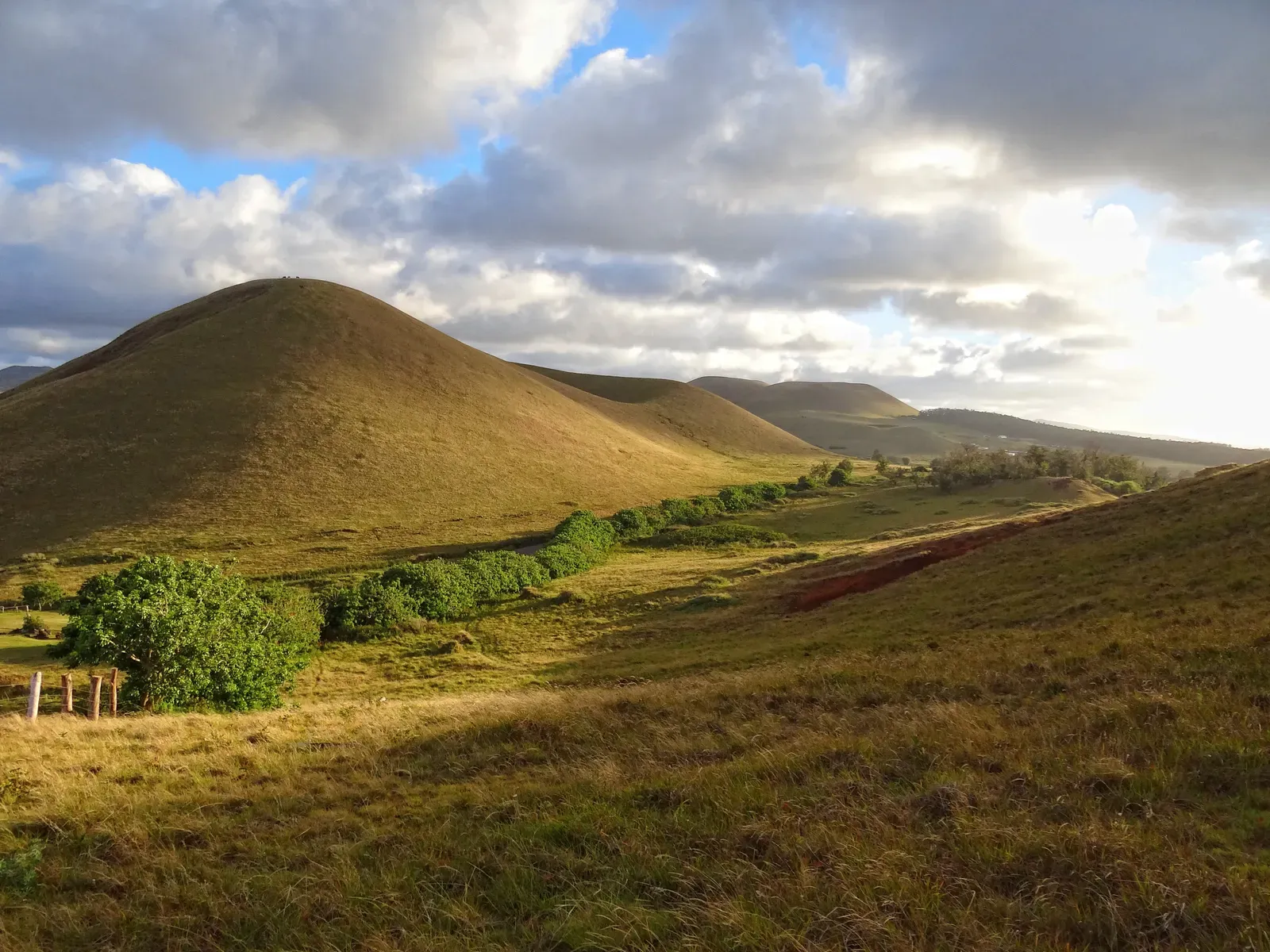
One of the biggest assumptions behind the classic Easter Island story was that people stripped the land bare without any plan, like panicked over-consumers. Yet field surveys and excavations of ancient fields have revealed a network of rock gardens, stone mulching, and carefully shaped planting surfaces. Farmers used broken rock to trap moisture, protect fragile soil, and boost yields on an island where wind and poor soil could easily wipe out crops.
These features do not look like the aftermath of reckless abuse; they look like the work of people squeezing every bit of life out of a hard landscape with impressive knowledge. When you stand back and imagine it, the island was more like a giant, stone-tuned agricultural laboratory than a cautionary landfill. The new evidence paints a picture of resilience and experimentation, not blind destruction.
Deforestation Was Complex – and Not Just Human Greed
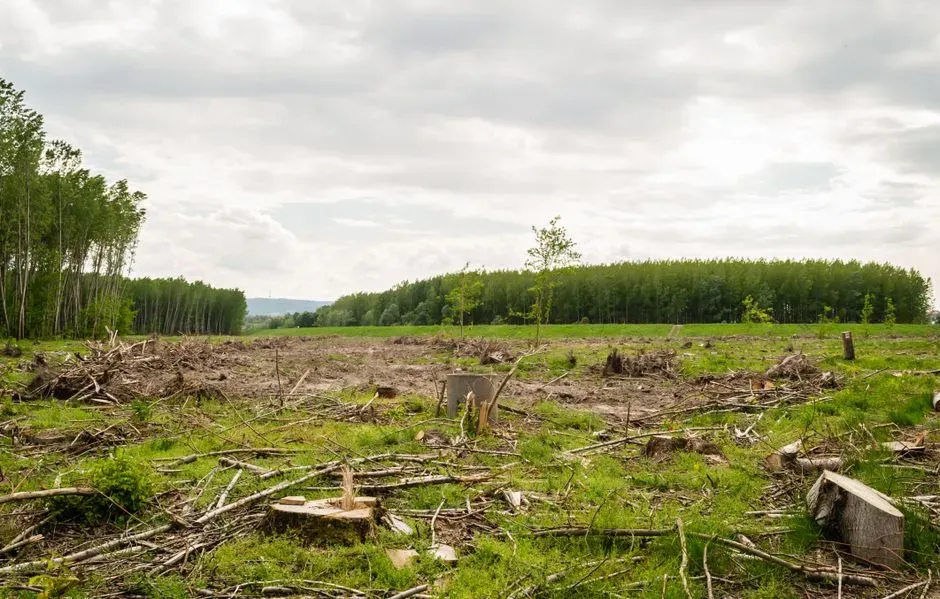
The old account usually goes: people cut down all the palm trees to move statues, build canoes, and make fires, until nothing was left. Excavations of ancient pollen and seeds, along with studies of rat-gnawed seeds, suggest a slower, more complicated story. Polynesian rats, introduced accidentally with the first canoes, may have eaten a huge number of seeds, making it very hard for the giant palms to regenerate, even without extreme logging.
Add to that selective cutting for agriculture and fuel, plus storms and natural changes, and you get a long-term shift in vegetation rather than a single apocalyptic logging spree. It is uncomfortable for the simple morality tale, but sometimes ecosystems are undone by a quiet, cumulative mix of human and nonhuman pressures rather than a dramatic axe-swinging frenzy. The more we learn, the less fair it is to point at the Rapa Nui as a textbook case of pure, willful ecocide.
The Moai Could Be Moved Without Massive Forests
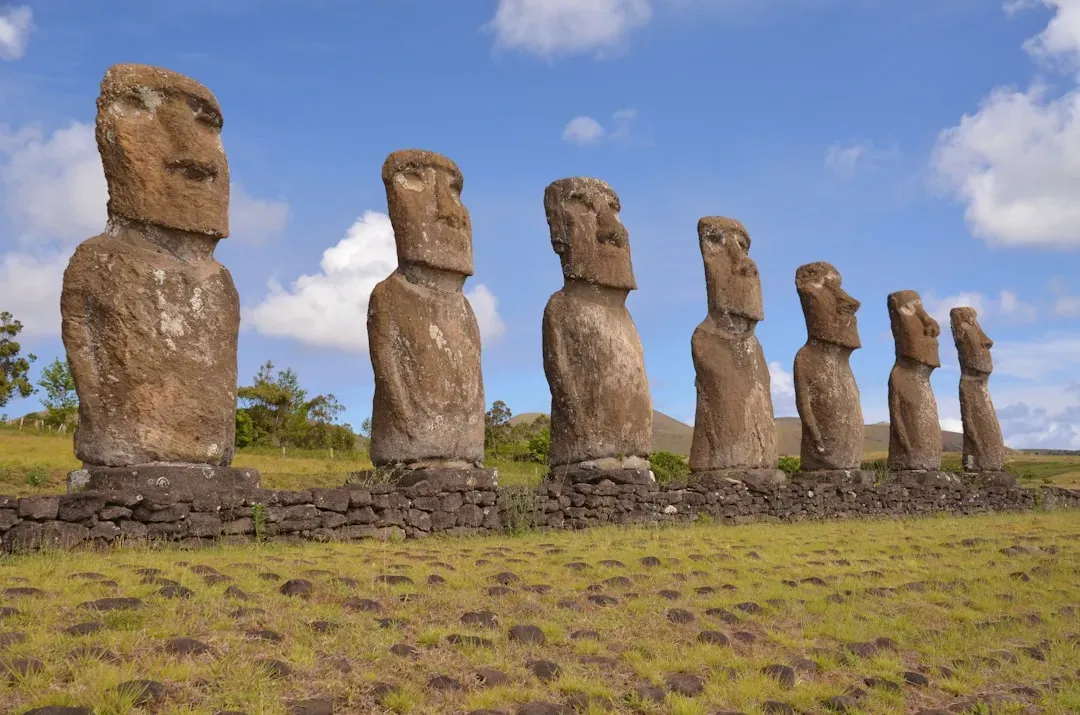
A key part of the old story claimed that the islanders needed huge numbers of trees as rollers to move the giant statues, which supposedly drove deforestation. But detailed experiments, combined with wear patterns on statue bases and roads around the quarry, support another idea: that the moai could have been “walked” upright with ropes and coordinated teams. When researchers tried this with replicas, they managed to wobble them forward like heavy, stony refrigerators being shuffled across a kitchen floor.
If statues could be moved this way, they did not require endless supplies of logs, which takes a big bite out of the argument that statue transport alone killed the forest. It also reframes the Rapa Nui not as reckless log-burners but as brilliant problem-solvers who figured out how to move multi-ton figures using clever physics and teamwork. To me, that sounds a lot more believable – and a lot more impressive – than the cartoon version of people rolling stones while the last tree falls in the background.
Evidence of Cooperation Outweighs Evidence of Total Civil War
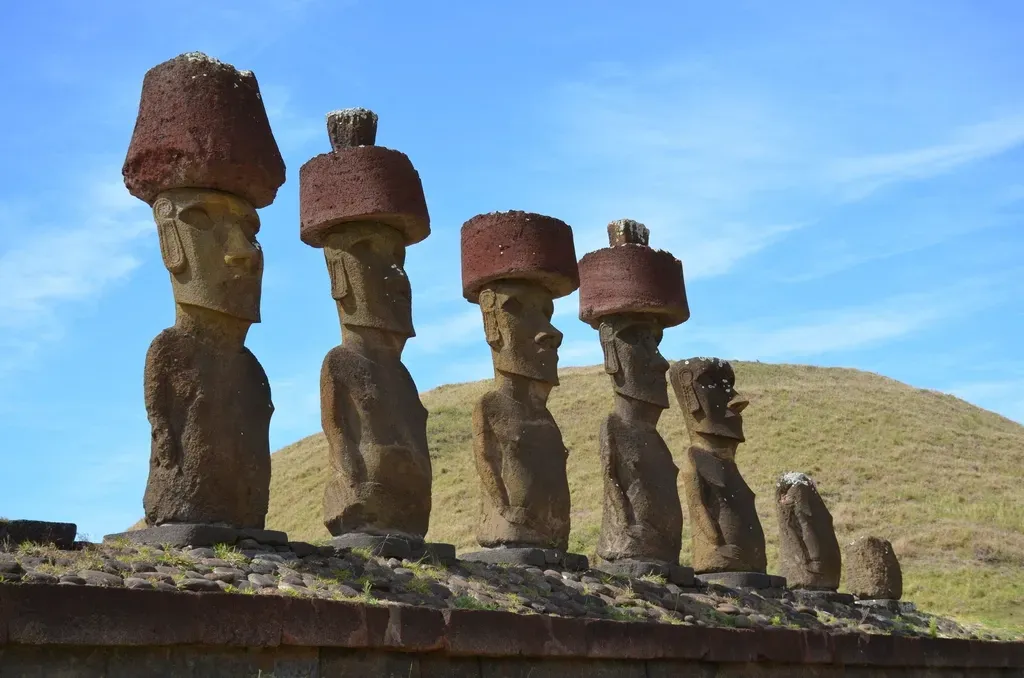
The grim image of Easter Island often includes a final spiral into war, with clans toppling each other’s statues and fighting over shrinking resources. While there are signs of conflict – such as spear points and some toppled moai – the archaeological record is not dominated by massacre sites or mass graves. Instead, we see long-term stable village sites, shared quarries, and a surprising level of continuity in artistic and building styles across the island.
That does not mean life was peaceful or easy; no human society escapes tension. But the earlier narrative leaned heavily on the idea of total societal breakdown, which just is not strongly supported by what has been dug up. The balance of evidence suggests a society that managed to cooperate across groups for centuries to build and maintain monumental works, rather than one that simply imploded under the weight of its own anger and greed.
What is even more striking is that some of the monumental building and complex farming appear to continue into the period closer to European contact. That implies social organization and leadership strong enough to coordinate labor, not a burnt-out landscape of scattered survivors. The story of universal civil war made for a dramatic last chapter, but in the face of the excavated facts, it looks more like a partial footnote than the whole plot.
The Population Was Likely Smaller and More Stable Than Once Claimed
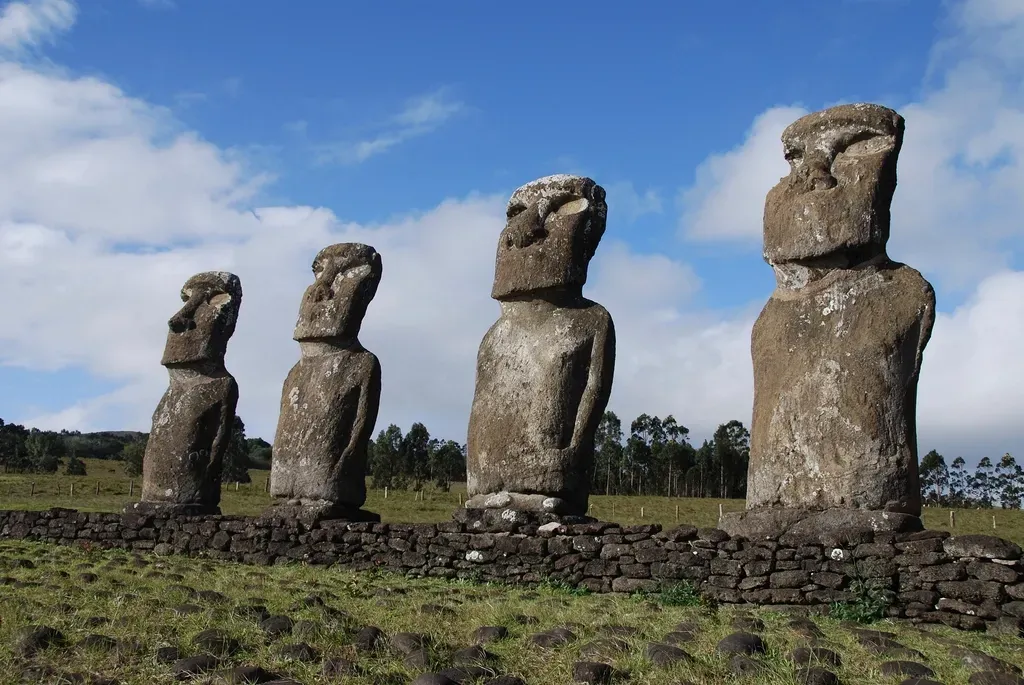
Older estimates imagined tens of thousands upon tens of thousands of people jammed onto Easter Island, exhausting its every resource in a kind of ecological overcrowding experiment. Newer work that counts house sites, evaluates garden areas, and reexamines human remains tends to support more modest population figures, and crucially, a population that was not exploding uncontrollably right before contact. The numbers may have fluctuated, but they do not point strongly to runaway growth leading to inevitable collapse.
This matters because the classic collapse narrative leaned hard on the idea of massive overpopulation. If the island never held as many people as once claimed, or if growth was limited by available land and food, then the doom story weakens. It starts to look less like a packed lifeboat turning on itself and more like a small but resourceful community living close to the edge for a very long time. That is still dramatic, but in a quieter, more realistic way.
European Contact Was the Real Turning Point
Archaeology alone can only tell part of the story, but when you line it up with written records from ships and later censuses, a stark pattern appears: the sharpest population collapse and cultural disruption follow contact, not precede it. Diseases for which the islanders had no immunity, forced conversions, land seizures, and especially the horrific slave raids from South America in the nineteenth century cut the population down to a tiny fraction of its former size. By the late 1800s, only a small number of Rapa Nui remained, and much of their earlier social fabric had been violently torn apart.
Blaming that level of devastation on pre-contact environmental mismanagement is, frankly, unfair. It also lets colonial actors off the hook by pretending the damage was already done. When excavations and historical timelines are read together, a stark truth emerges: the greatest shock to Easter Island did not come from within, but from beyond the horizon. Any honest explanation has to reckon with that, even if it complicates the clean moral lesson people once liked to tell.
Conclusion: A Real Story, Not a Convenient Parable
When you pull all these strands together, Easter Island stops looking like a simple warning poster about human stupidity and starts looking like what it really is: a messy, human, and deeply specific place. The Rapa Nui were not perfect environmental saints, but they also were not cartoon villains chainsawing their home into oblivion. They engineered soils, walked giant statues, adapted to change, and endured for centuries in a location that most of us would struggle to survive in for a month.
Personally, I think the biggest mistake was ever turning their history into a neat fable in the first place. The excavations have forced scholars to abandon that tidy story, and that is a good thing, because reality is richer and harder and more honest. Instead of asking how they ruined everything, maybe the better question is how they managed so much, for so long, with so little. If anything, Easter Island is less a tale of inevitable collapse and more a reminder of how complex our relationship with the environment – and with each other – really is; does that match what you expected before you started reading?